
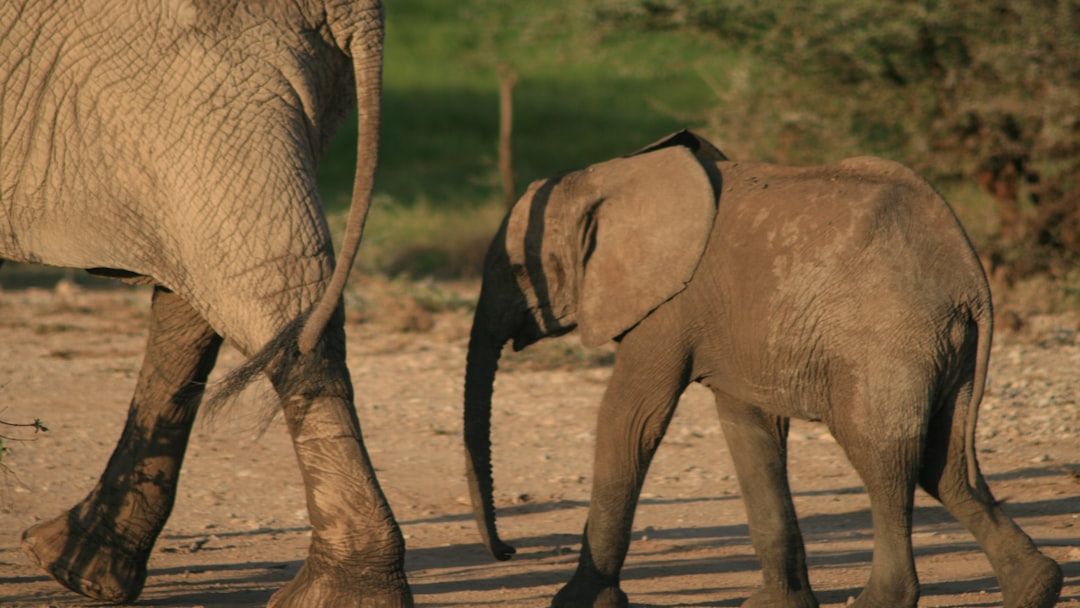
You’ve probably heard the old saying that elephants never forget. It sounds like folklore, right? Something grandmothers tell kids to emphasize remembering their manners. Yet the science behind this phrase is far more fascinating than you might expect. These enormous creatures, with their wrinkled skin and expressive eyes, possess memory abilities that would put most of us to shame.
Here’s the thing: elephants don’t just remember random trivia or faces from the past. Their memories are survival tools, forged through evolution and sharpened by necessity. From navigating vast landscapes to recognizing family members decades later, elephants use their brains in ways that continue to puzzle researchers. Let’s dive into what makes their memory so extraordinary.
A Brain Built for Remembering
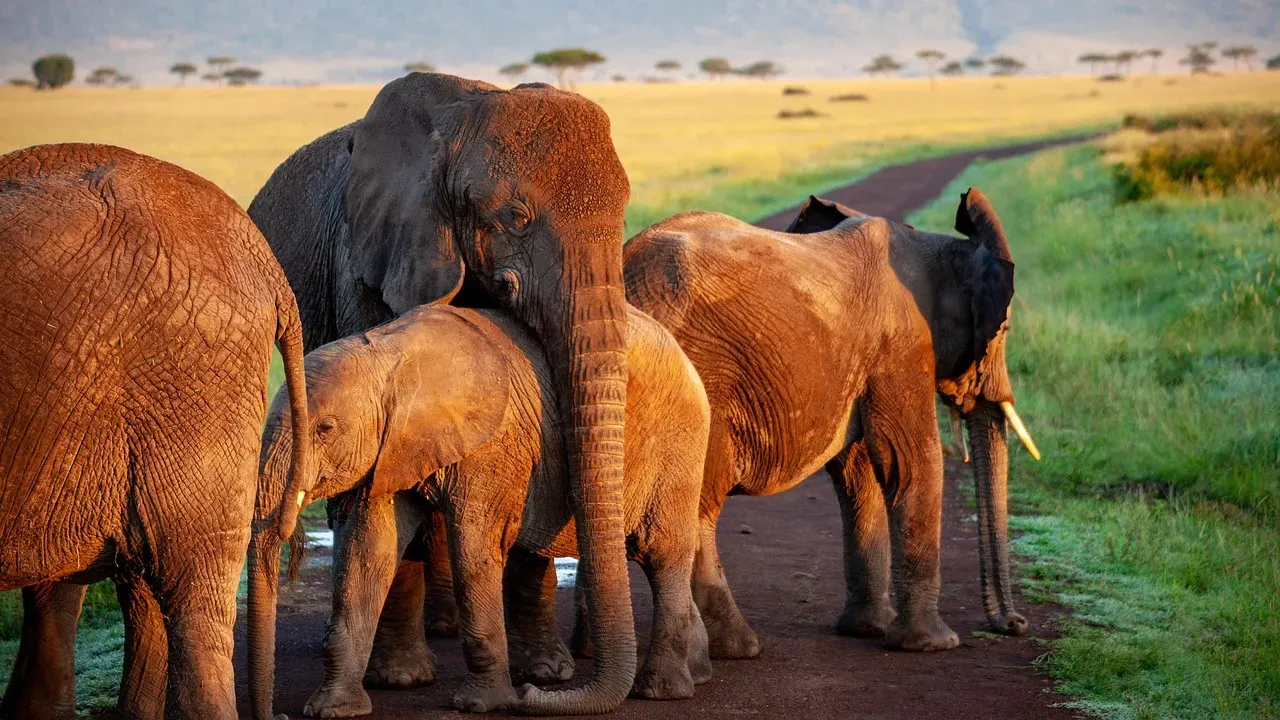
Elephants have the largest brains among terrestrial animals, with an average brain mass of roughly 4,700 grams. That’s more than three times heavier than a human brain. Their brains contain about 257 billion neurons, approximately three times as many as humans possess.
The sheer size isn’t everything, though. What really matters is how those neurons are organized. Elephants’ exceptional spatial memory is linked to the complex neural architecture of their brains, especially the hippocampus, a key structure for spatial navigation and memory processing. The temporal lobe in elephants is unusually large and expanded, which researchers believe plays a crucial role in processing and storing memories.
Think about it this way: if your brain is a library, an elephant’s brain is the Library of Congress with wings added on.
Matriarchs: The Walking Encyclopedias
In elephant society, age equals wisdom. Older elephants, especially matriarchs, play a key role in leading herds, and their memory banks become vital resources for survival. The oldest matriarchal elephants have the best memories, as the older the elephant, the more time she’s had to experience life, meet others, and build up a memory bank of faces and places.
Researchers concluded that older elephants recalled a drought in the park that lasted from 1958 to 1961, and how their packs survived the slim pickings by migrating to lusher areas a distance away. During a severe 1993 drought in Tanzania’s Tarangire National Park, elephant herds with older matriarchs successfully left the parched area, while groups led by younger matriarchs stayed put. The result? The herd led by a young matriarch suffered a 63% mortality rate among calves that year.
Losing a matriarch isn’t just sad. It’s catastrophic for the herd’s survival.
Never Forgetting Where Water Flows
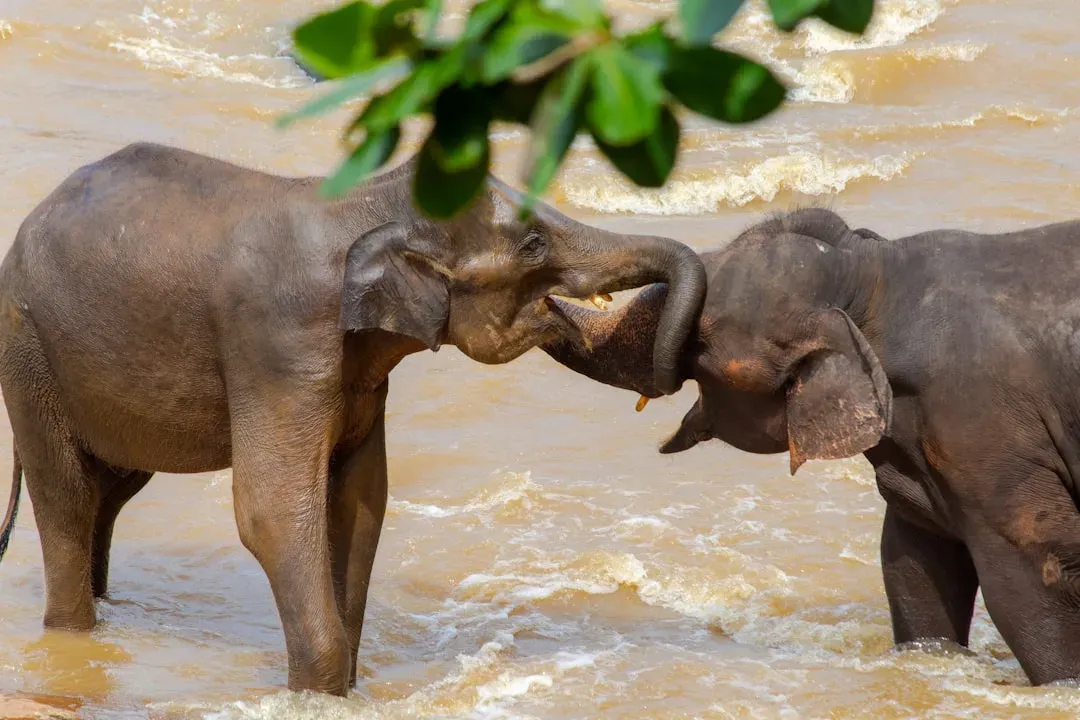
Elephants’ ability to remember the locations of water, food, and safe pathways helps them survive in increasingly fragmented landscapes. This isn’t about casual strolls to the local watering hole. We’re talking about journeys spanning dozens of miles through harsh terrain.
Researchers have witnessed elephants returning to grazing lands over 60 miles away after decades of absence. In one documented case, a herd of elephants in Tanzania was observed returning to a specific location where they had found water during a drought 12 years earlier, highlighting their ability to retain and recall vital survival information over long periods.
They don’t just stumble upon water by accident. Ninety percent of the time, elephants choose the closest water source when in need of one, sometimes going in a straight line to water up to 30 miles away. That’s precision navigation that would make your GPS jealous.
Recognizing Friends and Foes Across Decades
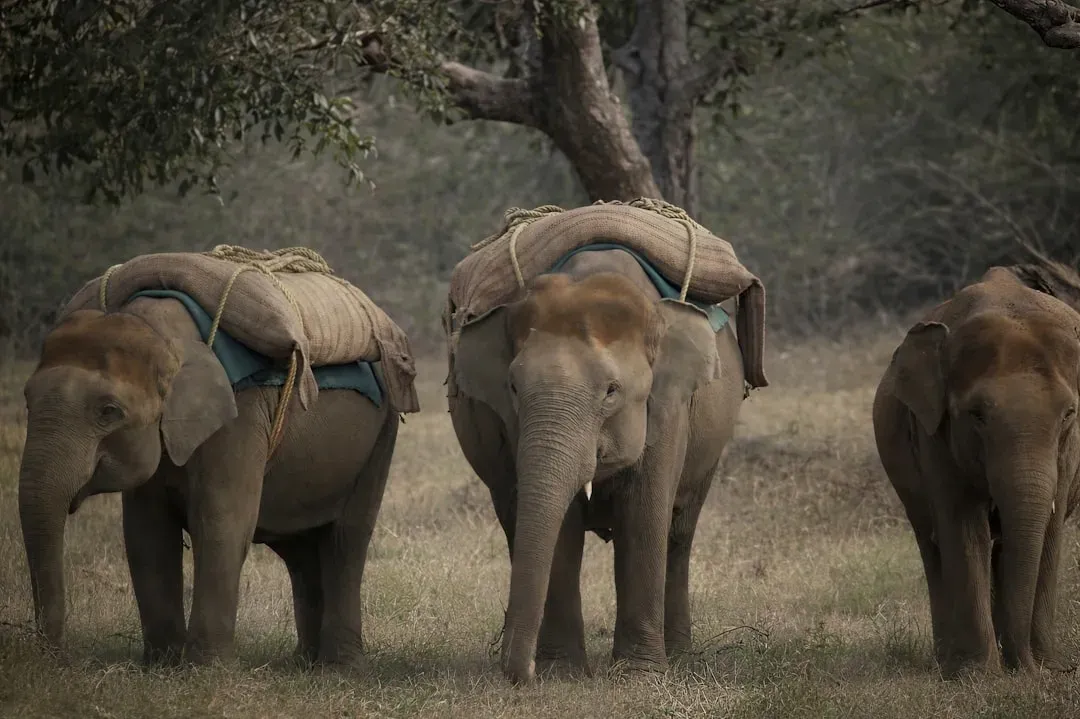
African elephants remember and recognize the voices of at least 100 other elephants. Let’s be real, most of us struggle to remember the names of people we met last week at a party. Elephants? They can identify specific individuals from their calls alone, even after years of separation.
Wild African savanna elephants use name-like calls which were specific to the receiver but did not imitate the receiver’s vocalizations to individually address conspecifics. That suggests they actually have names for each other. Matriarchs have been found to recognize more than 200 individuals, even responding to the call of a dead herd member two years after their death.
It’s hard to say for sure, but their social memory appears to function almost like our human social networks. They remember who was kind, who was aggressive, and who helped them in the past. This shapes their future interactions in ways that feel remarkably… human.
Elephants Remember Humans Too
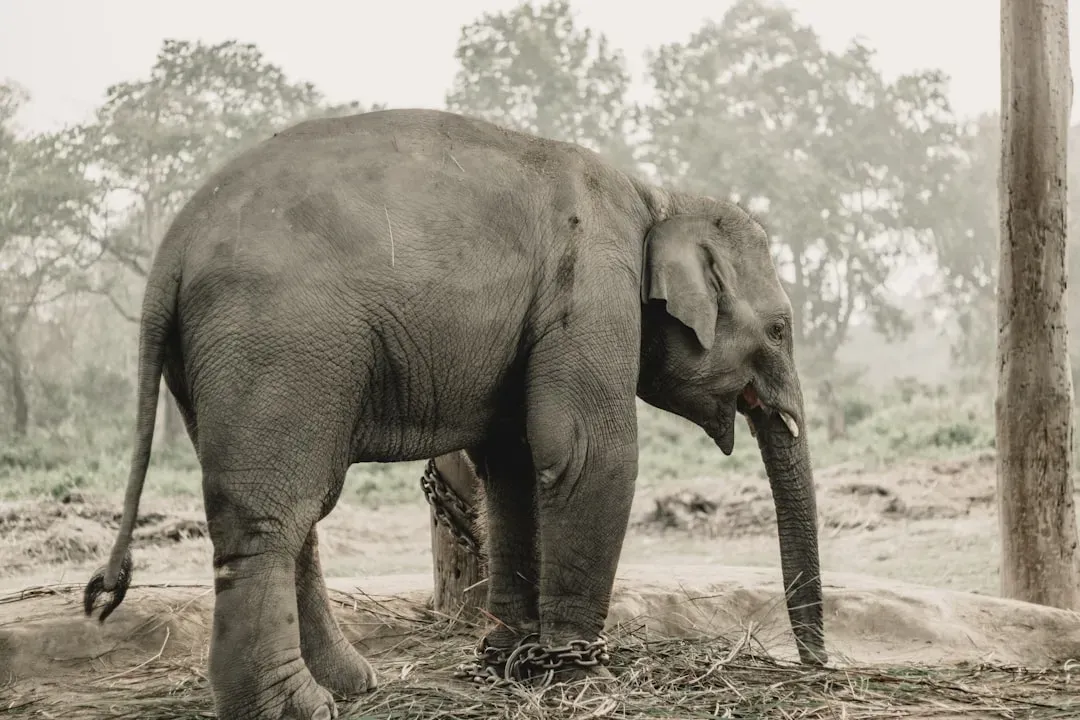
Elephants’ memory extends to their interactions with humans, as they can remember individual people and their behaviors towards them. A 2007 study showed that elephants are able to recognize humans who pose a threat to them compared to those who probably don’t, focusing on two ethnic Kenyan groups where the Maasai often spear elephants while the Kamba agriculturalists don’t usually harm elephants.
The study showed that elephants get more nervous when they come across the scent of a Maasai person versus a Kamba person, and elephants were also more apt to become defensive after hearing the voices of Maasai men versus Kamba men and Maasai women and boys. They can distinguish not just between ethnic groups, but between men, women, and children based on voice alone.
In areas where elephants are protected and treated kindly, they often exhibit trust and curiosity towards humans, but in regions where they have been hunted or harassed, elephants can become wary and even aggressive towards people. Their memory isn’t just impressive. It’s a ledger of past wrongs and kindnesses.
Why Evolution Gave Elephants Such Powerful Memories
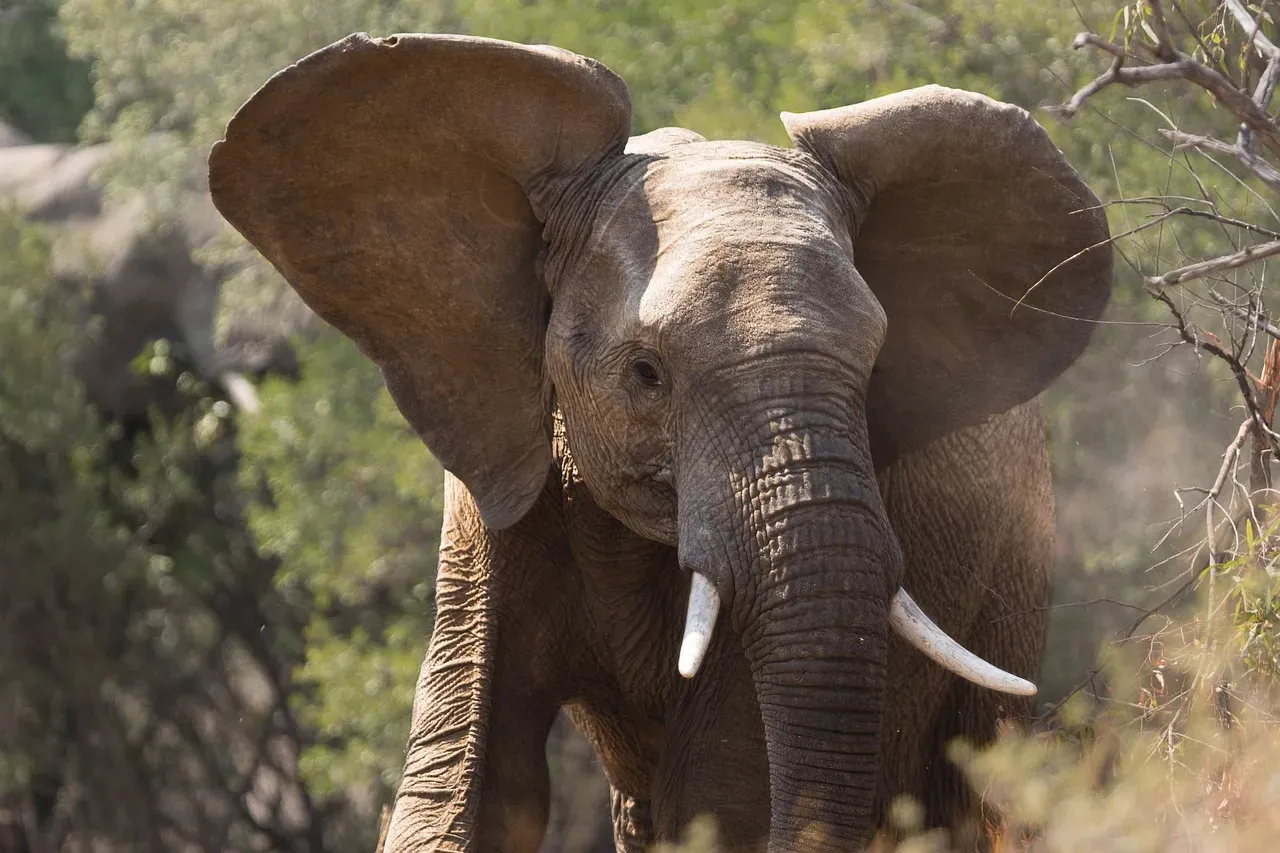
Memory in elephants isn’t a party trick. It’s an evolutionary advantage honed over millions of years. Social factors and learning processes could explain the strong brain growth after birth, as elephants live in complex social structures and have an outstanding memory, with the experience and accumulated knowledge of adult elephants, especially matriarchs, being central to the group behaviour of elephants.
Because elephants can live for 60 years in the wild, this leads to an incredible build-up of working knowledge. They need to eat enormous amounts of food daily, navigate seasonal migration routes, avoid predators, and maintain intricate social bonds. Being able to seek out sufficient food and water in a highly dynamic environment such as the savanna while managing complex social relationships and avoiding predation risk requires a brain capable of processing and remembering detailed information, a critical skill that can mean the difference between life and death.
In essence, forgetting for an elephant could mean death for the herd. Evolution doesn’t mess around when survival is on the line.
Conclusion
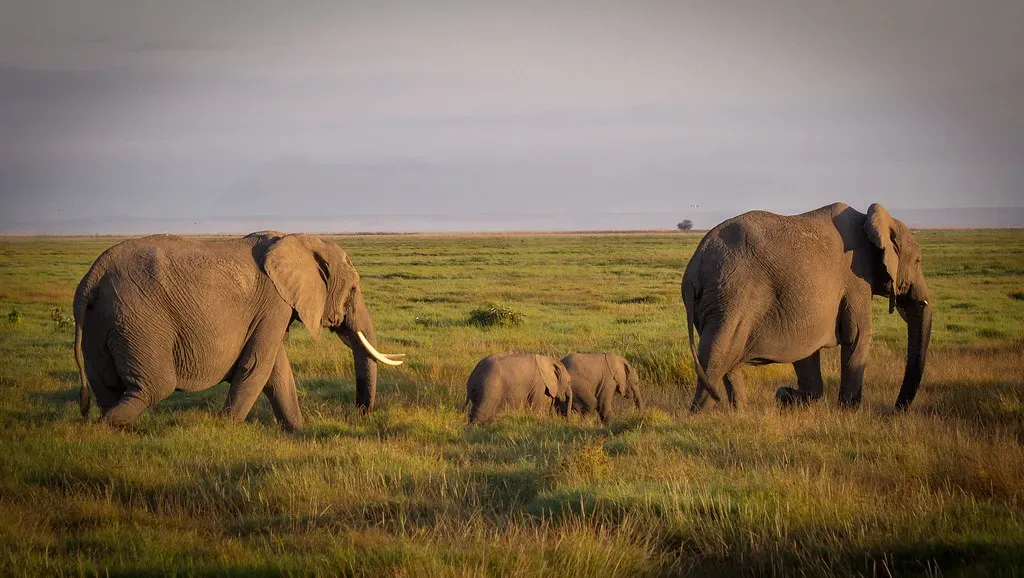
So, do elephants really never forget? Well, they come pretty close. Despite popular culture’s promotion of the elephant’s ability to never forget, there is remarkably limited empirical research on the memory capacities of elephants, though a growing body of literature has provided insight into their ability to behave flexibly in changing environments. What we do know paints a picture of animals whose memories rival our own in complexity and far exceed ours in certain domains.
Their ability to remember water sources from decades past, recognize hundreds of individuals, and even distinguish between human groups shows us that memory isn’t just about neurons and brain size. It’s about survival, culture, and connection. Protecting experienced individuals is vital, as their loss may disrupt herds and decrease survival chances.
The next time someone says you have a memory like an elephant, you should probably take it as the highest compliment. What do you think about it? Did you expect their memory to be this extraordinary?
