

The world’s oceans are home to wonders and mysteries that have fascinated both scientists and nature enthusiasts for centuries. Among these mysteries is the recent surge in orca (killer whale) attacks on boats. This behavior has puzzled researchers, boaters, and marine advocates alike. What drives these magnificent creatures to exhibit such aggressive tendencies? Let’s delve deeper into this perplexing phenomenon.
The Enigmatic Nature of Orcas

Orcas, scientifically known as *Orcinus orca*, are the largest members of the dolphin family. Known for their intelligence, complex social structures, and cooperative hunting methods, these apex predators have long captured human imagination. Despite their ferocity in the wild, orcas have traditionally been known to live in harmony with human activities in their habitats.
Behavioural Shifts in Orca Pods

Recent reports have highlighted a growing number of incidents involving orcas targeting boats. This behaviour is not uniform across all orca populations, pointing to specific pods exhibiting these aggressive interactions. Understanding the social dynamics within these pods might offer insights into these behavioural changes.
The Role of Stress and Environmental Changes

Environmental changes, including increasing sea traffic and pollution, might be contributing to heightened stress levels among orcas. Stress can manifest in various ways, including altered feeding habits, changes in pod dynamics, and potentially, increased aggression towards perceived threats such as boats.
Orca Intelligence and Curiosity

Orcas are known for their high intelligence, which includes problem-solving skills, social learning, and curiosity. This intelligence could be driving some orcas to interact with boats out of a sense of exploration or play, rather than malice.
Communication and Social Learning in Orcas

Pod members often learn behaviors by observing each other. If one orca exhibits a behavior, such as attacking a boat, and it is mimicked by others, this could explain the spread of such actions within a group. Studying these social learning patterns is crucial to understanding and mitigating these interactions.
Effects of Prey Depletion
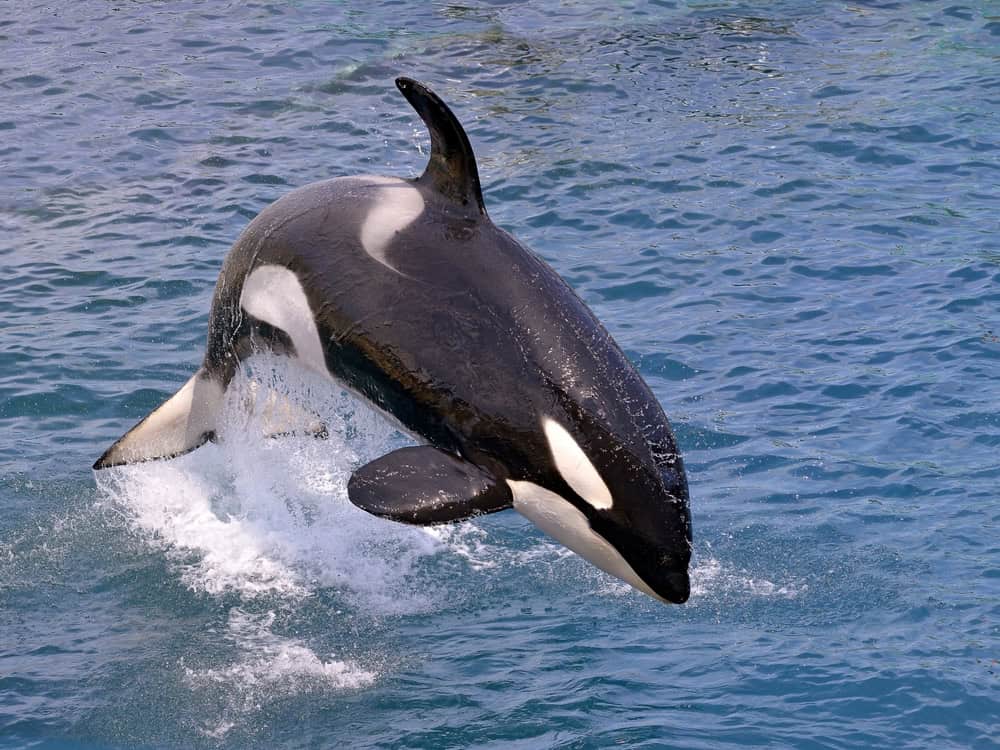
Orcas rely on specific prey, like fish and marine mammals, which are becoming scarcer due to overfishing and climate change. This depletion might force some orcas to expand their hunting behavior, including targeting boats, possibly mistaking them for prey.
Experiences of Aggression and Trauma
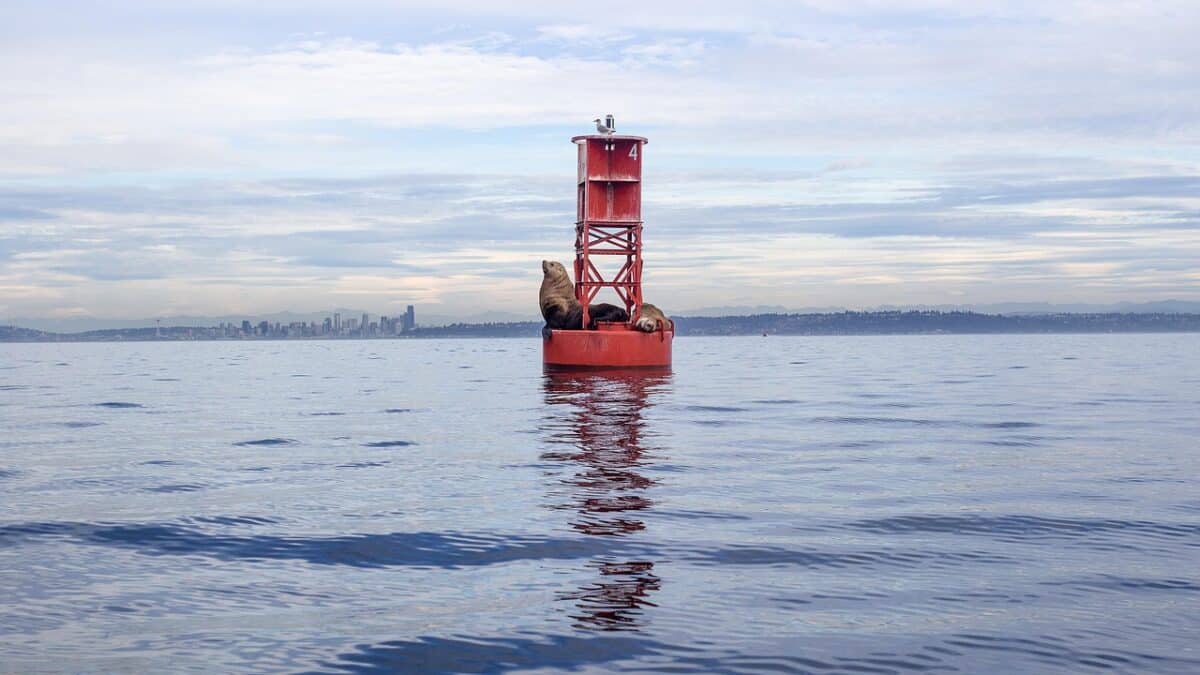
Encounters with fishing gear or being struck by boats can result in traumatic experiences for orcas. Injured or distressed whales may develop aggressive tendencies towards boats as a defensive mechanism or a form of retribution.
Human and Orca Interactions: A Complex History
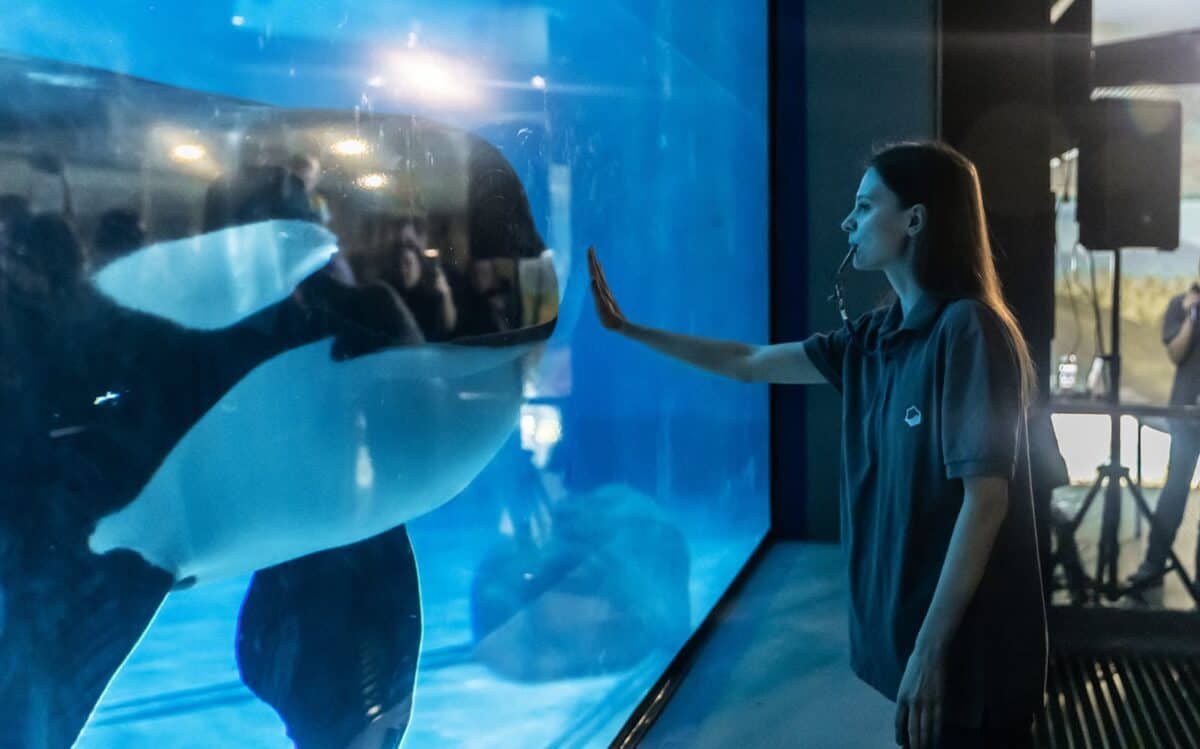
Orcas have historically interacted with humans, both positively and negatively. While some cultures revere them, others hunt them, leading to complex and sometimes adversarial relationships. Understanding this history is crucial in deciphering current behaviours.
The Role of Conservation Efforts
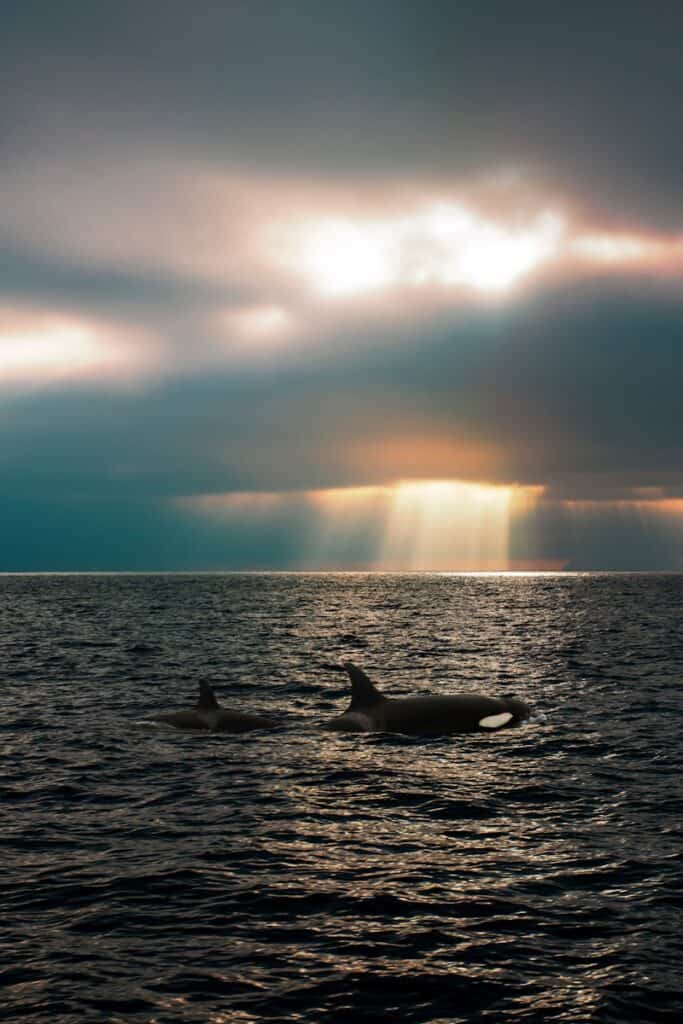
Efforts to conserve orca populations can influence their interactions with boats. Conservation measures often involve restricting boat traffic in key orca habitats. Such measures can help reduce stress and prevent aggressive encounters.
The Need for Further Research

Despite numerous theories, the exact reason for these sudden attacks remains uncertain. Continued research is essential to understand the intricate workings of orca behavior and the environmental impacts driving these incidents.
Practical Measures for Boat Operators
Boaters are encouraged to follow guidelines and best practices to minimize disturbance to orcas. These include maintaining safe distances, reducing speed in known habitats, and employing noise-reducing technologies to lower the impact on marine life.
Educating the Public and Promoting Awareness

Raising awareness about these majestic creatures can foster greater empathy and understanding. By educating the public on orca conservation and safe boating practices, we can work towards peaceful coexistence in shared waters.
The recent increase in orca attacks on boats is a multifaceted issue that beckons a deeper understanding of both the orcas and their changing environments. As stewards of the oceans, humans have a responsibility to maintain harmony with all marine life. Protecting orca populations, respecting their natural behaviors, and implementing thoughtful policies can help ensure the safety and well-being of both orcas and humans. Only through collaboration and respect for these magnificent creatures can coexistence be achieved.

- Why Volcano Lightning Is Even More Dangerous - August 8, 2026
- Why America’s Biggest Elk Could Be Facing Extinction - August 8, 2026
- 12 Cosmic Events Visible Without a Telescope - August 8, 2026