
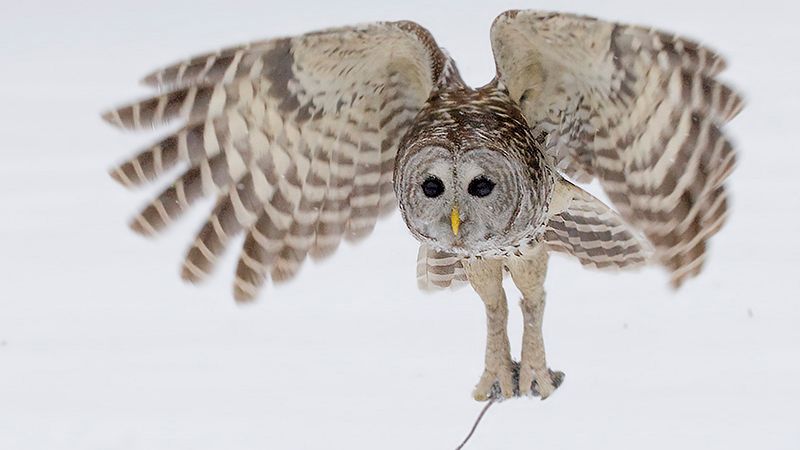
You notice the owl first at dusk, its silhouette sharp against the fading light. Then it returns the next night, and the one after that. Something about the timing feels pointed, especially when your own life seems to be shifting in unexpected ways.
Wildlife behaviorists who study these birds in suburban and rural settings point to patterns in habitat use and activity rather than any mystical signal. Their observations focus on how owls respond to the same environmental cues that often line up with human transitions like moves, career shifts, or family changes.
Expanding Suburbs Bring Owls Closer
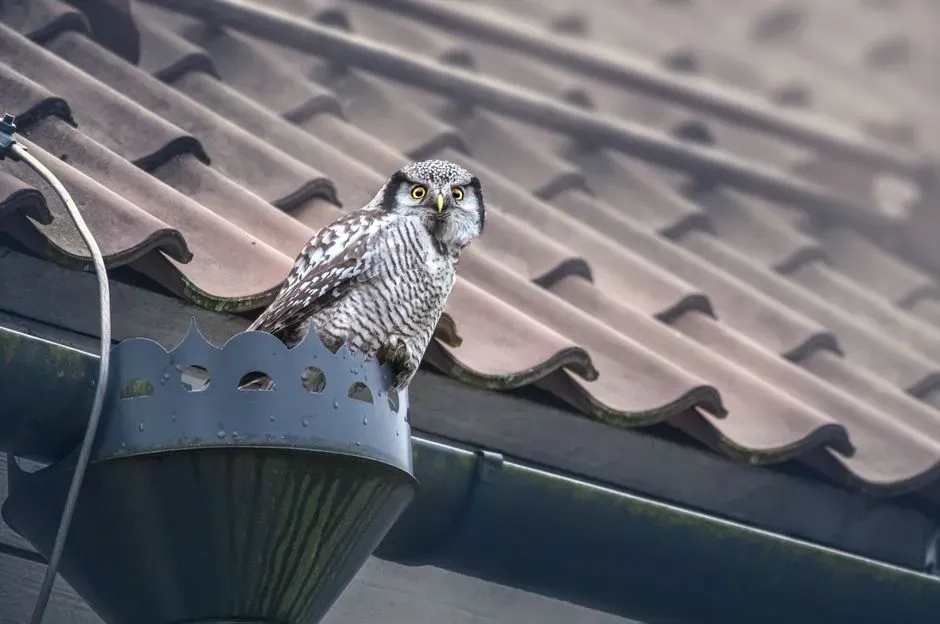
Many owl species have adapted well to the edges where housing developments meet remaining patches of woods or fields. As neighborhoods grow outward, these birds find new roosting spots in backyard trees or on utility poles that offer both cover and vantage points for hunting.
Behaviorists note that this overlap increases the chance of regular sightings once a home sits near suitable edges. The birds do not seek out people specifically, yet their natural range now includes more residential areas than it did decades ago.
Prey Availability Drives Visibility
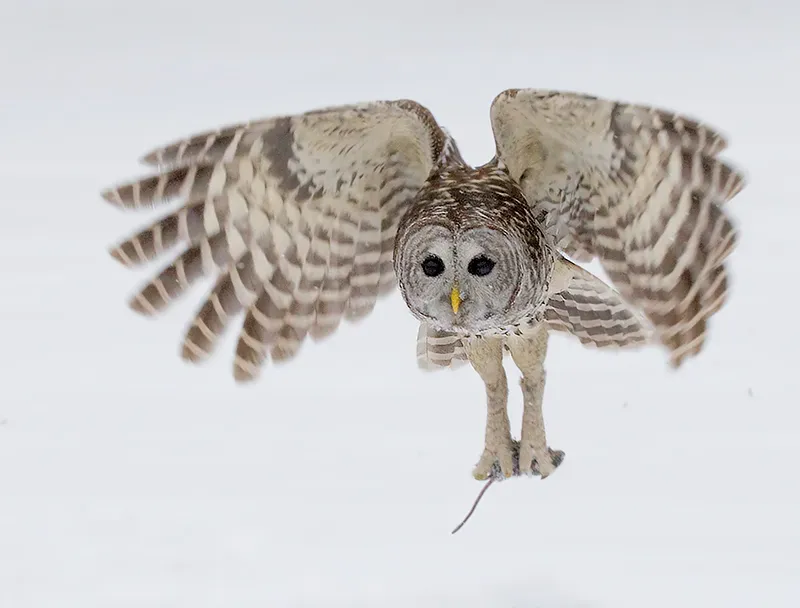
Owls hunt small rodents and insects whose populations fluctuate with seasons, weather, and local land use. When those prey numbers rise near a property, owls spend more time in the immediate area rather than ranging farther.
Researchers tracking radio collared birds have documented how individuals linger around reliable food sources for weeks at a time. A homeowner might simply be living near one of those temporary hotspots without realizing the connection to rodent cycles.
Breeding and Roosting Seasons Increase Encounters
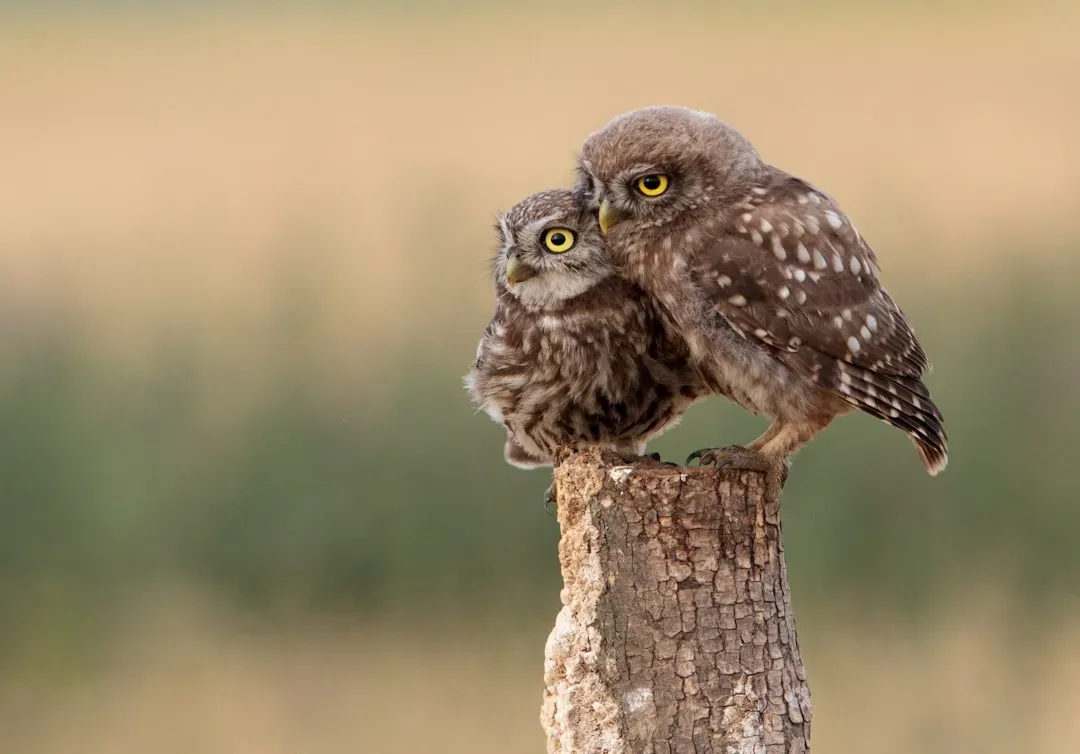
During late winter and early spring, many owls become more active as they establish territories and prepare nests. They call more often and move between daytime roosts, making them easier to spot even in familiar surroundings.
Behaviorists emphasize that these movements follow predictable annual rhythms tied to daylight length and temperature. A person experiencing personal upheaval around the same months may register the birds more readily because their own schedule has changed.
Life Transitions Often Coincide with Relocation
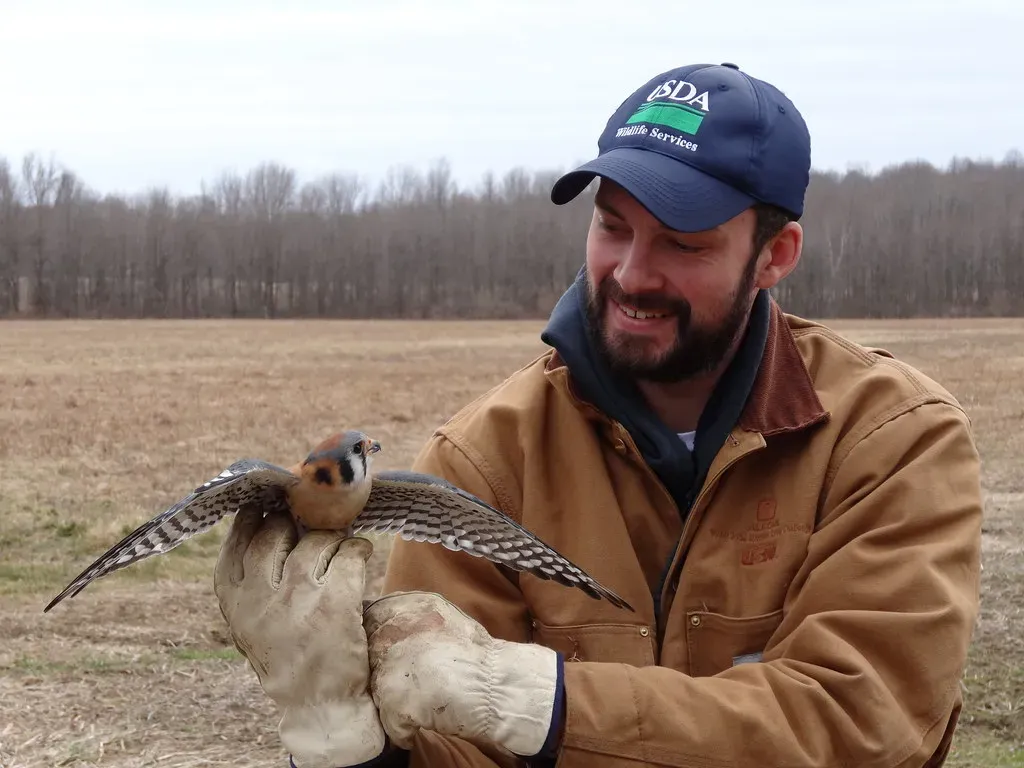
Moving to a new house or spending more time at home during a career pivot naturally places someone in fresh surroundings. Those new surroundings may already host owls that went unnoticed by previous residents.
Wildlife studies show owls maintain consistent territories year after year when conditions remain stable. The arrival of a new observer can create the impression of sudden appearance when the birds have simply been there all along.
Altered Routines Heighten Awareness
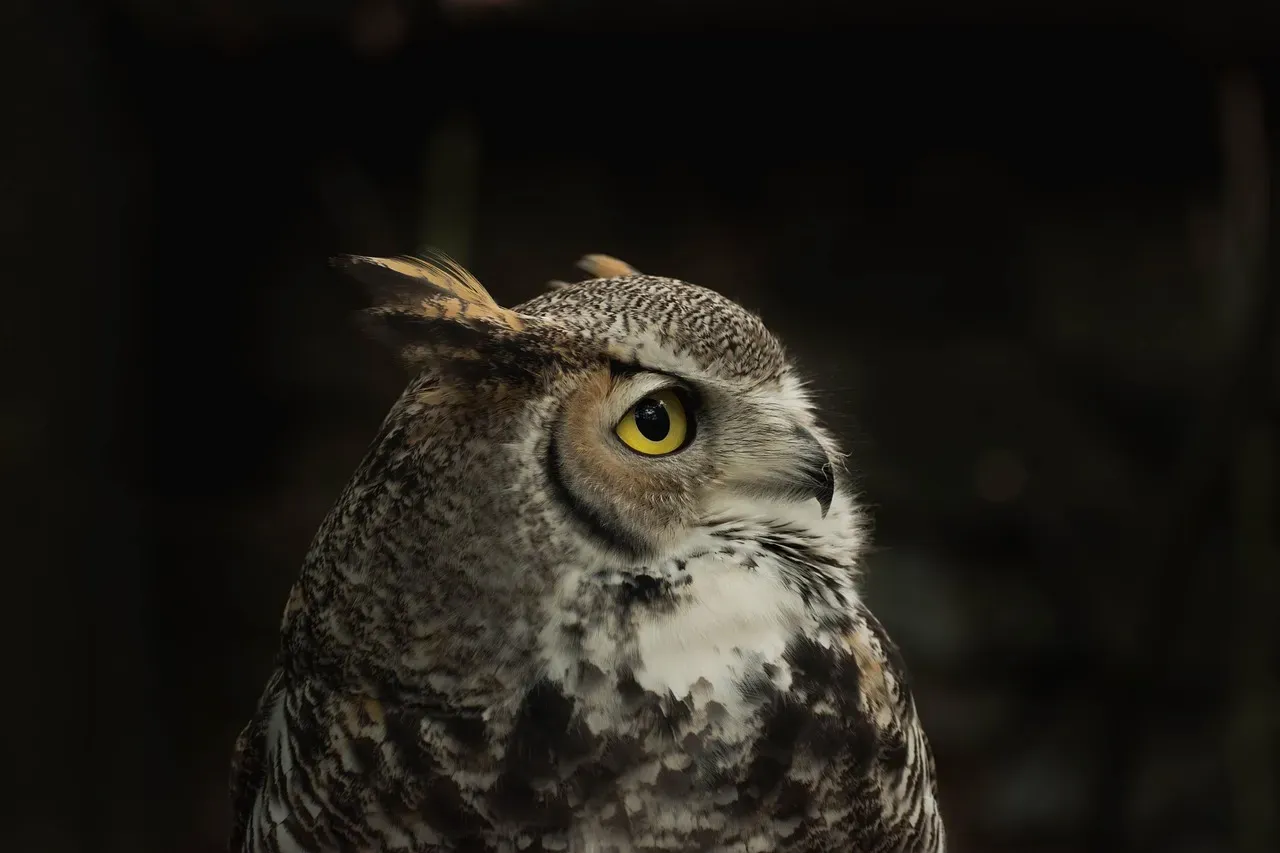
People going through major changes frequently adjust their daily patterns, such as walking the dog later or spending evenings on the porch. These shifts increase the odds of crossing paths with nocturnal animals that were always active after dark.
Behaviorists point out that owls do not alter their habits based on human events. Instead, the human side of the equation changes, bringing more opportunities for observation during already active periods for the birds.
Confirmation Bias Shapes Interpretation
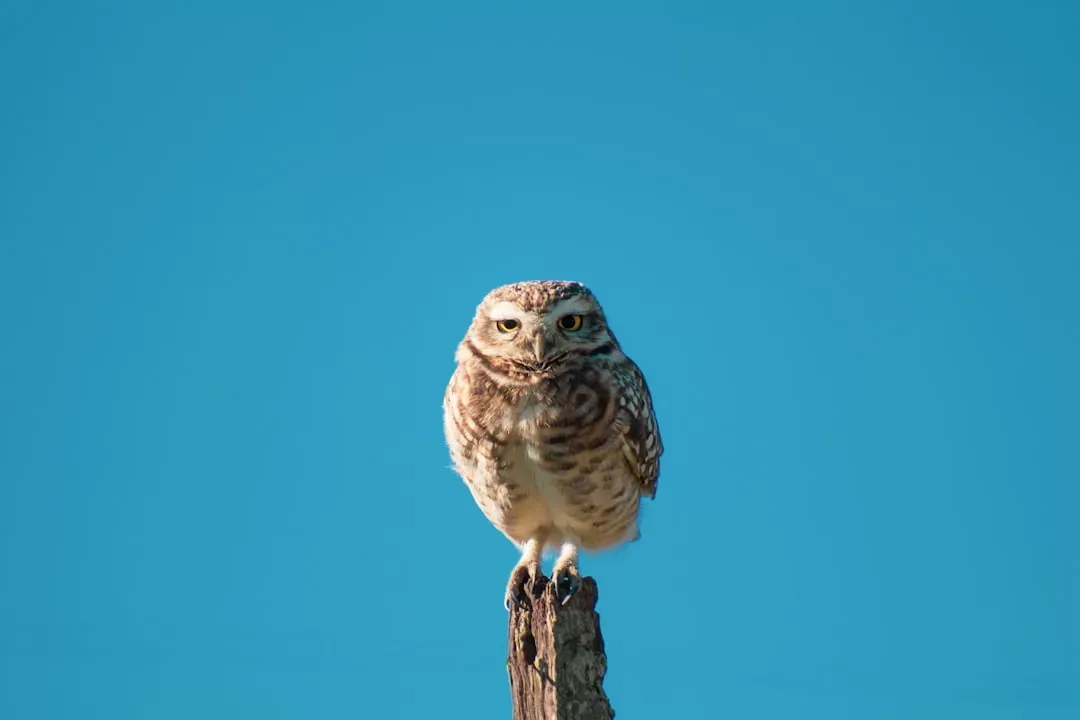
Once someone begins associating an owl sighting with upcoming change, subsequent encounters stand out more clearly. This selective attention is a well documented psychological tendency rather than evidence of prediction.
Field researchers stress the importance of separating correlation from causation when tracking animal behavior near human dwellings. Random timing can feel meaningful when emotions run high during transitions.
Practical Takeaways from Long Term Studies
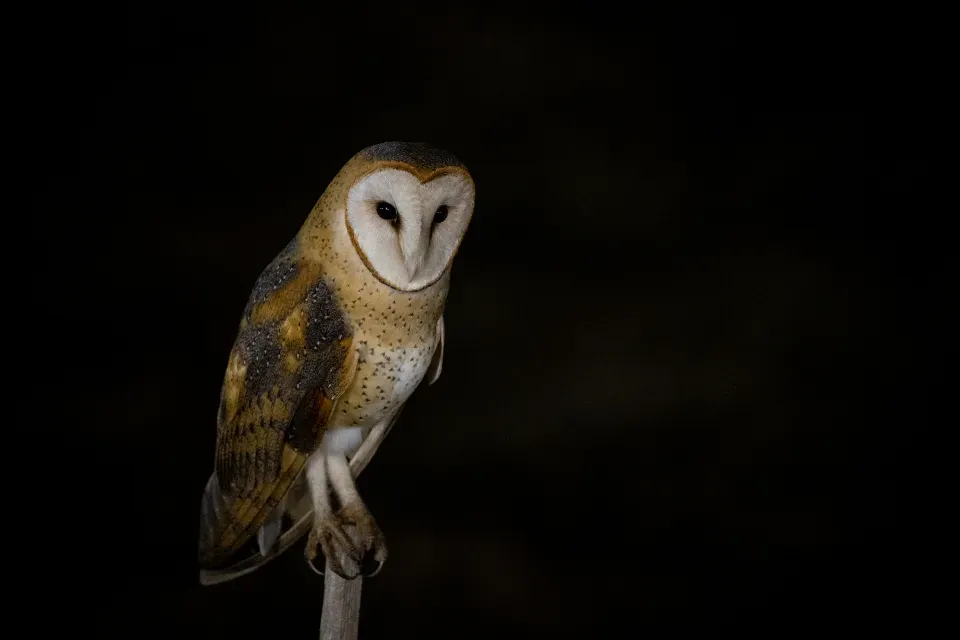
Behaviorists who have monitored owl populations across multiple years recommend viewing repeated sightings as indicators of healthy local ecosystems rather than personal omens. Consistent presence often signals adequate prey and shelter nearby.
Tracking data also shows that most owls remain in the same general area for extended periods once they settle. The real story lies in habitat quality, not in forecasts of individual futures. Paying attention to these birds can still offer a quiet reminder to notice the natural world amid personal upheaval.

- 17 Things Cat Owners Did in the 1980s That Vets Would Never Recommend to Anyone Today - August 9, 2026
- What Cats Really Do at Night Will Surprise You 19 Behaviours Researchers Still Cannot Explain - August 9, 2026
- 18 American Places Park Rangers Say Almost Nobody Visits That Genuinely Deserve Far More Attention - August 9, 2026