

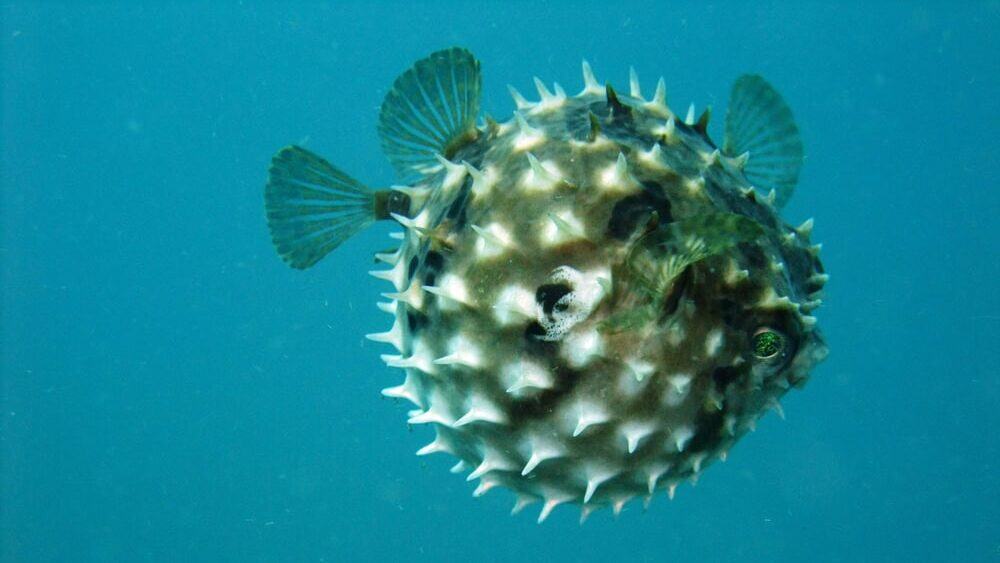
Pufferfish represent one of nature’s most fascinating paradoxes: simultaneously adorable and deadly, compact yet expandable, docile but defensive. These remarkable creatures belong to the family Tetraodontidae, comprising over 120 species distributed throughout tropical and subtropical ocean waters worldwide. Their distinctive ability to inflate their bodies has made them iconic marine animals, while their potent neurotoxin ranks them among the most dangerous creatures on Earth. Despite—or perhaps because of—these contradictions, pufferfish continue to captivate scientists, aquarium enthusiasts, and casual observers alike. Their expressive eyes, small pouty mouths, and often spotted or patterned bodies give them an undeniably cute appearance that belies their lethal potential.
What makes pufferfish particularly intriguing is how they’ve evolved such extreme defensive mechanisms while maintaining their charm. Unlike many venomous or poisonous creatures that advertise their danger with bright warning colors, pufferfish often sport subtle, aesthetically pleasing patterns that don’t immediately signal their deadly nature. This unique combination of traits makes them exceptional subjects for scientific study, as researchers continue to explore the evolutionary pathways that produced such a remarkable set of adaptations. From their specialized toxin production to their unique inflation mechanism, pufferfish demonstrate nature’s ingenuity in creating survival strategies that work through multiple complementary defenses.
Evolutionary History and Diversity
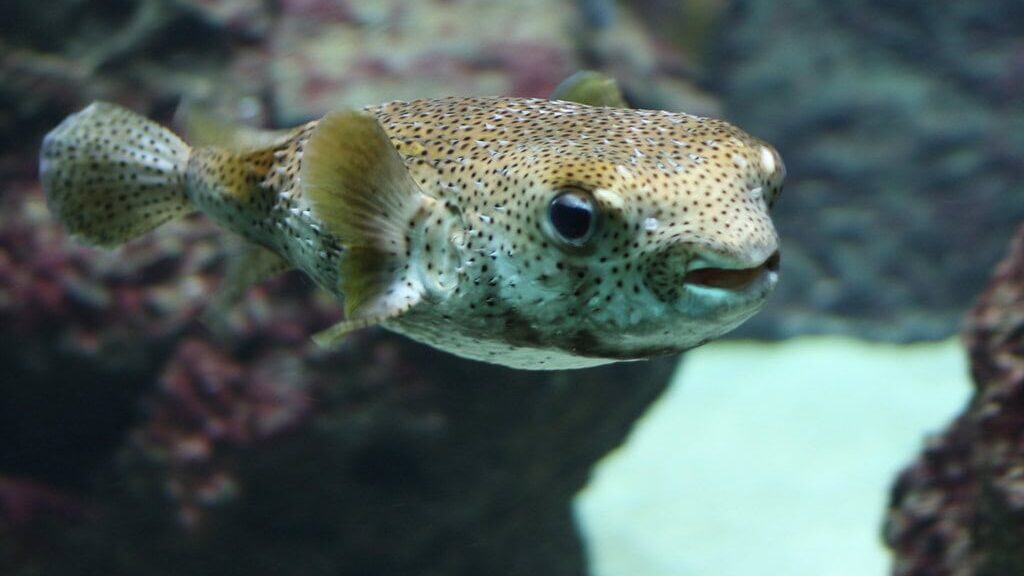
Pufferfish have a rich evolutionary history dating back approximately 50 million years to the Eocene epoch. Fossil records show that their distinctive body plan and specialized teeth—fused into beak-like structures—have remained remarkably consistent over time, suggesting that their unique adaptations proved highly successful for survival. Today’s pufferfish diversity spans from the tiny dwarf puffer (Carinotetraodon travancoricus) measuring just one inch long to the impressively sized freshwater giant puffer (Tetraodon mbu), which can grow up to 26 inches in length. This diverse family includes not only marine species but also brackish and freshwater variants, demonstrating the adaptability that has contributed to their evolutionary success.
The pufferfish family includes several well-known groups such as porcupinefish (Diodontidae), which feature prominent spines; boxfish (Ostraciidae), with their rigid, box-like bodies; and the infamous fugu puffers of the genus Takifugu, renowned in Japanese cuisine despite their potentially lethal toxicity. Each group has evolved specific adaptations while maintaining the family’s characteristic defensive inflation mechanism. This diversity of forms shows how evolution can produce variations on a successful theme, allowing pufferfish to occupy numerous ecological niches across different aquatic environments worldwide, from coral reefs to river systems and estuaries.
The Science Behind Puffing Up
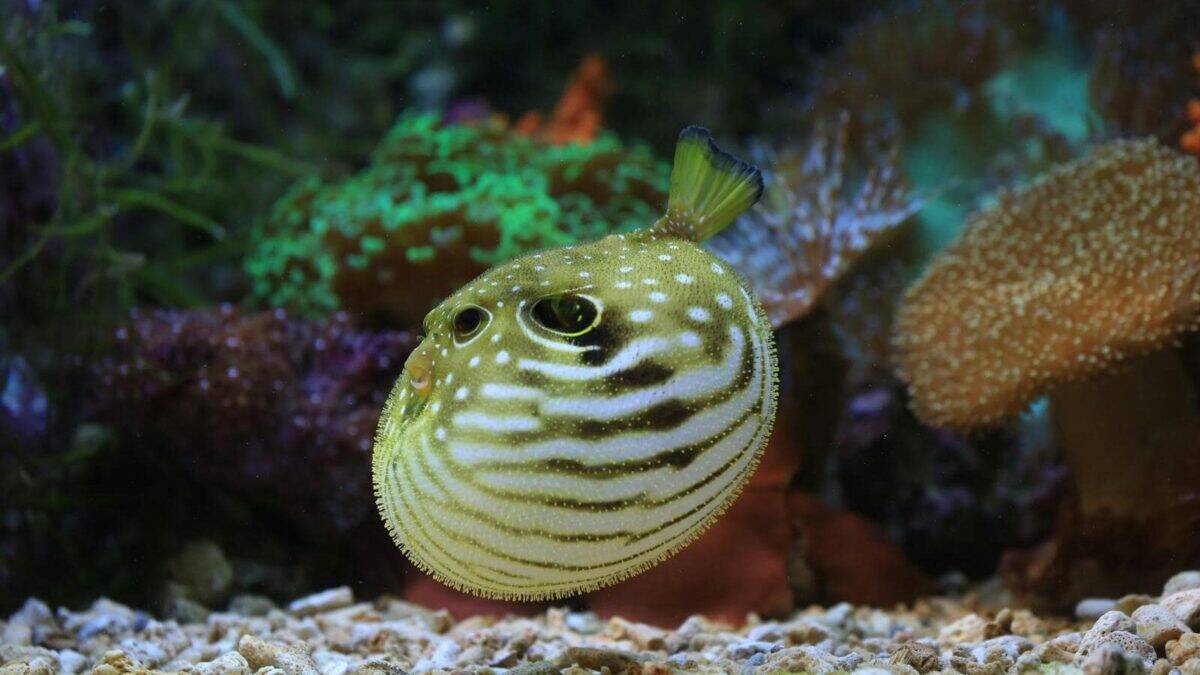
The pufferfish’s most iconic feature—its ability to rapidly inflate—is a marvel of evolutionary engineering. When threatened, these fish can expand to up to three times their normal size in mere seconds through a specialized inflation mechanism. Unlike balloons that fill with air, pufferfish actually take in water (or occasionally air if removed from water) to achieve their distinctive balloon-like appearance. This process begins when the fish rapidly gulps water through its mouth and pumps it into a specialized expandable stomach that functions as an elastic sac. A specialized valve prevents the water from escaping back through the mouth, maintaining the inflation until the fish actively releases it.
The biomechanics of this inflation process involve several physiological adaptations unique to pufferfish. Their skeleton is reduced and features fewer vertebrae than most fish, allowing for greater body flexibility during expansion. Additionally, their skin contains special collagen fibers arranged in a mesh-like pattern that permits significant stretching without tearing. This remarkable inflation ability serves as a highly effective anti-predator adaptation—by suddenly increasing their size, pufferfish make themselves too large for many predators to swallow. The rapid transformation from small, manageable prey to an intimidating spiky ball (in species with spines) often startles potential predators, buying the pufferfish crucial time to escape. Though this defense mechanism is impressive, it does come at a cost: the inflation process is physiologically stressful and energy-intensive, temporarily limiting the fish’s mobility and making frequent inflation potentially harmful.
Tetrodotoxin: One of Nature’s Deadliest Poisons
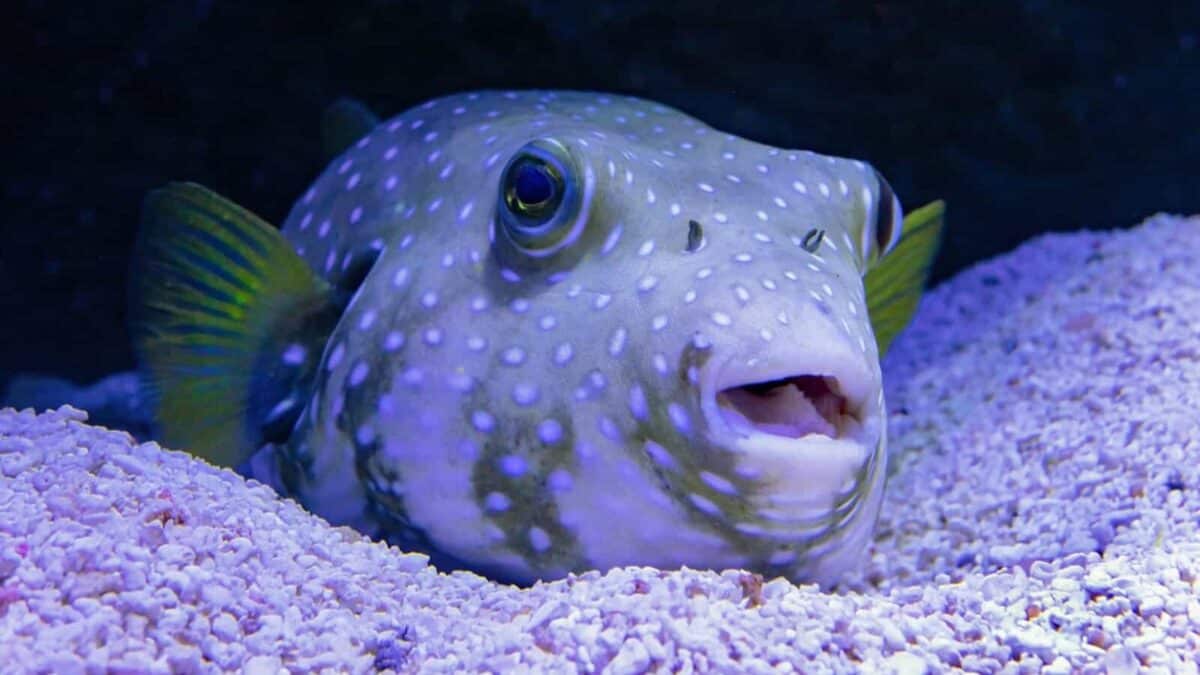
Behind the pufferfish’s innocent appearance lies one of the most potent neurotoxins known to science: tetrodotoxin (TTX). This powerful toxin is up to 1,200 times more lethal than cyanide, with a single pufferfish containing enough poison to kill up to 30 adult humans. Tetrodotoxin works by blocking sodium channels in nerve cell membranes, effectively shutting down electrical signaling between neurons and causing paralysis. What makes this toxin particularly dangerous is that victims remain fully conscious as paralysis progresses—eventually affecting the diaphragm and causing death by respiratory failure. There is no known antidote; treatment is limited to supportive care while the body naturally eliminates the toxin.
Remarkably, pufferfish don’t produce tetrodotoxin themselves—instead, they acquire it through their diet by consuming bacteria that synthesize the toxin, particularly Vibrio and Pseudomonas species. The fish then sequester and concentrate this toxin in specific organs, primarily the liver, ovaries, and skin. This bacterial origin explains why pufferfish raised in captivity without exposure to these bacteria can be non-toxic. The toxin serves as a powerful chemical defense mechanism that complements the physical defense of inflation. Together, these adaptations make pufferfish among the most well-protected creatures in the ocean—any predator that ignores the warning of inflation and attempts to consume a pufferfish likely won’t survive to make the same mistake twice.
Pufferfish in Human Culture: From Deadly Delicacy to Artistic Inspiration
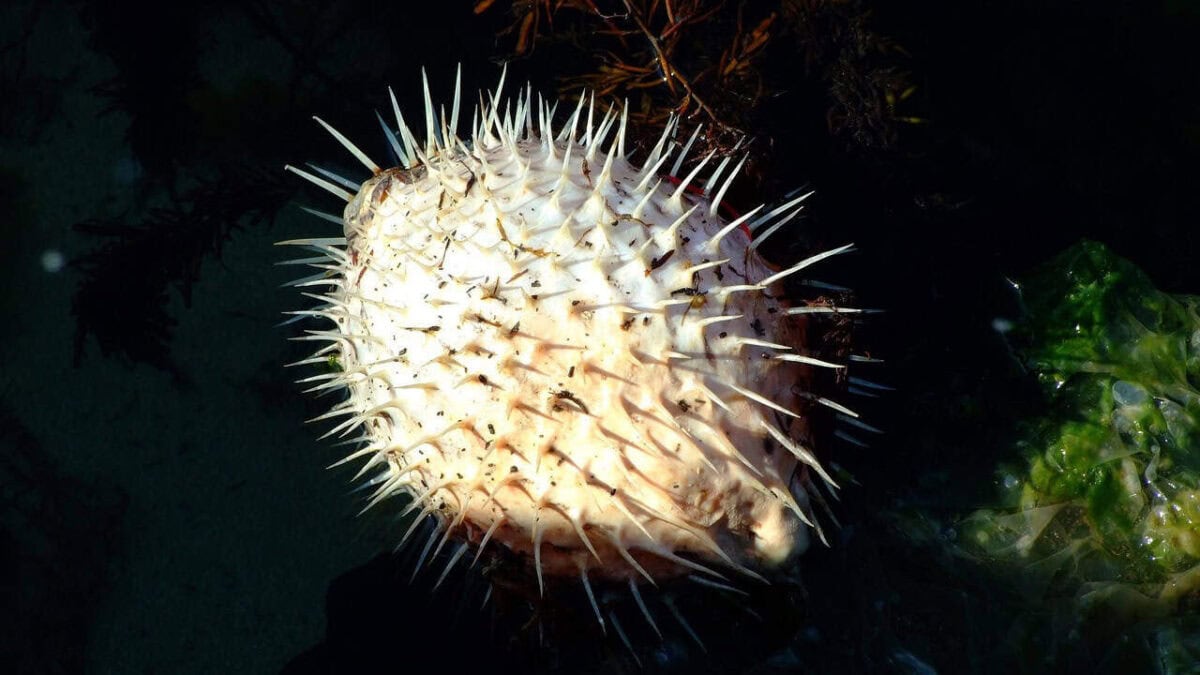
Perhaps no aspect of pufferfish cultural significance is more famous—or seemingly paradoxical—than their role in Japanese cuisine. Known as fugu, specially prepared pufferfish is considered one of the most prestigious and expensive delicacies in Japan. Chefs must train for at least two to three years and pass rigorous examinations to receive a license to prepare fugu, as improper preparation can be fatal. The preparation involves meticulously removing toxic organs while avoiding contamination of the edible flesh. Despite the risks, or perhaps because of them, fugu remains highly sought after, with enthusiasts describing the meat as having a unique texture and subtle flavor that justifies the danger and expense.
Beyond cuisine, pufferfish have inspired art, literature, and popular culture worldwide. Their distinctive appearance makes them recognizable characters in animated films like “Finding Nemo,” where the character Bloat embodied the pufferfish’s inflation defense with comedic effect. In traditional Japanese art, pufferfish have appeared in woodblock prints and paintings for centuries. Their unique morphology has also influenced design, with pufferfish-inspired lanterns and decorative objects becoming popular in coastal regions. More recently, the phenomenon of pufferfish creating elaborate circular patterns on the seafloor as mating displays has captivated documentary viewers and inspired artists, demonstrating how these remarkable fish continue to influence human culture in diverse and evolving ways.
The Adorable Side: Physical Features That Endear
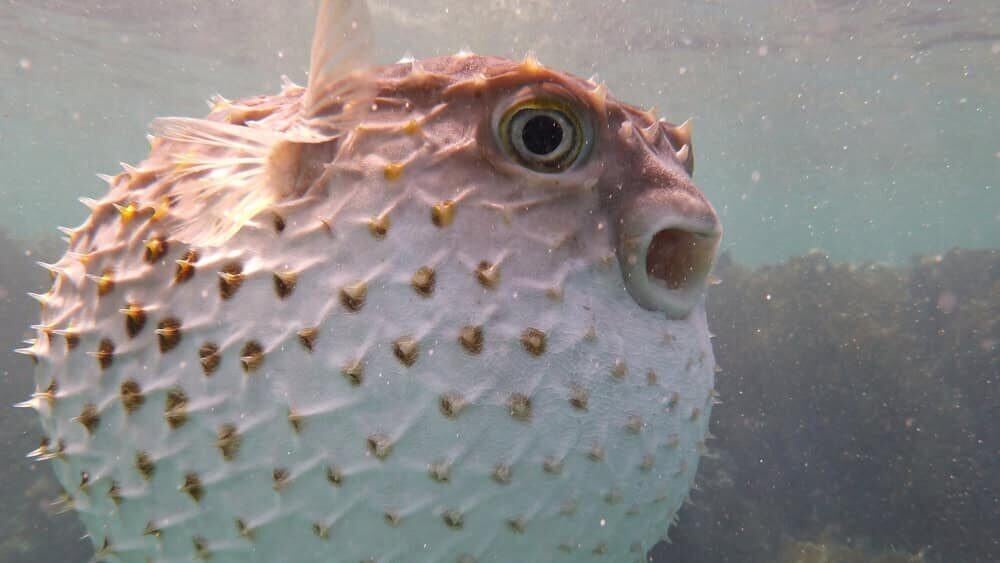
Despite their deadly reputation, pufferfish possess numerous physical features that humans find undeniably charming. Their expressive, often disproportionately large eyes give them an almost cartoon-like appearance that triggers our innate response to juvenile features. These eyes aren’t just cute—they provide excellent vision that helps pufferfish navigate their environment and spot potential threats. Their small, pursed mouths (adapted for crushing hard-shelled prey) create what appears to be a perpetual pout or smile, depending on the species and angle of view. This anthropomorphic quality makes them particularly appealing to humans who tend to relate to animals with seemingly expressive faces.
Many pufferfish species feature endearing color patterns and textures that enhance their appeal. The spotted patterns of species like the dog-faced puffer (Arothron nigropunctatus) or the delicate, seemingly hand-painted markings of the guinea fowl puffer (Arothron meleagris) give them a distinctive, aesthetically pleasing appearance. Their rounded body shape and relatively slow, deliberate swimming style contribute to their charm, making them appear friendly and approachable despite their toxic nature. In aquariums, many pufferfish species display surprisingly interactive behaviors, recognizing their keepers and sometimes even allowing gentle handling—though this is generally discouraged for safety reasons. These personable qualities have made certain pufferfish species, particularly the less toxic freshwater varieties, increasingly popular in the aquarium trade despite the specialized care they require.
Behavioral Intelligence: Smarter Than They Look
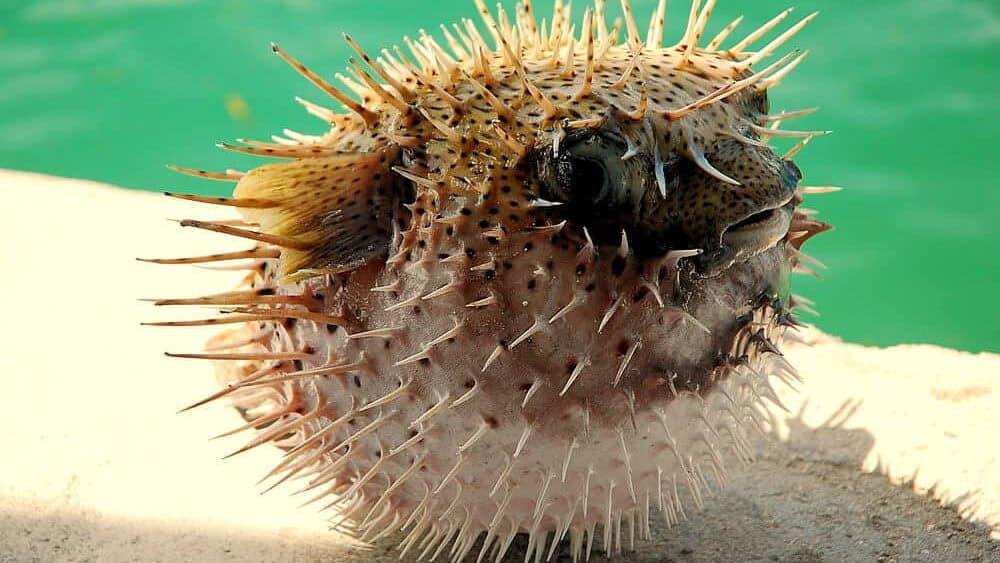
Behind their cute appearance, pufferfish demonstrate remarkable intelligence that often surprises researchers and aquarium keepers alike. These fish possess problem-solving abilities that rival many other vertebrates, including some mammals. In captivity, pufferfish quickly learn to recognize their caretakers, often swimming to the front of the tank when they approach and sometimes even taking food directly from their hands (though this practice should be approached with caution). Their spatial memory is exceptional—they can navigate complex environments and remember the locations of food, shelter, and potential dangers. This intelligence serves them well in their natural habitats, where they must locate scattered food resources and remember safe havens from predators.
Particularly impressive is the artistic ability displayed by certain pufferfish species. The male Japanese pufferfish (Torquigener albomaculosus) creates elaborate circular patterns on the seafloor as part of its mating ritual—intricate geometric designs up to seven feet in diameter that serve as both artwork and functional nests. The fish meticulously creates these patterns by using its body to move sand, decorating the ridges with carefully selected shells and stones. These “underwater crop circles” remained a mystery until relatively recently, with their creator only identified in 2013. Such complex behavior indicates advanced cognitive abilities and suggests that pufferfish intelligence may be substantially greater than previously believed, adding another layer to their fascinating contradictory nature—deadly yet adorable, and significantly smarter than their comical appearance might suggest.
Ecological Roles and Habitat Preferences

Pufferfish occupy crucial ecological niches within their respective habitats, functioning primarily as specialized predators that help control populations of hard-shelled invertebrates. Their fused, beak-like teeth are perfectly adapted for crushing the shells of crustaceans, mollusks, and echinoderms that many other predators cannot access. By controlling these invertebrate populations, pufferfish help maintain ecological balance and biodiversity within marine ecosystems. Different pufferfish species have adapted to various habitats—from tropical coral reefs and seagrass beds to brackish estuaries and freshwater river systems—each fulfilling specific ecological roles within these environments.
Habitat preferences vary widely across pufferfish species, demonstrating their evolutionary adaptability. Reef-dwelling species like the starry puffer (Arothron stellatus) prefer complex coral environments where they can find both food and shelter among the reef structure. Estuarine species such as the figure 8 puffer (Dichotomyctere ocellatus) thrive in the challenging variable-salinity environments where rivers meet the sea. Some species, like the Mbu puffer (Tetraodon mbu) of central Africa, have adapted fully to freshwater environments. This ecological diversity highlights the pufferfish family’s remarkable ability to adapt to different conditions while maintaining their distinctive defensive adaptations. Unfortunately, many pufferfish species now face threats from habitat degradation, particularly coral reef destruction and water pollution, which disrupt the specialized ecological niches they’ve evolved to occupy.
Reproduction and Life Cycle Peculiarities
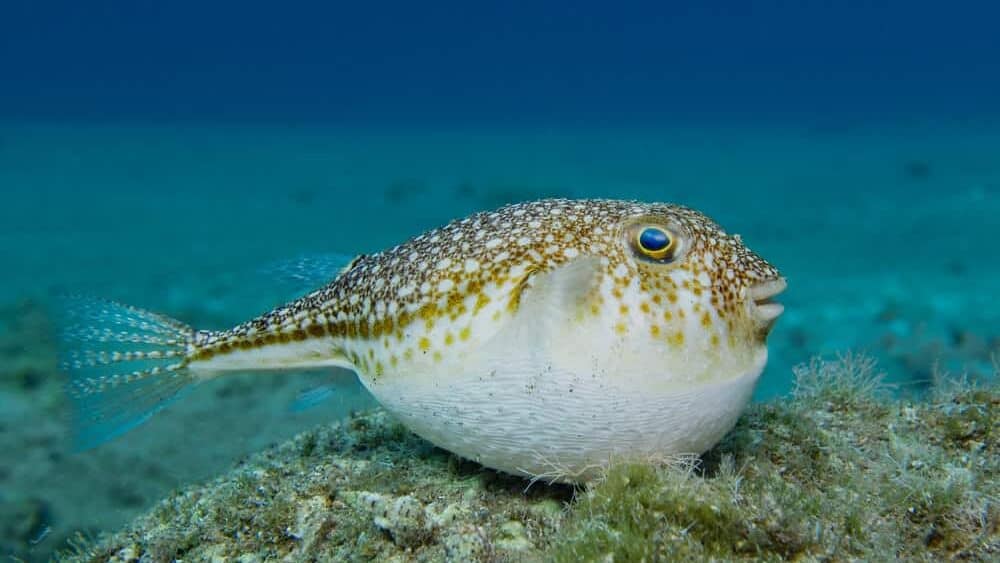
Pufferfish reproduction involves fascinating behaviors and adaptations that further highlight their uniqueness. Most species engage in external fertilization, with females releasing eggs that males then fertilize in the water column. However, the courtship rituals that precede this process can be elaborate and species-specific. The most spectacular example is the aforementioned Japanese pufferfish’s circular sand art, which serves multiple reproductive purposes. These intricate patterns not only attract females but also function as nests that collect eggs in their center while dissipating wave energy to protect the developing embryos. After a female deposits her eggs in the center of the circle, the male fertilizes them and then guards the nest until hatching, demonstrating significant parental investment unusual among fish that practice external fertilization.
The pufferfish life cycle includes several vulnerable stages. Eggs typically hatch within a week, releasing transparent larvae that drift with ocean currents as part of the plankton. During this pelagic phase, they’re extremely vulnerable to predation, resulting in high mortality rates. Those that survive undergo metamorphosis into juvenile pufferfish, which gradually develop their defensive capabilities. Young pufferfish can inflate but generally contain less tetrodotoxin than adults, acquiring more as they consume toxic bacteria in their diet. Maturation rates vary by species, with smaller varieties reaching reproductive age within a year, while larger species may take several years. Lifespan also varies considerably, from just 3-5 years for some smaller species to over 10 years for larger ones. Throughout their lives, pufferfish must balance energy investment between growth, reproduction, and maintaining their sophisticated defensive systems—a challenging evolutionary trade-off that has resulted in their remarkable adaptations.
Pufferfish in the Aquarium Trade: Challenges and Responsibilities
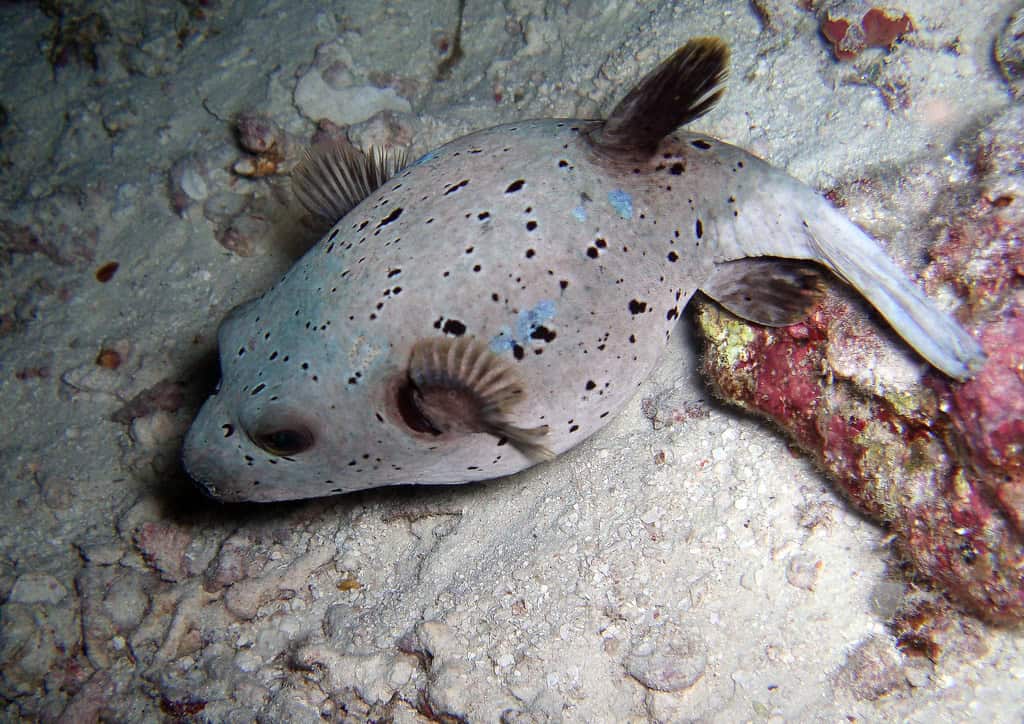
Keeping pufferfish in home aquariums presents unique challenges and ethical considerations. Their intelligence and engaging personalities make them appealing pets, but their specialized care requirements demand significant commitment from aquarists. Pufferfish require spacious tanks with excellent filtration systems, as they produce substantial waste and are sensitive to poor water quality. Their diet needs careful attention—they must receive foods that allow them to wear down their continuously growing teeth, which can become overgrown and prevent eating if not properly maintained. Different species have specific requirements: freshwater species need stable water parameters, while marine species demand complex reef-like environments with precise salinity levels. Additionally, their potential toxicity requires careful handling and awareness of the risks involved, particularly in households with children or other pets.
Ethical considerations extend beyond basic care to sourcing and sustainability. Wild-caught specimens still dominate the trade for many species, raising concerns about population impacts and collection methods. Potential owners should research species origins and seek captive-bred individuals when possible. The specialized nature of pufferfish care means that many purchased on impulse end up surrendered or improperly housed, creating welfare concerns. Responsible ownership requires thorough research before acquisition, including understanding the specific needs of the particular species, its adult size, lifespan, and compatibility with other aquarium inhabitants. When properly cared for, however, pufferfish can be rewarding companions, with some species living over a decade in captivity and forming apparent bonds with their keepers—a remarkable relationship considering their wild origins and deadly defense mechanisms.
Conservation Status and Environmental Threats
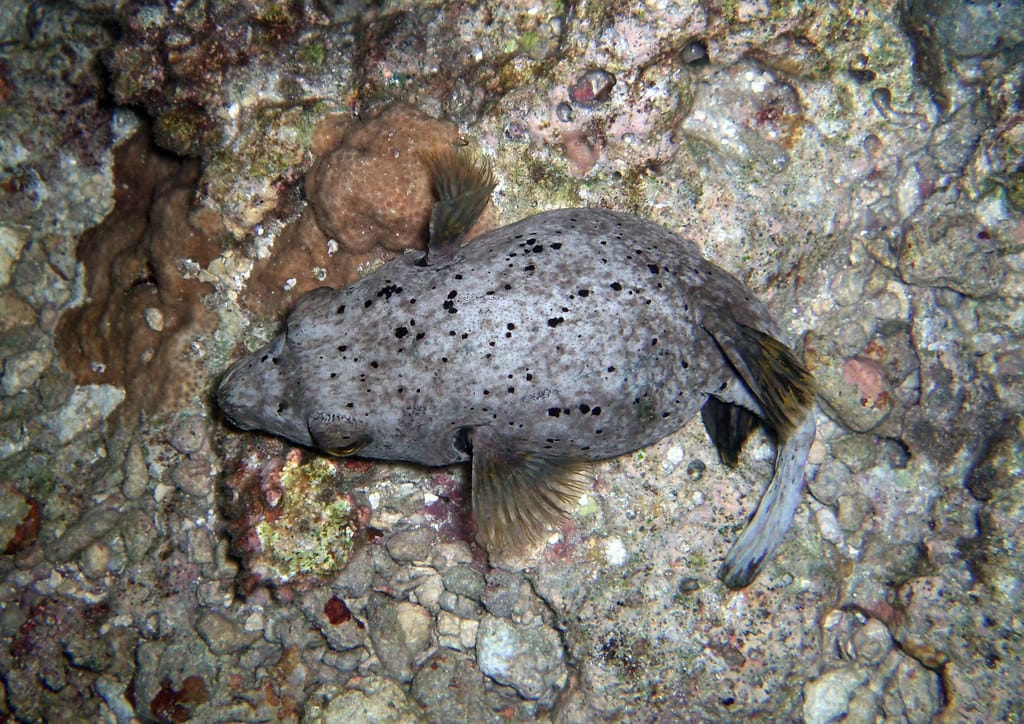
Despite their toxic defenses, pufferfish face numerous conservation challenges in the wild. While the conservation status varies widely across the 120+ species, several face significant threats that have led to population declines. Habitat destruction ranks among the most severe pressures, particularly for reef-dwelling species affected by coral bleaching, destructive fishing practices, and ocean acidification. Coastal development and pollution threaten estuarine and nearshore species that rely on these increasingly degraded environments. Freshwater pufferfish species face additional challenges from dam construction, water diversion, and agricultural runoff that alter their riverine habitats. The International Union for Conservation of Nature (IUCN) has assessed only a fraction of pufferfish species, with evaluations ranging from Least Concern to Vulnerable, though many species remain data deficient due to limited population research.
Overfishing presents another significant threat to certain pufferfish populations, particularly species targeted for the fugu market or collected for the aquarium trade. Though fugu preparation is strictly regulated in Japan, increasing international demand has led to fishing pressure on wild populations. Climate change compounds these challenges by altering ocean temperatures and chemistry, potentially disrupting the distribution of the bacteria that produce tetrodotoxin and affecting pufferfish ecology in ways not yet fully understood. Conservation efforts for pufferfish include habitat protection initiatives, sustainable fishing regulations, and captive breeding programs for certain threatened species. However, comprehensive conservation strategies are hampered by knowledge gaps regarding the biology, population dynamics, and ecological roles of many pufferfish species. Without robust data, it is difficult to implement targeted protections or assess the true scale of their vulnerability. This lack of information highlights the urgent need for expanded scientific research and monitoring, particularly in regions where pufferfish diversity is highest and environmental degradation is accelerating.
Moving forward, effective conservation of pufferfish will require a multi-pronged approach that integrates local community engagement, stricter enforcement of fishing regulations, and international cooperation to manage trade and protect critical habitats. Raising public awareness about the ecological importance and vulnerability of these unique fish can also drive support for protective measures. As both biological marvels and ecological indicators, pufferfish remind us that even animals with formidable natural defenses are not immune to human impact—and that timely, informed action is essential to ensure their survival in a rapidly changing world.
Conclusion: A Paradox in a Puffy Package
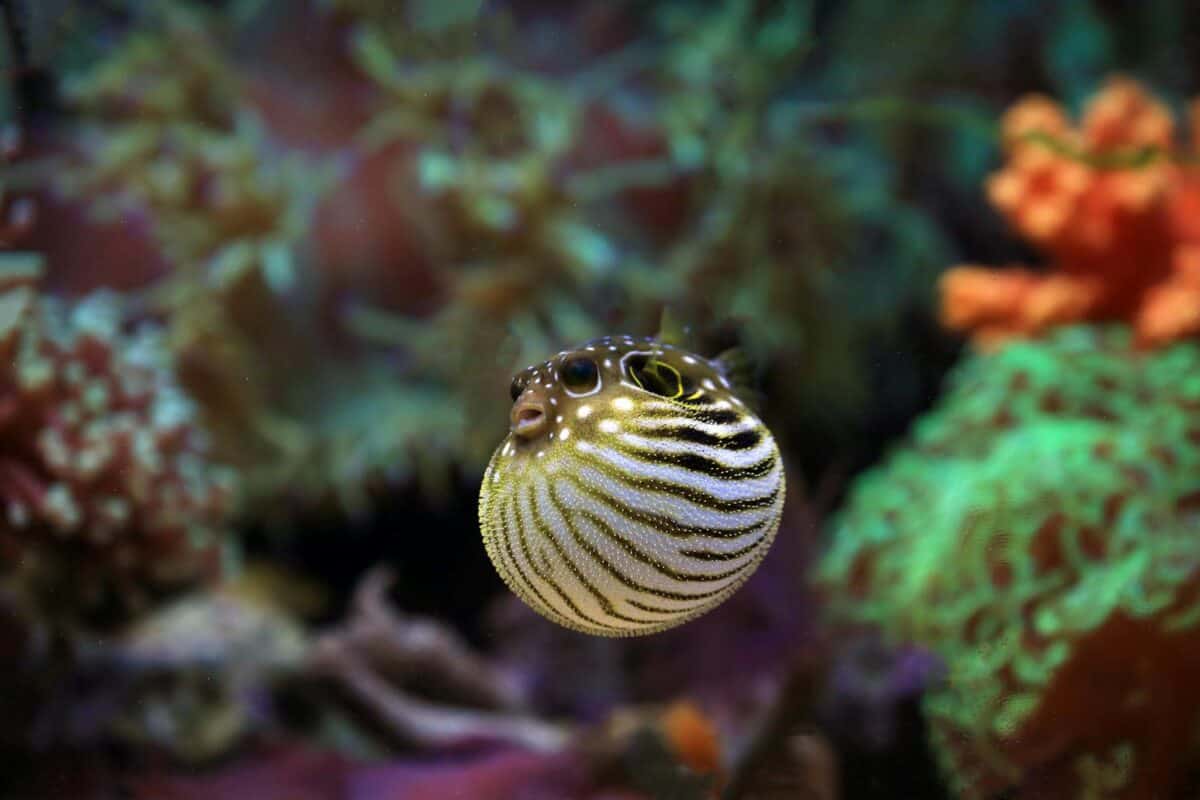
The pufferfish is one of nature’s most fascinating contradictions—cute yet toxic, slow-moving yet well-defended, comically round yet lethally precise in its chemical arsenal. Its inflatable defense mechanism may look charming, even cartoonish, but beneath that puffy exterior lies a potent cocktail of tetrodotoxin, a neurotoxin deadly enough to kill predators—and humans—with alarming efficiency. This unique combination of vulnerability and danger has made the pufferfish both a subject of scientific curiosity and cultural fascination.
More than just a quirky sea creature, the pufferfish embodies the strange ingenuity of evolution. Its defenses, behaviors, and distinctive appearance challenge our expectations of what makes an animal successful. Whether admired for its cuteness or respected for its toxicity, the pufferfish reminds us that survival in the natural world often depends on the most unexpected adaptations—and that beauty and danger often swim side by side beneath the waves.

From exploring the marine wonders in the Azores and witnessing the vast savannas of Kenya, to delving deep into the rich biodiversity of South Africa and traversing iconic landscapes in Australia and the US like Yellowstone, Chris's experiences are vast.
With a penchant for diving alongside sharks, the ocean holds a special place in his heart.
Through his academic insights, he champions wildlife conservation, striving with 'Animals Around The Globe' to cultivate a profound connection between humans and animals, enhancing our mutual appreciation.
Connect with him at Feedback@animalsaroundtheglobe.com.
- The Role of Giant Pandas in U.S. (China Diplomacy) - July 15, 2026
- These Psychedelic Sea Slugs Steal Venom and Glow Neon Bright - July 15, 2026
- Orcas of the Pacific Northwest: A Struggle for Survival - July 15, 2026