
The afternoon of March 18, 1925, started like any other day across the American Midwest. People in Missouri, Illinois, and Indiana went about their routines, unaware that nature was brewing something catastrophic. In less than four hours, a single tornado would carve a path of destruction unlike anything ever recorded in American history, claiming nearly 700 lives and altering entire communities forever.
This wasn’t just any tornado. The Tri-State Tornado, as it came to be known, defied every expectation of what these storms could achieve. While today’s meteorologists can spot dangerous weather patterns days in advance, the people of 1925 had no such luxury. They lived in an era when the very word “tornado” was banned from official weather forecasts to prevent public panic. Instead, they received warnings about nothing more than “rains and strong shifting winds.”
An Unstoppable Force Born from Perfect Chaos
The tornado materialized around 1:00 pm local time near Ellington, Missouri, first spotted as a highly visible condensation funnel in the rugged forested hills of Shannon County. The storm began in south central Missouri in the warm sector of a powerful low-pressure system, where cold air advection along a cold front collided with warmer, moist air, creating conditions ideal for severe thunderstorms.
Weather conditions that morning were deceptively calm and highly unusual for such a violent tornado: flurries were reported the night before, temperatures reached only 69°F in nearby areas, it was cloudy and rainy all morning. Witnesses frequently described the approaching tornado as an “amorphous rolling fog” or “boiling clouds on the ground,” which fooled normally weather-wise farm owners who didn’t sense the danger until the storm was upon them.
A Monster of Unprecedented Scale and Power
With winds of roughly 300 miles per hour, which would classify it as an EF5 tornado in the Enhanced Fujita Scale, the tornado lasted 3.5 hours and traveled 219 miles, setting records for both duration and distance. Its width of up to 1 mile, average speed of almost 62 miles per hour, and peak speed of 73 miles per hour also make it one of the largest and fastest tornadoes in U.S. history.
The Tri-State Tornado was rated F5 on the Fujita Scale with winds reaching near 300 miles per hour, causing 695 deaths and 2,027 injuries. The storm devastated 164 square miles and severely damaged or destroyed 15,000 homes across three states.
A Trail of Devastation Across Three States
Around 12:40 pm CST, the tornado touched down northwest of Ellington, Missouri, intensified and moved rapidly toward the Mississippi River, reaching Jackson County around 2:25 pm. In the town of Gorham, all buildings were either damaged or destroyed, and 37 residents were killed.
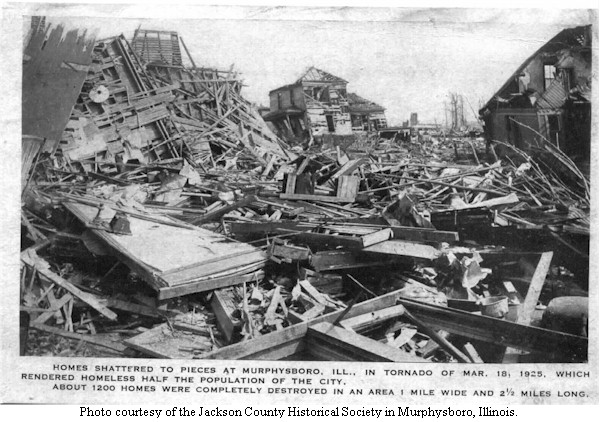
The tornado’s speed was about 73 mph as it reached Murphysboro around 2:35 pm, where 234 people were killed and 623 others injured, making this the largest single-community death toll from a tornado in U.S. history. Forty percent of buildings in Murphysboro were either damaged or destroyed, with three elementary schools and the high school damaged or destroyed, killing 25 children.
The Indiana Finale and Human Cost
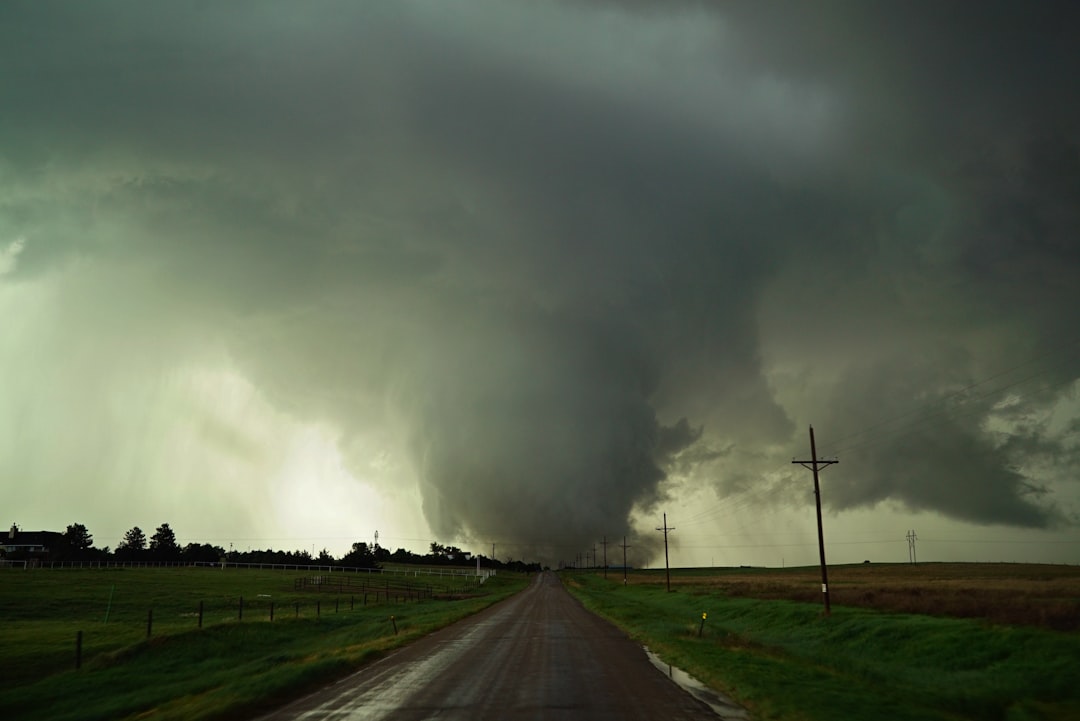
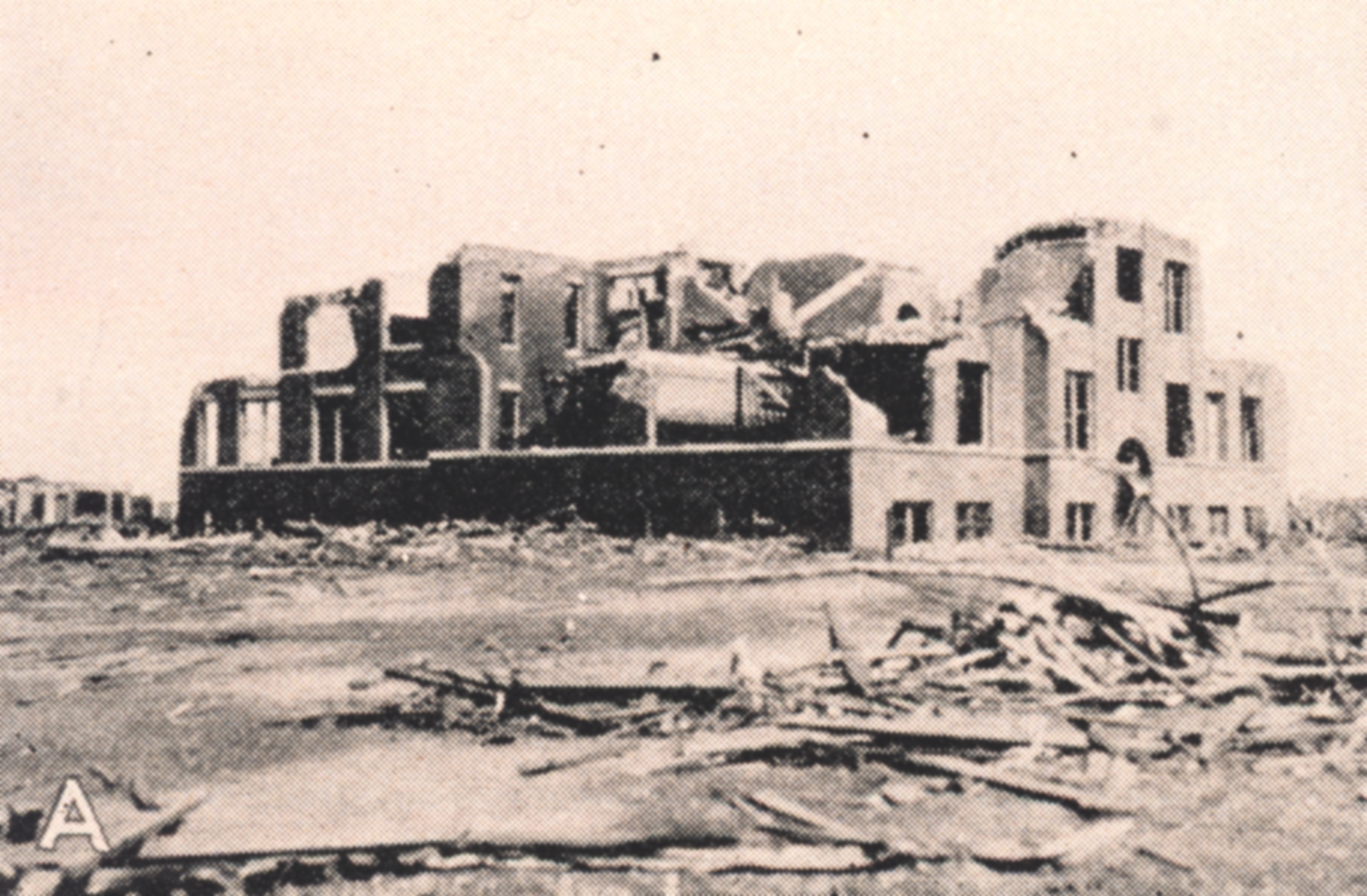
After exiting Griffin, the tornado made a slight turn towards the northeast as it crossed into Gibson County, devastating rural areas before roaring into the large factory town of Princeton, destroying much of the southern side of the town, killing 38 people and injuring 152. The tornado traveled more than 10 miles to the northeast, crossing into Pike County before finally dissipating at about 4:30 pm CST, near Oatsville, with at least 95 people perishing in Indiana.
Of the total confirmed dead, 13 were in Missouri, 71 were in Indiana and 613 in Illinois. Nine schools across three states were destroyed, in which 69 students were killed. The tornado’s timing during school and work hours significantly increased casualties, with some communities holding funeral services for dozens of victims at once.
No Warning System in a Dangerous World
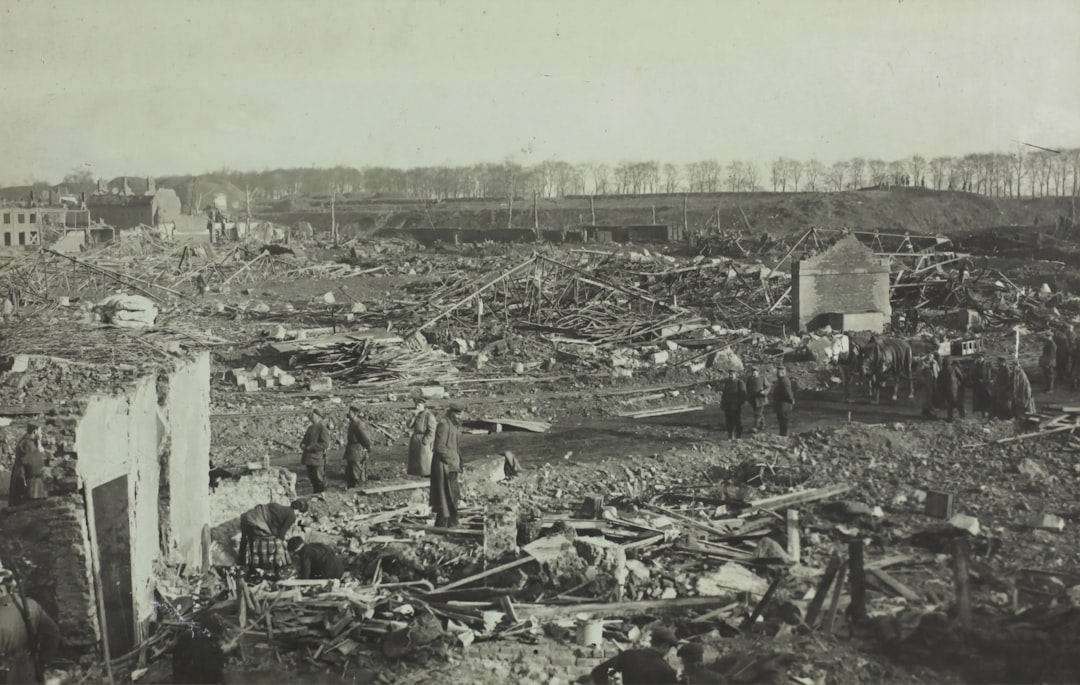
The tornado struck in an era when there were no severe weather watches or warnings, as the Weather Bureau had a policy not to even use the word “tornado” in any forecast to avoid inciting panic, with the official forecast merely calling for “rains and strong shifting winds”. It wasn’t just the intensity of the tornado that made it deadly, but also the lack of tornado forecasting, as the National Weather Service did not issue tornado warnings in 1925, leaving communities unprepared.
Using a reanalysis of observed weather data from the era, a High Risk for severe weather would likely have been included in modern forecasts, with a Tornado Watch likely issued around noon for southeast Missouri, southern Illinois, southwest Indiana, and portions of adjacent Kentucky. Unfortunately, such life-saving technology was still decades away.
A Record That Still Stands Today
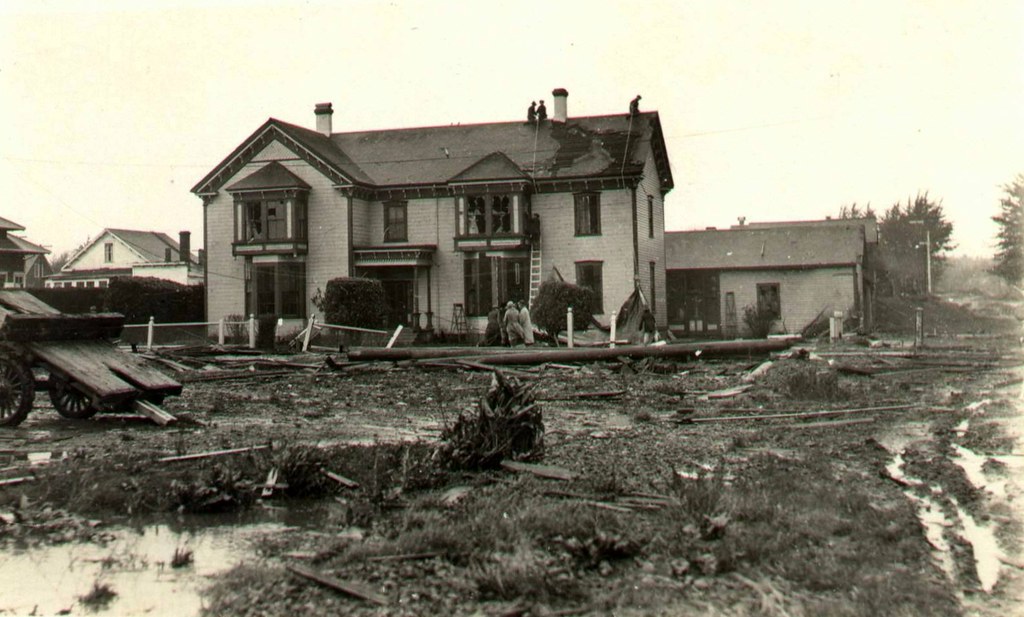
The tornado was the deadliest in United States history, with 695 people being killed, more than the combined total of the next four deadliest tornadoes in U.S. history. Not only is the 1925 Tri-State Tornado the deadliest of all time, it also holds the record for the longest path length in history and remains the deadliest disaster in Illinois, the deadliest tornado in U.S. history, and the second-deadliest registered in world history.
The broader outbreak on March 17-18, 1925 resulted in 2,298 injuries, making it the deadliest tornado outbreak in U.S. history. Nearly a century later, no tornado has come close to matching the Tri-State Tornado’s devastating combination of scale, duration, and human cost.
Conclusion
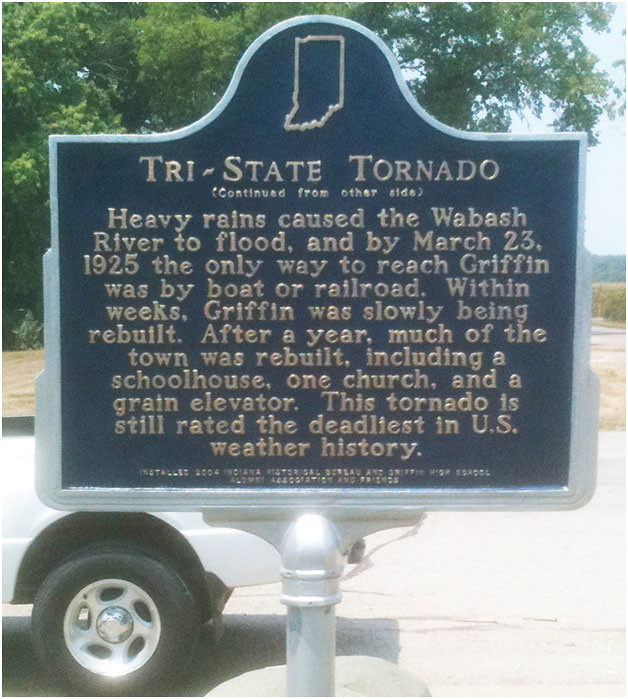
The Tri-State Tornado of 1925 stands as a sobering reminder of nature’s raw power and humanity’s vulnerability. This singular storm forever changed how we approach weather forecasting and emergency preparedness in America. While we can never completely prevent tornado tragedies, the advances in meteorology, warning systems, and public awareness that followed this disaster have undoubtedly saved countless lives.
The tornado’s legacy lives on not just in the record books, but in the resilient communities that rebuilt from the devastation. Their story reminds us that even in the face of nature’s most violent displays, the human spirit endures. What strikes you most about this incredible natural disaster? Tell us in the comments.
