
There is something almost irresistible about a deer wandering up to the edge of a park, or a curious squirrel boldly hopping toward your picnic table. It feels like a rare, magical moment of connection with the natural world. So naturally, you reach into your bag for a snack. It feels kind. Harmless. Even beautiful.
Here’s the thing though – that single moment of generosity can set off a chain of consequences that most people never see coming. These seemingly innocent interactions can trigger a cascade of negative consequences for wildlife, ecosystems, and even human safety, and the long-term impacts are rarely visible in that fleeting moment. What looks like a kind gesture from your side of the park bench is often something far more damaging on theirs. Let’s dive in.
Human Food Is Genuinely Harmful to Wild Animals
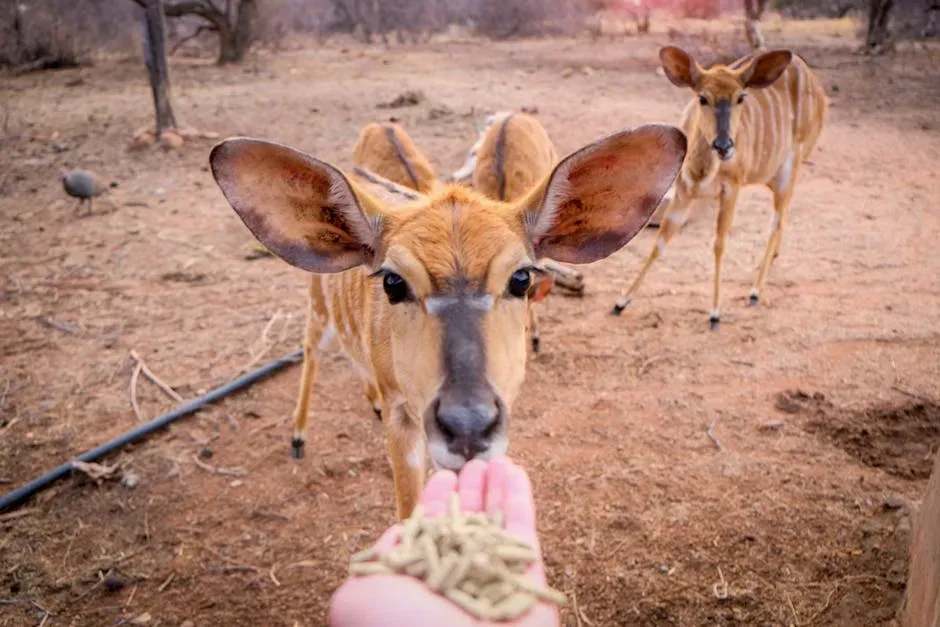
Most people assume that if a raccoon happily gobbles up a piece of bread or a deer eagerly chomps on some corn, everything must be fine. It is not. Human food is not healthy for wild animals, and they do not need food from humans to survive. Wild animals have specialized diets, and they can become malnourished or die if fed the wrong foods.
Think of it like this: giving a deer a handful of corn is a little like someone feeding a baby only candy. It fills them up, but none of the critical nutrients are there. Animals have adapted to the food they can seek out in the areas where they live, yet people tend to give them food like bread or chips – and human food is frequently high in calories or sugar and low in vitamins and minerals.
An example of this was seen in some areas of Pennsylvania where people were feeding corn to elk. According to the Pennsylvania Game Commission, it takes two to four weeks for elk stomachs to establish the microorganisms necessary to obtain nutrients from a new food source. Rapid exposure to a concentrated food, like corn, causes a fatal disruption of the animal’s acid-base balance.
Feeding the wrong diet to a newborn animal can cause permanent damage to developing muscles, bones and tissues. Young wildlife may not learn to feed normally, which decreases its chance of survival. It is not a small thing. It is a life-or-death matter that plays out quietly, long after you have walked away from that moment in the park.
It Destroys Natural Behavior and Creates Dangerous Dependency
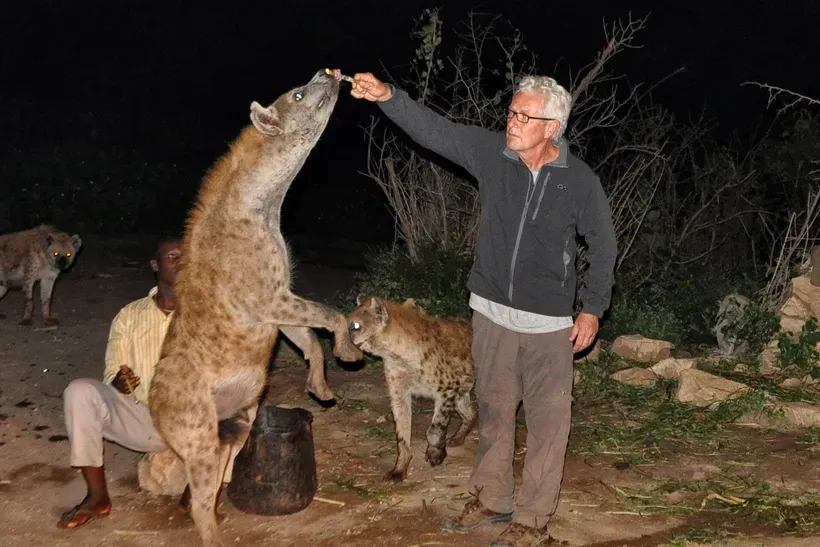
Imagine someone handed you a free meal every single day, right outside your front door. After a few months, you would probably stop grocery shopping. Wild animals are no different – and that dependency can be devastating. Regular feeding creates dependency, with wildlife gradually losing their ability to forage naturally. Young animals are particularly vulnerable, as they may never properly learn crucial survival skills.
Feeding wildlife can cause them to cease natural foraging behaviors. Not only does this mean they may starve if the humans in the area stop feeding them, but they don’t teach their young proper foraging either, and so you may have animals several generations down the line that no longer know how to find natural food sources in the area.
Animals that become reliant on an abundant year-round food source may not migrate during the normal time of year. Migration is not just a habit – it is a survival strategy refined over thousands of years. Disrupting it can have enormous ripple effects across entire ecosystems.
Over time, feeding wildlife may lead to long-term health effects and dietary and behavioral changes that could affect local populations and alter the course of their evolution, such as a reduction in home range sizes and an alteration in natural activity patterns. Honestly, when you put it that way, handing that squirrel a chip starts to feel a lot less cute.
It Turns Gentle Animals Into Dangerous Ones
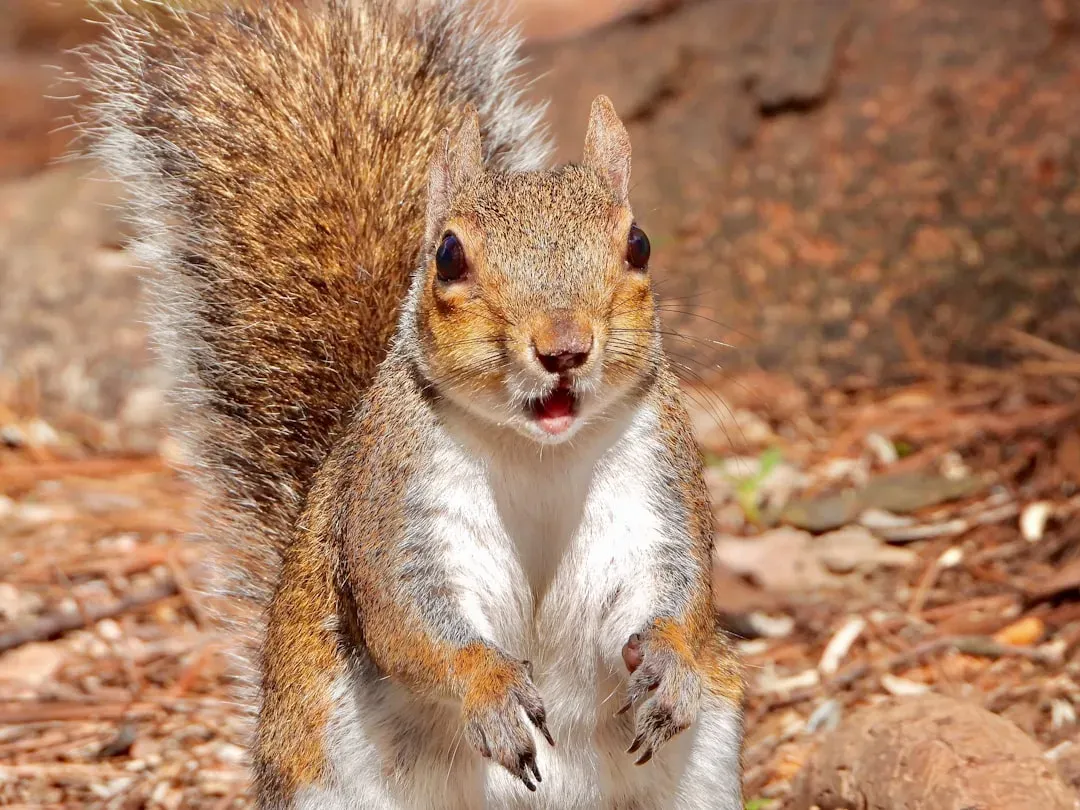
Here is something that genuinely surprises people: the animals most likely to bite you in national parks are not bears or mountain lions. Food-seeking squirrels bite more people than any other animal in Grand Canyon National Park. Let that sink in for a second.
Normally, wild animals have a healthy fear of humans. They like to keep their distance, which is a good thing. This natural wariness keeps wild animals and people safe. When food is involved, animals are more willing to approach people and, over time, lose their natural wariness.
Wild animals that gain regular access to human or domestic pet food slowly get used to being in busy areas and seeing humans. Over time, these usually calm and docile animals may become aggressive and cause harm to people in the area.
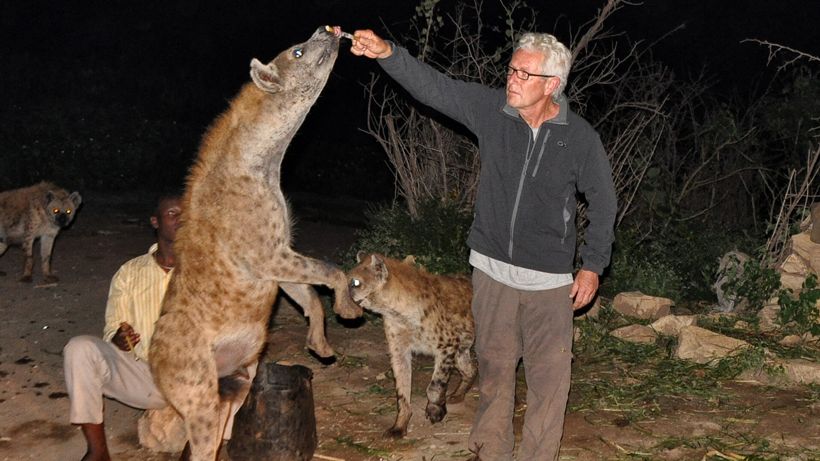
This can make them more likely to get hit by cars, get into altercations with children or pets, and ultimately, have to be put down by wildlife managers. This is why experts often say, “A fed bear is a dead bear.” The cruelest irony here is that a well-meaning person feeds an animal out of affection – and the animal ultimately pays for it with its life. Animals accustomed to people often lose their fear of people and can become aggressive, and those that become too aggressive may have to be destroyed to protect people and property.
Feeding Sites Become Disease Hotbeds
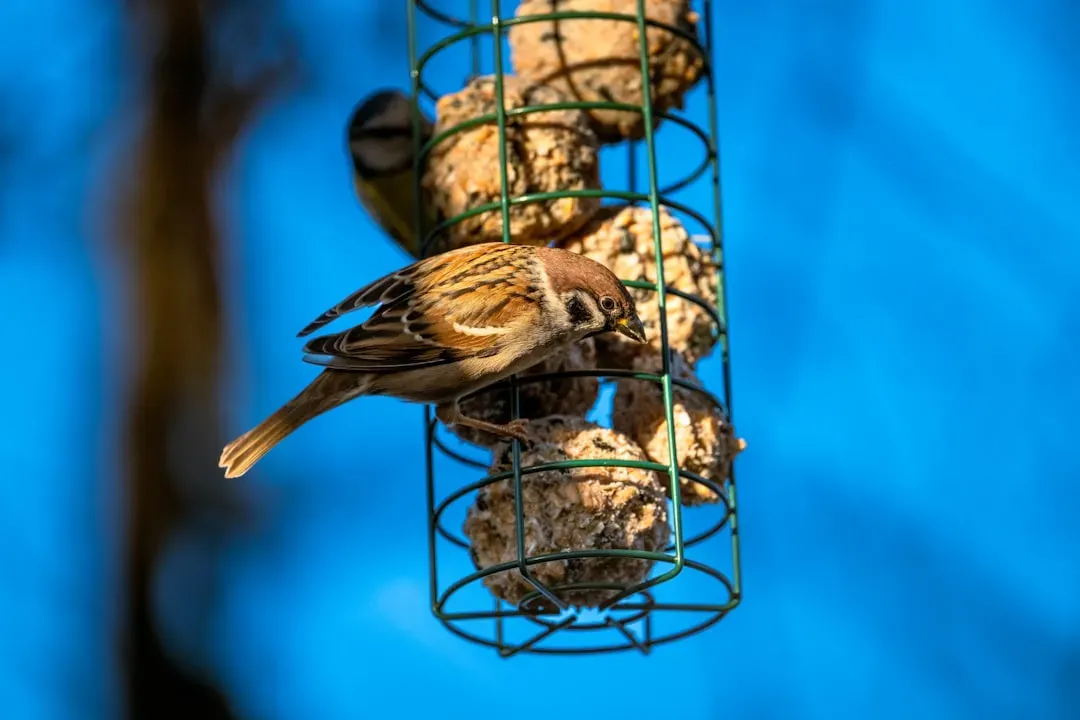
Picture a crowded school cafeteria where everyone is sharing food, breathing the same air, and touching the same surfaces. Disease spreads fast. Now imagine the same dynamic playing out in a forest clearing or a park pond – with no doctors, no medicine, and no way out. Feeding sites bring many different kinds of animals into the same small area, which can turn into a hotbed for disease transmission and parasites.
In the wild, animals naturally disperse across the landscape. However, food promotes the concentration of animals into a small area. This increases the potential for diseases to spread. Food gets contaminated with feces, saliva, and urine, which easily harbor infectious disease-causing micro-organisms like bacteria, viruses, prions, or fungi.
Canine distemper, parvovirus, leptospirosis, Baylisascaris, and avian pox are all diseases or parasites that can be spread at feeding sites. These are not minor ailments. Many of them are fatal, and some can cross over to humans too.
Scientists suspect a fatal disease affecting deer known as Chronic Wasting Disease is spread by exposure to urine, saliva, and feces – all of which get mixed together when animals congregate at feeders. More animals die from disease and disease-related ailments than from starvation. Wildlife can carry many diseases that readily spread to people, pets, and livestock – including rabies, Lyme disease, salmonellosis, Rocky Mountain spotted fever, tularemia, distempers, and encephalitis. That is a staggering list, and it comes with a very simple prevention: do not feed them.
It Disrupts Entire Ecosystems and May Even Be Illegal
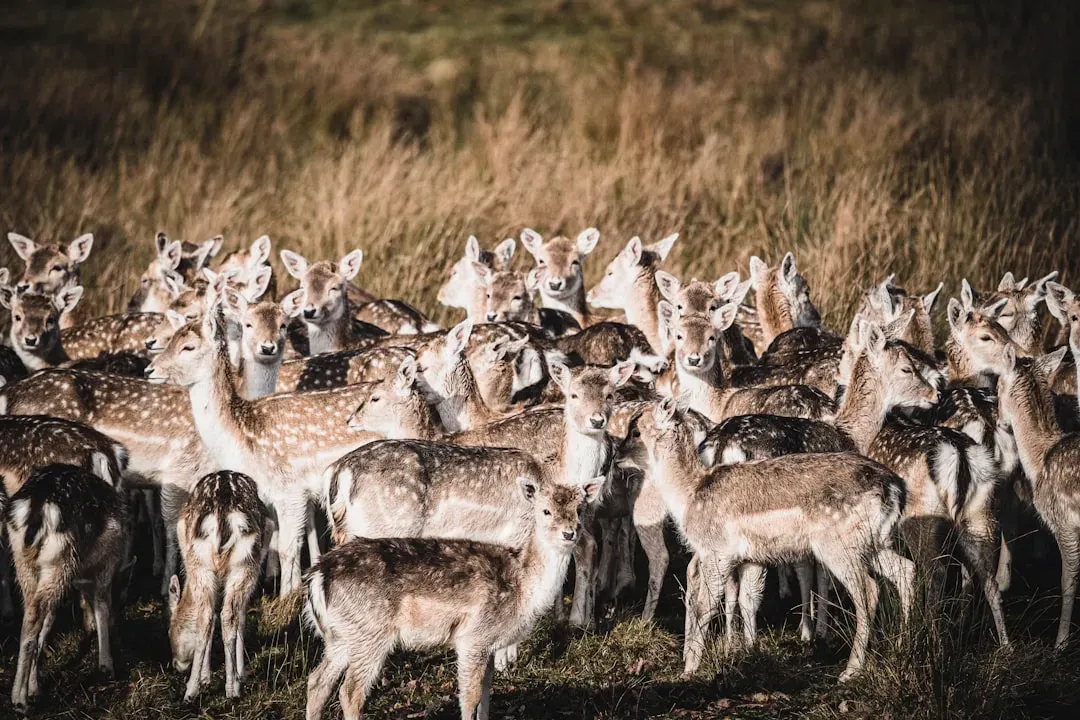
Wildlife does not exist in isolation. Every species is part of a larger, interconnected web – and when you pull one thread, the whole fabric can unravel. Wildlife populations naturally fluctuate based on the carrying capacity of their environment. Artificial feeding can artificially inflate wildlife populations beyond what the natural habitat can support.
These unnaturally dense populations can lead to resource depletion, increased competition, and habitat degradation that affects not just the fed species but entire ecological communities. The ripple effects can transform entire ecosystems, altering everything from vegetation patterns to predator-prey relationships in ways that may take decades to reverse.
An overabundance of wildlife damages natural habitat and creates nuisance issues with humans. For example, overabundant deer populations can result in increased damage to natural forest habitat from over browsing, agricultural crop loss, and automobile collisions.
Beyond the ecological damage, there is also a legal dimension that many people overlook completely. Many jurisdictions have enacted laws against feeding wildlife, with substantial penalties for violations. These regulations exist for ecological and public safety reasons, not simply as arbitrary restrictions. In national parks, feeding wildlife is strictly prohibited, with fines ranging from $100 to $5,000 and potential jail time for serious cases. Feeding animals like bears, coyotes, wolves and cougars is illegal, and our responsibility is to manage our waste to protect them. Good intentions, in other words, are not a legal defense.
Conclusion: The Kindest Thing You Can Do Is Step Back
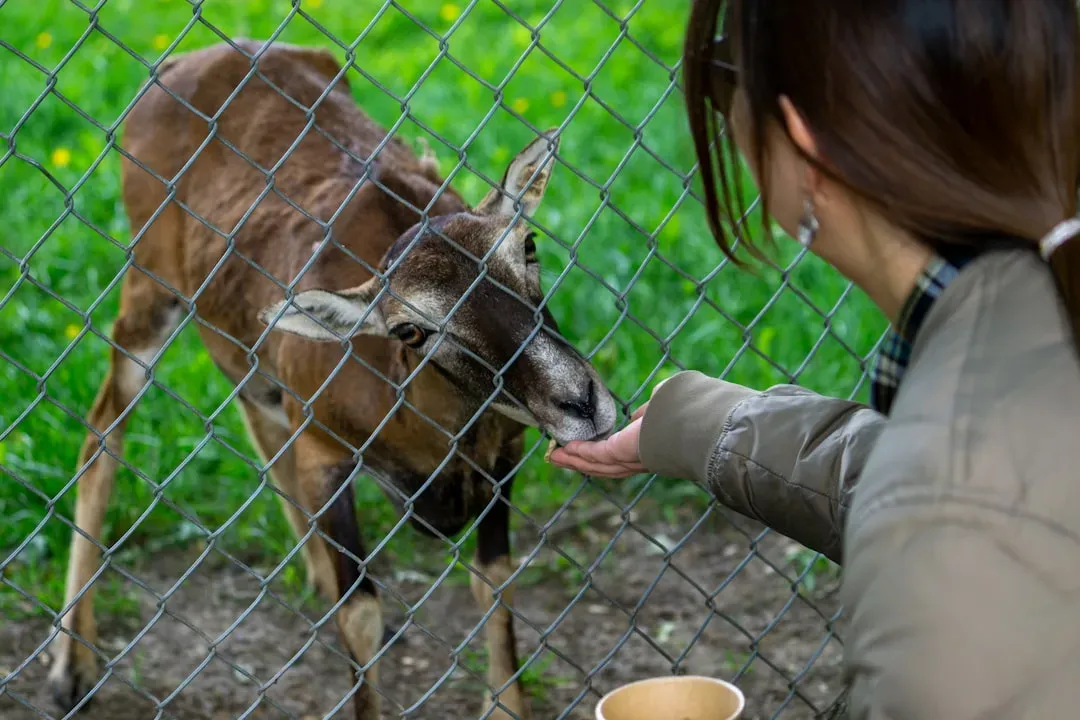
It feels counterintuitive, doesn’t it? We are wired to want to nurture. Offering food to a wild animal taps into something deeply human – a desire to connect, to help, to share our world. It’s natural to want to feed the wildlife around you, and you may think it’s a great way of connecting with nature in your own backyard. Unfortunately, doing so has negative effects for both humans and animals.
The truth is, the most genuinely caring thing you can do for wildlife is observe them from a respectful distance and let them live on their own terms. Animals that have become habituated to humans may become a danger to humans, but they also put themselves in danger unwittingly. As they begin to depend on humans for food, they may also lose acquired knowledge and skills about strategies they can use to successfully forage or hunt in their own environments.
Ultimately, the act of feeding wildlife risks not only the well-being of individual animals but also the health and resilience of entire ecosystems. To mitigate these risks, it is imperative to adopt responsible practices when interacting with wildlife. Rather than feeding animals, communities can focus on preserving natural habitats and allowing wildlife to forage for food on their own.
Wildlife does not need our snacks. It needs our respect. Next time you spot that deer at the park’s edge or that raccoon peering through your fence, resist the urge – and remember that watching them thrive on their own terms is the most powerful gift you can give. What do you think? Could you resist the temptation? Tell us in the comments below.
