
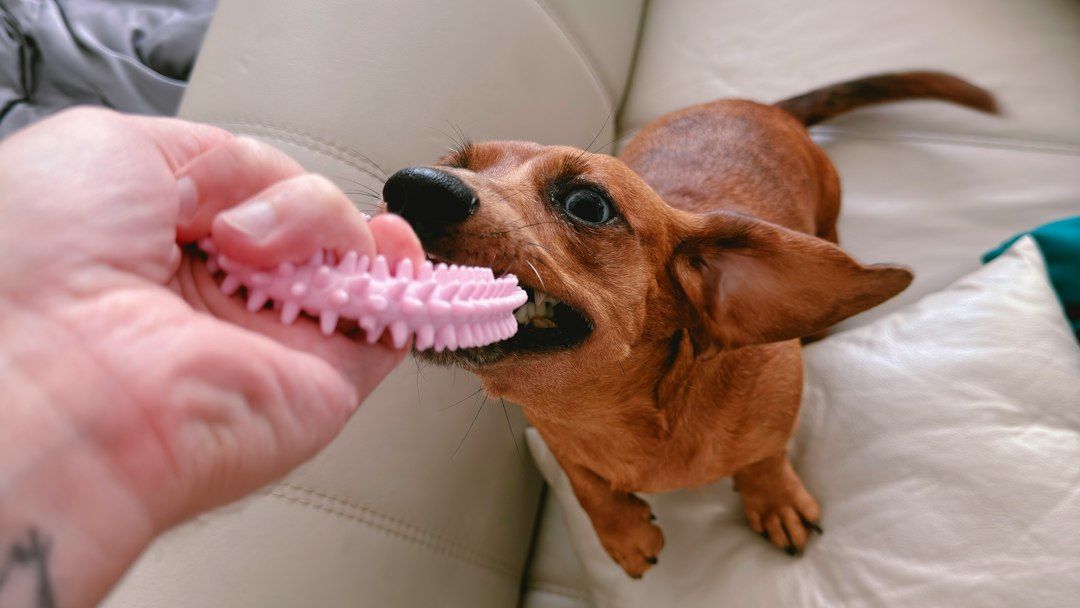
Picture this. Your pup grabs that worn-out plush bunny or their beloved squeaky ball and suddenly their whole energy shifts. They’re pacing, whining, maybe even refusing to drop it. You assumed playtime was the happiest moment of their day.
What if I told you that the very toy they seem obsessed with could actually be causing more stress than joy? It sounds strange, doesn’t it? We spend hours choosing the perfect toys, hoping to keep our dogs entertained and content. Yet the reality is that certain toys can trigger anxiety, frustration, and even unwanted behaviors in ways most owners never realize. Let’s explore how something meant to bring happiness might actually be doing the opposite.
The Squeaker Paradox
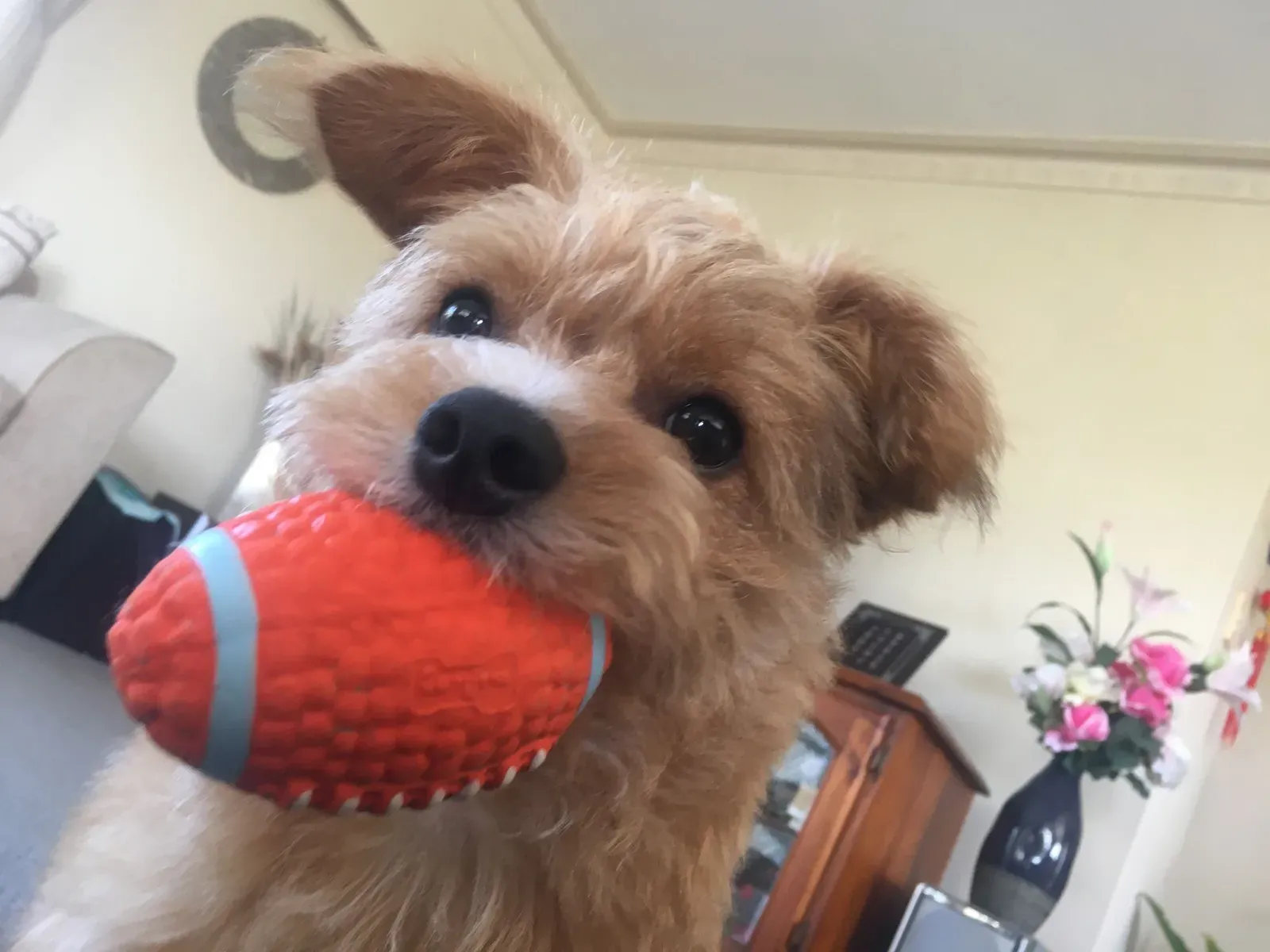
Squeaky toys activate innate hunting instincts in dogs, delivering immediate reward feedback that stimulates dopamine release. Every time your dog bites down and hears that squeak, their brain interprets it as prey making a distress call. Sounds fun, right?
Here’s the thing. The hunt never seems to end, which can lead to frustration in dogs. Your pet’s brain is hardwired to complete the predatory sequence, but with a toy that keeps squeaking endlessly, there’s no resolution. Squeaking toys can trigger hyperactivity in dogs and should only be used for specific training or attention-getting situations.
Think about it like trying to scratch an itch you can never quite reach. That constant stimulation without closure creates a loop of excitement that some dogs simply can’t manage. Many dogs escalate quickly with squeakers, especially younger dogs, and a few minutes of focused play followed by a break helps prevent frantic overstimulation.
Overstimulation From High-Tech Toys
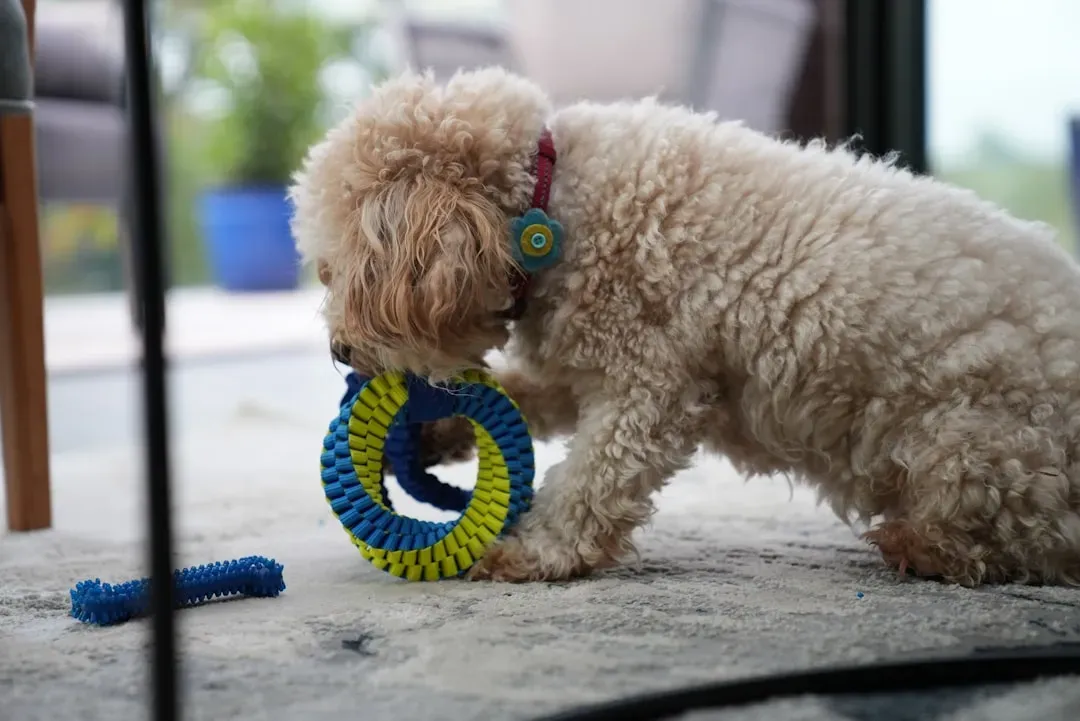
Modern interactive toys are incredibly clever. They roll unpredictably, make sounds, flash lights, and respond to touch. Multiple reports in 2025 linked high-decibel play toys to stress behaviors, including lip licking, excessive yawning, and avoidance in highly sensitive breeds like Shelties and Whippets.
The problem isn’t the technology itself. It’s that these toys can create sensory overload for dogs who are already prone to anxiety or those with sensitive temperaments. Overstimulation in dogs presents as pacing, tail chasing, and refusal to stop interacting even when tired, indicating the toy may be too intense or lacks a resolution mechanism.
I know it sounds crazy, but that expensive smart ball might actually be working against your dog’s emotional wellbeing. Some pups need predictability and calm, not constant surprise and stimulation. When a toy never stops moving or making noise, there’s no opportunity for your dog to settle or self-regulate.
Resource Guarding and Toy Anxiety
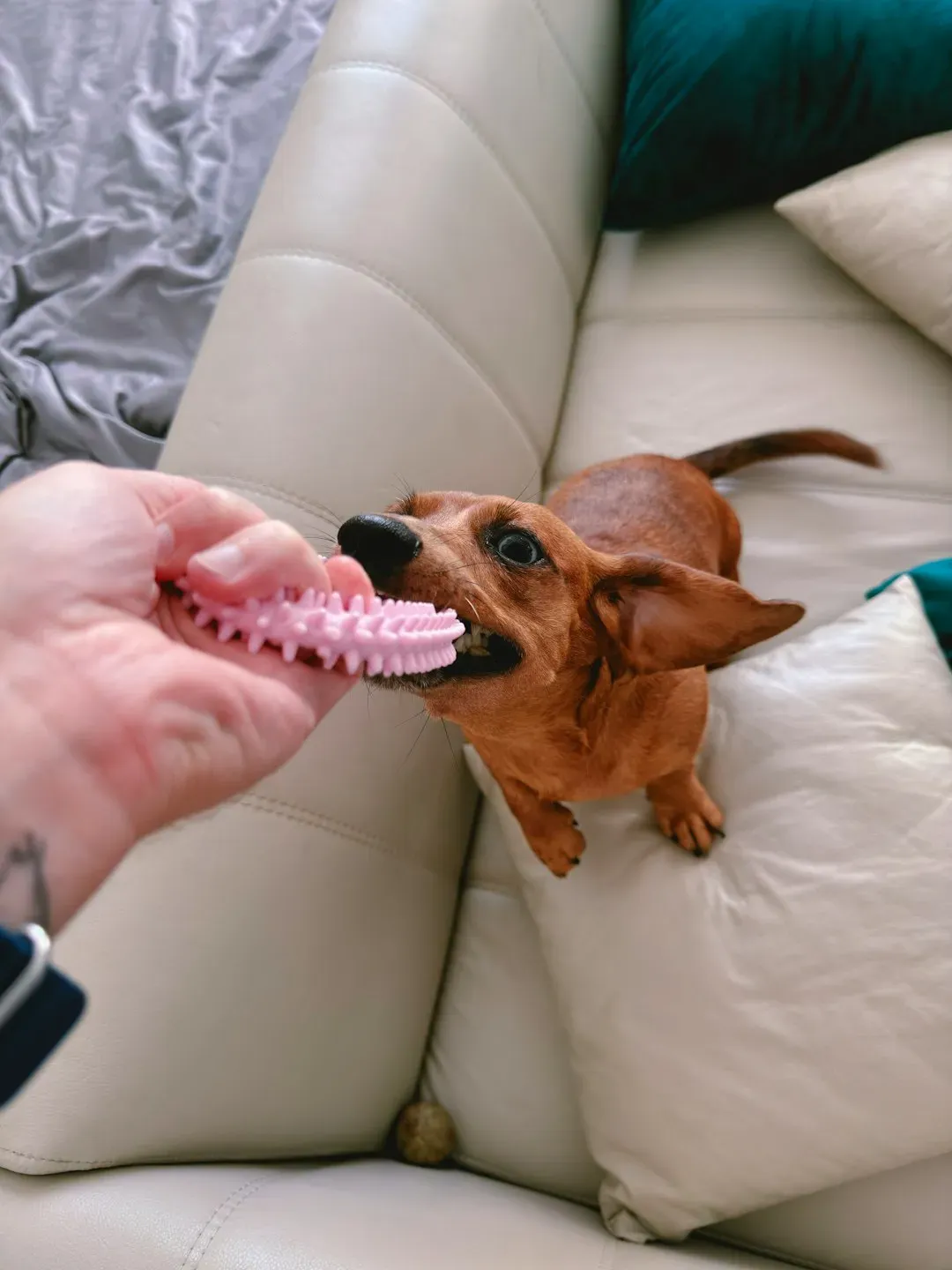
Ever notice your dog getting tense when you approach their favorite toy? Resource guarding in dogs can range from relatively benign behavior, like running away with a coveted item or growling at an approaching person, to full-blown aggression. This isn’t about your dog being mean or dominant. It’s genuine anxiety about losing something they value.
Many dogs associate high-pitched squeakers with sounds that must be protected at all costs, and the squeaky sound may alert a desire to protect the toy from anyone else. This possessiveness creates stress not just for you, but especially for the dog. They’re constantly on guard, unable to truly relax even during play.
The emotional attachment some dogs develop to certain toys can mirror maternal instincts or amplify their prey drive to uncomfortable levels. Dogs read our emotions, and getting worried and stressed over their reactions might be causing more of an issue. It becomes a cycle where the toy that should bring comfort actually generates tension throughout the household.
The Frustration Factor
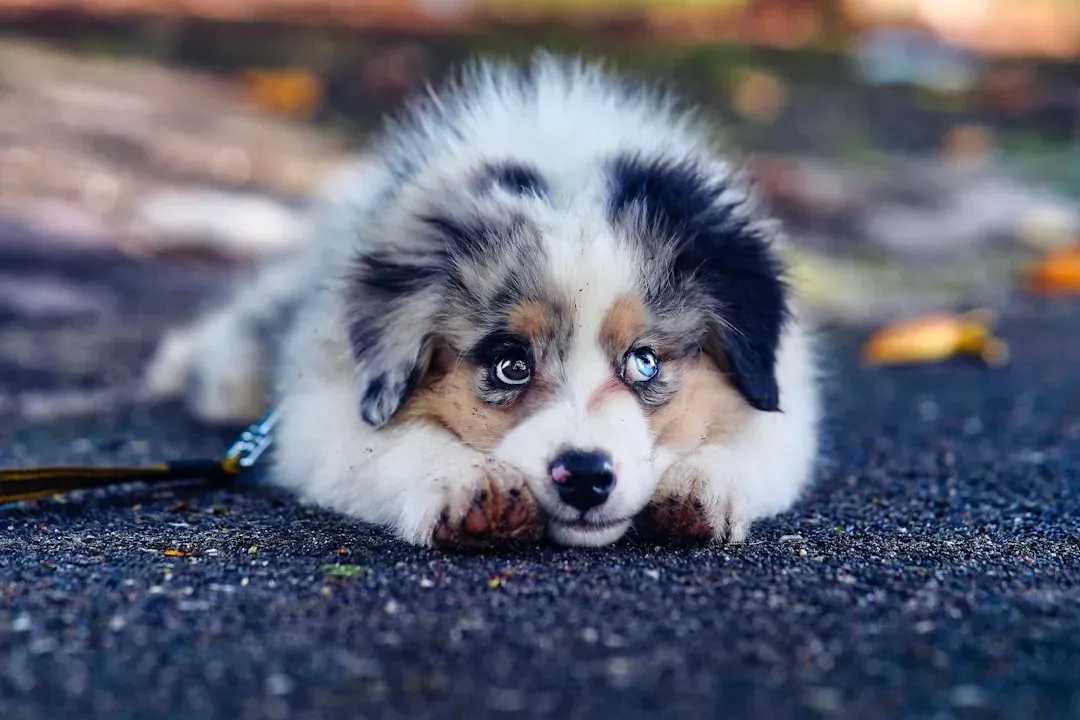
Dogs sometimes destroy toys as an outlet for pent-up energy or frustration, and in hindsight, they could have had plenty of pent-up energy. Let’s be real here. That puzzle toy you bought to keep your dog mentally stimulated might actually be causing more stress than enrichment.
Not every dog enjoys problem-solving. Some find it genuinely distressing when they can’t figure out how to get the treat out or when a toy doesn’t behave the way they expect. Honestly, I think we often underestimate how frustrating it must be for a dog to repeatedly fail at something we’ve presented as a game.
Certain types of toys might not work for profoundly anxious dogs whose nerves render them unable to eat. If your dog is already stressed, adding a challenging toy into the mix can backfire spectacularly. They need comfort and predictability, not another puzzle to solve.
Finding the Right Balance
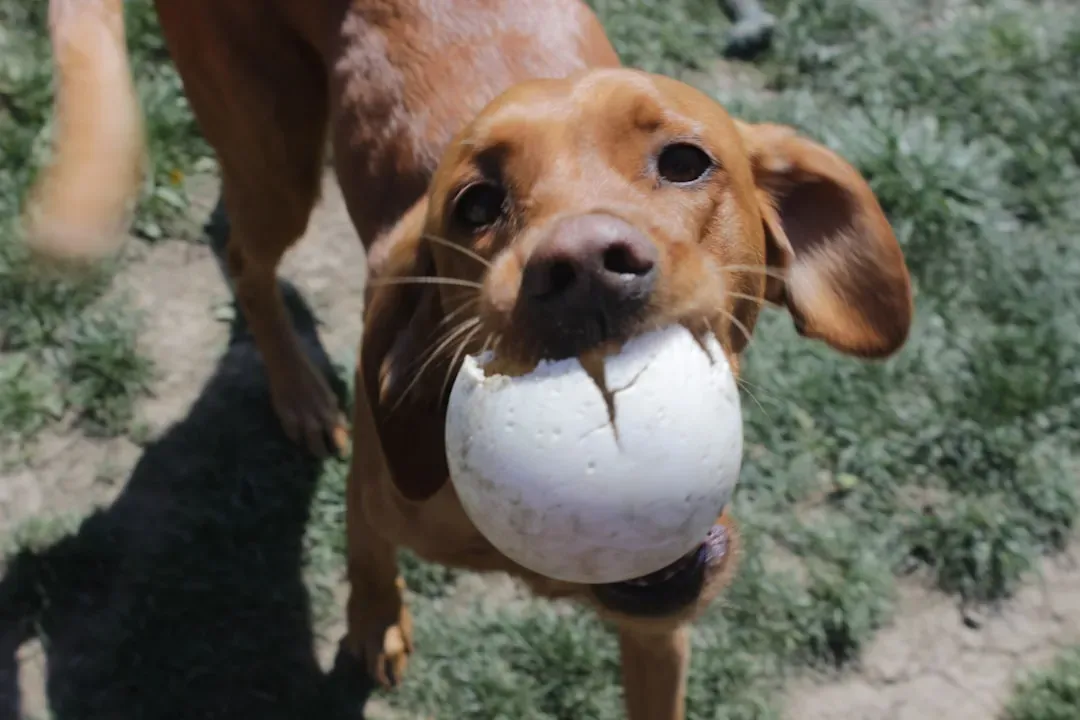
So what’s a concerned dog parent supposed to do? Auto-pauses in smart toys simulate real-life breaks during play to prevent overstimulation and keep sessions feeling natural, with outer shells crafted from pet-safe materials. The key is understanding your individual dog’s temperament and stress signals.
Once the squeak becomes predictable, interest can dip, and rotation solves this by putting the squeaky toy away after a session and bringing it back later. Not every toy needs to be available all the time. Creating structure around play can actually reduce anxiety rather than increase it.
Watch your dog carefully. Happy pets need stimulation, especially when bored or stressed, which is why enrichment is important, and these activities are key to avoiding stress and anxiety. Choose toys that match their personality, not just what looks entertaining to you. Sometimes the simplest toy is the one that brings the most genuine joy without the unwanted side effects.
Conclusion
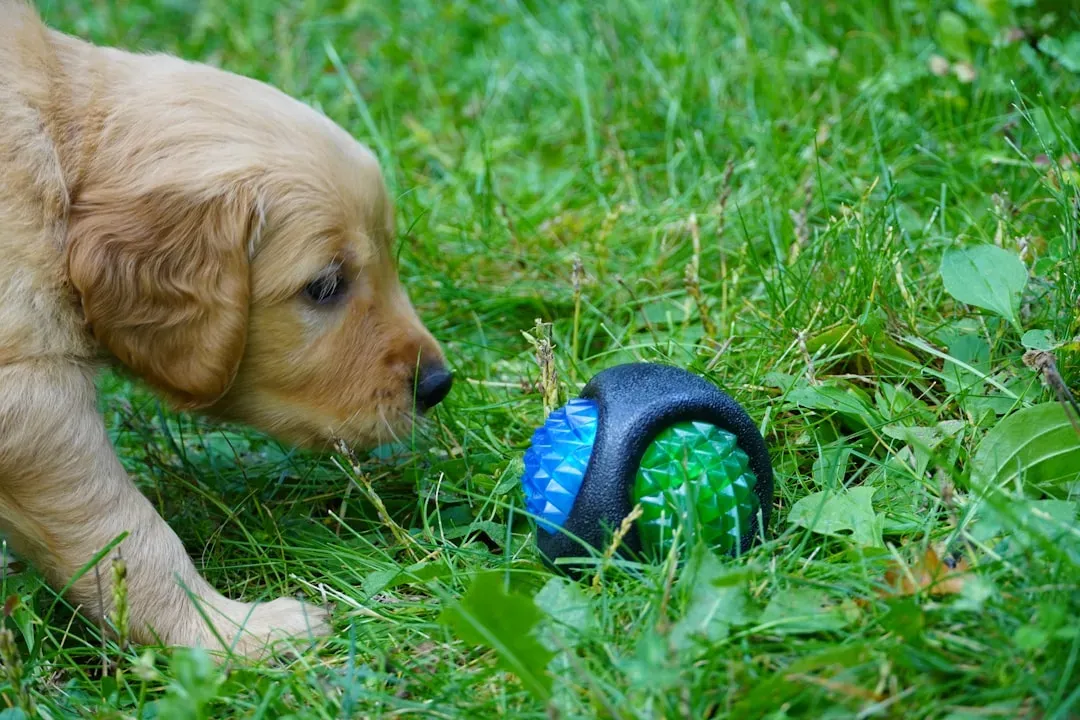
The truth is that toys are meant to enrich your dog’s life, not complicate it. Pay attention to how your dog actually behaves with their toys rather than how you think they should behave. If you notice signs of stress like excessive panting, inability to settle, possessive guarding, or destructive obsession, it might be time to rethink your toy selection.
Your dog’s mental health matters just as much as their physical health. Sometimes less truly is more when it comes to keeping them calm and content. What does your dog’s behavior tell you about their favorite toy?
