
Louisiana’s bayous and swamps represent some of North America’s most biologically diverse ecosystems. These mysterious waterways, draped in Spanish moss and punctuated by cypress knees, harbor an astonishing array of wildlife that has adapted to thrive in these unique wetland environments. From prehistoric-looking reptiles to colorful migratory birds, the flora and fauna of Louisiana’s wetlands tell a story of remarkable adaptation and resilience. This rich biodiversity not only creates a fascinating natural laboratory but also plays a critical role in the ecological health of the entire Mississippi River Delta region. Let’s explore the extraordinary creatures that call these enchanting waterways home.
The Unique Ecosystem of Louisiana’s Wetlands
Louisiana’s wetlands constitute one of the most productive ecosystems in North America, covering approximately 3 million acres. These wetlands consist of two primary habitat types: bayous, which are slow-moving streams or rivers, and swamps, which are wetlands dominated by trees. Both environments feature water that ranges from fresh to brackish, creating numerous microhabitats that support diverse wildlife communities. The combination of subtropical climate, abundant rainfall, and the influence of the Mississippi River creates ideal conditions for biodiversity to flourish.
These wetlands serve as critical transition zones between land and water, acting as natural filters that remove pollutants and providing flood control for surrounding areas. The complex network of waterways, vegetation, and animal life forms an intricate ecosystem where each species plays a vital role in maintaining ecological balance. Louisiana’s wetlands also serve as important carbon sinks, helping to mitigate climate change by storing large amounts of carbon in their soils and vegetation.
The American Alligator: Louisiana’s Iconic Reptile

No discussion of Louisiana’s wetlands would be complete without mentioning the American alligator (Alligator mississippiensis), perhaps the most iconic inhabitant of these environments. Growing up to 13 feet long and weighing up to 1,000 pounds, these impressive reptiles serve as apex predators that help regulate populations of other species. After nearly being hunted to extinction in the mid-20th century, alligators have made a remarkable recovery thanks to conservation efforts and are now considered a conservation success story.
Alligators play a crucial ecological role by creating “alligator holes” – depressions they dig that fill with water during dry periods, providing habitat for fish and other aquatic organisms. Their nesting activities also help shape the landscape, creating raised areas that provide habitat for plants and other animals. With adaptations including armored skin, powerful jaws capable of exerting over 2,000 pounds of pressure per square inch, and excellent night vision, alligators are perfectly adapted to life in Louisiana’s mysterious waters.
Diverse Bird Life of the Bayou

Louisiana’s wetlands serve as critical habitat for over 400 species of birds, making these areas a paradise for birdwatchers. Great blue herons stand motionless in shallow waters waiting to spear fish with their dagger-like bills, while snowy egrets display their distinctive yellow feet as they delicately pick their way through marshes. Roseate spoonbills, with their distinctive pink plumage and spoon-shaped bills, add splashes of color to the landscape as they sweep their specialized bills through shallow water to catch small aquatic organisms.
The wetlands also provide essential breeding grounds for numerous species. Wood storks, white ibises, and several species of egrets establish large rookeries in the treetops of cypress and tupelo forests. Additionally, Louisiana’s wetlands serve as critical stopover points along the Mississippi Flyway, one of North America’s most important bird migration routes. During peak migration seasons, the skies and trees fill with neotropical migrants such as warblers, tanagers, and orioles that use these habitats as refueling stations during their long journeys between summer breeding grounds in the north and wintering areas in the tropics.
Mammals of the Swamps

Despite challenging conditions that include frequent flooding and limited dry land, Louisiana’s wetlands support a surprising diversity of mammals. Possibly the most recognizable mammal in these habitats is the North American river otter, which can frequently be spotted playing or hunting in the waterways. These sleek, semi-aquatic predators feed primarily on fish, crayfish, and amphibians, and their playful behavior makes them favorites among wildlife watchers.
Other mammals that have adapted to life in these watery environments include the raccoon, with its distinctive masked face and dexterous front paws that it uses to search for food along shorelines. Muskrats and nutria (an introduced species from South America) create extensive burrow systems in banks and consume large amounts of aquatic vegetation. In the drier portions of swamps, white-tailed deer browse on vegetation, while secretive bobcats hunt for prey along the edges of wetlands. Perhaps most elusive of all is the Louisiana black bear, a subspecies of the American black bear that was once widespread throughout the region but is now found in only a few isolated wetland areas.
Reptiles Beyond the Alligator

While alligators may claim the spotlight, Louisiana’s wetlands host an impressive array of other reptiles. Several species of turtles inhabit these waters, including the massive alligator snapping turtle, which can weigh over 200 pounds and possesses a powerful beak-like jaw capable of delivering a devastating bite. These prehistoric-looking creatures lie motionless on the bottom of water bodies, luring fish with a worm-like appendage on their tongues. The red-eared slider, recognized by the distinctive red patch behind each eye, is commonly seen basking on logs, while the mud and musk turtles scavenge along the bottom of waterways.
Snakes are equally diverse in these environments, with water moccasins (cottonmouths) being among the most feared due to their venomous bite. These heavy-bodied pit vipers often bask on branches overhanging water or swim with their heads held above the surface. Non-venomous water snakes are frequently mistaken for cottonmouths but play important roles as predators of fish, amphibians, and crayfish. The brilliantly colored eastern ribbon snake, with its yellow stripes on a black background, hunts along shorelines for small prey, while the massive eastern diamondback rattlesnake may be found in the drier portions of wetlands.
Amphibians: Indicators of Ecosystem Health
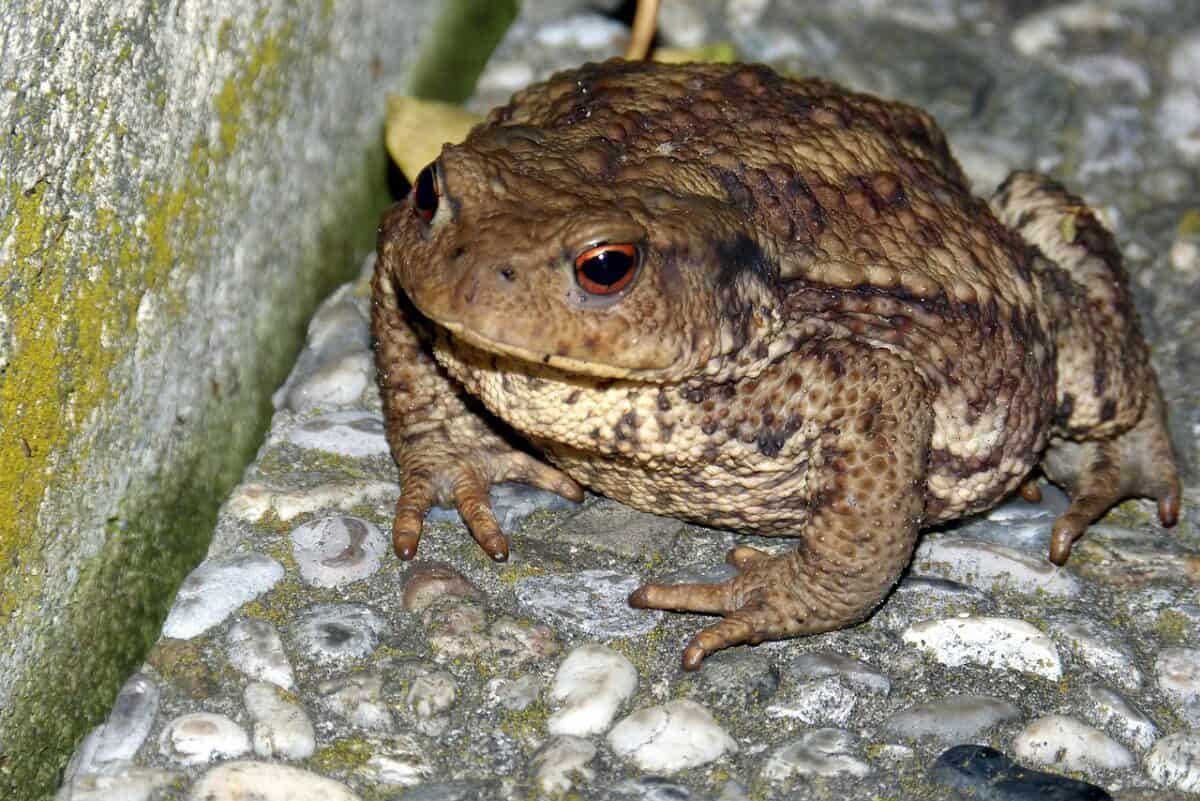
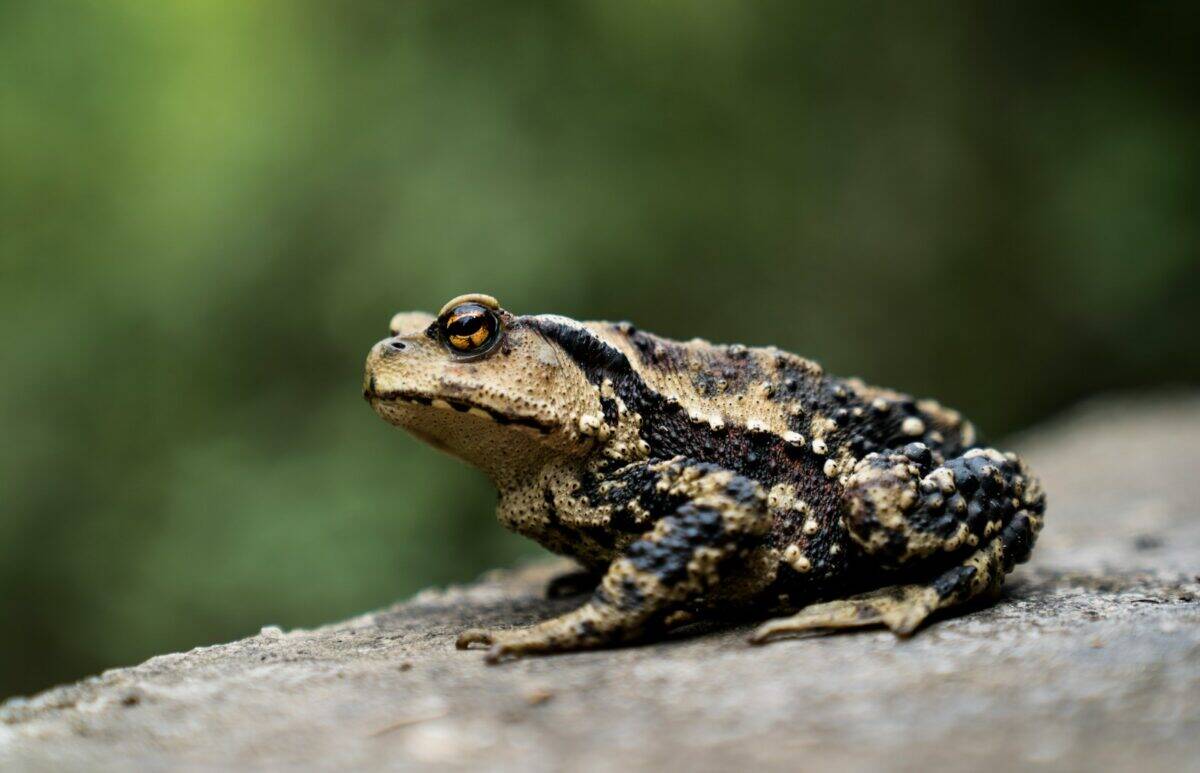
Amphibians serve as important biological indicators of environmental health due to their permeable skin and complex life cycles that typically include both aquatic and terrestrial phases. Louisiana’s wetlands support a rich diversity of frogs, toads, and salamanders. The deep, resonant call of the bullfrog is a characteristic sound of these environments, while the high-pitched chorus of spring peepers announces the arrival of warmer weather. The green treefrog, Louisiana’s state amphibian, is frequently found clinging to vegetation with its specialized toe pads.
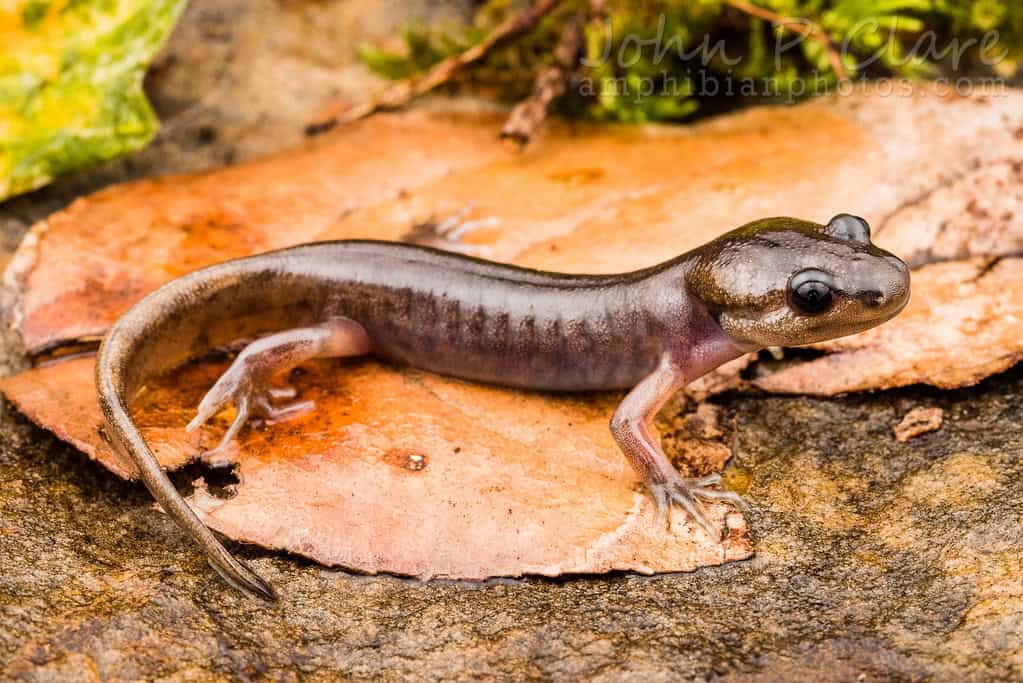
Salamanders, though less conspicuous than their vocal frog relatives, are equally important components of wetland ecosystems. The greater siren, an entirely aquatic salamander with external gills and no hind limbs, inhabits the murky bottoms of swamps and bayous. The western lesser siren, a similar but smaller species, can survive periods of drought by burrowing into mud and secreting a protective cocoon around itself. These amphibians serve as both predators of invertebrates and prey for larger animals, forming a crucial link in wetland food webs.
Fish Diversity in Bayou Waters

The slow-moving, nutrient-rich waters of Louisiana’s bayous and swamps support over 100 species of fish, ranging from tiny minnows to massive predators. The largemouth bass, prized by anglers, lurks among submerged vegetation and fallen trees, darting out to ambush prey with its large mouth. Catfish species, including the channel, blue, and flathead catfish, use their sensitive barbels (whisker-like appendages) to locate food in the murky waters, while their powerful jaws crush crayfish and other prey.
Some of the most unusual fish species include the bowfin, an ancient species that has remained relatively unchanged for millions of years and possesses a primitive lung-like air bladder that allows it to breathe air when oxygen levels in water drop. The spotted gar, with its elongated body covered in diamond-shaped scales and needle-like teeth, is another living fossil that has inhabited these waters for millions of years. These primitive fish serve as important predators that help maintain the ecological balance of fish populations while providing scientists with insights into the evolution of bony fishes.
Crustaceans and Mollusks of the Wetlands
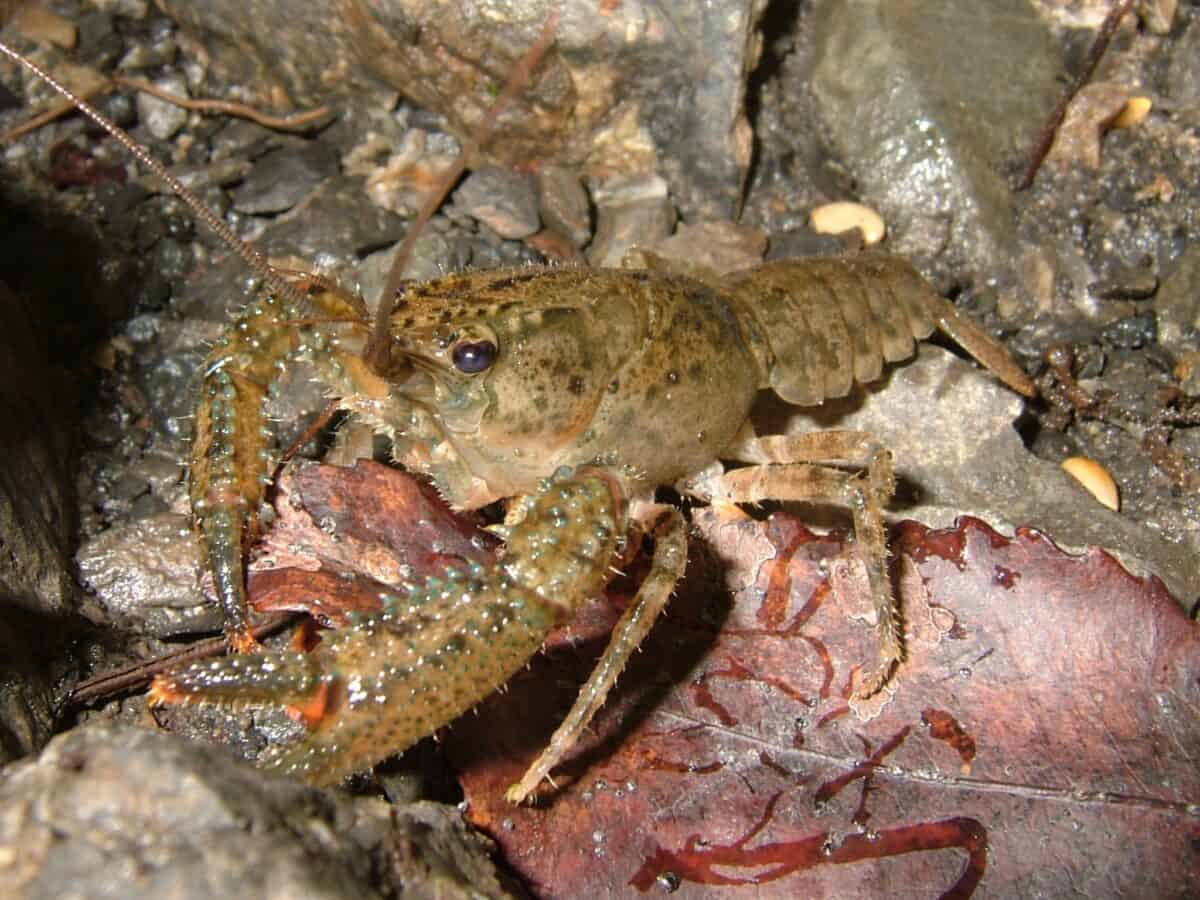
Louisiana’s wetlands are famous for their crustaceans, particularly the Louisiana crayfish (also called crawfish locally), which has become not only an ecological cornerstone but also a culinary and cultural icon. These freshwater crustaceans dig extensive burrow systems that aerate the soil and provide habitat for other organisms. During their spring breeding season, they become the focus of crawfish boils—festive gatherings that celebrate local cuisine and culture.
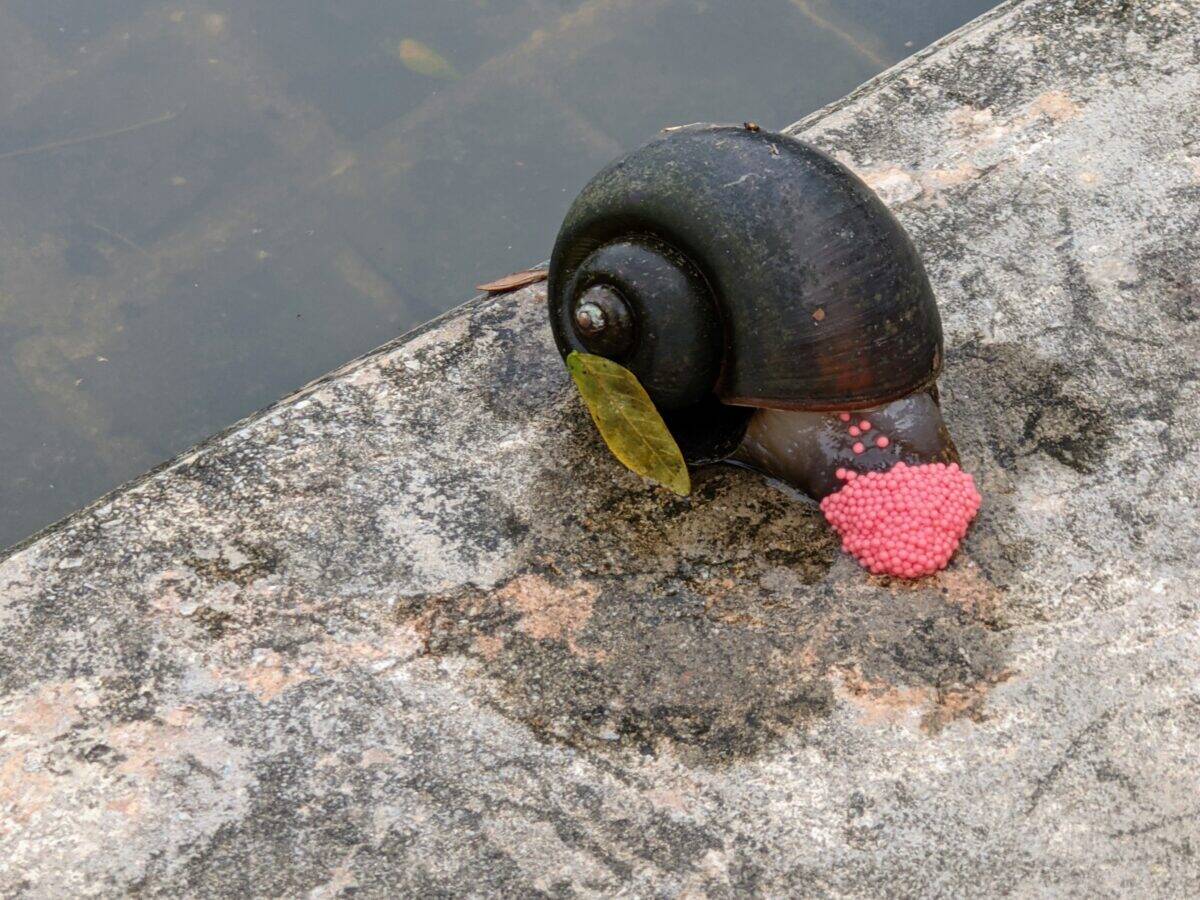
The wetlands also support diverse mollusk populations, including several species of freshwater mussels that play vital roles as filter feeders, removing particles from the water and improving water quality. The apple snail, an introduced species that has established itself in Louisiana’s wetlands, lays distinctive bright pink egg masses above the waterline and has become both an ecological concern and a food source for native predators like the limpkin, a wading bird that has expanded its range into Louisiana to feed on these snails. These invertebrates form the foundation of many food webs and contribute significantly to the cycling of nutrients within wetland ecosystems.
Insects and Arachnids: The Hidden Majority
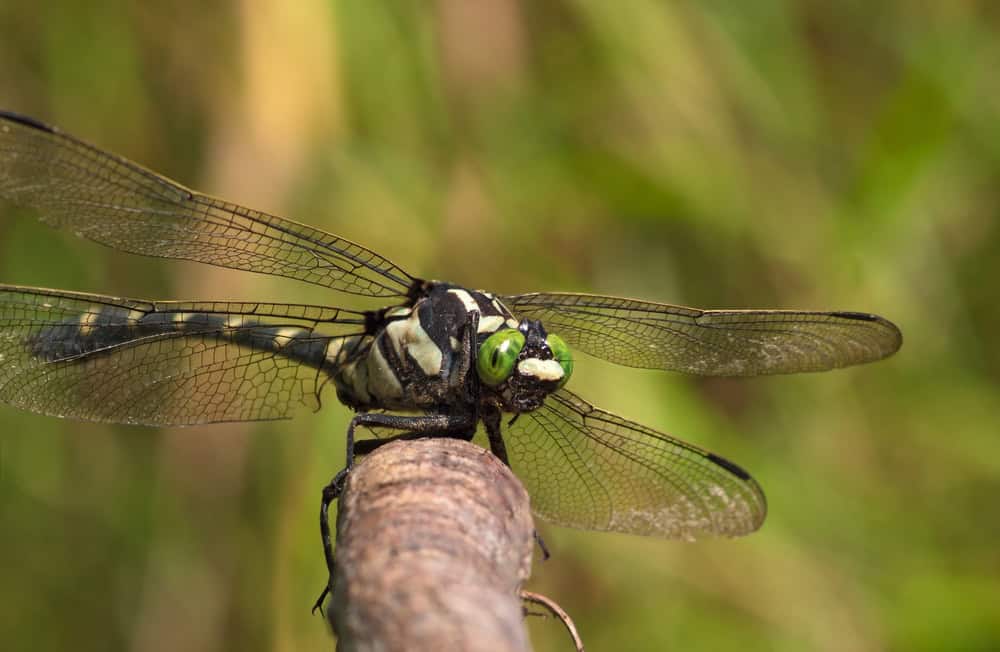
Though often overlooked, insects and arachnids constitute the vast majority of animal species in Louisiana’s wetlands and perform countless ecological functions. Dragonflies and damselflies patrol the air above waterways, their exceptional flying abilities allowing them to capture mosquitoes and other flying insects in mid-air. Their aquatic larvae are equally voracious predators beneath the water’s surface. Speaking of mosquitoes, Louisiana’s wetlands are notorious for these biting insects, which serve as food for numerous other animals despite their nuisance to humans.
Spectacular butterfly species, including the tiger swallowtail and gulf fritillary, add flashes of color as they visit flowering plants. Among arachnids, the fishing spider can walk on water’s surface and even dive beneath to capture small fish and tadpoles, while the massive golden silk orb-weaver constructs enormous webs between trees to catch flying insects. The diversity of these invertebrates is staggering, with many species still undescribed by science, particularly among the countless beetles, flies, and other small insects that decompose organic matter and pollinate wetland plants.
Invasive Species Threatening Native Wildlife
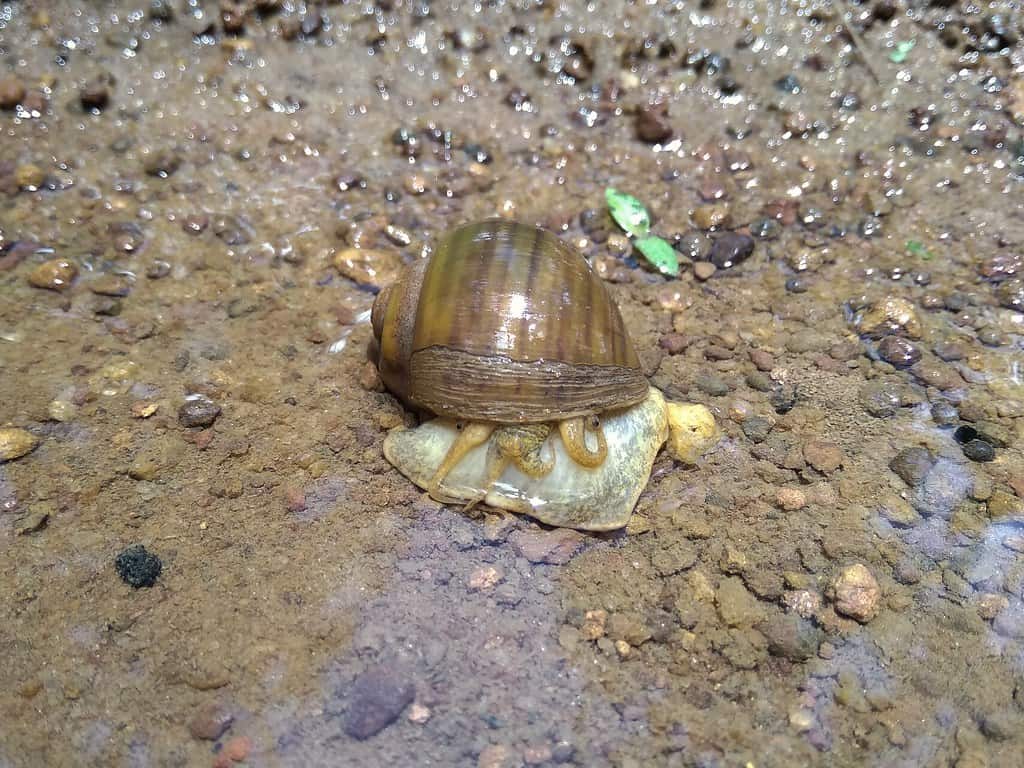
Louisiana’s wetlands face numerous threats from non-native invasive species that disrupt ecological balance and outcompete native wildlife. Perhaps the most visible is the nutria, a large rodent introduced from South America for the fur trade in the 1930s. These prolific herbivores consume vast quantities of vegetation, converting wetlands to open water and accelerating coastal erosion. Similarly destructive is the feral hog, which roots through soil, destroys vegetation, and preys on ground-nesting birds and other small animals.
Aquatic invasives pose equally serious threats. The water hyacinth, a floating plant with beautiful purple flowers, can double its population in just two weeks, forming thick mats that choke waterways and deplete oxygen levels. Apple snails lay thousands of eggs that hatch into voracious herbivores that consume native aquatic vegetation, while Asian carp, including silver and bighead carp, filter enormous quantities of plankton from the water, competing with native filter-feeding fish and disrupting food webs. These invasive species highlight the delicate balance of wetland ecosystems and the potential for human-introduced species to cause cascading ecological effects.
Conservation Challenges and Efforts

Louisiana’s wetlands face unprecedented challenges, losing approximately 16 square miles annually to a combination of natural and human-caused factors. Sea level rise, subsidence (sinking land), erosion, saltwater intrusion, and the legacy of canal dredging for oil and gas exploration have all contributed to wetland loss. This loss not only impacts wildlife but also reduces natural hurricane protection for communities and threatens Louisiana’s fishing industry, which depends on healthy wetlands as nursery grounds for commercially important species.
Numerous conservation efforts aim to address these challenges. The Coastal Protection and Restoration Authority implements projects ranging from marsh creation using dredged sediment to river diversions that mimic the natural delta-building processes of the Mississippi River. The U.S. Fish and Wildlife Service manages several national wildlife refuges throughout Louisiana’s wetlands, providing protected habitat for countless species. Non-profit organizations such as the Coalition to Restore Coastal Louisiana and local communities engage in projects ranging from planting marsh grass to building oyster reefs that reduce erosion. These collaborative efforts represent the best hope for preserving Louisiana’s wetland wildlife for future generations.
Experiencing the Wildlife of Louisiana’s Wetlands

Louisiana offers numerous opportunities for visitors to experience its remarkable wetland wildlife firsthand. Guided swamp tours, available in many locations including the Atchafalaya Basin and areas surrounding New Orleans, provide excellent opportunities to observe alligators, birds, and other wildlife while learning about wetland ecology and Cajun culture. These tours range from quiet canoe or kayak excursions that allow close observation of wildlife to larger motorized boats that cover more territory.
For self-guided exploration, the state’s wildlife management areas and national wildlife refuges offer hiking trails, boardwalks, and boat launches. Jean Lafitte National Historical Park and Preserve’s Barataria Preserve features boardwalks through cypress-tupelo swamps where visitors can safely observe wildlife at their own pace. Birders particularly enjoy visiting Sabine and Cameron Prairie National Wildlife Refuges during migration seasons. For those interested in fishing, numerous guides offer trips targeting species from bass to redfish. Whatever the chosen activity, experiencing Louisiana’s wetland wildlife creates lasting memories and fosters appreciation for these unique ecosystems.
Conclusion: A Treasure Worth Protecting
Louisiana’s bayous and swamps represent some of North America’s most ecologically valuable and biologically diverse ecosystems, hosting an extraordinary array of wildlife that has evolved specialized adaptations to thrive in these dynamic environments. From ancient reptiles like alligators and gar to migratory birds that travel thousands of miles to feed in these productive waters, the wetlands support complex food webs and ecological relationships that have developed over millions of years. This biodiversity not only fascinates scientists and nature enthusiasts but also provides tangible benefits to human communities through fisheries, flood protection, water filtration, and cultural heritage.
As these wetlands face unprecedented threats from climate change, development, invasive species, and the legacy of past environmental modifications, the future of Louisiana’s wetland wildlife hangs in the balance. Conservation efforts must continue and expand if these remarkable ecosystems are to survive for future generations. By understanding and appreciating the remarkable wildlife of Louisiana’s bayous and swamps, we gain not only scientific knowledge but also inspiration to protect these irreplaceable natural treasures that are so deeply woven into the ecological and cultural fabric of the American South.

- The Comeback of the Bald Eagle: What Made It Work - June 3, 2026
- Top 10 Animals and Wildlife in Oklahoma - June 3, 2026
- Do Conservation Efforts Favor ‘Cute’ Animals Over Ecologically Important Ones? - June 3, 2026