
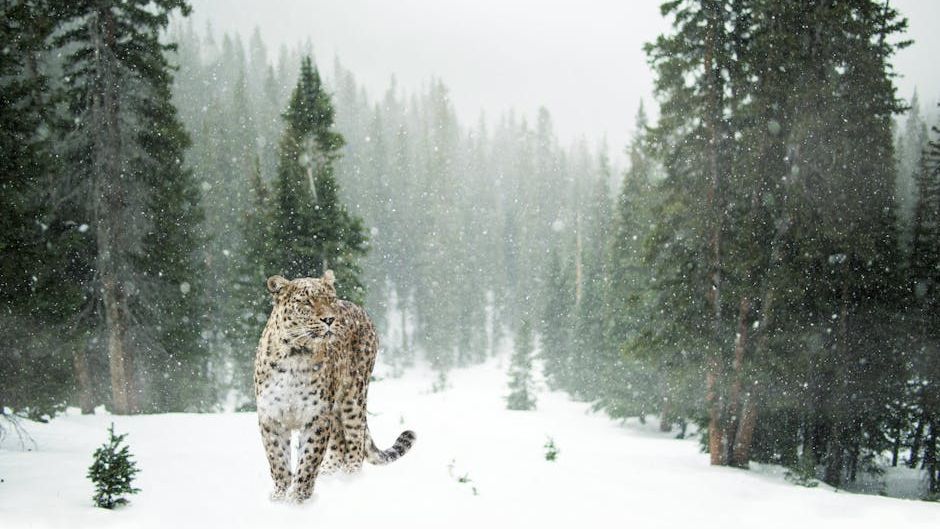
Imagine stepping outside into temperatures so low that your lungs ache with every breath. There’s no coat to zip up, no thermostat to adjust, no grocery run to save the day. Just you, raw nature, and the relentless cold. For billions of wild animals across the planet, this isn’t a dramatic thought experiment – it’s simply Tuesday.
What’s genuinely mind-blowing is that nature figured out the answers to this problem long before humans even existed. The solutions animals have developed over hundreds of thousands of years of evolution are so inventive, so elegantly effective, that scientists are still discovering new ones today. From animals that essentially freeze solid and thaw back to life, to tiny creatures that sacrifice their own limbs to keep moving, the survival playbook of the animal kingdom is nothing short of extraordinary. Let’s dive in.
The Deep Sleep That Isn’t Really Sleep: Hibernation, Torpor, and Brumation

Here’s the thing people get wrong all the time: hibernation is not just a long nap. Not even close. A true hibernator is an animal that reduces metabolism, slows heart rate, and lowers body temperature during dormancy. That’s a full-blown biological shutdown, and it’s far more dramatic than any sleep you’ve ever had.
Hibernation strategies exist on a continuum, from “true hibernators” like Columbian ground squirrels and marmots, which experience an extreme body temperature drop from around 90 degrees Fahrenheit normally to just 39 degrees while hibernating, with very slow respiration of only a breath every four to six minutes. Think about that for a second. One breath every four to six minutes. That’s almost incomprehensible.
Rodents such as groundhogs do go into a deep hibernation, their heart rates dropping dramatically, with body temperatures not much higher than the surrounding environment. Bears, on the other hand, are more casual hibernators – they slow down significantly but don’t experience the same extreme physiological shutdown.
Then there’s torpor, which is the shorter-term cousin of hibernation. Torpor is a state of decreased physiological activity in an animal, usually marked by a reduced body temperature and metabolic rate, and it enables animals to survive periods of reduced food availability. Hummingbirds are a brilliant example: hummingbirds will enter a state of torpor where they slow down their metabolism and respiration rate for shorter periods of time to help conserve energy.
Reptiles and amphibians do something slightly different called brumation. Reptiles are ectothermic, meaning their body temperature is dependent on their environment, and as it gets colder, reptiles will become more lethargic and less able to hunt, making brumation the best way for them to conserve energy. It’s the cold-blooded version of the same winter survival instinct, just with a different biological mechanism driving it.
Nature’s Traveling Circus: The Astonishing Power of Migration
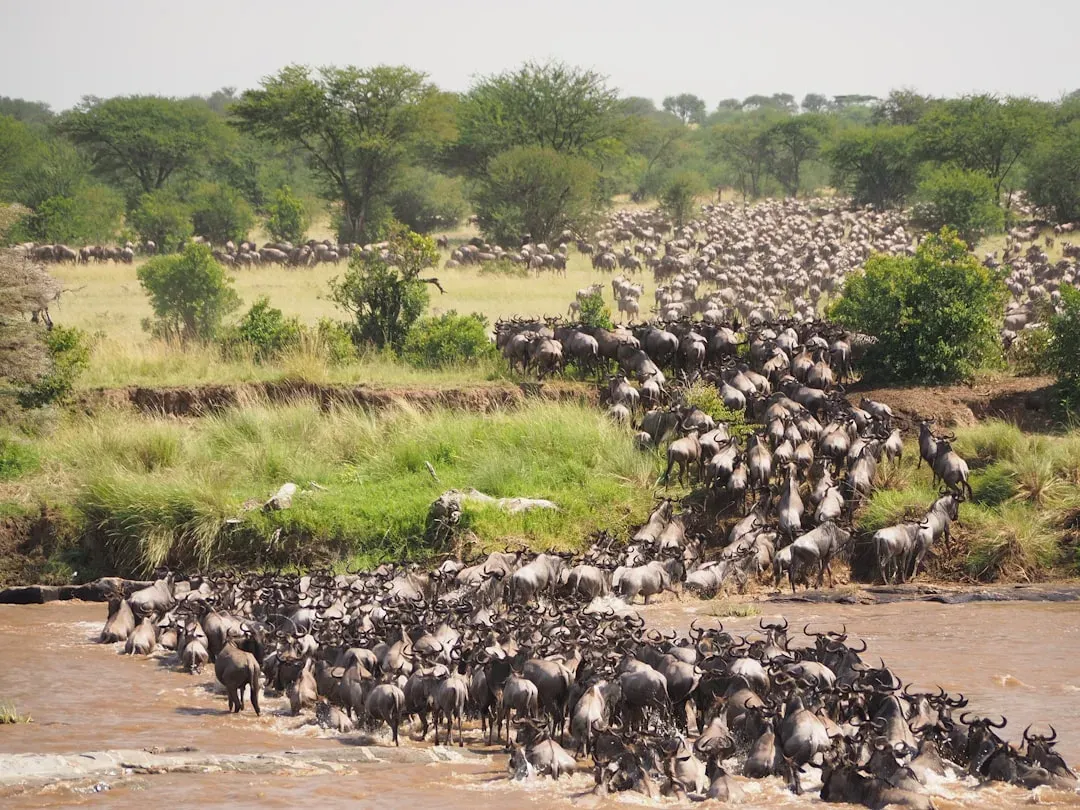
Some animals simply refuse to deal with winter. Honestly, I respect it. Wildlife rely on migration as one of three key survival strategies, which means getting away from the cold entirely. And the distances some of these creatures cover are nothing short of heroic.
Tiny monarch butterflies travel from all over the country to spend their winters in Mexico, caribou have one of the longest terrestrial migrations, traveling over 2,000 miles, and humpback whales swim from Alaskan waters to Mexico or Hawaii to give birth and raise their young in wintertime. Now that is a commute.
Not all migrations are epic cross-continental odysseys, though. Migrations can be exceedingly short, just 1,000 feet down a mountainside for the dusky grouse, for example. Sometimes survival is just about dropping to a slightly lower elevation where the wind doesn’t cut as hard and the snow isn’t as deep. Think of it less like a world tour and more like moving from the top floor to the ground floor of a building when the heating breaks.
Long-distance travelers like warblers and other songbirds may make a journey to Central America or South America because most warblers rely primarily on insects, and insects are not available in the northern hemisphere during the cold winter months. It’s a practical, food-driven decision more than anything else. Follow the food, and you follow life.
Built for the Cold: Remarkable Physical Adaptations
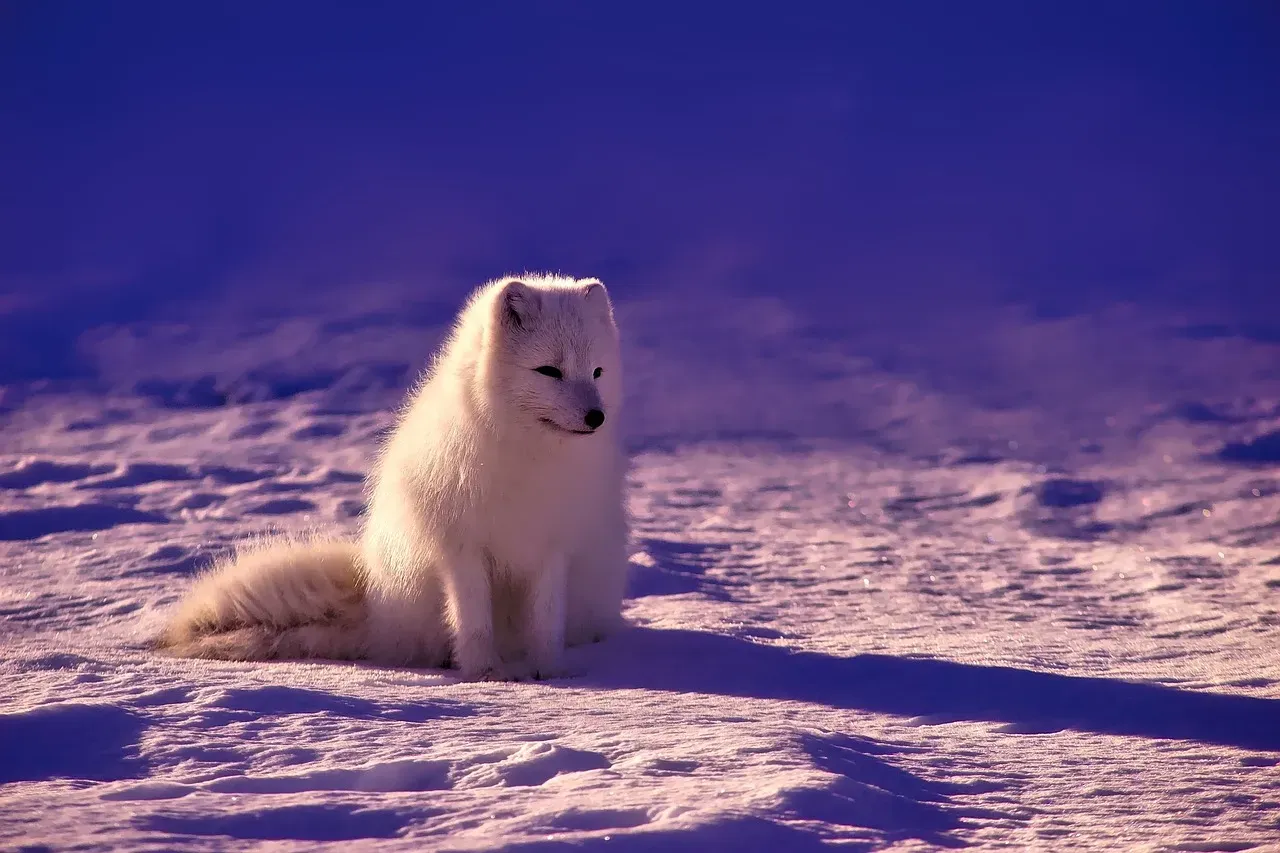
Some animals don’t run from winter. They suit up for it. The physical transformations that happen in the animal kingdom as temperatures drop are, honestly, stunning to think about.
Many animals have physiological adaptations to survive extreme winter conditions, including growing a thicker coat of fur or adding layers of fat to insulate themselves against the cold. It sounds simple on the surface, but the engineering behind it is extraordinarily precise.
Take the Arctic fox. Arctic foxes are sub-zero specialists, able to withstand temperatures as low as -50 degrees, with a compact body, stubby little legs, and small ears that reduce exposure and conserve heat. Their wide, furry paws are filled with polyunsaturated fats that don’t harden at extremely low temperatures, so they can walk on ice without frostbite. That’s essentially built-in antifreeze.
Emperor penguins are among the world’s hardiest birds, uniquely adapted to live in environments where little else can survive, being the only species of penguin that breeds during the Antarctic winter, enduring temperatures as low as -50 degrees Celsius and extreme wind speeds of up to 200 kilometres per hour.
Some physical adaptations are less about insulation and more about camouflage. Snowshoe hares, weasels, arctic foxes, and ptarmigans all change color as winter approaches, with fur or feathers changing from brown to white, providing both better insulation and camouflage in the snow to avoid predators and hunt prey. It’s a brilliant two-for-one deal that evolution stumbled upon. Even the nose gets in on the action: the saiga antelope’s nose contains large chambers that help filter out dust in hot weather, and when it’s cold, those same chambers warm the air before it reaches the lungs.
The Weird and the Wild: Nature’s Most Extreme Winter Tricks
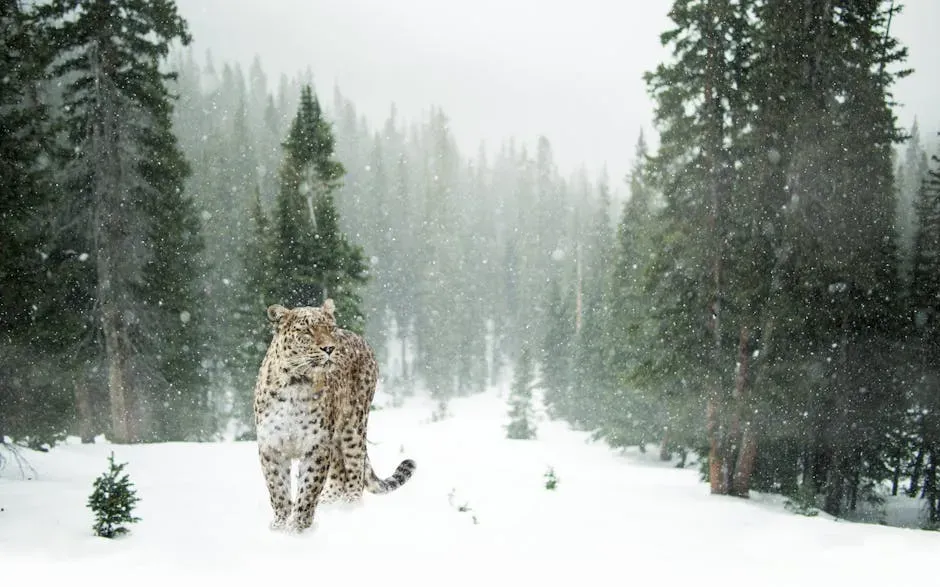
Now we get to the really jaw-dropping stuff. I’ll be honest, some of these facts stopped me cold when I first read about them. The natural world’s most extreme winter adaptations are the kind of things that sound like science fiction.
Consider the wood frog. Some species, like the wood frog, exhibit freeze tolerance, with cryoprotectants in their tissue fluids preventing ice crystals from bursting cells as the frog freezes, an adaptation that allows the frog’s whole body to freeze solid and survive the winter. The animal literally becomes a frozen block of frog, heart stopped, and then thaws back to life in spring. Wild.
Then there’s the snow fly. Scientists have found that snow flies will keep moving around and looking for a mate right up until they freeze to death, and even more impressively, they buy themselves more time by sacrificing their own limbs when they feel them starting to freeze. It self-amputates to survive. That’s a level of commitment to reproduction that’s both impressive and deeply unsettling.
Geese and other waterfowl have vascular systems that allow for concurrent heat exchange, letting warm, oxygenated blood flow to the extremities while cooler blood passes nearby on its way back to the heart, which is why their feet don’t freeze to ice. Think of it like a built-in radiator system keeping the pipes just warm enough not to burst.
Many species have learned that working together dramatically improves winter survival odds, with emperor penguins forming rotating huddles to conserve heat for thousands of birds, wolf packs using coordinated hunting to increase success rates, and elk herds using group movement for protection from predators. Cooperation, it turns out, is one of the most powerful survival tools in nature’s arsenal.
A Changing Winter: When Adaptations Meet a Shifting Climate
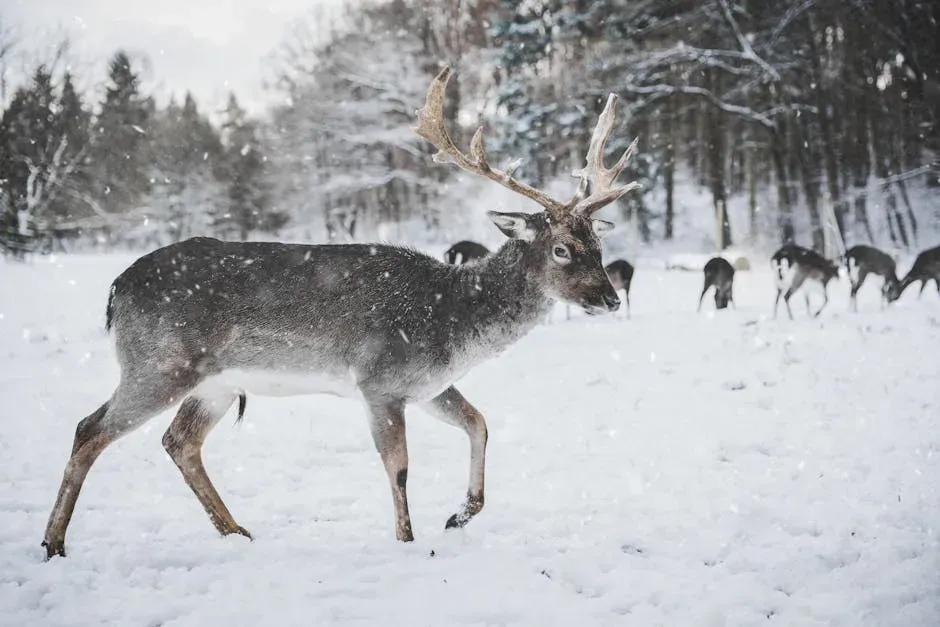
Here’s where things get a little sobering. All these extraordinary adaptations, honed over hundreds of thousands of years, are facing a force they weren’t designed for: a rapidly changing climate.
Animals have various strategies for survival in winter, but climate change could be threatening those carefully honed systems. The problem isn’t just warming temperatures. It’s unpredictability. It’s the mismatch between what an animal’s biology expects and what the environment actually delivers.
The color change in animals like snowshoe hares is triggered by the sun, not the weather, which means as winters shorten, their coats aren’t catching up. The result? Animals that are still winter-white when the snow has already melted, essentially turned into highly visible targets for predators. It’s a heartbreaking mismatch.
Climate change is a huge risk to hibernating animals, as unseasonably warm weather can cause hibernators to enter hibernation later or wake up too early, when their fat supplies are running low but there may still not be enough food available to build them back up again. Coming out of a long sleep to find an empty table is genuinely dangerous for these animals.
More frequent and intense droughts and shorter plant growing seasons caused by climate change can threaten the availability of forage on seasonal ranges and along migratory routes, which can affect survival and reproduction. It’s a cascading problem, and it touches every single winter strategy we’ve discussed in this article.
Conclusion: Winter’s Survivors and What They Teach Us
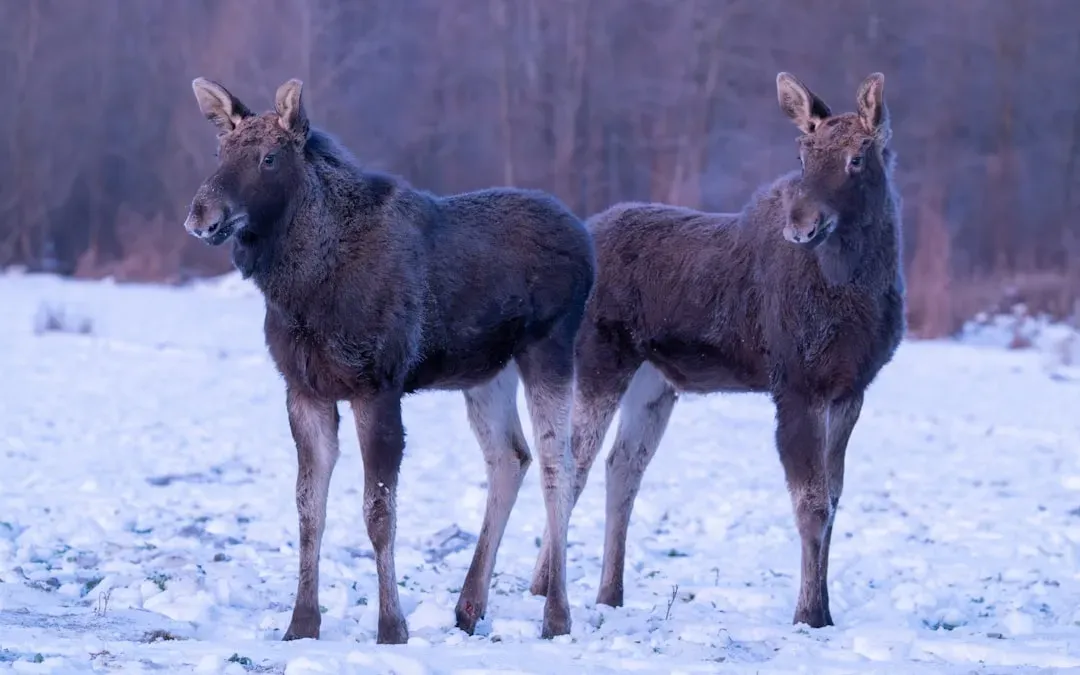
The more you learn about how animals survive extreme winters, the harder it becomes to see the natural world as anything less than awe-inspiring. Wildlife have lived through extreme weather conditions for hundreds of thousands of years, evolving behavioral and physical adaptations to survive. That track record is remarkable. The strategies are elegant. The variety is breathtaking.
From a wood frog that freezes solid and wakes up in spring, to a tiny hummingbird entering nightly torpor just to make it to dawn, to caribou marching thousands of miles toward warmth and food, nature has never stopped problem-solving. It never gave up on winter. It just found a way through.
The real lesson here might be simpler than all the biology. Survival often comes down to adaptability, whether you’re a snow fly sacrificing its legs or an emperor penguin huddling with a thousand others against Antarctic winds. Life finds a way. It just sometimes needs us to stop making things harder for it. What will you do differently after knowing all of this?
