
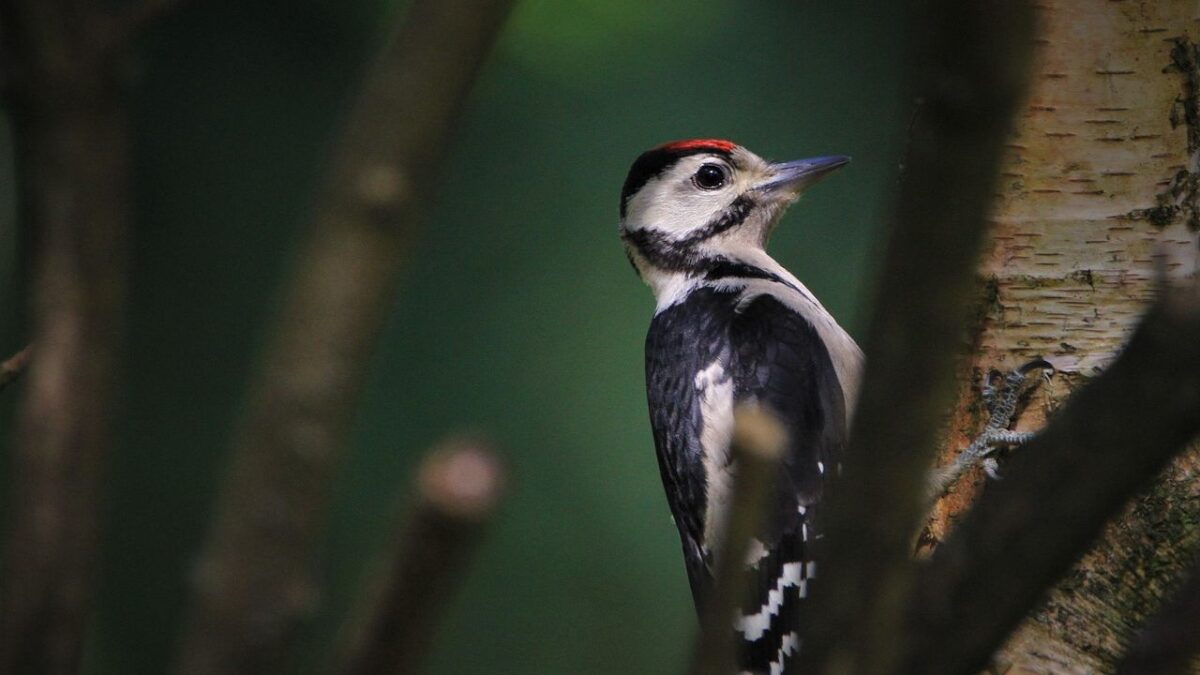
Imagine walking through an oak forest in California and stumbling upon a tree that looks like it has been completely taken over by some tiny, obsessive carpenter. Thousands of small holes cover the bark from base to branch, each one plugged perfectly with a single acorn. It looks almost architectural. Almost intentional. That’s because it absolutely is.
This is the work of the acorn woodpecker, one of the most fascinating and genuinely surprising birds in North America. What this small, clown-faced creature does with a dead tree and a whole lot of determination is honestly one of nature’s most jaw-dropping survival strategies. Let’s dive in.
The Granary Tree: Nature’s Most Impressive Pantry
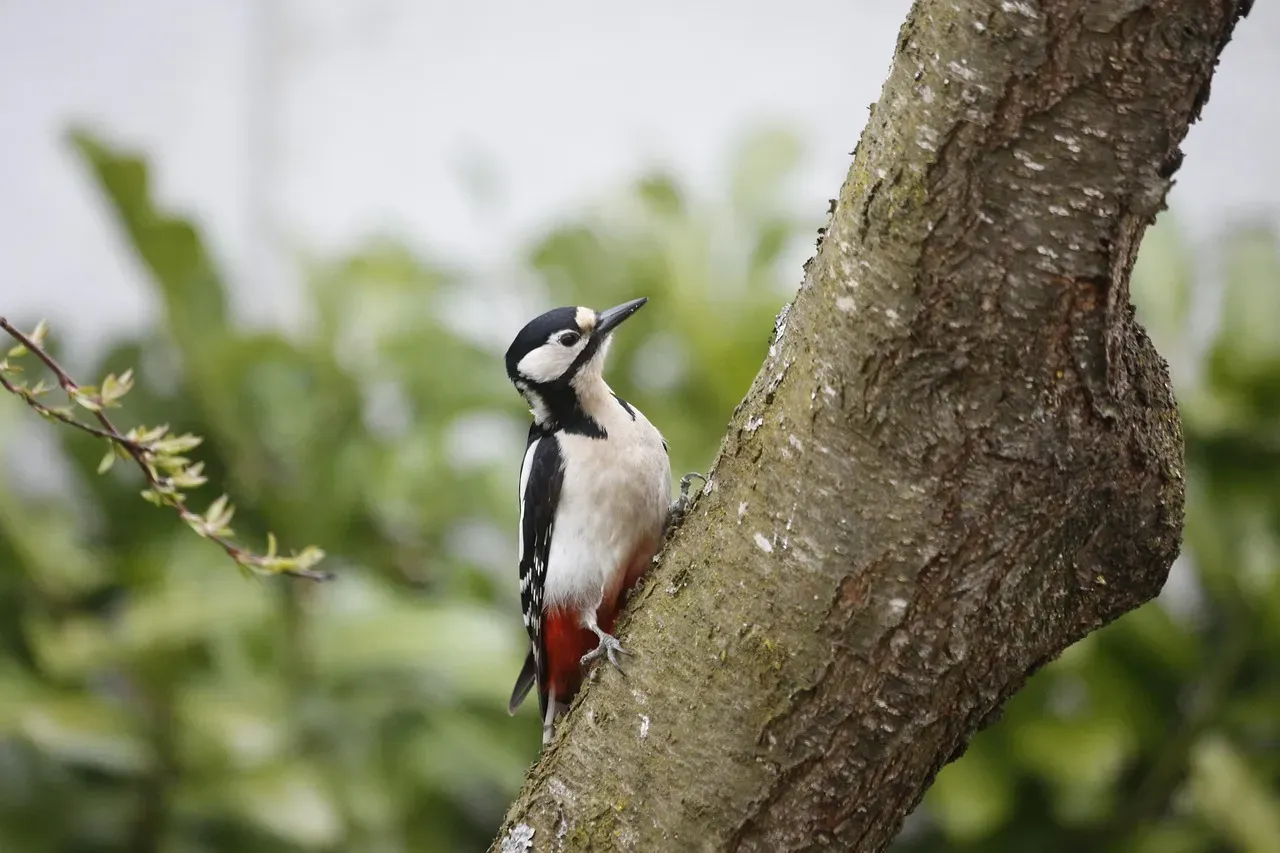
Let’s be real, when most people think of woodpeckers, they picture a bird hammering away at a tree looking for bugs. The acorn woodpecker has a completely different agenda. Best known for its habit of hoarding acorns, these birds drill small holes in a dead snag, then harvest acorns in fall and store them in these holes, to be eaten during winter.
The scale of this operation is what makes it truly shocking. Acorns are typically stored in holes drilled into a single tree, called a granary tree, and one granary tree may have up to 50,000 holes in it, each of which is filled with an acorn in autumn. That is not a typo. Fifty thousand.
Think of it like nature’s version of a fully stocked warehouse, except the warehouse is a tree and every shelf is a hand-drilled hole. A family of acorn woodpeckers may use this storage tree, or granary, for generations, with some holding as many as 50,000 acorns that the woodpeckers rely on when insect prey and other foods are hard to come by.
Acorns are stored in small holes drilled especially for this purpose in “granaries” or “storage trees,” usually snags, dead branches, utility poles, or wooden buildings, and storage holes, always in dead tissue such as bark or dead limbs, are used year after year. This is a multigenerational project, not a seasonal hobby.
The Engineering Behind the Holes: Precision Drilling You Won’t Believe
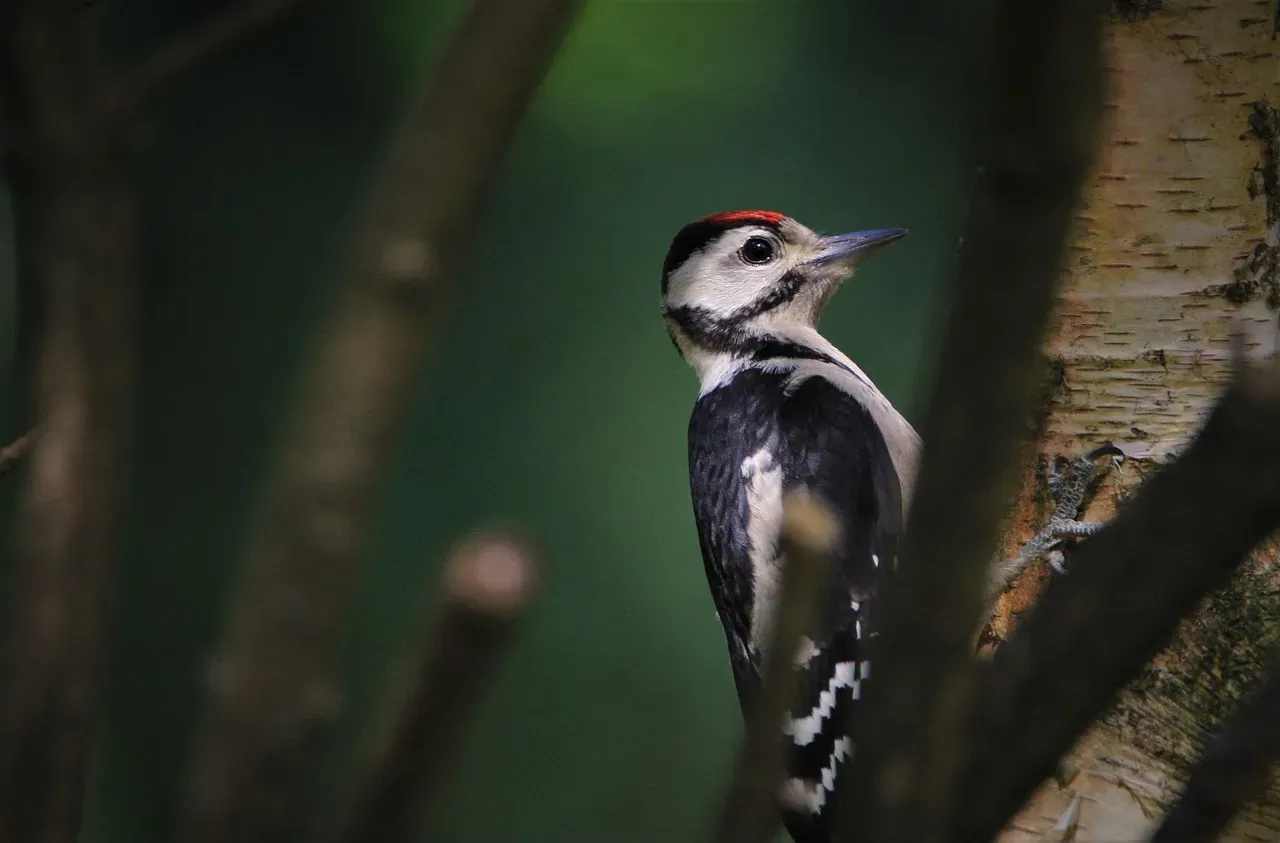
Here is the thing that really gets me. These birds do not just punch random holes into a tree and hope for the best. The process is far more precise than that. With their sharp, powerful beaks, acorn woodpeckers excavate custom holes into trees that are the perfect size to hold an acorn. Each hole is essentially tailor-made.
Poking and prying, the bird wedges its acorn into one hole after another, trying each hole for size, until it finds one with a perfect fit. Then off it goes for another. It’s like watching a craftsman sort screws by hand, one by one, except faster and with a beak.
The maintenance never really stops either. The acorns are wedged so tightly in their holes that they’re very difficult for other animals to remove. After they’ve been stored for a while, the fit becomes looser as the acorn dries out, so group members periodically check their stored acorns and move the loose ones to smaller holes.
The birds drill the holes primarily in the winter, in the thick bark of dead limbs where the drilling does no harm to a living tree. It is almost considerate, honestly. And multi-generations of these woodpeckers have been using the same tree, adding to the number of holes over the years, so they don’t drill them all at once. Each winter they drill a few more and add some more acorns.
A Community Operation: The Woodpecker Group That Works as One
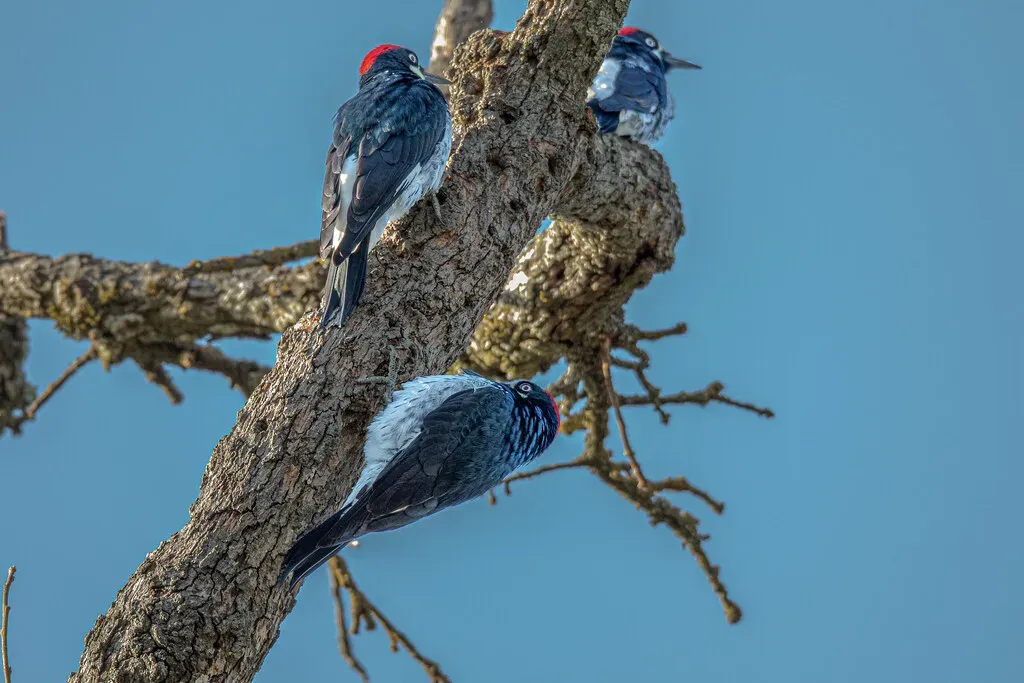
No single bird builds one of these legendary granaries alone. This is a team sport. Acorn woodpeckers are such unusual birds with such complicated social behavior that they have given rise to one of the longest-running behavioral studies of birds. They live in family groups of up to a dozen or more individuals, and they cooperate in raising young and in gathering, storing, and guarding food.
Just one acorn woodpecker family unit may create a winter stockpile of up to 50,000 acorns in a single tree, called a granary. One bird stands guard against any would-be thieves as the others focus on building their impressive cache. Think of it like a medieval fort, with sentries posted at the walls at all times.
The acorn woodpecker is unique in having a centralized food store constructed and defended communally. An entire family group may rally to defend against potential acorn thieves such as squirrels and jays, as well as against other acorn woodpeckers from outside their group.
It is generally believed that limited territories are a key driver of cooperative breeding behavior in birds, and in the case of the acorn woodpecker, the availability of acorn storage granaries is a key limited resource. Whoever controls the granary, controls the future.
Not Just Any Tree Will Do: Where Woodpeckers Set Up Shop
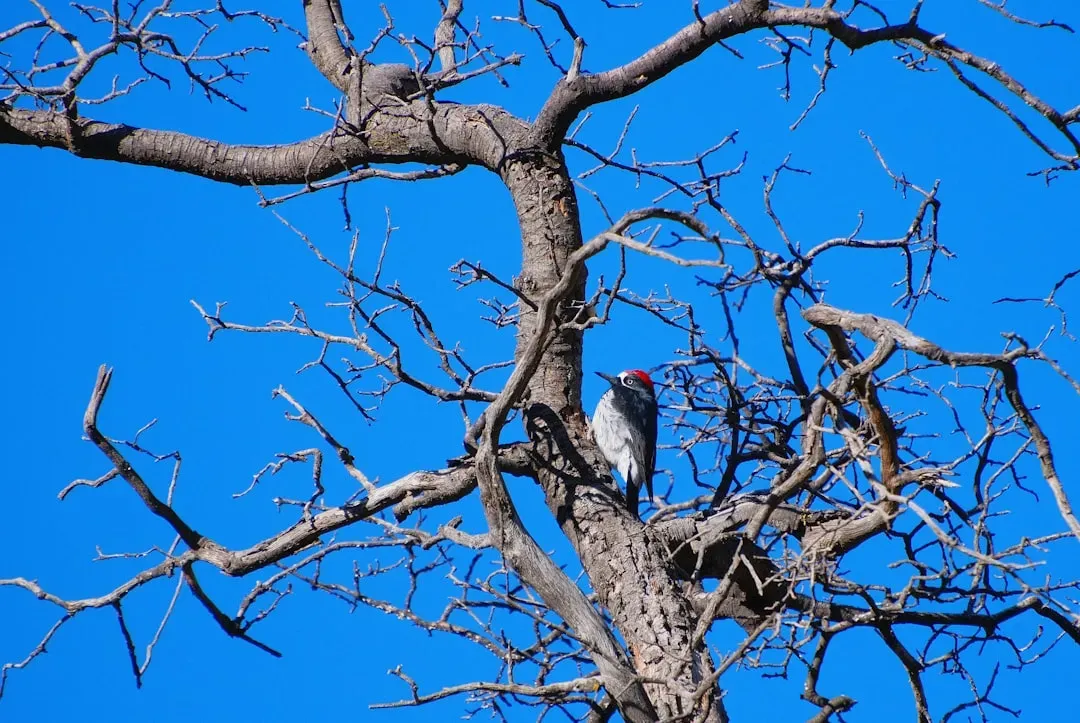
You might wonder whether these birds just pick any old tree at random. They absolutely do not. When finding good granary tree candidates, the birds seek out dead limbs, snags, and trunks with nice, thick bark, selecting areas of dead tree tissue to avoid drilling into the sap. Live sap would essentially glue the acorns in place or ruin them entirely.
The acorn woodpecker is most common where several species of oaks occur together, which insures against total failure of the local acorn crop, as different oaks respond to different conditions. Diversity is their insurance policy. Honestly, that is smarter than plenty of human financial strategies.
Suburban life has not slowed them down either. Besides converting many kinds of live and dead trees into granaries, acorn woodpeckers often store acorns in structures like utility poles, fenceposts, and wood-sided buildings, a practice that has brought them into conflict with more than a few protective homeowners.
I know it sounds crazy, but there is an extreme case on record worth mentioning. Woodpeckers put 220 kg, that is 485 pounds, of acorns into a wooden water tank in Arizona. Nearly half a ton of acorns. In a water tank. Because apparently, a tree just was not enough.
Threats, Survival, and What the Future Holds for These Tiny Architects
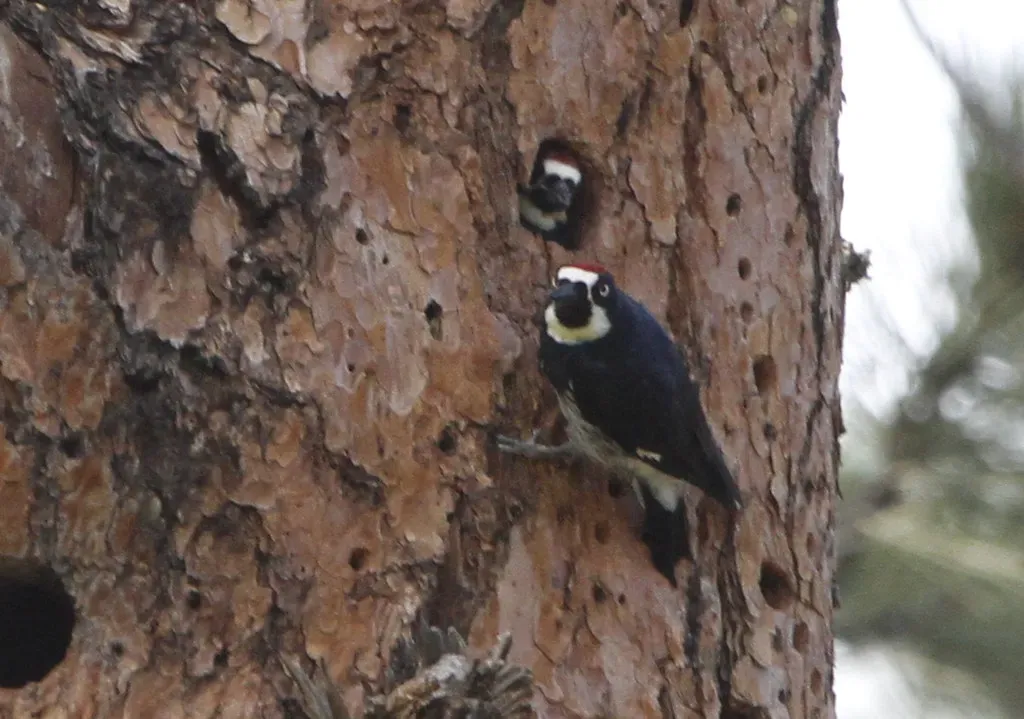
For all their ingenuity, acorn woodpeckers face very real threats in the modern world. Acorn woodpeckers, like many other species, are threatened by habitat loss and degradation, and competition for nest cavities by non-native species is an ongoing threat in urbanized areas.
Reliance on specific oak habitats may make the acorn woodpecker vulnerable to the effects of climate change. If oaks suffer, so do the granaries, and if the granaries fail, entire family groups face a very difficult winter. The whole system is beautifully interconnected and, because of that, also fragile.
Conservation of this species is dependent on the maintenance of functional ecosystems that provide the full range of resources on which the species depends, including mature forests with oaks capable of producing large mast crops and places for the woodpeckers to nest, roost, and store mast.
Still, there is some room for hope. The species is currently classified as Least Concern on the IUCN Red List and its numbers today are increasing. And remarkably, acorn woodpeckers have shown the ability to colonize new habitats such as suburban neighborhoods, using human-made structures for roosting and acorn storage. Adaptable little architects, to say the least.
Conclusion
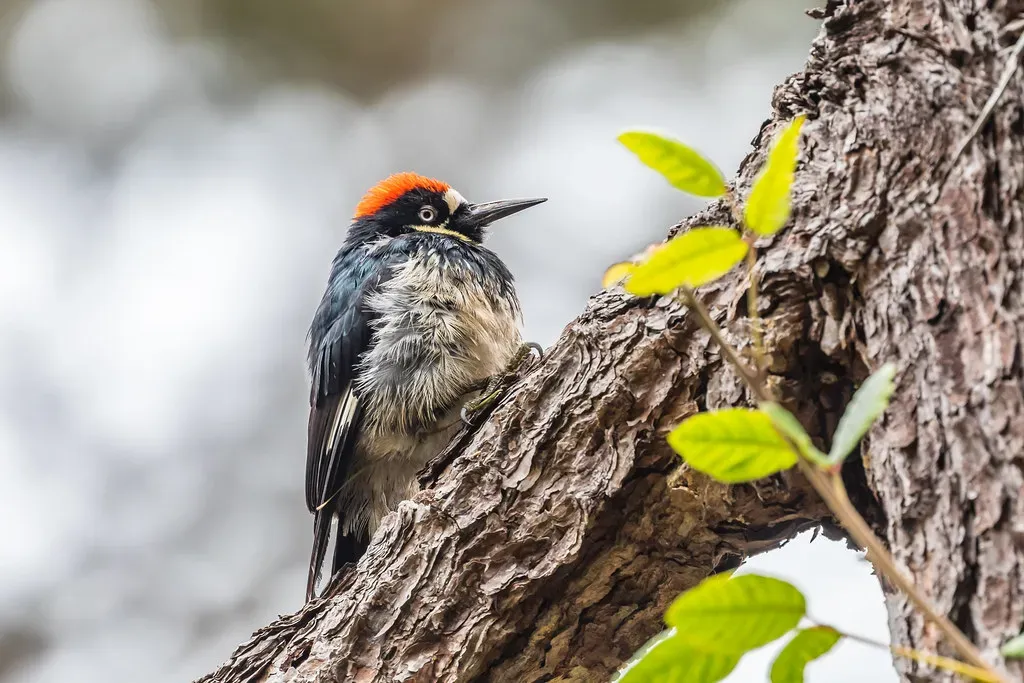
The acorn woodpecker is, without question, one of the most underappreciated marvels in the entire animal kingdom. What looks like a quirky, noisy bird with a clown face is actually a master engineer, a highly coordinated community builder, and a survival strategist that has been quietly perfecting its craft for thousands of years. A single tree transformed into a fortress holding up to 50,000 acorns is not just impressive. It is humbling.
The next time you walk past a dead tree riddled with small holes, take a second look. You might be standing in front of something that took generations to build, a living legacy of one of nature’s most extraordinary creatures.
What would you have guessed if someone had asked you how many acorns a single bird family could store in one tree? Tell us in the comments below.
