
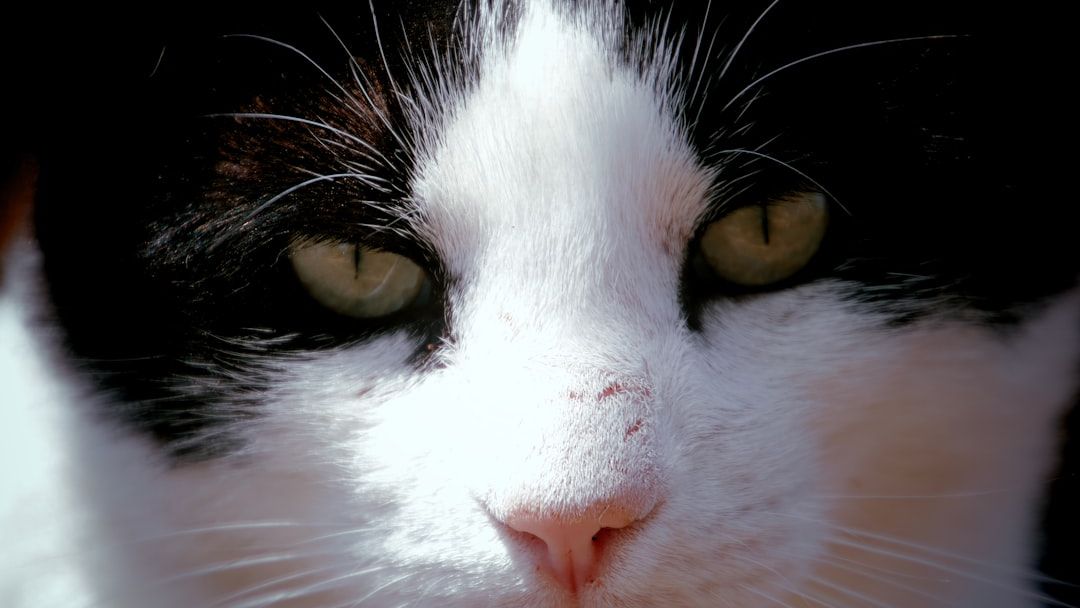
You’ve probably noticed your cat giving you a good sniff now and then. Maybe you thought they were just being curious, or perhaps checking if you’d been around other animals. Here’s the thing: that little button nose is doing way more detective work than you realize. Cats spend longer sniffing the odor of a stranger than that of their owner, suggesting that they can identify familiar humans based on smell alone. Your feline friend might not greet you with the same enthusiasm as a dog, but their nose is quietly cataloging everything about you. Let’s dive into the secret world of feline olfactory powers and discover just how much your cat really knows.
A Biological Gas Chromatograph in That Tiny Nose
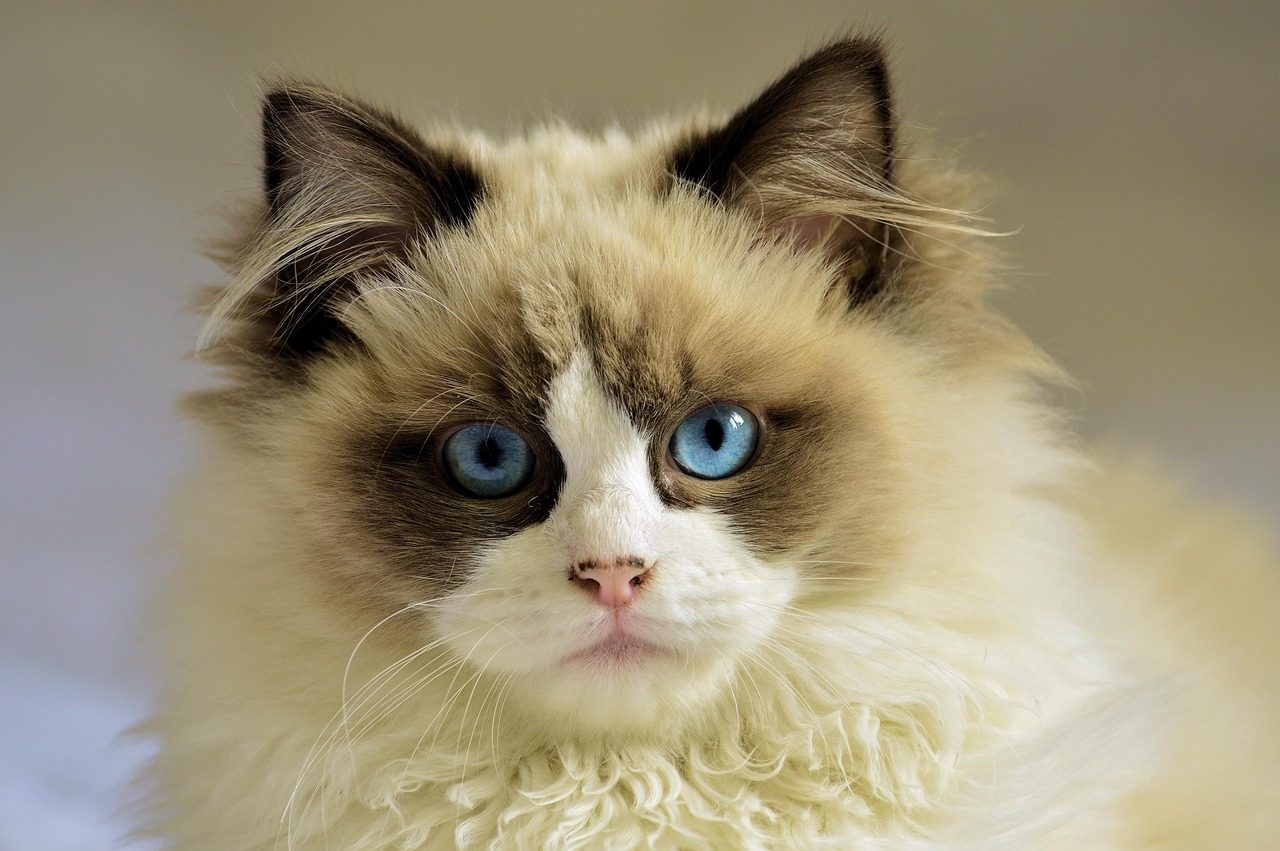
A cat’s sense of smell is around 14 times better than that of humans, and while dogs have around 300 million olfactory receptors compared with 200 million in cats, studies have shown that cats have a far superior ability to distinguish between scents compared to dogs. Think about that for a second. Your cat can pick apart odors with an accuracy that rivals expensive laboratory equipment.
In essence, the cat nose functions as a highly efficient and dual-purposed gas chromatograph, and in fact, the cat nose is so efficient at this that its structure could inspire improvements to the gas chromatographs in use today. Researchers at Ohio State University discovered something remarkable when they created 3D models of cat noses. The structure is more complex than anyone expected.
The Architecture of Super Smelling
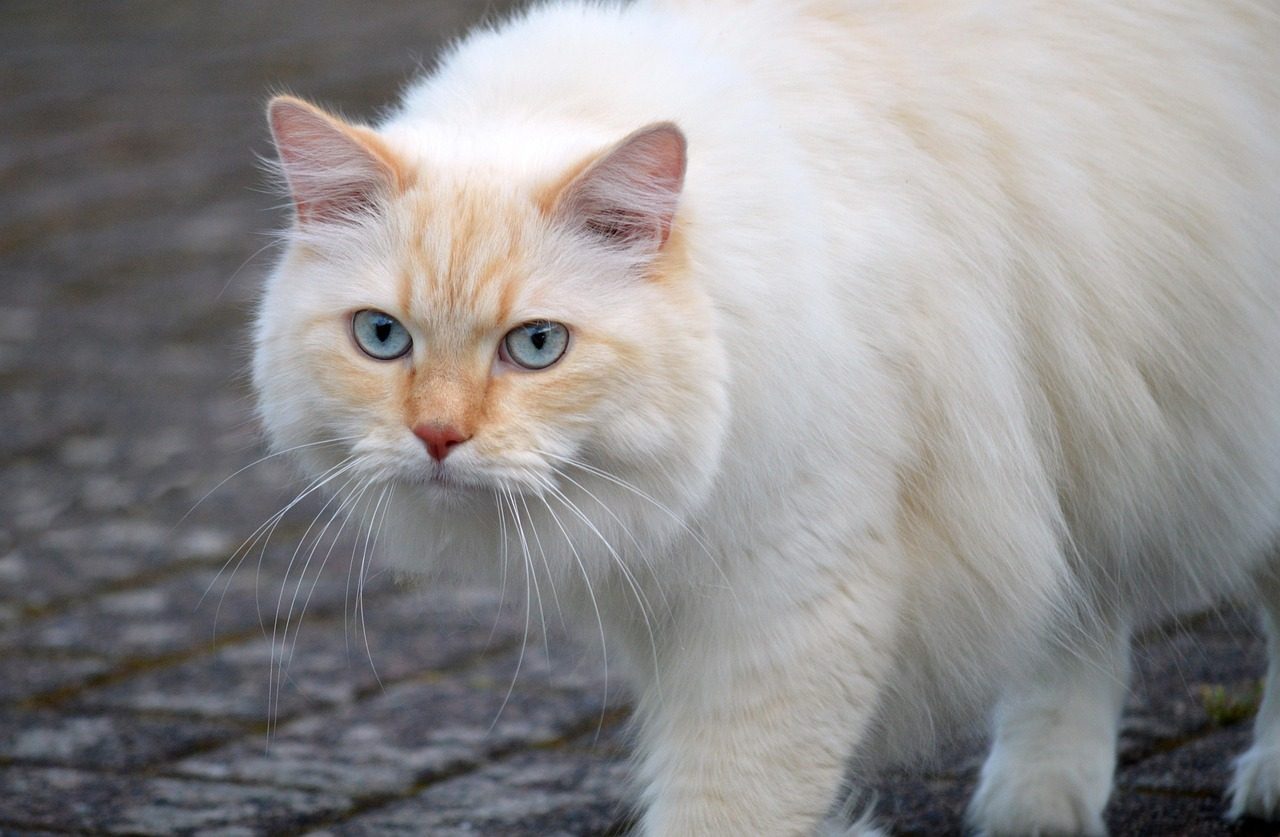
They found that the air separates into two flow streams, one that is cleansed and humidified and another delivering the odorant quickly and efficiently to the system responsible for smelling – the olfactory region. It’s like your cat’s nose has a express lane just for important smells. One pathway filters air for breathing, while the other rushes scent molecules straight to the analysis center.
This coiled nasal structure is more than 100 times more efficient than the straight channel found in the noses of amphibians and some mammals, it can fit more smell receptors in a confined space, and this makes cats far more accurate at discerning scents than many other mammals. Evolution basically turned your cat into a walking smell laboratory, all packed into that compact little head.
Your Cat Recognizes Your Unique Scent Signature
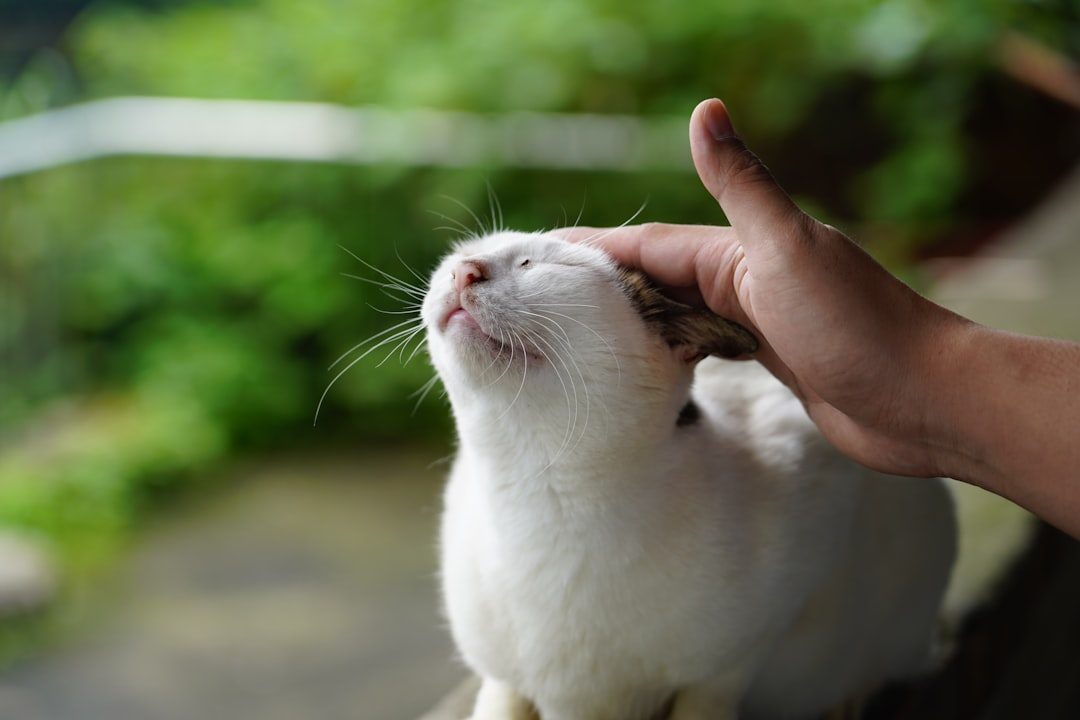
Tokyo University of Agriculture researchers presented 30 domestic cats with plastic tubes containing cotton swabs with an odor captured from their owner or an unknown person, and the cats spent longer sniffing the scent of an unknown person compared to the other two swabs, suggesting they were already familiar with the scent of their owner. Essentially, your cat was bored by your smell because they already knew it intimately.
Every one of us carries a unique mix of skin oils, sweat, breath and the scents of places we’ve been, and cats learn these complex signatures, using them to perceive humans and identify if we’re calm or stressed. You’re not just a person to your cat. You’re a walking scent profile that changes throughout the day.
The Secret Weapon: Jacobson’s Organ
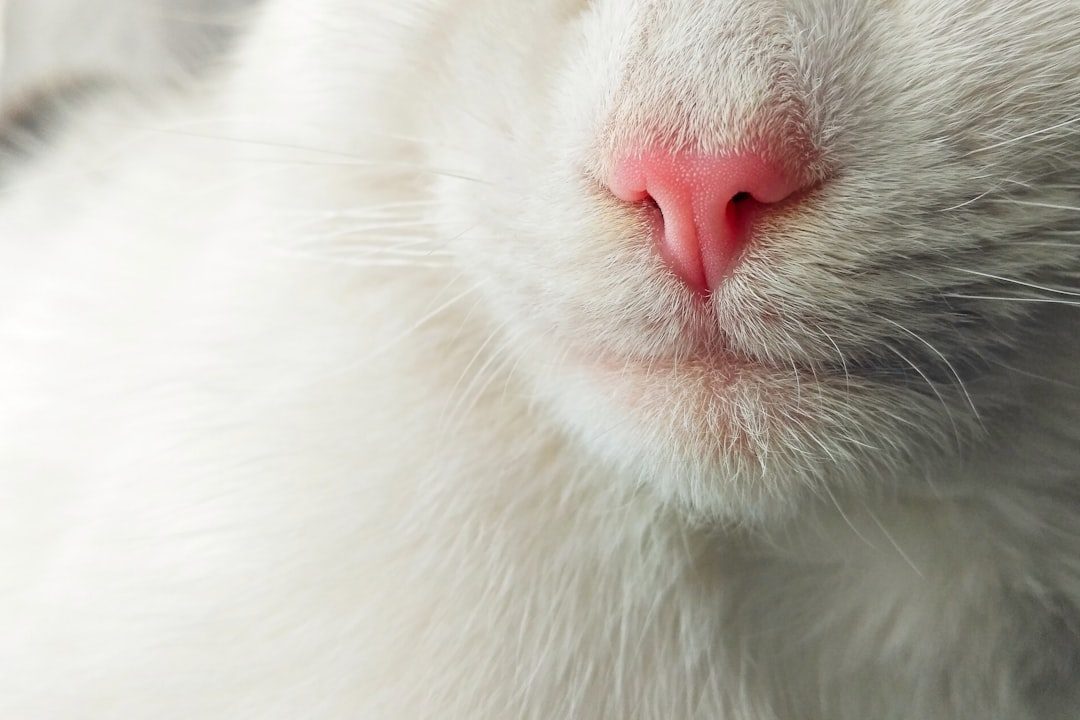
Cats have something humans don’t. The vomeronasal organ, or Jacobson’s organ, is the paired auxiliary olfactory sense organ located in the soft tissue of the nasal septum, and it is present and functional in all snakes and lizards, and in many mammals, including cats, dogs, cattle, pigs, and some primates. This specialized organ sits in the roof of their mouth, giving them basically a second nose.
These receptors pick up chemical signals that have no scent, called pheromones, and since cats use pheromones to communicate with each other, the receptors in the Jacobson’s organ help them detect these signals and react accordingly, playing a crucial role in various feline behaviors, including mating, territorial marking, and social bonding. Ever seen your cat make that weird face with their mouth slightly open? That’s them activating their superpower.
Your Cat Can Smell Your Emotions
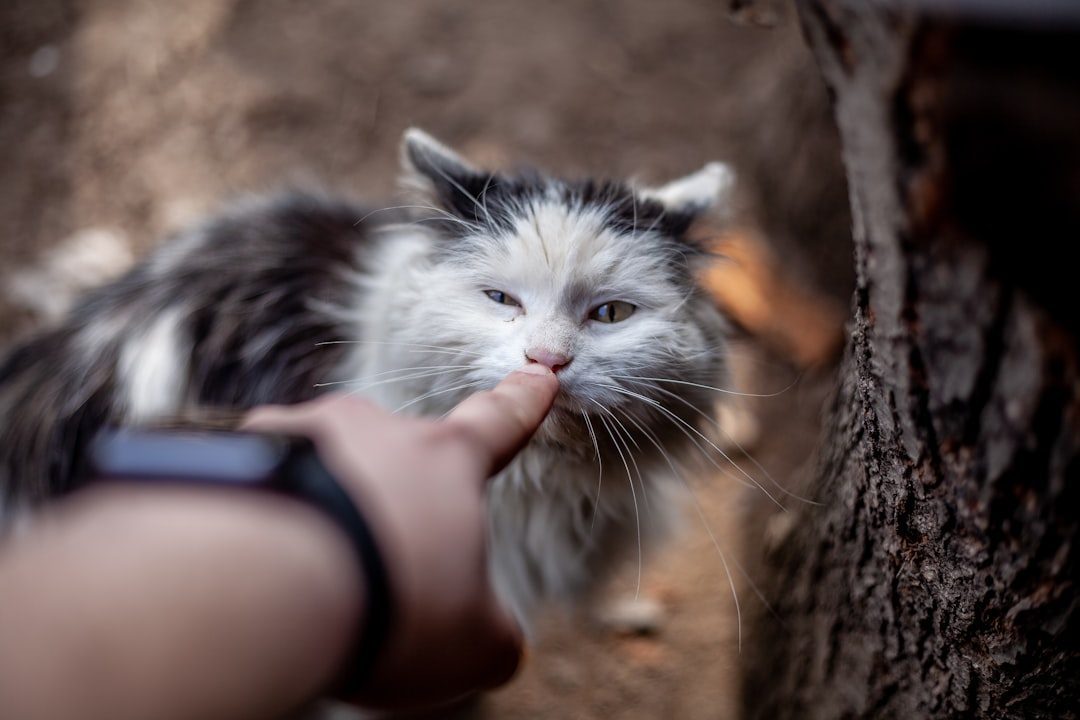
This part honestly surprised me when I first learned about it. Researchers presented cats with human odours collected in different emotional contexts and found that fear-associated human odors elicit stronger stress responses than neutral or exercise-related ones, suggesting that cats perceived the valence of the information conveyed by “fear” olfactory signals and regulate their behaviour accordingly. Your cat literally smells when you’re afraid.
Like dogs, cats can recognize and respond to emotional chemosignals, meaning your cat may understand if you’re happy or scared by your scent. When you’re stressed, your body chemistry changes. You might not notice it, but your cat’s nose definitely does. That’s why some cats become clingy when you’re upset, while others might keep their distance.
Right Nostril, Left Nostril: Brain Hemisphere Specialization
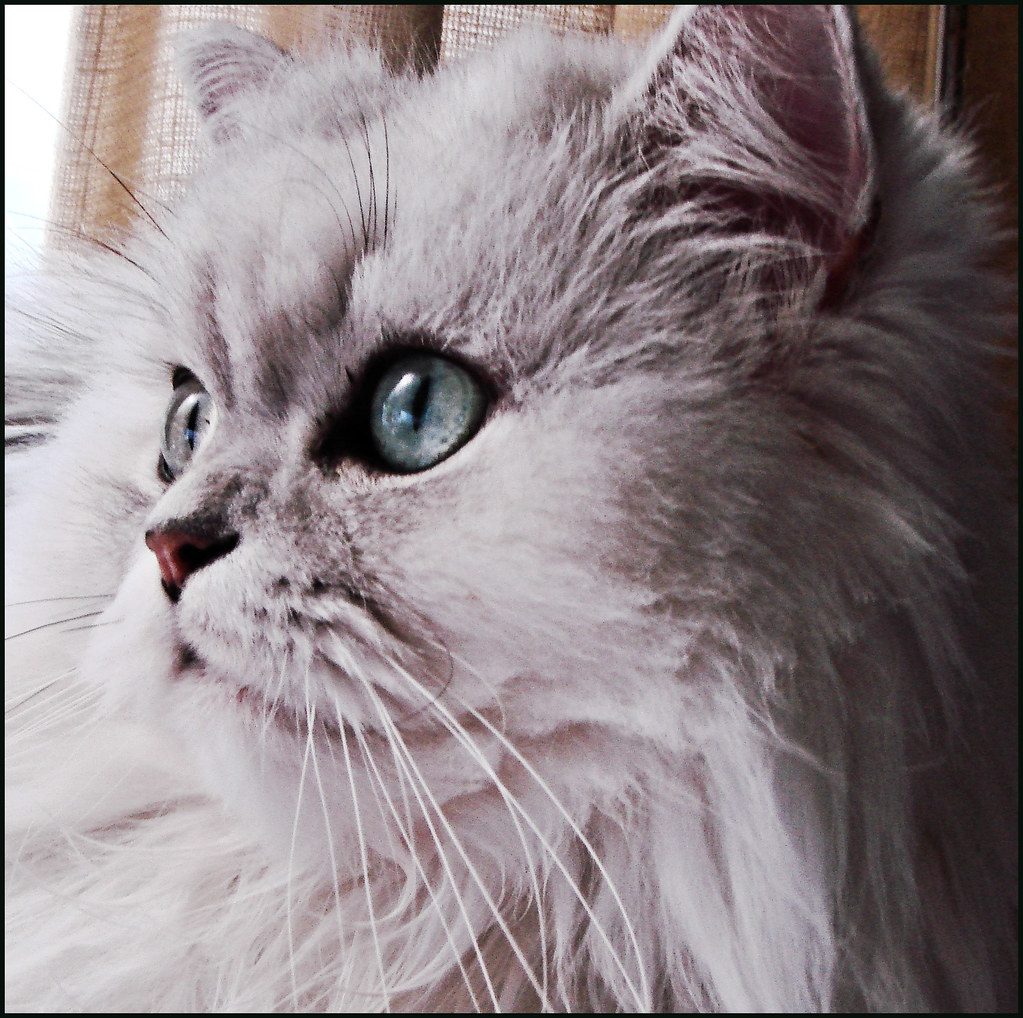
Researchers analyzed video recordings and found that the animals tended to sniff familiar odors with the left nostril and mostly used the right nostril for unfamiliar scents. Your cat isn’t just randomly sniffing. They’re strategically choosing which nostril to use based on what they’re investigating.
When first meeting an unknown person’s scent, cats mainly used their right nostril, however, after sniffing multiple times, they switched to favoring their left nostril, a pattern that mirrors behavior seen in dogs and horses when processing new information. The right nostril connects to the right brain hemisphere, which processes emotional and threatening stimuli. The left handles routine, familiar information.
Your Cat’s Nose Print Is One of a Kind
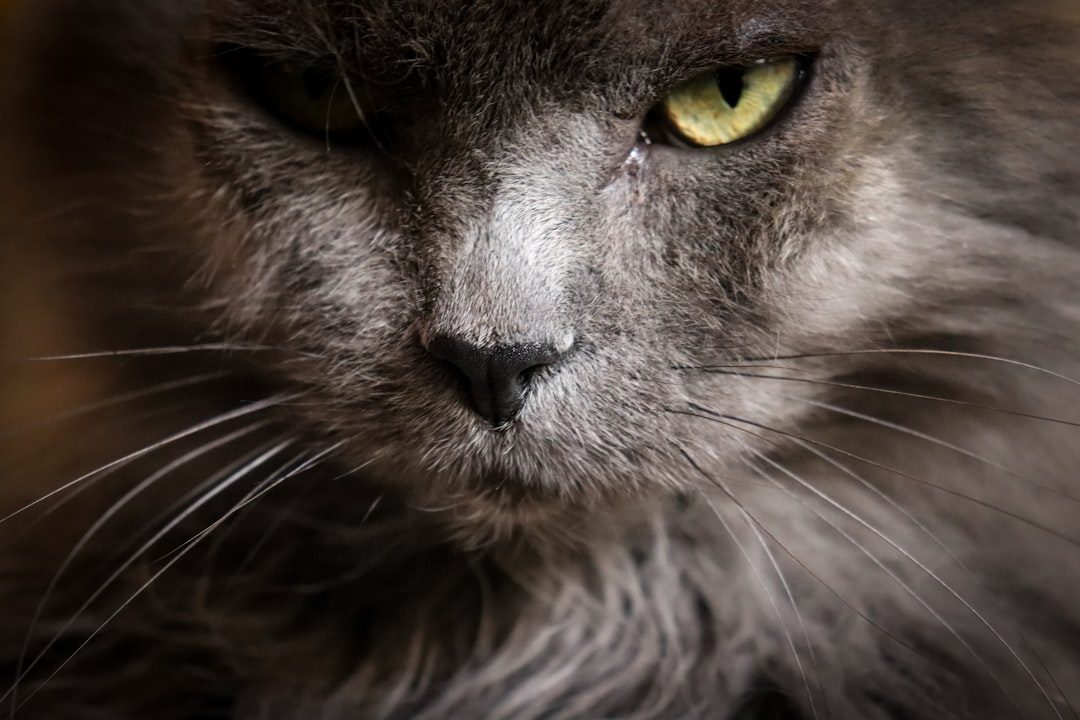
The shape of your cat’s nostrils plus the lines and creases that make up the pattern on their nose creates a one-of-a-kind pattern, just like your fingerprints, and these patterns make up what we refer to as a cat nose print. Look closely at your cat’s nose sometime. Those tiny ridges and bumps are as unique as a human fingerprint.
The individuality of cat nose prints arises from genetic factors that influence the development of the skin on their noses, and just as no two human fingerprints are alike due to genetic variation, the same principle applies to the nose prints of cats, with each cat’s genes dictating the unique pattern of bumps and ridges on their nose. Some researchers are even exploring nose prints as a non-invasive alternative to microchipping.
Conclusion
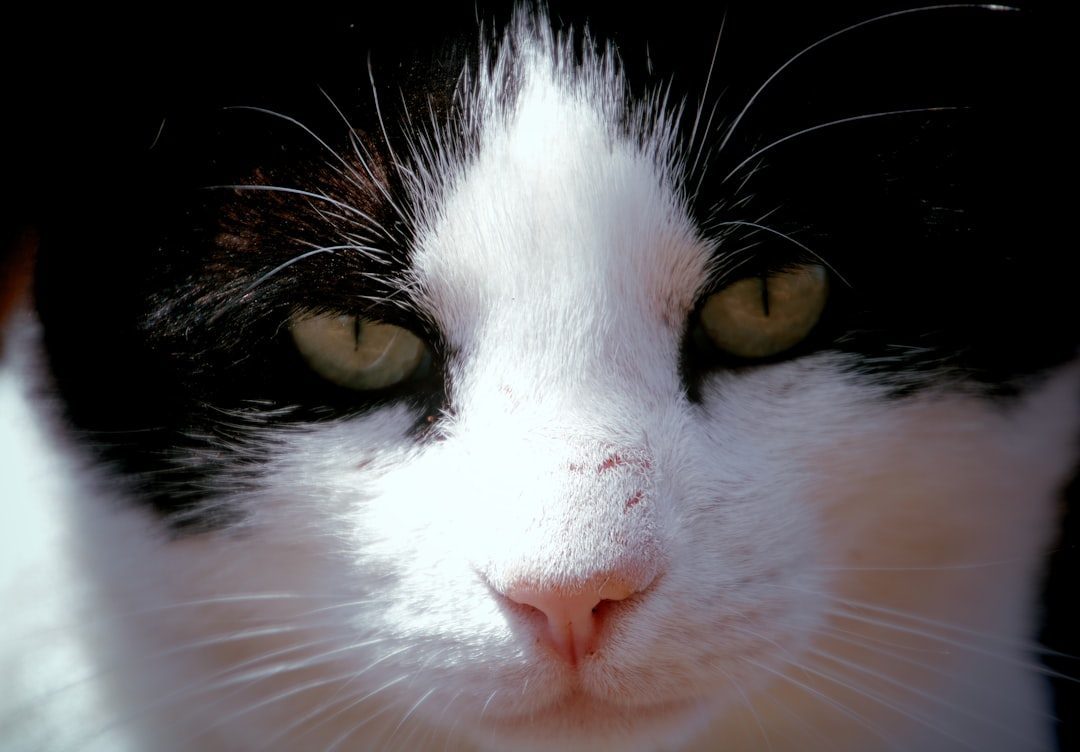
Your cat’s nose is performing constant surveillance. They’re reading your emotional state through chemical signals, recognizing you by your unique scent signature, and using specialized organs that humans don’t even possess. These findings challenge the stereotype of cats as indifferent to human emotions, and while they may not express their attachment in the same overt ways as dogs, cats are clearly tuned into the emotional states of their humans, not only recognizing human emotions but also responding to them in ways that reflect their own emotional states.
Next time your cat sniffs you intently, remember they’re gathering intel that you can’t even begin to comprehend. That adorable nose is a sophisticated biological instrument capable of detecting fear, happiness, stress, and a thousand other subtleties. Your cat knows you better than you might think, one sniff at a time. So, does your cat ever react differently when you’re stressed versus when you’re calm? Now you know why.
