
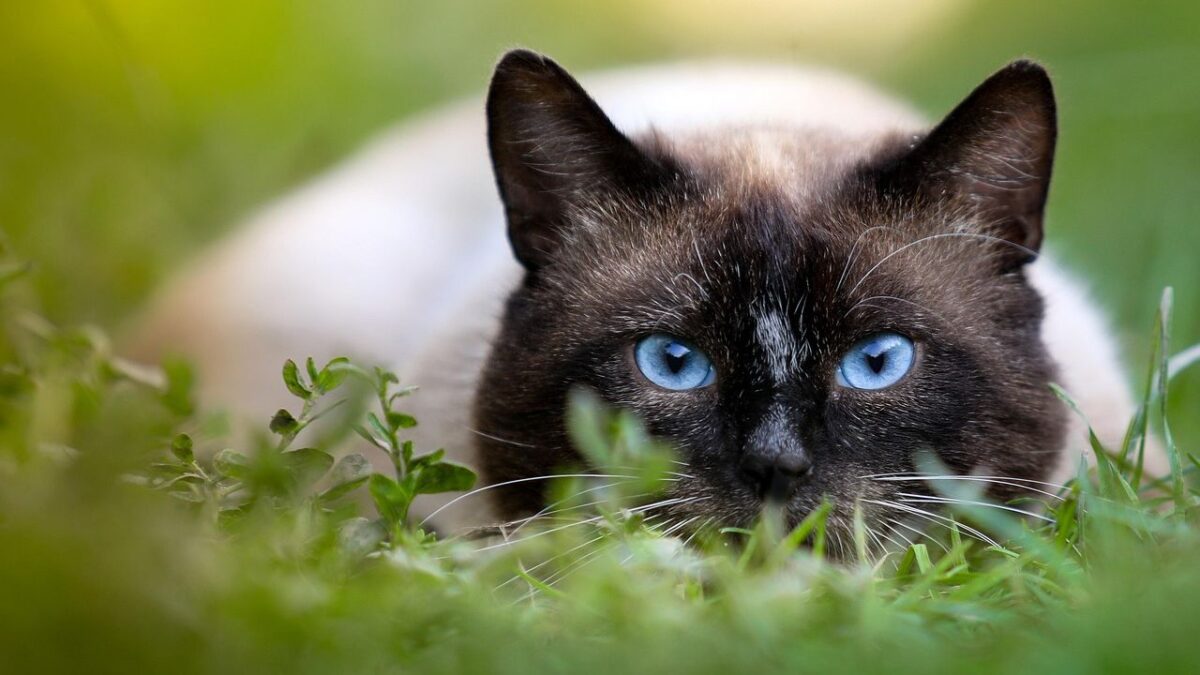
There’s a particular moment most cat owners know well. Your cat is curled on the sofa, the picture of domestic contentment, and then something small moves across the floor – a dust particle, a shadow, a wandering insect. The transformation is instant. Every muscle tightens. The eyes lock on. The haunches lower in that slow, deliberate way. Whatever was happening before simply stops existing.
That behavior isn’t mischief or attitude. It’s millions of years of evolutionary programming expressing itself through the animal sharing your home. The softness is real. The hunter underneath it is equally real. Understanding how those two things coexist in the same creature tells you something remarkable about how little domestication has actually changed the cat.
A Domestication That Barely Touched the Hunter
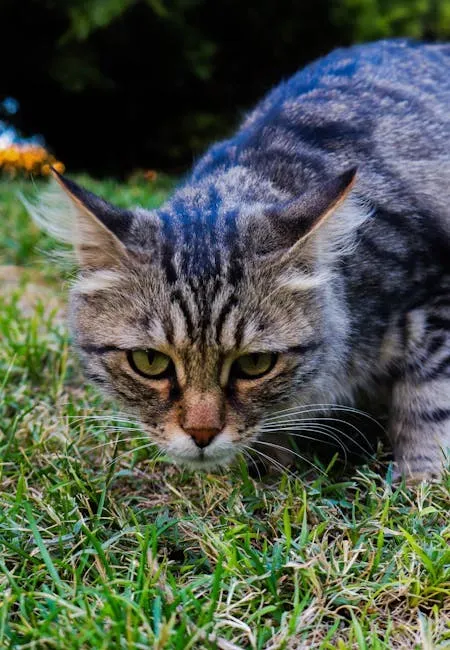
Domestic cats, scientifically known as Felis catus, are descendants of wildcats. Originating from the African wildcat, these adaptable hunters began their journey alongside humans roughly nine and a half thousand years ago, a coexistence that formed a unique relationship while retaining many core instincts.
Unlike dogs, which underwent extensive domestication and selective breeding, cats experienced far less direct human influence on their hunting instincts. That contrast is significant. Dogs were shaped over generations to herd, retrieve, and protect. Cats were largely left to do what they already did well.
Until quite recently, cats were mainly kept to control rodent populations rather than as pets. During that time, only the best hunters survived and reproduced – meaning our pet cats today descended from the most adept hunters, and there has been very little selective breeding, so their instinctive need to hunt remains strong.
Researchers have argued that cats, although domesticated, still essentially remained independent of humans chiefly because their feeding ecology has hardly changed since domestication. The fundamental feature of cats may be their basically unchanged role as a predator.
The Body Was Built for This
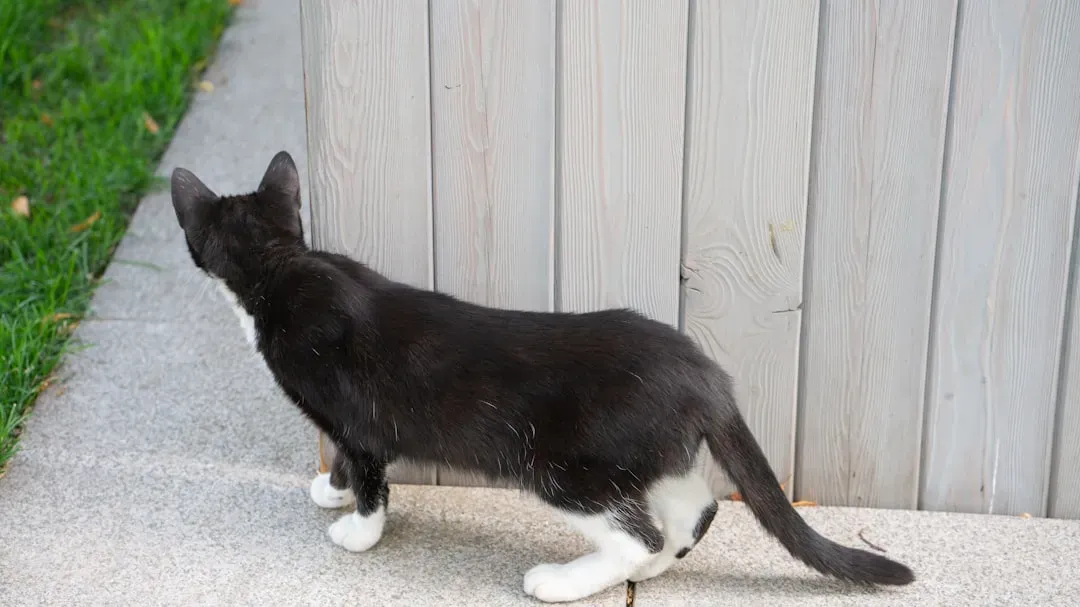
Cats are structurally built for hunting. Their eyes are forward-facing, granting them depth perception similar to other predators. They carry sharp retractable claws and powerful muscles for pouncing and climbing – features that combine to create a quintessential predator capable of pursuing and capturing prey with precision.
Their hearing can detect frequencies up to 64,000 Hz, letting them discern subtle sounds like rustling or ultrasonic calls. A reflective layer behind the retina boosts their low-light vision by roughly six times that of humans, matched with improved depth perception.
Their soft paw pads and retractable claws allow them to approach prey unnoticed, while a supple spine enables mid-air corrections and tight turns. Their powerful hind legs can launch them up to six times their own body length in a single leap.
Cats are perfectly evolved ambush predators: they can lengthen their spines to allow for bursts of speed, narrow their shoulders and chest to squeeze into tiny spaces, jump many times their height from a standing position, and land on their feet almost every time they fall. Few animals on earth are built as comprehensively for the hunt as the domestic cat.
Hunger Has Nothing to Do With It
Research suggests that predatory instinct, rather than hunger, is probably the main reason why some domestic cats regularly hunt wild prey. Studies show that when food from owners is available, cats rely almost entirely on that for nutrition.
Because hunting behavior in cats is driven by instinct and not by hunger, feeding cats does nothing to stop them from hunting, even if the cats are overfed. This surprises many owners, who assume that a full bowl eliminates the urge to stalk. It doesn’t come close.
Despite the provision of food by owners, domestic cats may display hunting behaviors possibly to satisfy their natural hunting instincts and recreational needs. The drive appears to operate on a separate track from appetite entirely. It runs on its own internal schedule.
To eat enough to meet their energy needs in the wild, cats need to make several kills per day. Without supplementary food from a caregiver, cats can make as many as ten to twenty kills every day. That biological baseline is still present in every domestic cat, even if it rarely gets expressed in full.
How Play Rehearses the Kill
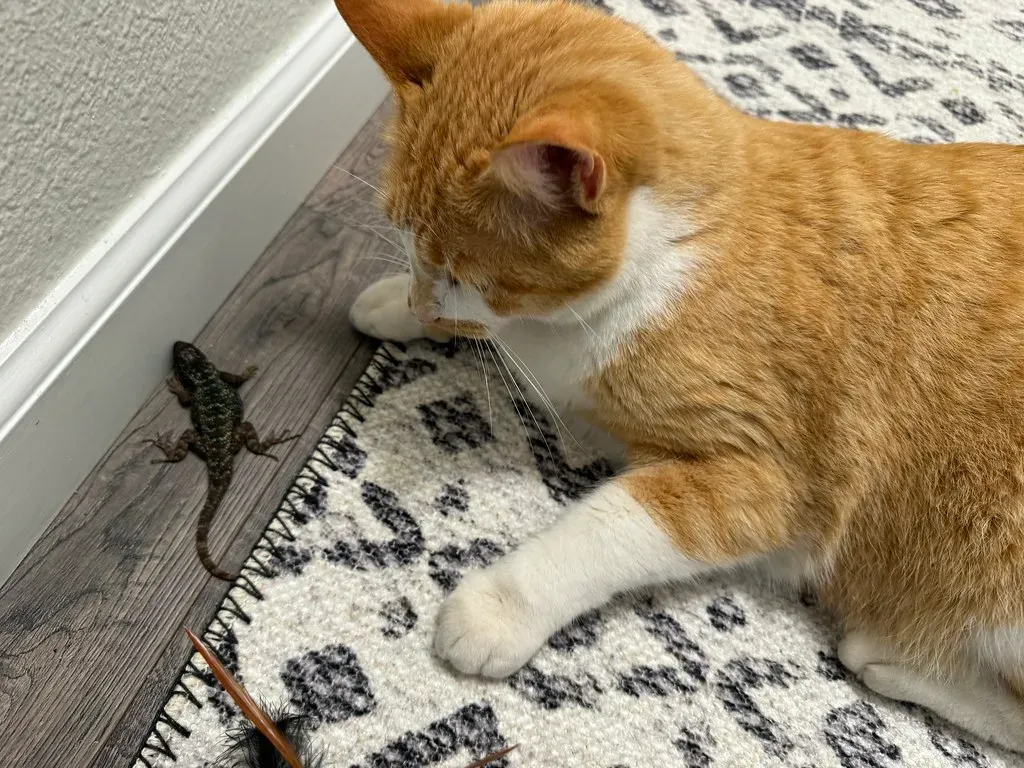
The boundary between play and hunting in cats is remarkably thin. Play serves similar purposes to actual hunting, and both kittens and adult cats use it to fine-tune their motor skills and instincts. This behavior persists even in an environment where they no longer need to hunt for food, indicating just how deep-rooted it is.
Hunting behavior in cats can be divided into several phases that perfectly reflect their predatory instincts: locating prey, lying in wait, pouncing, and ultimately, killing. A cat chasing a feather toy or darting after a crumpled receipt is running through every one of those phases, just without the consequence at the end.
Cats tend to spend around three to ten hours a day engaged in hunting behaviors, including locating prey, lying in wait, and then executing a pounce. These natural behaviors aren’t just for survival – they serve as an outlet for energy and help them hone their skills.
Research has also found that cats scoring high for extraversion or low for neuroticism are more likely to hunt and bring home wild prey, compared to cats that do not. Personality, it turns out, shapes how intensely the hunter inside any given cat expresses itself.
What This Means for Wildlife and Responsible Ownership
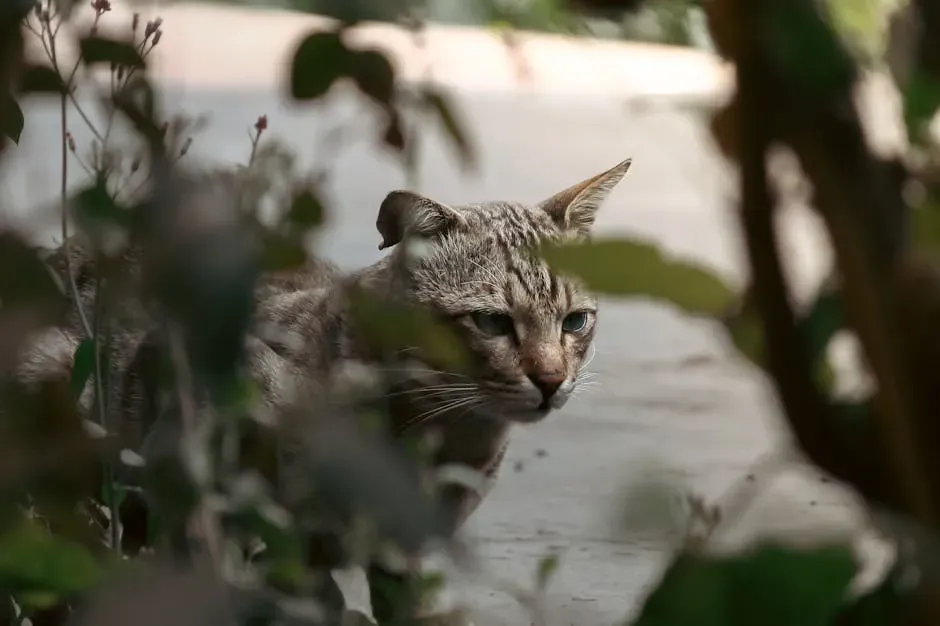
Recognized as both invasive species and predators, cats have been shown to cause significant ecological harm across various ecosystems. Due to their natural hunting instinct, ability to adapt to different environments, and the wide range of small animals they prey upon, both feral and free-ranging pet cats are responsible for considerable ecological harm in some environments.
Research has found that providing domestic cats with high meat content diets and engaging them in regular object play significantly reduced their predation on wildlife. Cats fed a meat-rich diet reduced their hunting activity by roughly a third, while daily play sessions decreased prey capture by about a quarter. These findings suggest that improving cats’ diets and offering alternative outlets for their hunting instincts can meaningfully mitigate their impact on wildlife.
Providing stimulating toys and engaging environments can help fulfill a cat’s need to express predatory behaviors. Interactive playtime can also offer essential mental and physical stimulation, allowing cats to channel energy positively. The goal isn’t to suppress what’s wired in – it’s to redirect it somewhere harmless.
Many experts advocate for enriching domestic environments and implementing strategies that respect a cat’s inherent needs. Balancing a cat’s instinctual behaviors with environmental considerations will continue to be a focal point for cat owners worldwide, preserving their unique characteristics while minimizing negative impacts on ecosystems.
Conclusion
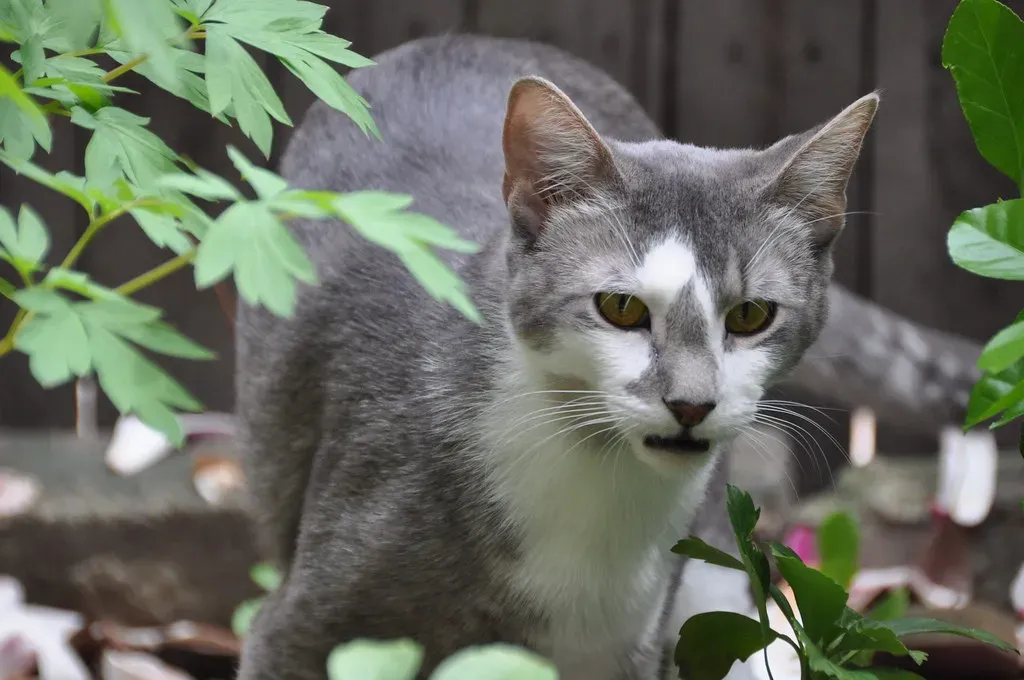
The cat on your lap right now is not a softened version of something wild. It’s the whole thing, wearing comfort like a light disguise. Thousands of years of living alongside humans changed where cats sleep and what fills their bowls, but it left the predator underneath largely untouched.
That’s not something to fear or correct. It’s something worth understanding. A cat that stalks, pounces, and fixates on movement isn’t misbehaving – it’s being exactly what it was shaped to be across countless generations.
The practical takeaway is simple enough: give your cat meaningful outlets for those instincts. Play with them daily, feed them well, and recognize that the flicker of wildness in their eyes isn’t a quirk. It’s the oldest and most honest thing about them.
