

People have looked to the animal world for inspiration since the earliest cave paintings. Strength shows up in unexpected places, from the quiet endurance of a herd animal to the raw power of a predator. The meanings shift from one society to the next, yet certain creatures keep reappearing in myths, flags, and daily life.
These symbols often blend real behaviors with cultural stories. A closer look reveals how geography, religion, and daily survival shaped the choices. The list that follows moves through ten animals that have carried ideas of power and resilience across continents and centuries.
10. The Bull

The bull appears in ancient Mediterranean and Celtic traditions as a figure of raw physical power and fertility. In Greek stories the creature pulled the chariot of the god of wine and stood for unstoppable force during harvest festivals. Farmers relied on its strength to turn heavy soil, which turned the animal into a living emblem of steady labor that could overcome obstacles.
Across the Iberian Peninsula and parts of India the bull still features in rituals that celebrate endurance. Its horns and muscular frame translate into metaphors for both protection and aggression. Modern sports and heraldry continue to borrow the image when they want to signal determination that refuses to yield.
9. The Horse
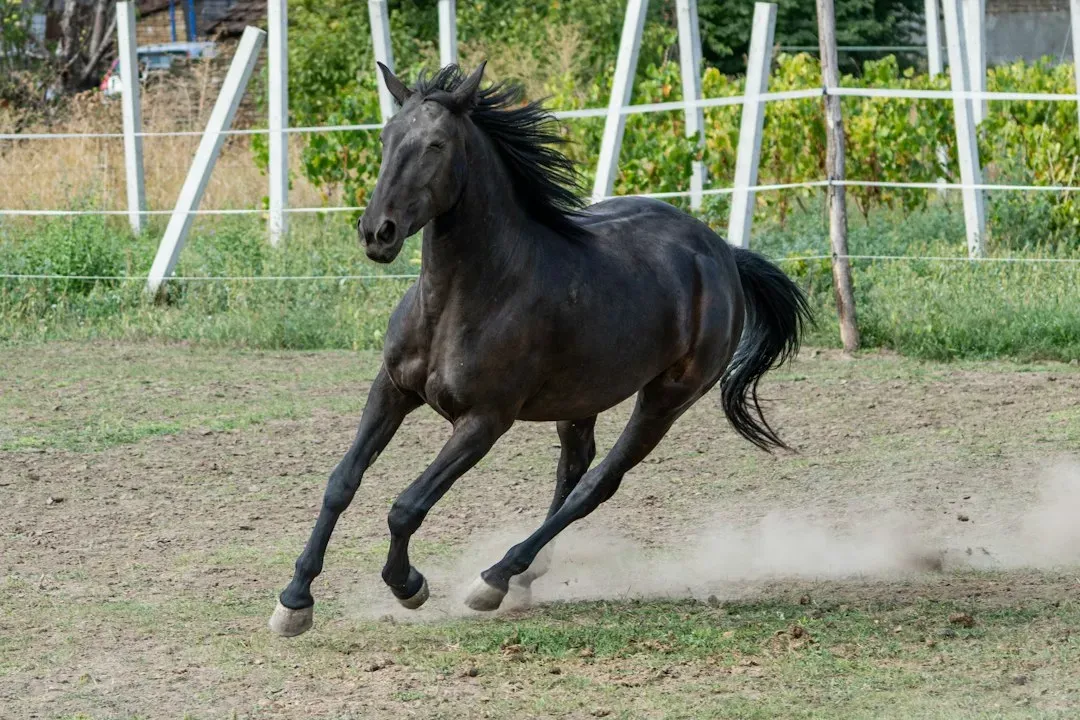
Horses carried warriors and messengers across vast distances, which made them natural stand-ins for speed joined with reliability. In Mongolian and Native American cultures the animal represented freedom that still answered to discipline. Its ability to travel long routes without complaint turned it into a symbol of sustained effort under pressure.
European coats of arms and Asian temple carvings often place the horse beside rulers to suggest controlled might. The creature’s social nature also linked it to loyalty within a group. Today the image persists in logos for logistics companies and athletic teams that prize stamina over flash.
8. The Wolf
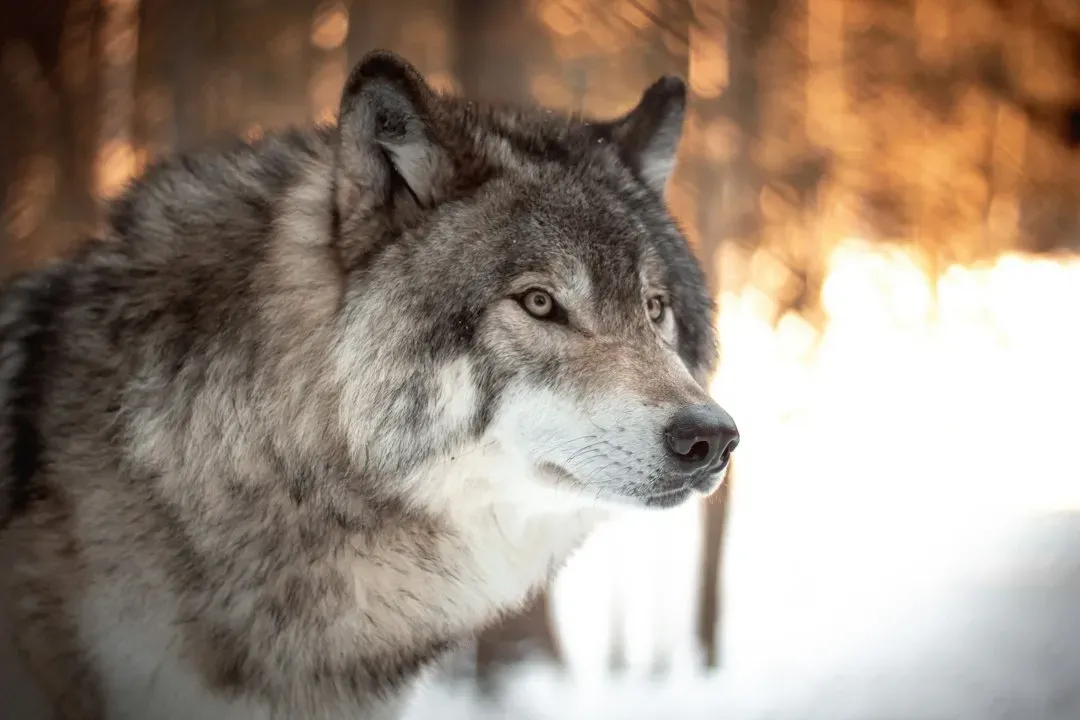
Wolves hunt in coordinated packs, a behavior that impressed early observers who saw teamwork as a form of collective strength. Norse sagas and some Indigenous North American traditions cast the wolf as a guide that survives harsh winters through cunning and unity. Its howl across frozen landscapes became shorthand for resilience that does not rely on size alone.
Yet the same animal appears in Roman founding myths as a nurturing figure, showing how one culture can read protection where another sees ferocity. Modern conservation stories keep the wolf in view as an animal that restores balance when left to its own devices. The dual reading keeps the symbol flexible across contexts.
7. The Bear
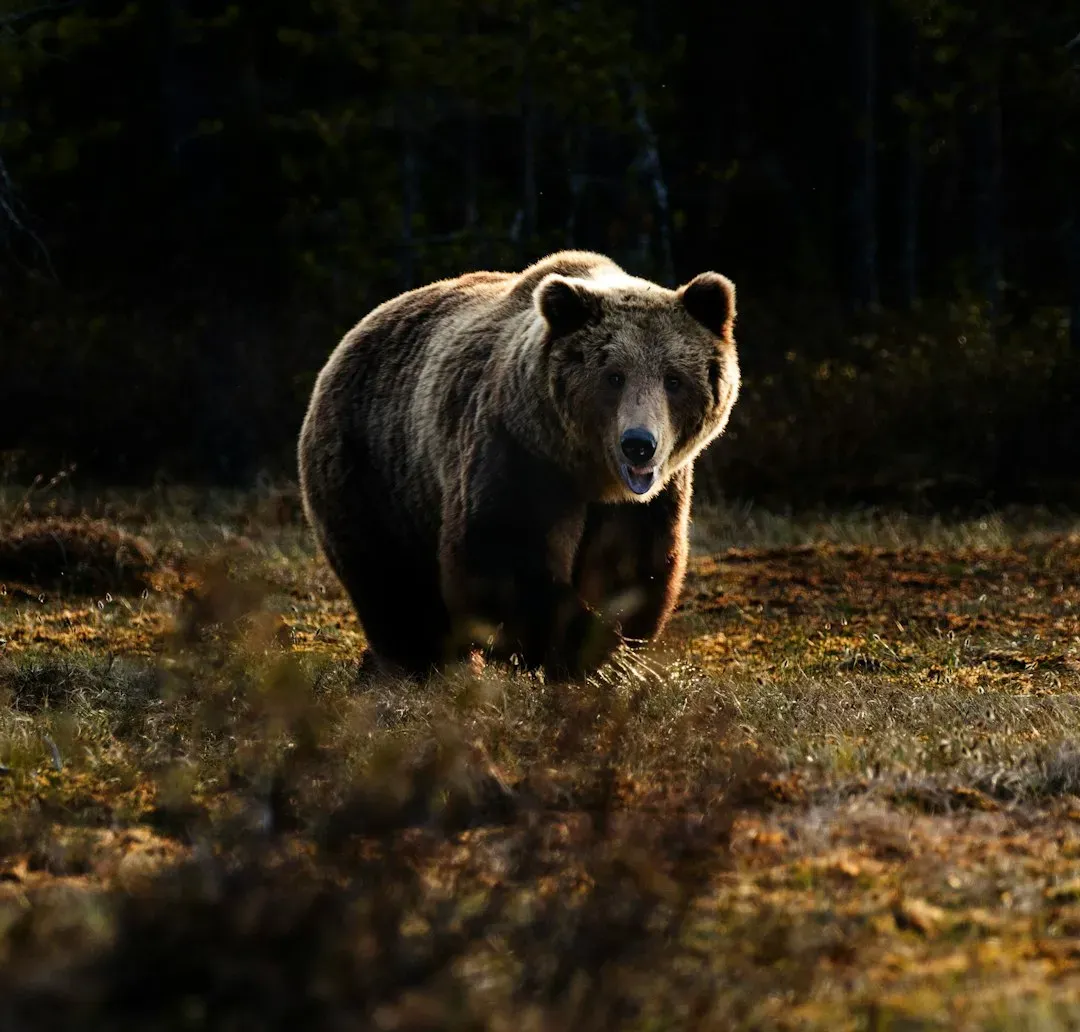
Bears hibernate through months of scarcity and emerge lean but ready to defend territory, a cycle that spoke to many northern societies about renewal after hardship. In Slavic and some Native American lore the bear stands for both maternal care and brute force. Its ability to stand upright added a human-like quality that made the comparison feel personal.
Japanese and Korean traditions sometimes link the bear to mountain spirits that guard hidden resources. The animal’s solitary habits contrast with its occasional social moments, mirroring the balance between independence and community that many cultures admire. Sports mascots and national emblems still draw on that image when they need to project quiet confidence.
6. The Elephant
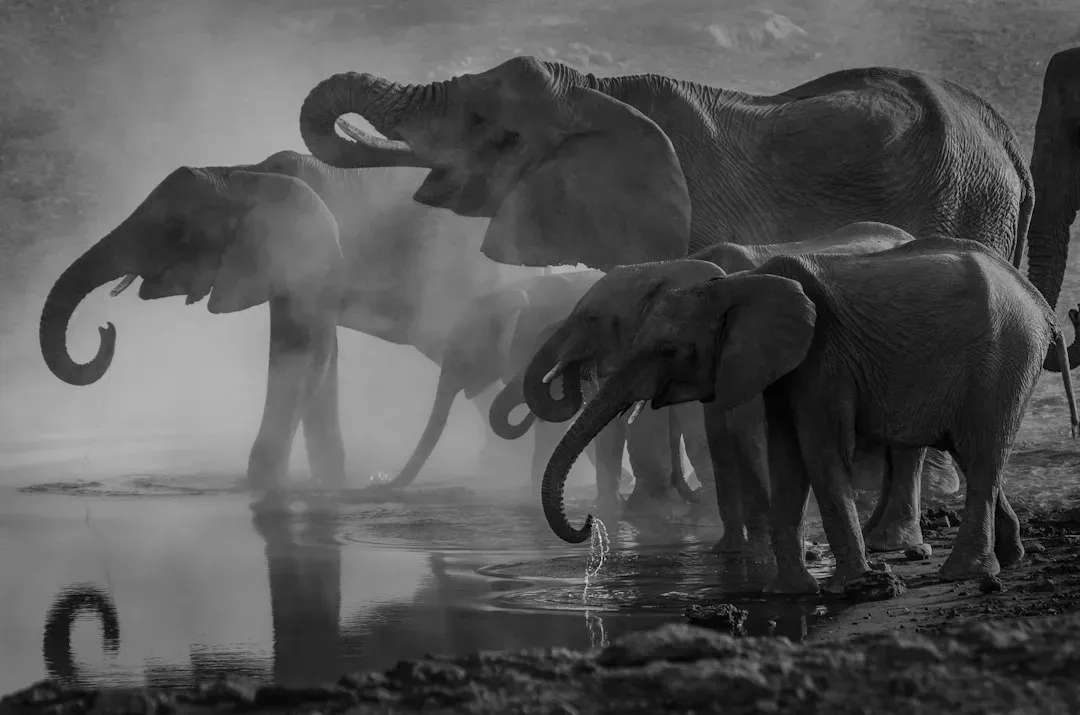
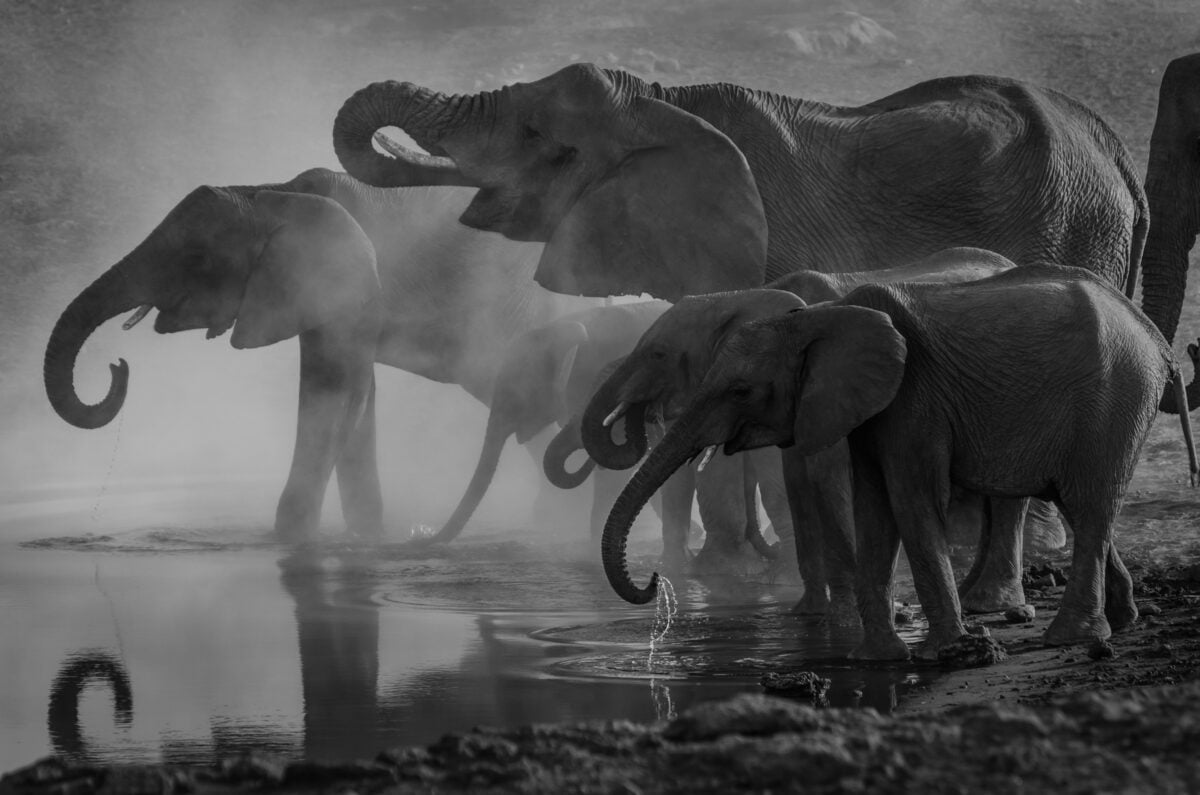
Elephants travel in tight family groups and use their size to move obstacles that smaller animals cannot shift. In Hindu and Buddhist stories the creature carries deities and represents memory that spans generations. Its calm demeanor under threat turned it into a model of strength that does not need constant display.
African oral traditions often place the elephant at the center of creation tales because its footprint can reshape the ground itself. The animal’s long lifespan adds another layer, suggesting wisdom earned through endurance rather than speed. Conservation campaigns today lean on the same traits when they argue for protecting habitats that support these steady giants.

PetSafe Oasys Pet Fountain, 1/2 Gallon (64 oz), Small Dogs & Cats
Check Price on AmazonAs an Amazon Associate, we earn from qualifying purchases.
10/8/2026 8:14 am GMTi

Halloween Cat Costume Cloak Witch Hat Pet Accessories
Check Price on AmazonAs an Amazon Associate, we earn from qualifying purchases.
10/9/2026 2:44 pm GMTi

Earth Rated XL Dog & Puppy Pee Pads, Discreet Top, Max Absorbency
Check Price on AmazonAs an Amazon Associate, we earn from qualifying purchases.
10/7/2026 1:28 pm GMTi

Dog Stairs for Bed 18" H, 4-Step Dog Steps for High Bed
Check Price on AmazonAs an Amazon Associate, we earn from qualifying purchases.
10/9/2026 2:42 pm GMTi

Hand Blown Glass Hummingbird Feeders for Outdoors Hanging, 24oz Wild Bird Nectar Feeder
Check Price on AmazonAs an Amazon Associate, we earn from qualifying purchases.
10/7/2026 1:23 pm GMTi
5. The Tiger
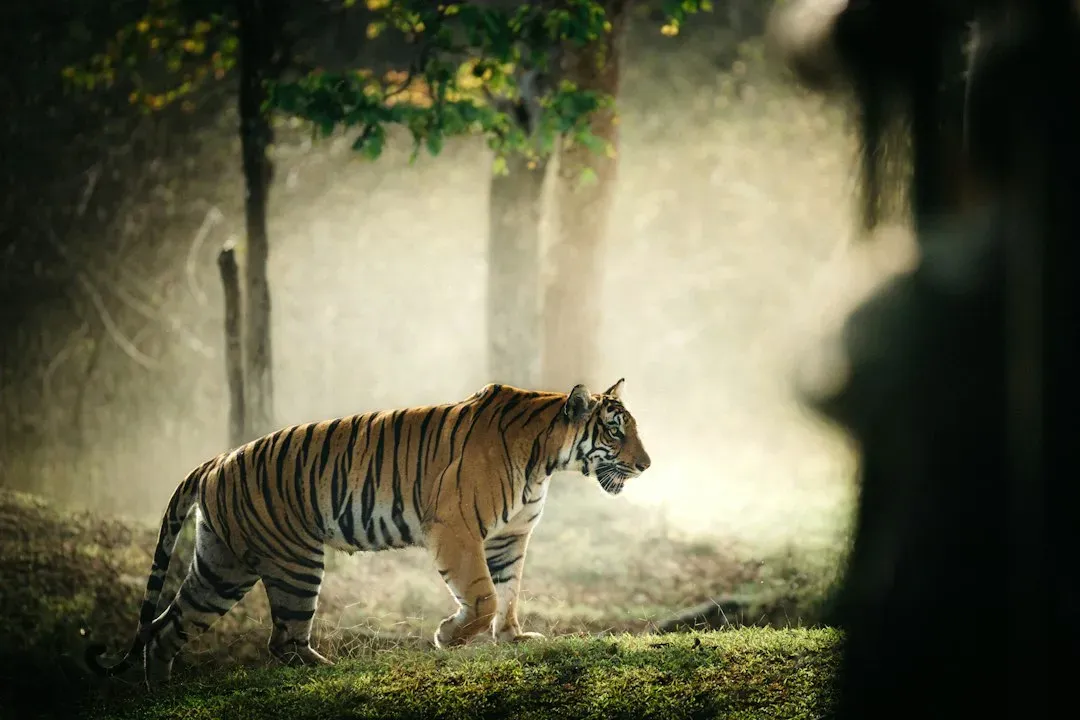
Tigers move through dense forests with a combination of stealth and explosive power that few predators match. Chinese and Korean folklore cast the animal as a guardian that wards off evil while demanding respect for its territory. Its solitary hunting style translated into ideas of personal courage that does not lean on numbers.
Indian temple art and Southeast Asian royal seals frequently pair the tiger with rulers to signal authority that can strike without warning. The striped coat also lent itself to camouflage metaphors about hidden reserves of energy. Contemporary branding still uses the image when it wants to convey focused intensity rather than brute size.
4. The Dragon
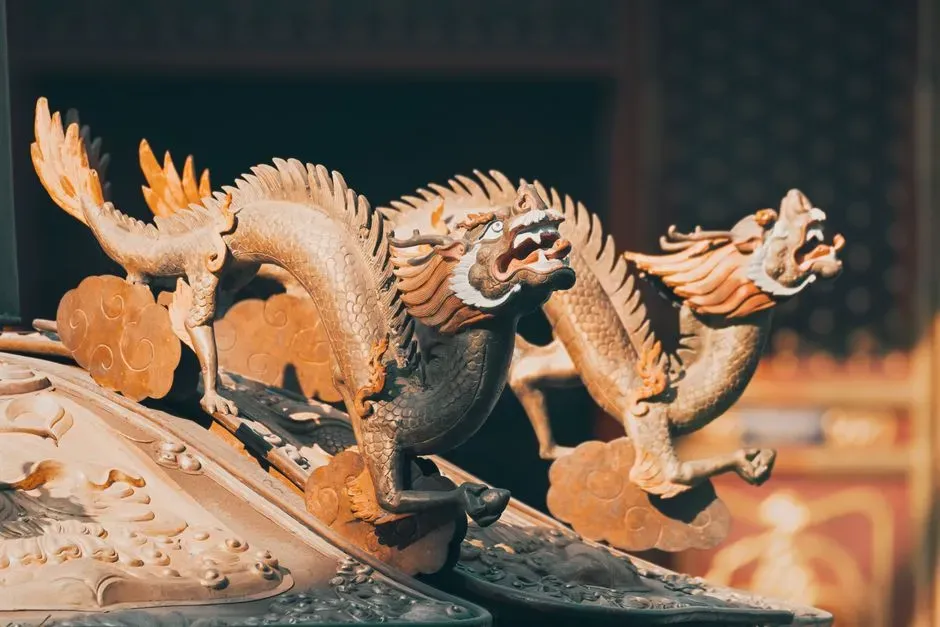
Although mythical, the dragon draws from real reptiles and large predators that early storytellers observed. In East Asian cultures it controls weather and rivers, turning natural forces into symbols of benevolent power that can both create and destroy. Its serpentine body and ability to fly combined traits of earth and sky into one figure of comprehensive strength.
European versions often emphasize fire and treasure hoarding, reflecting different attitudes toward authority and greed. The creature appears on national flags and corporate crests when societies want to signal transformation that overcomes limits. Its persistence across continents shows how flexible animal imagery can become when it leaves the strictly biological realm.
3. The Eagle
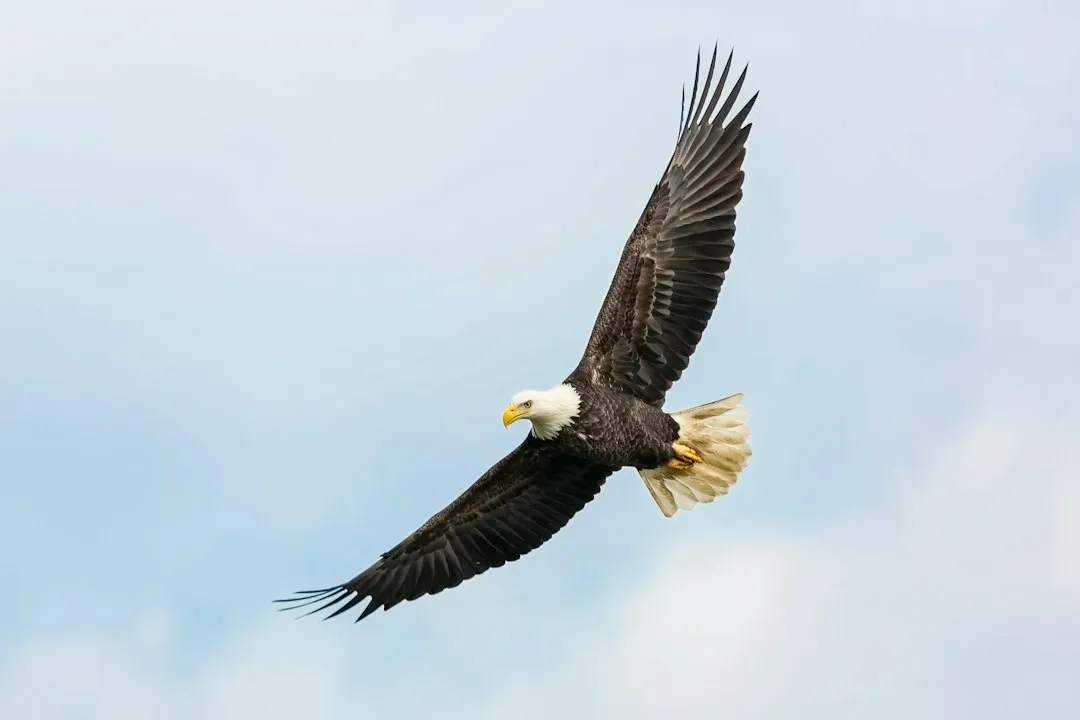
Eagles soar at heights that place them above most threats, a vantage point that many cultures read as vision paired with dominance. Roman legions and later American iconography adopted the bird to represent reach that extends across empires. Its sharp eyesight and sudden dives turned it into shorthand for decisive action backed by patience.
Indigenous groups across the Americas often link the eagle to spiritual messages carried between earth and sky. The bird’s nest-building habits on high cliffs add a layer of security that comes from choosing the right position. Flags, currency, and military insignia continue to borrow the image when they need to project oversight that feels both distant and protective.

Portable Dog Water Bottle Foldable Dog Travel Water Bottle
Check Price on AmazonAs an Amazon Associate, we earn from qualifying purchases.
10/7/2026 1:29 pm GMTi

Glass Hummingbird Feeder for Outdoors Hanging
Check Price on AmazonAs an Amazon Associate, we earn from qualifying purchases.
10/7/2026 1:21 pm GMTi

2 Pcs Halloween Pet Hat Bandana Set, Witch Pumpkin Costumes for Dogs
Check Price on AmazonAs an Amazon Associate, we earn from qualifying purchases.
10/9/2026 2:45 pm GMTi

Air Purifiers for Home Pets Large Room Up to 3000 Ft²,HEPA Air Cleaner with Washable Double-Side Filter, PM2.5 Air Quality Monitor,15dB Sleep Mode for Bedroom Odor Dust Pollen,White
Check Price on AmazonAs an Amazon Associate, we earn from qualifying purchases.
10/8/2026 8:23 am GMTi

Orthopedic Extra Large Dog Bed, Waterproof Washable XL Pet Bed 44"
Check Price on AmazonAs an Amazon Associate, we earn from qualifying purchases.
10/7/2026 1:32 pm GMTi
2. The Rhinoceros
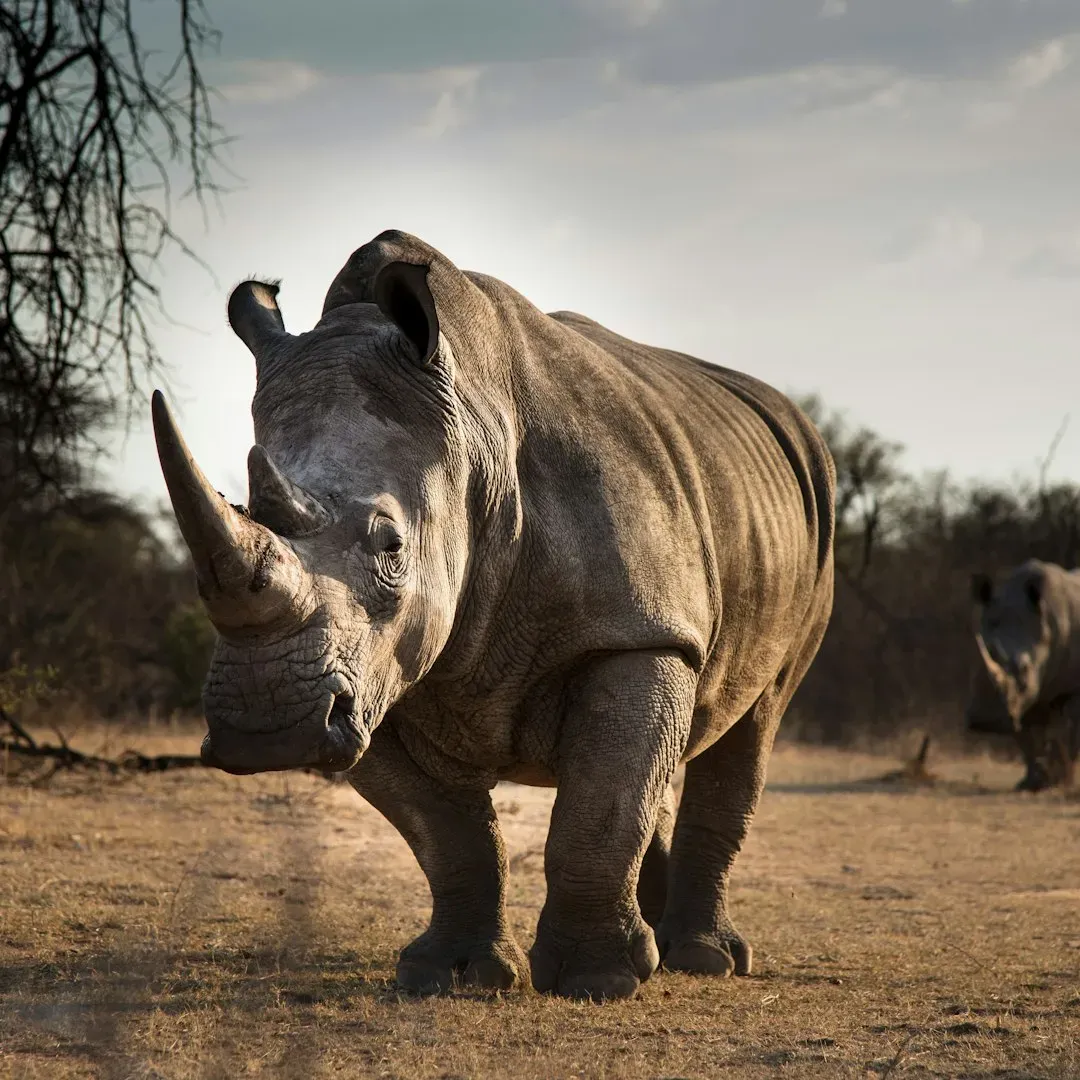
Rhinoceroses charge through brush with armor-like skin and a horn that can clear paths others avoid. In some African and Asian traditions the animal stands for unyielding defense of its ground. Its thick hide and low center of gravity translate into metaphors for protection that absorbs blows without retreating.
Ancient trade routes carried stories of the rhino’s strength to distant courts, where artists depicted it alongside warriors. Modern wildlife campaigns highlight the same traits when they argue that quiet bulk can outlast flashier threats. The animal’s endangered status adds urgency to the older symbolism without erasing it.
1. The Lion
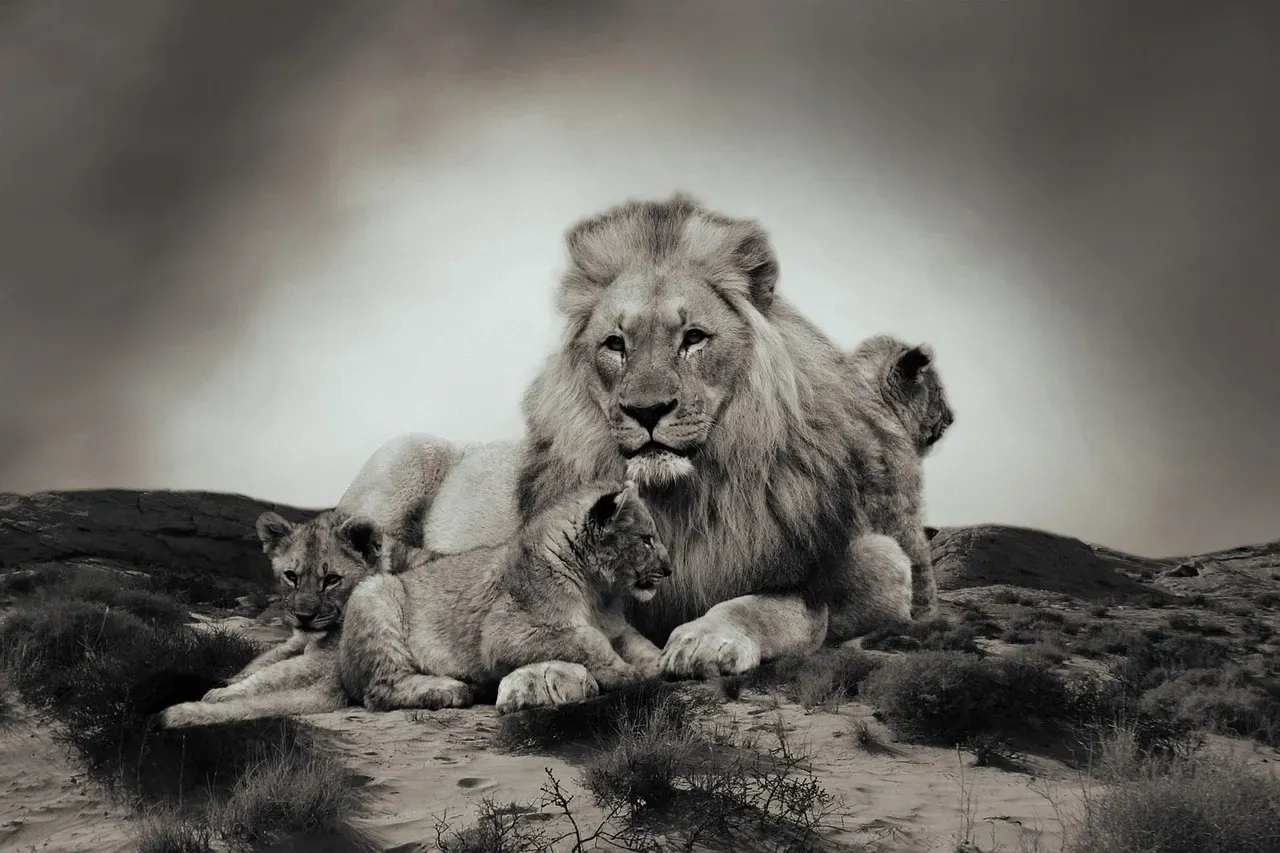
Lions live in prides where a few males protect a larger group, a structure that many societies mapped onto ideas of leadership and collective defense. Egyptian, Persian, and European heraldry placed the lion on thrones and shields to signal courage that faces danger head-on. Its roar carries across savannas, giving the image an auditory dimension that feels commanding even at a distance.
Yet the lion also appears in stories as a figure that can show mercy, which softens the raw power into something more nuanced. African oral traditions and Asian temple guardians both draw on the animal’s social habits to explore balance between dominance and care. The symbol remains one of the most widely recognized across continents because it combines visible might with recognizable group dynamics.

Glass Hummingbird Feeder for Outdoors Hanging, 16 oz Leak-Proof Nectar Feeder with Bee Guards & Ant Moat
Check Price on AmazonAs an Amazon Associate, we earn from qualifying purchases.
10/7/2026 1:22 pm GMTi

Professional 7 in 1 Dog Paw Cleaner for Dogs & Cats - Includes 1 Portable Paw Washer, 1 Bath Brush
Check Price on AmazonAs an Amazon Associate, we earn from qualifying purchases.
10/7/2026 1:26 pm GMTi

Smart Bird Feeder with Camera Solar Powered, 2K HD Live Video, 10,000+ Bird Species AI Identification
Check Price on AmazonAs an Amazon Associate, we earn from qualifying purchases.
10/7/2026 1:22 pm GMTi

Halloween Dog Collar with Bow, Orange Cute Ghost Collar,
Check Price on AmazonAs an Amazon Associate, we earn from qualifying purchases.
10/9/2026 2:43 pm GMTi
What These Symbols Still Offer
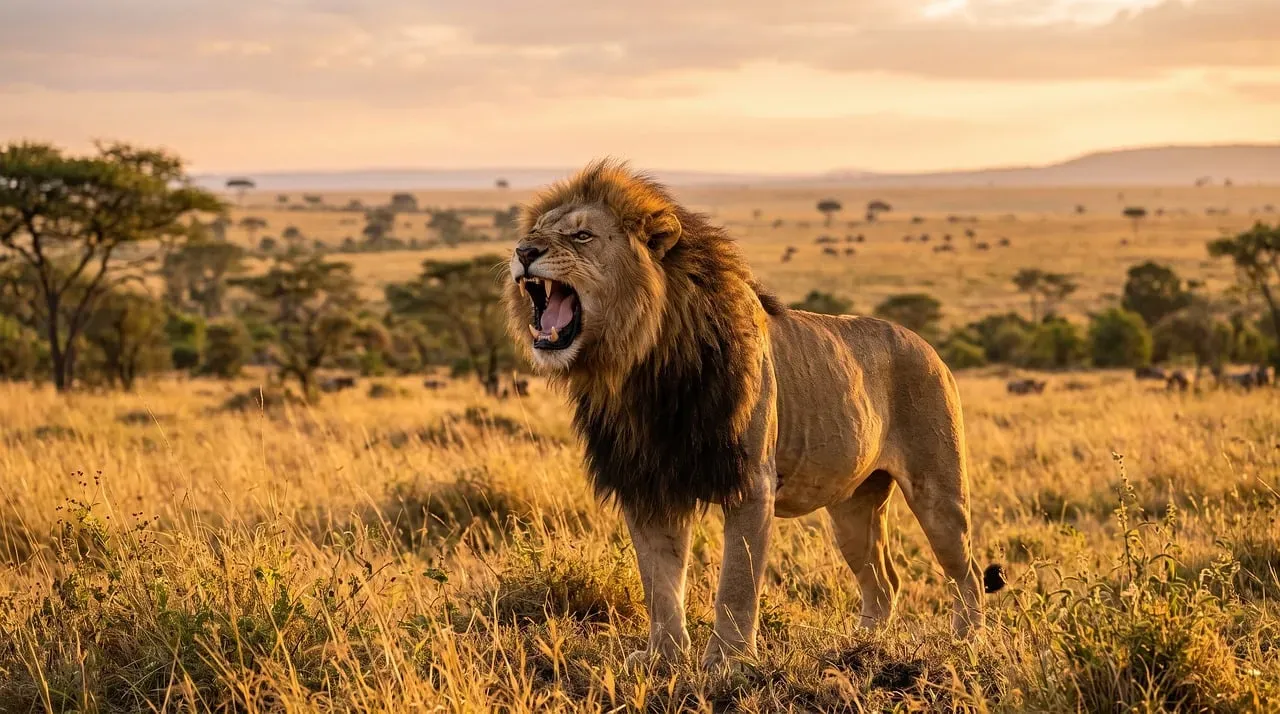
Each animal on the list carries traits that real observation supports, yet every culture adds its own emphasis. The result is a shared vocabulary that travels without losing local flavor. Strength in these stories rarely means simple size or speed alone.
Instead the symbols point toward endurance, coordination, and the willingness to stand ground when conditions turn difficult. That combination keeps the images alive in flags, stories, and everyday speech long after the original landscapes changed. The animals remind us that power often looks different depending on the challenge at hand.

- 10 Animals That Symbolize Strength Across Different Cultures - November 12, 2026
- 14 Behaviors a Cat Shows Only Once a House Has Completely Stopped Feeling Temporary - November 12, 2026
- Zoology Says That Open-Mouthed ‘Smelly Face’ Your Cat Makes Is It Using a Second Scent Organ in the Roof of Its Mouth - November 11, 2026