
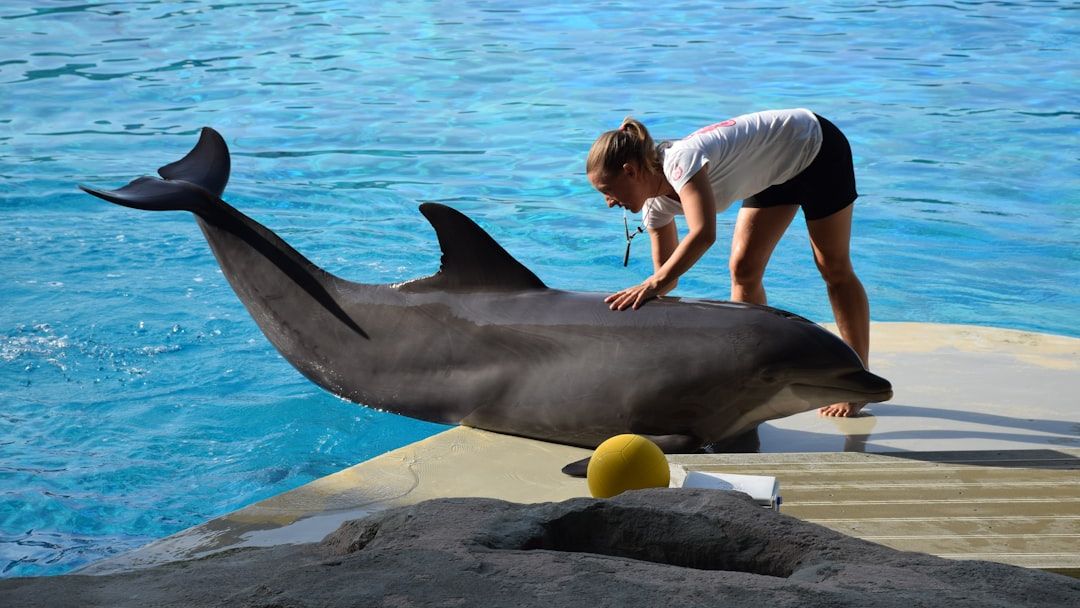
The animal kingdom continues to surprise us with displays of intelligence that challenge everything we thought we knew about cognition. From problem-solving prowess that rivals our own to social structures more complex than most human organizations, creatures across the globe exhibit behaviors that leave even the most seasoned researchers scratching their heads in wonder. These aren’t simple survival instincts but sophisticated cognitive feats that suggest forms of intelligence we’re only beginning to understand.
What makes these behaviors particularly fascinating is how they emerge in species with completely different brain structures from our own. The ways animals process information, solve problems, and navigate their social worlds often follow patterns so alien to human thinking that they force us to reconsider what intelligence actually means. Let’s dive into ten remarkable examples that continue to mystify the scientific community.
Octopus Problem-Solving That Defies Logic
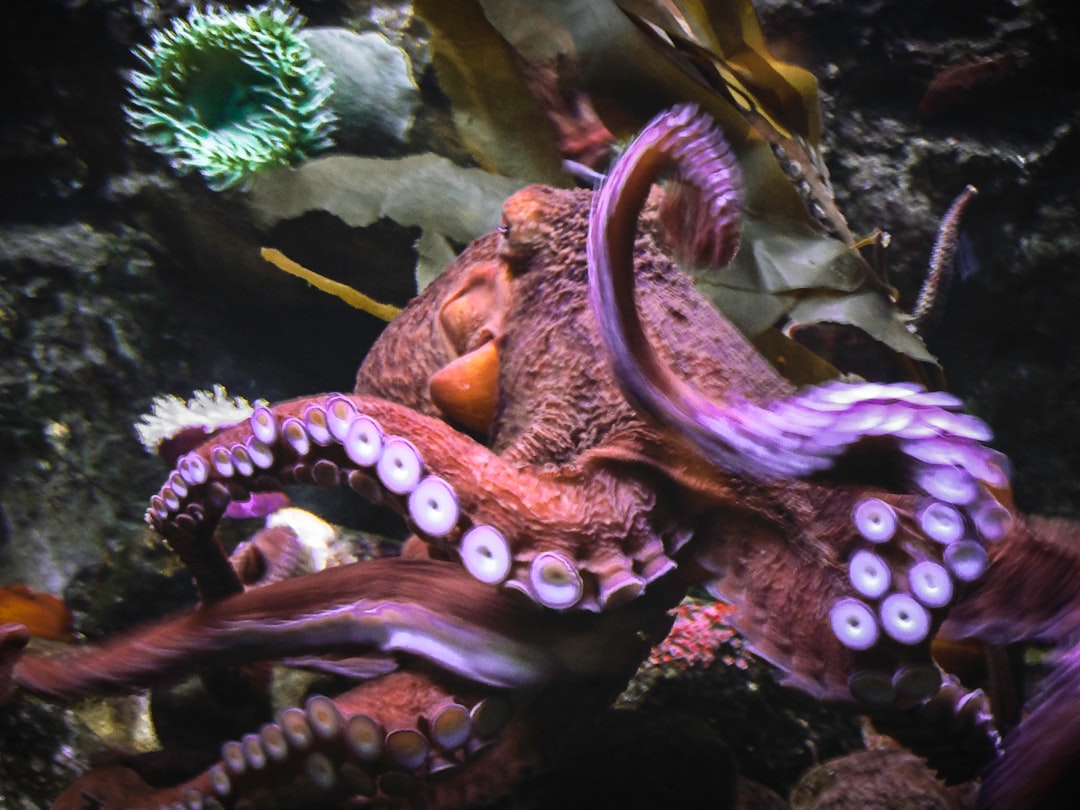
Octopuses have demonstrated problem-solving abilities that would impress any puzzle enthusiast, successfully navigating complex mazes and completing intricate tasks to obtain food rewards. What truly baffles researchers isn’t just their success rate, but the individual approaches each octopus takes to solve identical problems.
Scientists discovered that octopuses more inclined to approach new objects were quicker to tackle puzzle boxes and more likely to succeed in opening them, yet they didn’t necessarily reach solutions faster than their more cautious counterparts. This suggests that excessive curiosity might actually hinder problem-solving efficiency at certain stages.
Individual octopuses showed distinct problem-solving strategies rather than relying on simple trial-and-error approaches. Each creature seemed to develop its own unique methodology for tackling challenges, almost like having different personality types approach the same engineering problem.
Whale Cooperative Hunting Networks That Rival Military Strategy
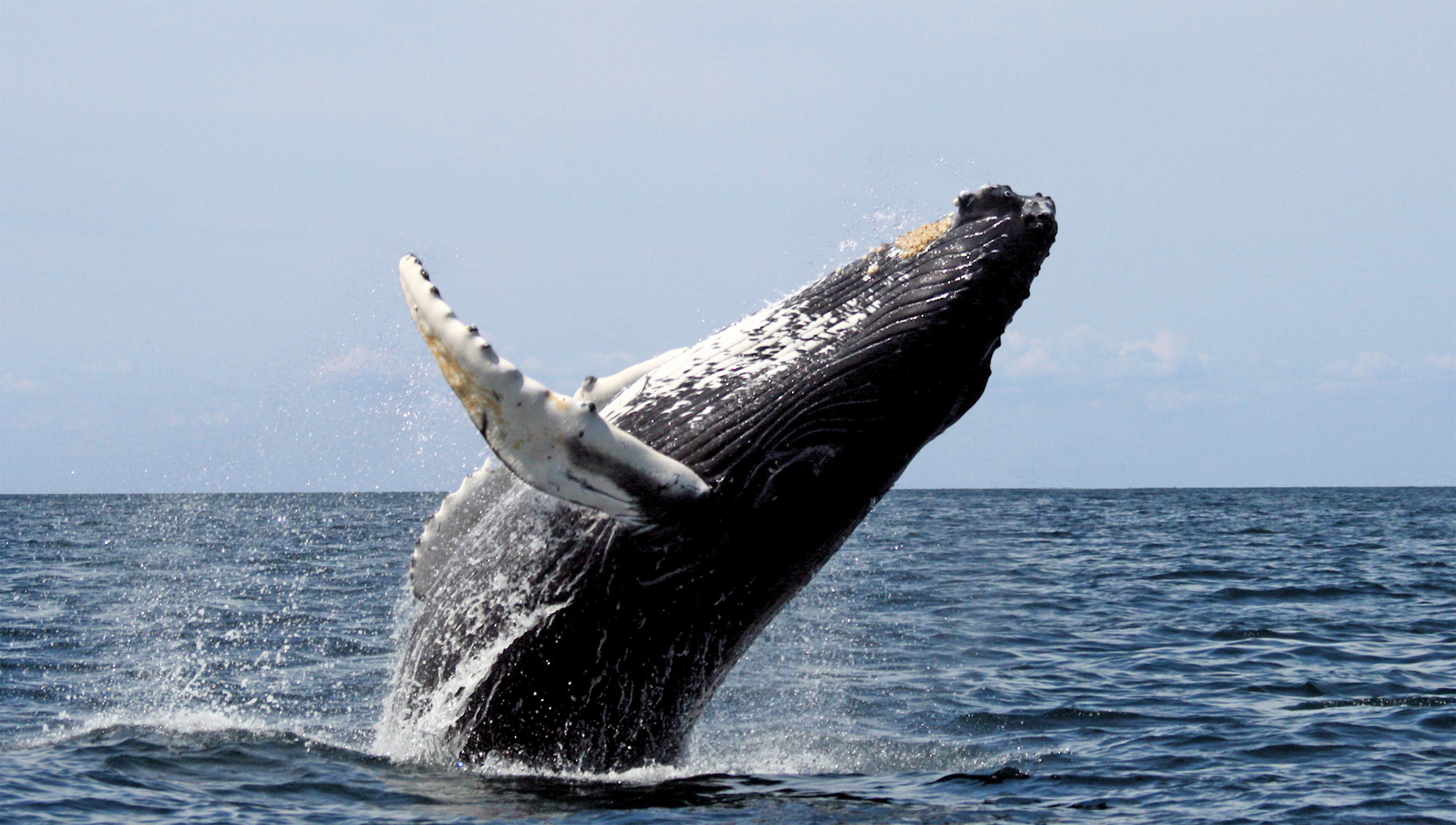
Humpback whales have mastered the art of bubble-net feeding, swimming in perfect spirals while blowing bubbles to create massive underwater nets that trap fish, with young whales seemingly downloading this complex knowledge without formal training. The coordination required for this technique involves precise timing, spatial awareness, and group communication that would challenge even experienced human teams.
Examples of cooperation include bubble-net feeding in humpback whales and cooperative behavior between bottlenose dolphins and fishermen reported in various parts of the world. These partnerships demonstrate not just intelligence but an understanding of mutual benefit across species lines.
The mystery deepens when considering how this knowledge transfers from generation to generation without apparent instruction manuals or training programs. Young whales observe once and execute flawlessly, suggesting cognitive processes we don’t fully comprehend.
Dolphin Social Intelligence Beyond Human Complexity
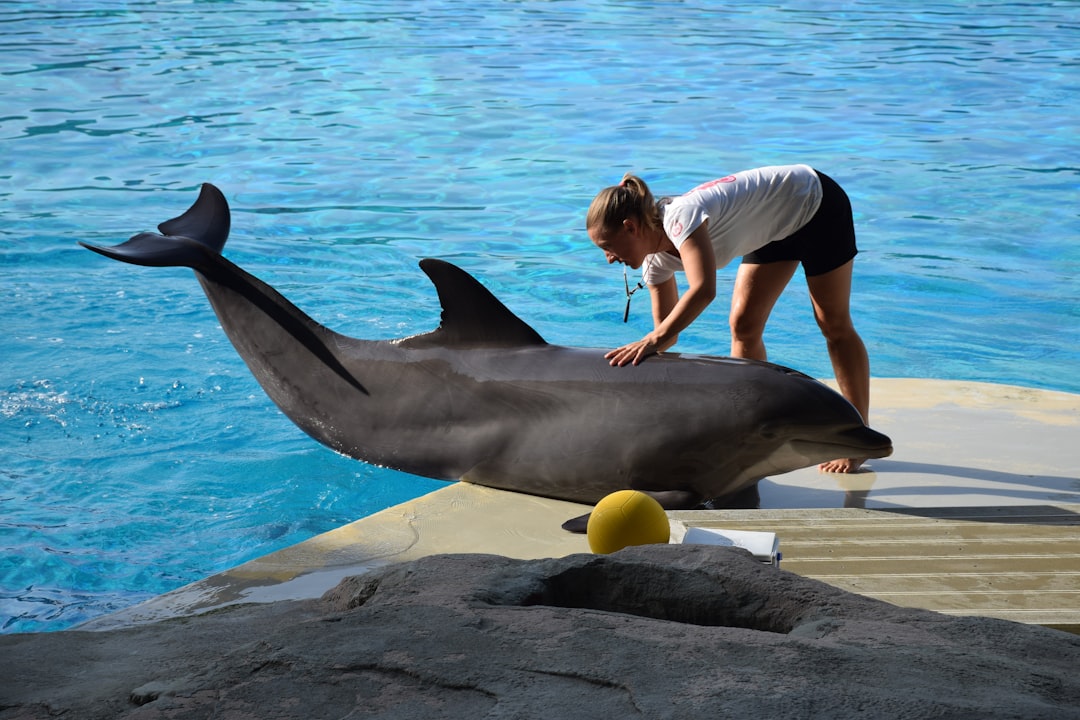
Patterns of alliance affiliation among male dolphins may be more complex than currently known for any non-human, with individuals participating in multiple levels of shifting alliances. These aren’t simple friendships but strategic partnerships that change based on circumstances, resources, and social dynamics.
Some dolphin species use distinct names for one another through identifiable, individual whistles sometimes known as signature whistles. This naming system goes beyond basic identification, serving as a foundation for complex social interactions and relationship management.
The bottlenose dolphin is among the most encephalized beings on the planet, with intelligence levels that data suggests may be closer to the human range than our nearest primate relatives. Their social complexity rivals and sometimes exceeds what we observe in human communities.
Crow Intelligence That Rivals Tool-Making Engineers
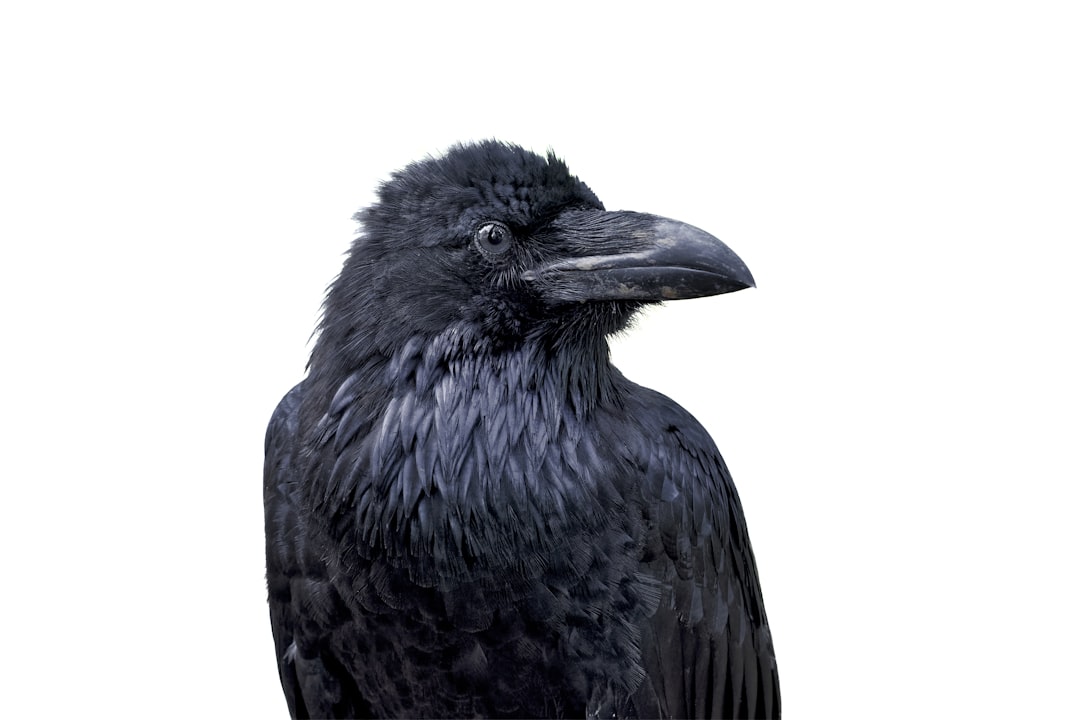
Wild crows have mastered the art of gift-giving, bringing carefully selected trinkets to humans who feed them regularly, running what appears to be a primitive exchange economy complete with customer preferences and personalized selections. Scientists remain puzzled about how these birds determine what constitutes an appropriate gift.
Studies on New Caledonian crows revealed they not only engage in tool usage but also tool modification, bending and changing twigs used to reach insects inside tree and rock cracks. This represents not just tool use but tool innovation and customization for specific tasks.
The level of planning and foresight required for these behaviors suggests cognitive abilities that were once thought exclusive to primates. Crows appear to understand cause and effect relationships in ways that enable them to manipulate their environment strategically.
Elephant Grief Rituals That Suggest Deep Emotional Understanding
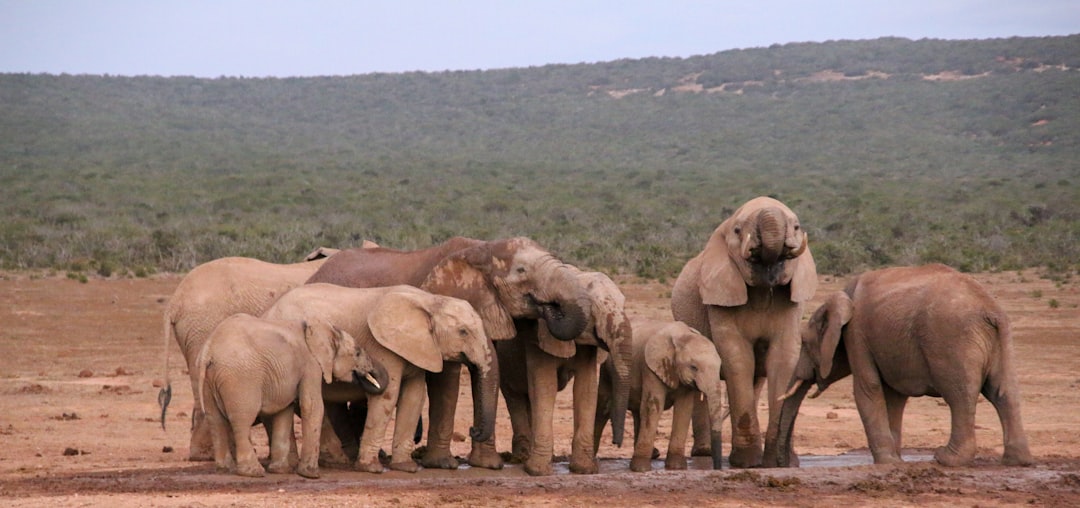
Elephants display a depth of emotion that challenges our understanding of animal consciousness, regularly returning to the bones of deceased family members sometimes years after death, recognizing specific bones among many others and choosing particular individuals for repeated visits. This behavior suggests they maintain mental maps of their family’s final resting places and demonstrate a grasp of death we’re still trying to understand.
The ritual aspects of elephant mourning go beyond simple recognition. They appear to hold ceremonies, touching bones with their trunks and standing in contemplative silence. These behaviors indicate not just memory but emotional processing that mirrors human grief responses.
What makes this even more remarkable is the specificity of their choices. Elephants don’t visit all deceased elephants equally but show preferences that suggest ongoing emotional bonds that persist beyond death.
Slime Mold Navigation Without a Brain
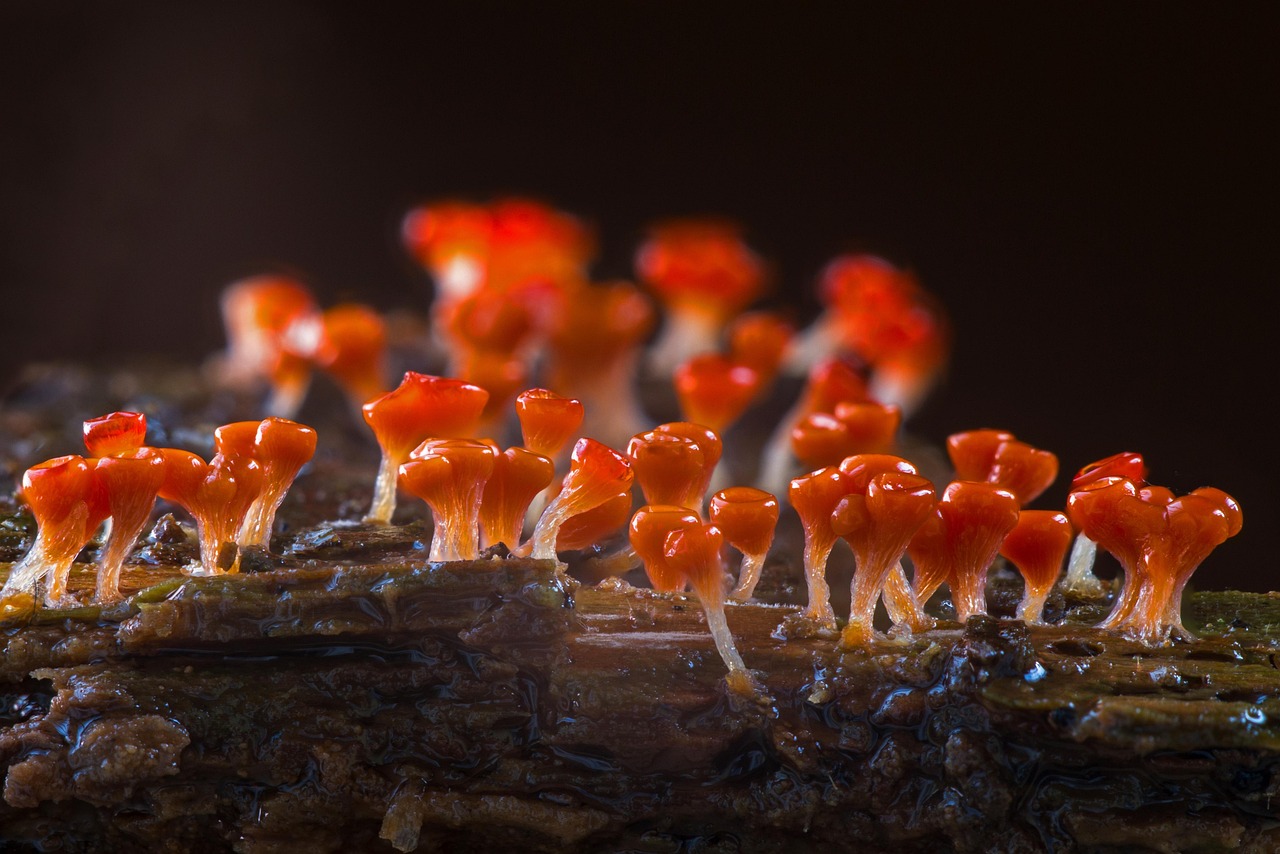
Despite lacking a brain, nervous system, or centralized organization, slime molds display problem-solving abilities that have left scientists questioning the nature of intelligence itself, with the yellow slime mold capable of solving mazes, creating efficient networks, and remembering environmental conditions. This organism has even recreated the efficient design of Tokyo’s rail system and can anticipate regular events based on previously experienced patterns.
What baffles researchers is how an organism without neural networks can exhibit such sophisticated behaviors. The slime mold challenges our fundamental assumptions about what constitutes intelligence and whether consciousness requires a centralized nervous system.
This brainless intelligence suggests that problem-solving capabilities might emerge from entirely different biological mechanisms than we previously imagined. The implications for understanding consciousness and intelligence are profound and far-reaching.
Whale and Dolphin Communication Systems More Complex Than Human Language
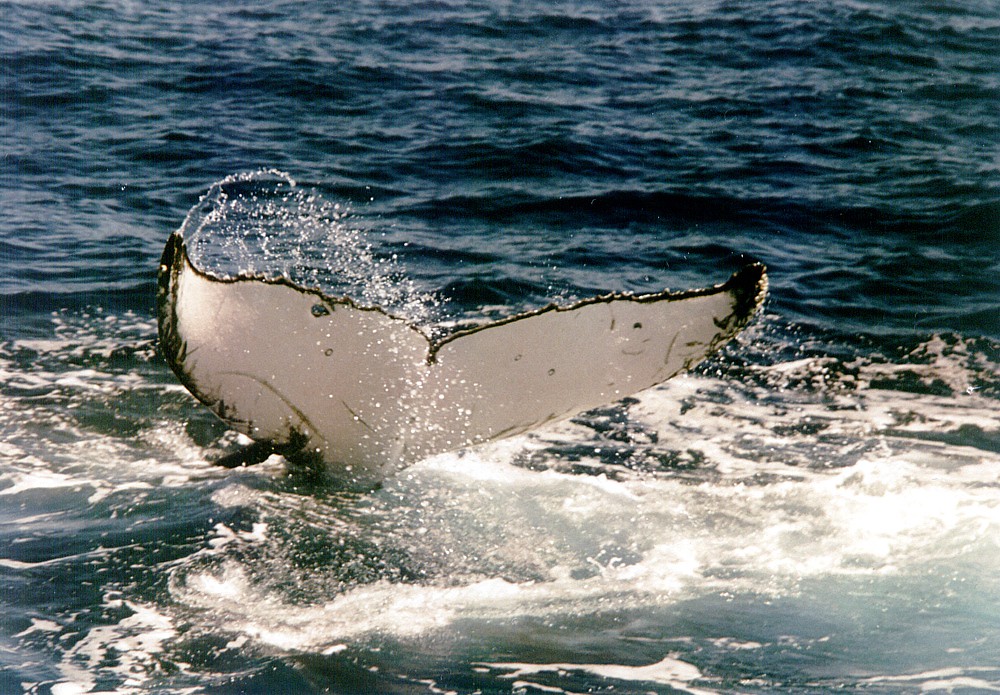
Humpback whales are known for their complex songs that can last for hours, with each song being unique and changing over time, suggesting creativity and adaptability, and these songs can be heard over long distances indicating sophisticated social communication. The complexity rivals human musical compositions in structure and emotional content.
Humpback whales are especially known for their long and intricate songs which can change over time, hinting at a cultural aspect to their communication, with whale songs shared across ocean basins and males singing the same tune despite being thousands of miles apart. This suggests cultural transmission on a global scale.
The complex vocal communication systems of orcas correspond with their large brains and complex social structure, with resident orca pods sharing some calls while maintaining unique calls that may serve as acoustic indicators of group identity and membership. These dialects help preserve social cohesion across vast oceanic territories.
Bee Democratic Decision-Making That Outperforms Human Committees
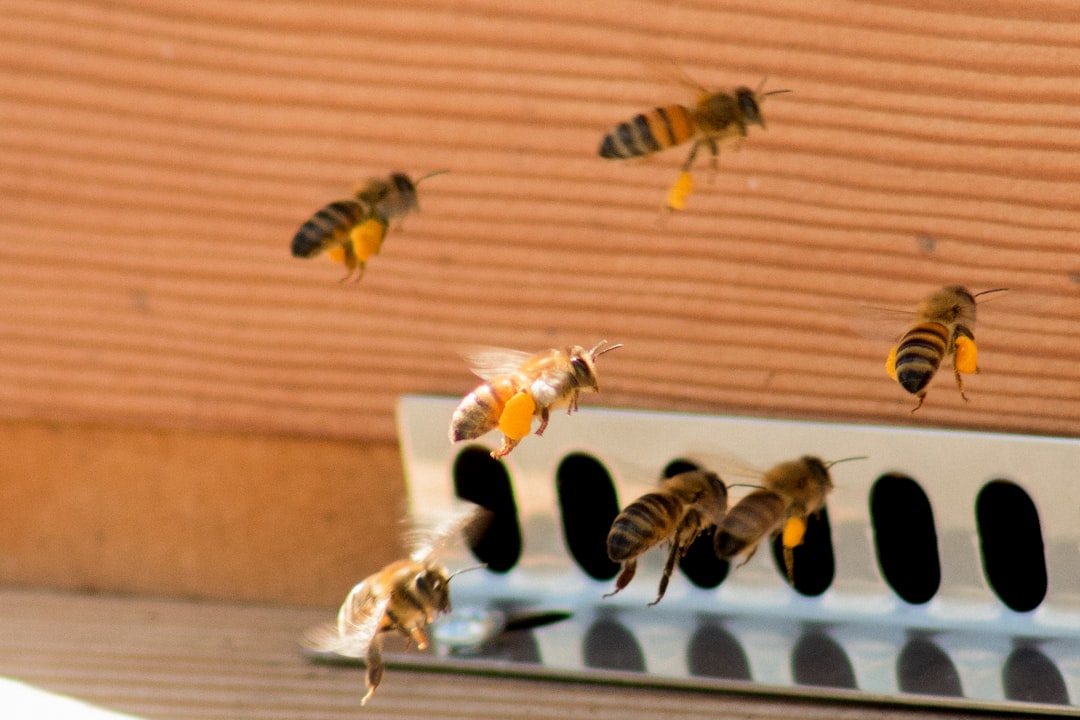
The mystery lies in how thousands of individual bees with limited cognitive abilities can collectively evaluate complex variables such as distance, cavity size, predator presence, and sun exposure, reliably selecting the best available option with no central authority, despite decades of research leaving the precise mechanisms only partially understood. Their decision-making process surpasses many human democratic systems in efficiency and accuracy.
What makes bee democracy even more fascinating is the speed at which they reach consensus. Thousands of individuals with different experiences and preferences somehow converge on optimal decisions within remarkably short timeframes.
The voting mechanism itself remains mysterious. How do bees weigh different factors, communicate their assessments, and arrive at collective decisions without the kind of formal debate structures humans require for similar choices?
Immortal Jellyfish Biological Time Manipulation
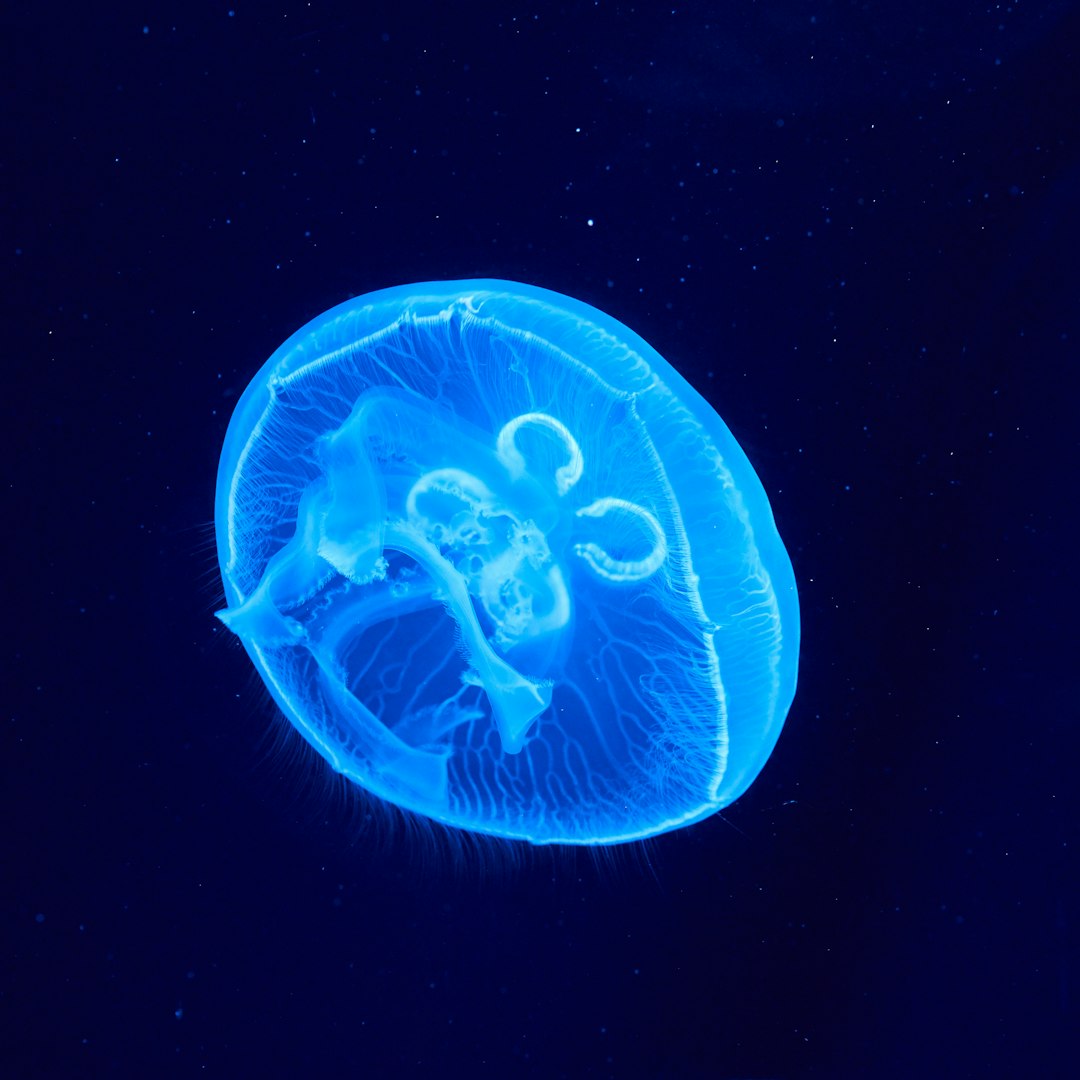
The Turritopsis dohrnii, known as the immortal jellyfish, can revert to its juvenile form after reaching maturity through a cycle of regression and regeneration that allows it to live indefinitely, defying the natural order while scientists remain fascinated by this regenerative process that resembles a biological fountain of youth. The mechanism behind this transformation remains largely mysterious.
This ability to essentially reset the biological clock suggests control over cellular processes that we don’t fully understand. The jellyfish appears to consciously trigger this transformation in response to stress, aging, or injury.
The implications for understanding aging, consciousness, and biological control systems are staggering. How does a relatively simple organism manage such precise control over its cellular destiny?
Magnetic Animal Navigation Systems More Accurate Than GPS
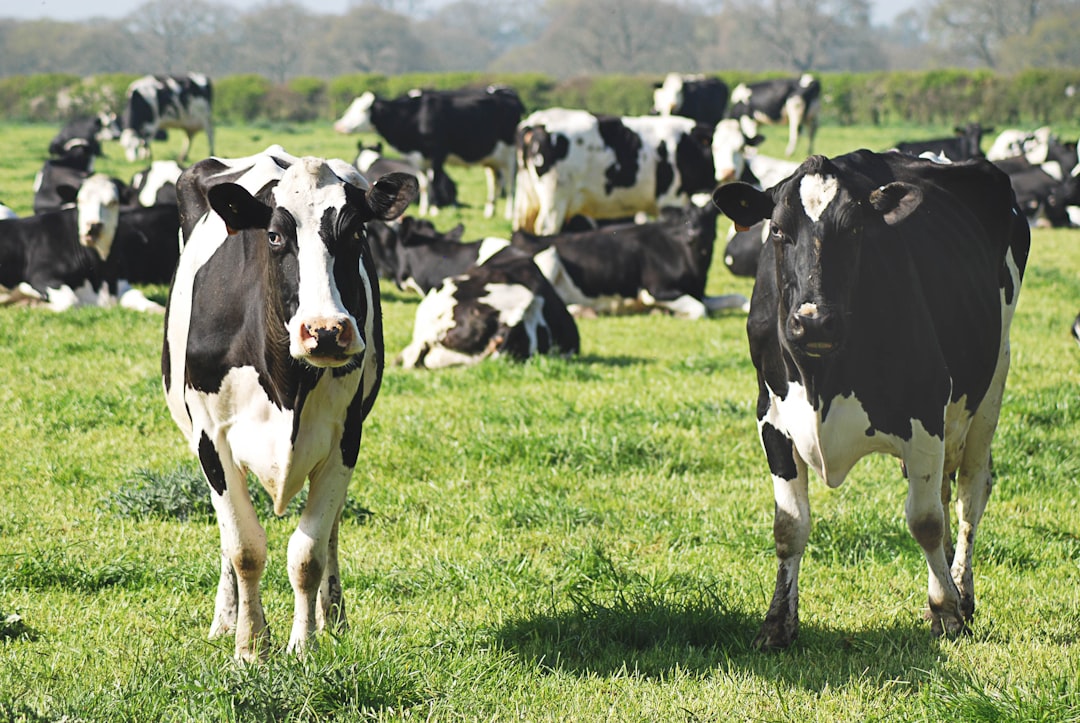
Cows possess an uncanny alignment with Earth’s magnetic field, often showing alignment with magnetic fields while grazing or resting, though this behavior varies with environmental factors, with the mechanism behind this alignment remaining unknown despite researchers exploring possible magnetic sensitivity similar to migratory birds. This behavior challenges our understanding of magnetic perception across different species.
Some termite species are nature’s architects, with certain species building their mounds in north-south alignment while using magnetic sensing to create entire cities oriented to Earth’s magnetic field with architectural precision. They possess built-in compass technology that would make human engineers envious.
The accuracy of these magnetic navigation systems often exceeds human-made instruments, yet we don’t understand how these animals detect, interpret, and respond to magnetic fields with such precision. The sensory mechanisms involved remain one of biology’s great mysteries.
Conclusion

These extraordinary behaviors remind us that intelligence comes in forms we’re only beginning to recognize and understand. Each example challenges our human-centered view of cognition and suggests that consciousness and problem-solving abilities may be far more widespread in the animal kingdom than we ever imagined.
The most humbling aspect of these discoveries is how much we still don’t know. Despite decades of research and technological advances, the mechanisms behind these behaviors often remain as mysterious today as when they were first observed. These creatures continue to demonstrate that nature’s intelligence operates on principles we haven’t yet discovered.
What do you think about these remarkable displays of animal intelligence? Do any of these behaviors make you reconsider what it means to be truly smart?
