

You watch your dog play, nap, and wag their tail with unbridled joy every single day. It’s hard not to wonder how you can keep them around longer, healthier, and just as happy as they are right now. The good news is that longevity isn’t some mysterious thing reserved only for lucky pups with perfect genetics.
Research shows that the choices you make every day can genuinely add years to your dog’s life. We’re talking about simple, actionable habits that don’t require a fortune or hours of your time. From what goes in their bowl to how you spend lazy Sunday afternoons together, these small moments matter more than you might think. Let’s dive into six everyday habits that science says can help your furry best friend stick around a little longer.
Maintaining a Healthy Weight Through Portion Control

Obesity has been linked to a shorter lifespan to the tune of about 2.5 years less, which honestly should make every dog owner take a hard look at those extra treats. Overweight dogs face a cascade of health problems, from diabetes and arthritis to heart disease. A study of Labrador Retrievers found that dogs kept at a healthy body condition lived an average of two years longer than their overweight counterparts.
The tricky part is that most of us don’t realize we’re overfeeding. Dog food bags often suggest portions that are too generous, and those puppy eyes begging for more dinner are really convincing. Obese dogs had a significantly lower life expectancy than overweight dogs and dogs with ideal body condition.
Here’s the thing about keeping your dog lean. It’s not about deprivation or making them miserable. Think of it more like running an engine at the right temperature instead of too hot. When dogs carry extra weight, every system in their body works harder than it should. Their joints bear more pressure, their heart pumps harder, and inflammation increases throughout their body. You can literally feel their ribs with gentle pressure when they’re at a healthy weight, and you should see a visible waist when looking down at them from above.
Daily Exercise That Actually Makes a Difference
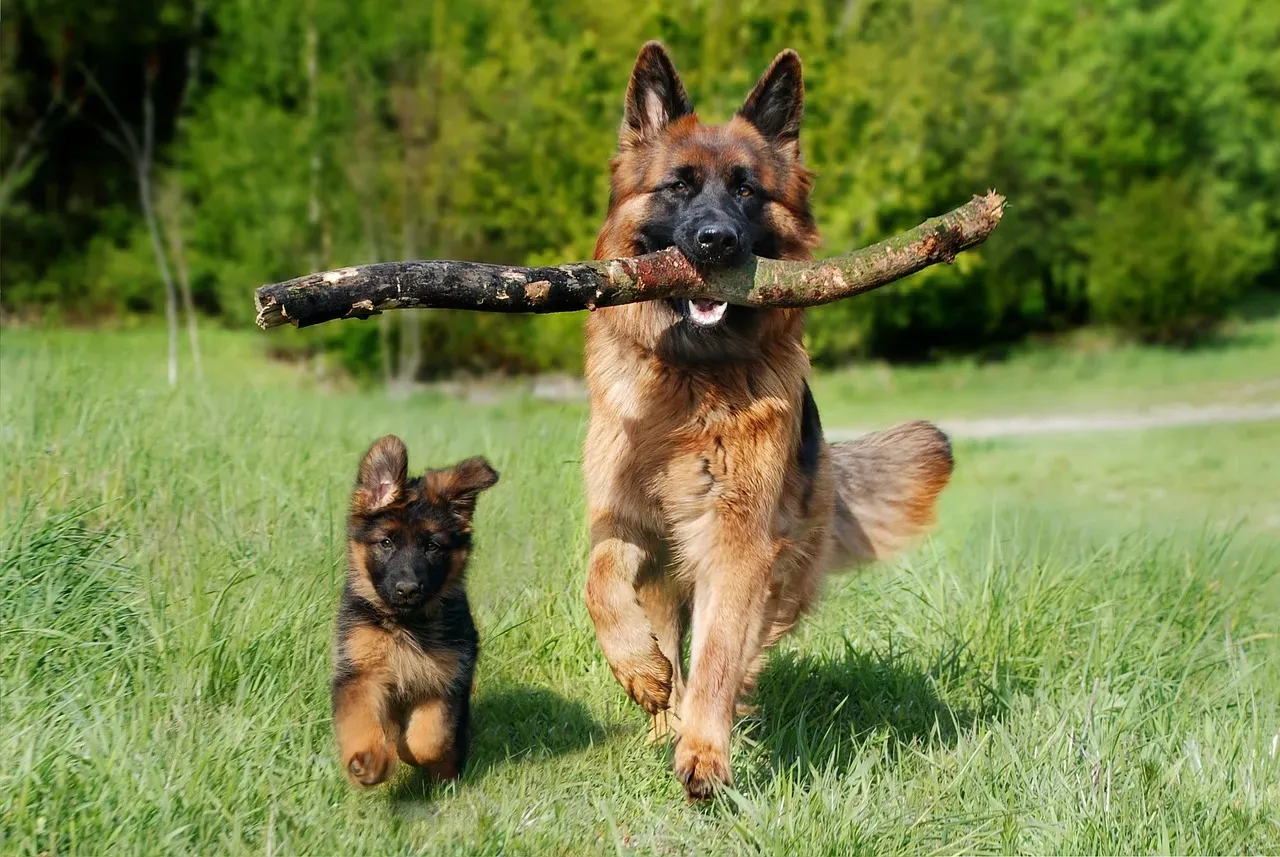
Physical activity is linked to better cognitive health, and fewer owner-reported medical diagnoses. It’s not about marathon training sessions or extreme weekend hikes that leave your dog exhausted for days. Consistency beats intensity every single time.
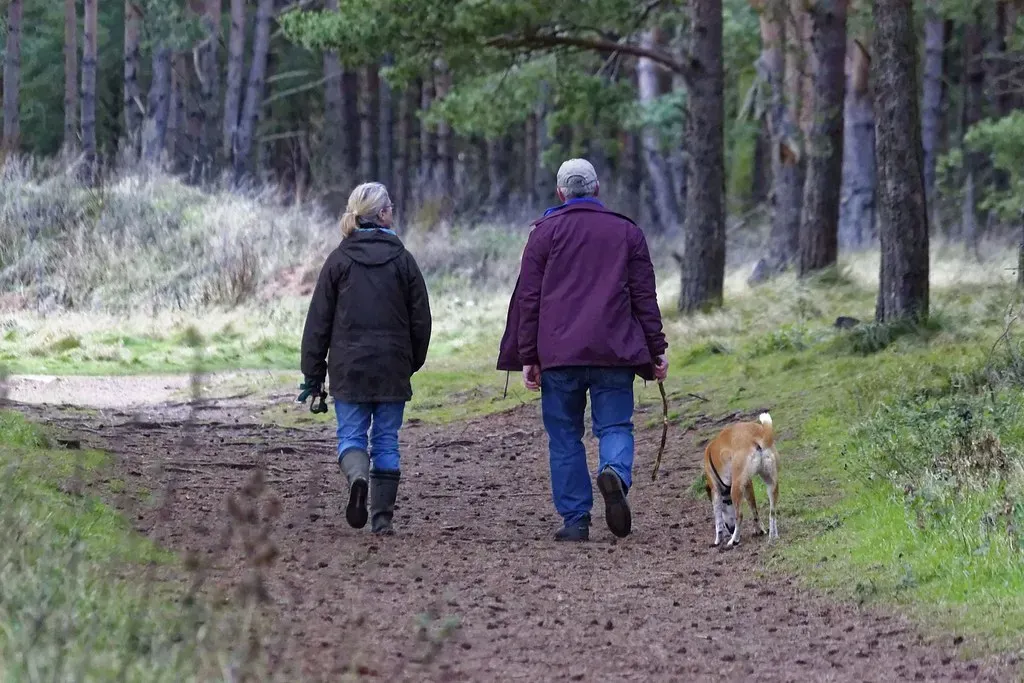
The Association for Pet Obesity Prevention recommends at least 30 minutes of aerobic activity a day, though the exact amount depends wildly on your dog’s breed and personality. A Border Collie needs way more stimulation than a French Bulldog. The real magic happens when exercise becomes routine, like brushing your teeth or making your morning coffee.
Walking at the same time each day creates a rhythm that reduces stress for your dog. They know what to expect, and that predictability actually contributes to their wellbeing. Consistent, age-appropriate activity helps maintain muscle mass, supports cardiovascular health, and provides mental stimulation, and staying active helps dogs stay lean, which will add years to your dog’s lifespan.
Even short bursts count. Honestly, a quick ten-minute romp around the block or hiding treats around your house for them to find can work wonders when you’re pressed for time. The key is making it happen daily, not sporadically. Dogs that are mostly sedentary and then suddenly do intense activities on weekends can actually experience health issues from the inconsistency.
Dental Care Beyond the Occasional Chew Toy
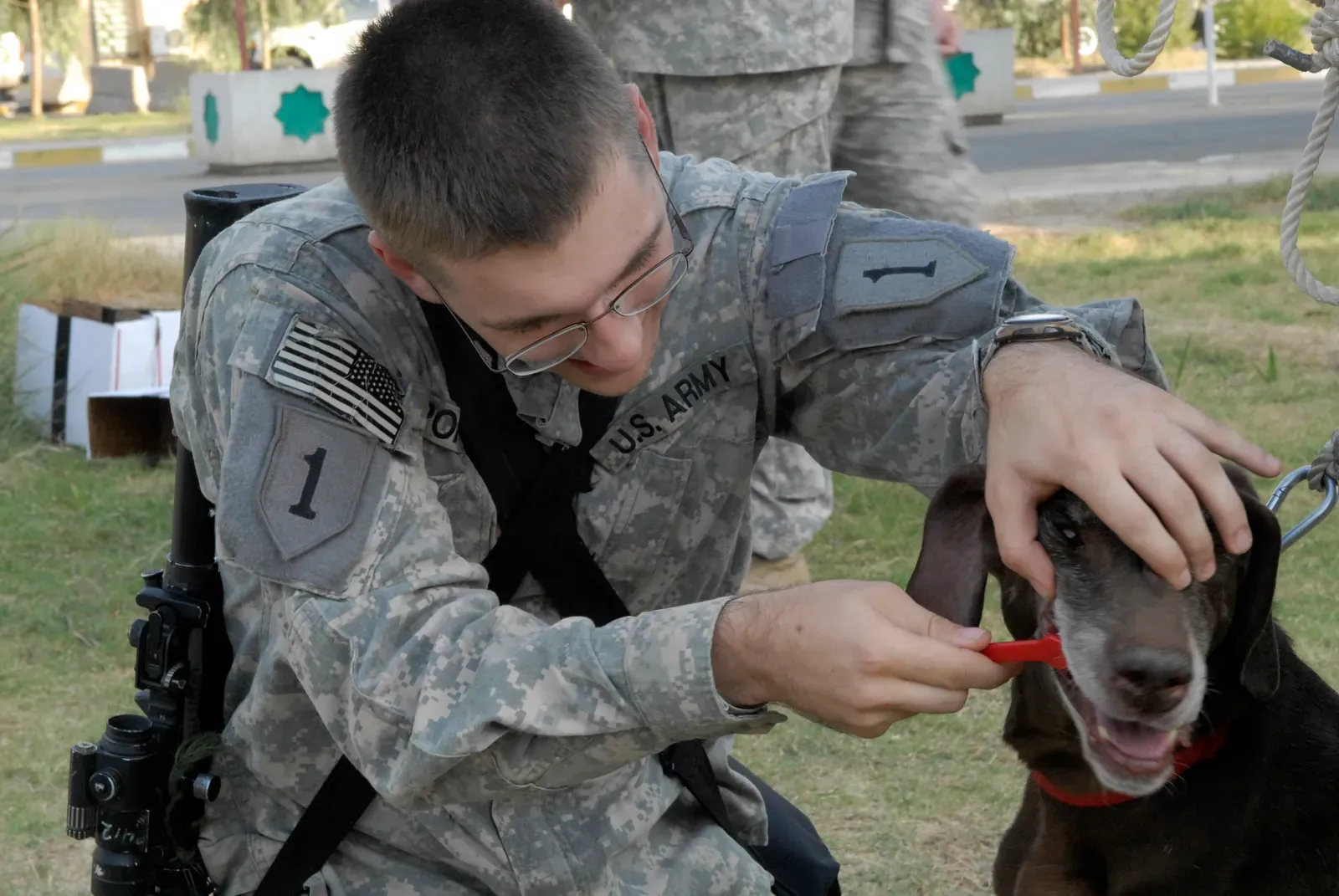
Let’s be real, most of us don’t think about our dog’s teeth until there’s a problem. Yet a dog’s quality of life may increase their lifespan by 3 to 5 years with regular dental care, cleaning, and maintenance. That’s huge.
Poor dental hygiene creates a domino effect of problems. Dental care has been linked to reduced mortality rate in dogs, and dental diseases can trigger inflammation in the body, cause life-threatening infections, and exacerbate preexisting health conditions like heart disease. Bacteria from infected gums can enter the bloodstream and travel to vital organs. It sounds dramatic, but it’s unfortunately common.
Daily brushing is ideal, but even a handful of quick swipes across their teeth a few times a week is beneficial, and it is not a heavy lift compared to how we have to brush our own teeth. You don’t need fancy equipment or complicated routines. A dog-specific toothbrush and toothpaste, used consistently, can genuinely add years to their life. Think about it like this: we brush our teeth twice daily and still visit the dentist twice a year. Dogs need similar care, even if we’ve somehow convinced ourselves they don’t.
Professional cleanings at your vet’s office should happen at least annually. Between those appointments, dental chews and water additives can help, though they’re not substitutes for actual brushing. Your dog might resist at first, but with patience and positive reinforcement, most dogs tolerate it pretty well.
Mental Stimulation and Cognitive Engagement
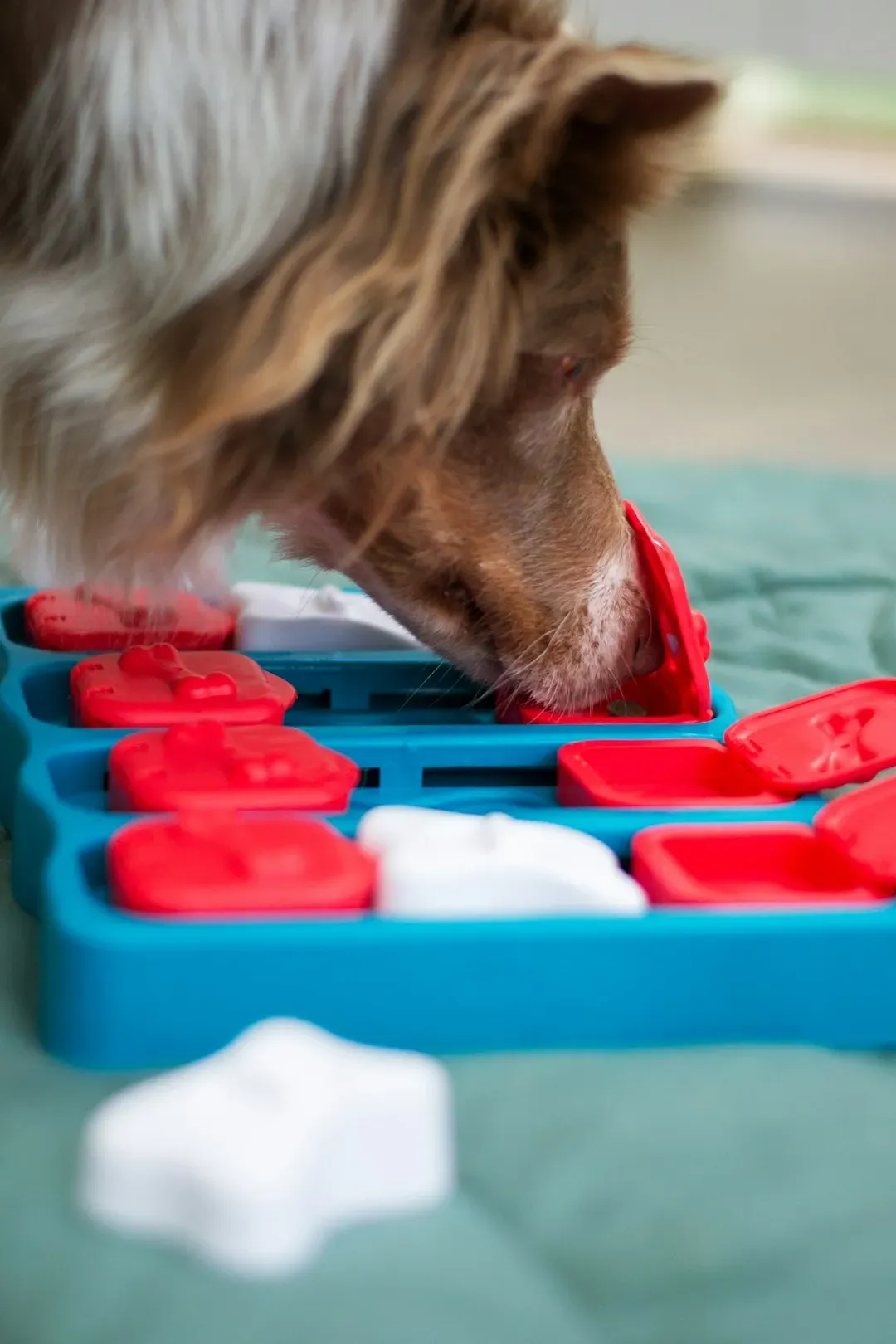
Physical exercise gets all the attention, but mental stimulation might be just as crucial for longevity. A survey highlighted that dogs with mental stimulation live on average 15% longer than those without. Your dog’s brain needs a workout just like their body does.
Mental stimulation can delay the onset of age-related issues, and dogs that consistently utilize their cognitive skills tend to maintain sharpness in their older years. This doesn’t require expensive toys or elaborate training programs. Puzzle feeders, scent games, learning new tricks, or even just letting them sniff extensively during walks all count.
Social connectedness can have a profound impact on a dog’s well-being, and dogs that had more human and animal friends had fewer owner-reported medical diagnoses, as these friendships stimulate dogs and keep them cognitively engaged. Taking your dog to the park, arranging playdates, or even just letting them interact with friendly neighbors can genuinely boost their health.
Hide-and-seek, teaching them the names of different toys, or rotating which toys are available all provide cognitive challenges. Mental exercises can actually make dogs even more tired than physical exercise. A mentally exhausted dog is usually a well-behaved, happy dog who sleeps soundly and causes less mischief. It’s a win for everyone involved.
Regular Veterinary Care and Preventive Checkups

I know vet visits can feel expensive and time-consuming, especially when your dog seems perfectly fine. Scheduling routine exams can help catch diseases earlier, start treatment sooner, and improve long-term health outcomes and lifespan, and dogs regularly evaluated by a vet were 30 percent less likely to develop chronic diseases.
Early detection is everything. Cancer, kidney disease, diabetes, and heart conditions are all far more treatable when caught early. Regular vet check-ups can catch health issues early, improving treatment outcomes, and early detection through routine exams can significantly extend a dog’s life.
Vaccinated dogs had 40 percent fewer cases of transmittable diseases, while access to flea, worm, and tick medications cut the risk of parasitic infections by about 35 percent. Preventive care isn’t just about vaccines, though those matter immensely. It includes parasite prevention, bloodwork to check organ function, and monitoring for breed-specific health concerns.
After the puppy visits are through, dogs should ideally see a vet once a year then twice when they reach their senior years. Think of it as an investment rather than an expense. Treating a disease in its early stages is almost always cheaper and more effective than dealing with advanced illness. Establishing a relationship with a trusted vet who knows your dog’s history makes everything easier when problems do arise.
Balanced Nutrition Tailored to Their Life Stage
A 14-year study showed that dogs fed a balanced diet with 25% fewer calories lived nearly 2 years longer, and proper nutrition helps prevent obesity, a leading cause of diabetes, arthritis, and heart disease. What goes in the bowl matters enormously.
Not all dog foods are created equal. Choosing a pet food that meets the nutritional standards established by AAFCO guarantees the food is complete and balanced. Look for that AAFCO statement on the packaging. It’s a simple way to ensure you’re providing adequate nutrition without needing a degree in canine nutrition.
Dogs are omnivores, meaning they eat both meat and plants, and it’s important not to restrict their diet one way or the other as it is important that they receive nutrients from both of these sources. Trendy diets aren’t always better, and some can actually be harmful. Unless your vet has diagnosed a specific allergy or condition, there’s usually no reason to go grain-free or pursue extreme dietary restrictions.
Your dog’s nutritional needs change throughout their life. Puppies need different ratios of protein and fat than adult dogs, and senior dogs benefit from formulas that support joint health and kidney function. Portion control matters just as much as food quality. Even the highest quality food can cause weight gain if you’re feeding too much. Adjust portions based on your dog’s activity level, age, and body condition rather than blindly following the bag’s recommendations.
Conclusion
The beauty of these six habits is their simplicity. You don’t need cutting-edge supplements or expensive interventions to help your dog live longer. Maintaining a healthy weight, providing daily exercise, caring for their teeth, engaging their mind, scheduling regular vet visits, and feeding them properly are all within your control right now.
By focusing on these strategies, you could potentially add 5-7 years to your dog’s life, and these proven tips not only increase lifespan but also ensure a happier, healthier life. It’s not about perfection. Missing a tooth-brushing session or skipping a walk occasionally won’t ruin everything. It’s the consistent effort over time that creates real change.
Your dog depends on you for everything. They can’t make their own vet appointments, brush their own teeth, or regulate their own portions. Every choice you make ripples through their entire life. The time you spend playing hide-and-seek, the extra minute brushing their teeth, the commitment to daily walks even when you’re tired – all of it adds up. What habits are you already doing well, and which one will you start improving today?
