
Picture a world where creatures possess abilities so extreme, they’d make comic book heroes jealous. Reality is stranger than fiction when it comes to the animal kingdom. Our planet harbors beings that can survive outer space, punch faster than bullets, and regrow entire limbs.
These aren’t mythical beasts or laboratory experiments gone wrong. These are real animals, living among us, wielding powers that science is only beginning to comprehend. Let’s dive in.
The Mantis Shrimp’s Bullet-Fast Punch
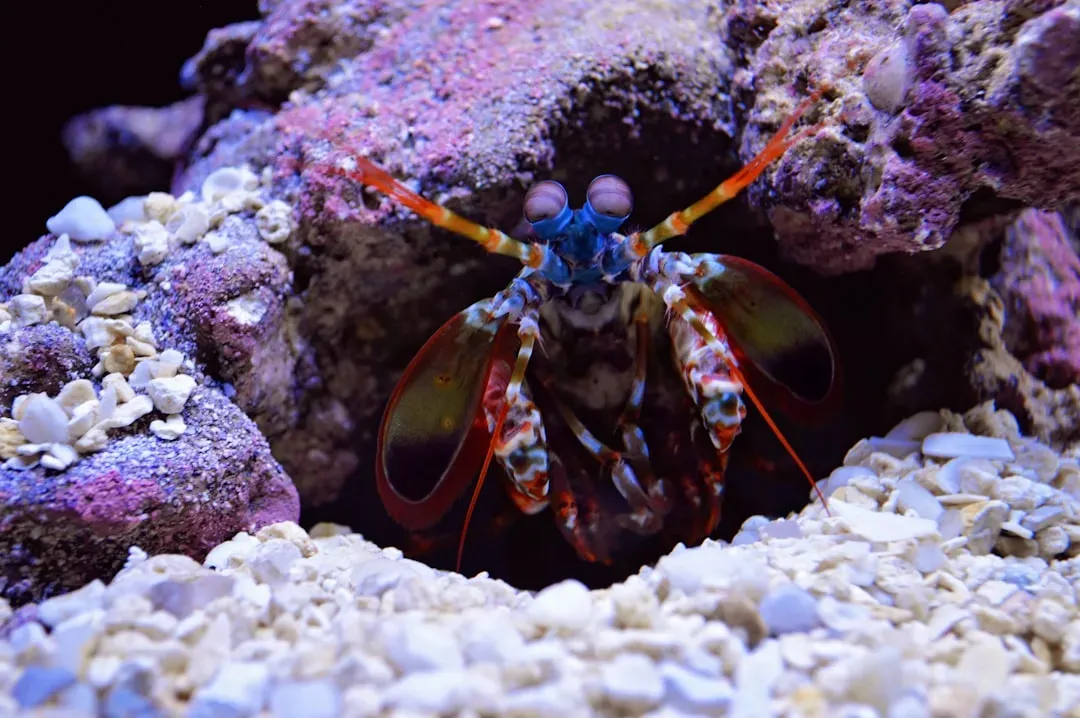
The mantis shrimp’s punch has the same acceleration as a 22-caliber bullet, delivering a blow of 15,000 newtons, enough force to shatter aquarium glass. This marine crustacean strikes with such ferocity that it creates something extraordinary in the water around it.
The mantis shrimp’s punch happens in less than 80 microseconds, which is roughly fifty times faster than you can blink. Think about that for a moment. By the time your brain registers danger, this creature has already executed its assault.
Here’s where things get wild. The punch doesn’t just hit once. The shrimp’s claw strikes first, then a shockwave caused by the rapid strike hits prey, releasing incredible amounts of energy when an air bubble implodes in a phenomenon called cavitation.
Their protruding eyes operate independently of each other, and mantis shrimps have between 12 and 16 color-receptive cones compared to our measly three. Honestly, this makes their visual world completely alien to us.
The mantis shrimp has an impact-resistant nanoparticle coating that allows it to punch with reckless abandon, protecting its weapon from self-destruction. Nature engineered a tiny boxer with ceramic armor and superhuman vision.
What would you even do with sixteen color receptors? The ocean these creatures inhabit must look like a kaleidoscope we could never imagine.
The Tardigrade’s Indestructibility
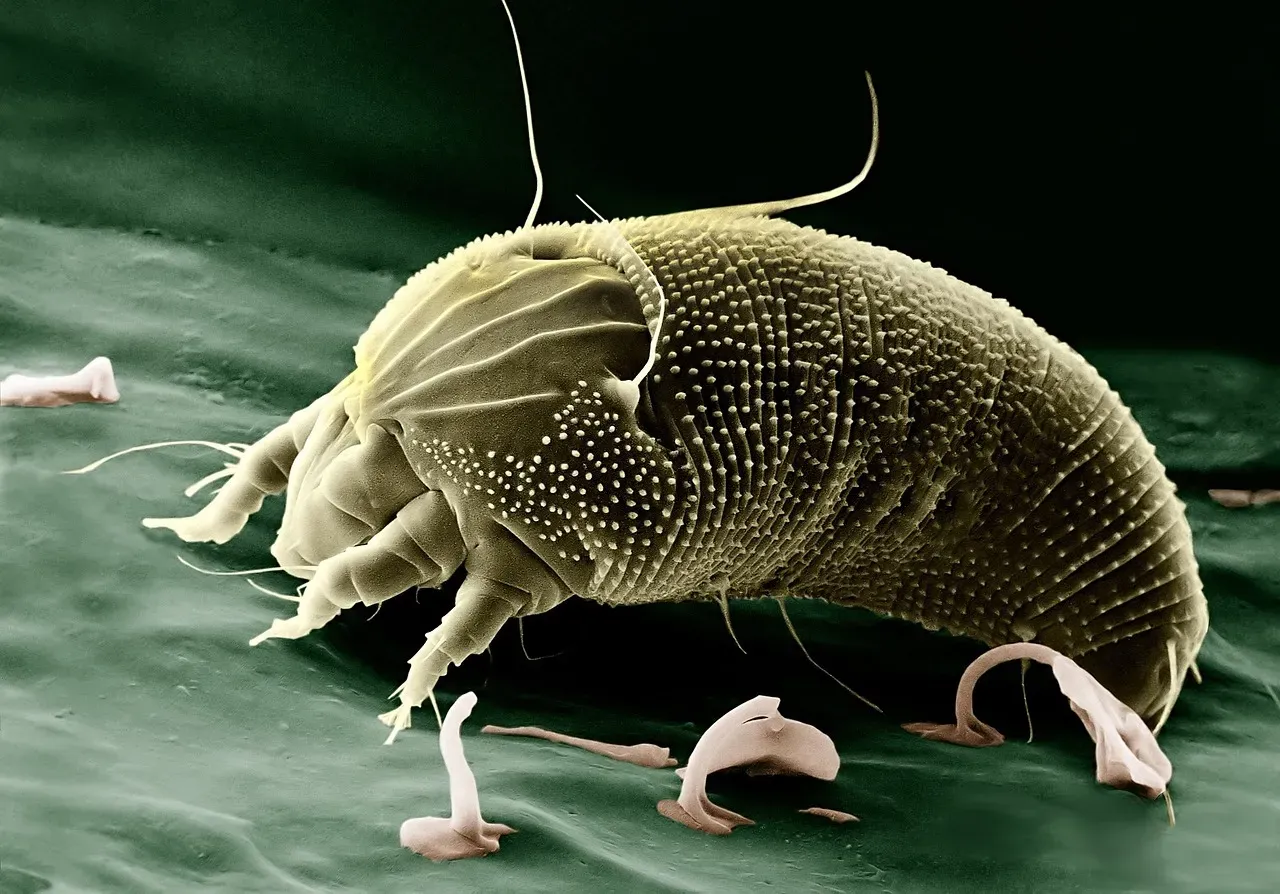
Tardigrades can survive being completely dried out, being frozen to just above absolute zero (about minus 458 degrees Fahrenheit), heated to more than 300 degrees Fahrenheit, irradiated several thousand times beyond what a human could withstand, and even the vacuum of outer space. These microscopic water bears are basically invincible.
Tardigrades are able to remain in a tun state for decades, and live tardigrades were successfully regenerated from dried moss kept in a museum for over 100 years. Imagine being dormant for a century and then just waking up like nothing happened.
The secret lies in their cellular machinery. Tardigrade DNA is protected from radiation by the Dsup protein, which binds to nucleosomes and protects chromosomal DNA from hydroxyl radicals. This is their built-in shield against genetic damage.
Tardigrades achieve cryptobiosis by drying down to 2 per cent of their normal water content, essentially putting life on pause. It’s like they’ve discovered the ultimate survival mode.
Tardigrades have survived exposure to outer space, and there are even some chilling around on the Moon right now after a lunar lander crashed in 2019. These creatures could theoretically outlive our entire civilization.
Scientists are studying these resilient beings to unlock medical breakthroughs. I know it sounds crazy, but tiny moss-dwelling creatures might hold the key to preserving human organs or protecting astronauts from cosmic radiation.
The Electric Eel’s Living Battery
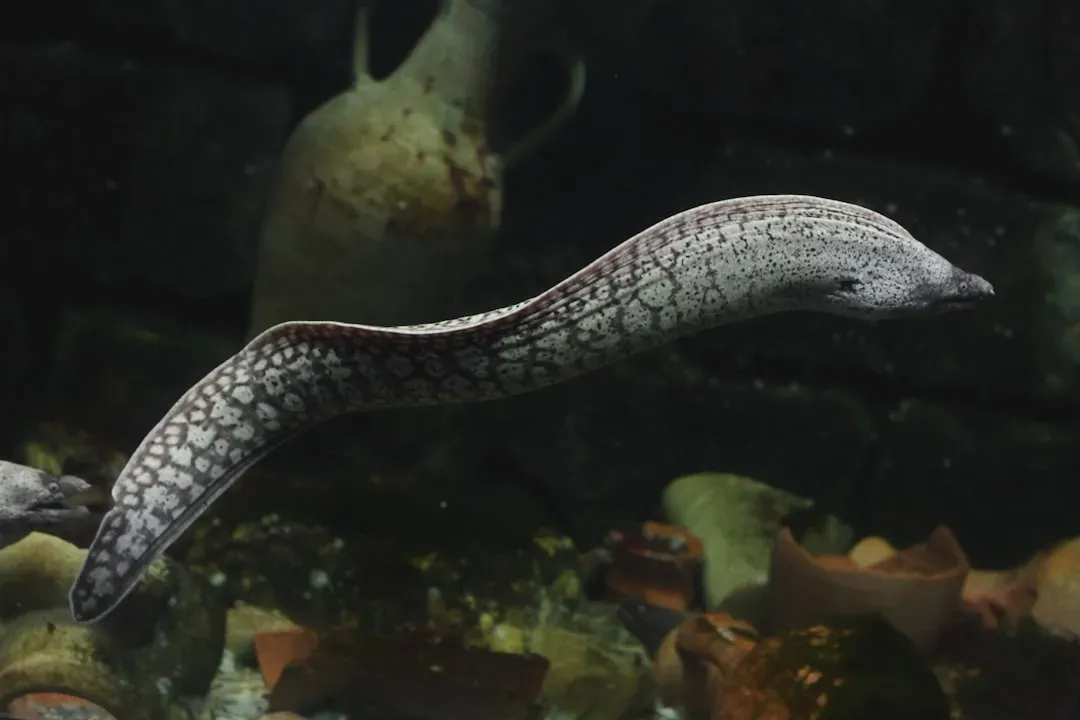
Electric eels are known for their ability to stun their prey by generating electricity, delivering shocks at up to 860 volts. That’s significantly more powerful than your household electrical outlet.
Electrophorus varii can generate up to 860 volts of electricity, nearly four times the voltage of a standard UK plug socket. Yet the creature itself remains unharmed by its own electrical arsenal.
The electric organs are made up of a large number of electric disks (as many as 200,000 in one tail) piled in vertical or horizontal rows, and the organ has 5,000 to 6,000 electroplaques arranged in series. It’s essentially a biological battery pack taking up most of the animal’s body.
The eel doesn’t just zap things randomly. When hunting, eels emit low-voltage electric waves to navigate and locate their prey, with higher voltage starting around 400 Hz used to attack. They’re using electricity like we use flashlights and weapons combined.
Electric eels can leap out of the water and attach the most positively charged part of their body to the predator, with their negative pole still in the water, creating a powerful closed electrical circuit that prevents electrical charge dispersing. The result is a concentrated shock that’s absolutely devastating.
Let’s be real, if you encountered one of these in the wild, you’d want to keep your distance. Though attacks on humans are rare, they’re powerful enough to cause serious harm.
The Axolotl’s Limb Regeneration Factory
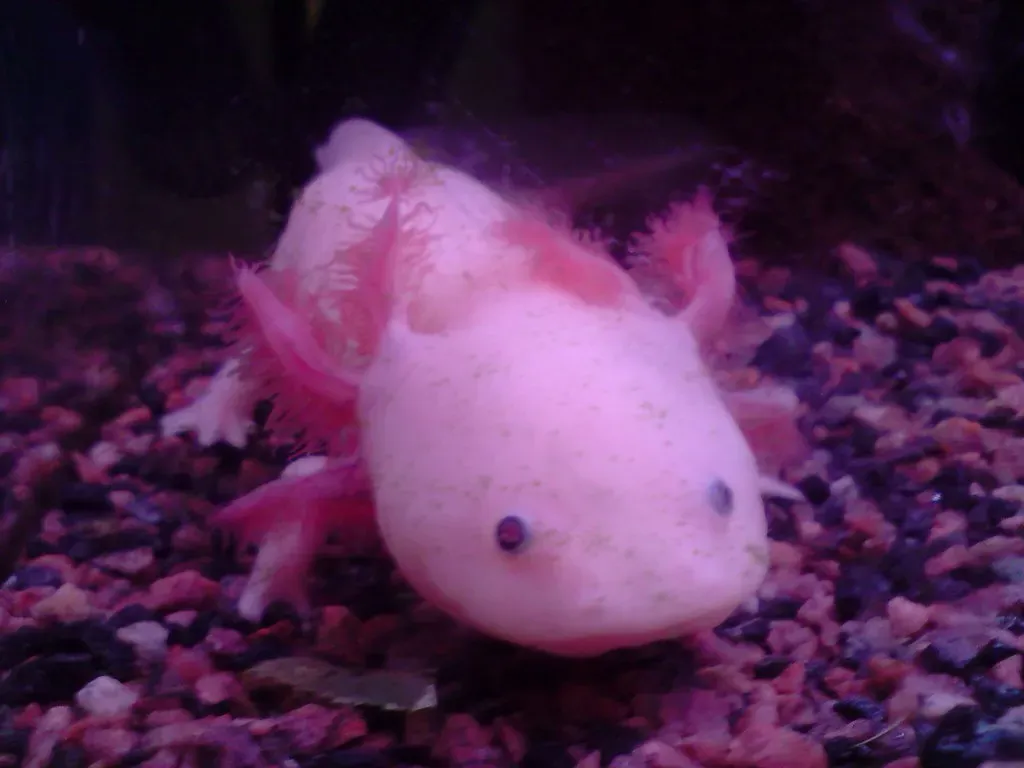
The axolotl’s superpower is complete limb regeneration, a feat unmatched by almost any other vertebrate. Lose a leg? Just grow another one, complete with bones, muscles, and nerves.
When it loses a leg or tail, the wound doesn’t scar, instead cells at the site revert to a stem-like state forming a blastema, and within a few weeks a fully functional limb re-emerges. This is regeneration on a level we can barely comprehend.
Scientists recently cracked part of the code. Axolotls have a gradient of retinoic acid signaling, with more retinoic acid in their shoulders and less in their hands, and the retinoic acid acts as a cue to regenerative cells telling them what to grow back. It’s like a molecular GPS system for body parts.
Axolotls can regenerate up to five times on the same limb without losing fidelity. That’s not just healing, that’s biological wizardry.
Here’s the thing that gets me excited. Humans carry a similar genetic toolkit, but their regulation and activity are vastly different, and while axolotls can reactivate these genes for full regeneration throughout their lives, humans likely express them only during embryonic development.
The potential medical applications are staggering. Imagine treatments that could help accident victims or soldiers regrow lost limbs instead of relying on prosthetics.
The Peregrine Falcon’s Terminal Velocity Dive
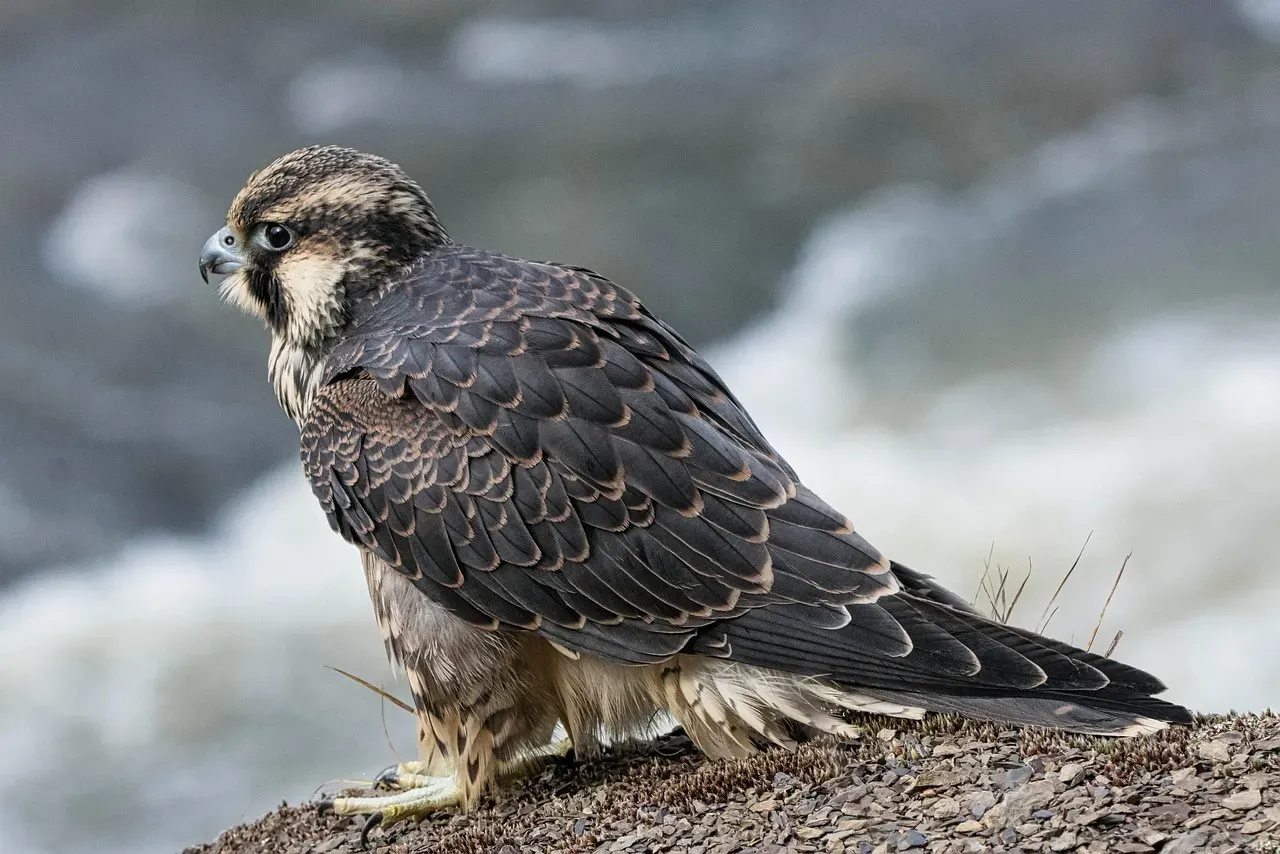
When in pursuit of prey, the peregrine falcon dives at speeds over 240 miles per hour, faster than any other animal on the planet. That’s faster than most Formula One race cars achieve on straightaways.
Peregrine falcons have been clocked at 242 mph, and diving toward prey, they tuck their wings into their bodies, creating an aerodynamic teardrop shape perfect for quickly striking unassuming birds and small mammals. Precision meets raw speed.
Its specialized wings, aerodynamic shape, and nictitating membrane (a transparent eyelid) allow it to remain focused even at such extreme velocities. Without these adaptations, the forces involved would blind or tear the bird apart.
Every dive is calculated. They possess a specialized respiratory system that enables them to breathe at these high velocities, solving a problem that would leave most creatures gasping for air.
Every dive is a calculated strike, blending precision, speed, and lethal grace. The falcon doesn’t just fall, it weaponizes gravity itself.
Watching footage of these birds hunt is breathtaking. They’re living missiles with feathers, executing aerial combat maneuvers that would put fighter pilots to shame.
The Naked Mole Rat’s Cancer Immunity
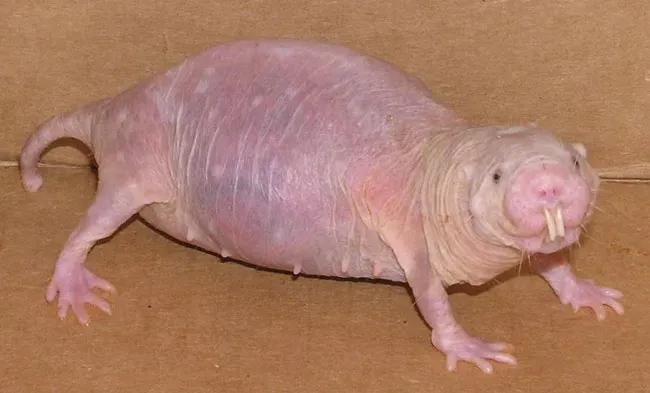
The naked mole rat seems to be immune to cancer, and they have a peculiarly heavy form of the substance hyaluronon between tissues that seems to impede the creation of tumors, and they seem to build proteins spectacularly well. These bizarre rodents almost never develop cancer.
Naked mole rats live for over 30 years, roughly ten times longer than similar-sized rodents. In the rodent world, they’re practically immortal.
Here’s where it gets interesting. The naked mole rat’s superpower is its ability to survive without oxygen, a trait unheard of in mammals. When oxygen levels drop dangerously low, they switch to a completely different metabolic pathway.
This allows vital organs like the brain and heart to function even when air runs out. They essentially become living contradictions to everything we thought we knew about mammalian biology.
Scientists are scrambling to understand these creatures. Their superpower makes them a boon to scientists desperate to know more about cancer and how it affects humans.
What if we could translate even a fraction of their resistance into human medicine? The implications for cancer treatment alone would be revolutionary.
The Immortal Jellyfish’s Age Reversal
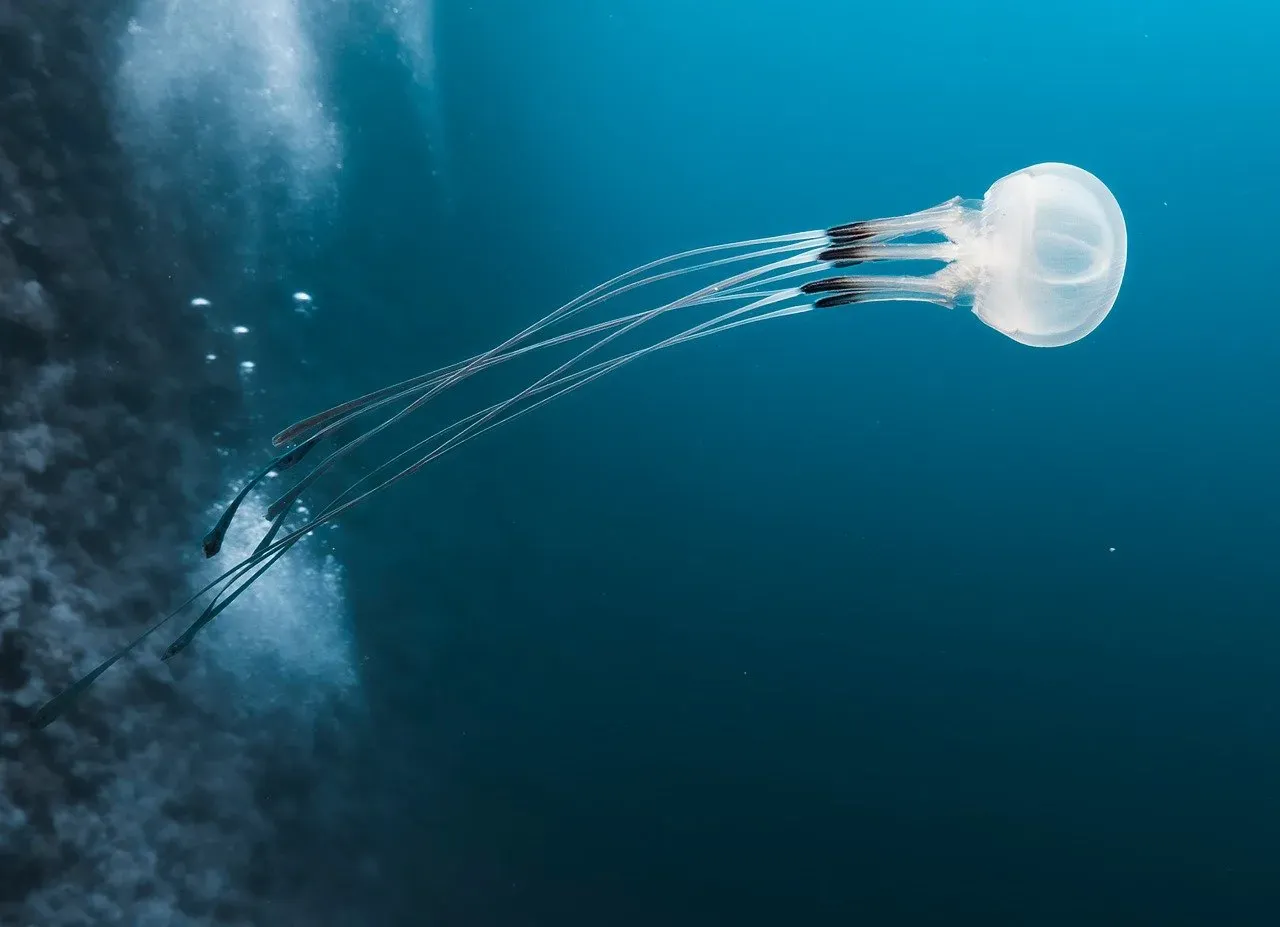
Turritopsis dohrnii, the so-called immortal jellyfish, can revert its cells to their earliest form through transdifferentiation, essentially resetting its life cycle, and in theory it could live forever. Death from old age simply doesn’t apply.
This tiny creature challenges everything we understand about mortality. The immortal jellyfish challenges our understanding of life and death, hinting that aging might not be as irreversible as we once thought, and it is a living paradox embodying the dream of eternal youth.
Imagine hitting the reset button on your entire life. That’s essentially what this jellyfish does when threatened or injured. Cells that were specialized for one function suddenly remember how to become any cell type again.
It’s hard to say for sure, but this ability might hold clues for human aging research. The biological mechanisms at play could inform treatments for degenerative diseases.
The jellyfish doesn’t grant itself actual immortality though. It can still be eaten by predators or succumb to disease. Still, the potential to theoretically live forever by reversing the aging process is mind-bending.
Did you ever think a creature smaller than your fingernail could rewrite the rules of life and death?
The Platypus’s Electric Sixth Sense
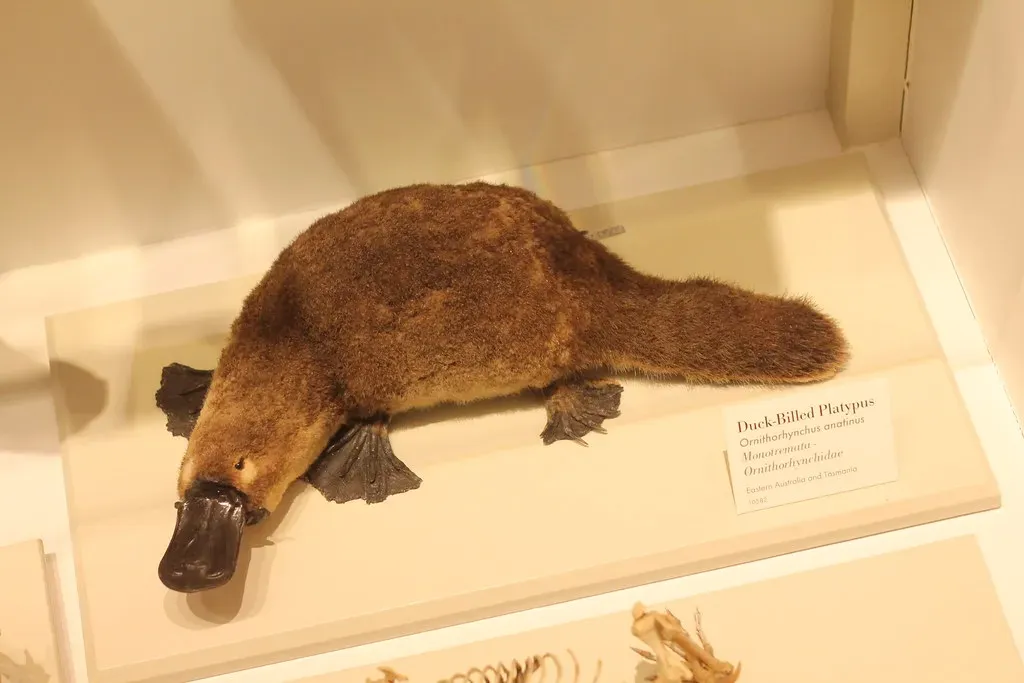
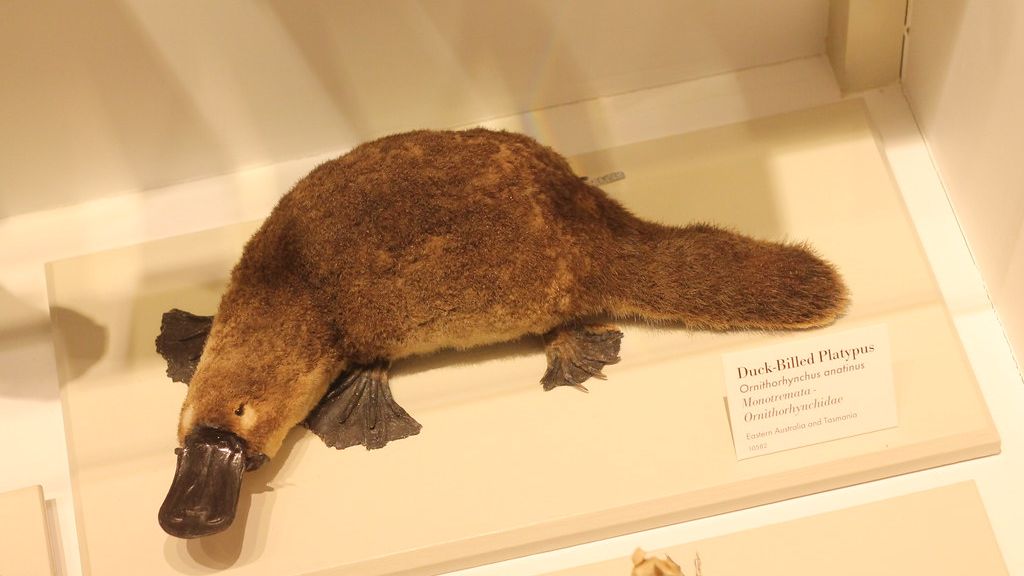
One of the platypus’s strangest powers is electroreception, and sensors in its duck-like bill detect the faint electrical signals generated by prey. This Australian oddity hunts using a sense we don’t even possess.
This allows the platypus to hunt effectively even with its eyes, ears, and nose sealed underwater, and in murky Australian rivers it “feels” electricity like a sixth sense. Vision becomes optional when you can sense bioelectricity.
The platypus is already weird looking. Part mammal, part something else entirely, it lays eggs despite being a mammal and the males carry venom. Electroreception is just another item on their list of biological impossibilities.
Think about navigating a pitch-black river by sensing the tiny electrical impulses produced by muscle contractions in hiding prey. That’s the platypus’s reality every night.
Evolution turned this creature into a living anomaly. It defies easy categorization and possesses abilities that seem borrowed from completely different branches of the animal kingdom.
Honestly, if someone described a platypus to you without showing you a picture, you’d think they were making it up.
The Chameleon’s Independent Eye Movement
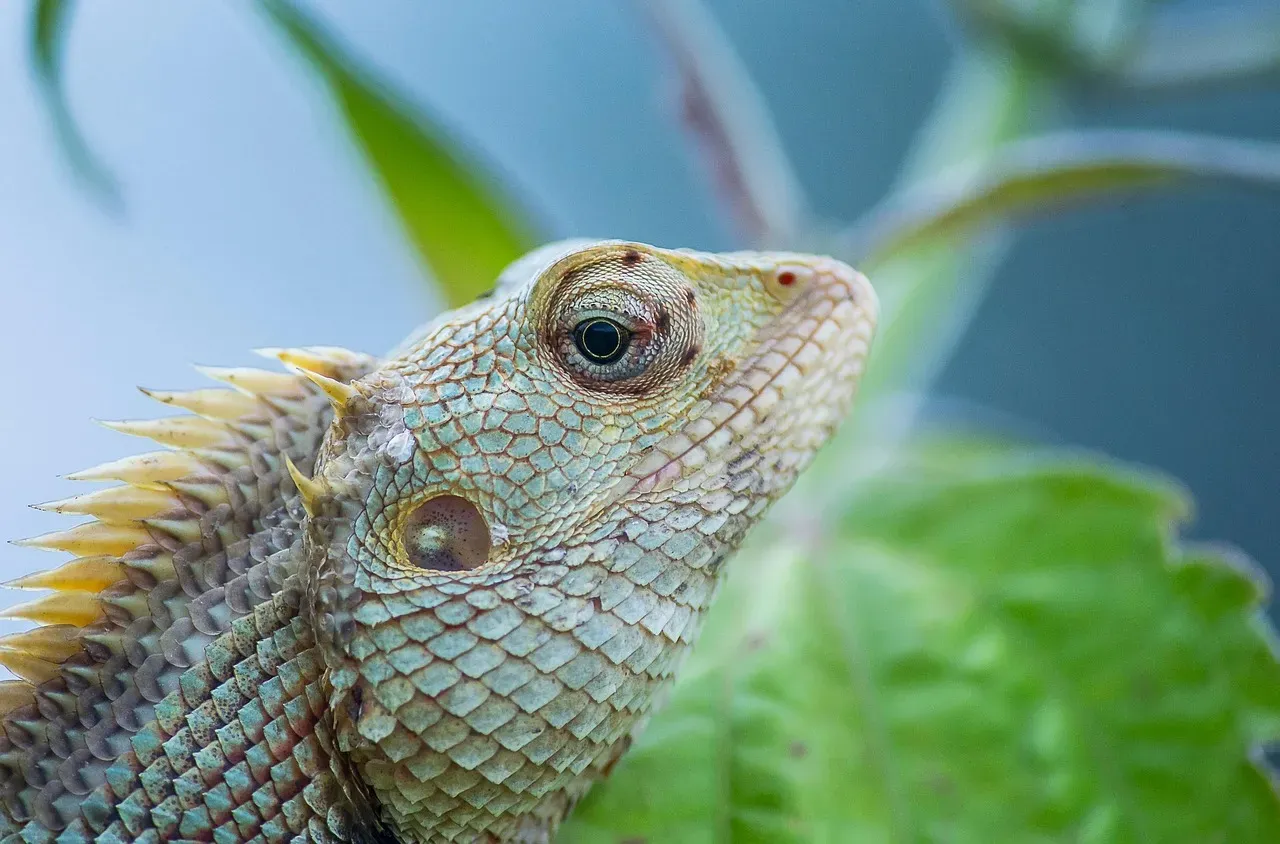
A chameleon’s eyes protrude from the side of its head and can move independently of each other, affording the animal almost panoramic vision and the ability to keep an object firmly in view with one eye while scanning the surrounding area with the other. It’s like having two separate security cameras on your head.
The chameleon’s ability to change color is legendary, but it’s more than camouflage, as mood, temperature, and social interactions influence the pigments in its skin. Color-changing is actually communication, not just hiding.
A chameleon’s other useful attribute is to have each eye focusing independently, and that focusing is extremely precise and rapid. While one eye tracks a potential meal, the other watches for predators.
Imagine driving a car while simultaneously reading a book. That’s the level of multitasking a chameleon’s brain handles constantly. Your brain would probably melt trying to process two completely different visual fields at once.
The combination of color manipulation and independent eye control makes them formidable hunters. Nothing sneaks up on a chameleon, and nothing escapes its notice either.
These reptiles turn surveillance into an art form. You’d never win a staring contest with a creature that doesn’t need to look at you to see you.
The Archerfish’s Precision Water Cannon
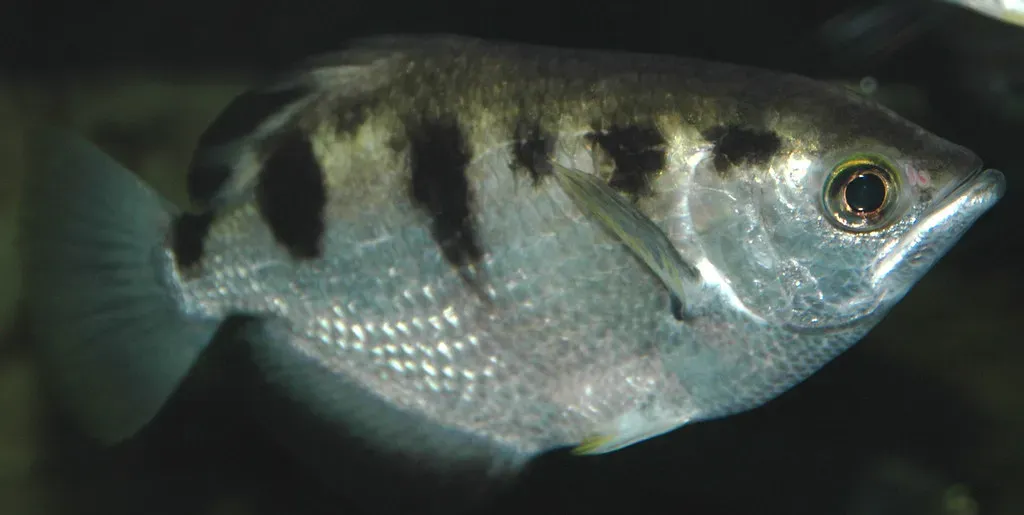
What’s remarkable is that archerfish ability is learned, not instinctive, as young archerfish practice until their aim is perfect, demonstrating a level of learning and precision rare in the aquatic world. They’re basically underwater snipers that train themselves.
These fish shoot down insects resting on vegetation above the water’s surface. An archerfish can target and hunt an enemy with serious precision, and while Marvel’s Cyclops shoots optic blasts from his eyes, an archerfish has a finely aimed stream of spit-out water that can take down villains.
It’s one thing to have an ability from birth. It’s another to develop and refine a skill through practice. The archerfish demonstrates problem-solving and improvement over time.
The physics involved are complex. The fish must account for light refraction at the water’s surface, distance, and the trajectory needed to hit a moving target. They’re doing calculus without knowing what calculus is.
Picture spending your entire childhood learning to spit with military-grade accuracy. That’s the archerfish’s life, perfecting a technique that requires understanding angles and forces that most animals never consider.
Who would have guessed that fish could be marksmen? Nature keeps finding new ways to surprise us with solutions we’d never have imagined.
Conclusion
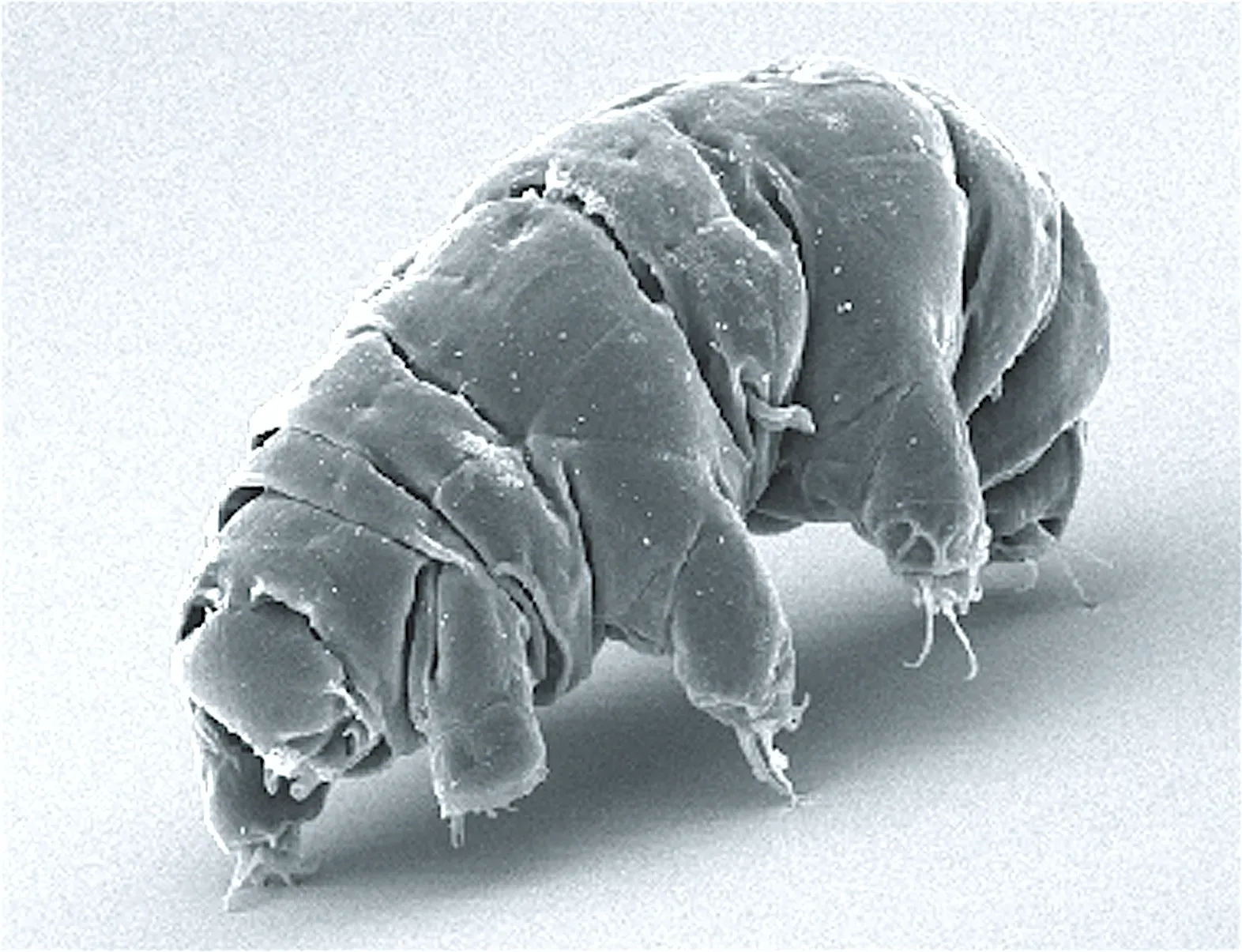
From microscopic tardigrades surviving the vacuum of space to mantis shrimp throwing punches faster than bullets, the natural world is overflowing with abilities that stretch our understanding of what’s biologically possible. These creatures aren’t breaking the laws of physics, they’re exploiting them in ways evolution crafted over millions of years.
Science continues unraveling these mysteries, discovering molecular mechanisms and genetic circuits that enable these extraordinary feats. Maybe one day we’ll unlock similar abilities in ourselves, regrowing lost limbs like axolotls or developing cancer resistance like naked mole rats.
Until then, these animals remind us that reality is far stranger and more wonderful than any fiction we could invent. The next time you see moss growing on a sidewalk, remember there might be indestructible tardigrades living in there, quietly outlasting everything around them.
What other hidden superpowers are waiting to be discovered in creatures we haven’t even studied yet?
