
You love your furry companion, and your home feels like the safest place on earth for them. Yet hidden dangers lurk in the most unexpected corners of your living space. That innocent bottle of pain reliever on your nightstand or those beautiful flowers in the vase could spell disaster for your curious cat or adventurous dog.
Let’s be real, our pets are basically toddlers with fur. They investigate everything with their mouths, noses, and paws. It’s adorable until it becomes a medical emergency. Understanding which everyday items pose serious threats can mean the difference between a normal Tuesday and a frantic rush to the emergency vet.
Human Medications and Pain Relievers
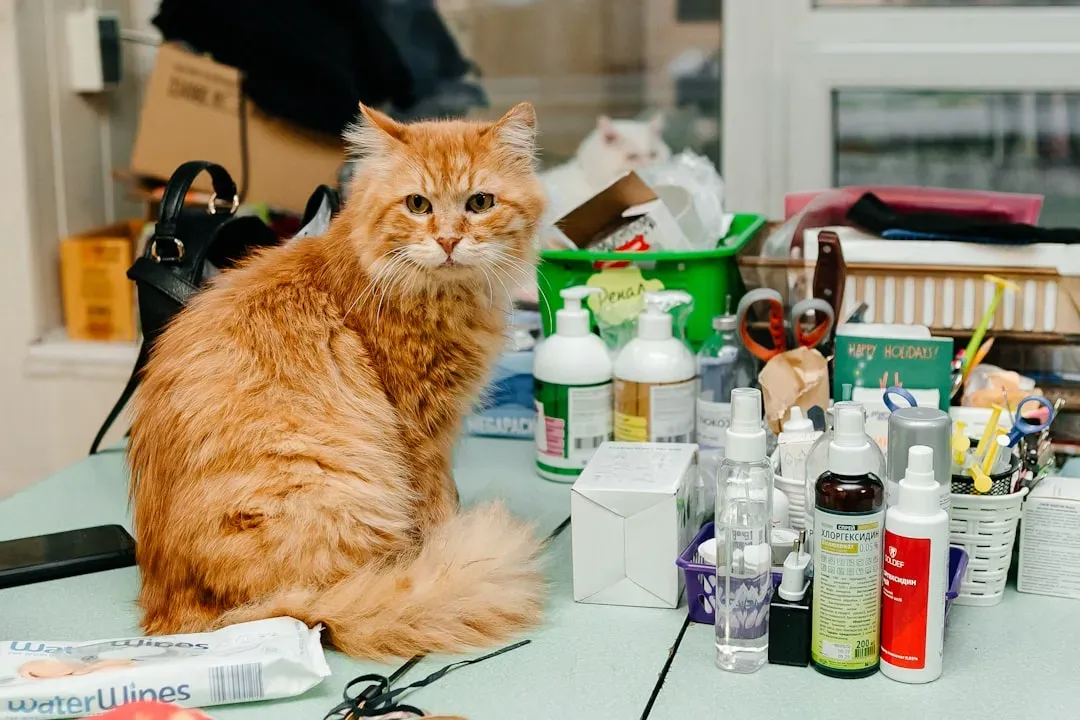
OTC medications harm more pets than any other household item. Those pills you casually leave on the counter could be lethal to your pet. Aspirin, ibuprofen and acetaminophen can cause liver damage. Honestly, it’s frightening how something we use routinely can devastate an animal’s body in minutes.
Cats are the most significantly affected and can have severe changes to the red blood cells that can result in brown or blue gums, plus cats can also have severe facial and paw swelling due to acetaminophen ingestion. The difference between a safe dose for you and a deadly one for your pet is staggering. Dogs might sniff out that dropped pill under the couch, while cats knock bottles off bathroom shelves during their midnight parkour sessions.
Chocolate and Foods Containing Xylitol
Chocolate contains a compound called theobromine, which is poisonous to dogs and cats, and the higher the percentage of cacao, the more dangerous it is for pets. That fancy dark chocolate you’re saving for later? Your dog would need immediate veterinary attention if they ate even a small piece. Baker’s chocolate and cocoa powder are especially risky.
Then there’s xylitol, that sneaky artificial sweetener hiding in sugar-free gum, candy, and even some peanut butter brands. Xylitol can be highly toxic to dogs. It’s hard to say for sure, but many pet owners have no idea this ingredient is lurking in products they might share with their pets. Always check labels before giving your dog that spoonful of peanut butter.
Certain Houseplants and Flowers

Certain lilies are highly toxic to cats, resulting in kidney failure – even in only small amounts. This one gets me every time because lilies are so commonly given as gifts. Even a few pollen grains can cause fatal kidney failure in cats. Just brushing past the flower and licking their fur afterward can trigger a medical crisis.
Houseplants including philodendron, sago palm, chrysanthemum, and snake plants are poisonous to dogs and cats. Sago palms can cause severe intestinal problems, seizures, and liver damage, especially if the nut or seed portion of the plant is swallowed. That trendy indoor garden aesthetic might be Instagram-worthy, yet it could be a silent threat to your pet’s health.
Household Cleaning Products
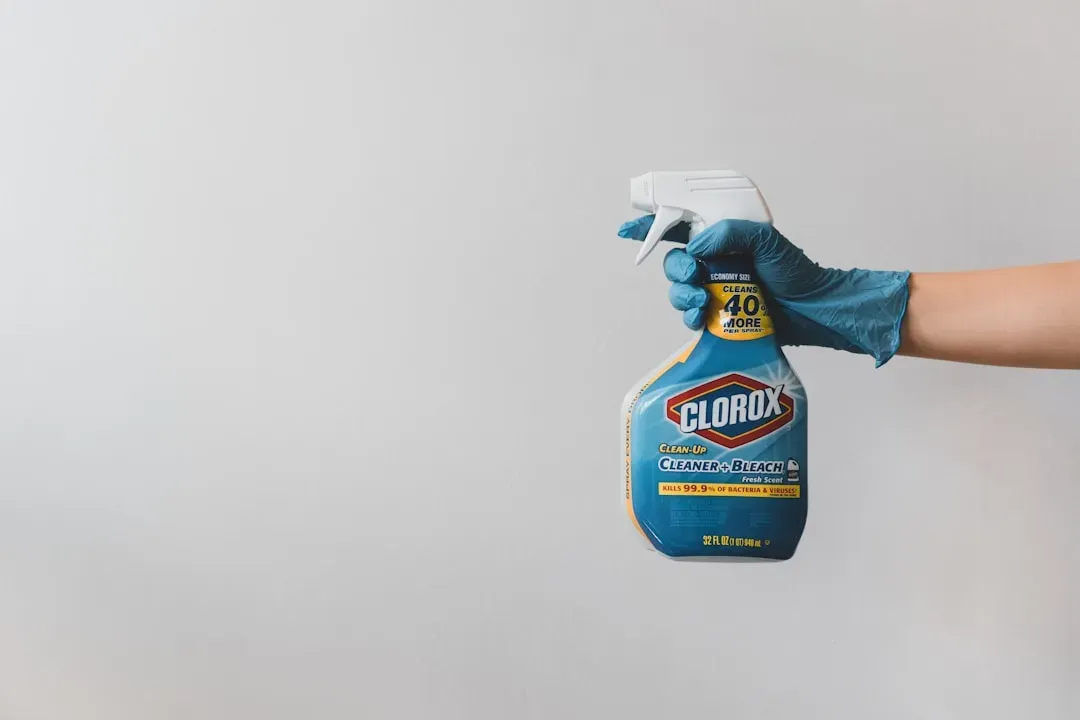
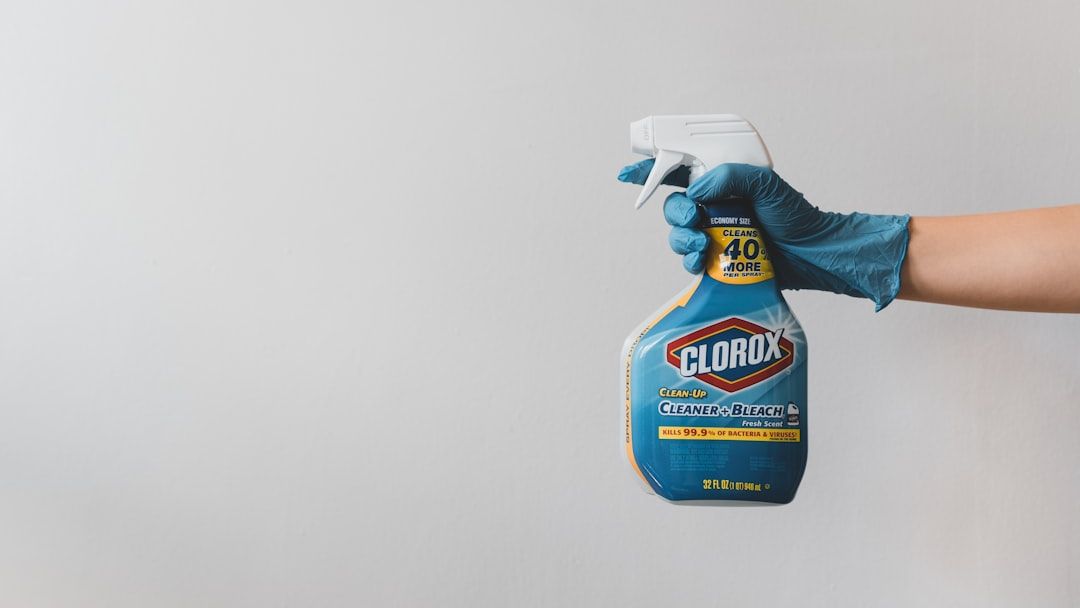
Bleach, ammonia, and disinfectants can cause chemical burns or poisoning if ingested. Picture this: you’re mopping the floor, and your dog walks through the freshly cleaned area, then licks their paws. Concentrated solutions can produce serious chemical burns if they come in contact with pets’ skin.
Cats can be particularly sensitive to certain ingredients such as phenols. These chemicals appear in many common household disinfectants and floor cleaners. Even products labeled as natural or eco-friendly aren’t always pet-safe. Storing these items in locked cabinets seems excessive until you realize how easily pets can access lower shelves or knock things over during their daily adventures.
Rodenticides and Pest Control Products

Rat and mouse baits are designed to kill rodents through uncontrollable bleeding, brain swelling, or sudden kidney failure, and these poisonous products affect all mammals, including pets, the same way. Here’s the thing: manufacturers specifically make these products smell and taste appealing to attract rodents. Dogs mistake it for food or treats and consume large quantities.
By the time illness signs are visible, which may be hours or days, their injuries are often irreversible and their prognosis is poor. Cats and dogs can also experience secondary toxicity if they consume a poisoned rat or mouse. So even if your pet never touches the bait directly, catching and eating an affected rodent can still poison them.
Antifreeze and Automotive Products
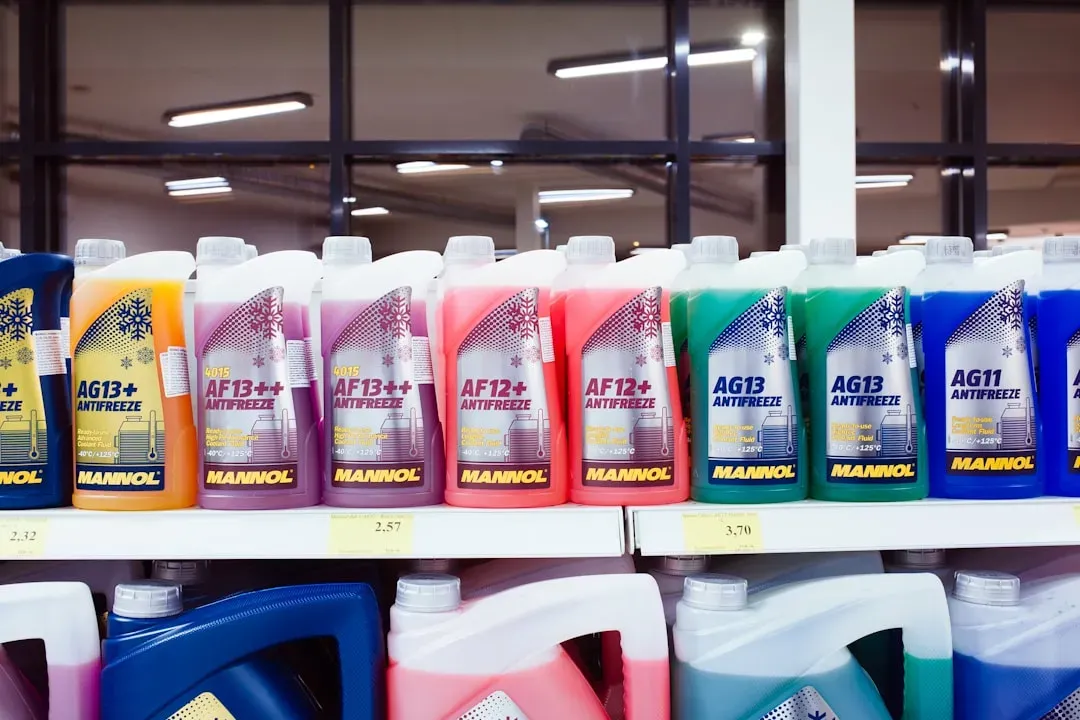
Ethylene glycol, the active ingredient in most antifreeze products, is one of the most potent pet toxins, with as little as one teaspoon in cats and one to two tablespoons in dogs enough to cause irreversible kidney damage. The worst part? Antifreeze tastes sweet to animals, making it particularly attractive. Pets will actively seek it out if there’s a leak in your garage or driveway.
Pet antifreeze poisoning is also extremely rapid, and treatment must be administered within eight to twelve hours for dogs and three hours for cats, because once kidney damage begins, poisoning is often fatal. That tiny puddle under your car isn’t just an eyesore. It’s a ticking time bomb. Even a few licks could be catastrophic if not treated immediately.
Batteries and Linear Objects
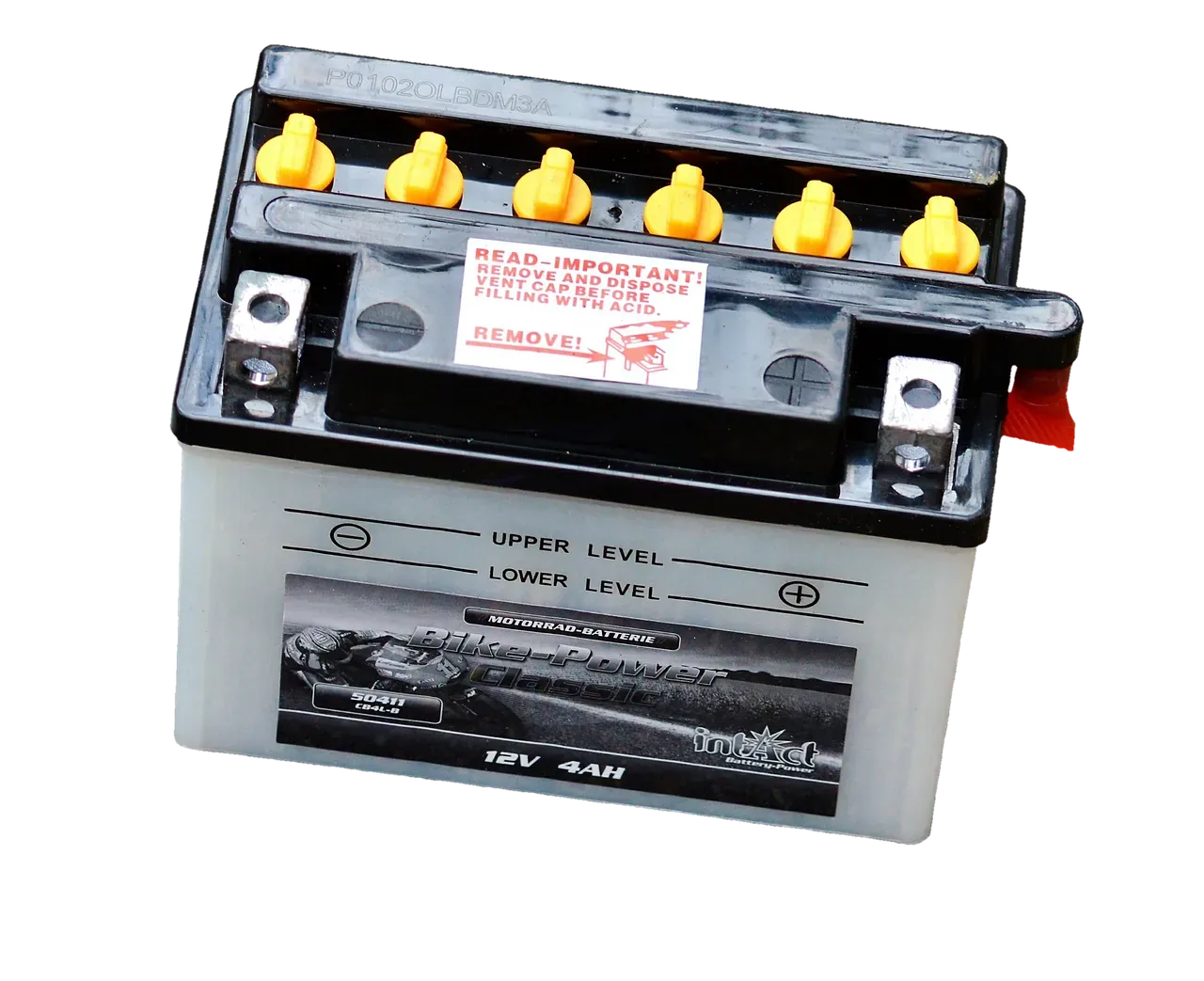
Batteries aren’t only a choking hazard, but also contain harmful chemicals, and these highly corrosive acidic or alkaline chemicals leak out when pets bite or chew on batteries. Remote controls, children’s toys, hearing aids – batteries are everywhere. Pets can suffer from painful tissue damage in the oral cavity or anywhere along the digestive tract, including the esophagus, stomach, or intestines.
Long or linear items, such as string, ribbon, or dental floss, look innocent enough, but once ingested, these everyday items can have catastrophic consequences. If the linear item reaches your pet’s small or large intestines, it can get caught up in the organ’s natural contractions, and the intestine will fold like an accordion, which is known as a linear foreign body and can compromise intestinal blood flow, leading to tissue death. That ribbon from your gift wrapping or the dental floss in your bathroom trash can become a surgical emergency.
Conclusion

Our homes are filled with items we use daily without a second thought, yet to our pets, these same objects can be deadly. The key is awareness and prevention. Store medications in secure cabinets, research plants before bringing them home, keep cleaning supplies locked away, and never underestimate your pet’s ability to access something they shouldn’t.
Think of pet-proofing like insurance for your peace of mind. The few extra minutes spent securing hazardous items can save your pet’s life and spare you the heartbreak of an avoidable emergency. If you suspect your pet has ingested something toxic, don’t wait for symptoms to appear – contact your veterinarian or a pet poison control center immediately.
What everyday item in your home surprised you the most? Have you made any changes to keep your furry friend safer?
