
Does your furry friend turn into a miniature tornado the moment you reach for your keys? You’re not alone. While every dog forms special bonds with their humans, certain breeds take this attachment to extraordinary levels. These devoted companions seem to have an internal radar that activates whenever separation looms.
The emotional cost of separation runs deeper than destroyed furniture or noise complaints. For these dogs, being left alone triggers genuine distress comparable to human anxiety attacks. Their world revolves around their family, making solitude feel like abandonment. So let’s dive into the fascinating world of breeds whose hearts are simply too big for solo living.
Cavalier King Charles Spaniel
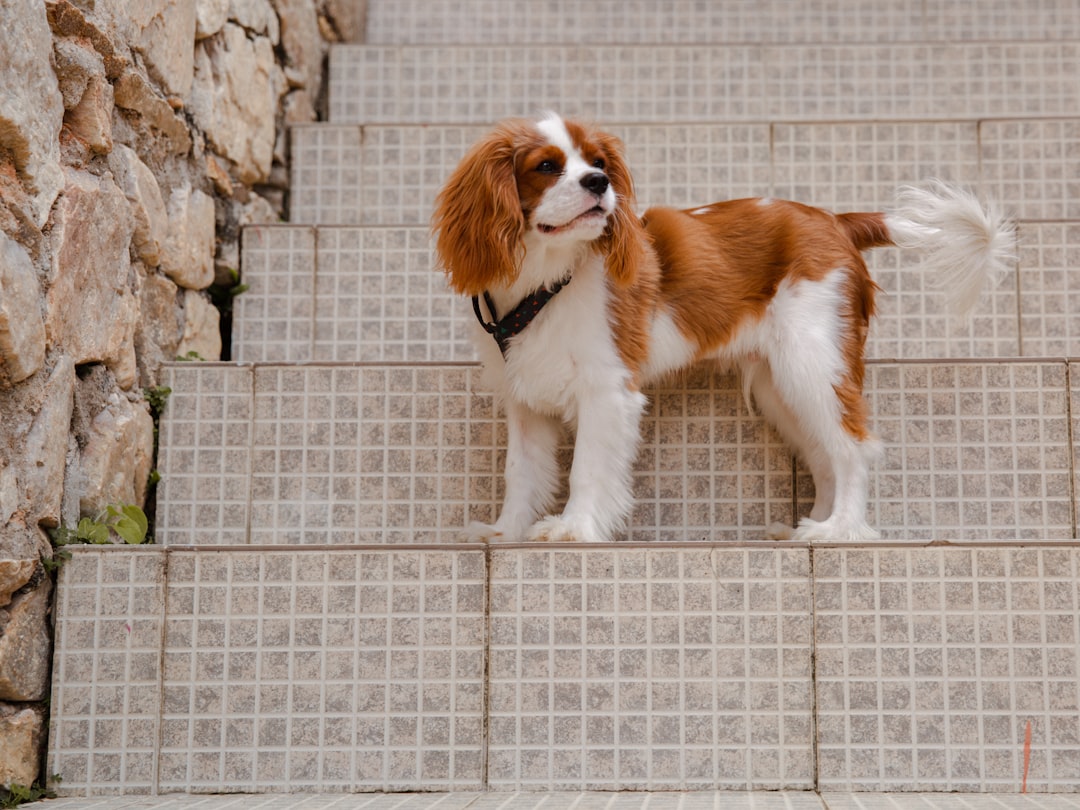
Bred to be a companion dog and spend most of its time with humans means that Cavvies typically don’t react well to being left alone for long periods. These gentle souls were literally designed for companionship, making them perhaps the most naturally dependent breed on our list.
The Cavalier King Charles is also one of the more naturally anxious breeds, so can be prone to barking and other nervous habits. Their sweet temperament comes with a price. When left alone, these dogs often resort to excessive vocalization or destructive behaviors as they attempt to cope with their overwhelming distress.
Labrador Retriever
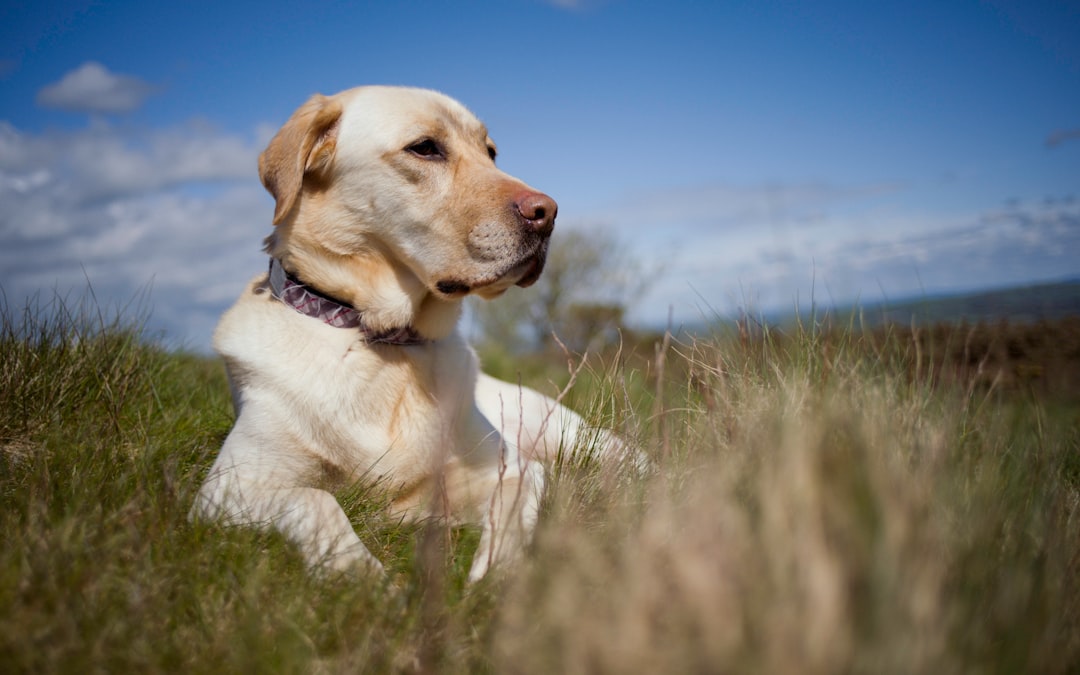
Labrador Retrievers are among the most popular dog breeds worldwide, known for their friendly, outgoing nature. However, their strong desire for human interaction can also make them prone to separation anxiety. Labradors form close bonds with their owners and enjoy being involved in family activities. These beloved family dogs simply can’t imagine life without their pack.
If left alone for long periods of time, or dropped off too regularly at the boarding house, labradors can really struggle with separation stress. Their sunny disposition requires constant human fuel to maintain that trademark cheerfulness. When that fuel runs dry, even the happiest Labs can spiral into destructive anxiety.
Border Collie
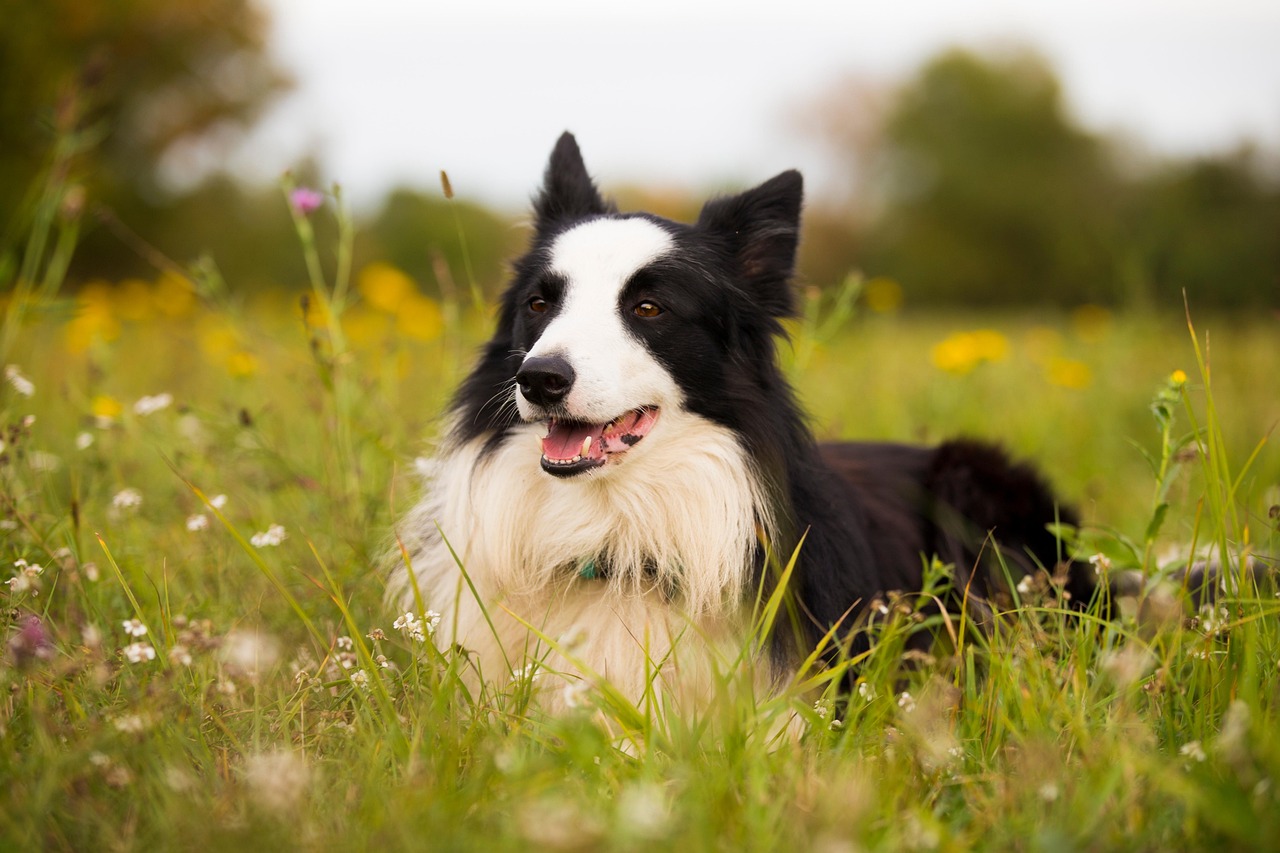
Border Collies are an extremely active breed of dog, who were bred for their herding abilities and their ability to assist on farms. They are highly intelligent and social as well, so they make a great dog for anyone with an active lifestyle who can meet their exercise and companionship needs. This intelligence becomes a curse when they’re left to their own devices for extended periods.
Border Collies will have a really hard time if they aren’t getting enough exercise, and lack of play can often result in destructive or problematic behavior in these dogs. This high level of activity need can’t be met without intense social time with their owners, so they are also prone to separation stress and general high anxiety unless properly cared for. Their brilliant minds require constant stimulation, and without it, they create their own entertainment through destructive means.
Jack Russell Terrier
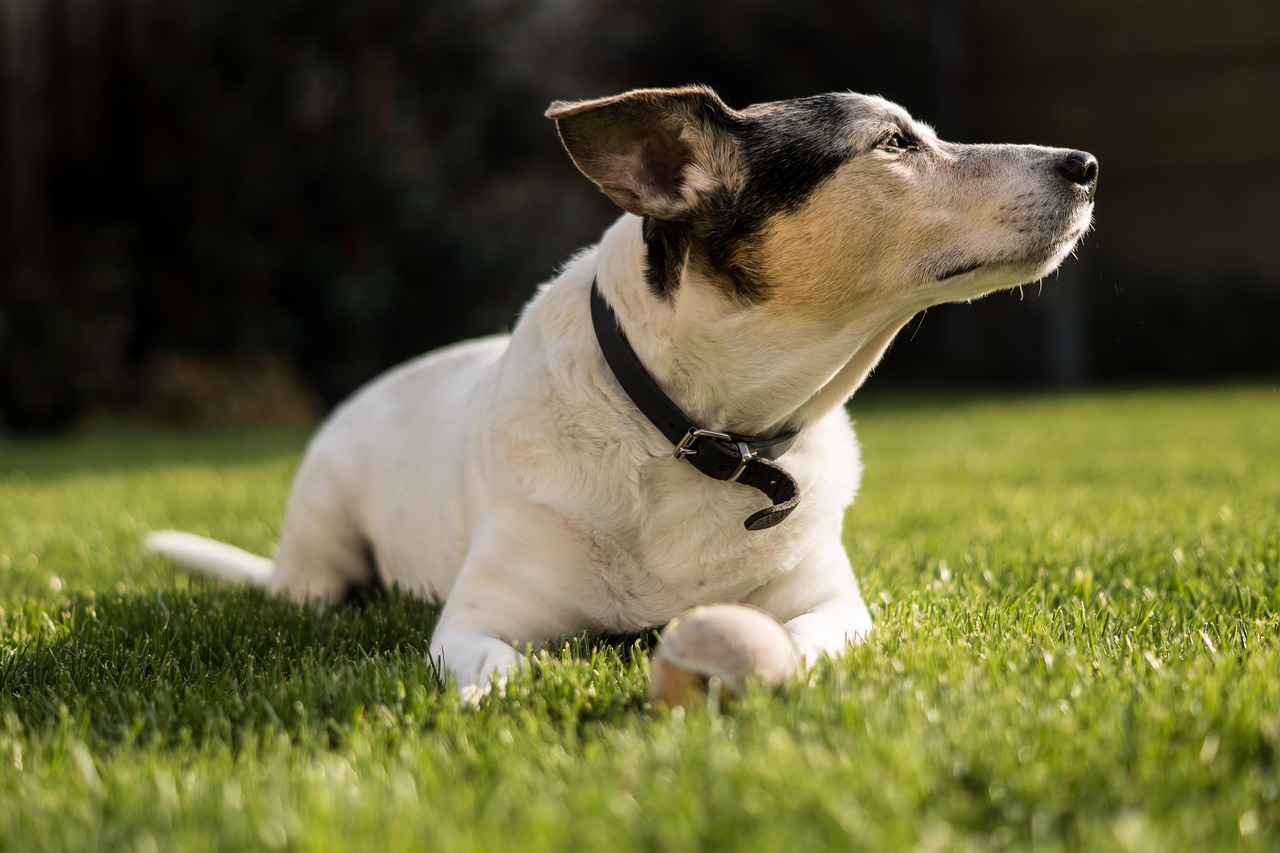
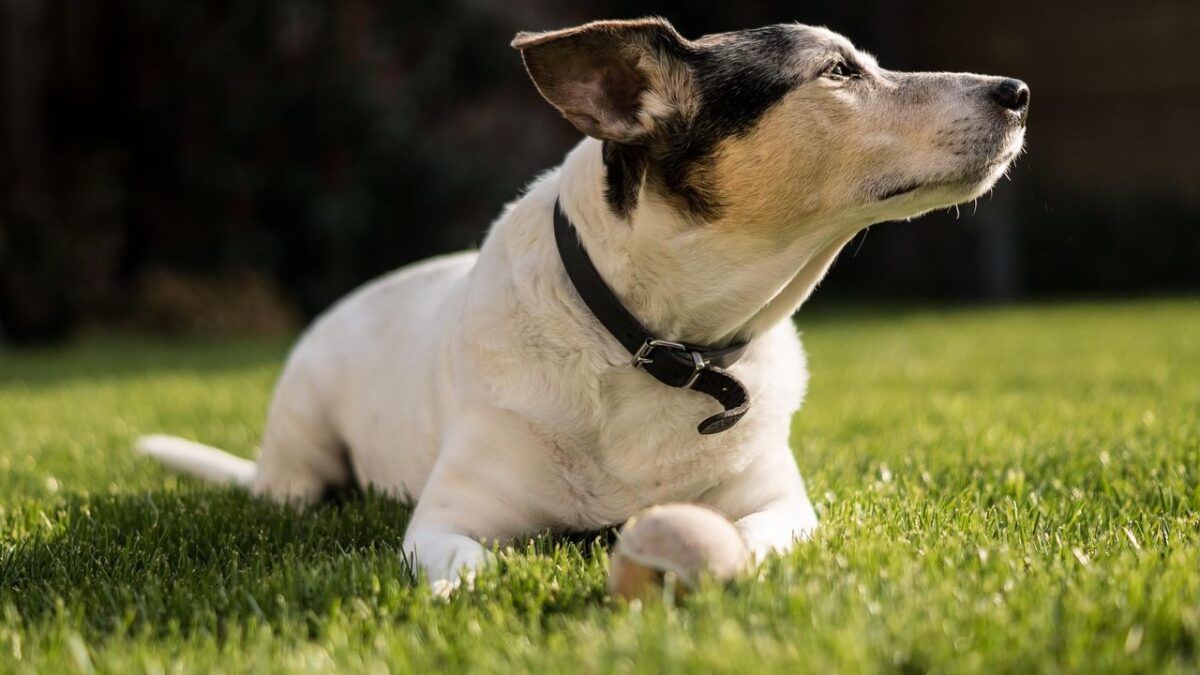
Jack Russell terriers aren’t big dogs, but they can leave mass destruction in their wake. Separation anxiety, common in the breed, results when your JRT becomes extremely upset when you leave him home alone. He relieves his tension via chewing or constant barking. These tiny dynamos pack enormous personality into small packages, along with equally enormous separation issues.
JRTs, bred to hunt vermin, are a bundle of energy and obsessiveness. Your dog needs lots of exercise to work off some of that energy. Bred as a working dog, he also needs a job or he’ll find one for himself. Without proper outlets, their natural tenacity transforms into destructive determination to reunite with their beloved humans.
German Shorthaired Pointer
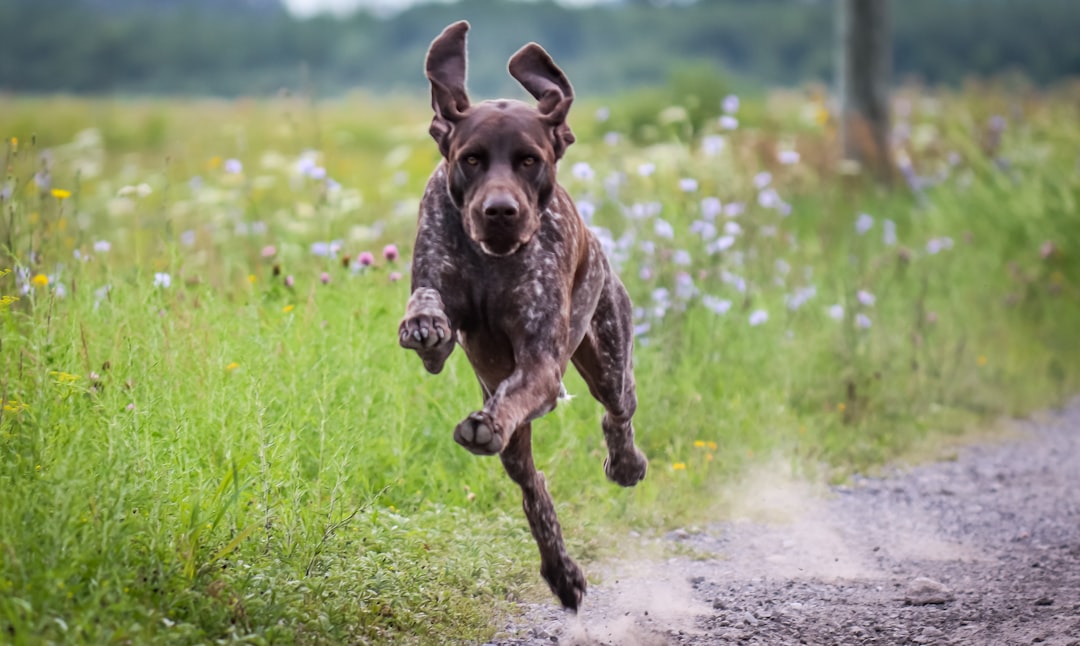
German Shorthaired Pointers are another popular dog breed that struggles with separation stress and general boredom when left alone. Like Jack Russell Terriers, these dogs were bred to hunt with their masters. Their hunting heritage created dogs who thrive on partnership and shared adventure.
Even if they aren’t actively hunting with their human family, they still crave that level of action and close companionship with their owners. When they are denied this time and attention, they tend to become depressed and stressed out, which results in problematic behaviors for these strong, active dogs. Their muscular builds and athletic abilities make their anxiety-driven destruction particularly dramatic and challenging for owners.
Vizsla

Perhaps a lesser known breed than others on this list, the Vizsla is another hunting dog breed from Hungary that many owners feel passionately about. Vizslas tend to be a high anxiety dog breed because they hate being away from their owners and appreciate a busy, full house. They are known as very affectionate and even great with children, so this breed is really perfect for an active family or a super active person with plenty of time to share with their pet.
Vizslas are athletic, intelligent dogs that thrive on human companionship. Originally bred as hunting dogs, they have a high energy level and a strong desire to be with their people. This breed can develop separation anxiety if left alone for too long, as they become bored and frustrated without adequate interaction. These Hungarian treasures form incredibly deep bonds that make separation genuinely painful for both dog and owner.
Cocker Spaniel
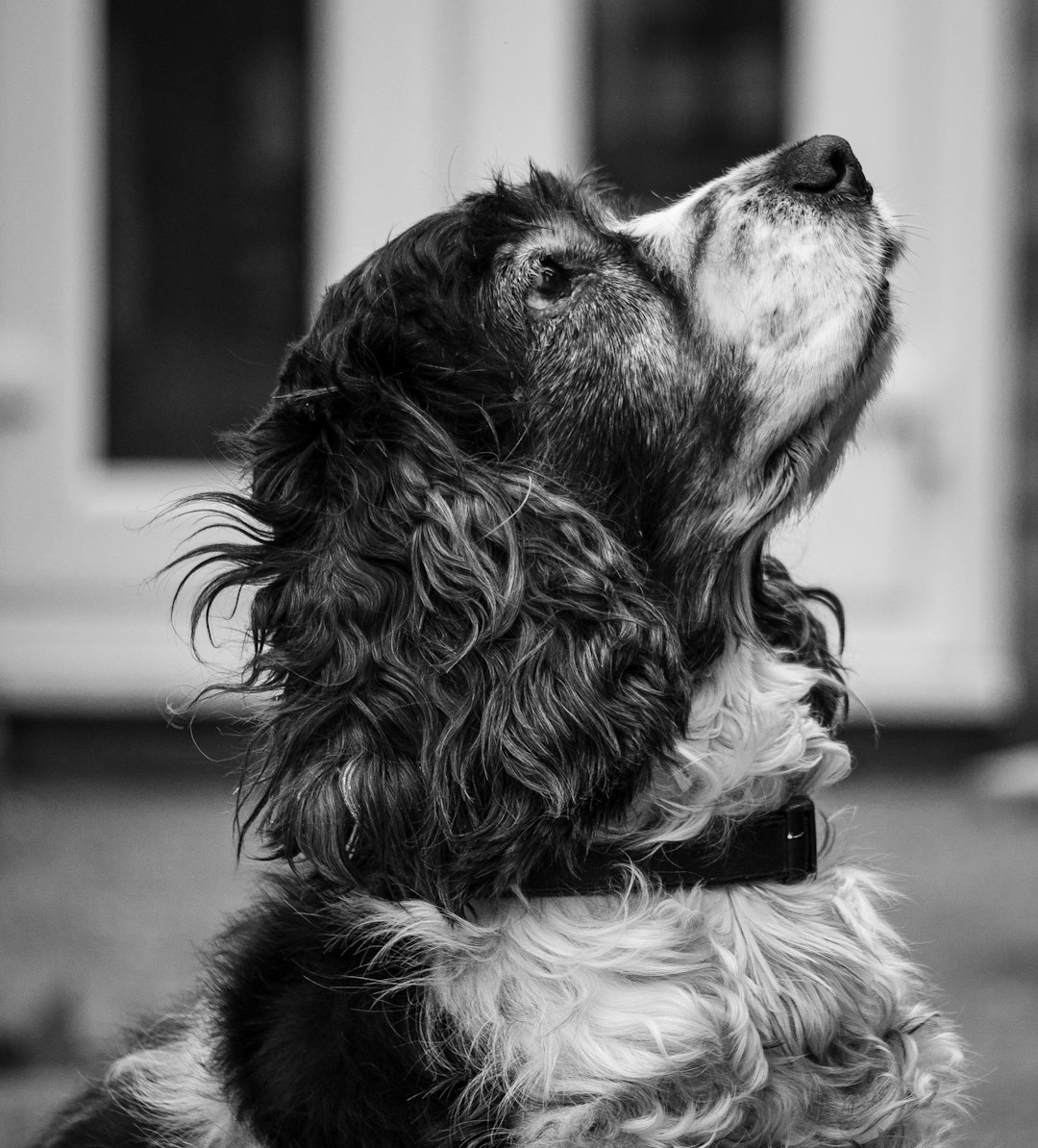
things to love about Cocker Spaniels, but this devoted family pet is known to be prone to separation anxiety if left alone. Because they are naturally such a friendly, rewarding dog in response to people’s attention, cocker spaniels seem to feel aggrieved when they don’t get enough of it. Their people-pleasing nature becomes their emotional vulnerability.
Initially bred as hunting dogs, Cocker Spaniels are another breed that tends to spend a lot of time and energy aiming to please their pet parents. Again, because Cocker Spaniels have been bred to work for you, being left alone could result in separation anxiety. These gentle hunters invested everything in human partnership, making solitude feel like professional failure.
Bichon Frise
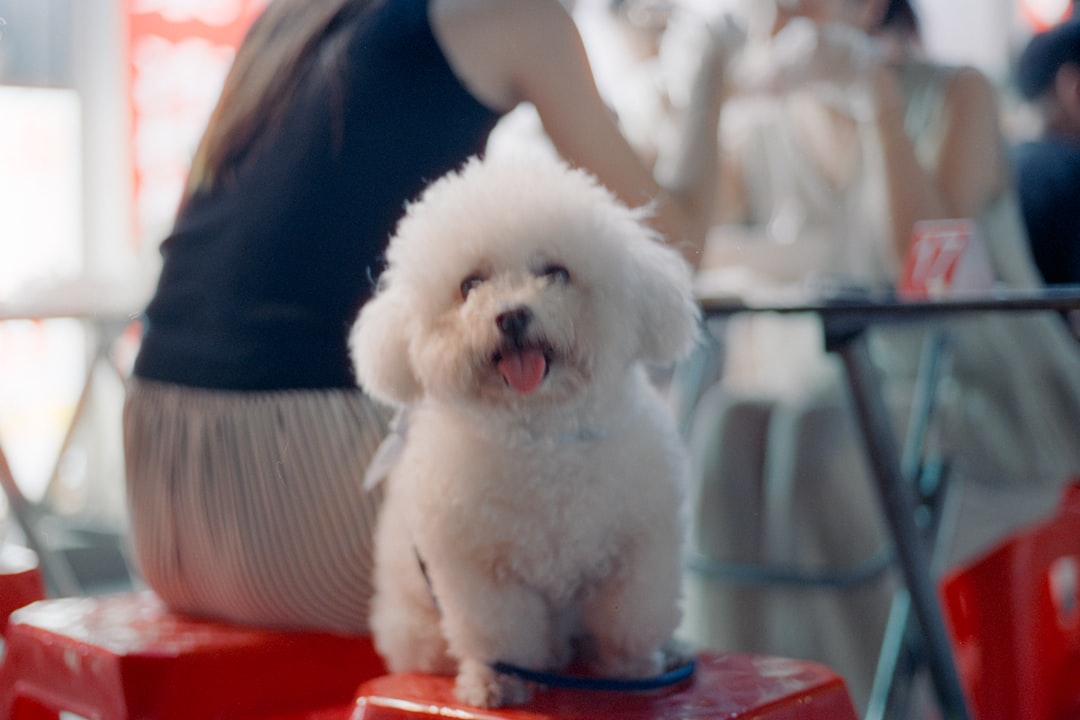
bichon frise thrives when they are with humans, as intended in their breeding. They can quickly become bored and suffer separation anxiety if left to fend for themselves for too long. These fluffy companions were created specifically for human entertainment and companionship.
Standing at just under a foot tall at the shoulder with fluffy, hypoallergenic white fur and a larger-than-life personality, the Bichon Frise is the quintessential lap dog. “They’re often companion dogs that owners spend a lot of time with or in close contact with, so suddenly being left alone is a big change.” Their cloud-like appearance masks surprisingly intense emotional needs that require constant human attention.
Toy Poodle
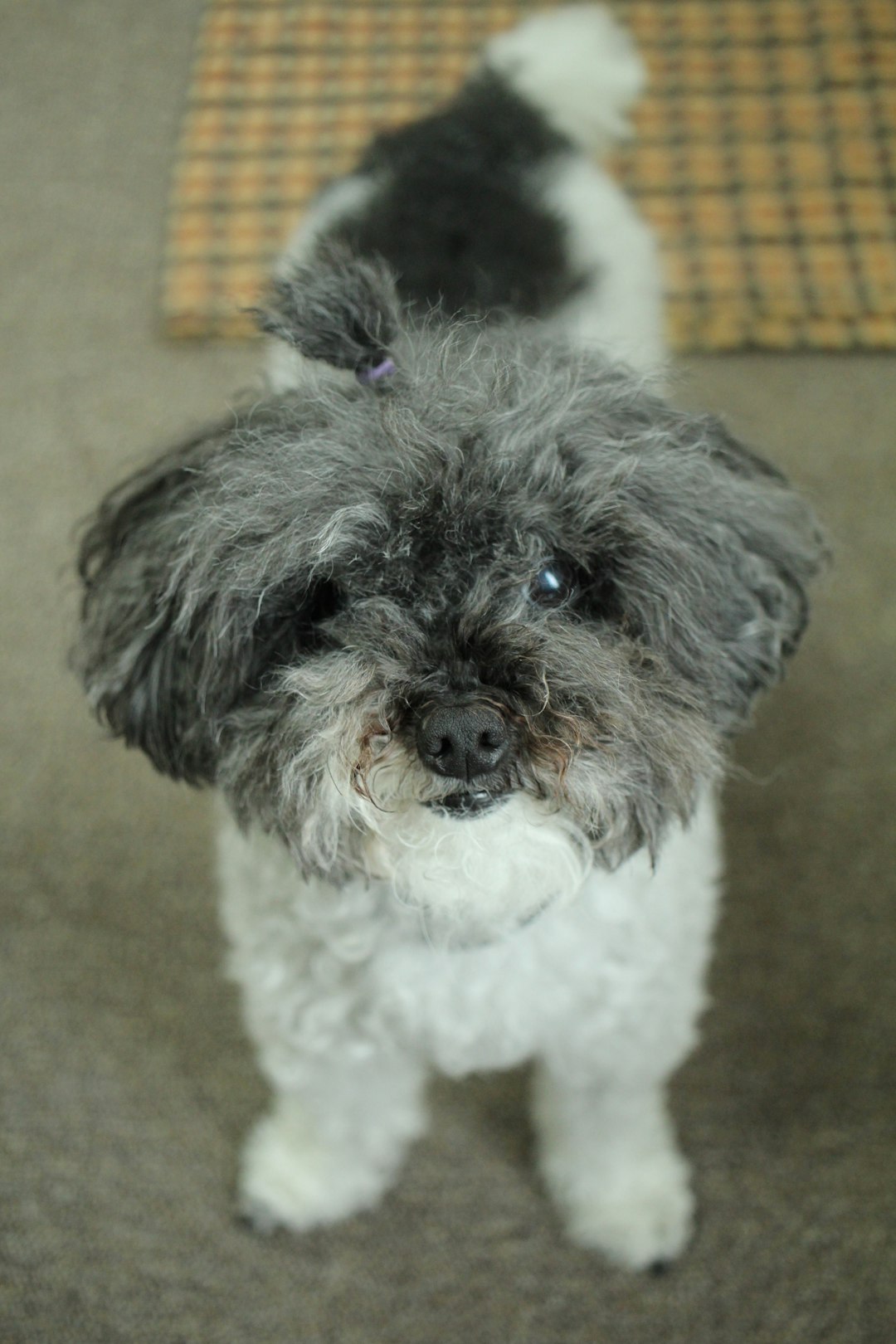
According to various studies, small companion breeds like Dachshunds, Cockapoos and Toy Poodles are often cited among dog breeds “predisposed to separation anxiety”. These tiny intellectuals combine impressive intelligence with profound emotional sensitivity.
One of many types of poodle, the toy poodle in particular is an extremely affectionate little dog. Highly intelligent and easily trained, these diminutive dogs struggle when left alone. Their remarkable intelligence works against them during separation, as they’re smart enough to anticipate your departure and spiral into anxiety before you even leave.
Havanese
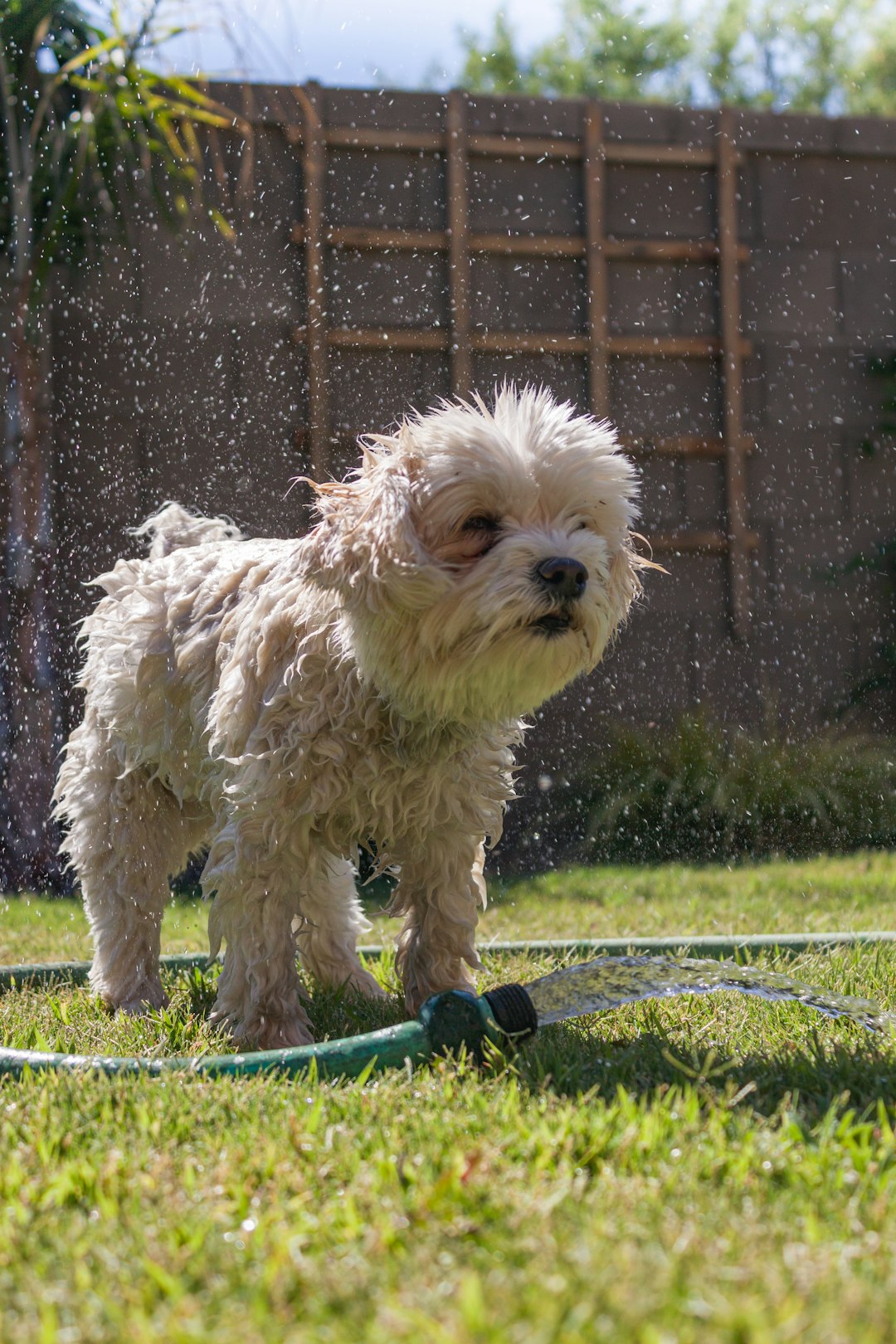
The Havanese is a small, charming breed known for being a social butterfly. These dogs adore their families and follow their owners from room to room. Because they are so people-oriented, Havanese can and are prone to separation anxiety. They are happiest when they have constant companionship and can become distressed if left alone for extended periods.
These Cuban treasures epitomize the velcro dog phenomenon, literally shadowing their humans throughout the day. Their portable size often encourages this clingy behavior, as owners naturally include them in more activities than larger breeds. Unfortunately, this constant togetherness creates emotional dependency that makes even brief separations traumatic.
Conclusion
Understanding your dog’s breed tendencies doesn’t doom them to a lifetime of separation struggles. No dog breed is condemned to suffer from separation anxiety forever. As a pet parent, you can help alleviate your dog’s anxiety with a few simple steps. Recognition is simply the first step toward building your companion’s confidence and independence.
The breeds on this list share common threads of intelligence, loyalty, and an almost supernatural ability to read human emotions. These same qualities that make them exceptional companions also make solitude particularly challenging. Yet with patience, proper training, and gradual conditioning, even the most anxious breed can learn to find peace in their own company.
What’s your experience with separation anxiety in your furry friend? Have you discovered any techniques that work particularly well for your breed? Share your insights in the comments below.
