
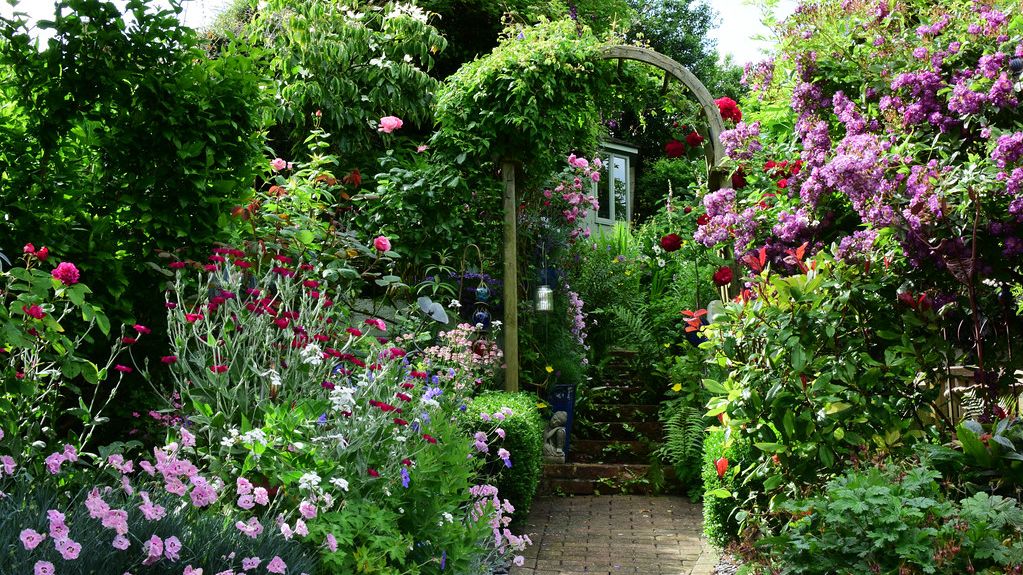
Summer in the United States is a serious test for any garden. From the sweltering humidity of the South to the blistering dry heat of the Southwest, temperatures climb well into ranges that stress most plants into a quiet retreat. Botanists note that 86 degrees is roughly the tipping point where many plants begin to suffer, making summer a widespread testing time for flowers that lack the genetics to withstand heat.
The good news is that a well-chosen garden doesn’t have to fade when July arrives. Certain flowers are genuinely built for this season, not just surviving high temperatures but blooming more boldly because of them. The ten flowers below earn their place in a summer garden across nearly every region of the country.
1. Zinnia: The Undisputed Champion of Summer Color
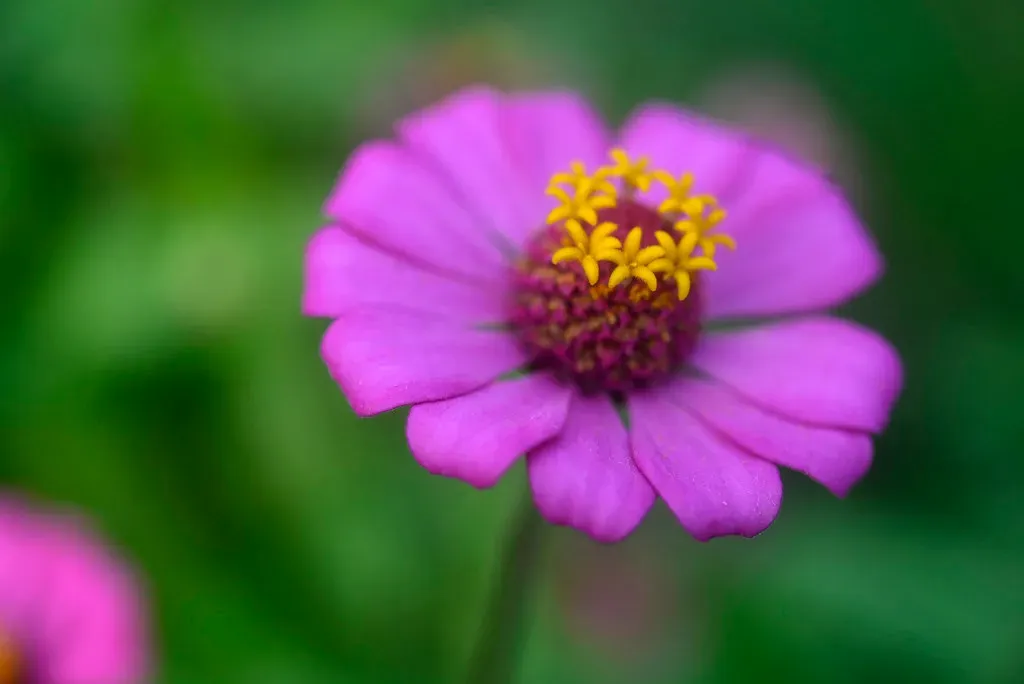
No discussion of heat-tolerant flowers would be complete without the cheerful and ever-reliable zinnia. Beloved by gardeners and pollinators alike, zinnias explode with vivid color from early summer until the first frost, and are especially adored for their resilience, withstanding high heat, humidity, and even less-than-ideal soil conditions.
Native to Mexico, zinnias thrive in heat and drought. They’re easy to grow from seed or transplant and can take as much intense summer weather as the season can dish out. They come in a kaleidoscope of colors, shapes, and sizes, with dwarf varieties like the ‘Profusion’ series ideal for edging and containers, while taller types like ‘Benary’s Giant’ create stunning backdrops and cut flowers.
2. Lantana: Heat, Drought, and Butterflies All at Once
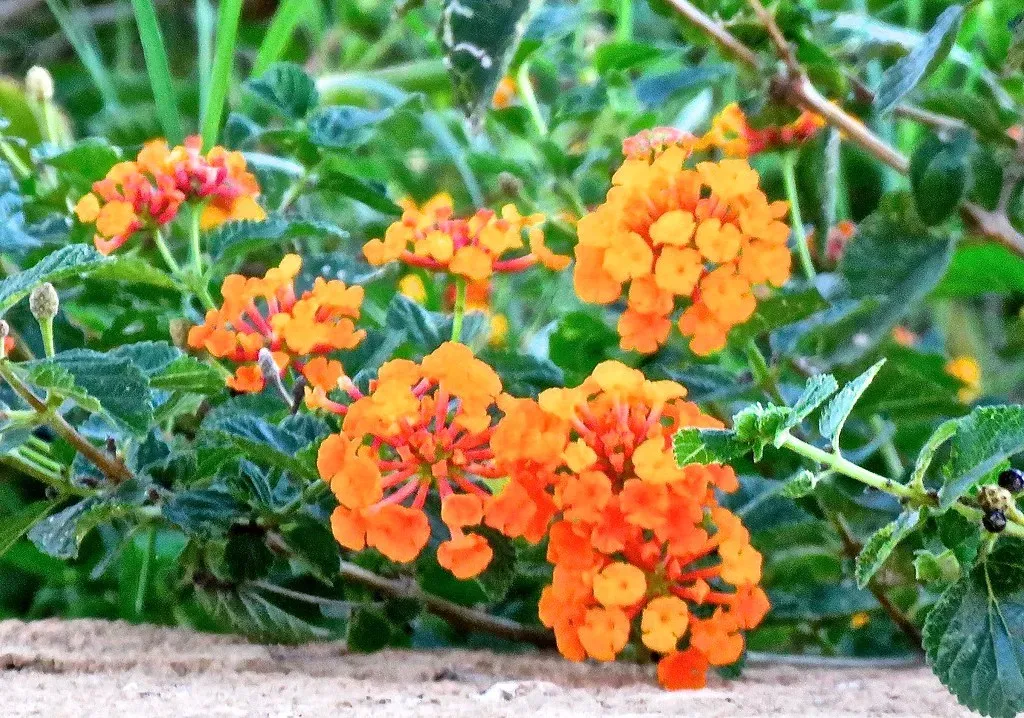
A staple of the summer annual garden, lantana comes in purple, pink, orange, yellow, and all the colors in between, and loves the hot, dry weather of summer. Once established, it is among the most drought-tolerant annuals available.
Lantanas are popular summer flowers for those who live in hotter climates due to the fact that they are native to tropical regions of the Americas and Africa, and are grown to withstand hot temperatures. Butterflies love them, and they do well with little water, blooming from spring until frost.
3. Vinca (Madagascar Periwinkle): Tough, Tidy, and Non-Stop
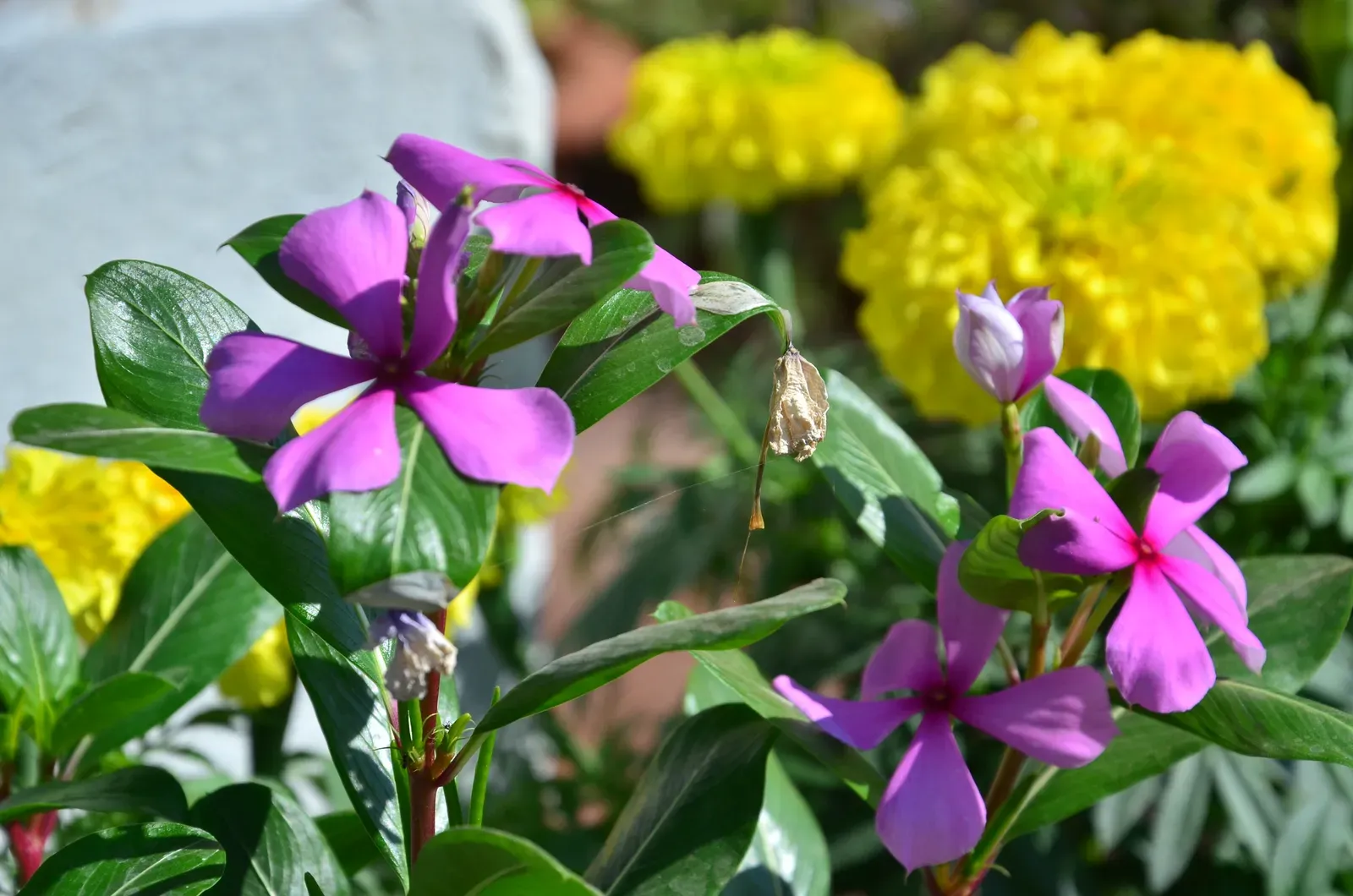
Vinca (Catharanthus roseus), also known as Madagascar periwinkle, is a true workhorse in the summer garden, flourishing in full sun and tolerating periods of drought once established. Available in a stunning range of colors from crisp whites and pinks to deep reds and purples, vinca plants form neat, mounded shapes that make them ideal for borders, containers, or mass plantings.
Modern varieties, such as those in the “Cora” series, have been bred for improved disease resistance and are particularly resistant to the dreaded “soggy summer slump.” Few flowers require less fuss while delivering this level of consistent summer performance across such a wide geographic range.
4. Salvia: The Hummingbird Magnet
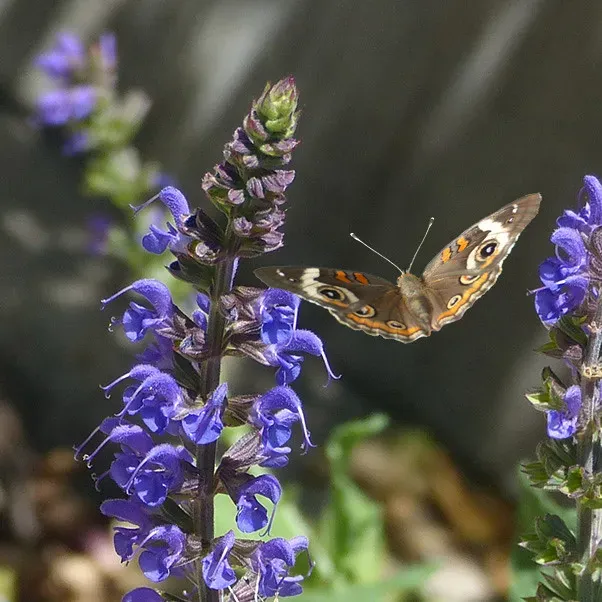
Among those that love heat and humidity is salvia, a magnet for butterflies, bees, and hummingbirds, including a variety of colorful gems that put on a floral show from summer to fall. With a little deadheading, the flowers can bloom from early summer to the first frost, and while preferring full sun, salvia can also tolerate a little shade.
Salvia is a favorite for its spikes of violet, blue, or pink blooms, compact growth, and ability to attract bees and butterflies, with repeat blooming easy to achieve through light trimming. It’s a plant that rewards minimal effort with weeks of reliable, showy color.
5. Marigold: The Summer Classic That Actually Earns It
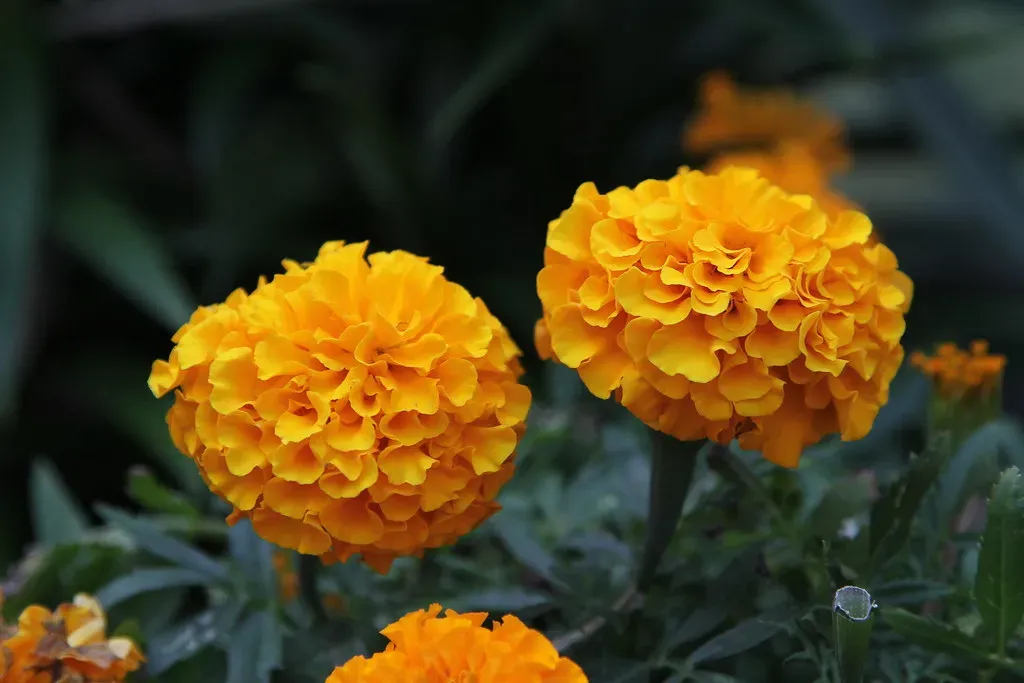
Marigolds are like the sun in flower form, with cheerful, pompom-like flowers in shades of yellow, gold, orange, and red. They’re simple to grow from seed or start as transplants, bloom all summer, and stand up to intense heat and humidity.
Marigolds range in size depending on the variety. French marigolds are compact, just six inches tall at maturity and ideal for containers at the front of a bed, while African marigolds get up to two feet tall. There’s also a practical garden bonus: the blooms emit a strong fragrance that many insects find unappealing, making marigolds a natural companion planting choice.
6. Celosia: Architectural Drama in the Heat
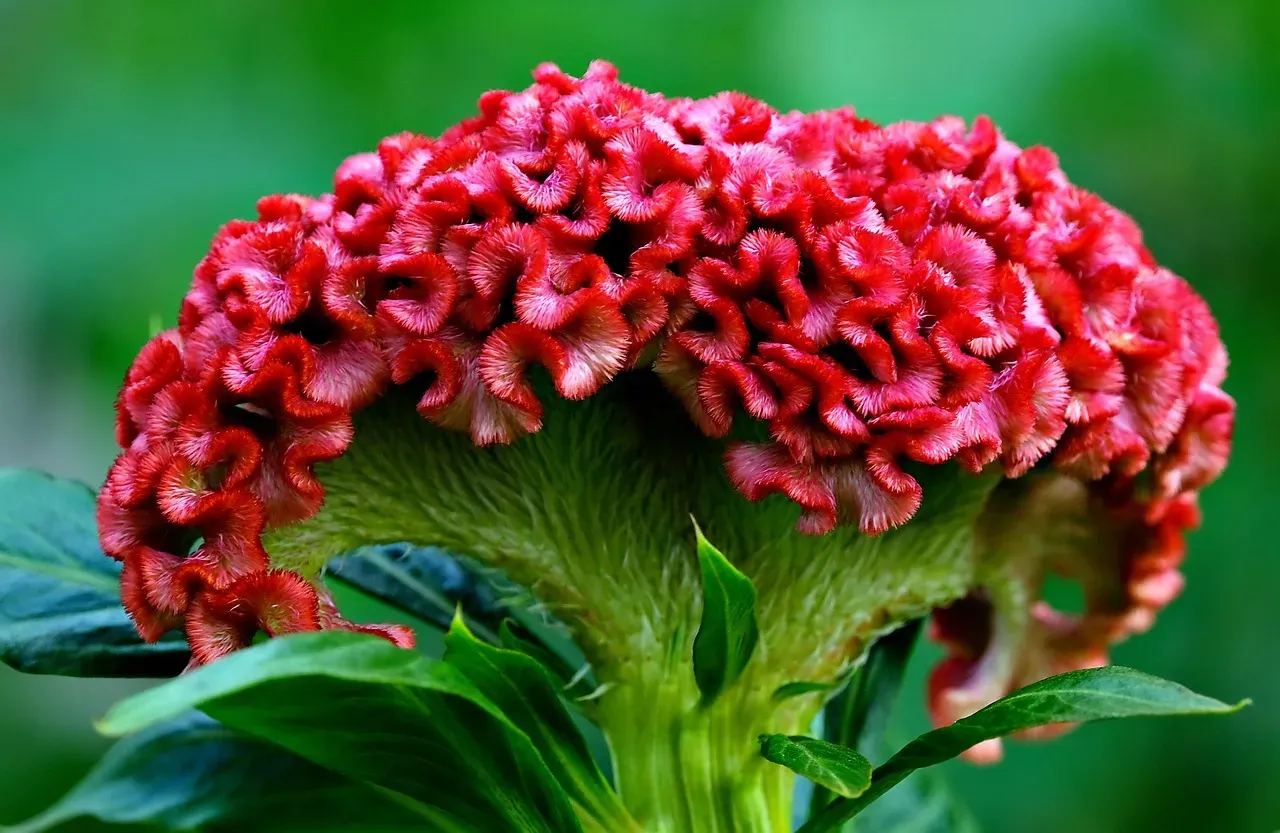
Grown for their unique textural blooms, celosias are vigorous and free-flowering. A summer cutting garden workhorse, they thrive in hot and dry conditions, coming in a wide variety of shapes, colors, and forms, ranging from a crested cockscomb to spiky, plumed forms that are great accents for bouquets.
Celosia thrives in hot, sunny spots and demands very little beyond well-drained soil and the occasional deadheading to keep blooms coming. Varieties like ‘Intenz’ with striking magenta plumes and ‘Dragon’s Breath’ with fiery red foliage and flowers are showstoppers that require little pampering to perform beautifully.
7. Black-Eyed Susan: Native Toughness With Golden Payoff
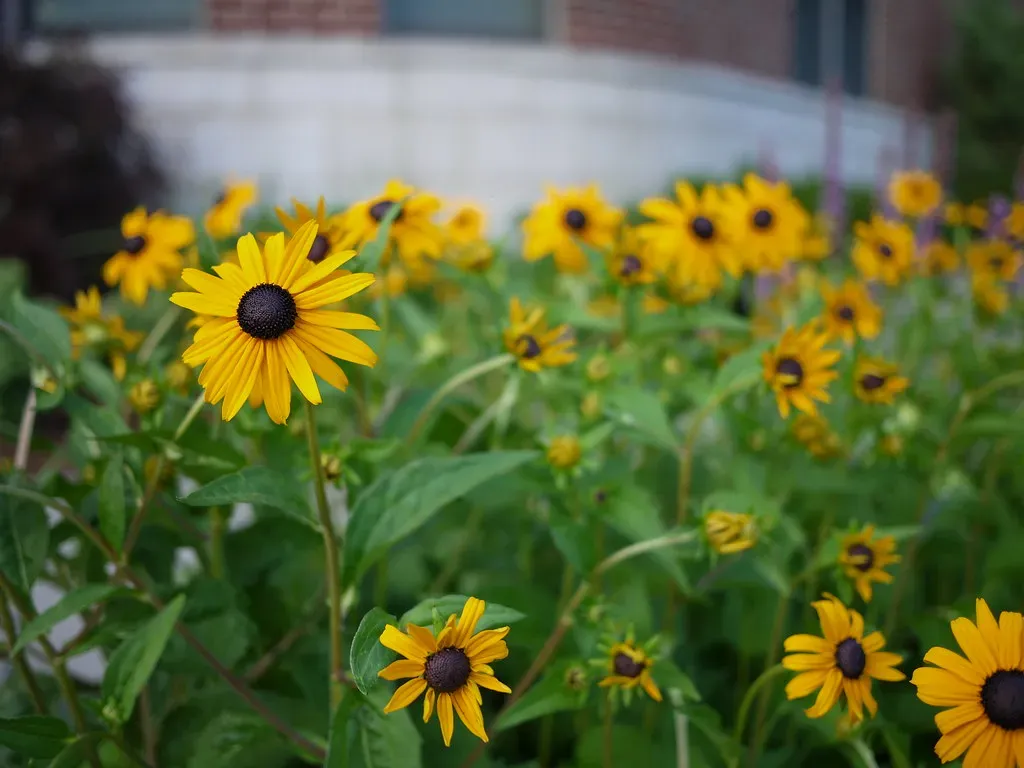
A classic in sunny gardens, black-eyed Susans add bold golden-yellow color from mid-summer into fall. These sturdy plants perform in poor soils, resist deer, and spread naturally. Their cheerful daisy-like gold, bronze, red, orange, brown, or yellow flowers are a source of nectar for bees and butterflies, while seedheads provide food for songbirds during fall and winter.
Being a North American native gives the black-eyed Susan an inherent advantage in domestic gardens. It has evolved to handle the precise conditions that gardeners across the US regularly encounter, including summer drought, compacted soil, and intense afternoon sun. It’s the rare flower that looks effortless because, in the right spot, it genuinely is.
8. Portulaca (Moss Rose): The Low-Water Wonder
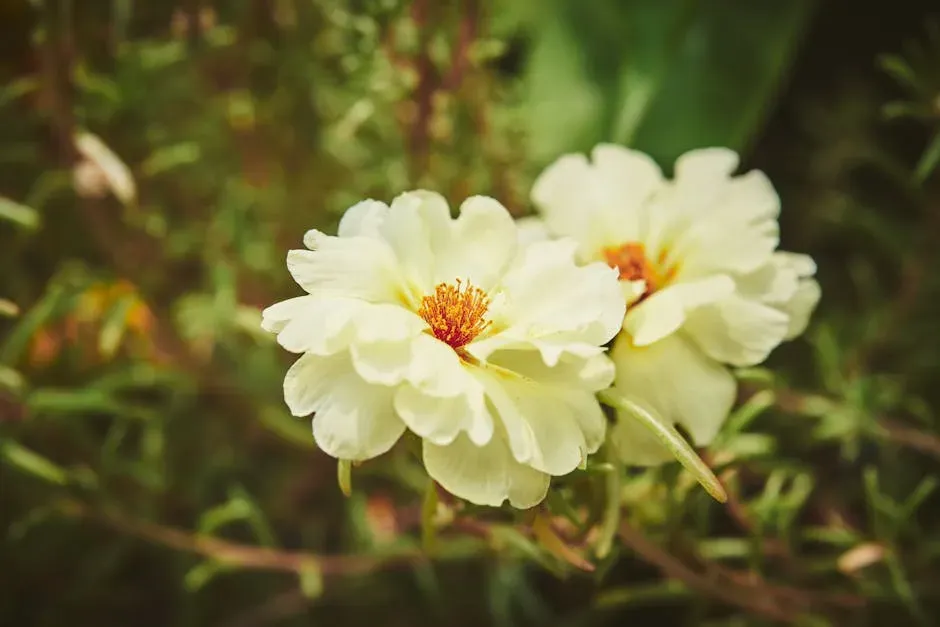
Portulaca is a sure winner for the landscape because of its pretty, colorful blooms and drought-tolerant nature. This easy-to-grow plant features bowl-shaped flowers in shades of red, fuchsia, orange, lavender, pink, yellow, and white, and should be planted in an area that receives full sun, with water needed only during extended drought.
This fast-growing annual appreciates heat and humidity too, and is a reliable summer performer, making it especially useful for planting in containers on a front porch or steps. In the driest corners of a garden where most flowers simply give up, portulaca finds its footing and blooms on.
9. Purple Coneflower (Echinacea): Wildflower-Tough and Wildlife-Friendly
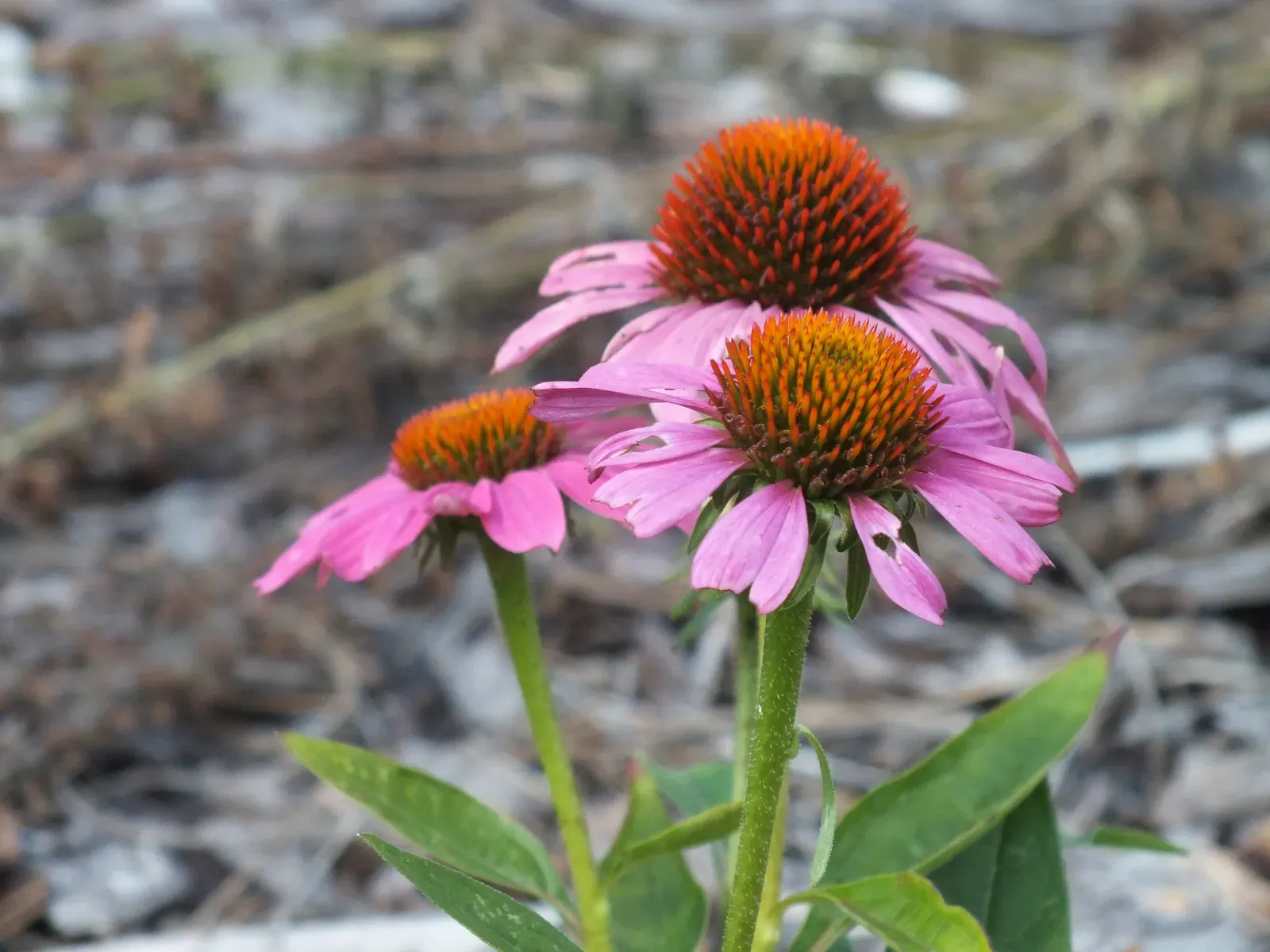
Uploaded by AlbertHerring, Public domain)
A staple in native and pollinator gardens, purple coneflower stands out for its resilience and wildlife value. Large pink to purple ray flowers with spiny, copper-orange centers bloom through summer and into fall, with butterflies drawn to the blooms for nectar while seed-eating birds like goldfinches rely on the dried cones later in the season. This plant is well-suited to clay or sandy soils and tolerates heat and drought with ease.
Echinacea has become one of the most widely planted perennials in American gardens, and for good reason. It comes back year after year without fuss, and newer cultivars have expanded the color palette well beyond the classic pink-purple into coral, orange, yellow, and cream. For a perennial that costs you almost nothing in maintenance, the return is remarkable.
10. Pentas: The Pollinator Powerhouse
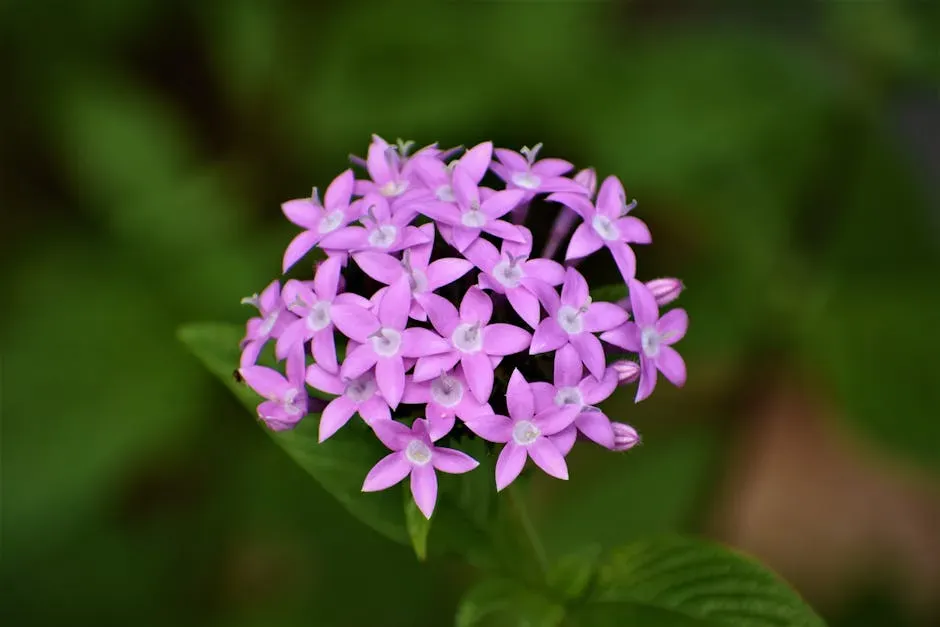
Pentas adds color to the garden with hydrangea-like clusters of blooms in shades of red, pink, lavender, and white. It should be planted in full sun with water when the soil starts to dry, and this hardy heat-lover blooms from spring until fall without much tending.
Pentas bloom all summer long with clusters of star-shaped flowers in red, pink, and white. Pollinators love their nectar, so a bed of pentas will attract hummingbirds and bees, and they can stand up to heat and humidity like a champ, working as filler in containers or in a mixed bed of annuals and perennials.
Putting It All Together: Planning a Summer Garden That Works
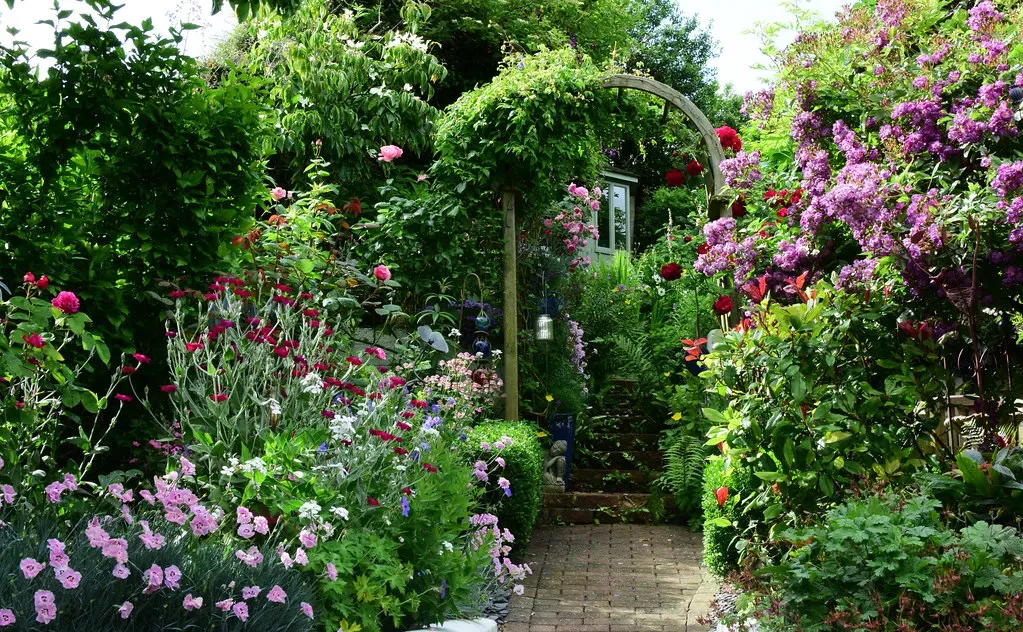
When talking about heat-resistant plants, the focus is on those that truly thrive in full sun and dry conditions with minimal fuss. Most of these resilient varieties have evolved in regions with long dry seasons, strong UV rays, and high daytime temperatures.
Using mulch helps regulate soil temperature and lock in moisture, while deep, infrequent watering helps develop drought-tolerant root systems that allow even the toughest summer months to pass without drama. Mixing annual and perennial summer flowers gives flower beds and containers spectacular color, texture, and visual interest that lasts the entire season, with annuals filling gaps while perennials rest between flushes.
The goal isn’t a garden that simply survives summer. It’s one that looks its best precisely when the temperatures are highest. The ten flowers listed here make that achievable without requiring extraordinary effort or expert knowledge. Choose a few that suit your zone, give them sun and decent drainage, and summer will take care of the rest.
