
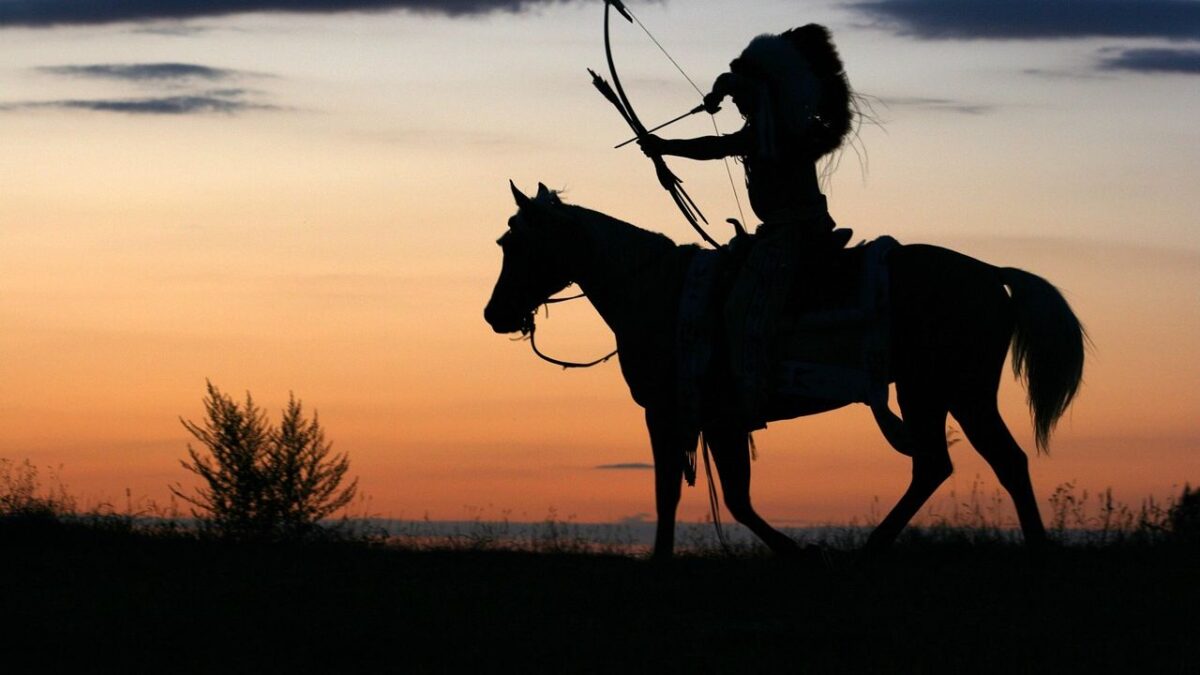
Picture the most feared warriors on the Great Plains, riders so skilled they seemed to become one with their horses. For more than a century, these remarkable people dominated vast stretches of North America, creating an empire that stretched from modern-day Kansas to Mexico. Yet their story goes far beyond warfare and horsemanship. The Comanche forged a complex civilization that would forever change the landscape of American history.
Let me take you on a journey through the most fascinating aspects of Comanche culture, from their extraordinary transformation into mounted warriors to their lasting impact on the modern world.
They Were Originally Mountain Dwellers, Not Plains Riders
Here’s something that might surprise you: the legendary horse masters of the Great Plains didn’t start out that way at all. Anthropological evidence indicates that they were originally a mountain tribe, a branch of the Northern Shoshones, who roamed the Great Basin region of the western United States as crudely equipped hunters and gatherers. The Comanche were originally a branch of the Wind River Shoshone. They lived as hunters and gatherers in the mountains of western Wyoming.
Their transformation was nothing short of revolutionary. Sometime during the late seventeenth century, the Comanches acquired horses, and that acquisition drastically altered their culture. The life of the pedestrian tribe was revolutionized as they rapidly evolved into a mounted, well-equipped, and powerful people. This wasn’t a gradual change over generations – it happened with stunning speed, reshaping everything about their way of life.
The Horse Revolution Happened in Record Time
The Comanche’s adoption of horses wasn’t just significant; it was one of the fastest technological adaptations in human history. This rapid integration, one of the swiftest technological adaptations in history, amplified their mobility, allowing war parties to traverse up to 75 miles per day while herding captured livestock. Think about that for a moment – in less than a generation, they went from walking everywhere to becoming the most formidable mounted force in North America.
In less than a generation, the Comanche transformed themselves into superior warriors. From a ragtag band of scavengers, the Comanche transformed themselves into superior warriors. This transformation wasn’t just about acquiring horses; it required completely reimagining their entire social structure, hunting methods, and military tactics. They probably first acquired horses during the 1680s after the Pueblo peoples expelled the Spanish for 12 years from New Mexico and Spanish horses became available to the native peoples. The acquisition of horses enabled the Comanche to have the mobility to become wide-ranging nomads.
Children Started Riding Before They Could Walk
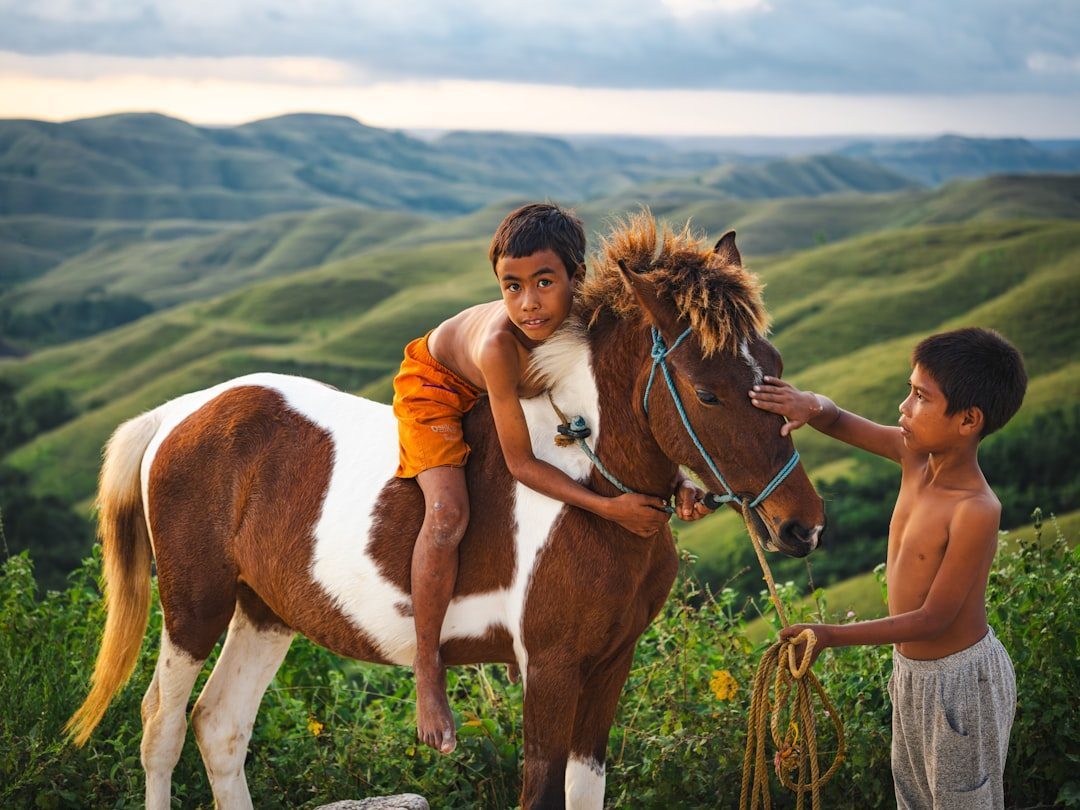
He learned to ride a horse before he could walk. By the time he was four or five, he was expected to be able to skillfully handle a horse. This wasn’t an exaggeration – Comanche children literally grew up in the saddle. Boys started taking horse riding lessons early, such that they were skilled equestrians at four or five years old. Boys started hunting birds as children and became warriors by fifteen or sixteen years.
The educational system was perfectly designed to create master horsemen. Often, a boy was taught to ride and shoot by his grandfather, since his father and other warriors were on raids and hunts. His grandfather also taught him about his own boyhood and the history and legends of the Comanche. By the time these children reached adolescence, they possessed riding skills that amazed European observers and even other Native American tribes.
Their Fighting Style Confused Even Professional Soldiers
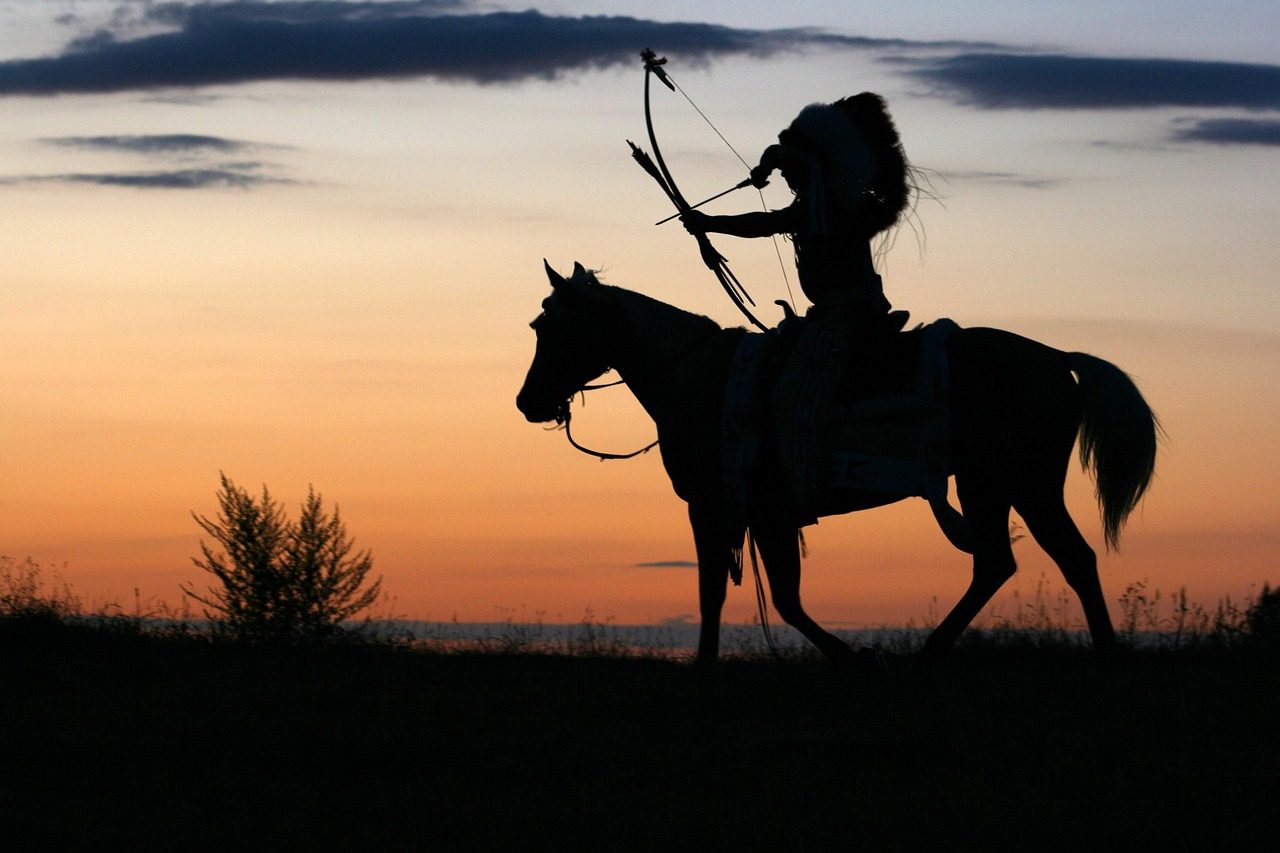
Comanche warfare was unlike anything European military commanders had ever encountered. So much so that even professional European soldiers had difficulty in understanding, or even describing, the Comanche’s approach to warfare. Comanches would approach an enemy at a gallop, weaving, each warrior apparently taking no orders from the war chief. This wasn’t chaos – it was a sophisticated tactical system that European minds struggled to comprehend.
These magnificent horsemen never formed a solid line, instead they formed a swirling, breaking, dissolving and regrouping mass of separate riders, thundering across the prairie, making difficult moving targets,. The whooping riders charged, broke off before contact, dodging and weaving whilst at the same time circling the enemy, showering them with arrows from all directions. Skilled warriors could quickly and accurately shoot arrows at an enemy while hanging below the necks of their horses. Lying horizontally on galloping horses, they were very difficult to hit in battle while being able to strike their enemies with ease.
They Created the Largest Native American Empire
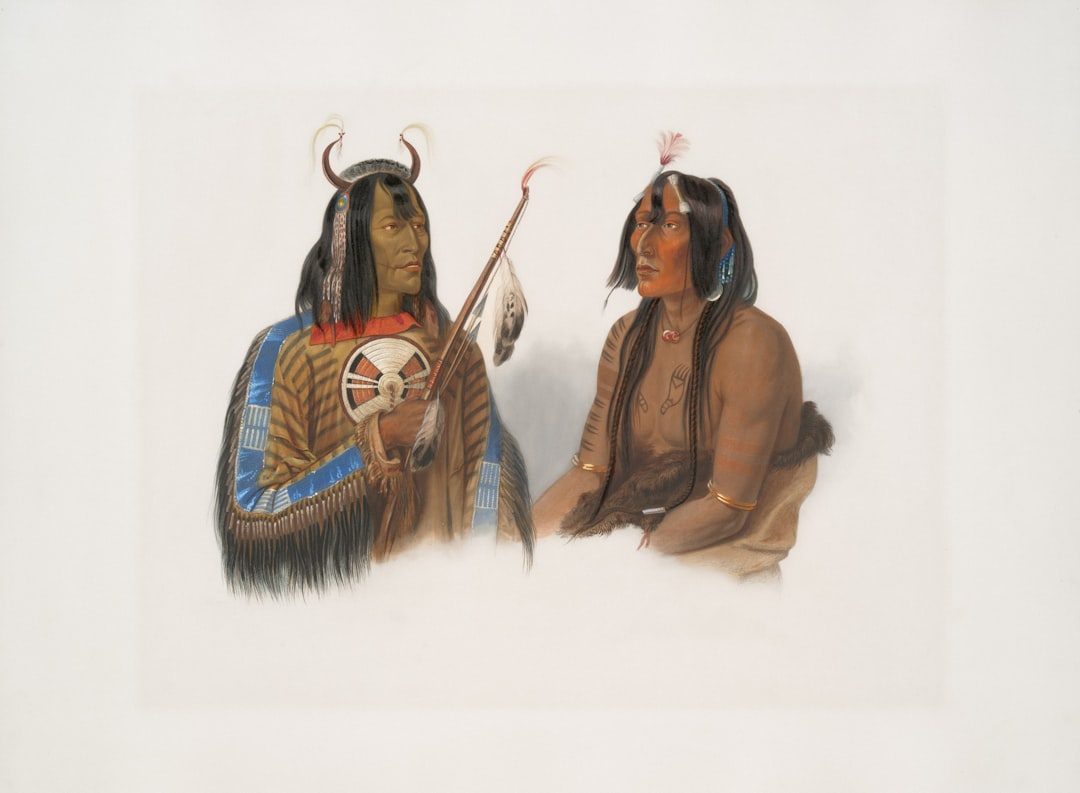
The territory controlled by the Comanche was staggering in its scope. The Comanche controlled 200,000 sq mi (520,000 km2) of the Great Plains, possessed a marketable commodity with their large herds of horses, and relied on the seemingly inexhaustible herds of bison for subsistence. To put this in perspective, their domain was larger than the entire European-controlled area north of the Rio Grande at the time.
In the 18th and 19th centuries, Comanche lived in most of present-day northwestern Texas and adjacent areas in eastern New Mexico, southeastern Colorado, southwestern Kansas, and western Oklahoma. Spanish colonists and later Mexicans called their historical territory Comanchería. The Comanches never regained their former strength, but–with the help of their horses–they once controlled a territory that one historian describes as “larger than the entire European-controlled area north of the Rio Grande.”
Horses Were More Than Transportation – They Were Currency

A Comanche man’s wealth was measured by the size of his horse herd. Horses were prime targets to steal during raids; often raids were conducted specifically to capture horses. This wasn’t just about having transportation; horses represented social status, economic power, and political influence all rolled into one. The more horses a warrior owned, the higher his standing in society.
The horse trade became central to Comanche economics. The horse trade quickly became a large part of their culture, breeding, stealing, and trading horses to other plains Indians, allowing them also to become more productive buffalo hunters. The horse trade quickly became a large part of their culture, breeding, stealing, and trading horses to other plains Indians, allowing them also to become more productive buffalo hunters. Often horse herds numbering in the hundreds were stolen by Comanche during raids against other Indian nations, Spanish, Mexicans, and later from the ranches of Texans.
They Developed Their Own Unique Language System
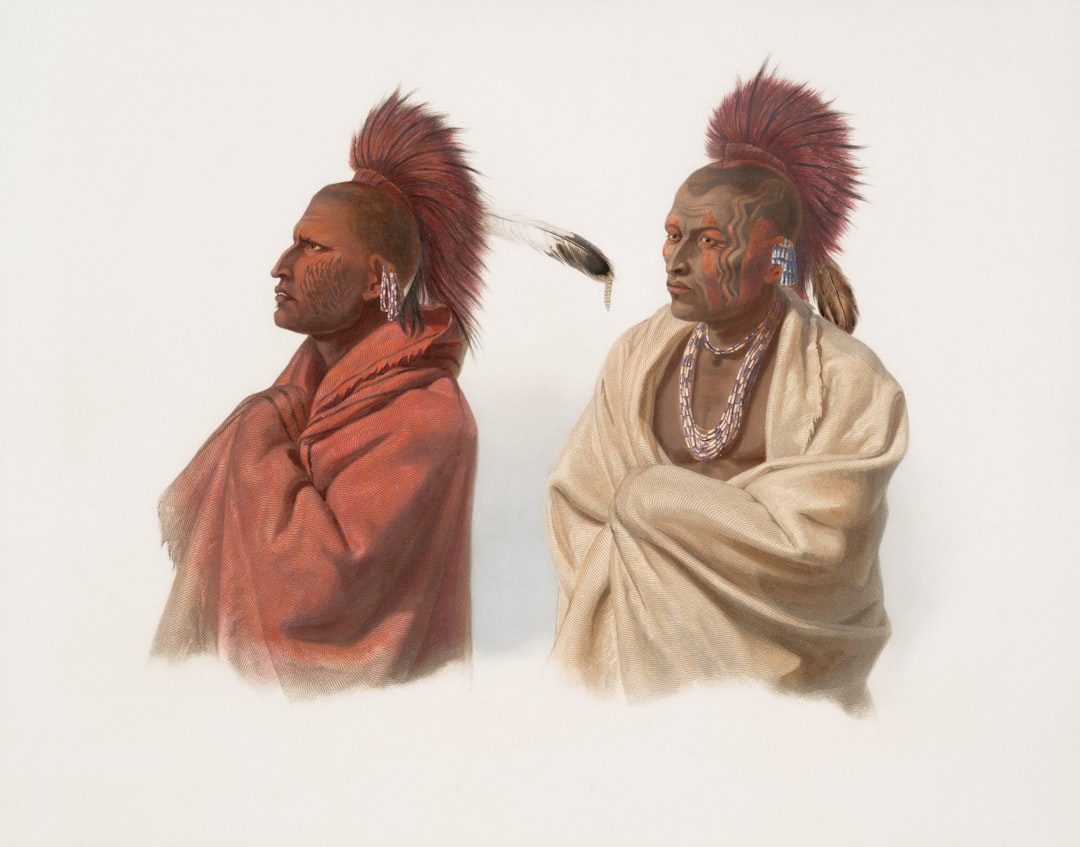
At their peak, the Comanche language was the lingua franca of the Great Plains region. Although the Comanche language was once spoken across the southern plains (and was sometimes called the “court language of the Plains” due to its wide use), the number of speakers has declined. Think of it as the English of the Plains – if you wanted to trade or negotiate with anyone in that vast region, you needed to know Comanche.
Today, the language faces serious challenges. In 2013 there were 30 native speakers of Comanche, out of a total Comanche population of about 15,100. However, today, fewer than 50 fluent speakers remain. In the late 19th century, Comanche children were placed in indigenous boarding schools where they were discouraged from speaking their native language, and even severely punished for doing so. The second generation then grew up speaking English, because of the belief that it was better for them not to know Comanche.
Their Social Structure Was Remarkably Democratic
The democratic principle was deeply rooted in the social organization of the Comanche. The chief of each clan traditionally exercised the greatest influence among the leaders of its subdivisions, whether these were war-related or civil. He earned this esteemed position because of his abilities or bravery, gained it with the common consent of the group members, and maintained it as long as he continued to have their trust.
Unlike many hierarchical societies, Comanche leadership was based on merit and consent rather than birthright. The Comanche formed “local bands” and “villages” of related extended families that regularly lived and traveled together. These bands were fluid and would coalesce and break apart depending on the needs and goals of their members. This flexible social system allowed them to adapt quickly to changing circumstances and maintain unity across their vast territory.
They Played a Crucial Role in Both World Wars
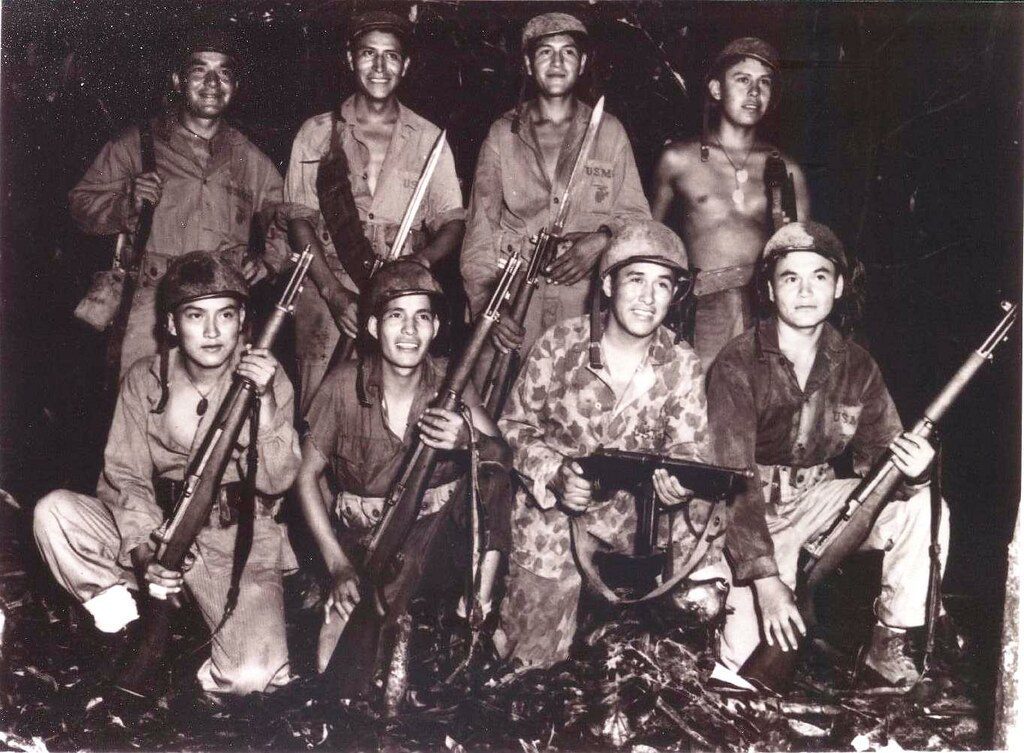
Here’s a fact that often gets overlooked: the Comanche made significant contributions to American military efforts in both world wars. Comanches were among the Native Americans who were first utilized as code talkers by the U.S. Army during World War I. During World War II, a group of 17 young men, referred to as “the Comanche code talkers”, were trained and used by the U.S. Army to send messages conveying sensitive information that could not be deciphered by the Germans.
Fourteen Comanche “code talkers” participated in the D-Day in 1944 and they played a significant role in ensuring secure communication on the battlefield. Their messages could not be deciphered by the enemy, providing the Allies with a strategic advantage. In 1989, the French government awarded the Comanche code talkers the Chevalier of the National Order of Merit. In 2001, the U.S. Congress passed the Code Talkers Recognition Act, which honored all Native American code talkers.
The Comanche Nation Thrives Today
The Comanche tribe currently has approximately 17,000 enrolled tribal members, with around 7,000 residing in the tribal jurisdictional area around Lawton, Ft Sill, and surrounding counties. The Comanche Nation has about 17,000 members. Far from being a relic of the past, the Comanche Nation operates as a modern, sovereign government with its own constitution and elected officials.
As a federally recognized tribe, the Comanche Nation is in charge of its own government, economy, natural resources, and culture. Tribal-owned businesses, such as gaming and construction, provide jobs and income for tribal members. They also allow the tribe to offer a variety of social services – health care, child care, and education, among others – to its members. The annual Comanche Homecoming powwow in Walters, Oklahoma, draws thousands of visitors each year, celebrating the enduring strength of Comanche culture.
Conclusion
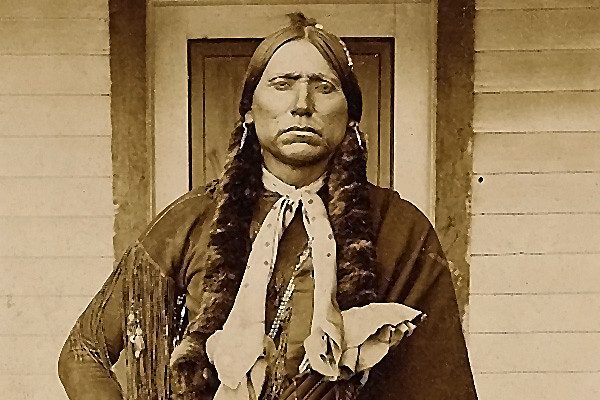
The story of the Comanche is ultimately one of adaptation, resilience, and survival. From their dramatic transformation from mountain dwellers to master horsemen, to their role as World War II code talkers, to their thriving modern nation, they’ve consistently shown an remarkable ability to evolve while maintaining their core identity.
Their legacy extends far beyond their reputation as fierce warriors. They created one of history’s most successful nomadic empires, developed sophisticated diplomatic and trading networks, and maintained a democratic society that lasted for centuries. Today, as they work to revitalize their language and preserve their cultural traditions, the Comanche continue to write new chapters in their extraordinary story.
What strikes you most about these remarkable people? Share your thoughts in the comments below.
