
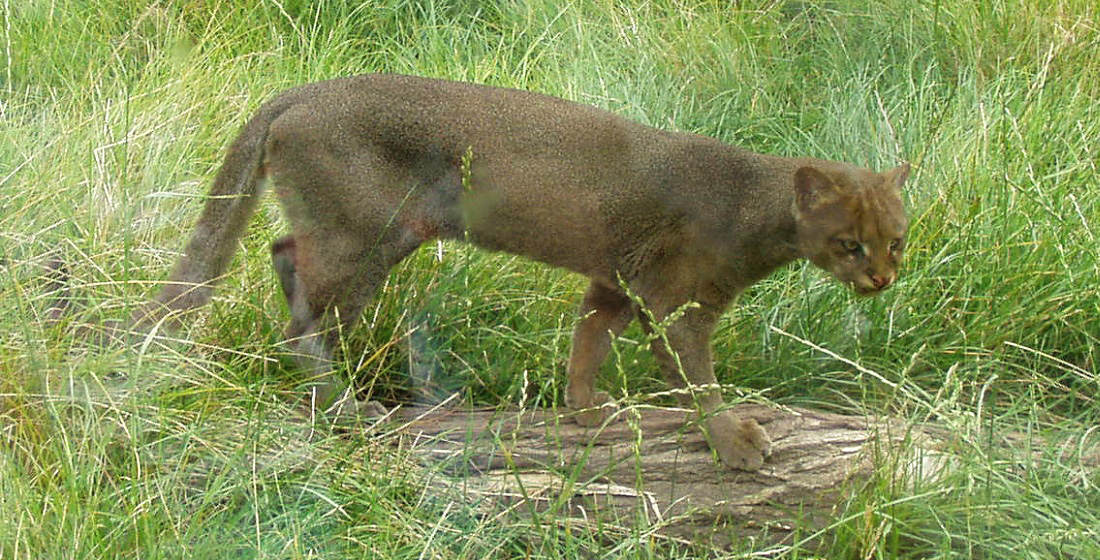
It’s not every day you come across a wildcat that looks more like an otter than a feline. Yet somewhere between the rainforests of Brazil and the scrubby borderlands of Texas, a peculiar little predator prowls through the shadows, almost invisible to the world. This is the , a creature so elusive and misunderstood that many people have never even heard of it. While jaguars and pumas grab headlines, this smaller cousin slips quietly through the cracks.
What makes the so fascinating is not just what it looks like or where it lives, but the precarious tightrope it walks between survival and extinction. In some regions, it still thrives. In others, it has vanished entirely. Let’s explore what makes this mysterious cat so unique and why it desperately needs our attention before it’s too late.
They Look Like No Other Cat You’ve Ever Seen
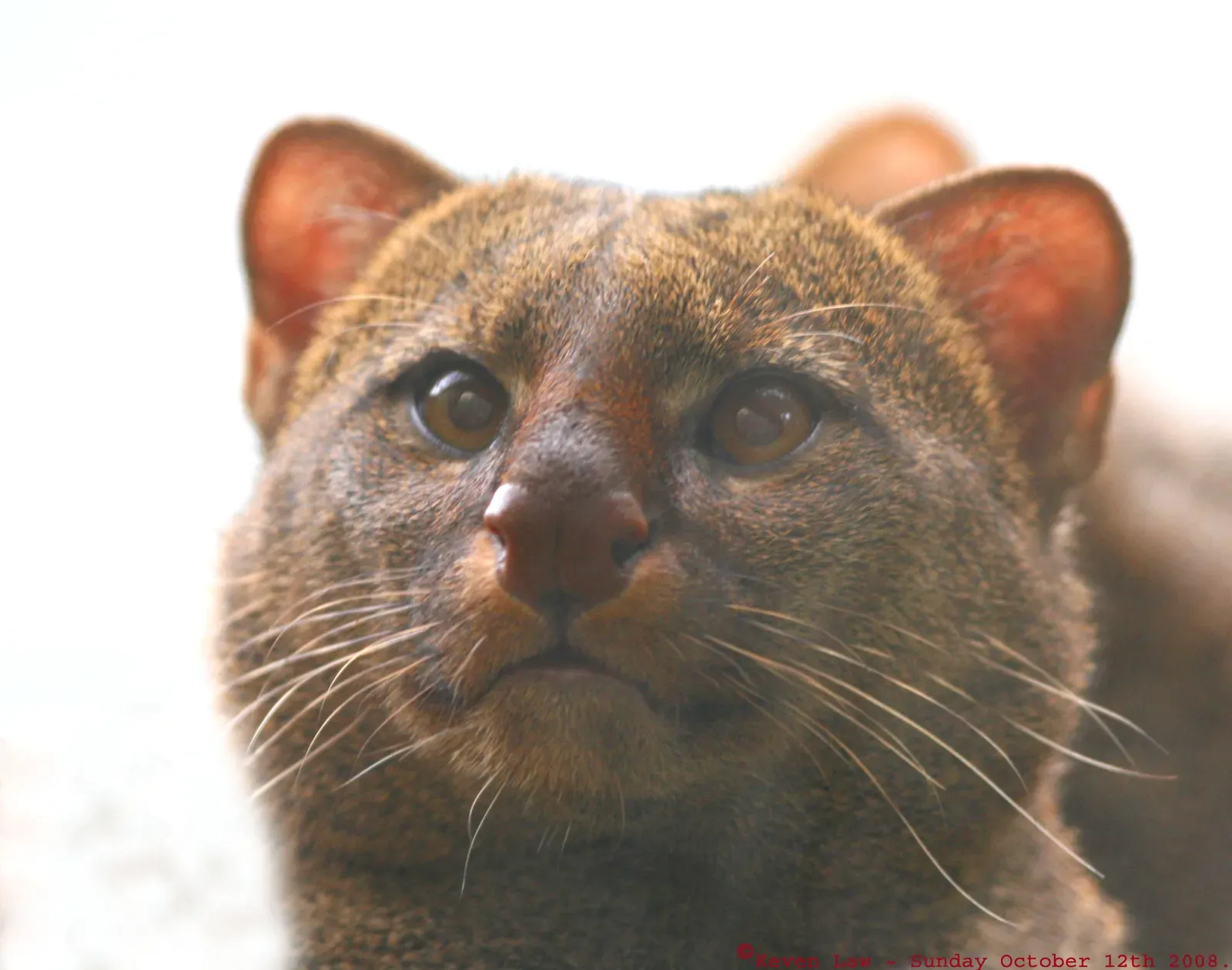
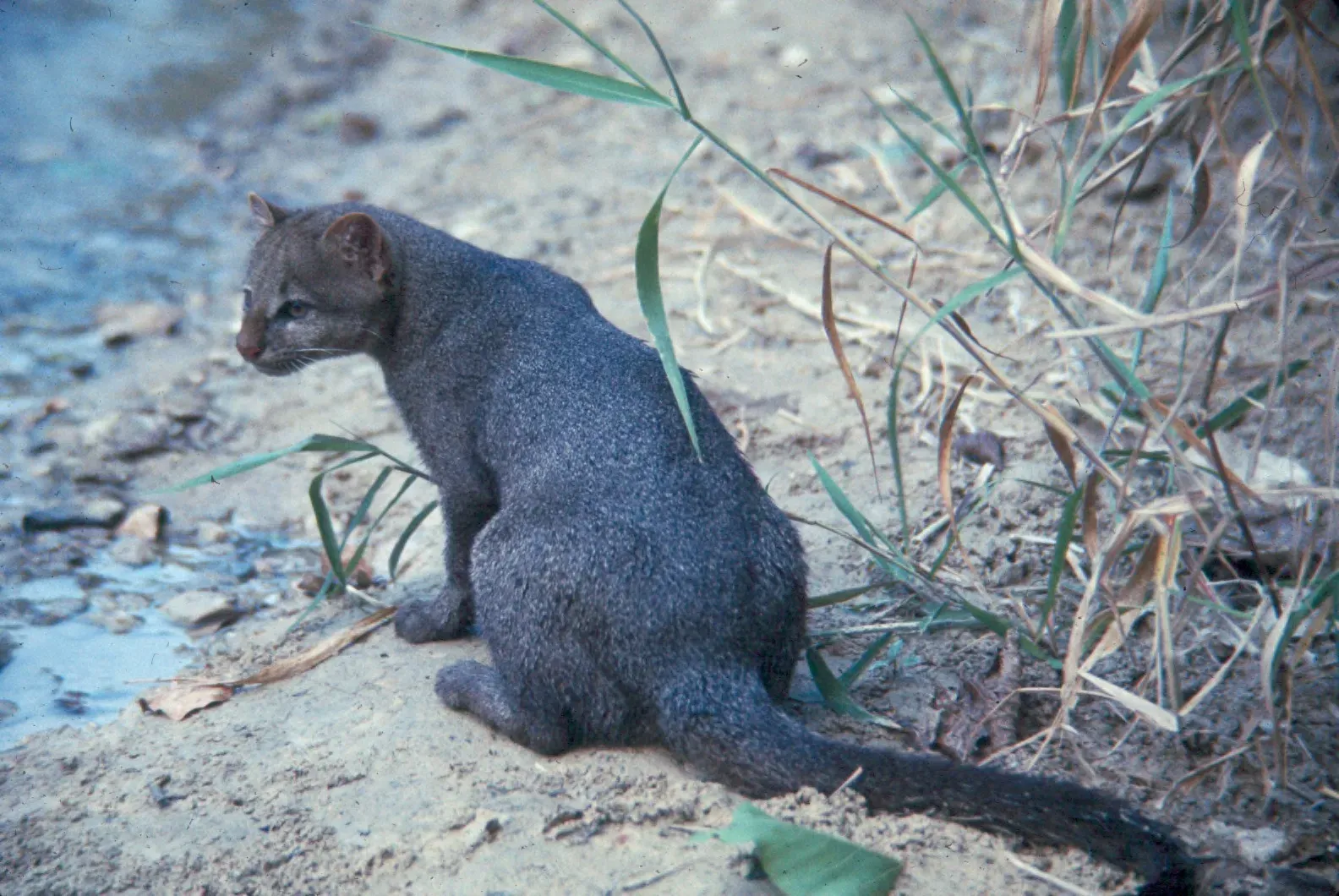
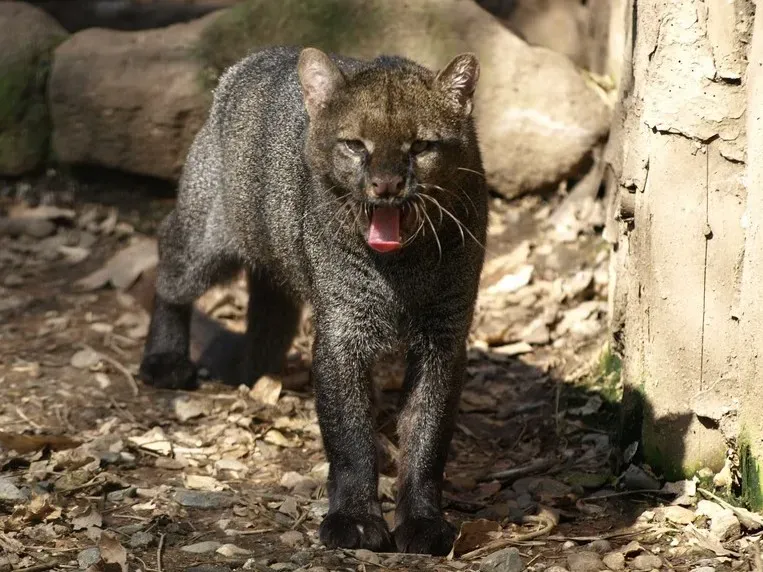
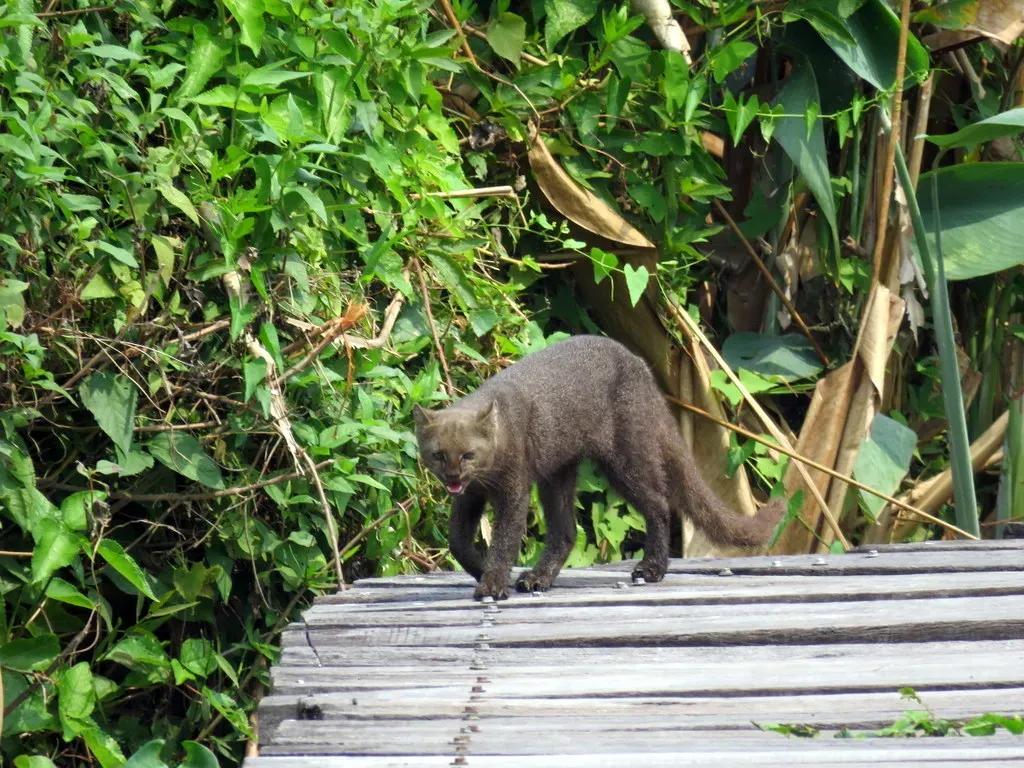
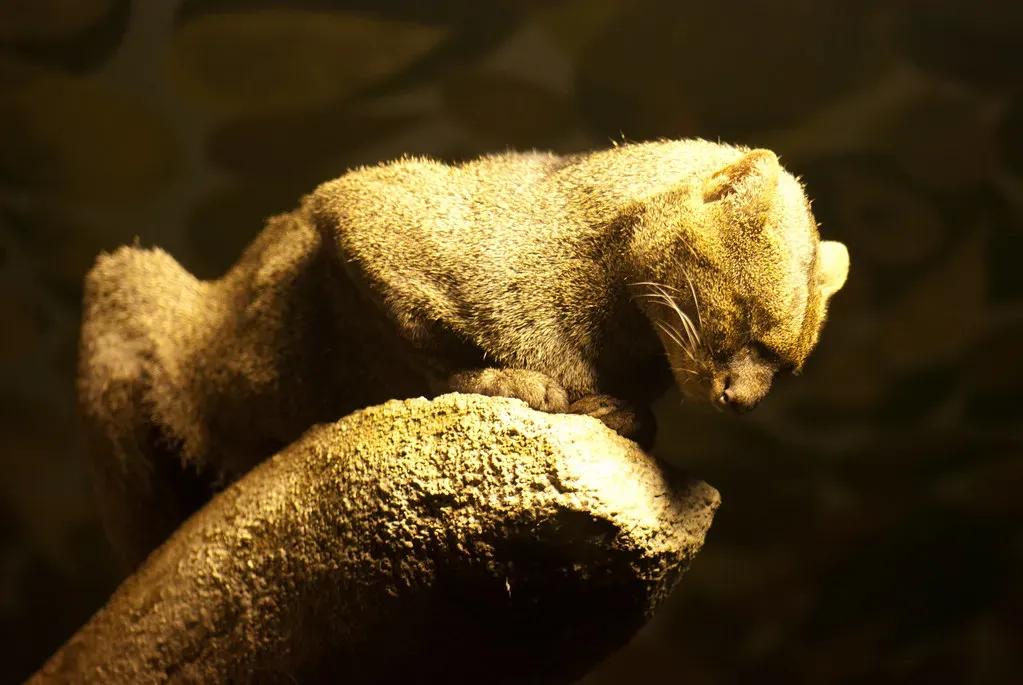
The has an elongated body with relatively short legs, small flattened heads, and long tails reminiscent of an otter or weasel. Honestly, when you first see one, you might question whether it’s even a cat at all. Because of their short legs, slender elongated bodies, and small flattened heads, s are often called otter cats.
Around twice as large as a domestic cat, the reaches nearly 36 cm at the shoulder and weighs between 3.5 to 7 kg. Their small rounded ears and short snout give them an appearance that sets them apart from virtually every other wildcat in the Americas.
This Cat Comes in Two Distinct Color Phases
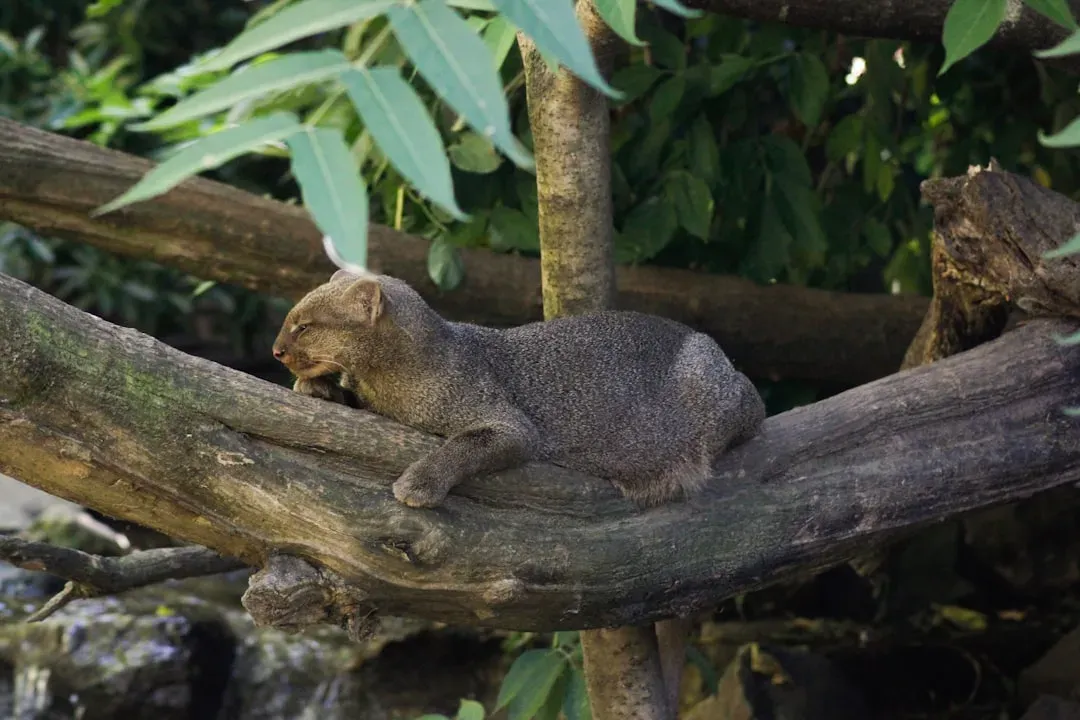
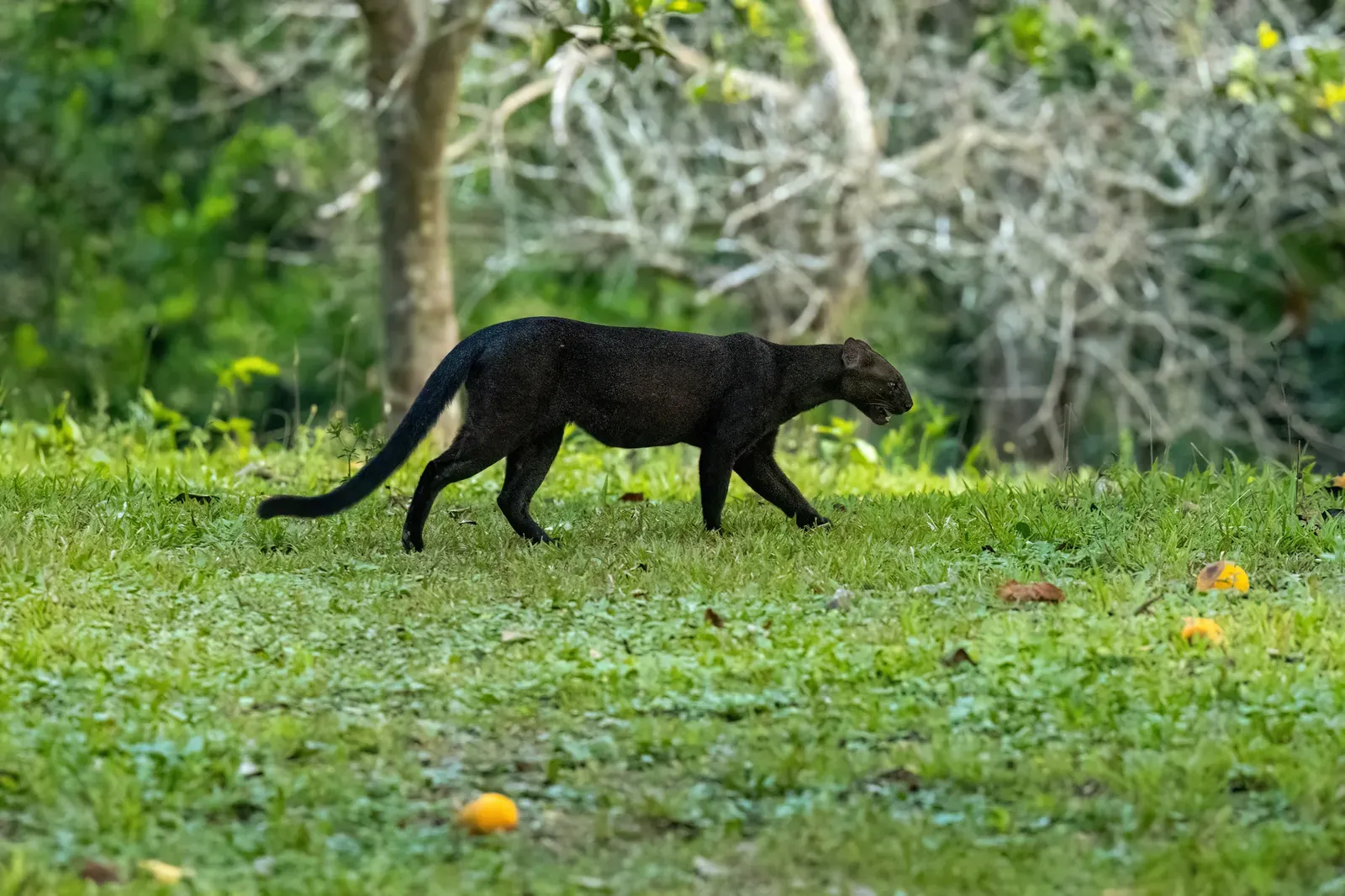
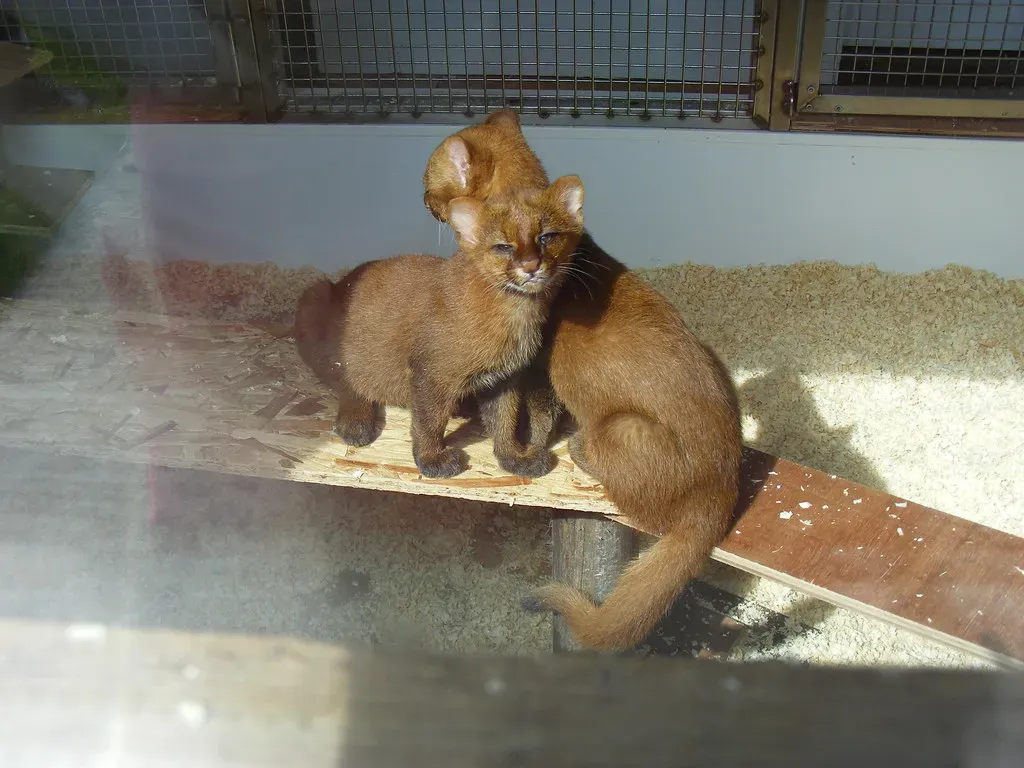
Unlike most wildcats that sport spots or stripes, the ‘s coloration is uniform with two color morphs, gray and red. The short, smooth, unmarked coat shows three distinct colour phases: black, brownish grey, and a reddish brown phase known as the Eyra. Here’s the thing: these color variations are so different that early naturalists actually thought they were looking at two separate species entirely.
Despite the differences in coat color, the two color morphs do mate, and litters are observed containing both. Interestingly, the color phase often relates to habitat, with darker morphs more commonly found in dense forests and reddish coats associated with open, drier environments, though all colors can appear in any habitat.
It’s More Closely Related to Pumas Than Jaguars
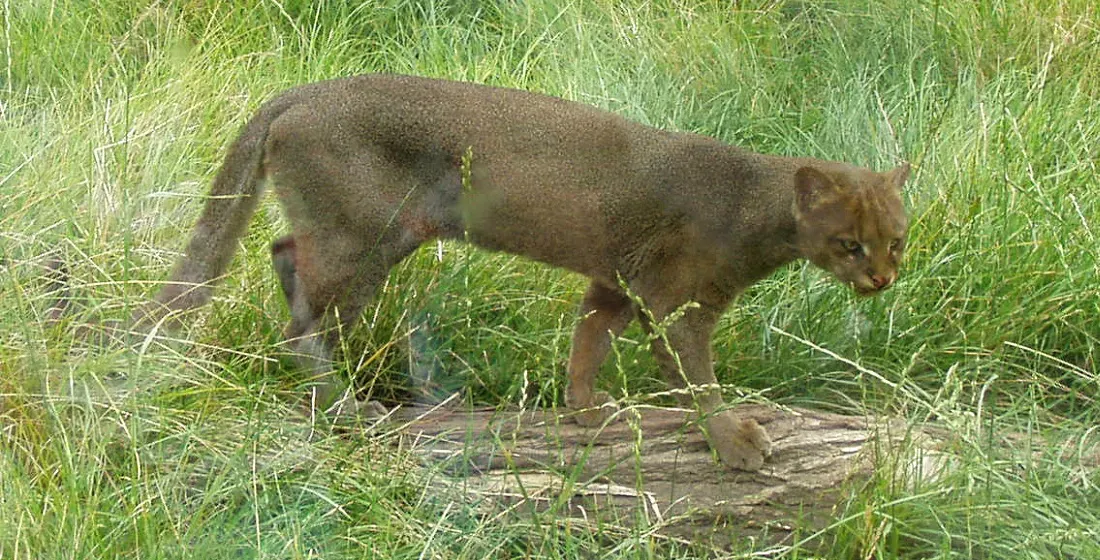
The name might suggest a connection to jaguars, but the name means “dark jaguar” in the old Guaraní language, however evolutionary studies have found that s are most closely related to pumas and cheetahs, not jaguars. This revelation completely changed how scientists view this species.
While other small South American cats have 36 chromosomes, the has 38, the same number as Old World cats, and DNA techniques suggest that the is more closely related to the cheetah and the puma. Let’s be real, genetics can be surprising sometimes, showing us that appearances aren’t everything when it comes to evolutionary relationships.
They’re Daytime Hunters Unlike Most Cats
Most wildcats are nocturnal prowlers, but the breaks that mold completely. Unlike other sympatric cats such as the ocelot, the is more active during the day and hunts mainly during daytime and evening hours. Compiling camera trap records from various studies, it appears that they are most active between 08:00 h and 12:00 h and again between 16:00 h and 20:00 h.
This diurnal behavior actually gives them a competitive advantage. By hunting when other small cats are sleeping, s avoid direct competition with nocturnal species like ocelots and margays that share their habitat.
Their Diet is Surprisingly Diverse
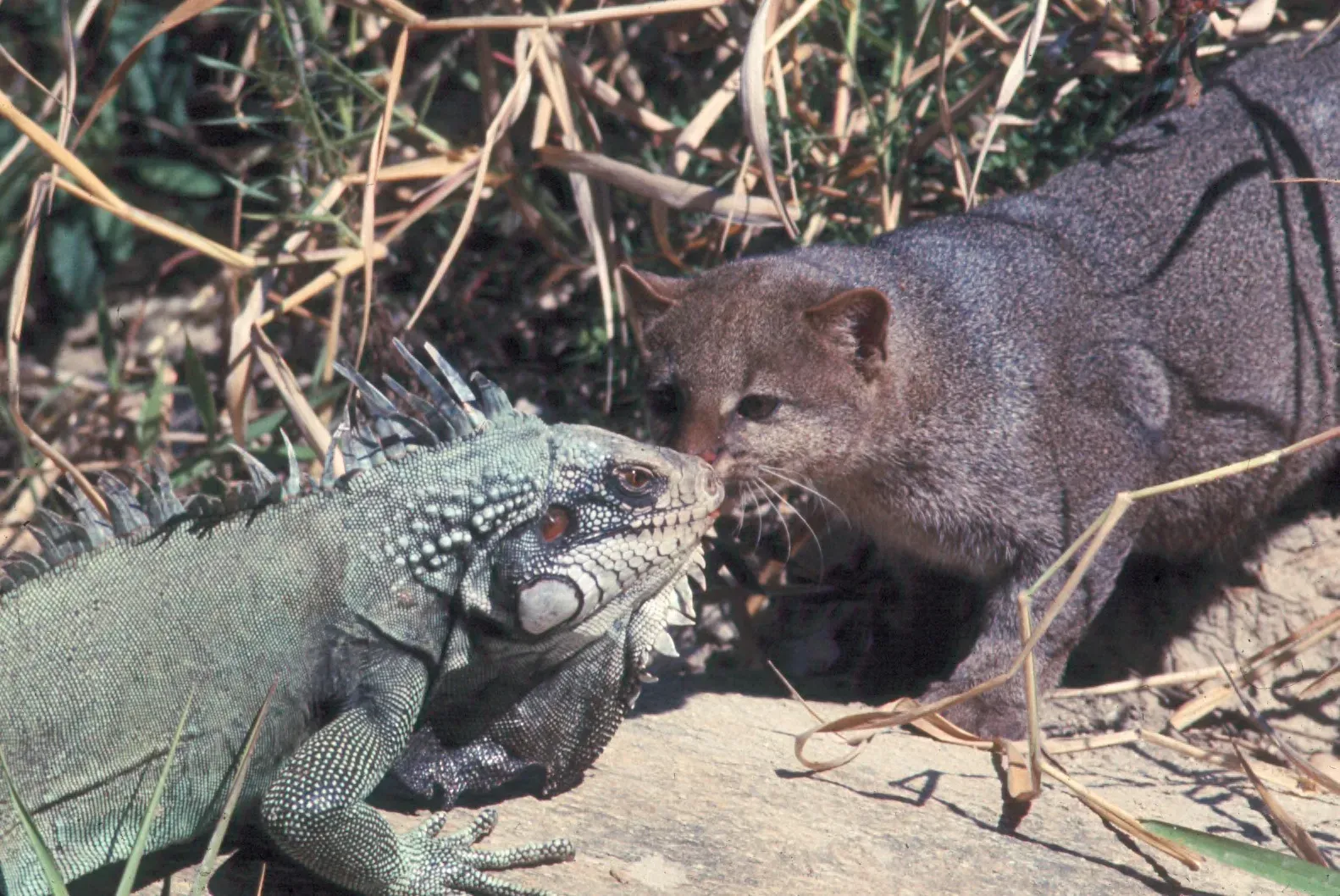
The feeds on various kinds of prey, especially ground-feeding birds, reptiles, rodents and small mammals. They’re not picky eaters by any means. Their diet includes birds, reptiles, small mammals, and fish on occasion, and s also hunt larger game, like armadillos, with some frequency.
What’s remarkable is their adaptability. They have the ability to jump 6.5 feet into the air to capture a bird, and they’re strong swimmers who aren’t afraid to wade into shallow water looking for fish or frogs. This versatility in hunting methods helps them survive across wildly different habitats.
They Have Vanished From the United States
The was declared extinct in Texas in 2025, but is thought to still be present in Santa Ana National Wildlife Refuge. The last specimen collected in the U.S. was a roadkill near Brownsville, Texas, in 1986. This is a sobering reminder of how quickly a species can disappear from an entire region.
s are endangered because the dense brush that provides habitat has been cleared for farming or for the growth of cities, and s still exist in Mexico, but are extinct in Texas. The southern Texas populations once represented the northernmost edge of their range, making them particularly vulnerable to habitat loss and fragmentation.
Their Conservation Status is Complicated
The IUCN notes that numbers are declining despite listing it as a species of least concern. It’s hard to say for sure, but this seems like a dangerous disconnect between official classification and reality. The Convention on International Trade in Endangered Species includes North American and Central American populations on Appendix I, which means they are threatened with extinction and require a high level of protection.
Research indicates that the may be uncommon, and a low-density species often found at densities of 1 to 5 individuals per 100 km² or lower, with a recent study in southern Brazil determining the minimal density to be a mere 4 individuals per 100 km². These incredibly low population densities make long-term survival uncertain in many areas.
Habitat Loss is Their Biggest Threat
Habitat loss and fragmentation might be the biggest threat to numbers, since these cats require large home ranges, and converting their habitat into agricultural land and pastures reduces their ability to find prey and mates. Home ranges can span 1.4 to 18 km² for females, while males measured 8.5 to 25.3 km² in area, with two males in Belize recorded to have exceptionally large home ranges spanning 88 km² and 100 km².
The seems to have found a place at the margins, hunting at the forest edge or in the patchwork of forest and small fields where wildlands and human settlements meet, but as small farms are swallowed up by larger farms or industrial agriculture, that messy kind of mosaic is being lost. This is particularly devastating because s actually thrive in these transitional zones more than deep forest.
They Face Threats From Domestic Animals
One researcher calls the species the neglected kid in the family and is particularly concerned about the invisible threat of disease transmission from domestic dogs, having observed large numbers of domestic and feral dogs using the same areas as wild felids including the . This is something most people never think about when considering wildcat conservation.
s are hunted by farmers because they eat their poultry, and they are sometimes caught accidentally in traps laid for other animals. The conflict with humans over chickens creates additional pressure on already struggling populations, though thankfully their fur is not valuable enough to attract commercial hunting.
Conservation Efforts Are Scattered and Underfunded
Hunting s is prohibited in Belize, Costa Rica, Guatemala, Honduras, Mexico, Panama, Argentina, Brazil, Bolivia, Colombia, French Guiana, Paraguay, Suriname, Uruguay, the US, and Venezuela. Legal protection is one thing, but enforcement and habitat preservation are entirely different challenges.
As little is known about the , its status should be periodically reviewed, and there is an urgent need for further research on its ecology, demographics and natural history to identify threats and their impacts, as well as to ensure that adequate conservation measures can be implemented. Like many other small cat species, s are understudied and poorly known, and without the right data on a species’ ecology, it’s much harder to conserve them. The sad reality is that big flashy cats get the funding while species like the fade into obscurity.
Conclusion: A Cat Worth Saving
The represents something we see far too often in wildlife conservation: a species slipping away while the world barely notices. These strange, otter-like cats with their daytime hunting habits and adaptable lifestyles deserve more than to be labeled as “least concern” while their populations quietly decline. From the complete disappearance in Texas to the fragmented populations struggling across Central America, the needs urgent action before more regions lose them forever.
What strikes me most is how little we actually know about these cats. After decades of research, scientists still can’t provide accurate population estimates or fully understand their ecology. That’s a failure we need to correct. The might not have the charisma of a jaguar or the familiarity of a mountain lion, but it plays a vital role in the ecosystems it inhabits. If we let this unique wildcat vanish from more of its range, we lose not just a species but a living reminder that conservation requires attention to the overlooked and underappreciated.
What do you think needs to happen to save the ? Should reintroduction efforts begin in Texas, or is it already too late?
