
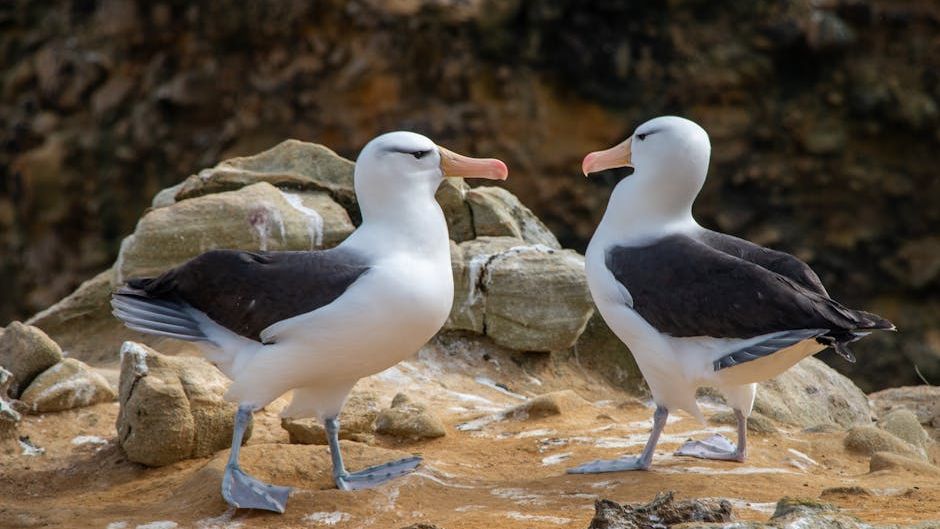
America has a way of hiding its best secrets in plain sight. While national parks tend to absorb all the attention, there’s another network of protected lands quietly doing extraordinary work across every corner of the country. The U.S. Fish and Wildlife Service manages an unparalleled network of public lands and waters called the National Wildlife Refuge System, which with more than 570 refuges spanning the country protects iconic species and provides some of the best wildlife viewing opportunities on Earth.
As of January 2026, the National Wildlife Refuge System consists of 573 national wildlife refuges, with several significant additions since 2023, including the Everglades to Gulf Conservation Area in Florida and the Southern Maryland Woodlands National Wildlife Refuge. That’s a vast, living tapestry of ecosystems. These ten refuges stand out as particularly captivating destinations for anyone who takes the outdoors seriously.
Pelican Island National Wildlife Refuge, Florida: Where It All Began
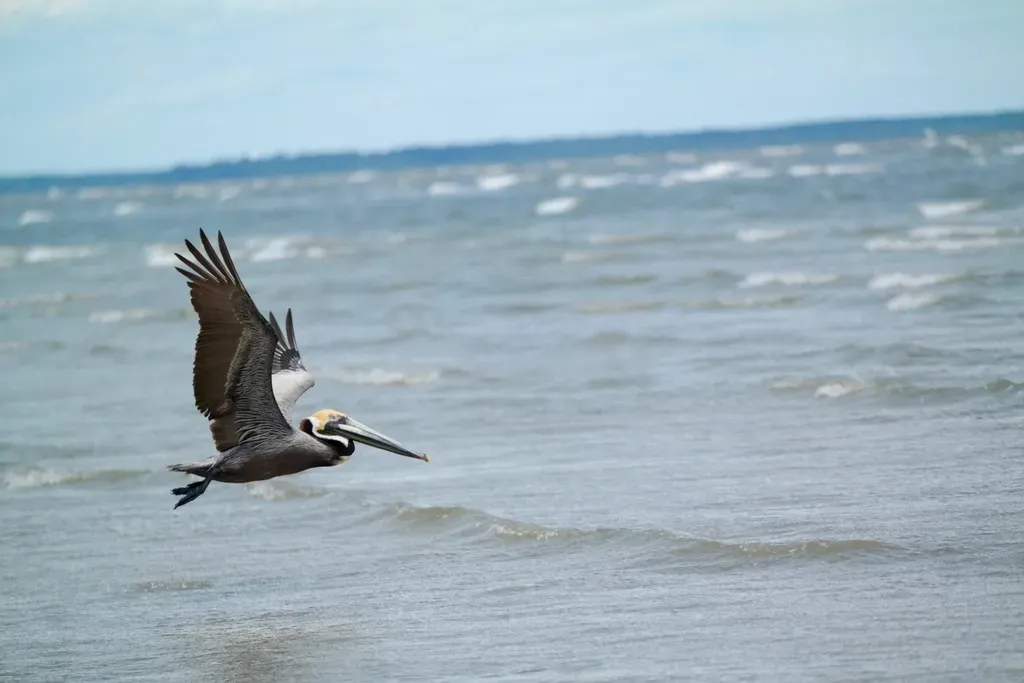
Few places in American conservation carry quite the weight of Pelican Island. The 5,400-plus acres of land and water at Pelican Island National Wildlife Refuge represent the world’s first wildlife refuge, established on March 14, 1903 by President Theodore Roosevelt to protect birds that were nearly hunted to extinction.
We can thank President Theodore Roosevelt for establishing what became the nation’s first national wildlife refuge, Florida’s Pelican Island, in 1903. Sitting along the Atlantic coast of Florida in Indian River Lagoon, it may look small on a map, but its historical footprint is enormous.
The refuge is a reminder that without early intervention, entire species disappear without a trace. Visiting here feels less like a typical nature outing and more like standing at the birthplace of a movement that now protects millions of acres across all fifty states.
Okefenokee National Wildlife Refuge, Georgia: Land of the Trembling Earth
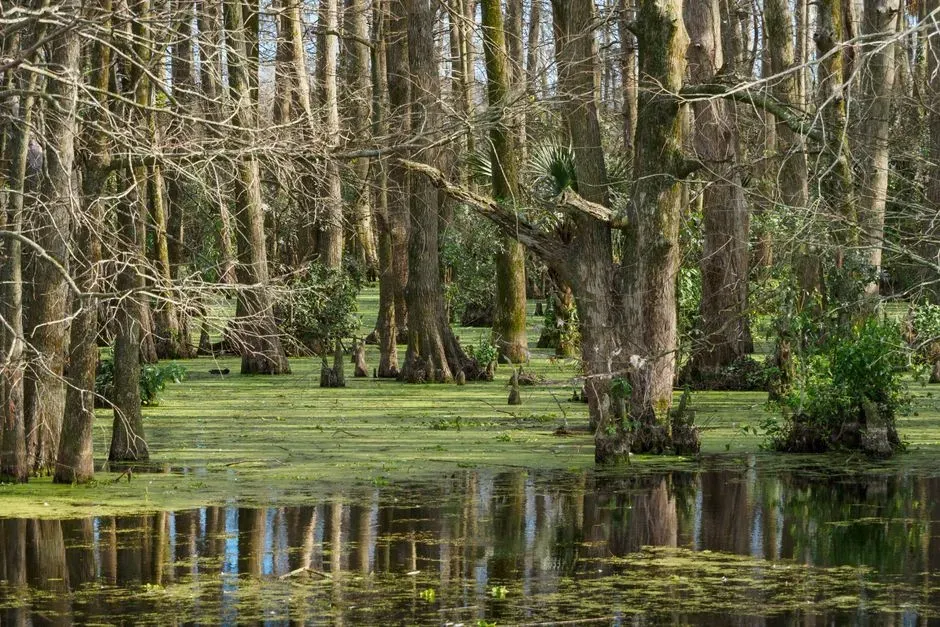
Native Americans named the area “Okefenokee” meaning “Land of the Trembling Earth,” and the name holds up. Peat deposits up to 15 feet thick cover much of the swamp floor, and these deposits are so unstable in spots that trees and surrounding bushes tremble by stomping the surface.
The Okefenokee Swamp covers almost 700 square miles and is one of the largest intact freshwater environments in the world and the largest blackwater swamp in North America. It has been designated a Wetland of International Importance by the United Nations under the Ramsar Convention of 1971.
The most iconic species that resides in the Okefenokee is the American Alligator, with an estimated population of approximately 15,000 alligators living in the swamp, meaning visitors are almost guaranteed to have at least a few sightings. At least 234 species of birds, 50 species of mammals, 64 species of reptiles, 37 species of amphibians, and 39 species of fish can be found here.
The refuge has about 5 miles of walking and bicycling trails and over 120 miles of paddling trails. Whether you explore by canoe or on foot, the atmosphere is ancient and genuinely unlike anything else in the eastern United States.
Bosque del Apache National Wildlife Refuge, New Mexico: The Sky Fills With Wings
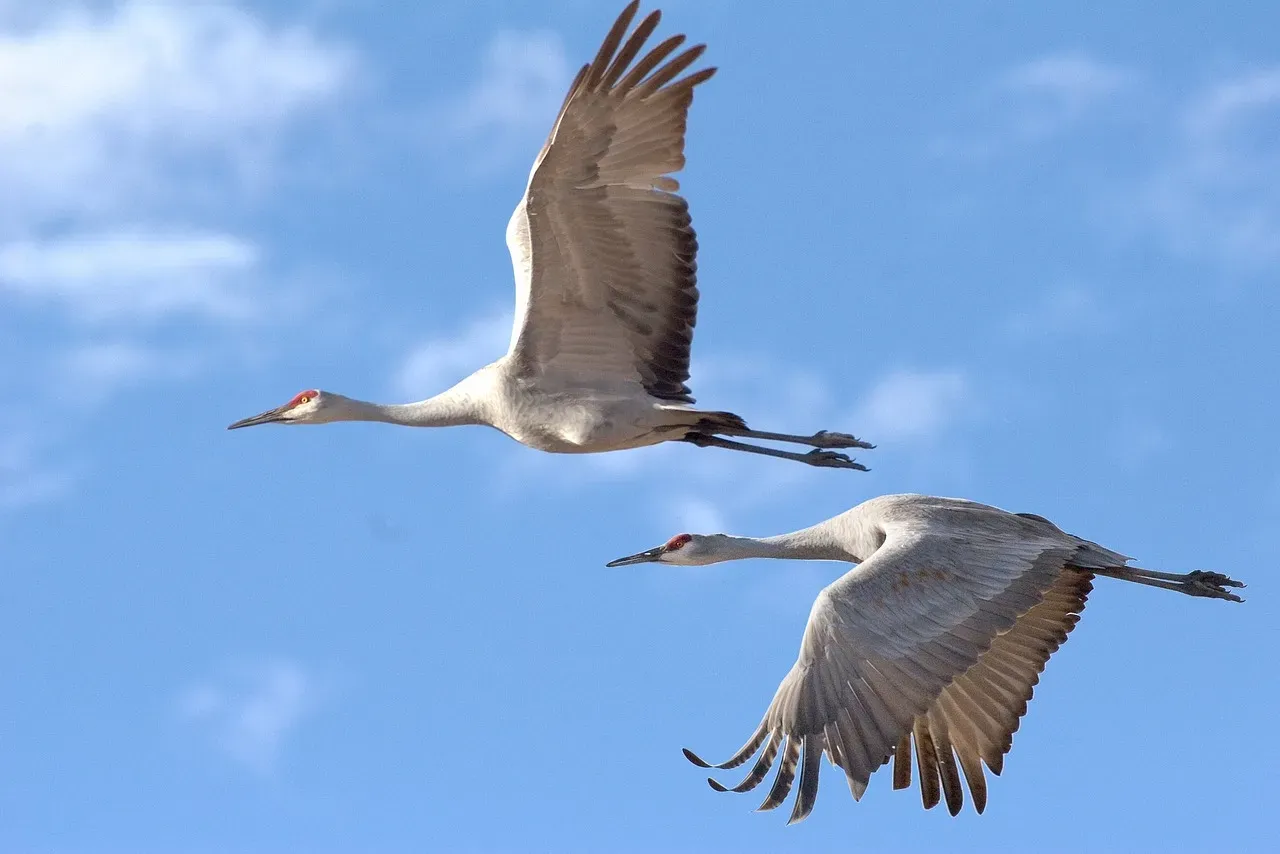
Tucked between New Mexico’s Chupadera and San Pascual mountains, this 57,000-acre haven draws tens of thousands of sandhill cranes, geese, and ducks each winter. The spectacle is nearly impossible to describe to someone who hasn’t seen it.
From late October through early spring, you can see impressive flocks of sandhill cranes and snow geese lift off the pond in a cacophony of honking, with wings beating furiously – visiting Bosque del Apache leaves visitors in complete awe of the birds and their synchronicity.
The refuge shelters four endangered species year-round, turning a desert stopover into a life-saver for migrants. Sandhill cranes may be seen along the auto loop from October through January, making the winter months the undisputed peak season. The combination of high desert landscape and explosive bird activity creates something truly cinematic.
J.N. “Ding” Darling National Wildlife Refuge, Florida: Mangroves and Roseate Spoonbills
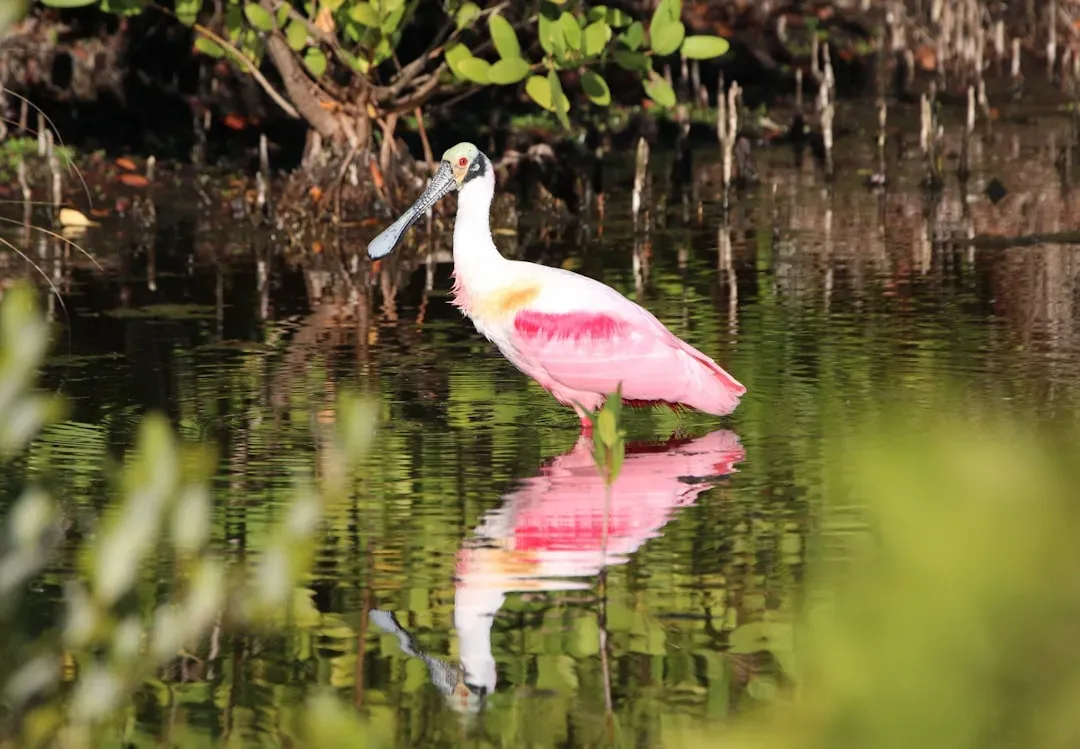
On Sanibel Island’s southwest coast, over 6,000 acres of mangroves and marshes form the United States’ largest undeveloped mangrove ecosystem. The refuge is named after Jay Norwood “Ding” Darling, a Pulitzer Prize-winning cartoonist and passionate conservationist whose advocacy helped shape American wildlife policy.
A four-mile wildlife drive on Sanibel Island winds through mangrove forest, cordgrass marsh and hardwood hammocks, offering close-up views of wading birds, shorebirds, seabirds, waterfowl, and raptors. Wildlife to look for includes roseate spoonbills, wood storks, reddish egrets, little blue herons, anhingas, white pelicans, bald eagles, otters, bobcats, and alligators.
Winter from January to mid-April delivers peak bird action, though the refuge is active throughout much of the year. Bicycling is also popular on the paved route, part of the island’s system of multi-use trails. It’s one of those places that manages to feel genuinely wild even though Sanibel Island itself draws plenty of visitors.
Red Rock Lakes National Wildlife Refuge, Montana: The Trumpeter Swan’s Last Stand
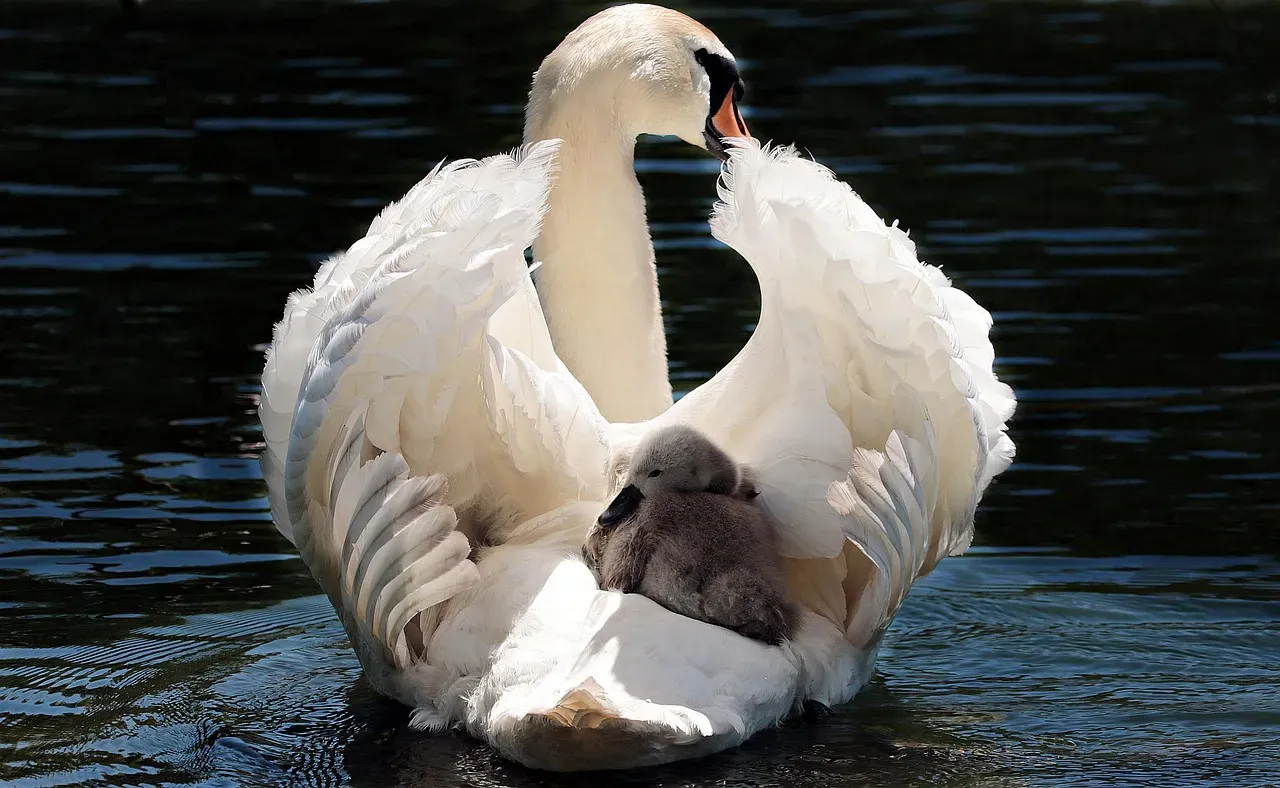
Located just 30 miles west of Yellowstone National Park, the 45,000-acre refuge is bounded by 10,000-foot-high peaks of the Centennial Mountains and consists of a rich tapestry of marshes, lakes, grasslands, sand dunes, and forest.
The refuge was created in 1935 to protect the last known stronghold of Trumpeter Swans, which were facing extinction with only 70 birds left. Today, hundreds of these birds, with wingspans stretching eight feet and weighing up to 30 pounds, live in the refuge year-round.
That prime habitat is home to much of the same wildlife as nearby Yellowstone including wolves, bears, elk, river otters, and more than 200 bird species, including Western Tanagers, 15 raptor types, and numerous waterfowl – with the benefit of much smaller crowds. That last detail alone might be the most compelling reason to visit.
Chincoteague National Wildlife Refuge, Virginia: Wild Ponies and Open Shoreline
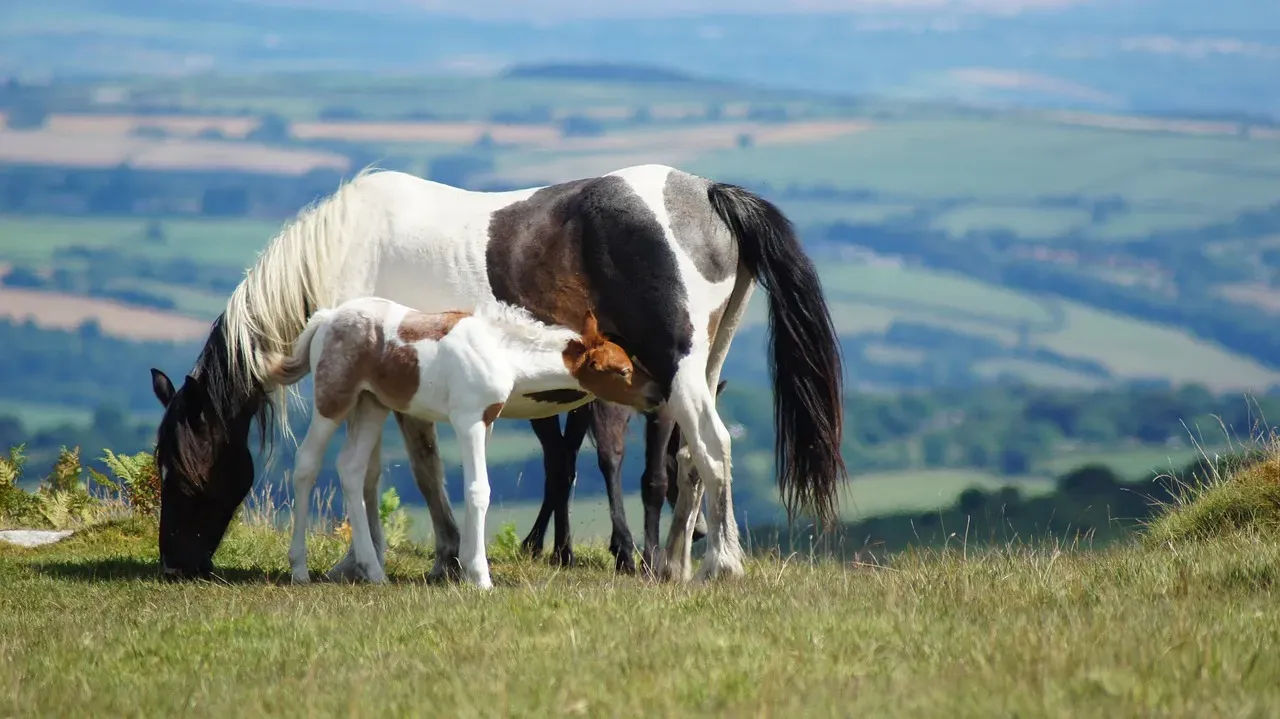
Perched on Chincoteague Island, this birder’s gem boasts the famous wild ponies and Assateague Lighthouse. The ponies have become something of a cultural icon, drawing visitors who might not otherwise think much about wildlife refuges at all.
Despite its avian roots, the refuge may be more famous for one of its four-legged inhabitants, the feral Chincoteague Pony. The pint-sized horses legally belong to the Chincoteague Volunteer Fire Company, which purchased them before the refuge was established and grazes up to 150 on the federally managed lands with permission from the U.S. Fish and Wildlife Service.
Evidence suggests that the wild ponies have lived on Assateague Island for hundreds of years, descended from domesticated horses brought to the island by colonial Americans, though a more fanciful version has them escaping a Spanish galleon that wrecked offshore. Cyclists and pedestrians traveling along the three-mile Wildlife Loop that girds Snow Goose Pool will observe snowy egrets and green and tricolored herons.
Rocky Mountain Arsenal National Wildlife Refuge, Colorado: Bison Near the Skyline
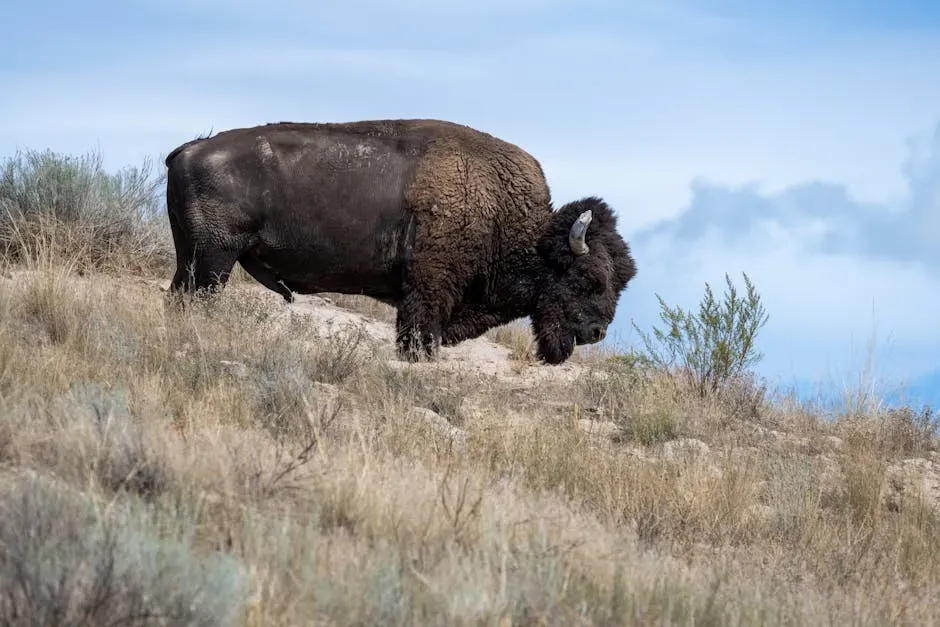
Few wildlife refuges have a backstory quite as striking as Rocky Mountain Arsenal. The land was once a chemical weapons manufacturing site during World War II and then used for agricultural pesticide production afterward. Today, it’s one of the more remarkable conservation turnaround stories in the country.
Today, bison roam freely in Rocky Mountain Arsenal National Wildlife Refuge, ignoring the Denver skyscrapers in the distance and the land’s former military use, joined by deer, coyotes, bald eagles, and owls that can easily be viewed along hiking trails or on the wildlife drive auto tour.
One of the best ways to experience this 15,000-acre refuge just outside Denver is by taking the 11-mile wildlife drive auto tour. Wildlife to look for includes bison, prairie dogs, black-footed ferrets, burrowing owls, coyotes, and cottontail rabbits. The contrast of urban skyline and free-roaming bison is an image that stays with you.
Midway Atoll National Wildlife Refuge, Hawaii: Remote, Remarkable, and Historic
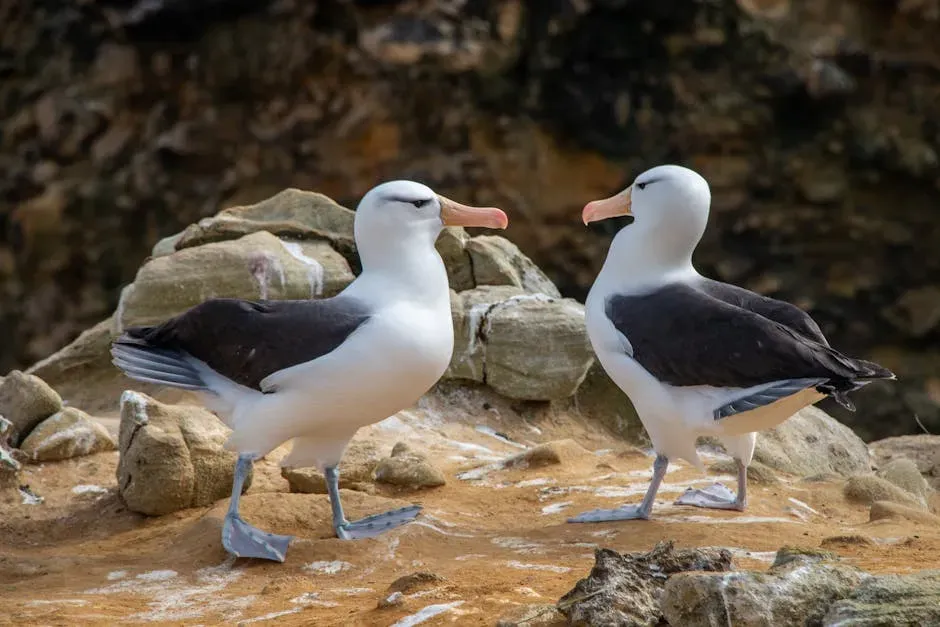
On the far northern end of the Hawaiian archipelago lies Midway Atoll National Wildlife Refuge, a place of astonishing beauty. This small refuge is one of the oldest atoll formations in the world, providing nesting habitat for millions of seabirds while protecting remnants from one of the most decisive battles of World War II.
Located approximately 1,200 miles northwest of Honolulu in the central Pacific Ocean, Midway Atoll National Wildlife Refuge protects one of the most remote and remarkable wildlife sanctuaries under U.S. jurisdiction. Getting there takes effort, but the reward is a place that operates entirely on its own ecological terms.
The Laysan albatross nests here in enormous numbers, and the surrounding waters hold significant marine biodiversity. The dual nature of the atoll as both a wildlife haven and a place of deep wartime history gives it a layered significance that very few refuges can match.
Bear River Migratory Bird Refuge, Utah: A Desert Oasis for Millions of Birds
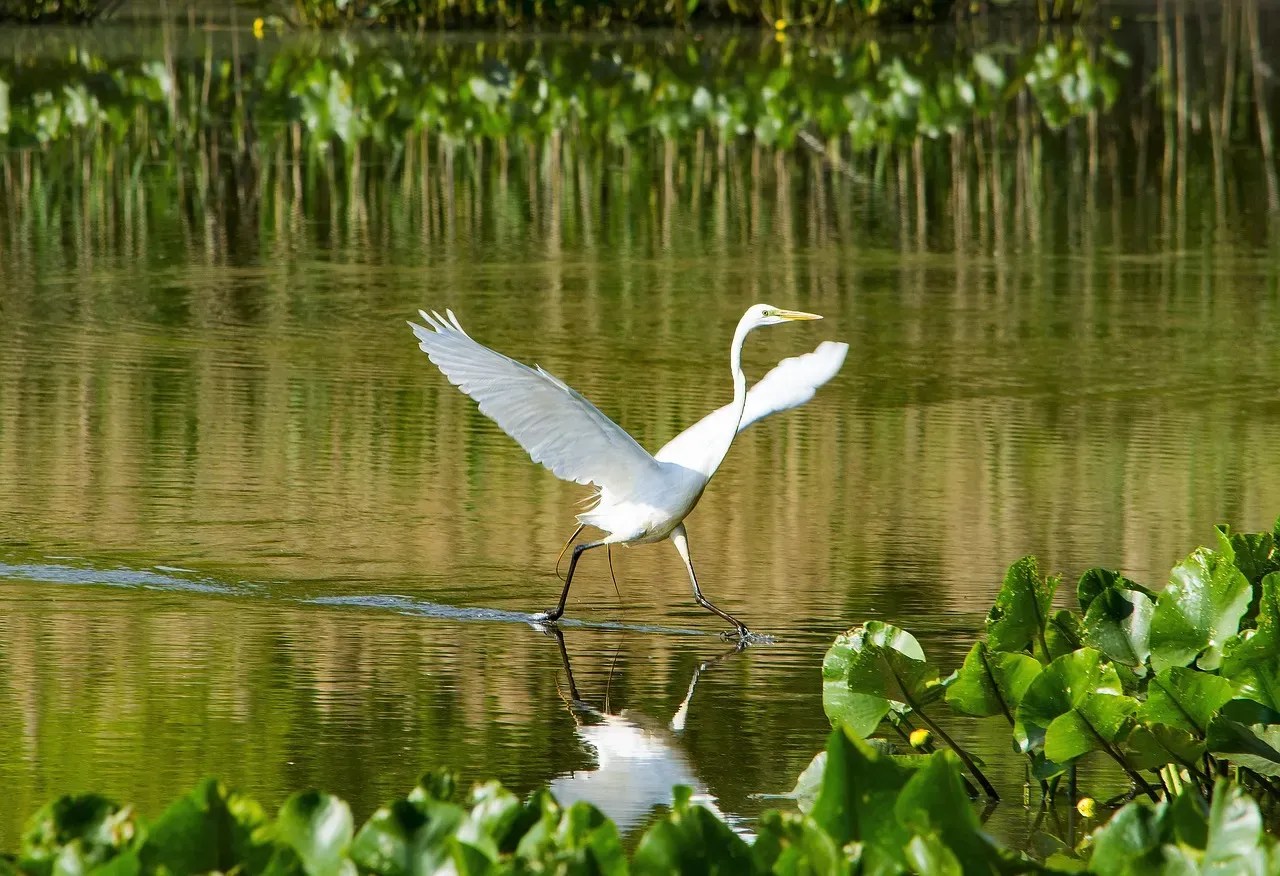
Situated at the mouth of the Bear River in northern Utah, Bear River Migratory Bird Refuge conserves a key area of marshlands surrounded by arid desert, where millions of birds traveling along both the Pacific and Central Flyways stop to rest, feed, or nest.
To provide different water depths for a variety of waterbird species over the seasons, the refuge uses a complex system of water control structures. It’s a level of active management that most visitors don’t realize is happening quietly beneath the surface of what looks like a simple wetland landscape.
The contrast of dry, sun-baked terrain giving way to rich, teeming marshes is genuinely arresting. For birders, the sheer volume and variety of species passing through during migration seasons makes Bear River one of the most productive sites in the entire western United States. Dawn visits in particular can be strikingly memorable.
Ottawa National Wildlife Refuge, Ohio: The Catch-All Below Lake Erie
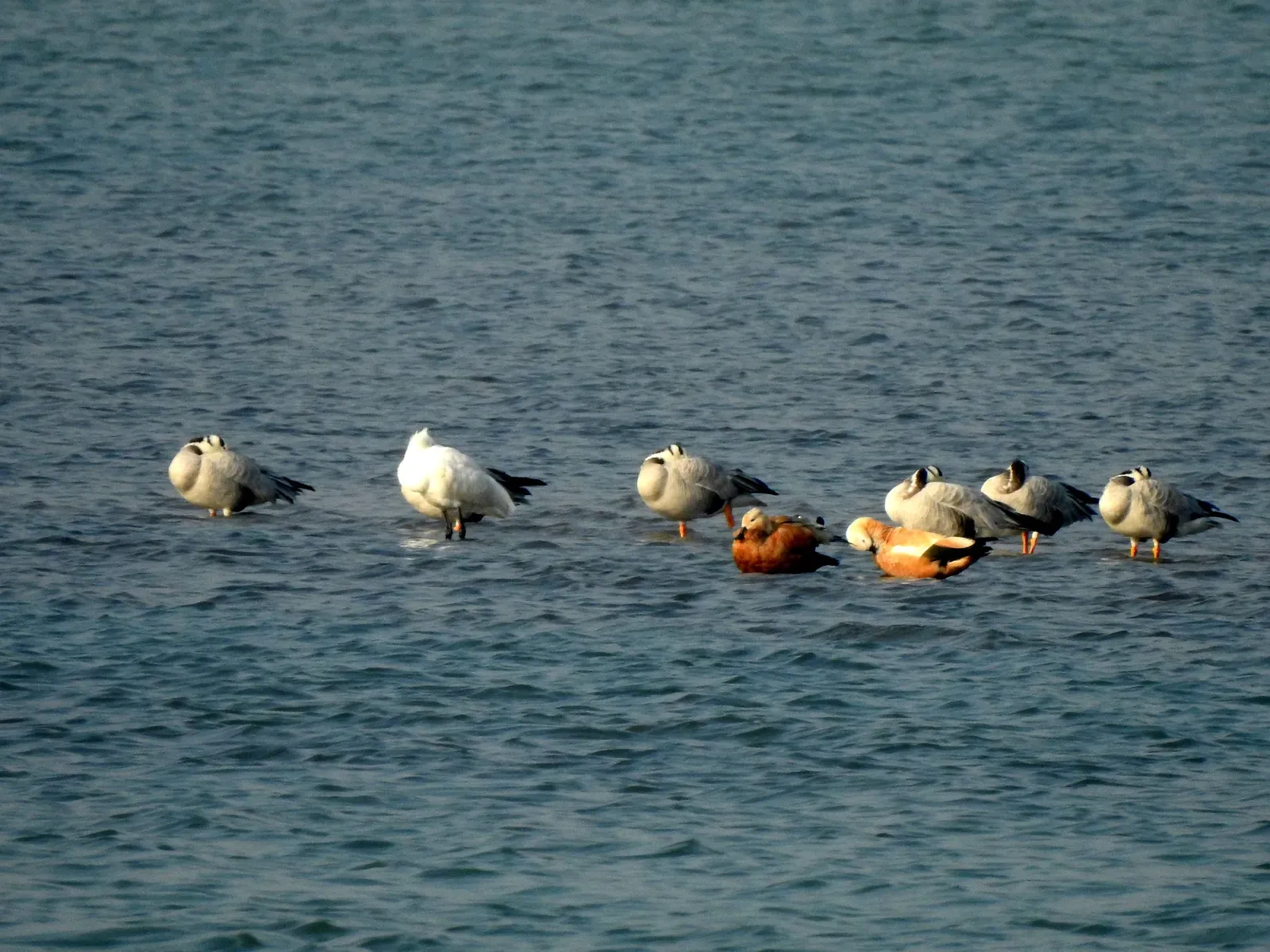
The 65,000-acre landscape, a relic of the Great Black Swamp, is wedged perfectly below Lake Erie, making it a catch-all for waders, fowl, shorebirds, and warblers during spring migration. The geography here is doing a lot of work that most visitors don’t fully appreciate at first glance.
Spring migration at Ottawa is genuinely world-class. The refuge sits directly in the path of millions of birds moving north along the Lake Erie shoreline, a natural funnel that concentrates species in numbers that rival destinations with far bigger reputations. Dedicated birders travel from across the country for this window.
There’s at least one wildlife refuge in every U.S. state and one within an hour’s drive of most major cities, and Ottawa is an excellent example of this quiet accessibility. It offers a serious wildlife experience without requiring a plane ticket or a week of preparation.
Conclusion: The Refuge System Deserves More of Your Attention
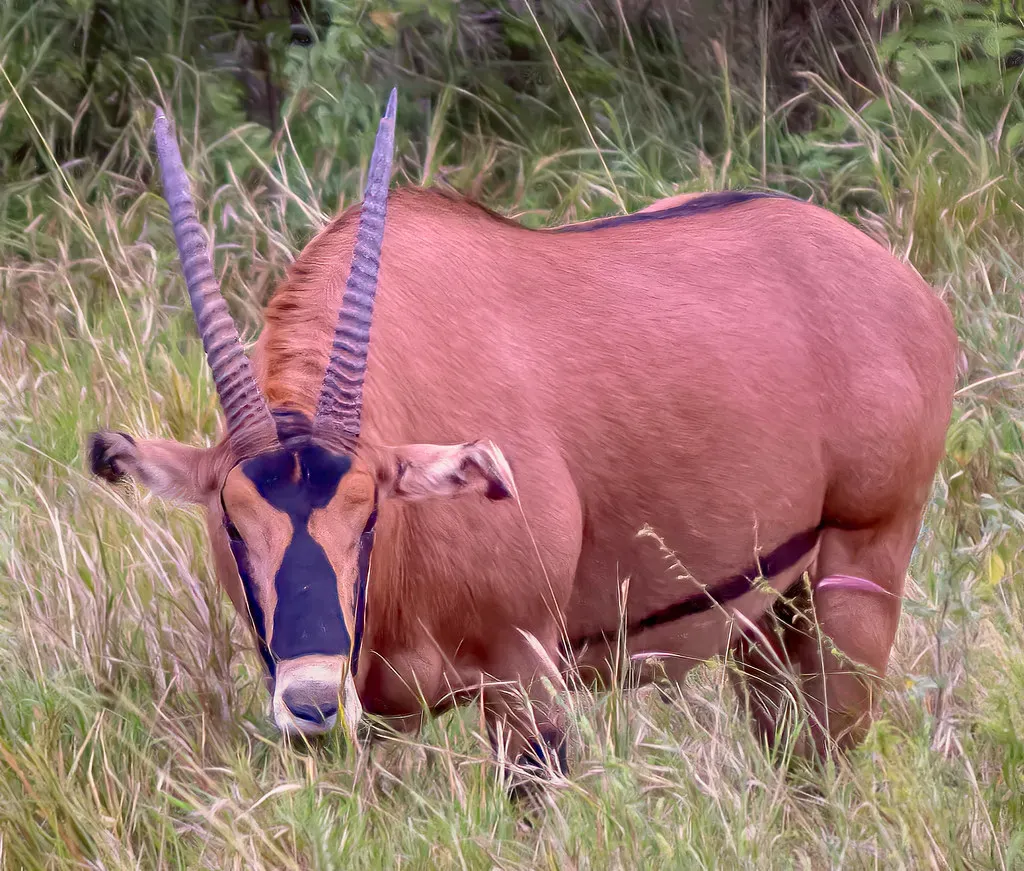
The United States is home to an extensive network of wildlife refuges spanning over 95 million acres, creating a tapestry of protected habitats that safeguard America’s diverse ecosystems and wildlife, from coastal marshes teeming with migratory birds to expansive desert landscapes harboring endangered species.
National wildlife refuges are found from sea to shining sea, spanning almost every type of habitat imaginable and contributing $3.2 billion per year into local economies. These places are not simply set-asides for wildlife. They are part of the economic and ecological fabric of the communities around them.
What makes the refuge system worth appreciating is its quietness. There are no gift shops at every turn, no overcrowded viewpoints, no lines for a famous geyser. Just land, water, and the wildlife these places were built to protect. Whether you start with the history of Pelican Island or the spectacle of Bosque del Apache, you’ll likely find that one visit leads, almost inevitably, to planning the next.
