
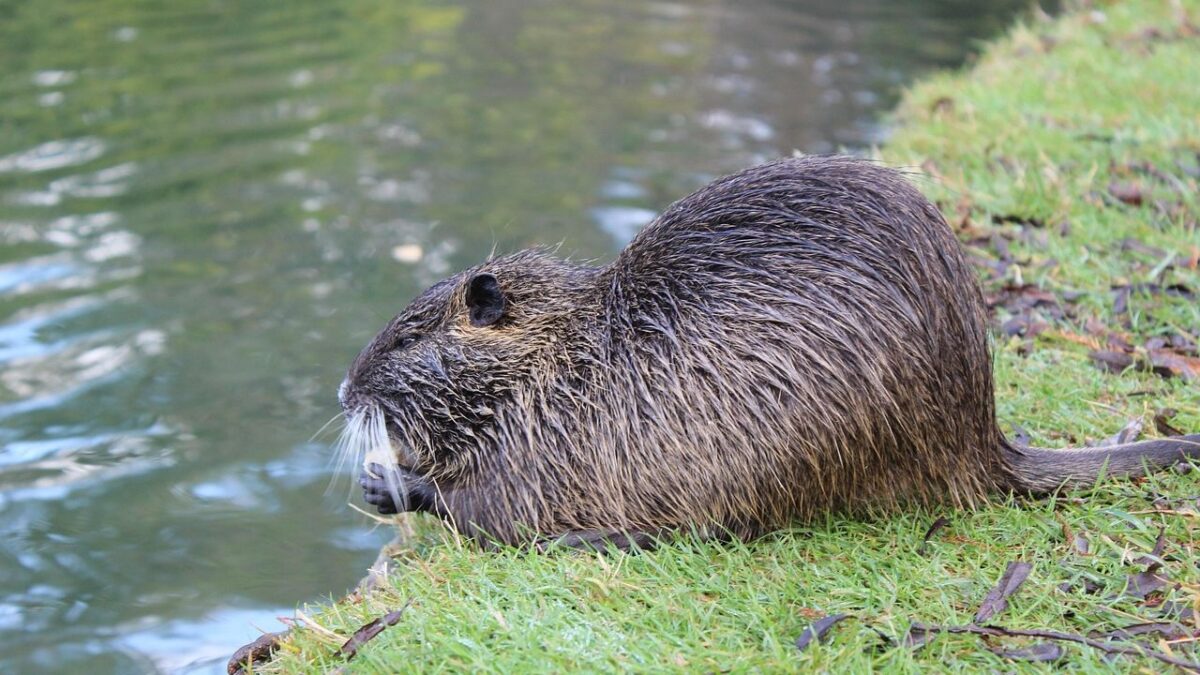
Walk along a stream where beavers have been at work, and you’re looking at a completely different world than you’d find on a typical waterway. The water spreads wide and still. Trees are trimmed at their bases. Ducks float where there was once a narrow, rushing channel. It’s a transformation that takes surprisingly little time, and it’s driven entirely by one animal and its instinct to build.
Over millions of years, beavers have developed the ability to modify ecosystems profoundly to meet their ecological needs, and in doing so they also provide valuable habitats for many other species that thrive in wetlands. Beavers are a keystone species because of their significant impact on streams, the movement of water, water quality, and the other animals that live there. The title of “ecosystem engineer” isn’t just flattering language. It reflects something genuinely remarkable about what these animals accomplish, one stick and one dam at a time.
How Beavers Actually Build Their Dams
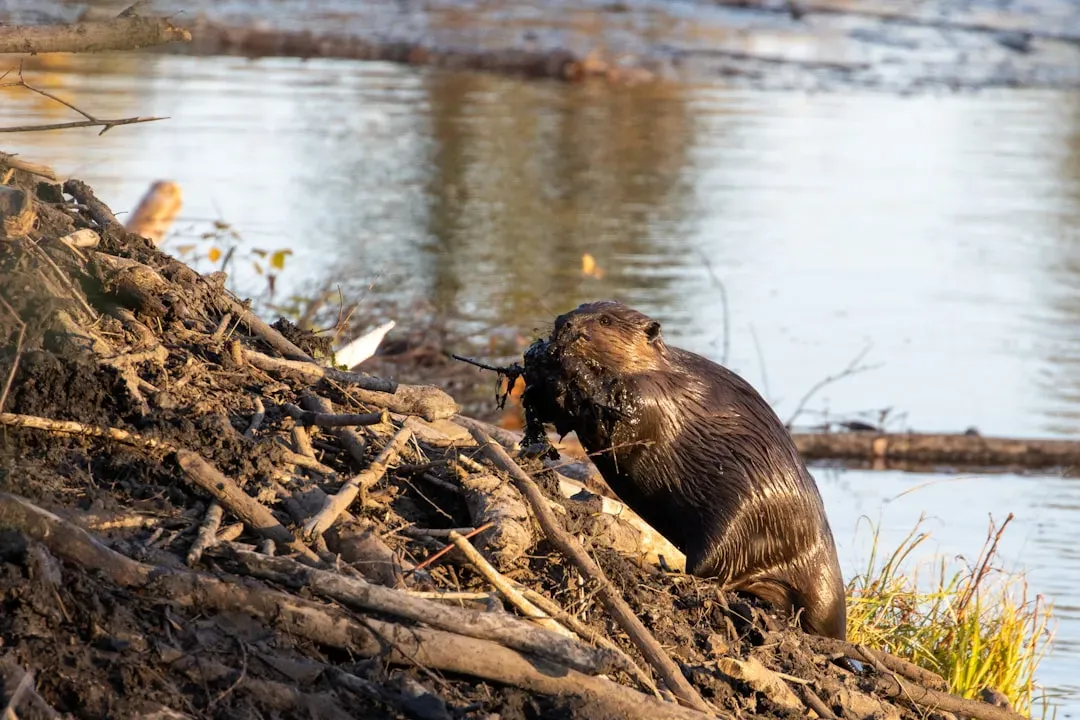
For millions of years, beavers have engineered small ponds in which they can build their home, carefully arranging sticks and packing the spaces with mud, grass, and rocks to create a dam that slows the flow of moving water. The construction is more deliberate than it might look from the outside.
Beavers start construction by diverting the stream to lessen the water’s flow pressure, then branches and logs are driven into the mud of the stream bed to form a base. They build prolifically at night, carrying mud with their forepaws and timber between their teeth.
They build dams to raise the water depth around their lodges, dome-shaped homes made of sticks and mud. This deeper water acts as a natural barrier, making it challenging for predators to access their lodges, and it allows beavers to create underwater entrances, giving them a hidden and secure way to come and go. The motivation is survival, but the outcomes ripple far beyond the lodge itself.
Beavers also excavate canals laterally across floodplains, to access and transport food and building resources, enhancing floodplain connectivity and geomorphic dynamism. These canal networks extend their engineering well beyond a single dam, turning whole stretches of river valley into something more complex and alive.
The Hydrological Power of a Beaver Pond
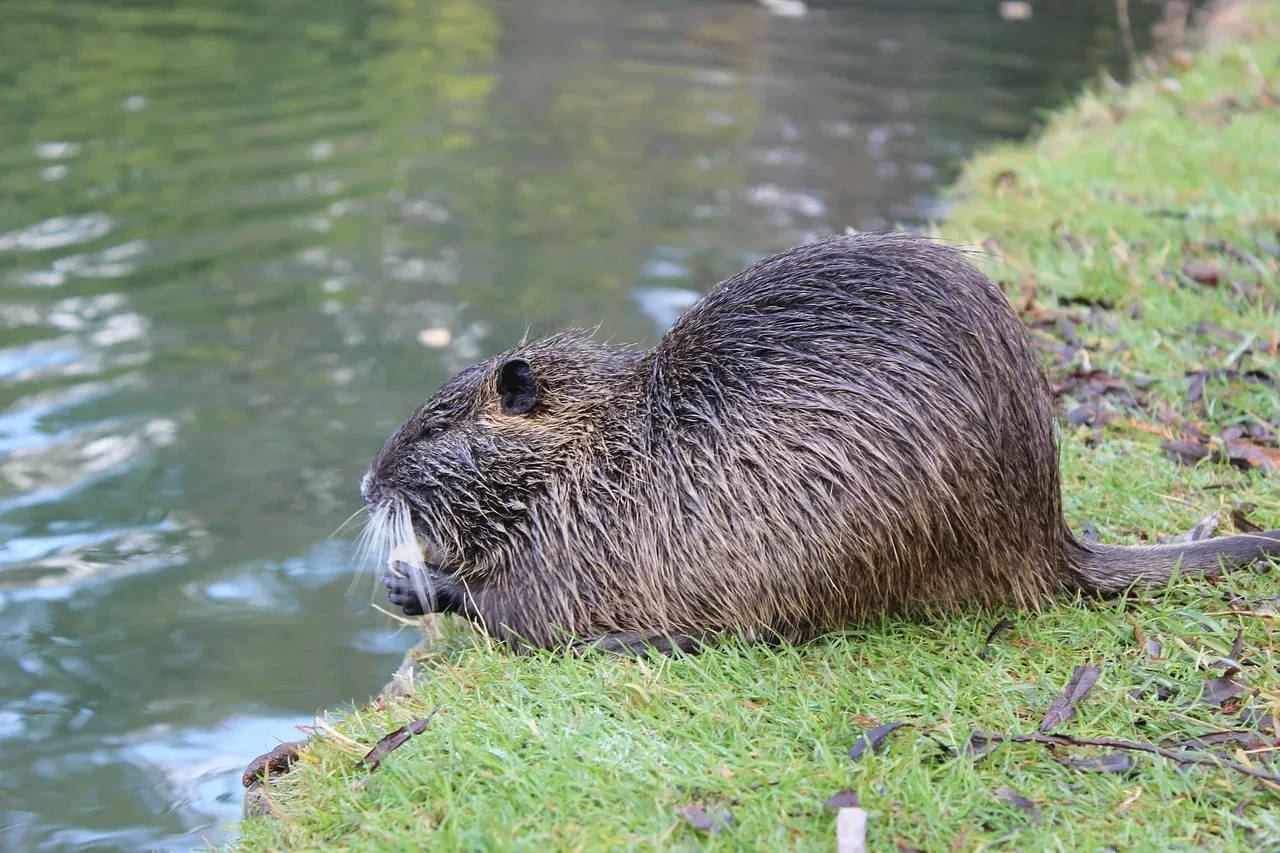
The most profound effect of beaver dams is on the movement and storage of water across the landscape. By slowing the stream’s velocity, the dams force water to back up and spread out laterally onto the floodplain. This increased water storage acts as a natural buffer against weather extremes, mitigating the effects of both drought and flood.
During dry periods, the stored groundwater is slowly released, maintaining stream flow that would otherwise dry up completely. Conversely, during intense rainfall or snowmelt, the dams reduce the flow’s energy and significantly attenuate peak flood flows downstream.
Water stored behind the dam also maintains an important supply by recharging deep aquifers, providing a safeguard to the surrounding area in dry seasons. When beavers and their dams are present, considerably more open water is available in times of drought. That’s not a minor detail given how many regions are facing worsening dry seasons.
Rivers with beaver dams in their headwaters have lower high-water and higher low-water levels, which means steadier, more predictable flows year-round. Results from multi-site research quantitatively demonstrate that peak flow reductions observed after beaver dam complex construction persist during both the wet times of the year and during large events when the societal, economic, and environmental risks of flooding are greatest.
A Biodiversity Hotspot Built From Sticks and Mud
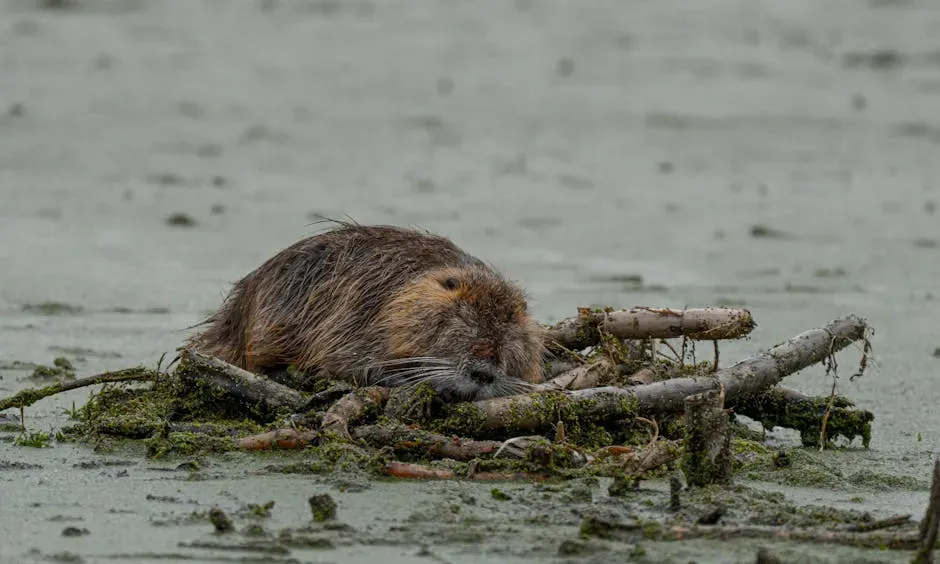
The ponds and surrounding wetlands created by beaver dams become vibrant hubs of biological activity. The standing water provides a new, open-water habitat that supports a diverse array of organisms, transforming a narrow stream corridor into a broad, complex ecosystem. This habitat is particularly beneficial for amphibians such as frogs and salamanders, and various aquatic insects, which thrive in the warmer, slower-moving water.
By opening the tree canopy, sunlight reaches the water and triggers an explosion of biological activity. Algae and aquatic plants grow in the sun-drenched, nutrient-rich water. This organic material supports microscopic organisms, which are eaten by a variety of invertebrates. These become food for fish, birds, and mammals. An entire food chain is created in a beaver pond.
The riparian zone, the area between the river and land, sees an increase of over a third in the number of herbaceous plants near beaver dams, which feeds the surrounding wildlife, and humans have used these herbs in cooking and medicine for hundreds of years.
Following the installation of beaver dam analogs in study streams, researchers observed significant increases in the density, survival, and production of juvenile steelhead without impacting upstream and downstream migrations. The steelhead response occurred as the quantity and complexity of their habitat increased. It’s a finding that underlines just how much fish populations can depend on the structural complexity that beavers create.
Beavers as a Climate Change Buffer
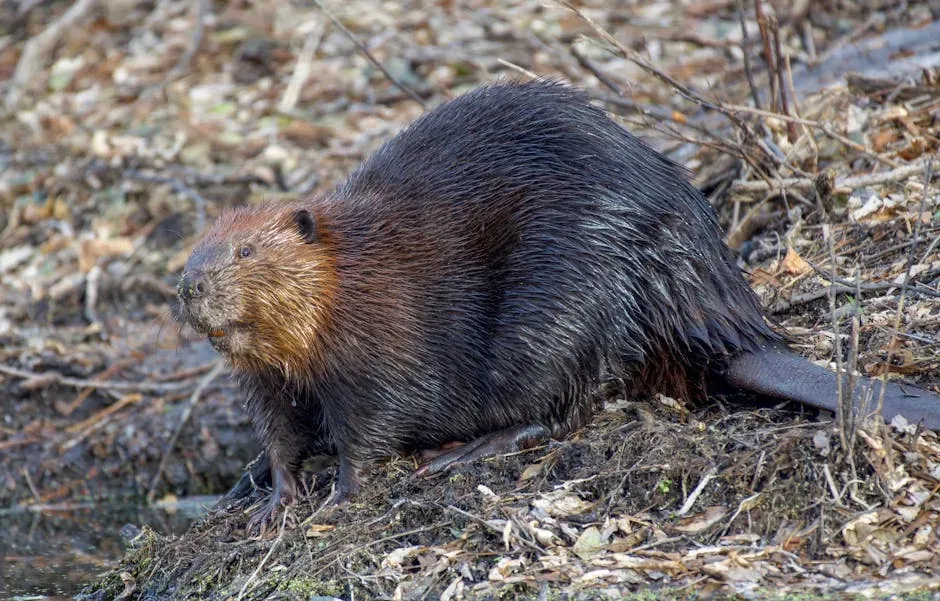
Beaver dam-building activities create structures that help landscapes adapt to and recover from climate-related disturbances, making beavers key contributors to the long-term survival of diverse and resilient habitats. This role is gaining more recognition as climate pressures intensify.
Recent research demonstrates that freshwater ecosystems with beaver activity are significantly more fire-tolerant, with these zones suffering only about one-third of the fire damage compared to similar areas without beaver presence. Fire takes the path of least resistance: while it will jump over a stream, it won’t burn through wetlands. These create natural firebreaks within forests, which mitigate the spread and lessen the overall severity of wildfires.
Wetlands are highly effective at storing carbon. Beaver ponds promote the growth of wetland plants and the accumulation of organic matter in sediments, sequestering carbon dioxide from the atmosphere. Some research suggests that beaver landscapes may sequester up to 470,000 tons of carbon annually, and one study estimates that beavers save the US around $133 million in habitat and biodiversity protection and approximately $75 million in greenhouse gas sequestration.
Beavers frequently construct multiple dams within an area, creating a wetland network of surface water and vegetation known as “beaver wetland complexes.” These complexes provide long-term freshwater storage and recharge groundwater, a crucial benefit especially in the American West, where dwindling surface water supplies are the result of years of sustained climate-driven drought.
Rewilding, Reintroduction, and the Limits of the Story
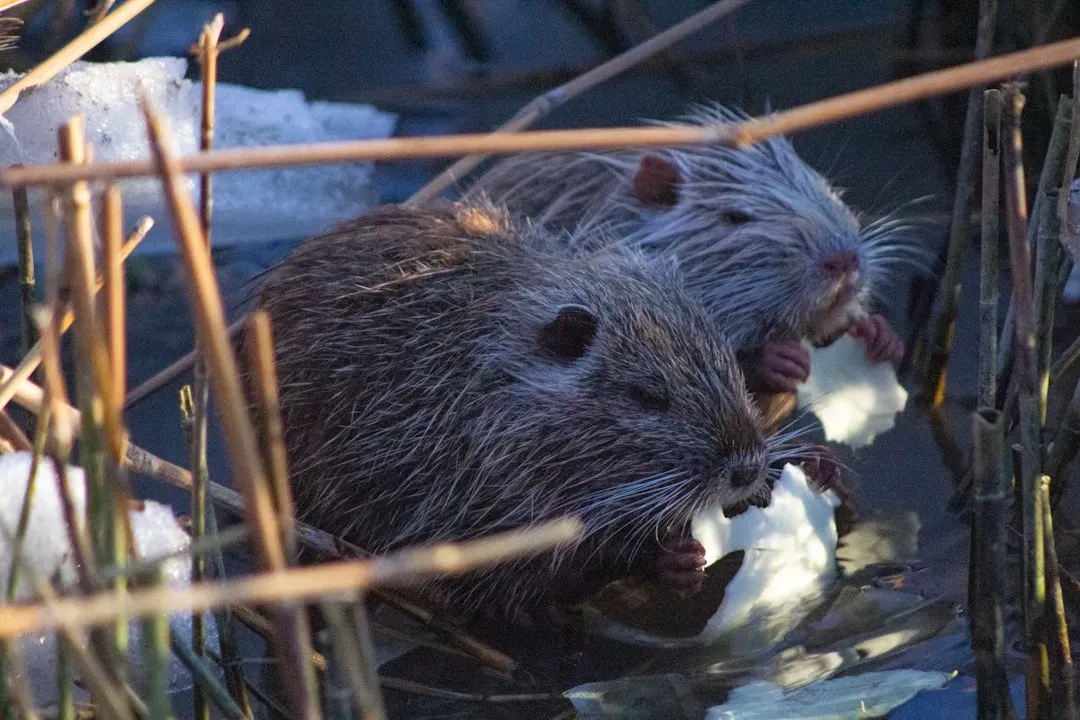
The North American beaver population, which exceeded 100 million in the 1600s, has fallen to between 6 million and 12 million today. This decline was caused by fur traders between 1600 and 1850, who nearly wiped out beavers in North America. Since beavers are a keystone species, their near-eradication severely affected other wildlife.
Reintroducing or supporting existing beaver populations can be a cost-effective and natural solution to a range of environmental challenges, from drought to flooding to species decline. Conservation programs across North America and Europe are now working to restore beaver populations where they have been absent for generations.
Still, the picture isn’t entirely uncomplicated. Localized pooling poses a risk to human infrastructure, occasionally flooding roads, culverts, or agricultural fields. The creation of a pond can also change the stream’s thermal profile, sometimes leading to increased water temperatures that may negatively affect fish species requiring cold, fast-flowing water.
Unmanaged beaver populations can pose a flooding threat to homes, crops, and infrastructure, and experts note that not every beaver reintroduction project is necessarily the right one to pursue. Conservation projects working on this challenge aim to provide non-lethal options and coexistence measures so that beavers can be kept on the landscape. The goal is finding that balance: letting beavers do what they do best, while acknowledging where their instincts and human land use don’t naturally align.
Conclusion
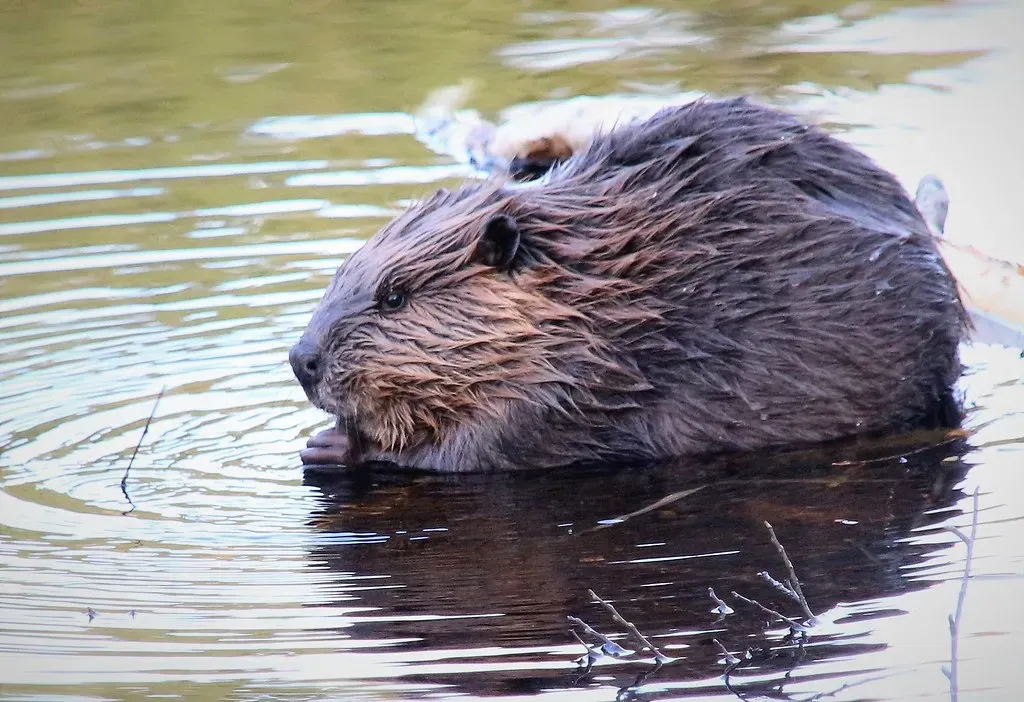
Beavers don’t set out to restore watersheds or combat drought. They build because they need shelter and a safe place to store food through winter. The ecological cascade that follows is, from the beaver’s perspective, simply a byproduct. That’s what makes them so interesting to study and so valuable to protect.
Beavers have the ability to modify ecosystems profoundly to meet their ecological needs, with significant associated hydrological, geomorphological, ecological, and societal impacts. As one of nature’s best engineers, beavers are a great example of how one species can reshape its environment for its own benefit while also improving life for all in its shared ecosystem.
In an era when vast sums are spent on engineered water management, flood control, and habitat restoration, the beaver makes a compelling case for the power of working with nature rather than around it. Sometimes the most effective infrastructure project is the one a forty-pound rodent builds overnight with nothing but instinct, teeth, and mud.
