

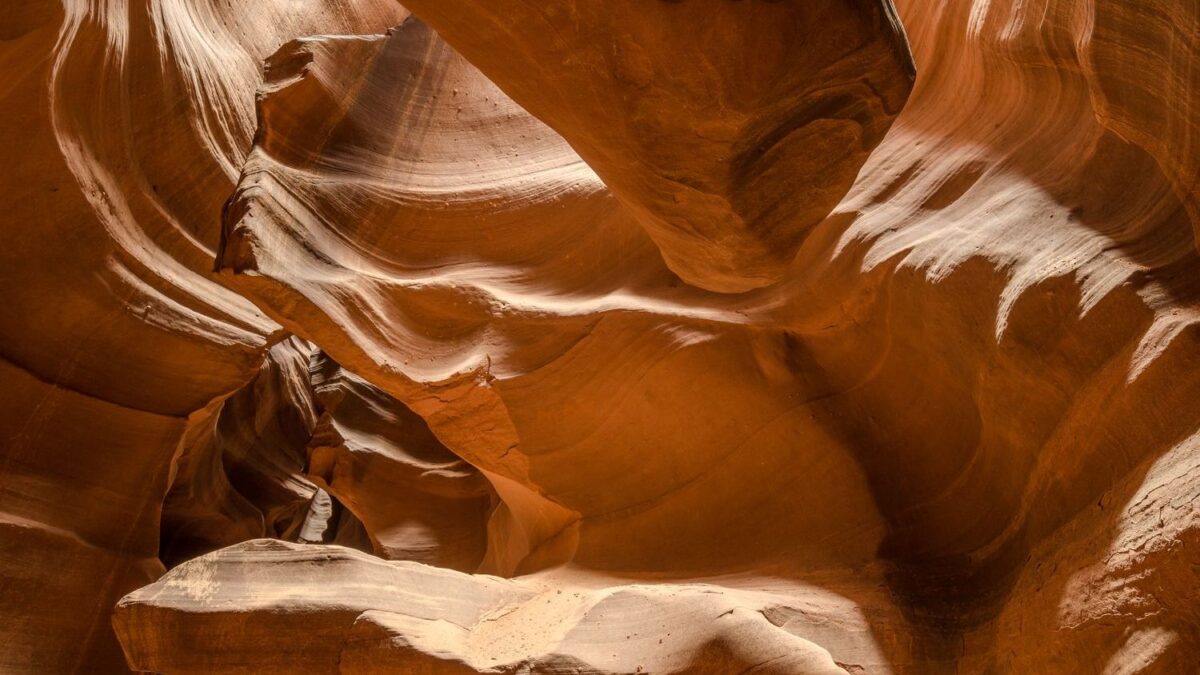
The earth has a way of carving masterpieces into its own surface, creating dramatic landscapes that leave us speechless. Canyons and gorges represent some of nature’s most powerful artistry, shaped over millions of years by relentless water, wind, and geological forces. These geological wonders aren’t just holes in the ground. They’re portals to ancient worlds, showcasing layers of history etched into rock faces and revealing the raw power of our planet.
From crimson cliffs that glow at sunset to emerald rivers snaking through impossibly deep chasms, these natural formations challenge our sense of scale and perspective. Some plunge so deep that standing at their edge triggers a primal sense of awe mixed with vertigo. Others twist and turn through landscapes so alien they could be from another planet entirely. Let’s dive into ten of the most breathtaking canyons and gorges that deserve a spot on every adventurer’s bucket list.
Grand Canyon: The Undisputed Champion
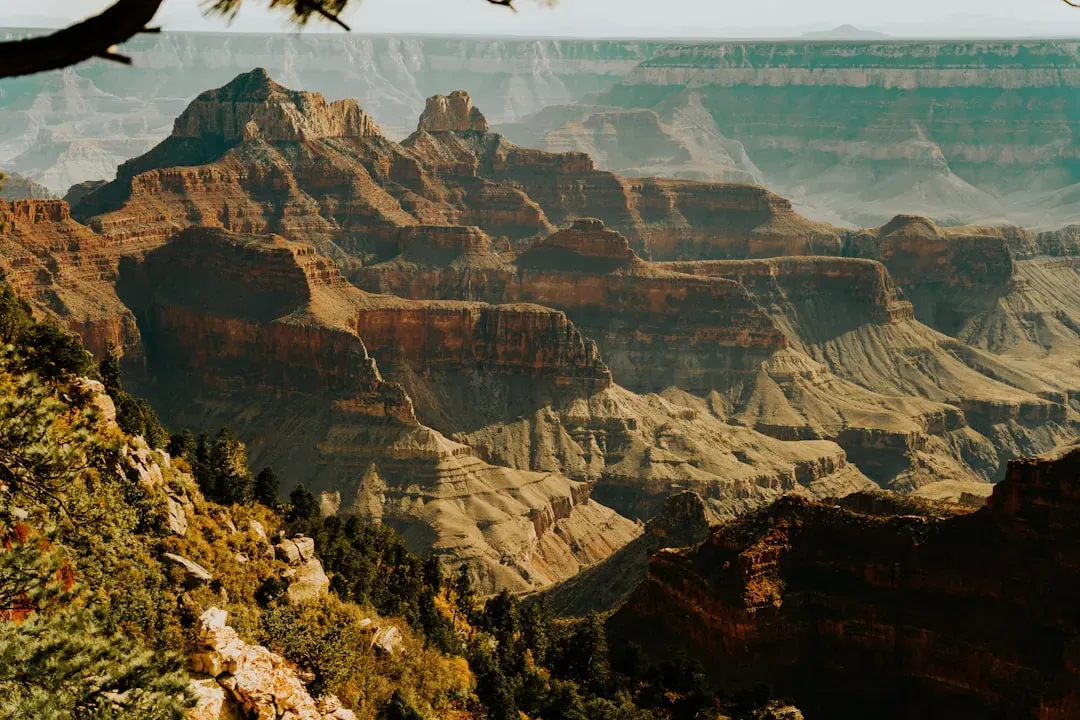
There’s a reason the Grand Canyon appears on virtually every travel list ever created. This Arizona marvel stretches 277 miles long, up to 18 miles wide, and plunges more than a mile deep into the earth’s crust. Standing at the rim, you’re looking at nearly two billion years of geological history exposed in multicolored layers of rock.
The sheer scale of it messes with your brain in the best way possible. What looks like a tiny ribbon of water at the bottom is actually the mighty Colorado River, still actively carving deeper into the canyon. Visit at sunrise or sunset when the light transforms the red and orange rocks into something almost supernatural. Honestly, photographs don’t do it justice.
Antelope Canyon: Nature’s Cathedral
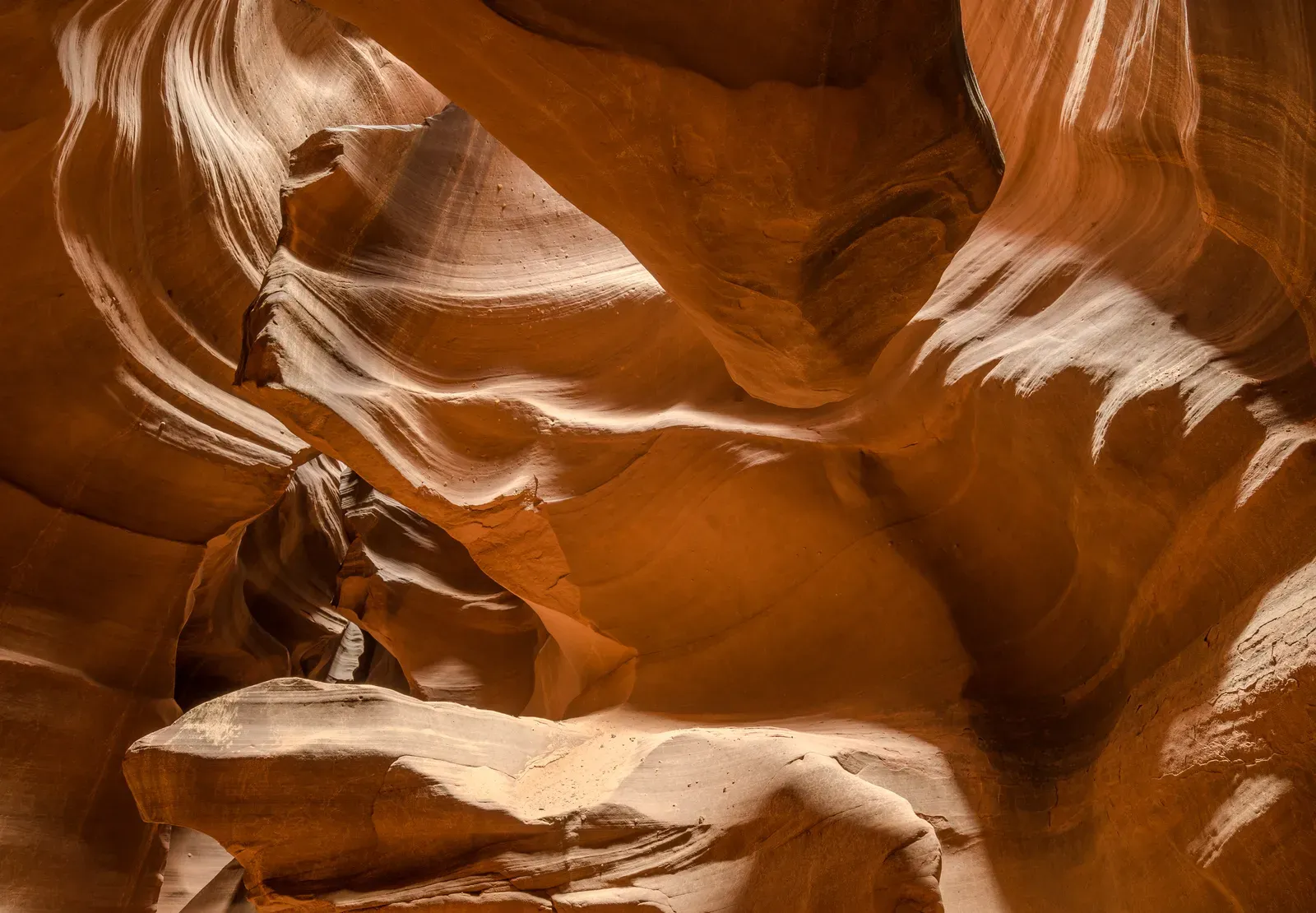
If the Grand Canyon is about overwhelming scale, Antelope Canyon is about intimate beauty. Located on Navajo land near Page, Arizona, this slot canyon is famous for its wave-like structure and the light beams that pierce through the narrow opening above. The smooth, flowing sandstone walls seem to ripple like frozen water, sculpted by flash floods over thousands of years.
Upper Antelope Canyon, known as “The Crack,” is where those iconic light beams appear during midday hours in summer months. The colors shift from deep purple to burnt orange depending on how sunlight filters through. Lower Antelope Canyon requires climbing through narrow passages and metal staircases, making it feel more like an underground adventure. Both sections can only be visited with Navajo guides, and for good reason. Flash floods remain a real danger in this narrow passage.
Colca Canyon: Peru’s Hidden Gem
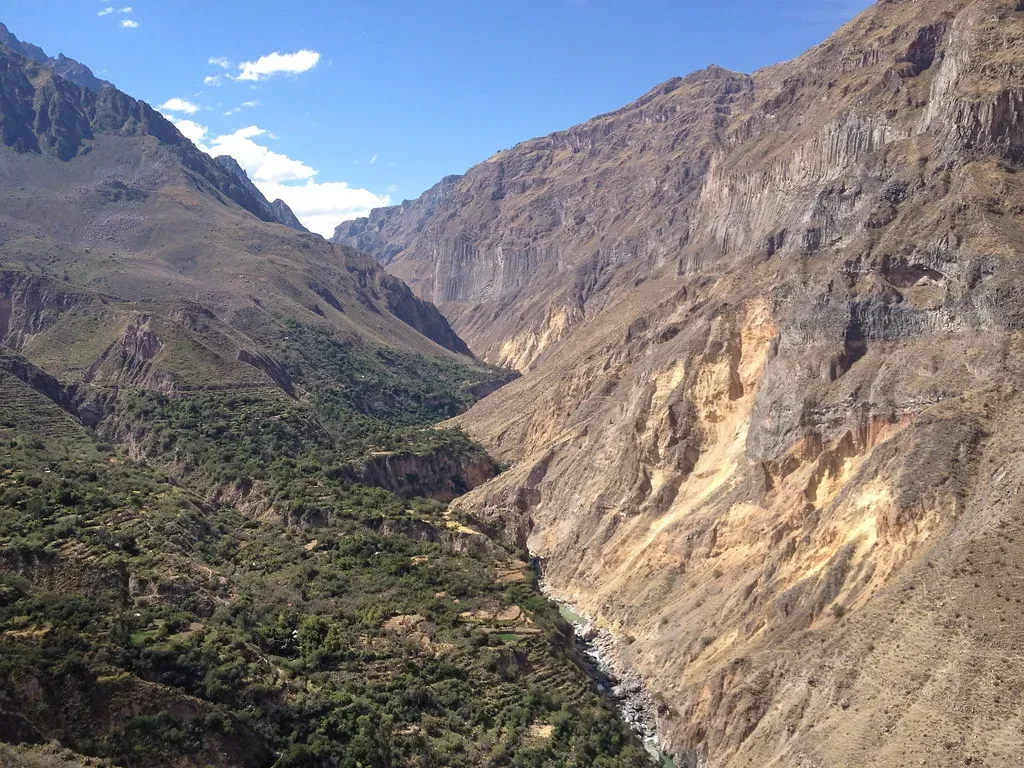
Most people think of Machu Picchu when planning a trip to Peru, but Colca Canyon deserves equal billing. This massive gorge in southern Peru is one of the deepest canyons in the world, plunging more than twice as deep as the Grand Canyon at certain points. The surrounding landscape features traditional Andean villages, agricultural terraces that date back to pre-Incan times, and some seriously impressive condors soaring overhead.
The trek down into the canyon and back up is no joke. It’s hard to say for sure, but the elevation changes can leave even fit hikers gasping in the thin mountain air. The reward is soaking in natural hot springs at the canyon floor while surrounded by dramatic cliffs. Early morning visits to Cruz del Condor viewpoint often reward patient observers with sightings of massive Andean condors riding thermal currents.
Verdon Gorge: Europe’s Turquoise Treasure
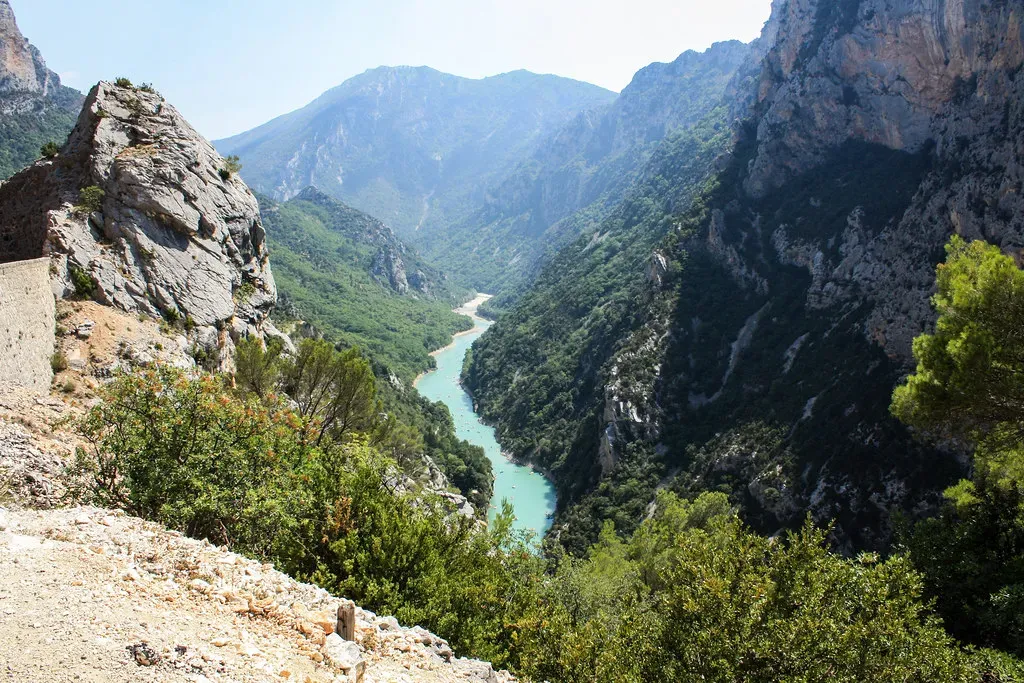
The Verdon Gorge in southeastern France looks like someone photoshopped the color saturation way too high, except it’s completely real. The Verdon River cuts through limestone cliffs creating a canyon that reaches depths of 700 meters in places. That impossibly turquoise water comes from glacial minerals and the way light reflects off the riverbed.
Adventure seekers flock here for world-class rock climbing, kayaking, and hiking along cliff-edge trails that offer stomach-dropping views. The Route des Crêtes winds along the canyon rim, providing numerous pullouts for those who prefer experiencing the gorge from behind a steering wheel. Medieval villages perch on clifftops overlooking the canyon, adding a distinctly European charm you won’t find in American gorges.
Tiger Leaping Gorge: China’s Legendary Pass
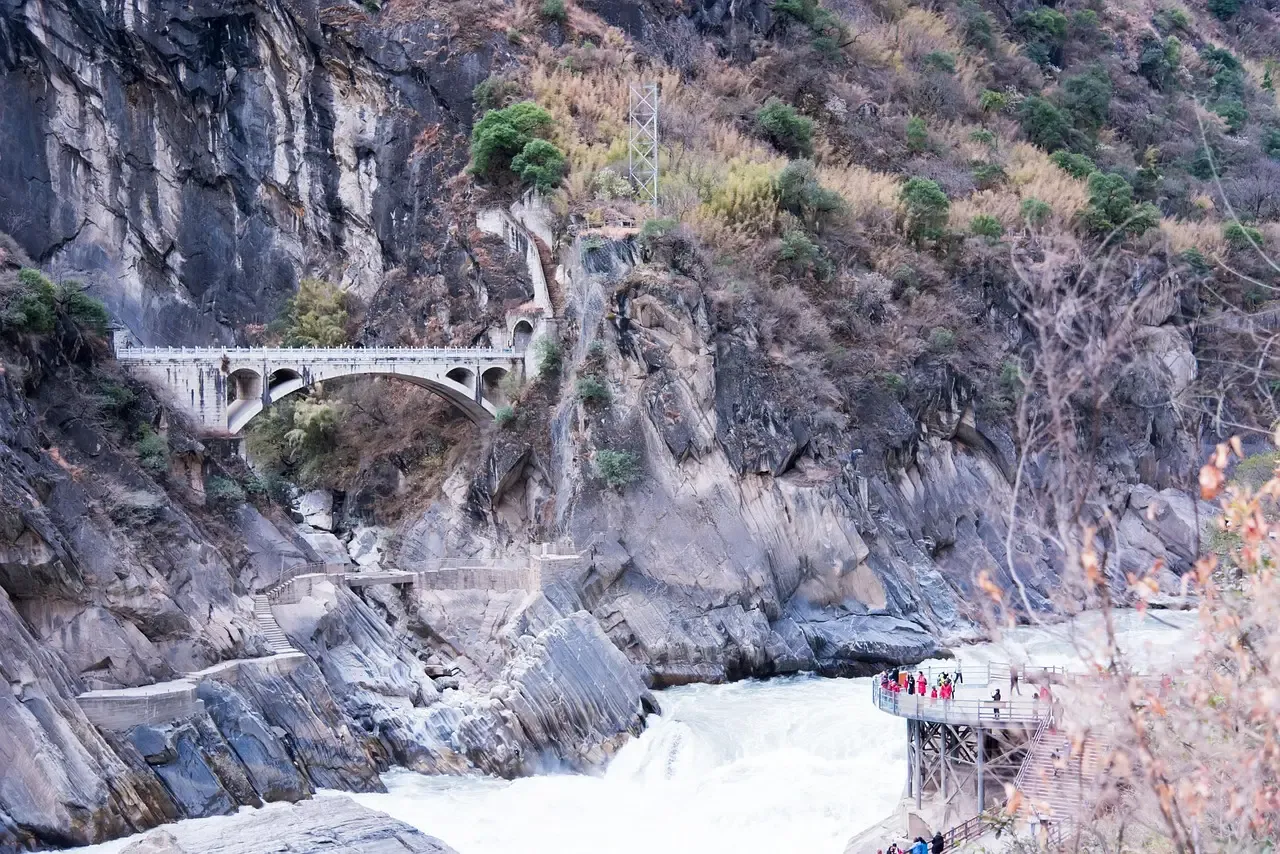
Tiger Leaping Gorge carved through the mountains of Yunnan province is one of the deepest river canyons on earth. Legend claims a tiger once leaped across the narrowest point to escape hunters, hence the dramatic name. The Jinsha River roars through the 10-mile gorge flanked by snow-capped peaks rising more than 10,000 feet above the water.
The high trail trek takes hikers along precarious paths with views that alternate between inspiring and terrifying. You’ll pass through small guesthouses run by local Naxi people, offering basic beds and home-cooked meals. The sound of the river echoes constantly through the canyon, a reminder of the raw power below. It’s hard to capture in words how the scale of this place makes you feel simultaneously energized and humbled.
Fish River Canyon: Africa’s Grand Statement
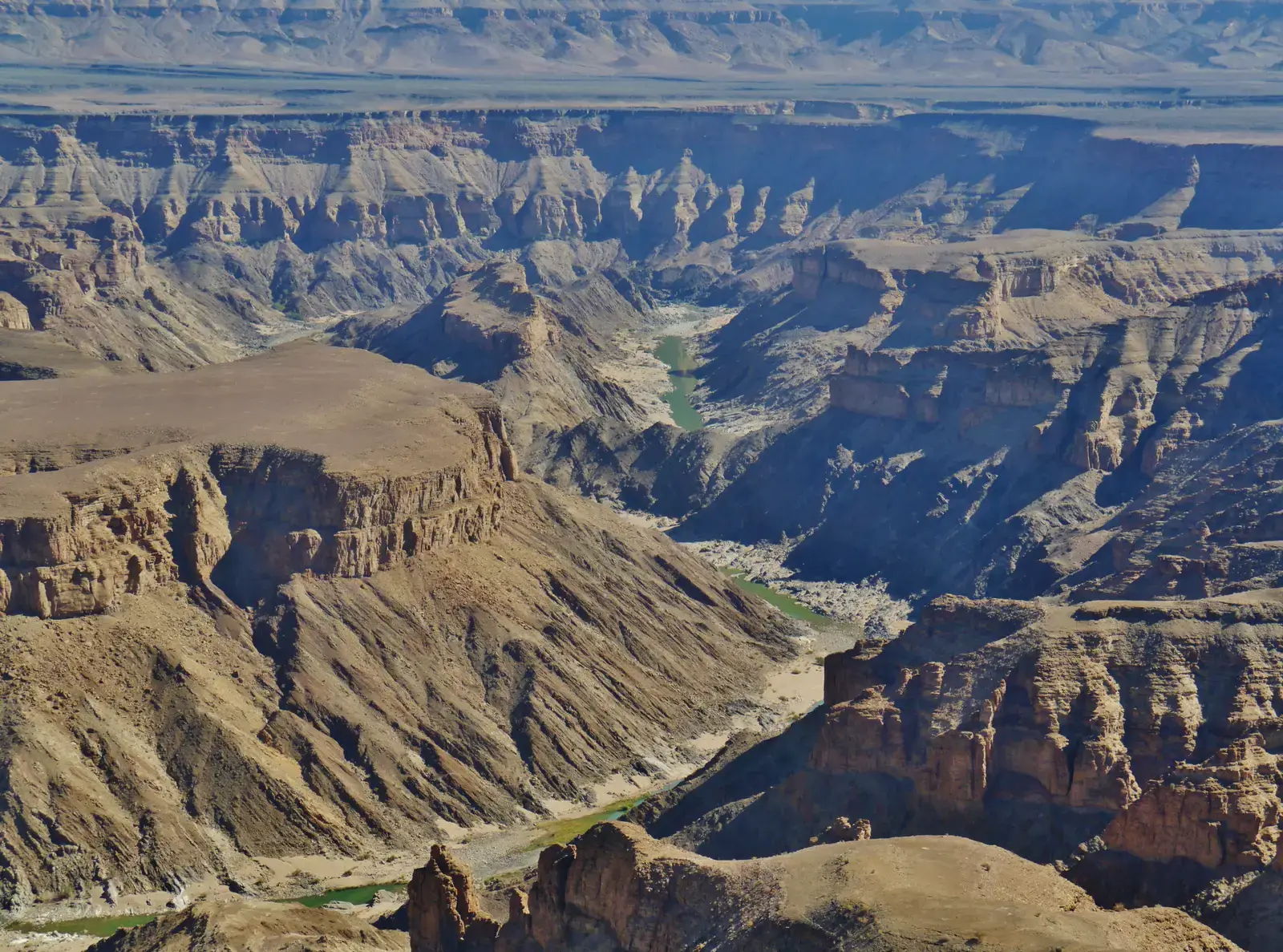
Namibia’s Fish River Canyon is the largest canyon in Africa and the second most visited tourist attraction in the country after Etosha National Park. This massive geological feature stretches about 100 miles long, up to 17 miles wide, and reaches depths of nearly 1,800 feet. The harsh desert landscape surrounding the canyon creates an otherworldly atmosphere, especially during the golden hours.
The five-day hiking trail through the canyon floor is only open during winter months when temperatures are manageable and flash flood risk is minimal. Hikers must be completely self-sufficient, carrying all supplies while navigating rocky terrain and periodic river crossings. The effort pays off with nights spent under impossibly starry skies and days surrounded by ancient rock formations that tell stories spanning hundreds of millions of years.
Waimea Canyon: The Grand Canyon of the Pacific
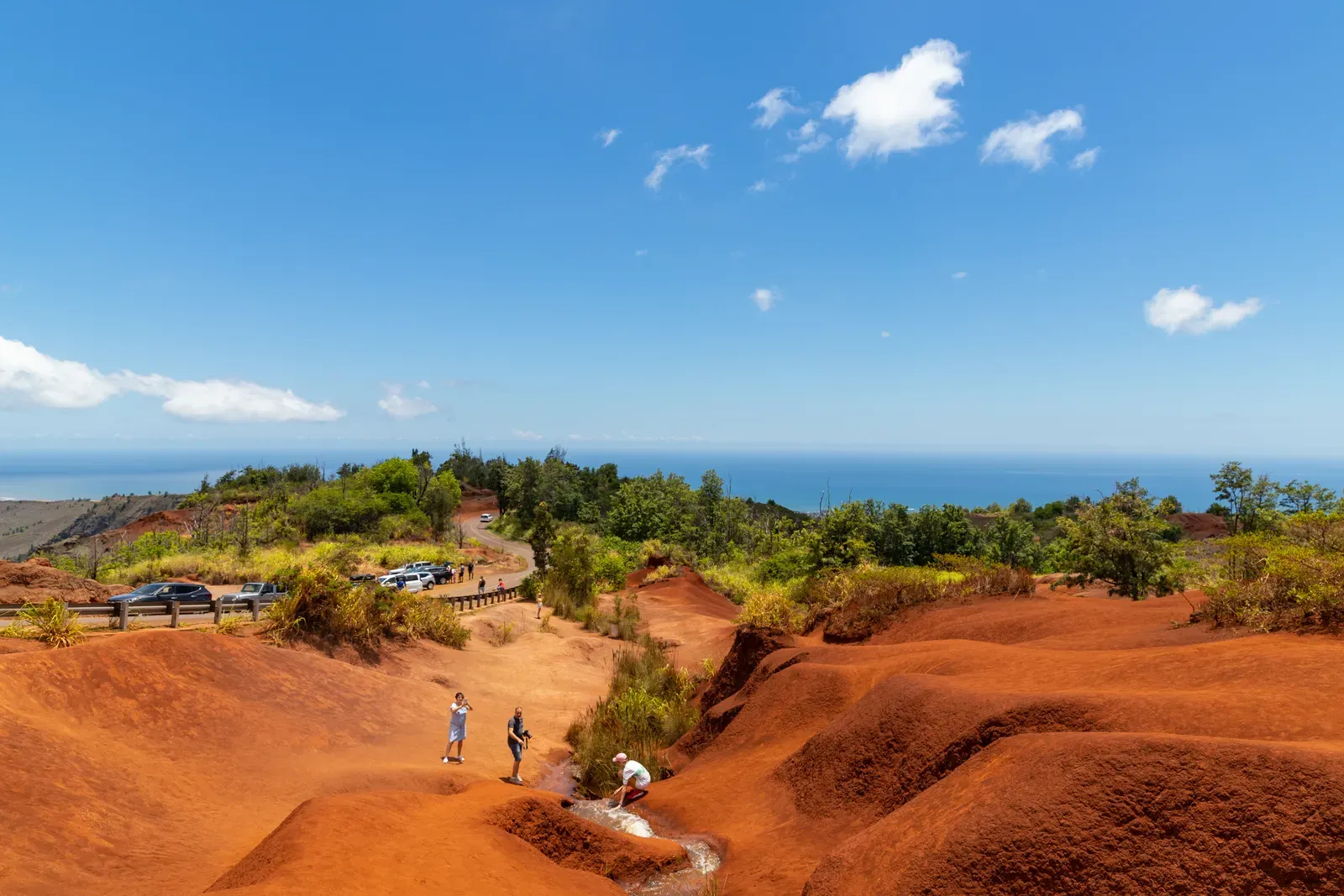
Mark Twain allegedly called Waimea Canyon the Grand Canyon of the Pacific, and while that attribution is disputed, the nickname stuck for good reason. Located on the island of Kauai in Hawaii, this canyon stretches 14 miles long, one mile wide, and more than 3,600 feet deep. The volcanic rock creates a color palette different from mainland canyons, with deep reds mixing with volcanic browns and lush greens.
Waterfalls cascade down the canyon walls after heavy rains, and erosion from the Waimea River continues to deepen and widen the gorge. Multiple lookout points along Waimea Canyon Drive offer different perspectives, each one somehow more impressive than the last. The combination of tropical vegetation clinging to steep cliffs and the dramatic geological features creates a landscape that feels both familiar and completely unique.
The Final Wonder: Yarlung Tsangpo Grand Canyon
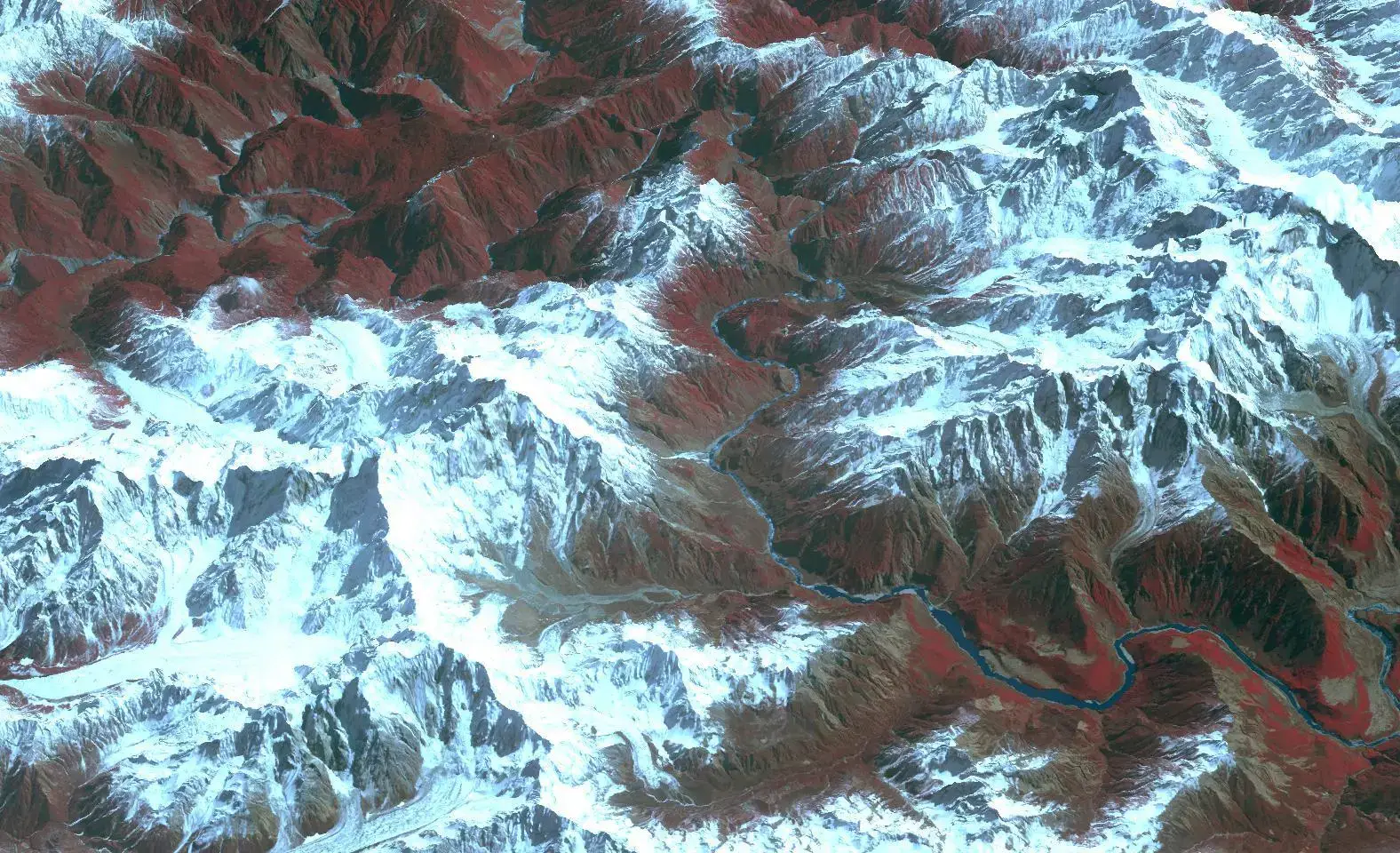
Let’s be real, most people have never heard of the Yarlung Tsangpo Grand Canyon, yet it holds the title of the world’s deepest and longest canyon. Located in Tibet, this monster gorge stretches over 300 miles and reaches depths exceeding 19,000 feet when measured from the peaks of Namcha Barwa to the river below. The Yarlung Tsangpo River eventually becomes the Brahmaputra as it flows into India.
The remote location and restricted access make this canyon one of the least visited on this list, adding to its mystique. The gorge creates its own weather systems, and the landscape ranges from subtropical forests at lower elevations to glaciers at the peaks. Getting there requires serious planning, special permits, and a sense of adventure that goes beyond typical tourism. For those who make it, the experience offers something increasingly rare in our connected world: true wilderness on an almost incomprehensible scale.
Conclusion: Carved by Time, Measured in Awe
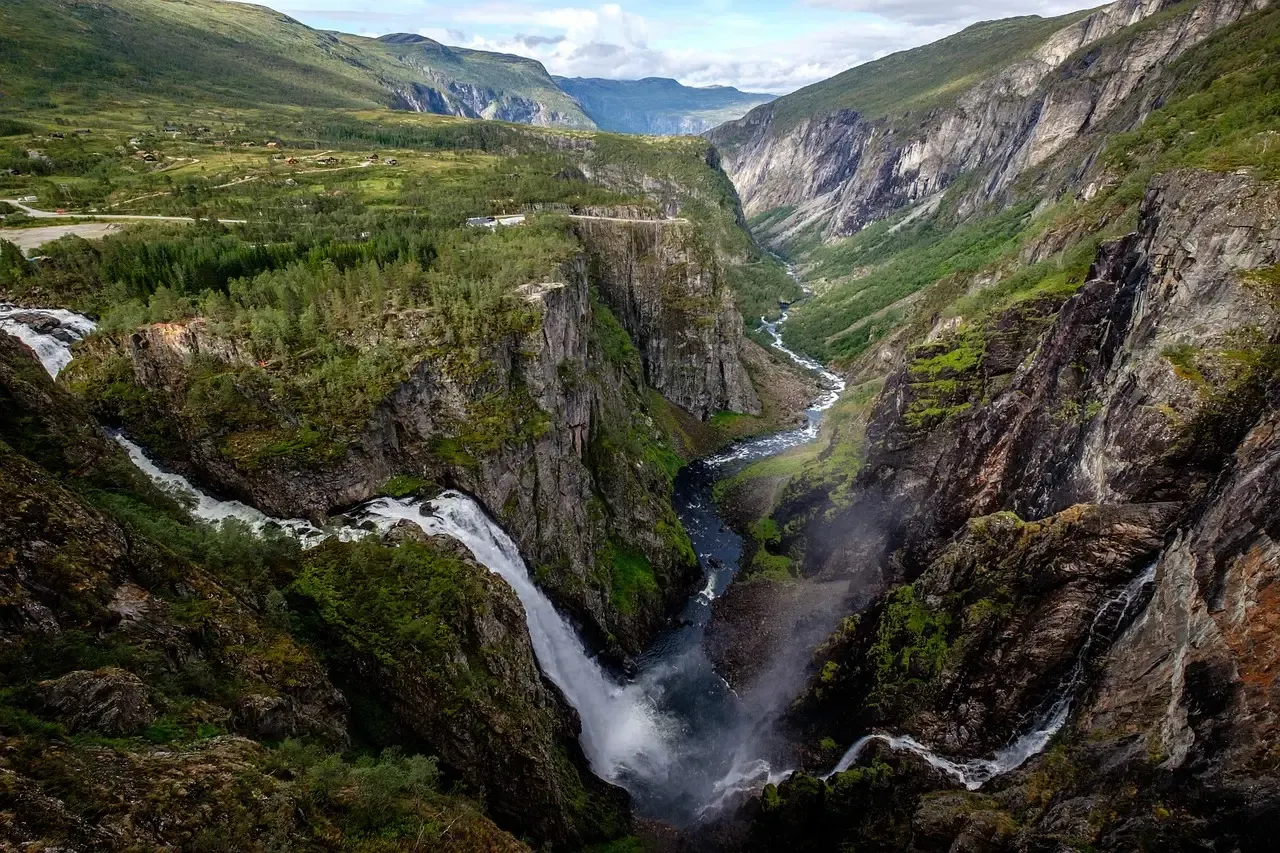
These canyons and gorges represent more than just impressive geological statistics. They’re reminders that the earth operates on timescales our human brains struggle to comprehend. While we rush through our daily lives, these ancient formations continue their slow transformation, indifferent to our schedules and concerns.
Each canyon offers something different, whether it’s the overwhelming scale of the Grand Canyon, the intimate beauty of Antelope Canyon, or the remote wilderness of the Yarlung Tsangpo. Visiting even one of these natural wonders has a way of recalibrating your perspective, making everyday problems seem smaller and the world feel larger.
So which one calls to you first? Would you brave the high trails of Tiger Leaping Gorge or prefer gazing at turquoise waters in Verdon? Whatever your choice, these geological masterpieces are waiting, unchanged by passing trends but constantly evolving through the patient work of water and time.

From exploring the marine wonders in the Azores and witnessing the vast savannas of Kenya, to delving deep into the rich biodiversity of South Africa and traversing iconic landscapes in Australia and the US like Yellowstone, Chris's experiences are vast.
With a penchant for diving alongside sharks, the ocean holds a special place in his heart.
Through his academic insights, he champions wildlife conservation, striving with 'Animals Around The Globe' to cultivate a profound connection between humans and animals, enhancing our mutual appreciation.
Connect with him at Feedback@animalsaroundtheglobe.com.
- What Scientists Found in Ice Cores From Alaska Will Shock You - June 24, 2026
- Why World Wildlife Day Matters & 9 Shocking Facts About Animal Decline - June 24, 2026
- Why Ball Pythons Curl Into a Ball When Stressed - June 24, 2026