
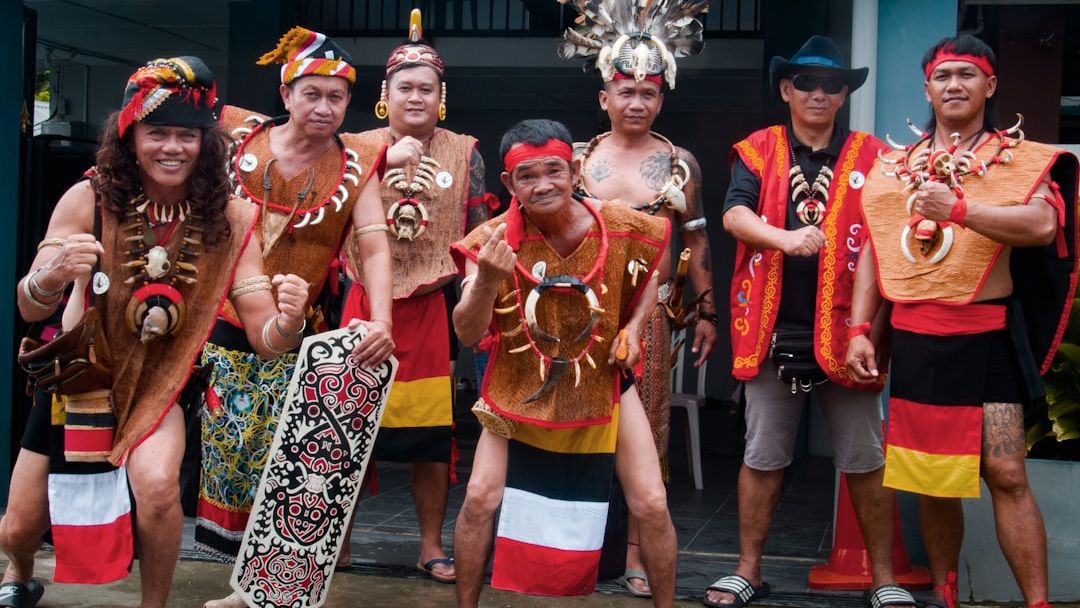
The rich tapestry of Native American heritage across the United States includes hundreds of distinct tribal nations, each with their own unique traditions, languages, and cultural identities. Today, these communities continue to thrive and preserve their ancestral legacies while adapting to modern life. Understanding which tribes have the largest populations offers insight into the diversity and resilience of Indigenous peoples throughout North America.
From coast to coast, these tribal nations represent millions of people who maintain deep connections to their ancestral lands and traditions. The census data reveals fascinating patterns of growth, cultural preservation, and adaptation that span centuries of both challenges and triumphs. Let’s explore the ten largest Native American tribes that continue to shape the cultural landscape of America today.
Cherokee Nation
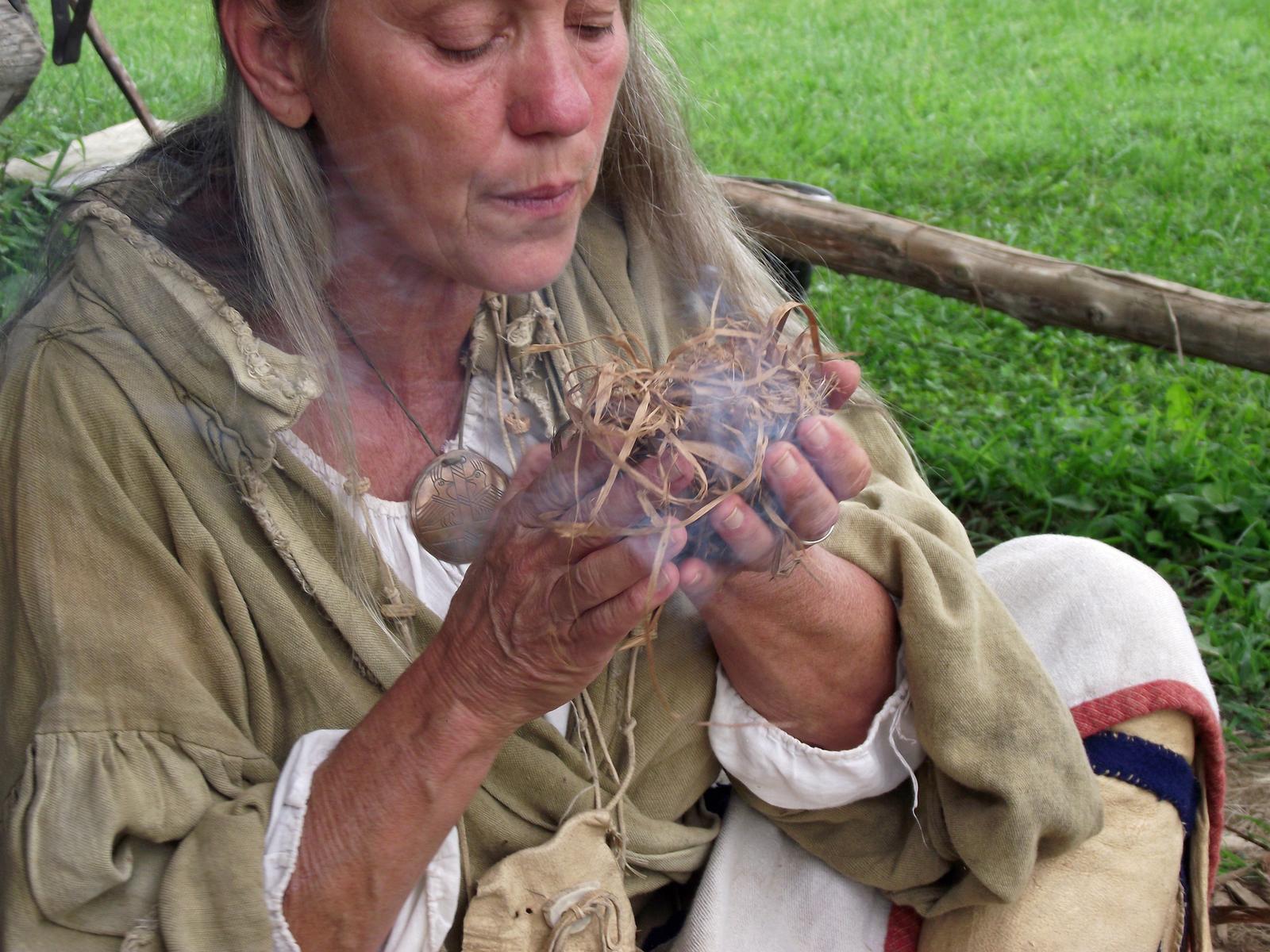
The Cherokee Nation stands as the largest Native American tribe in the United States, with over 1.5 million people identifying as Cherokee in the 2020 Census. This remarkable population includes individuals who identify as Cherokee alone or in combination with other tribal affiliations or races.
Cherokee people made up the largest share of the American Indian population at 23.8% when counting those who identify as Cherokee alone or in any combination. The tribe’s historical homeland originally spanned across the southeastern United States, including parts of what are now Georgia, North Carolina, South Carolina, Tennessee, Alabama, and Kentucky.
Despite enduring forced relocation during the Trail of Tears in the 1830s, the Cherokee Nation has maintained strong cultural traditions and governance structures. Today, many Cherokee people live in Oklahoma, while others remain in North Carolina and are scattered throughout the country. The tribe operates successful businesses, educational institutions, and cultural preservation programs that ensure their heritage continues for future generations.
Navajo Nation
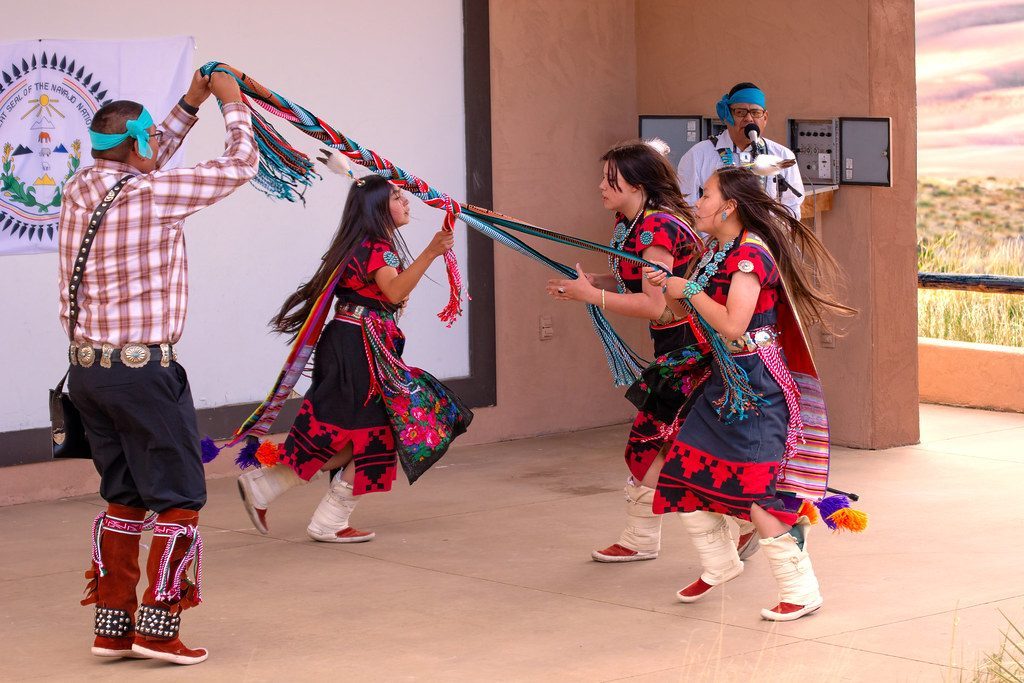
The Navajo Nation, with 423,412 people identifying with this tribe in the 2020 Census, represents the second-largest Native American population. The Navajo are notable for having 286,000 mono-racial individuals, making them the largest tribe when counting only those who identify as a single race.
Over 4% of the American Indian and Alaska Native population in the United States lived on the Navajo Nation Reservation, which is nearly 10 times larger than the second largest reservation, with almost 90% of residents identifying as Navajo Nation alone. The reservation spans across Arizona, New Mexico, and Utah, covering more than 27,000 square miles.
The Navajo Nation operates as a sovereign government with its own constitution, elected officials, and judicial system. The tribe maintains strong traditions including traditional weaving, silversmithing, and ceremonies, while also developing modern economic enterprises including tourism, energy development, and agriculture. Their ancestral language, Diné bizaad, continues to be spoken by many tribal members and played a crucial role during World War II when Navajo code talkers used their language to create an unbreakable military code.
Choctaw Nation
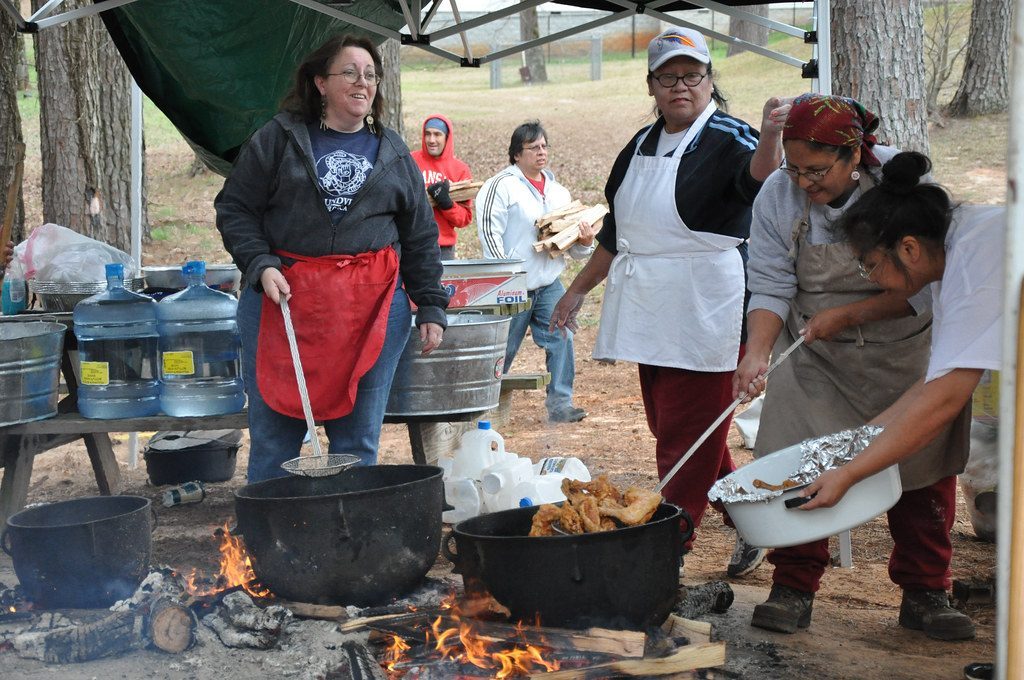
The Choctaw Nation has 255,557 people who identify with this tribe, making it the third-largest Native American tribe in the United States. Originally from the southeastern United States, particularly Mississippi, Alabama, and Louisiana, many Choctaw people were forcibly relocated to Oklahoma during the Indian Removal era.
The Mississippi Choctaw have successfully incorporated industry into their economy, including automobile subassembly and plastic manufacturing, which has helped build a stable economy that prevents people from leaving the reservation and encourages others to return. This economic diversification has strengthened the tribe’s ability to provide essential services to their community.
The Choctaw Nation maintains strong cultural traditions including stickball (their traditional sport), traditional foods, and storytelling customs. The tribe operates numerous businesses, healthcare facilities, and educational programs. Their commitment to both preserving traditional culture and embracing economic opportunities has created a model for sustainable tribal development that benefits their entire community.
Apache Tribes

Apache tribes collectively have 129,589 people identifying with various Apache groups, representing diverse communities across the southwestern United States. The Apache peoples include several distinct tribal groups, including the White Mountain Apache, San Carlos Apache, Jicarilla Apache, and Mescalero Apache, among others.
On the Fort Apache Reservation, 83.7% of the population identified as White Mountain Apache Tribe alone, while on the San Carlos Reservation, 60.3% identified as San Carlos Apache Tribe alone and 28.6% responded as Apache alone. These communities maintain distinct identities while sharing common cultural elements.
Apache tribes are renowned for their warrior traditions, survival skills, and deep spiritual connection to the land. Today, these communities operate successful enterprises including forestry, recreation, and gaming while maintaining traditional practices such as coming-of-age ceremonies, traditional crafts, and oral histories. The Apache languages continue to be spoken and taught to younger generations as part of ongoing cultural preservation efforts.
Blackfeet Nation
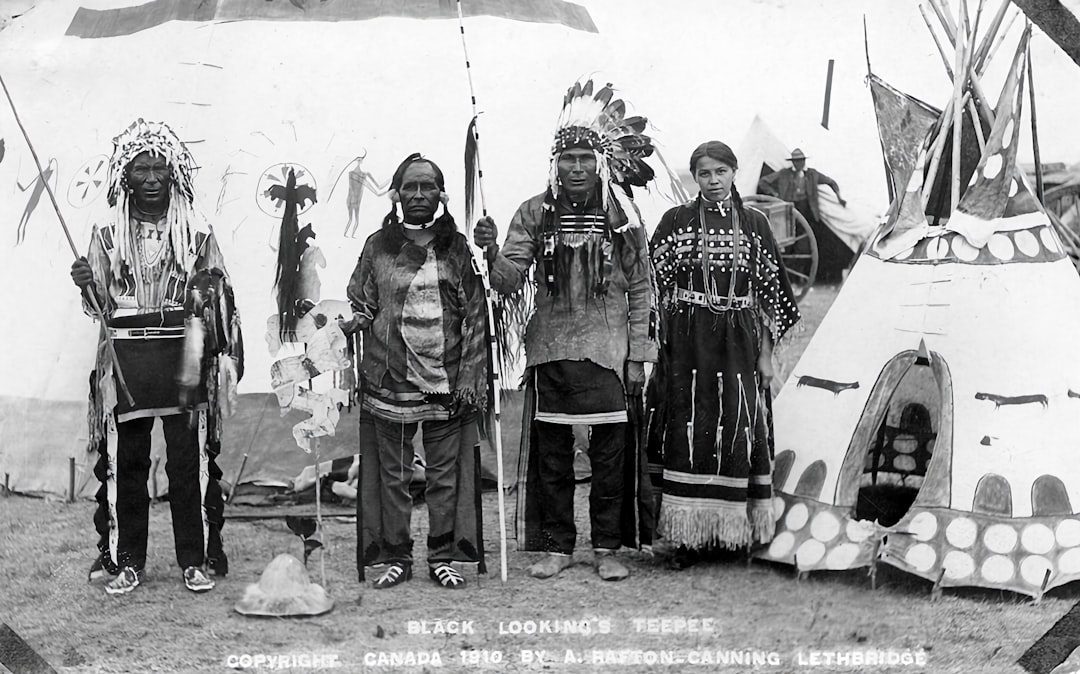
The Blackfeet Tribe of the Blackfeet Indian Reservation of Montana has 297,899 people identifying with this tribe. The Blackfeet made up 4.7% of the American Indian alone or in any combination population, representing a significant presence in the Northern Plains region.
The Blackfeet Nation’s reservation borders Glacier National Park in northwestern Montana, encompassing over one million acres of prairie and mountains. This strategic location has allowed the tribe to develop tourism enterprises while maintaining their traditional relationship with the land and wildlife.
Historically known as skilled buffalo hunters and horse warriors, the Blackfeet people maintain strong connections to their plains heritage. Today, the tribe operates various economic enterprises including agriculture, oil and gas development, and tourism services. Traditional practices such as powwows, buffalo ceremonies, and the Blackfoot language remain central to tribal identity and are actively preserved through educational and cultural programs.
Sioux Nations
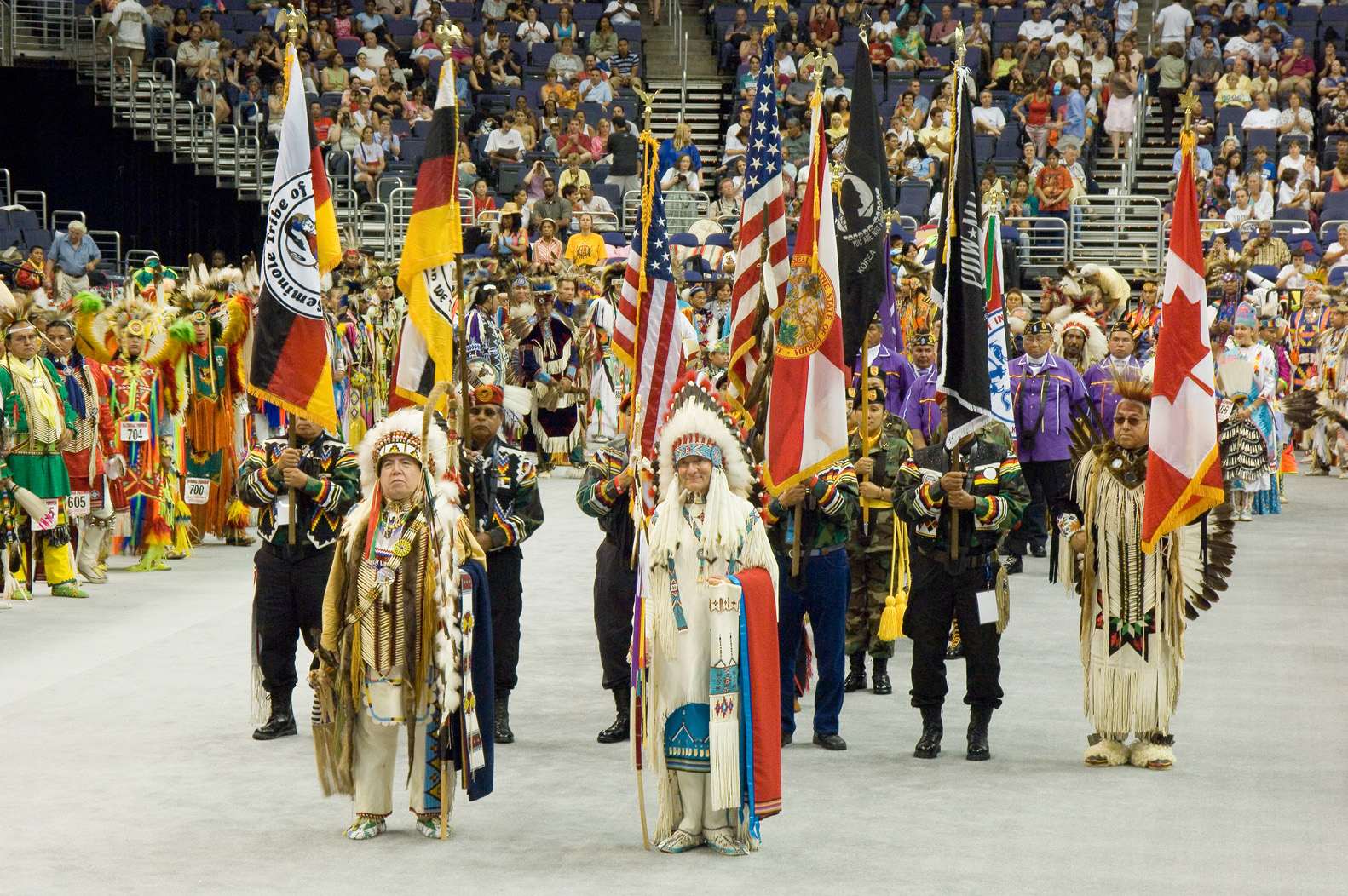
The Sioux tribes collectively have 126,571 people identifying with various Sioux groups, representing a confederation of related tribes across the Northern Plains. The name “Sioux” means “allies” and includes seven bands: Oglala, Hunkpapa, Sicangu, Miniconjous, Sihasapa, Oohenumpa, and Itazipacola, with approximately 170,110 people living across the Dakotas, Nebraska, Minnesota, and Canada.
The Oglala Sioux Tribe alone accounted for 81.0% of the American Indian and Alaska Native population on the Pine Ridge Reservation. This demonstrates the concentrated tribal presence on traditional homelands despite historical displacement and challenges.
The Sioux nations are known for their rich warrior traditions, spiritual practices, and resistance to colonization. Famous leaders like Sitting Bull, Crazy Horse, and Red Cloud emerged from these communities. Today, Sioux communities face economic challenges but maintain strong cultural traditions including the sundance ceremony, powwows, and traditional arts. Many tribes are developing sustainable economic initiatives while working to preserve the Lakota, Dakota, and Nakota languages and customs.
Chippewa (Ojibwe) Tribes
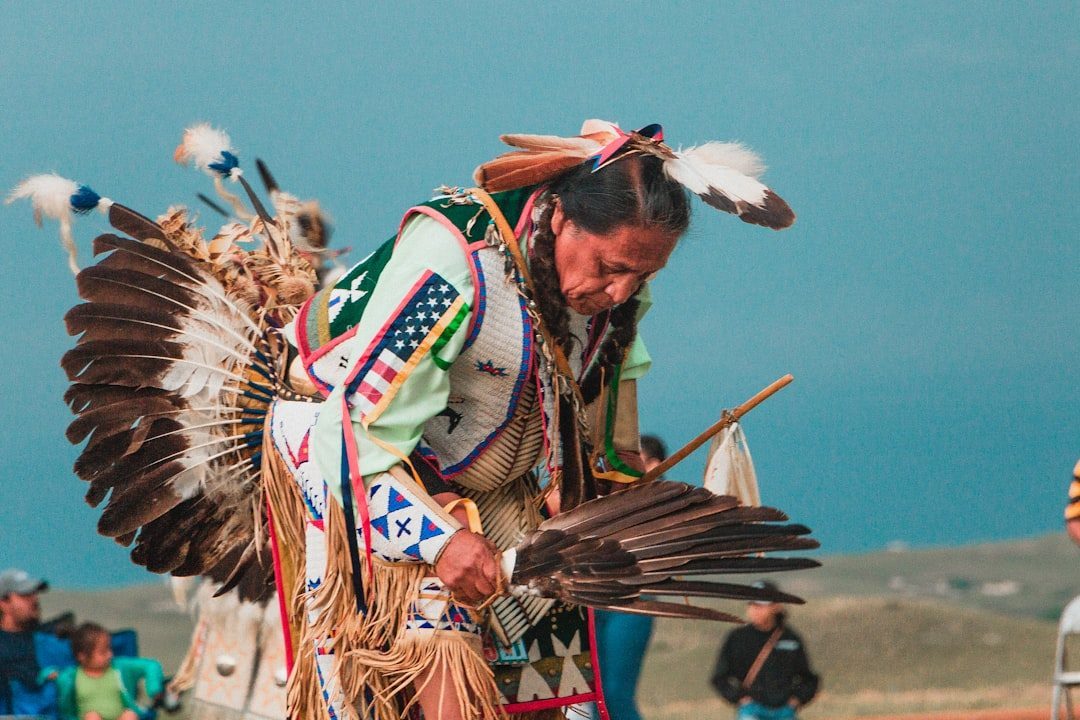
Chippewa tribes have 130,048 people identifying with this tribal group. Mainly from Michigan, Wisconsin, Minnesota, North Dakota, and Canada, the Chippewa are approximately 170,742 strong with at least 150 different bands, and were originally known as the largest and most powerful tribe in the Great Lakes area.
The Chippewa, also known as the Ojibwe or Anishinaabe, have a vast territory that spans the Great Lakes region and extends into Canada. Their traditional homeland covers areas rich in wild rice, forests, and waterways that remain central to their cultural and spiritual practices.
Traditional Chippewa culture centers around seasonal activities including wild rice harvesting, maple syrup production, and fishing. The tribe maintains strong spiritual traditions connected to the natural world and continues to speak the Ojibwe language in many communities. Modern Chippewa bands operate successful gaming enterprises, timber operations, and cultural tourism while actively preserving traditional knowledge through tribal colleges and cultural centers.
Lumbee Tribe
In North Carolina, near the dark waters of the Lumbee River, the Lumbee Tribe has approximately 55,000 members who live primarily in Robeson, Hoke, Cumberland, and Scotland counties, descended from the Algonquian, Iroquoian, Hatteras, Tuscarora, and Cheraw peoples. The ancestors of the Lumbee people spoke several different languages including Croatan, Cheraw, Tuscarora and Catawba.
The Lumbee Tribe represents a unique example of tri-racial heritage, with ancestors including Native American, African, and European peoples. This complex history has created a distinct cultural identity that reflects the diverse influences in the region’s colonial and antebellum history.
Despite facing challenges in gaining full federal recognition, the Lumbee community maintains strong tribal identity and has produced notable leaders in education, politics, and the arts. The tribe operates cultural programs, educational initiatives, and economic development projects that serve their community. Traditional crafts, storytelling, and community gatherings continue to strengthen tribal bonds and preserve their unique heritage.
Iroquois Confederacy
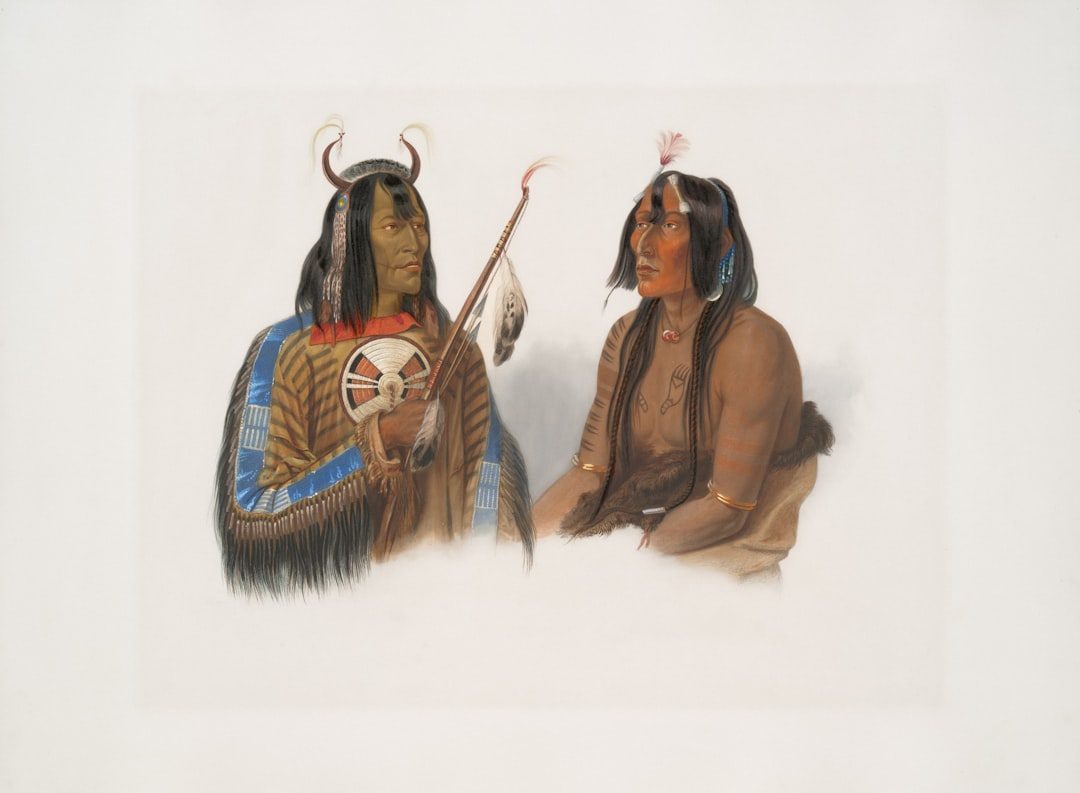
The nations in the Iroquois Confederacy located in New York State include Mohawk, Onondaga, Oneida, Cayuga, and Seneca, known for their matrilineal society and for providing the U.S. its basic model of democratic government, with approximately 28,000 tribal members in New York State and another 30,000 in Canada.
The Iroquois Confederacy, also known as the Haudenosaunee or Six Nations (including the Tuscarora who joined later), created one of the most sophisticated political systems in North America. Their Great Law of Peace influenced the development of democratic principles that were later incorporated into the U.S. Constitution.
Traditional Iroquois society was characterized by longhouses, clan systems, and agricultural practices known as the Three Sisters (corn, beans, and squash). The confederacy maintained its political structure through centuries of change and continues to operate traditional governance alongside modern tribal governments. They also created lacrosse, now a popular pastime in North America. Today, Iroquois communities maintain strong cultural traditions while operating various economic enterprises and educational programs.
Muscogee (Creek) Nation
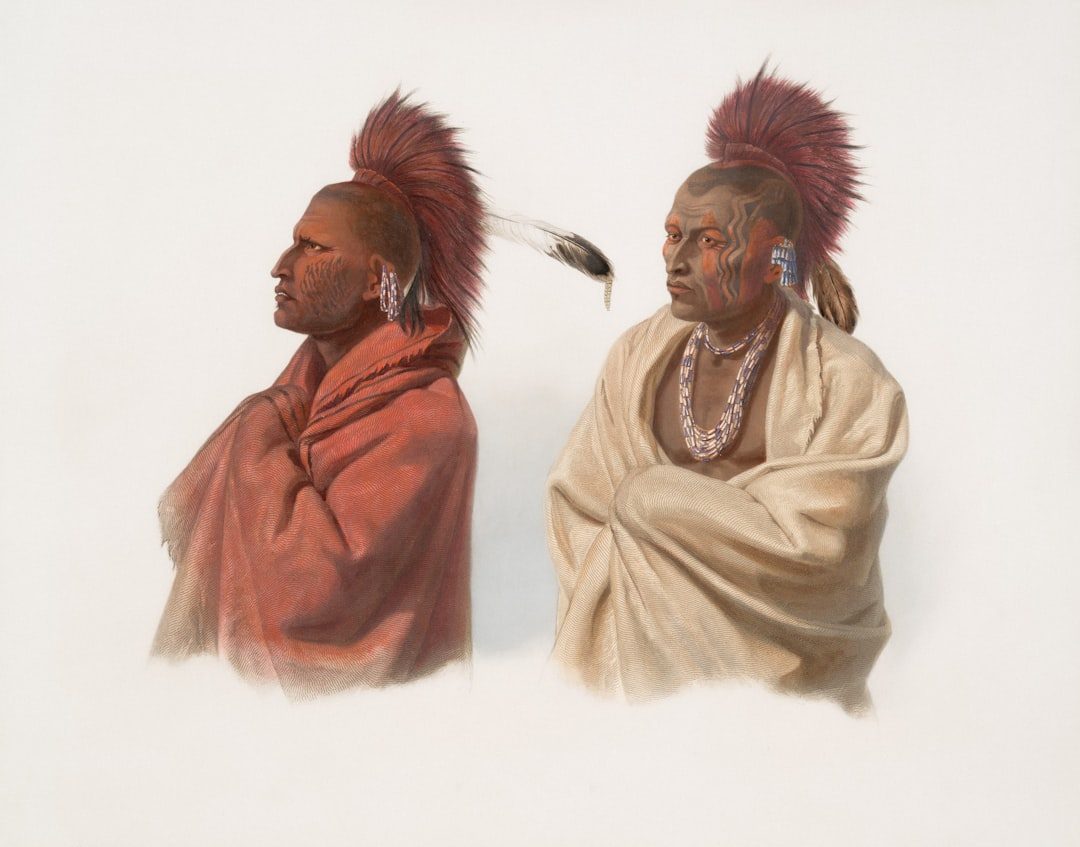
The Creek Indians got their name from European settlers who named them after Ocmulgee Creek in Georgia, though tribal members originally called themselves Isti or Istichata but began to identify as Muscogee or Muskogee after European settlers arrived. The Muscogee Creek Nation represents one of the largest tribal nations in Oklahoma.
The Creek people originally inhabited much of the southeastern United States, particularly in Georgia and Alabama. They developed sophisticated town-based societies with complex political structures and were known for their agricultural practices and trade networks. The tribe was forcibly relocated to Oklahoma during the Indian Removal period.
Today, the Muscogee Creek Nation operates a constitutional government with elected leadership and maintains strong cultural traditions including stomp dances, traditional foods, and the Mvskoke language. The nation has developed successful economic enterprises including gaming, healthcare, and cultural tourism while investing heavily in education and social services for tribal members. Their commitment to both economic development and cultural preservation serves as a model for other tribal communities.
Conclusion
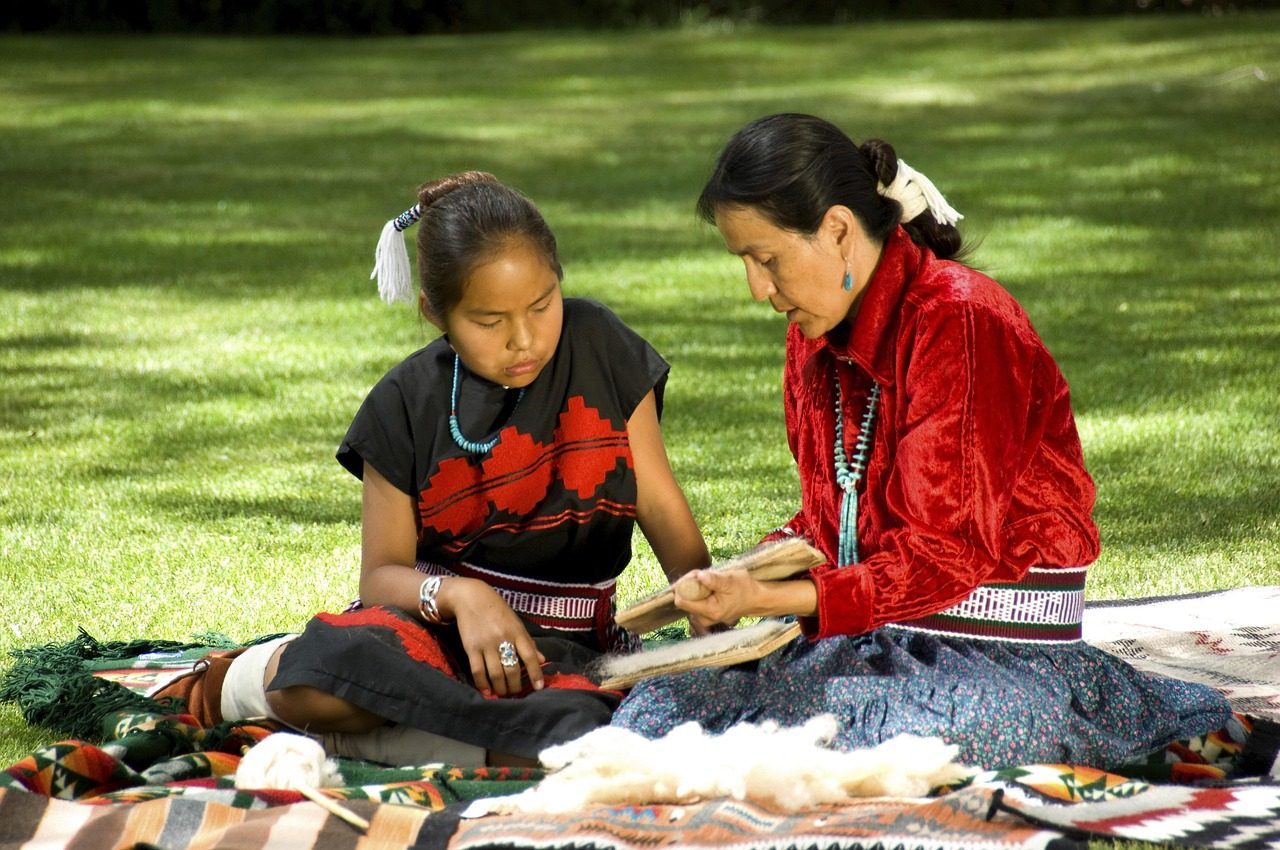
These ten largest Native American tribes represent the incredible diversity and resilience of Indigenous peoples across North America. Each community has faced unique challenges throughout history, from forced relocation and cultural suppression to modern struggles for recognition and sovereignty. Yet they have not merely survived but thrived, maintaining their distinct identities while adapting to contemporary realities.
The population numbers reflect both historical survival and modern cultural revitalization efforts. Many tribes have seen significant growth as more people embrace their Native heritage and as tribal nations work to reconnect with members whose families were displaced or disconnected from their communities.
These tribes continue to contribute richly to American society through their cultural traditions, economic enterprises, environmental stewardship, and commitment to preserving Indigenous knowledge for future generations. What aspect of Native American tribal heritage do you find most inspiring? Share your thoughts in the comments below.
