
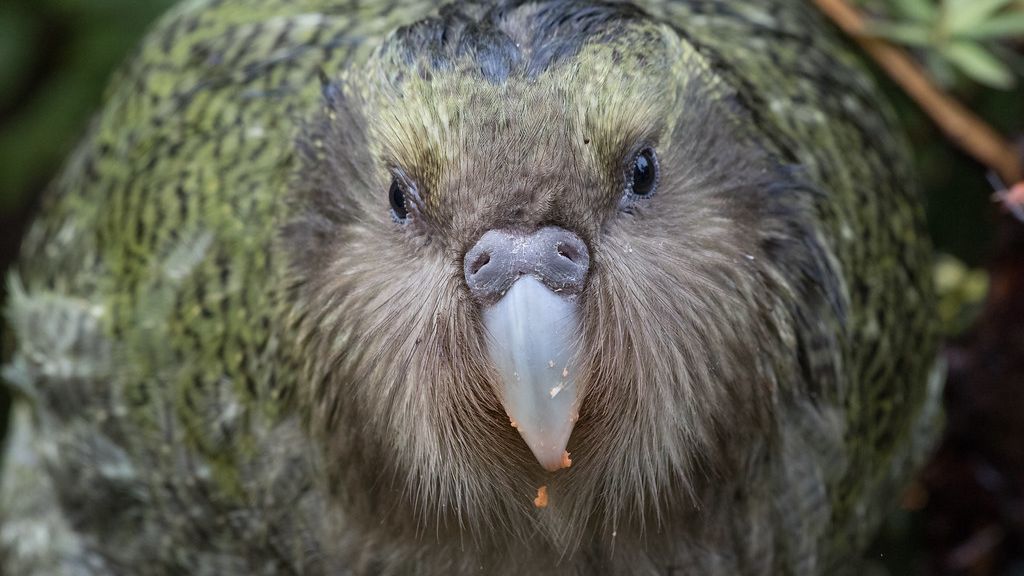
Most of us imagine birds as creatures of the day, chirping at dawn and soaring under bright blue skies. It’s a comforting picture, really. Yet while we’re tucked into our beds, an entirely different avian world comes alive.
Nocturnal birds are elusive, mysterious and often less well understood than their day-active cousins. These creatures own the darkness in ways that would honestly leave most of us completely amazed. Their adaptations are so specialized, so finely tuned, that they can navigate, hunt, and even raise families in total blackness. Let’s dive into the shadows and meet some of the most fascinating winged inhabitants of the night.
The Potoo: Nature’s Most Bizarre Camouflage Artist
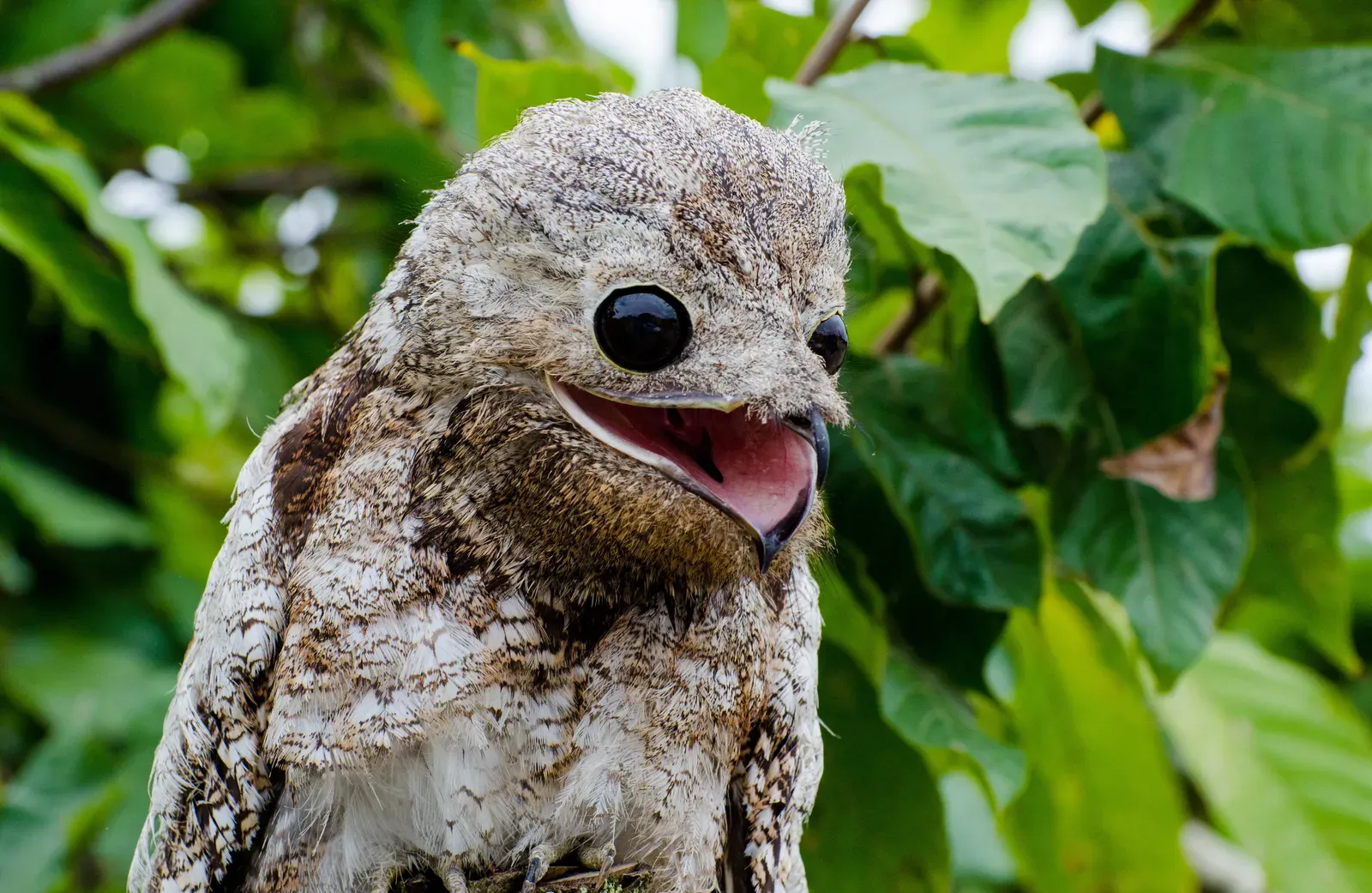
The potoo is a strange-looking bird with bulging, yellow eyes, a long neck, a gaping mouth, and mottled brown/green/gray plumage that disguises it as the tree branch it roosts on during the day. Honestly, the first time you see one, you might think someone’s playing a prank on you. This bird looks like it was designed by someone with a very dark sense of humor.
During daylight hours, they remain motionless on tree stumps or branches, blending perfectly with their surroundings, and their ability to stay perfectly still for hours is key to their survival. It’s a survival strategy that’s both impressive and slightly creepy. Each potoo species has its own unique call, given on moonlit nights.
These birds hunt from exposed perches at night, waiting patiently before swooping out to snatch flying insects. They spend the night catching flying insects and occasionally bats and small birds. Think of them as the snipers of the nocturnal bird world.
The Kakapo: The World’s Only Flightless Nocturnal Parrot
Here’s the thing about the kakapo. It shouldn’t exist, yet it does.
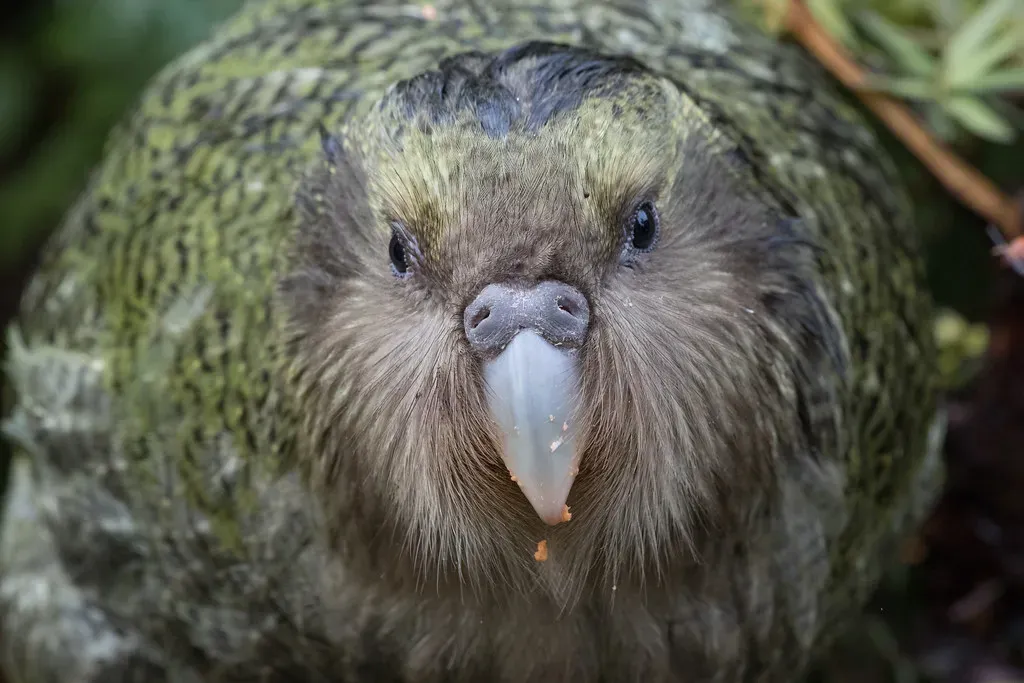
The kakapo is probably one of the world’s most fascinating nocturnal birds, wearing greenish-yellow plumage that looks more like a coat of moss to match its habitat, and this odd bird is one of the heaviest birds in the world. It’s also the world’s only flightless parrot, but it can “parachute” from a tree. Found only in New Zealand, this unusual creature evolved in an environment with almost no land predators.
Without threats on the ground, the kakapo adapted a nocturnal lifestyle to avoid aerial predators. It has a sweet-smelling odor and is friendly toward people, and its reproduction rate is determined by the cone cycle of the rimu tree, and it has a lifespan longer than many humans at 95 years. Let’s be real, that’s longer than most of us will live.
The Night Parrot is considered the rarest of all birds listed as endangered.
The Tawny Frogmouth: Australia’s Master of Disguise
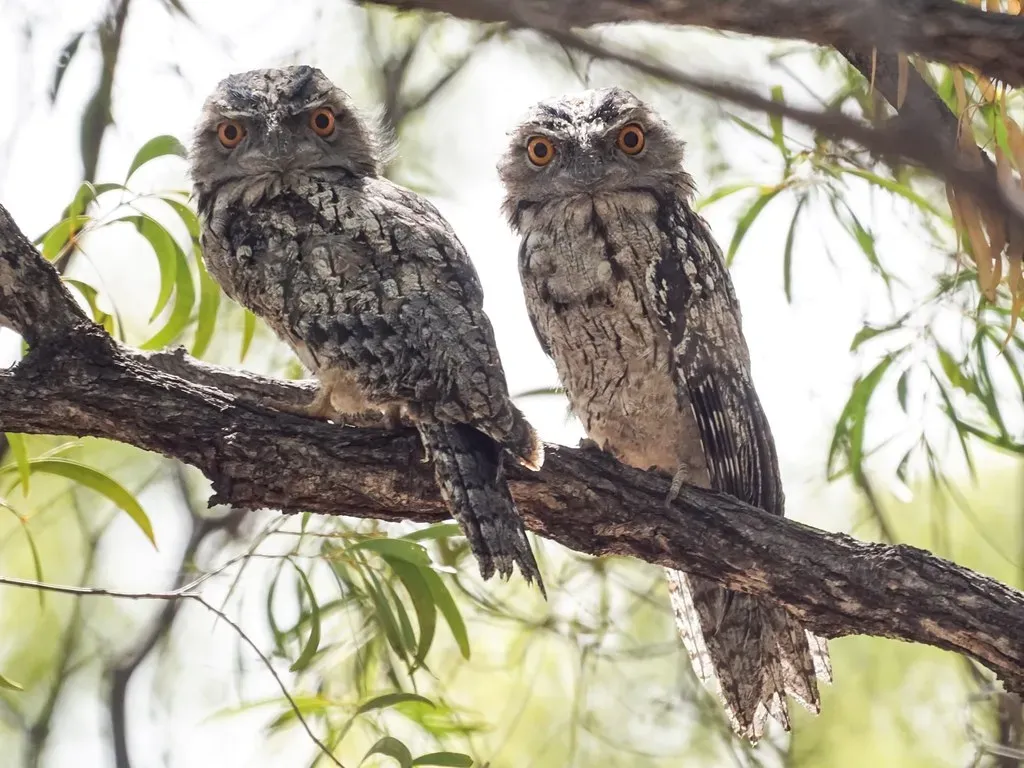
The tawny frogmouth is a species of frogmouth native to the Australian mainland and Tasmania and found throughout, and it is a big-headed, stocky bird often mistaken for an owl due to its nocturnal habits and similar colouring. Walk past one during the day and you’d swear you were looking at a broken tree branch. I know it sounds crazy, but that’s exactly what evolution intended.
These birds strategically perch themselves on low tree branches during daylight hours, cleverly assimilating with the tree itself, and their silvery-grey plumage, adorned with patterns of white, black, and brown streaks and mottles, enables them to seamlessly blend into the appearance of a fractured tree branch.
When night falls, the transformation begins. Tawny frogmouths are considered to be among Australia’s most effective pest-control birds, as their diet consists largely of species regarded as vermin or pests in houses, farms, and gardens, and the bulk of their diet is composed of large nocturnal insects, such as moths, as well as spiders, worms, slugs, and snails. They’re essentially nature’s pest control service, working the night shift.
The Kiwi: A Bird That Acts Like a Mammal
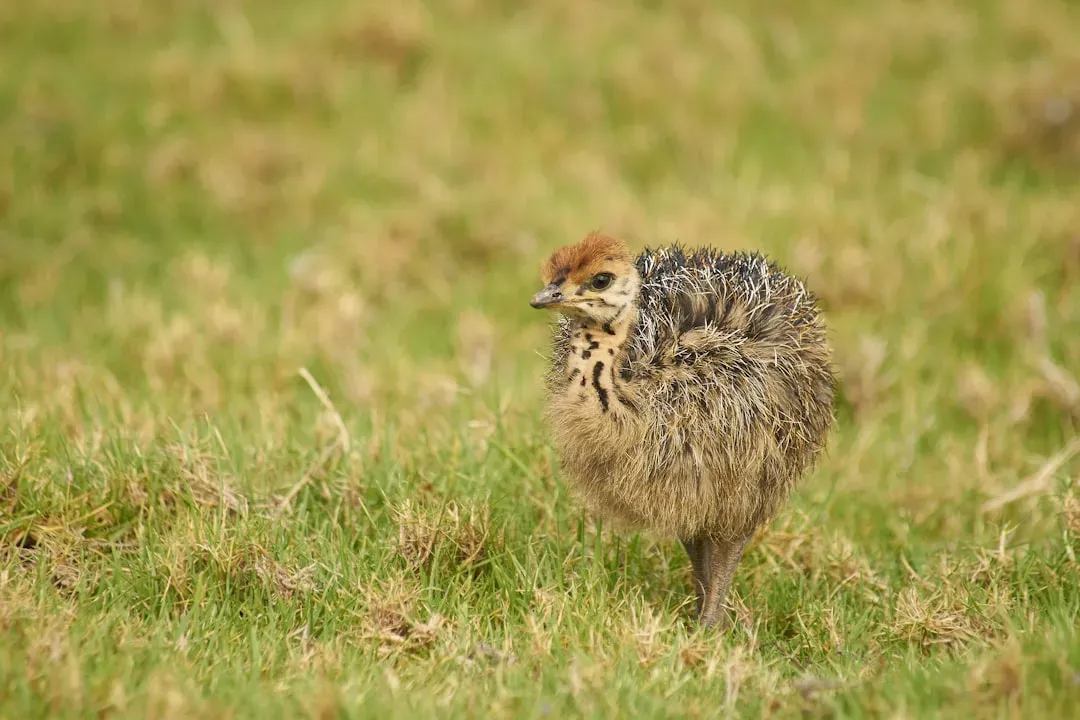
Certain flightless birds like kiwis also prefer to move about at night to avoid predators. But what makes the kiwi truly remarkable isn’t just its nocturnal habits. It’s how differently it operates compared to nearly every other bird on Earth.
Their soft feathers enable them to move through their forest habitats silently, avoiding detection by potential predators, and despite having poor eyesight, Kiwis have a particularly acute sense of smell, which allows them to locate insects, worms, and fruit from the forest floor and pick them up using their long bills. Yes, you read that correctly. A bird that hunts primarily by smell.
In New Zealand, the Kiwi is recognized as a keystone species, maintaining the balance and stability of the local ecosystems. They pierce the ground with their needle-like bills, aerating soil and dispersing seeds while foraging in darkness. It’s hard to say for sure, but they might be doing more environmental work than most conservation programs combined.
Nightjars: The Invisible Insect Hunters
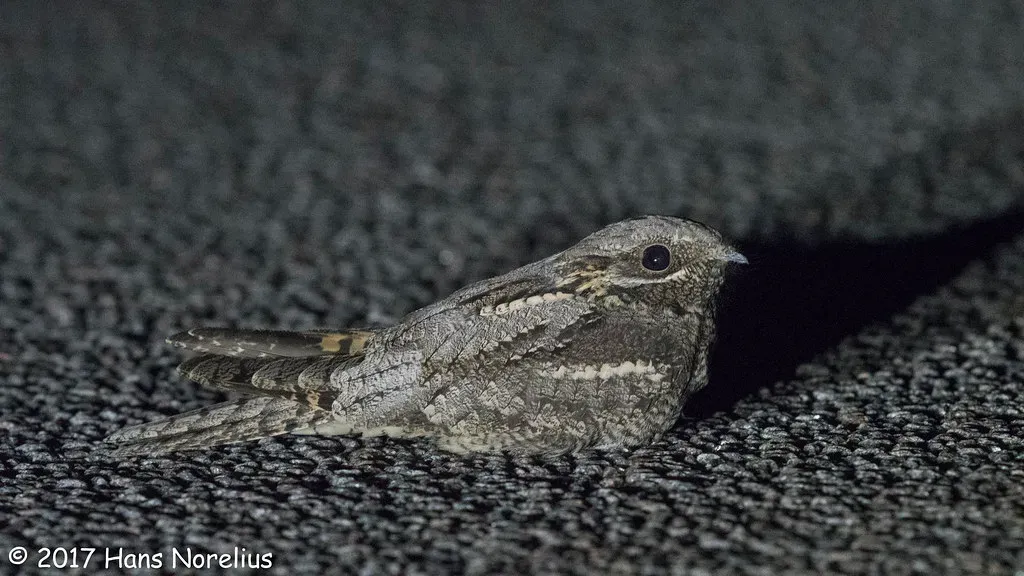
These nocturnal birds excel in camouflage, with their mottled plumage blending perfectly with the forest floor, making them nearly invisible during the day. You could literally step over one and never know it was there.
When darkness arrives, everything changes. At night, they are active hunters, known for their skillful aerial maneuvers to catch insects, and nightjars prefer open spaces like fields and clearings near forests for their nocturnal activities.
Other nocturnal species, including Nighthawks, Nightjars, Frogmouths and Whip-poor-wills, are also active during hours of darkness and catch up on their sleep after the sun rises. Nighthawks and nightjars have been known to conserve their energy by lowering their core body temperatures during cold nights or times with low food availability, and the Common Poorwill is thought to engage in a more extreme version of torpor: hibernation. A hibernating bird. Just think about that for a moment.
How Nocturnal Birds See, Hear, and Survive the Dark
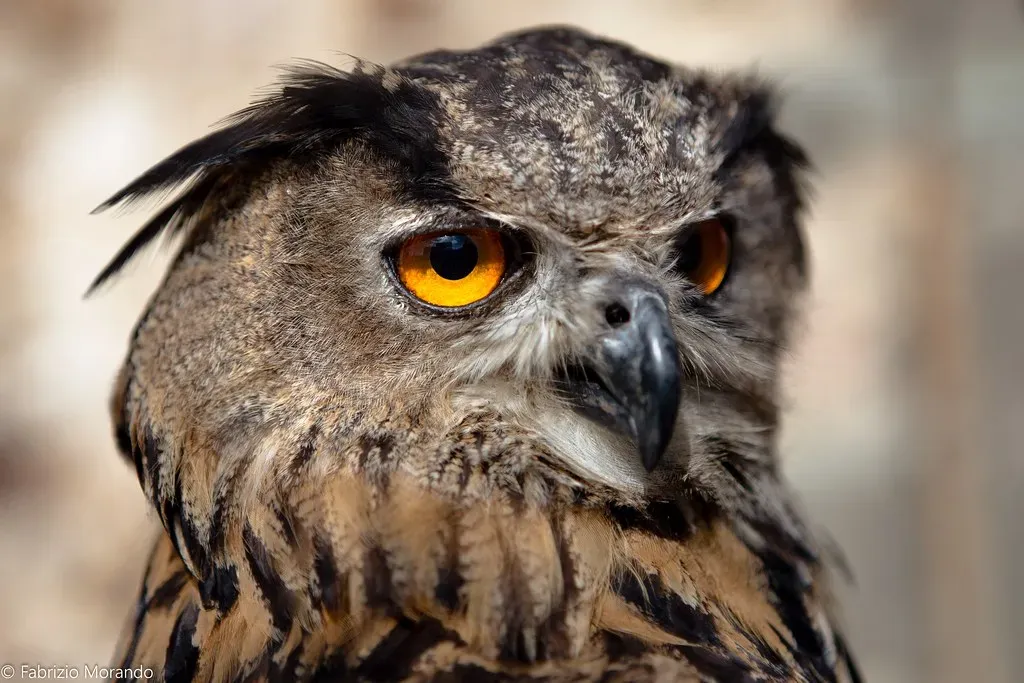
The adaptations these birds possess are nothing short of extraordinary. Nocturnal birds tend to have larger eyes and a highly developed vision, and their eyes are particularly well adapted to see in low light.
An owl’s huge eyes, with enlarged corneas and lenses, account for up to 5 percent of their total body weight and contain tightly packed retinal rods that enable them to see incredibly clearly and accurately in the absence of natural or artificial light. Five percent of body weight devoted entirely to vision. That’s like a human having eyeballs the size of grapefruits.
Hearing is equally critical. A prime obvious example of these adaptations can be seen immediately in the face of an owl, whose round or heart-shaped facial discs “collect” and focus sound waves directly to their ears. Despite their large flat round eyes, owls actually can’t see all that well, but they can hear everything, even animals moving under snow.
Another adaptation is specialized feathers, that allow nocturnal birds to fly silently, enabling them to remain undetected while hunting. Silent flight means prey never hears death coming. It’s efficient, elegant, and more than a little unsettling.
What do you think about these incredible creatures? Did you expect the night to be this alive? Tell us in the comments what nocturnal bird surprised you the most.
