
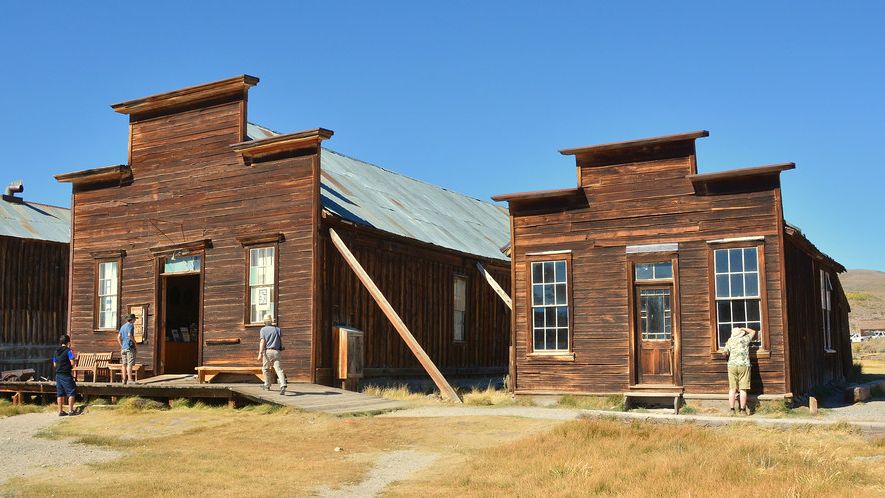
Hidden across the United States are remarkable communities whose stories have largely escaped mainstream history books. These aren’t the typical tourist destinations you’d find on most travel itineraries. Instead, they’re places where extraordinary events unfolded, where unique cultures flourished, or where dramatic historical moments changed the course of American life forever.
From mining towns with secrets buried deep underground to settlements that challenged social norms of their time, these communities offer glimpses into chapters of American history that many have forgotten. Let’s dive into these fascinating places where the past comes alive in unexpected ways.
Jerome, Arizona: The Sliding Town That Refused to Die
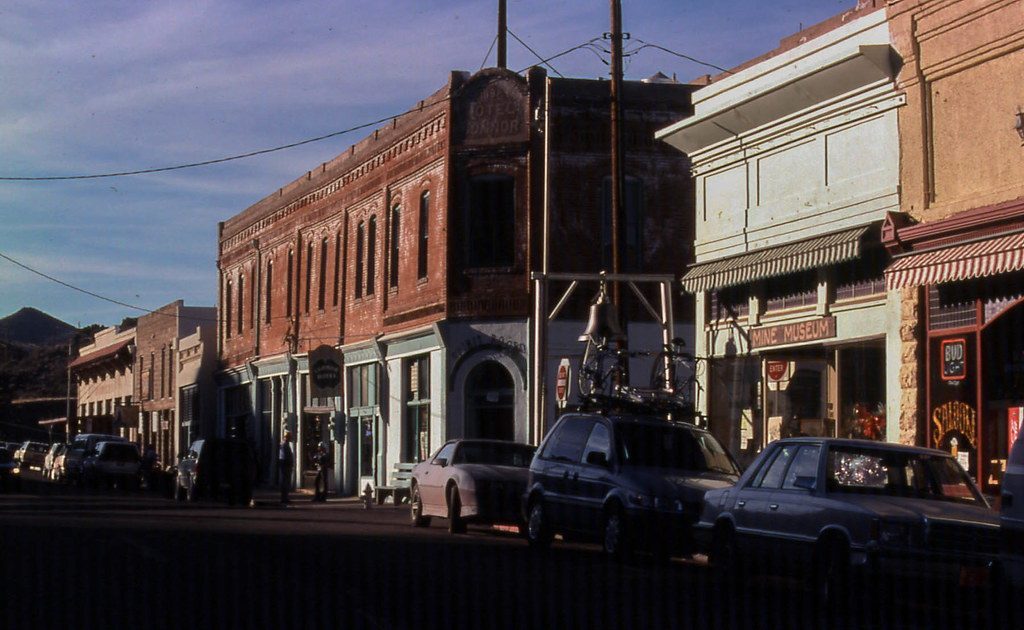
Perched dramatically on the side of Cleopatra Hill in Central Arizona, Jerome was once one of the largest cities in the state when rich copper deposits attracted miners in the late 1800s. By the peak of mining in the 1920s, Jerome had become a major Arizona city, but when the mines closed in the 1950s, the town was nearly abandoned. If not for the artists who saved it, Jerome would be the largest ghost town in the nation.
The town’s most famous landmark is the Sliding Jail, a historic structure that literally made a break for it. Once used for the brawling and questionable activities typical in a Wild West town, the jailhouse began sliding down the hill as the landscape changed due to mine blasting. It’s now over 200 feet from where it originally stood.
Centralia, Pennsylvania: The Town That’s Been Burning for Decades
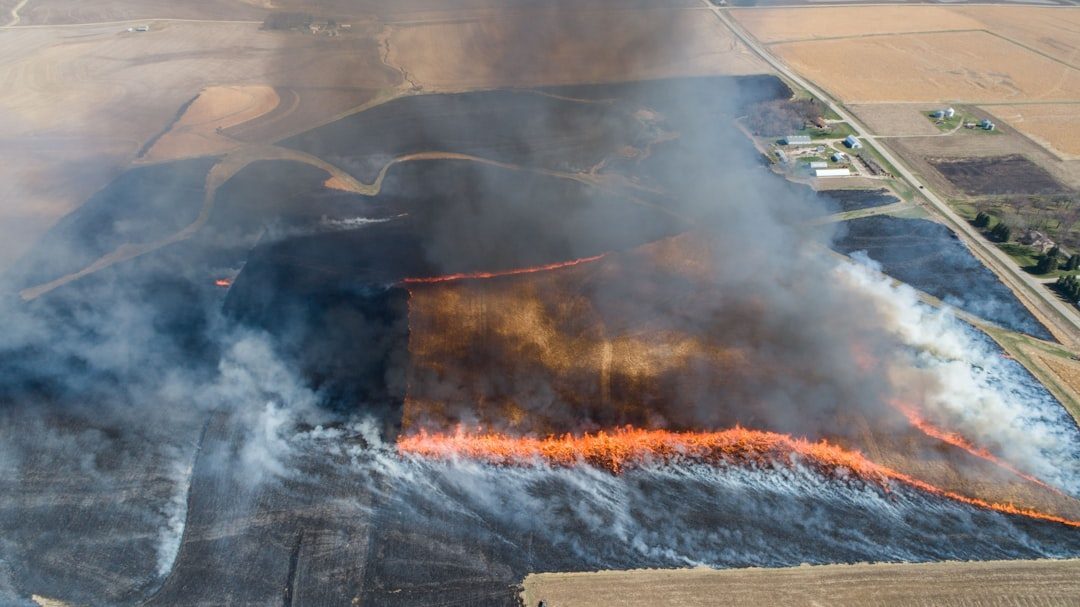
This small Pennsylvania borough’s population declined from 1,000 in 1980 to just five residents in 2020 because a coal mine fire has been burning beneath the town since 1962. The disaster began when the city council proposed cleaning up the local landfill in time for Memorial Day festivities in 1962. They set the landfill on fire on May 27, but firefighters later discovered a hole that provided a direct pathway to the labyrinth of old coal mine tunnels beneath Centralia.
As years passed, the ground became scorching hot, reaching over 900 degrees Fahrenheit in some locations, with smoke pouring from sinkholes and gas-filled basements. The real turning point came on Valentine’s Day in 1981, when a sinkhole opened underneath 12-year-old Todd Domboski’s feet. The ground was searing and the sinkhole was 150-feet deep. He only survived because he grabbed hold of an exposed tree root before his cousin pulled him out.
Bodie, California: The Wild West Town Frozen in Time
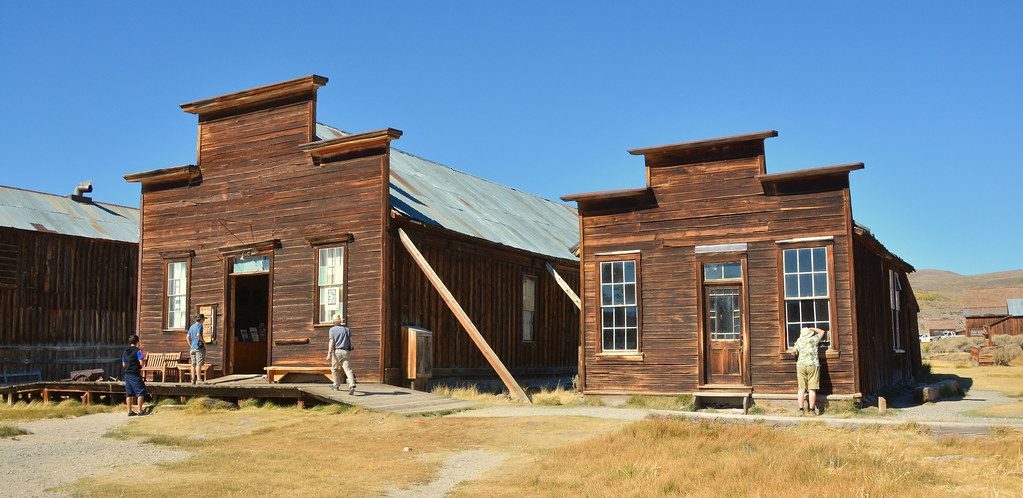
There’s something eerie yet magical about walking through the perfectly preserved streets of Bodie, California, one of the best-preserved ghost towns in the West. Once a booming Gold Rush town in the late 1800s, Bodie was filled with saloons, gambling halls, and all the drama of the Wild West.
Today, Bodie is protected as a California State Historic Park in what’s called a state of “arrested decay,” meaning no modern renovations, only minimal maintenance to keep things from collapsing. If you ever wanted to see what a real Wild West town looked like, Bodie is as authentic as it gets. Legend has it that if you take anything from Bodie, even a tiny rock, you’ll be cursed with bad luck until you return it.
Nicodemus, Kansas: The All-Black Prairie Settlement
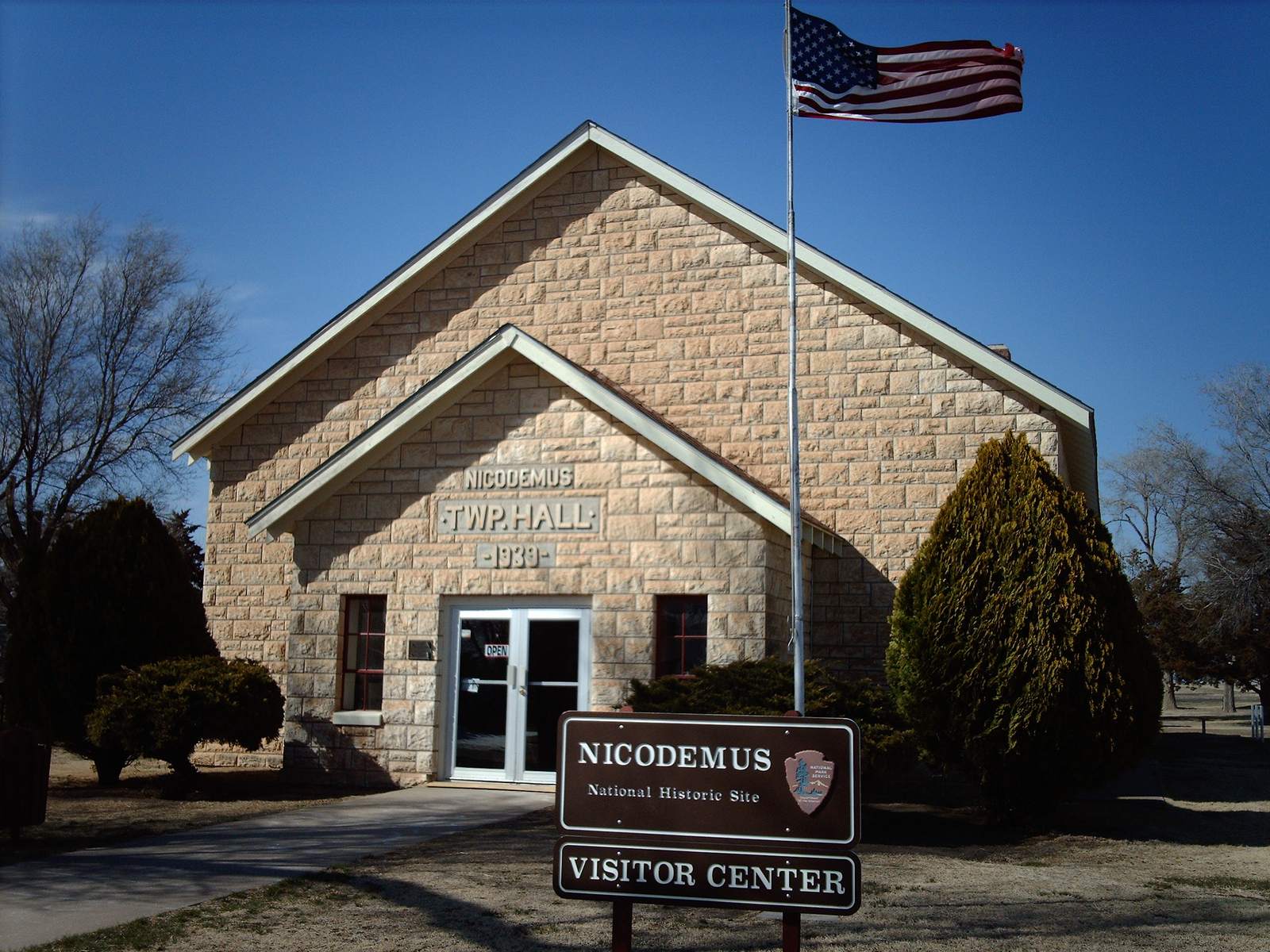
Founded in 1877 by formerly enslaved people seeking independence after the Civil War, Nicodemus represents a unique chapter in African American history. This small prairie town was established during the “Exoduster” movement when thousands of Black Americans moved from the South to Kansas to escape oppression and build self-sufficient communities. The settlers overcame harsh conditions on the treeless plains, lived in dugouts their first winter, and persevered to create a thriving agricultural community.
Nicodemus prospered in its early years, with businesses, churches, and schools serving its all-Black population. The town’s residents established their local government and created institutions that allowed them to exercise the citizenship rights gained after the Civil War. Their success demonstrated that African Americans could build prosperous communities when free from the constraints of racial discrimination and violence that characterized much of the post-Reconstruction South.
Pullman, Illinois: The Company Town That Sparked a Revolution
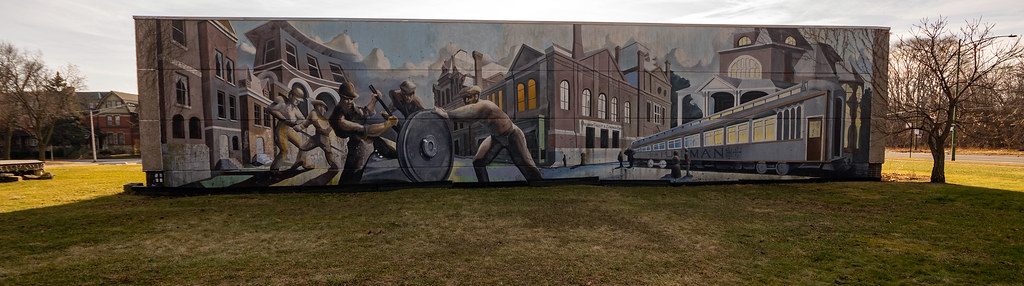
The town gained national significance during the massive labor strike in 1894, when workers protested wage cuts without corresponding reductions in housing costs. The Pullman Strike rapidly spread across railroad lines nationwide, disrupting mail delivery and transportation. President Grover Cleveland’s controversial decision to send federal troops to break the strike marked a turning point in labor relations, highlighting the growing tension between industrial workers and powerful corporations.
In 2015, Pullman was designated a National Monument, preserving its architectural and historical significance for future generations. The restored clock tower building, once the company’s administrative center, now houses a visitor center that tells the complex story of this unique community.
Seneca Falls, New York: Birthplace of Women’s Rights
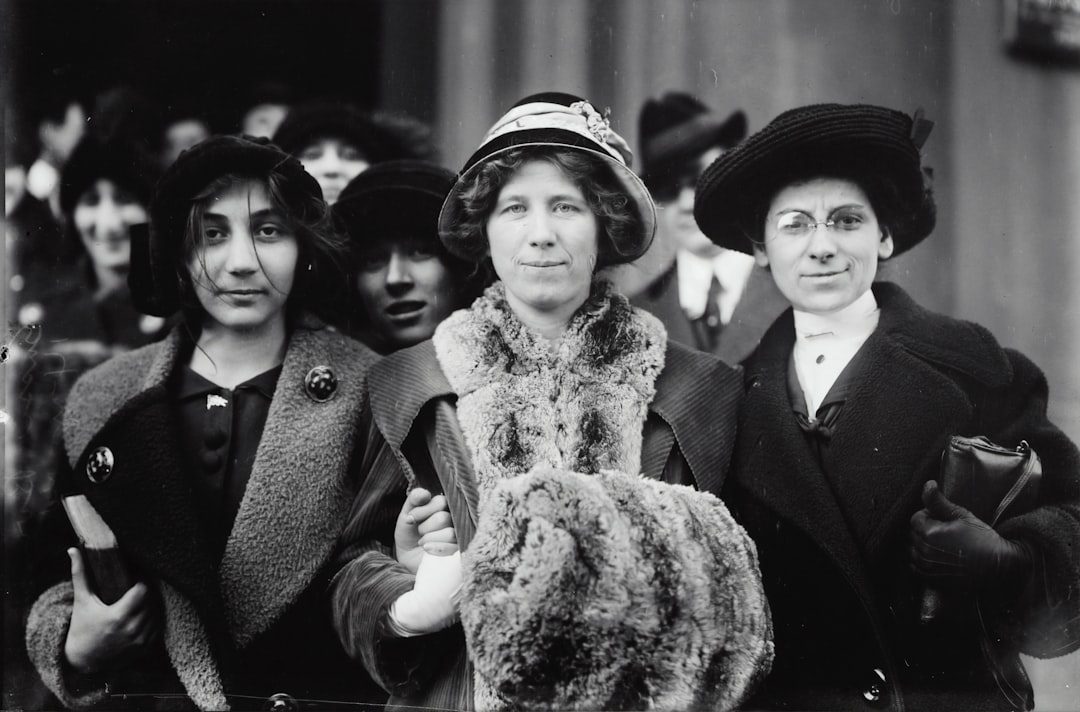
Tucked away in the Finger Lakes region of New York, Seneca Falls hosted one of American history’s most significant civil rights gatherings. In July 1848, the first Women’s Rights Convention brought together reformers who drafted the Declaration of Sentiments, boldly declaring that “all men and women are created equal.” This revolutionary document, modeled after the Declaration of Independence, listed specific inequalities women faced and launched the organized women’s suffrage movement that would transform American society.
The town’s location in the scenic Finger Lakes region brings modern visitors to walk the same streets where history unfolded. This combination of natural beauty and historical preservation creates a unique place where visitors can understand how geography shaped American history.
St. Augustine, Florida: America’s Oldest Secret
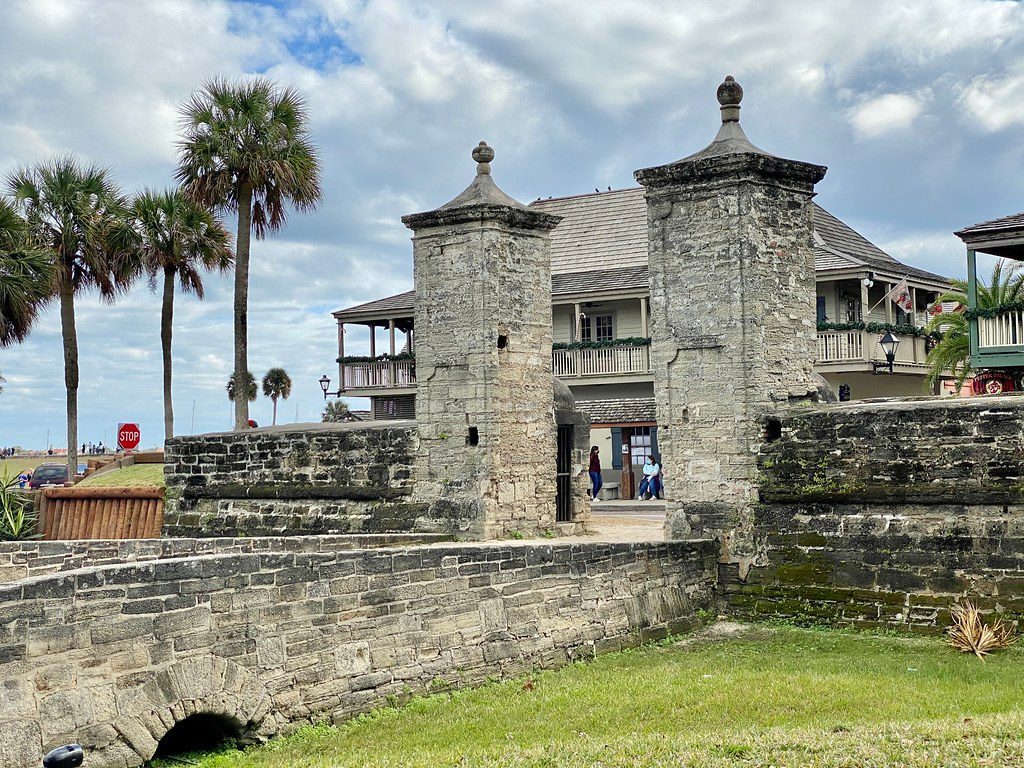
Founded by Spanish explorers in 1565, St. Augustine predates Jamestown and Plymouth by decades yet often receives less attention in American history narratives. This ancient city established a European presence in the United States and created a multicultural society that included Spanish settlers, Native Americans, and Africans. The impressive fortress Castillo de San Marcos, built from coquina stone, has stood for over 300 years as a testament to Spanish colonial engineering and military strategy. St. Augustine’s long history reflects the complex international struggles for control of North America.
Within St. Augustine was Lincolnville, once a thriving African American settlement established by freed slaves after the Civil War. The community had its own schools, churches, businesses, and social organizations that flourished for nearly a century. During the height of segregation, Lincolnville became a self-contained world where Black residents could live, work, and thrive despite Jim Crow laws. The neighborhood boasted successful entrepreneurs, teachers, and craftsmen who built beautiful homes and established lasting institutions. However, during urban renewal programs of the mid-20th century, much of Lincolnville was systematically demolished under the guise of “slum clearance.”
Madison, Indiana: The Forgotten River Town
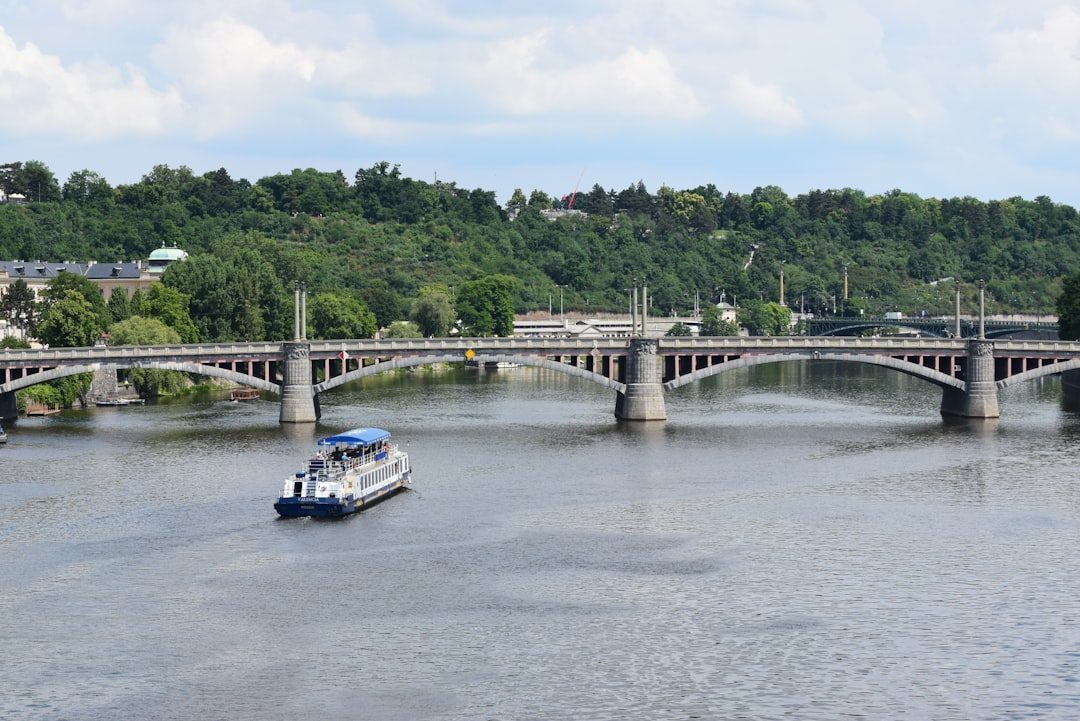
Nestled along the scenic Ohio River, Madison, Indiana, stands as a testament to 19th-century American architecture and small-town charm. With its sprawling 133-block historic district, the largest in Indiana, Madison is a living museum of Federal, Greek Revival, and Italianate buildings that transport visitors back in time. As you stroll down Main Street, you’ll feel the weight of history in every step.
The town represents one of the Midwest’s best-preserved examples of a river commerce community from the steamboat era. Unlike many similar towns that were modernized beyond recognition, Madison maintained its historical integrity while adapting to contemporary needs.
Rising Sun, Indiana: Where History Meets Modern Entertainment
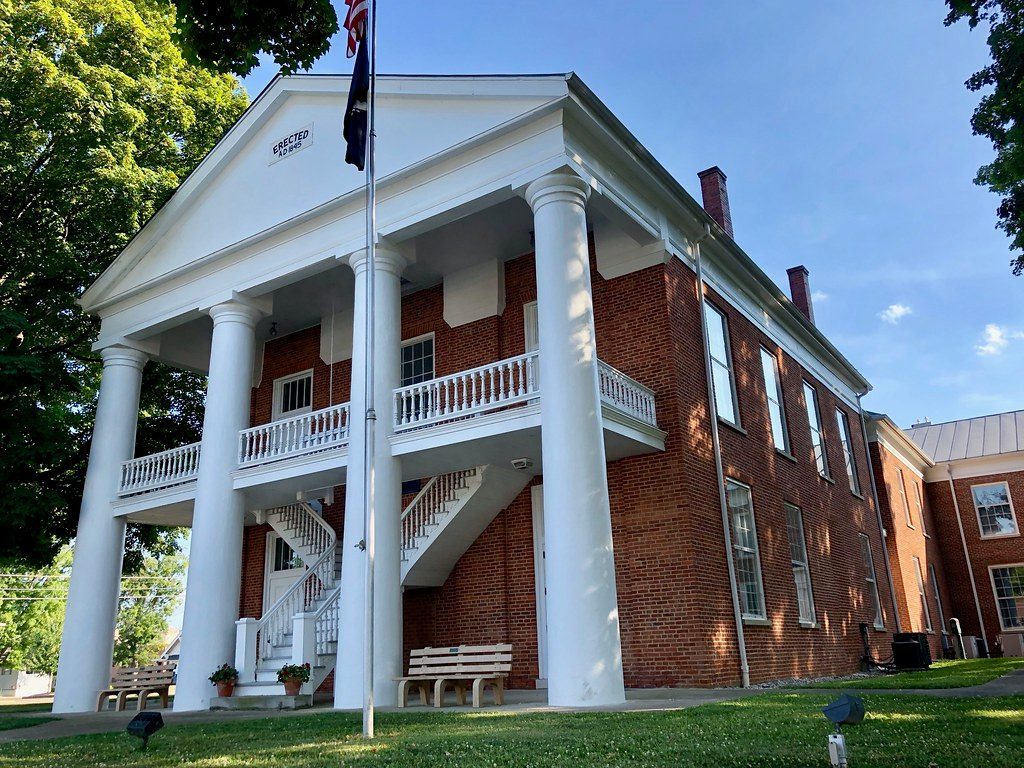
Perched on the banks of the Ohio River, Rising Sun offers a unique blend of historical allure and modern entertainment. Founded in 1814, this charming town has managed to preserve its 19th-century architecture while embracing 21st-century amenities. The Ohio County Historical Museum provides a fascinating glimpse into the region’s past, while the Rising Star Casino Resort offers Las Vegas-style entertainment for those seeking a bit of glamour.
For outdoor enthusiasts, the Ohio River Trail provides scenic views and opportunities for hiking and biking. Rising Sun proves that you don’t have to choose between historical charm and modern excitement; here, you can have both in equal measure.
Berkeley Springs, West Virginia: The Spa Town of Presidents
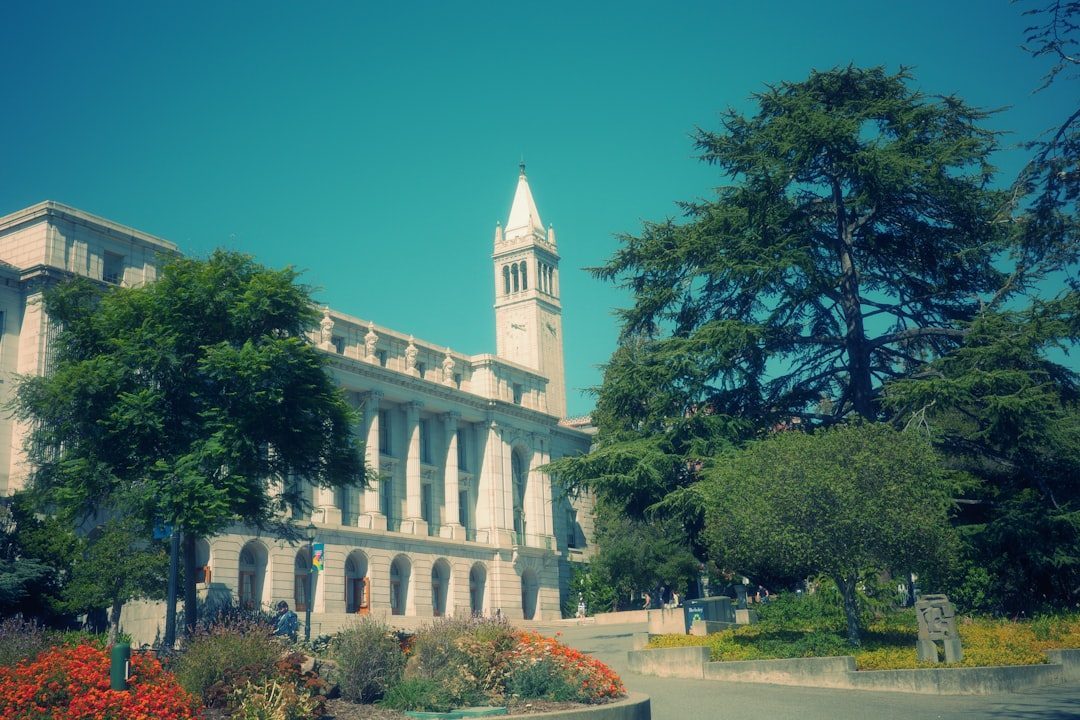
This provides a direct link to the early days of the town when it was a popular retreat for colonial elites. The Museum of the Berkeley Springs is located nearby and provides a glimpse of the town’s rich history and its development as a wellness center, as well as its role in the early settlement of the region. Berkeley Springs is home to one of America’s smallest state parks, the Berkeley Springs State Park, with a compact size of about 4 acres. Here, you can see the original stone bathhouse foundations. You can also dip your feet in George Washington’s Bathtub. This natural rock basin serves as a quirky reminder of Berkeley Springs’ unique appeal.
The town served as a retreat for America’s founding fathers, who believed in the healing properties of its natural springs. This combination of presidential history and therapeutic tradition makes Berkeley Springs a unique chapter in American wellness culture.
Conclusion
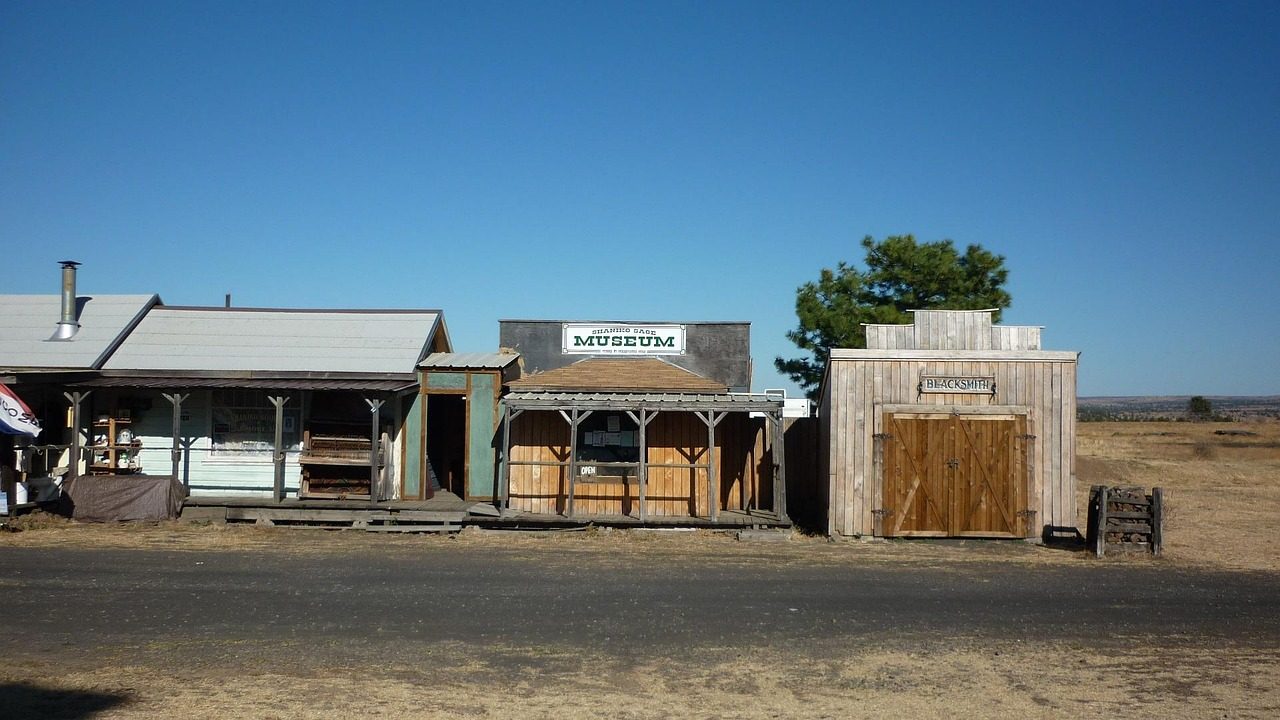
These ten remarkable American towns remind us that history isn’t just found in famous battlefields or presidential birthplaces. Sometimes the most fascinating stories unfold in places where coal burns beneath empty streets, where jails slide down hills, or where communities carved out new definitions of freedom and equality.
Each town offers a different lens through which to view the American experience. From the pioneering spirit of Nicodemus to the environmental cautionary tale of Centralia, these communities show us that the past is never truly past. Their stories continue to shape our understanding of who we are as a nation and where we’ve come from.
What do you think about these hidden chapters of American history? Which town surprised you the most? Tell us in the comments.
