
Nature has had billions of years to come up with ideas. Honestly, it shows. From the ocean floor to the forest canopy, animals do things that leave even the world’s most brilliant researchers scratching their heads. Not quirky little tricks. Not simple survival habits. We’re talking about behaviors so complex, so deliberate, and so deeply puzzling that they continue to confound science well into 2026.
You might assume that with satellite tracking, AI analysis, and advanced neuroscience, we’d have most of this figured out by now. Think again. Some of the most fascinating mysteries in the natural world aren’t hidden in undiscovered species. They’re hiding in plain sight. Let’s dive in.
1. Orcas Systematically Sinking Boats Off the Iberian Coast
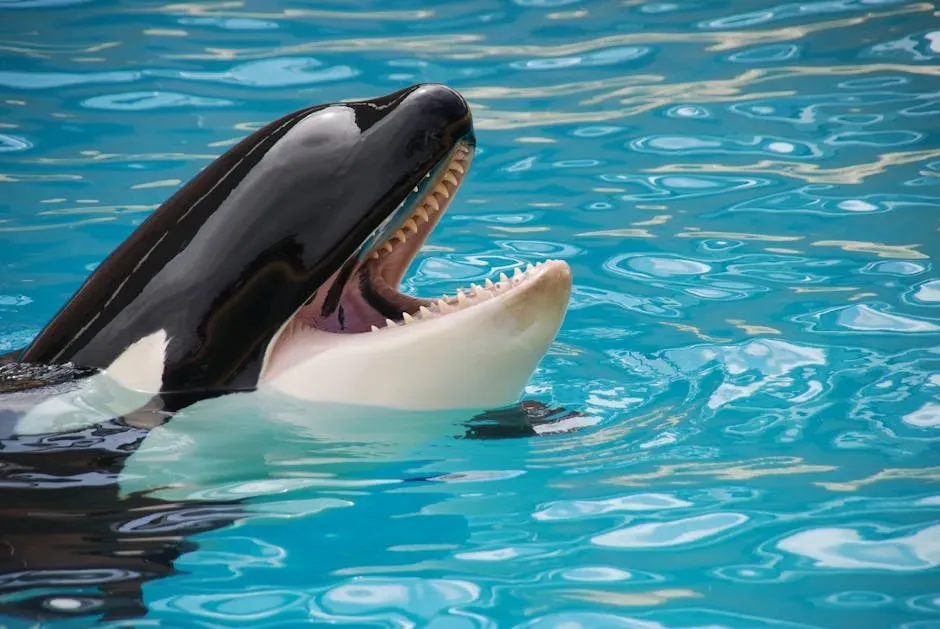
Let’s be real – when killer whales start targeting sailboats with what looks like coordinated strategy, that’s not something you can just shrug off. From 2020 to 2024, there were at least five hundred reports of orcas interacting with boats off the Atlantic coast of Spain and Portugal, an unusual and unprecedented behavior. That number has only grown since.
What originally appeared to be attacks on more than 673 boats since 2020 now seems more likely to be a fad of playing with boat rudders. Juvenile orcas appear to be the main culprits, with incidents mostly involving juveniles, who are described as “more playful and courageous in approaching boats.”
A variety of theories have been floated about the orcas’ motivations for ramming boats, but many scientists think it is most likely a learned cultural behavior that is simply fun for the animals. Still, “fun” doesn’t quite explain the precision involved. If the orcas intended to destroy boats and harm the people on them, they could do that easily by smashing holes in the hull – but they never do. They are obsessed only with the rudder. That level of specificity is bewildering, and no definitive answer has emerged.
2. Elephants Holding Vigils and Burying Their Dead
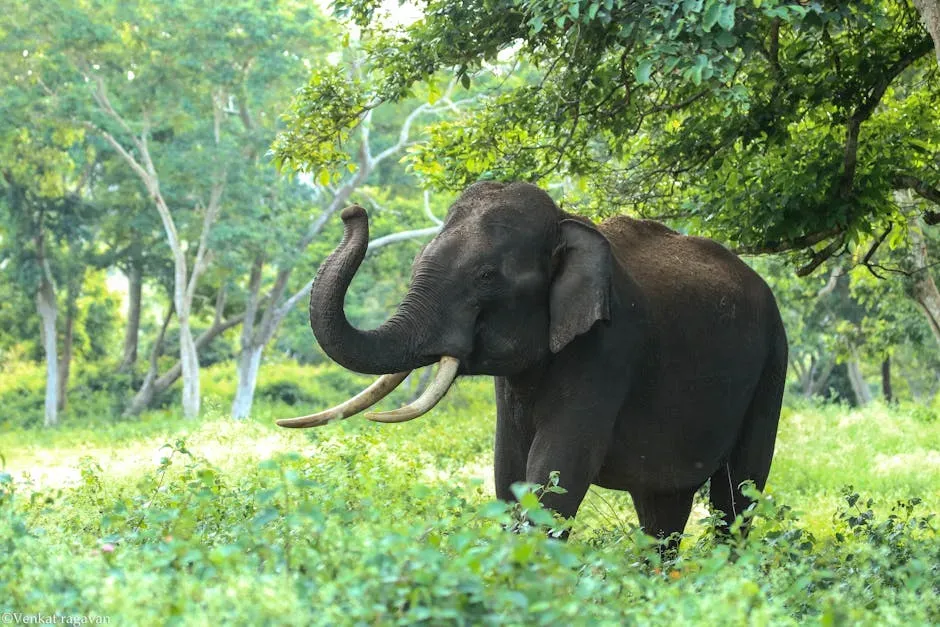
It’s hard to watch and not feel something shift inside you. Elephants have been documented stroking the bones of the deceased, guarding carcasses, burying dead calves, and even crying. Though ignoring the remains of other species, elephants almost always react to those of their own.
Asian elephants loudly mourn and bury their dead calves, according to a study by Indian scientists that details animal behavior reminiscent of human funeral rites. Remarkably, in all five cases studied, the herd “fled the site within 40 minutes of burial” and later avoided returning to the area, instead taking different parallel routes for migration.
Think about that for a moment. They changed their migration routes to avoid the burial site. Whether or not there might be compassion or suffering among surviving elephants who encounter and interact with ailing or dead ones remains so far unanswered. Scientists can observe the behavior. They cannot yet explain what’s truly happening inside the elephant’s mind when it does it.
3. Crow “Funerals” and the Question of Grief
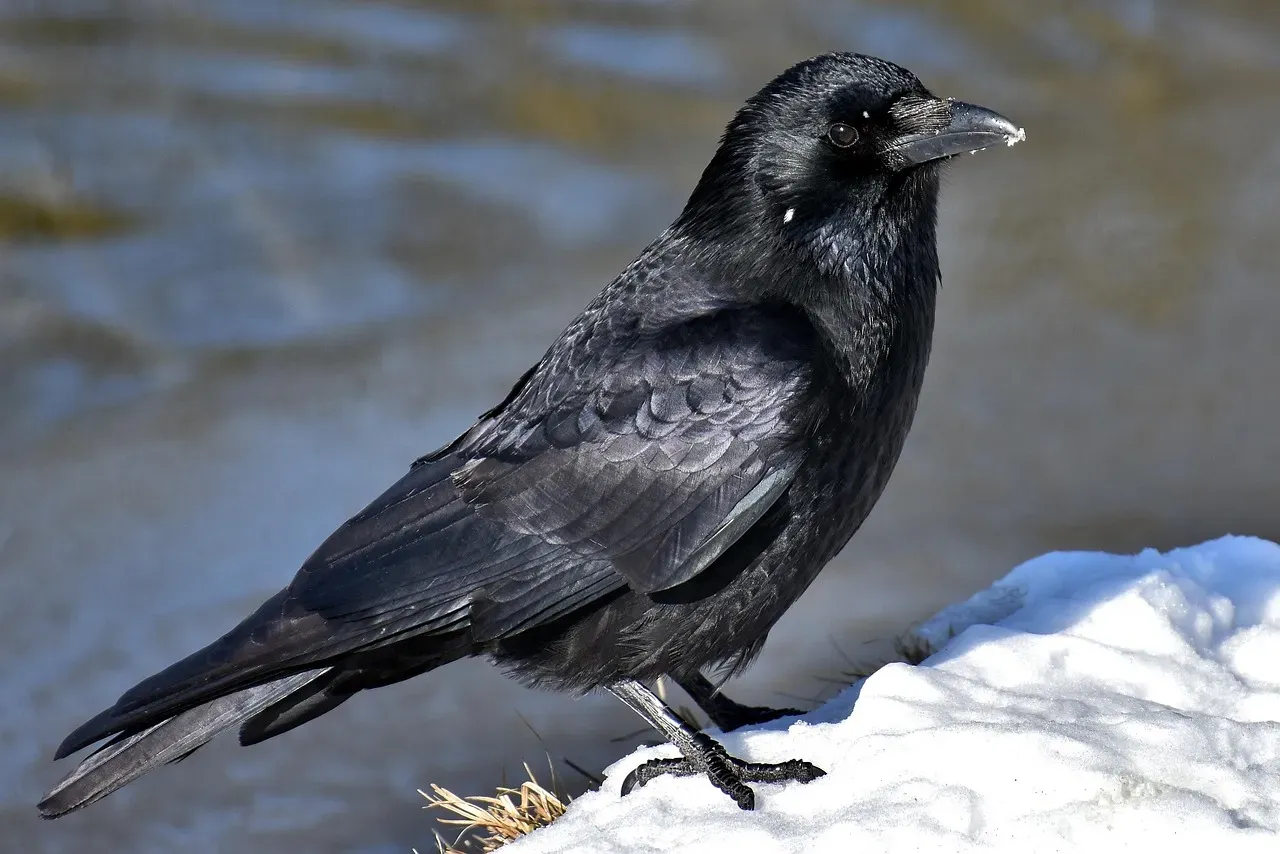
Crows are unsettlingly intelligent birds. Most people know that. What fewer people know is what happens when one of them dies. When a crow dies, others often gather and vocalize around the body, sometimes for hours. Researchers have linked this to learning about danger zones, but the repeated social behavior across different crow populations hints at a deeper emotional or communal role that science hasn’t fully pinned down.
Think of it like a neighborhood watch meeting that doubles as a wake. The crows are clearly gathering for a reason – but is that reason purely strategic, or is there something emotional going on? Crows are, as it turns out, also remarkably petty. Researchers in Seattle learned that not only do they remember the faces of humans who held them captive, they’ll foster grudges to the point where, years later, they’ll attack, peck, and dive-bomb their ex-captors.
This level of social memory and communal behavior around death is startling. It suggests something is happening cognitively and emotionally that science simply doesn’t have the full vocabulary for yet.
4. Dolphins Creating Bubble Rings for No Clear Reason
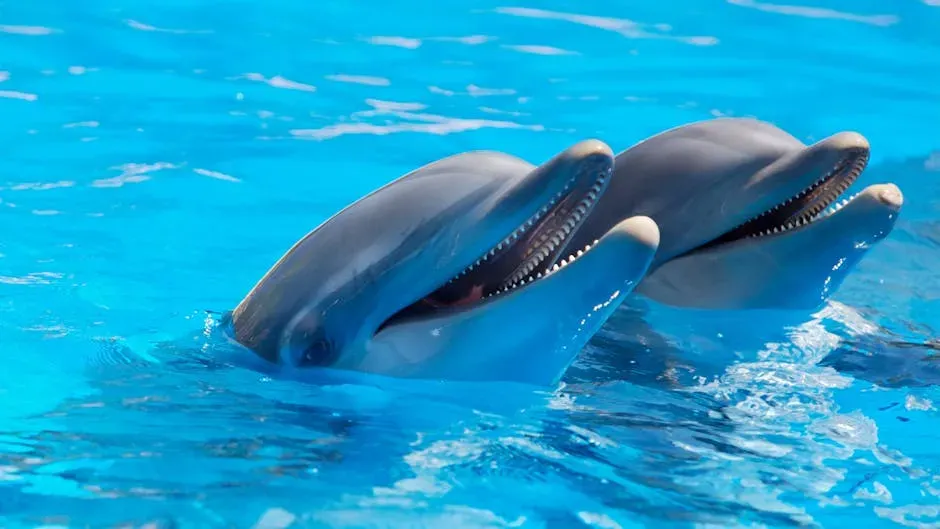
Dolphins are celebrated for their intelligence, but sometimes their behavior goes beyond clever and edges into the genuinely inexplicable. In both wild and captive settings, dolphins blow circular bubbles underwater and interact with them through coordinated movements. The behavior shows signs of social play and fine motor control, but its evolutionary function is unknown.
Some researchers argue that bubble rings are simply a form of play, helping dolphins practice coordination and creativity. Others think they might be tools for social bonding, allowing dolphins to cooperate or show off skills. A few have speculated that bubble rings could sharpen problem-solving abilities, the same way puzzles might for humans. Yet no definitive answer has surfaced.
Here’s the thing – dolphins invest real energy and concentration into creating these rings. They aren’t accidental. They play with them, spin them, modify them. It looks, honestly, like art. Why would animals invest so much energy in behaviors that seem to serve no survival goal at all? That question remains wide open.
5. The Mantis Shrimp’s Incomprehensible Visual System
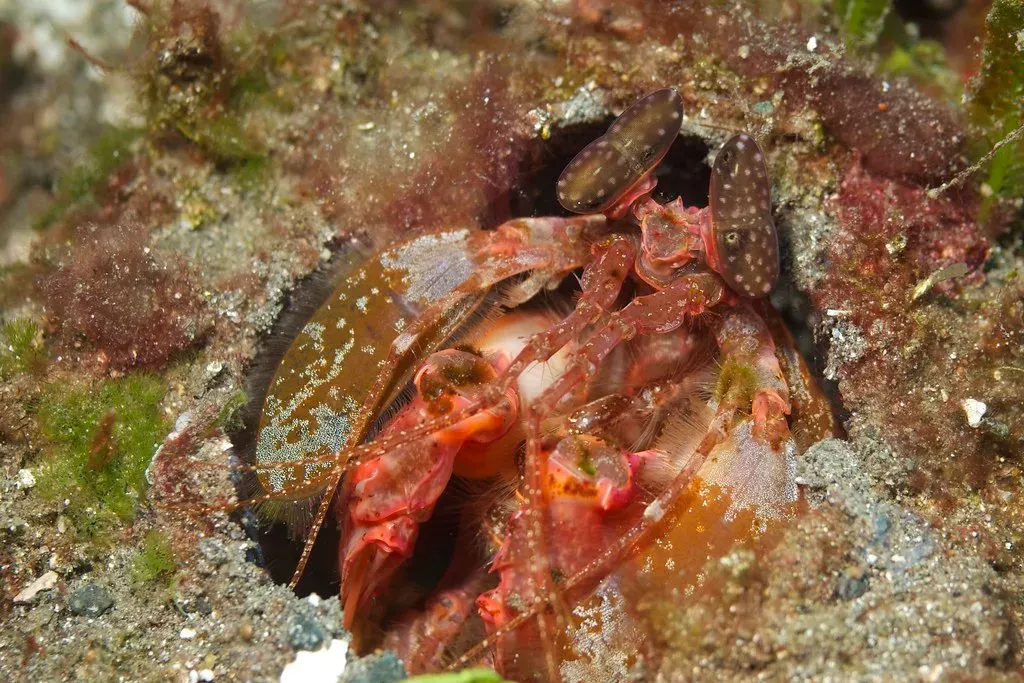
Imagine having eyes so advanced that your own brain can’t fully use them. That’s essentially the situation with the mantis shrimp. With up to 16 photoreceptor types, mantis shrimp detect light far beyond human perception, including polarized and ultraviolet wavelengths. What scientists still don’t understand is how the animal’s brain processes this level of visual input. The system’s complexity suggests uses beyond simple hunting or communication, but no complete model exists yet.
For comparison, humans have three types of photoreceptors. The mantis shrimp has roughly five times that. It’s the equivalent of running a supercomputer through a pocket calculator. Scientists genuinely cannot yet model how that brain integrates what those eyes are seeing – or why evolution produced something so extraordinary in a creature of this size.
6. Mass Whale Strandings With No Clear Trigger
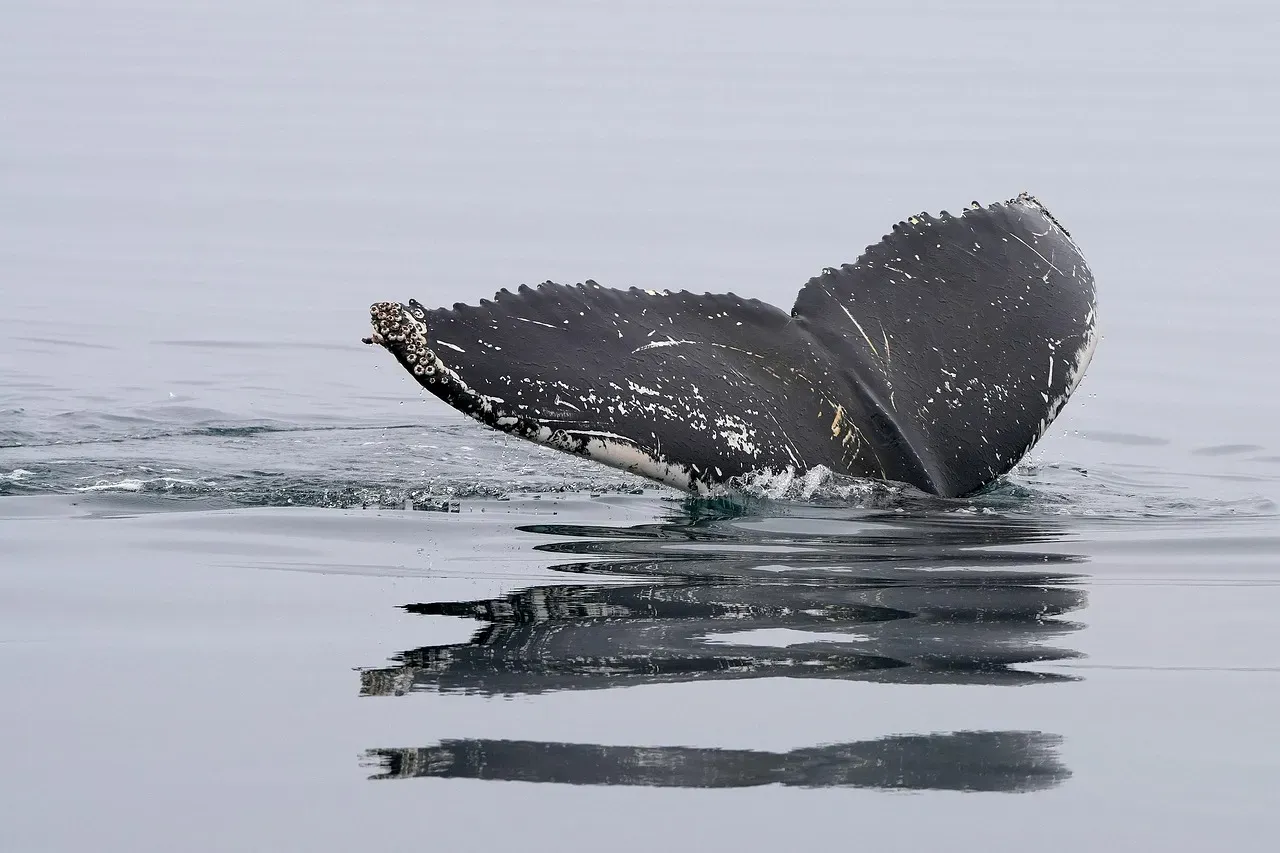
Few natural events are as heartbreaking and as confusing as a mass whale stranding. Few sights are as heartbreaking as dozens of whales washed ashore, alive but unable to return to the sea. Sometimes hundreds have stranded together with no obvious signs of injury or illness.
Some biologists think it has to do with the Earth’s magnetic fields, which whales may use to navigate across oceans. A disruption caused by solar storms or unusual geology might lead whales astray. That’s a compelling theory, but it’s not settled science. What makes this even more perplexing is the behavior that follows rescue.
Two pilot whales were documented lying dying on a beach along with others. Having already been rescued once from beaching, they returned immediately to shore a second time for unknown reasons. Rescuers brought them back to the sea – and the whales swam right back to the beach. It defies any simple explanation.
7. Animals Sensing Earthquakes Before They Happen
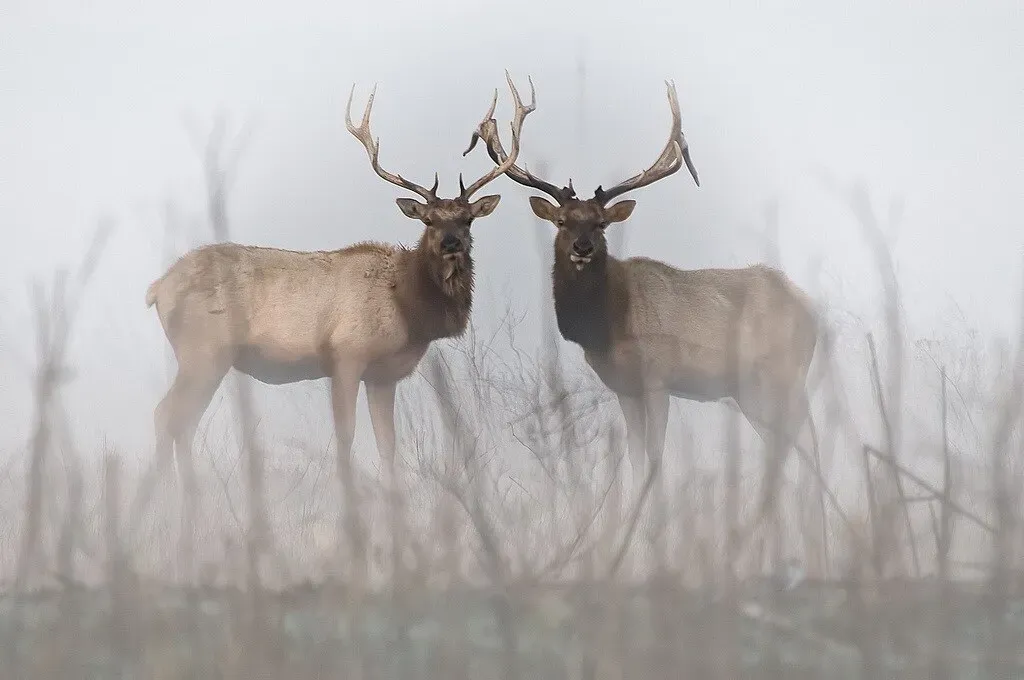
This one has been debated since ancient Greece. It sounds almost too good to be true – and that’s partly why it remains so difficult to nail down scientifically. Flocks of birds sometimes take off suddenly before an earthquake. Throughout history, people have reported animals behaving strangely before earthquakes. Dogs bark. Fish thrash. Birds scatter in synchronized chaos.
Some researchers propose that animals may detect subtle environmental changes imperceptible to humans, such as electromagnetic field fluctuations, ground tilting, or infrasound waves that precede seismic events. However, controlled studies have yielded inconsistent results, and no specific sensory mechanism has been definitively identified.
Particularly mysterious is the wide range of species that supposedly demonstrate these predictive behaviors, from mammals to birds to insects, suggesting either multiple independent sensing mechanisms or some fundamental environmental signal that crosses species boundaries. Despite significant research interest, including monitoring programs in earthquake-prone regions of China and Japan, this potential early-warning system embedded in animal behavior remains largely unexplained by conventional science. It’s hard to say for sure, but the consistency of these reports across wildly different cultures and centuries is tough to dismiss.
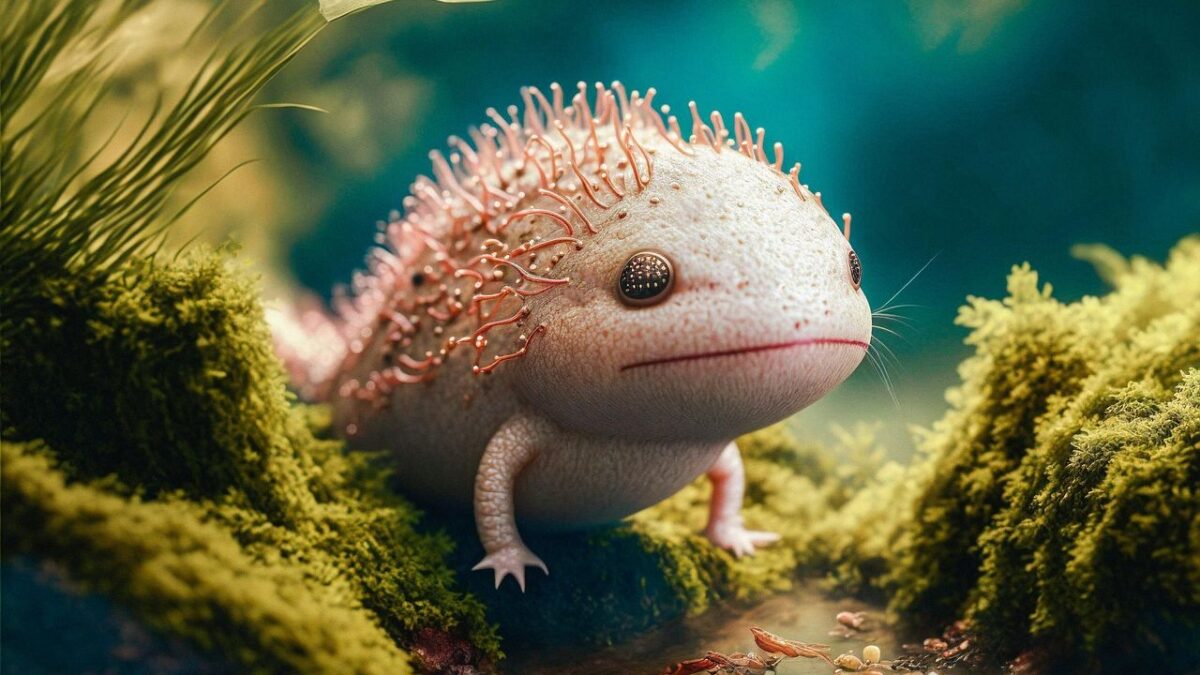
8. The Axolotl’s Impossibly Complete Regeneration
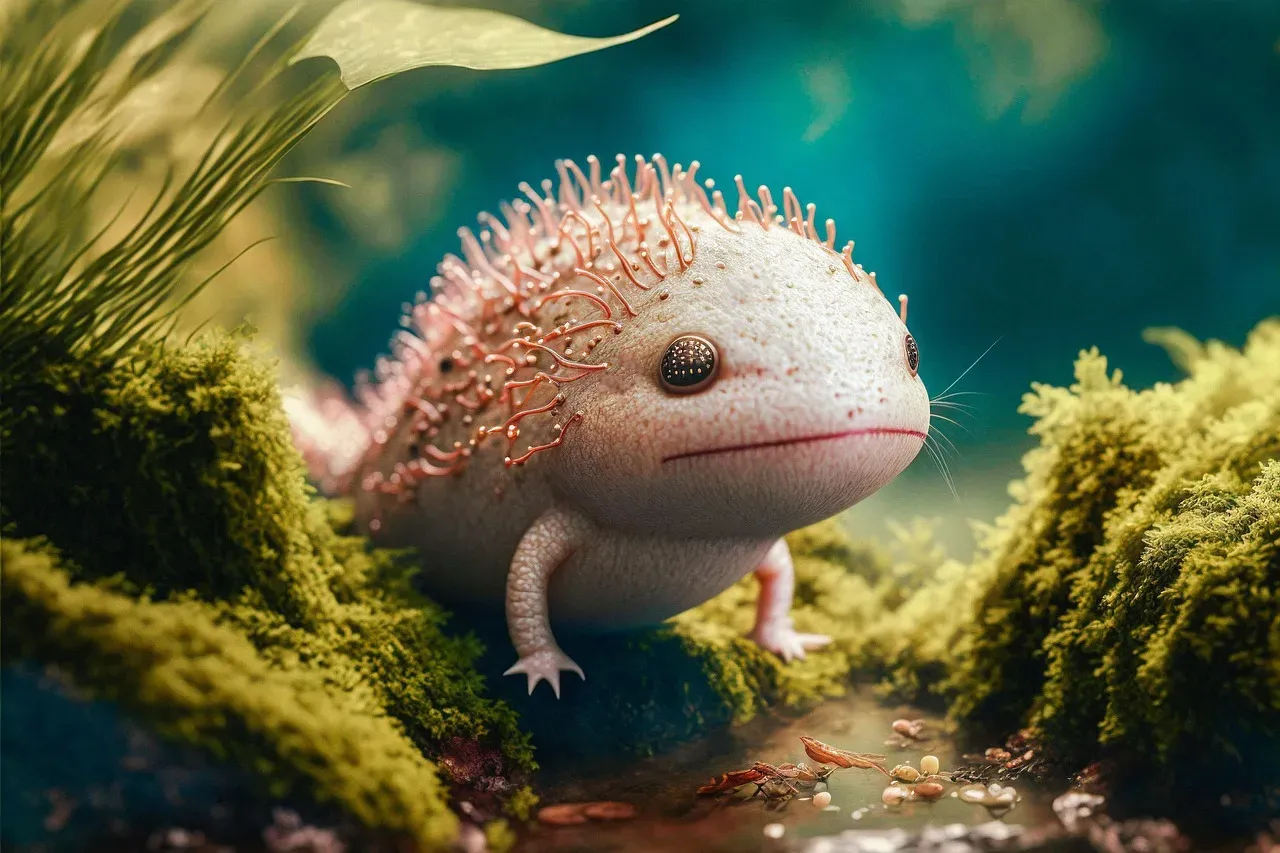
The axolotl is basically nature’s way of showing off. This little Mexican salamander can do something that should be biologically impossible in a complex vertebrate. Axolotls can fully regenerate lost limbs and even portions of their central nervous system. This includes complex tissues like the spinal cord and parts of the brain. While scientists have observed the steps of regeneration, the signaling pathways that guide this level of anatomical reconstruction are not fully understood.
This isn’t like a lizard growing back a simple tail. This is a creature rebuilding its spinal cord with the same precision as the original. Think of it like shredding a detailed architectural blueprint, then watching the building rebuild itself from scratch, perfectly. Understanding this mechanism could one day unlock breakthroughs in human medicine – which is exactly why so much research is focused here, and why the gaps in our knowledge feel so frustrating.
9. The Superbird Lyrebird Mimicking Power Tools and Machinery
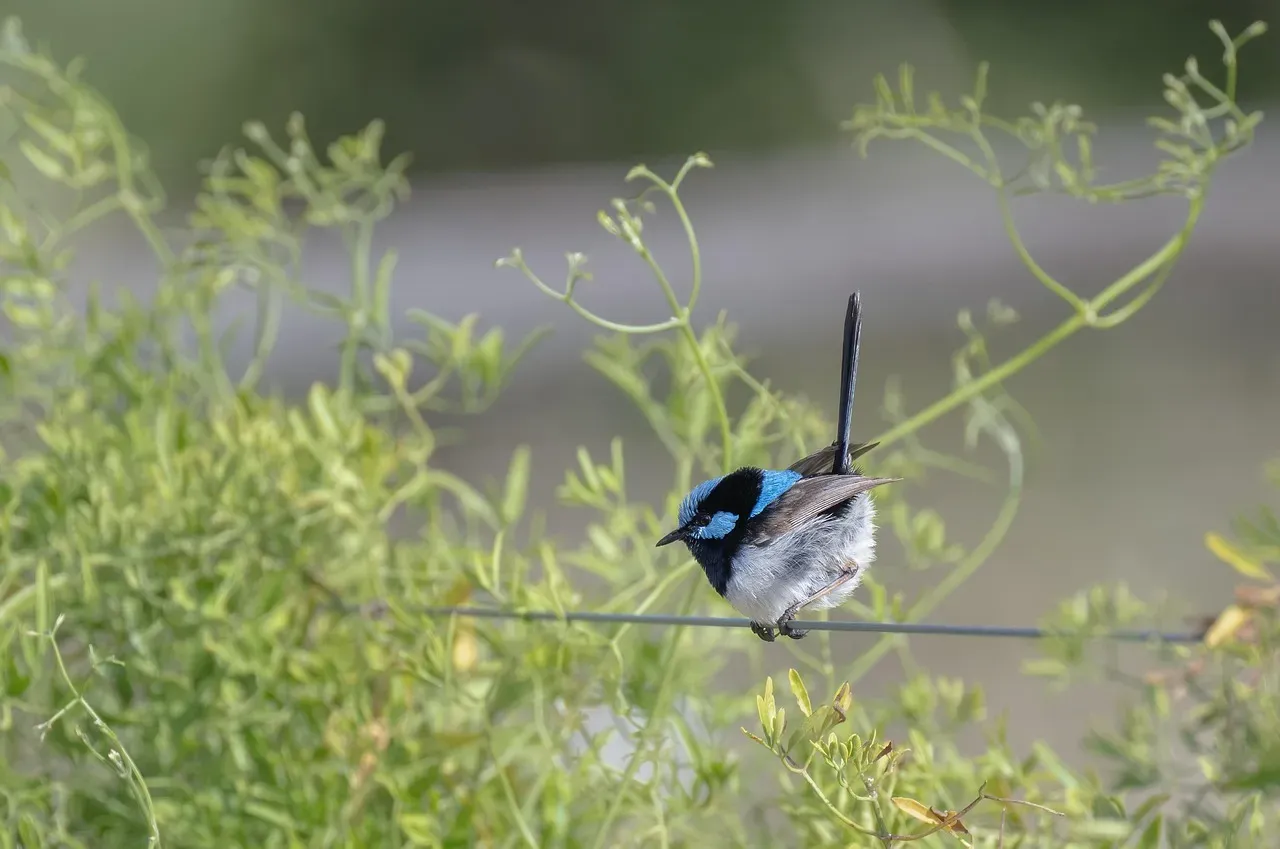
Birds can mimic sounds – sure, everyone knows that. Parrots, starlings, mockingbirds. But what the Australian superb lyrebird does is on an entirely different level, and it raises questions that nobody has properly answered. This Australian bird doesn’t just copy other species. It replicates artificial noises, such as camera shutters and power tools. While its anatomy can explain the range of sound production, the reason it mimics manmade sounds in remote habitats remains unresolved. The learning mechanism and purpose of this behavior are still under debate.
There is no obvious survival benefit to sounding like a chainsaw in the middle of a forest. The lyrebird isn’t trying to scare predators with industrial machinery sounds. It doesn’t attract mates any better with a chainsaw impression than without one. So why does it do it? The honest answer is: we don’t really know. This is one of those cases where the more you look, the more mysterious it becomes.
10. Electric Eels Coordinating Electrical Fields Across Multiple Prey
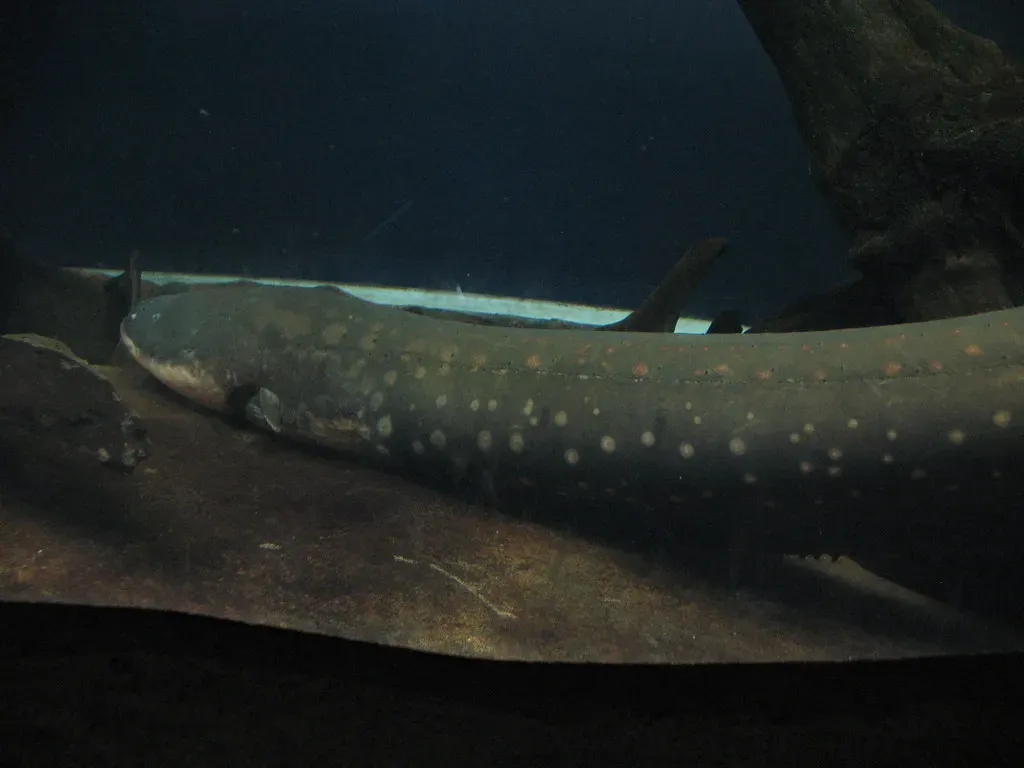
Electric eels were already extraordinary before this discovery. They got stranger. Much stranger. Beyond simply stunning prey, electric eels can emit rapid-fire pulses that appear to manipulate multiple organisms simultaneously. Recent studies suggest they may generate synchronized fields that disrupt nervous systems across a small area. The exact method of coordinating this electrical control remains unclear, particularly when multiple targets are being controlled simultaneously.
This isn’t like a single bolt of electricity knocking out a fish. This is more like an eel running its own distributed jamming network, disrupting the nervous systems of several creatures at once, in a coordinated pulse. It’s the biological equivalent of a hacker taking down multiple computers across a network simultaneously. How the eel’s own nervous system doesn’t get scrambled in the process is itself a puzzle worth a separate article entirely.
The Natural World Still Has Secrets to Tell
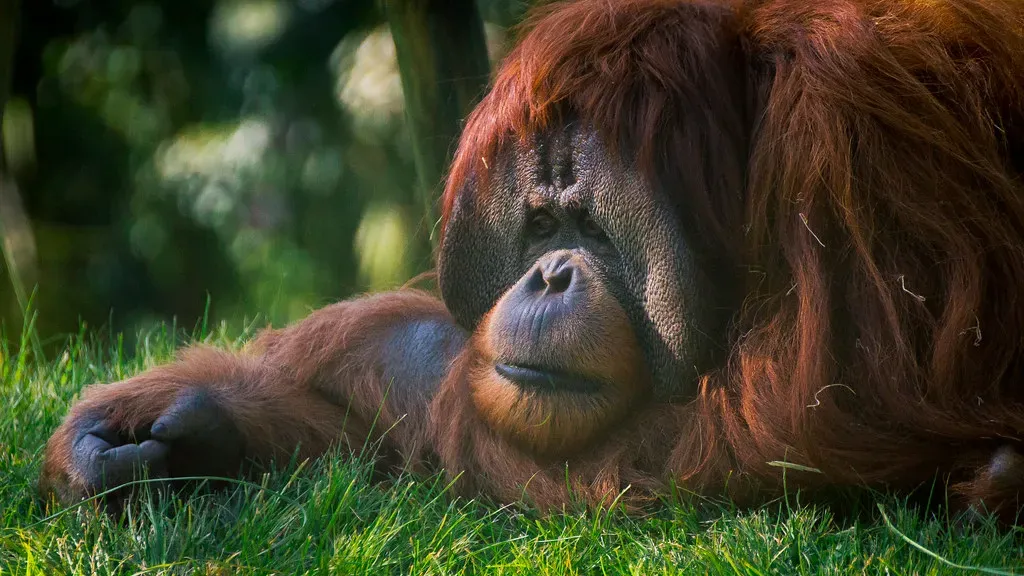
If there’s a common thread running through all of these behaviors, it’s this: even with advanced tools and careful studies, the full picture often remains missing. These unexplained abilities challenge how we think about instinct, intelligence, and evolution. They’re reminders that nature still holds mysteries, and that not every question has an answer – at least not yet.
And honestly, I find that more exciting than frustrating. Science is at its best when the natural world refuses to cooperate with neat explanations. Every one of these behaviors is a door. Some are barely cracked open. Others are locked tight. For every discovery that science brings, nature offers another puzzle. The lesson is humbling: despite centuries of observation and leaps in technology, some behaviors remain stubbornly unsolved.
We share this planet with creatures that bury their dead, sink boats, rebuild their own spinal cords, and generate multi-target electrical fields. The natural world isn’t just strange. It’s stranger than we are yet equipped to fully understand. Which of these surprised you most? Drop your thoughts in the comments – genuinely curious what hits differently for other people.
