
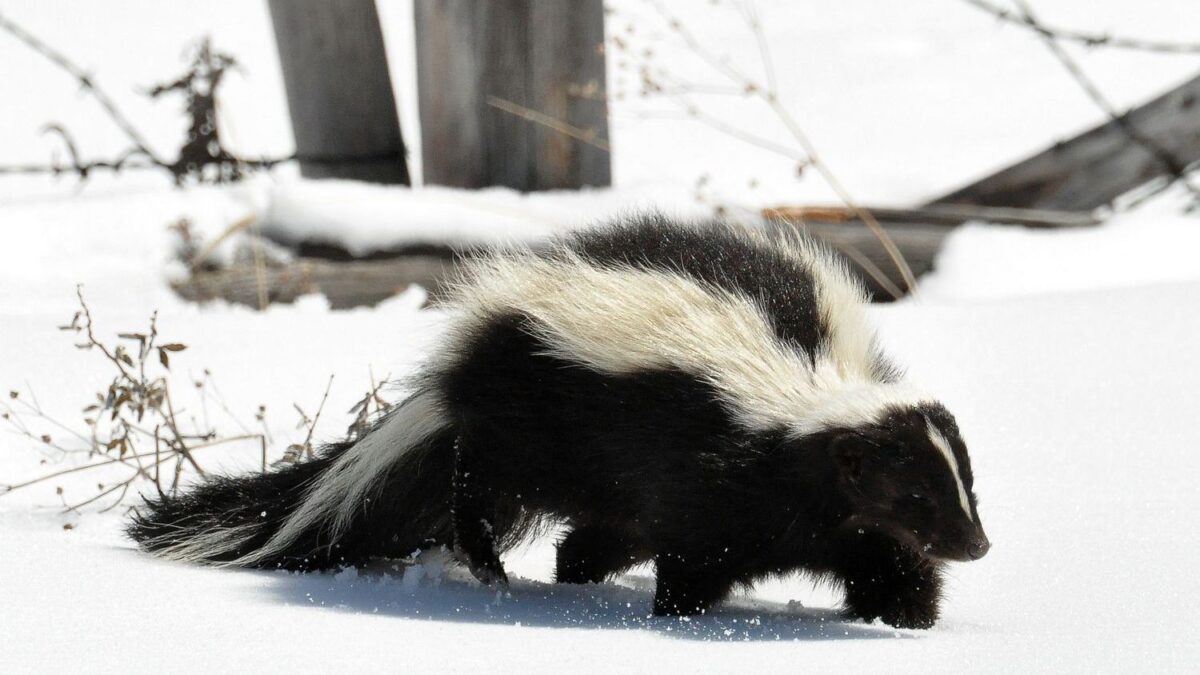
You’ve probably seen them waddling across the road at dusk or caught a whiff of their notorious calling card lingering in the air. Skunks are everywhere in America, yet most of us know surprisingly little about where they actually thrive. These black and white critters have carved out a home across nearly every corner of the country, adapting to everything from dense forests to suburban backyards.
What’s fascinating is how unevenly they’re distributed. Some states practically roll out the welcome mat for these masked mammals, while others barely see them at all. The reasons why certain areas become skunk hotspots have everything to do with food availability, climate, and habitat. Let’s dive in to discover which states are truly skunk central.
Texas: The Lone Star Skunk Paradise
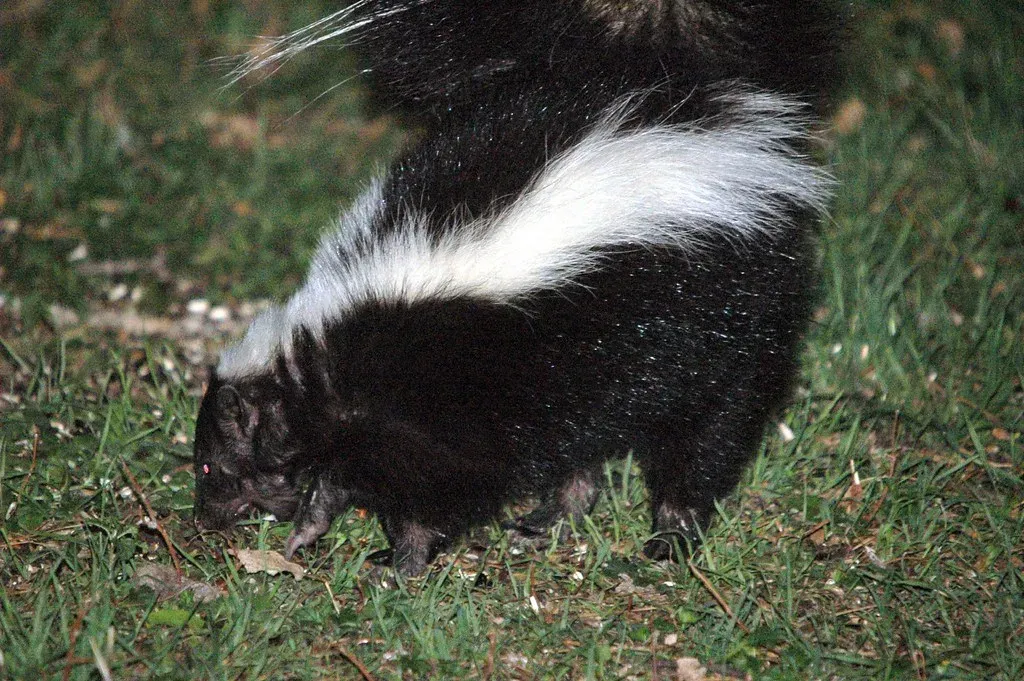
Texas stands out as home to four distinct skunk species: the eastern spotted skunk, hog-nosed skunk, striped skunk, and western spotted skunk. That’s more variety than nearly any other state can claim. The sheer size of Texas provides endless habitat options, from piney woods to arid deserts, which means skunks of all types find their perfect niche here.
The hog-nosed skunk, locally called the “rooter skunk,” digs extensively for food, especially insects. This behavior perfectly suits Texas’s warm climate and abundant insect populations. The state’s sprawling farmlands also create ideal conditions, with plenty of cover and food sources readily available year-round.
What really sets Texas apart is its geographic diversity. Eastern regions offer humid, forested areas perfect for spotted skunks, while the drier western areas accommodate hog-nosed varieties. It’s hard to say for sure, but Texas might just be America’s unofficial skunk capital.
Central and southern portions of the state see particularly high concentrations. Rural farmlands teem with these creatures, especially where crops attract the insects and rodents that skunks feed on. Texas genuinely offers something for every skunk species.
California: Where Striped Skunks Reign Supreme
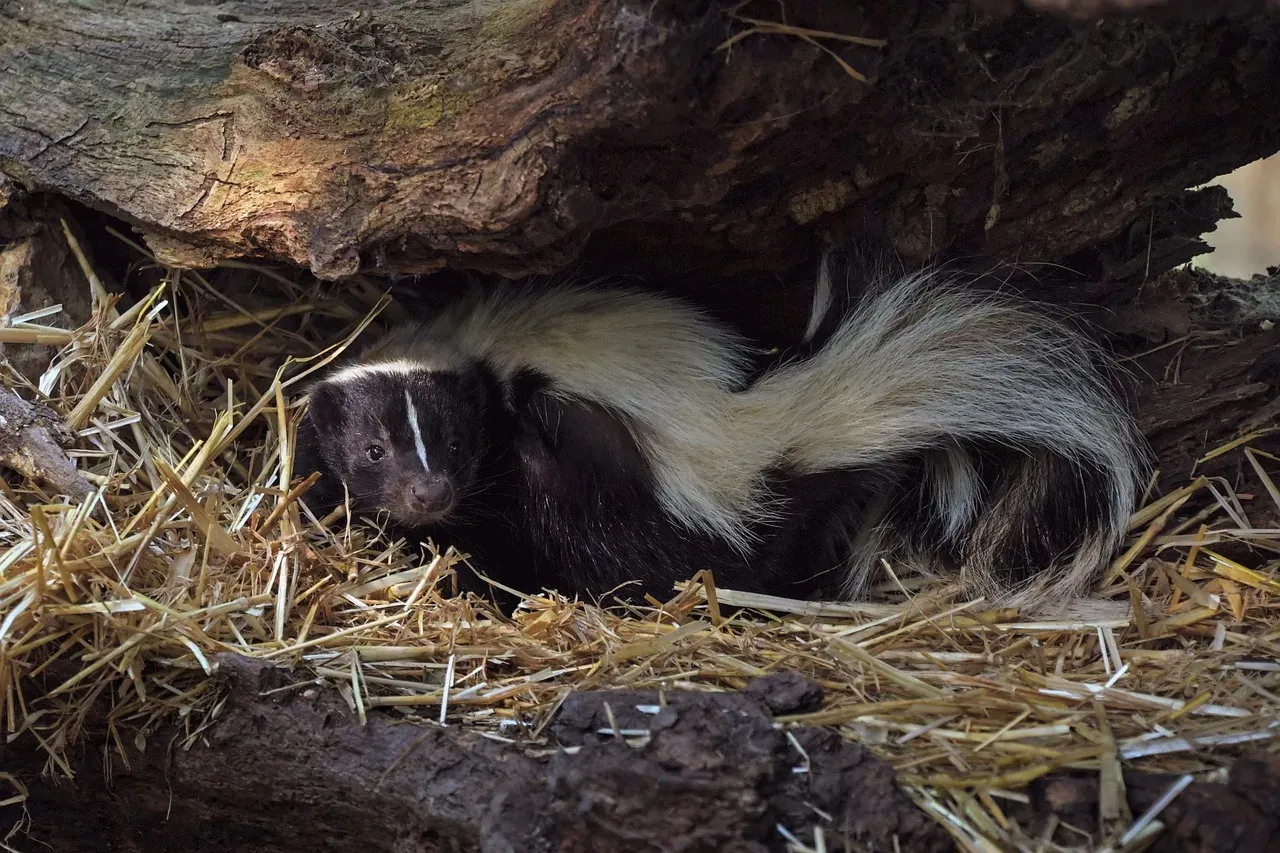
Striped skunks roam the forests and grasslands of California, playing essential roles in local ecosystems. California’s mild Mediterranean climate means food remains accessible throughout most of the year, which is basically skunk heaven. They don’t have to worry about harsh winters limiting their foraging opportunities.
Skunks predominate throughout the Midwest, including the western Gulf, and in California. The Golden State’s agricultural regions provide perfect hunting grounds, with vineyards, orchards, and farms creating an endless buffet of insects and small prey. Striped skunks inhabiting California’s coastal areas will feed on crabs and beached fish, showcasing their remarkable adaptability.
Urban sprawl hasn’t deterred California’s skunks either. They’ve learned to navigate suburban neighborhoods, finding shelter under porches and raiding garbage cans when necessary. The state’s policy of coexistence rather than eradication has allowed populations to flourish.
From the redwood forests of the north to the deserts of the south, California supports thriving skunk communities. The diverse landscape means these adaptable creatures never run short of places to den or food to eat.
Pennsylvania: The Eastern Skunk Stronghold
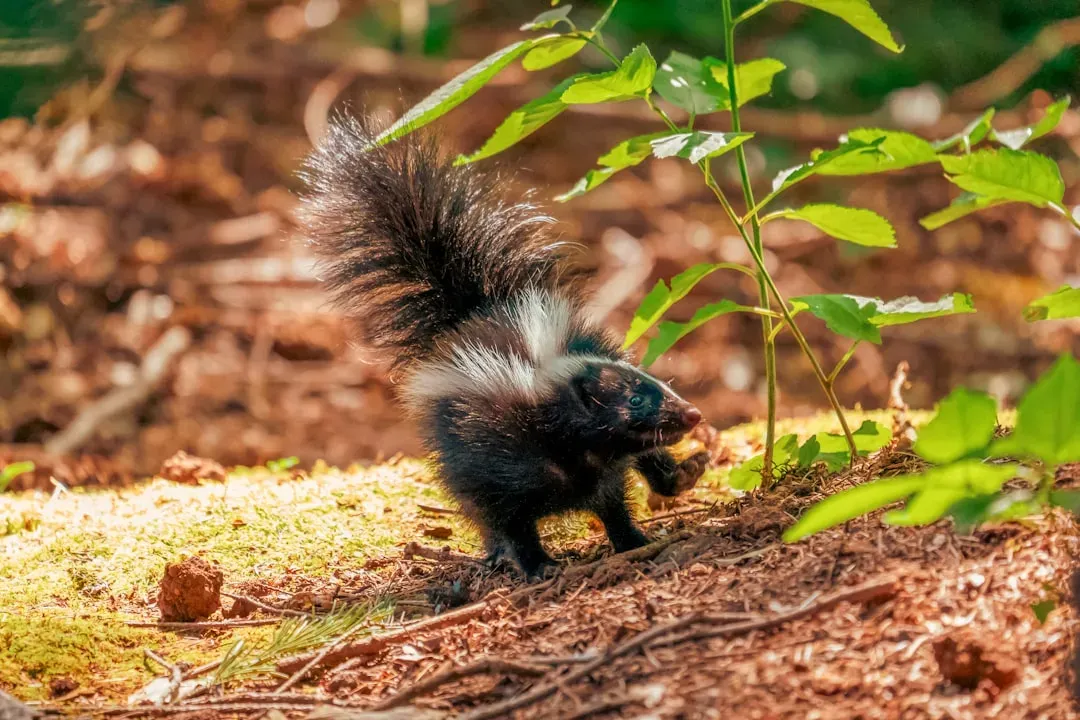
Striped skunks roam the forests and grasslands of Pennsylvania, playing essential roles in local ecosystems. Pennsylvania’s mix of rural farmland and dense woodland creates the perfect skunk habitat. The state experiences four distinct seasons, yet skunks manage to thrive by denning up during the coldest months.
The Appalachian Mountains running through Pennsylvania provide rocky outcrops and forested areas where skunks can establish secure dens. Agricultural regions in the central and eastern parts of the state offer abundant food sources, particularly during growing seasons when insect populations explode.
Pennsylvania’s relatively humid climate supports lush vegetation and diverse prey populations. Skunks here feast on everything from grasshoppers to fallen fruit in orchards. The state’s wildlife management practices have allowed skunk populations to remain stable and widespread.
Suburban expansion hasn’t pushed skunks out either. They’ve adapted remarkably well to living alongside humans, often setting up dens in unexpected places like under garden sheds. Pennsylvania truly represents the eastern United States’ skunk territory at its finest.
Ohio: Spotted Skunk Territory

Eastern spotted skunks dwell in regions like Ohio, playing essential roles in local ecosystems. Ohio’s landscape of rolling hills, agricultural fields, and scattered woodlands provides diverse habitat options. The state sits in a transition zone between different ecological regions, which benefits wildlife diversity.
There’s typically one skunk for every 10 acres of ideal environment and approximately 13.5 skunks per square mile of farmland. Ohio’s extensive farmland means skunk populations can flourish in numbers that might surprise you. Corn and soybean fields attract rodents and insects, which in turn attract hungry skunks.
The state’s rivers and streams provide necessary water sources while creating habitat corridors that allow skunks to move between territories. Ohio’s moderate climate, though cold in winter, doesn’t pose the extreme challenges found further north.
Eastern spotted skunks, though less common than their striped cousins, still maintain a presence here. These smaller, more agile skunks can climb trees and occupy different ecological niches. Ohio represents a fascinating blend of skunk species coexisting across varied terrain.
West Virginia: Appalachian Skunk Haven
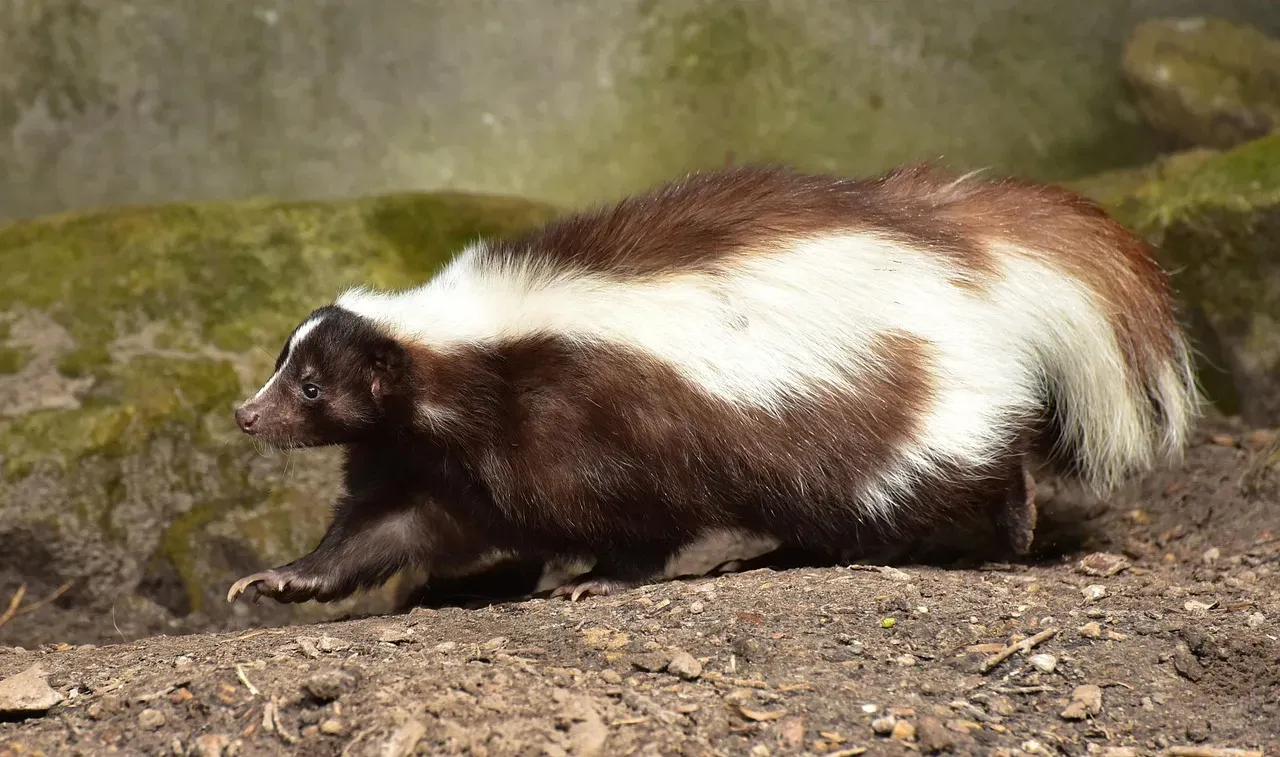
Eastern spotted skunks dwell in regions like West Virginia, playing essential roles in local ecosystems. The Mountain State’s rugged terrain might seem challenging, yet skunks thrive in these conditions. Forested hillsides and hidden valleys provide excellent denning sites away from human disturbance.
West Virginia’s abundance of rocky outcrops creates natural shelter that skunks readily exploit. The state’s relatively sparse human population in many areas means skunks encounter less conflict with people. They can establish territories and raise their young with minimal interference.
Coal mining areas, ironically, sometimes provide unexpected habitat. Abandoned structures and old mining sites offer shelter, while reclaimed lands attract insects and small mammals. The state’s cool, moist climate supports rich biodiversity that benefits skunk populations.
Appalachian forests produce plenty of fallen logs and leaf litter where skunks can forage for beetles, grubs, and other invertebrates. West Virginia might not be the first state you’d associate with high skunk numbers, but the evidence suggests otherwise.
Missouri: Farm Country Skunk Capital
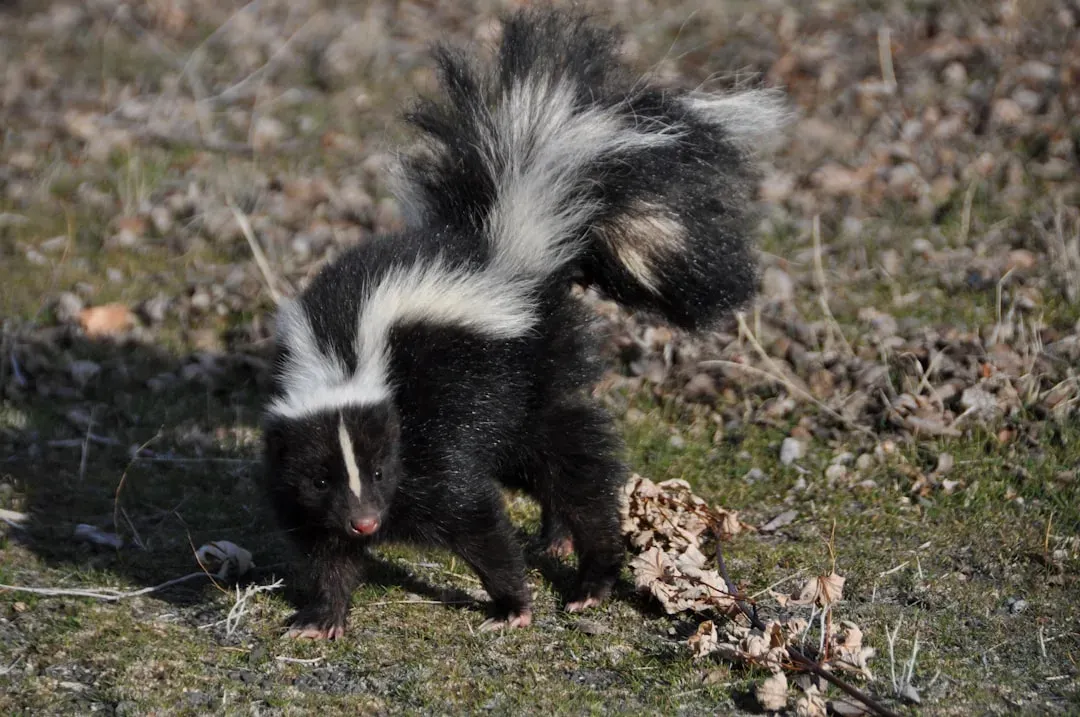
Striped skunks are prevalent in Missouri’s agricultural fields, where they help control insect populations. Missouri represents classic Midwestern farmland, and that’s precisely what skunks love. The state’s vast agricultural areas create perfect conditions with abundant food and numerous denning opportunities.
Rolling prairies interspersed with woodlots give skunks the mixed habitat they prefer. They can hunt in open fields at night and retreat to wooded areas for shelter during the day. Missouri’s climate, while variable, remains hospitable enough for skunks to maintain year-round populations.
The state’s extensive network of hedgerows and fence lines provides natural corridors that skunks use to navigate between feeding areas. These landscape features also offer protected denning sites. Missouri farmers often tolerate skunks because they consume crop-damaging insects and rodents.
Both striped and eastern spotted skunks call Missouri home. The state’s central location and diverse habitats make it a true crossroads for skunk populations. Honestly, if you’re driving through Missouri farm country at night, you’re almost guaranteed to see one.
Kansas: Prairie Skunk Territory
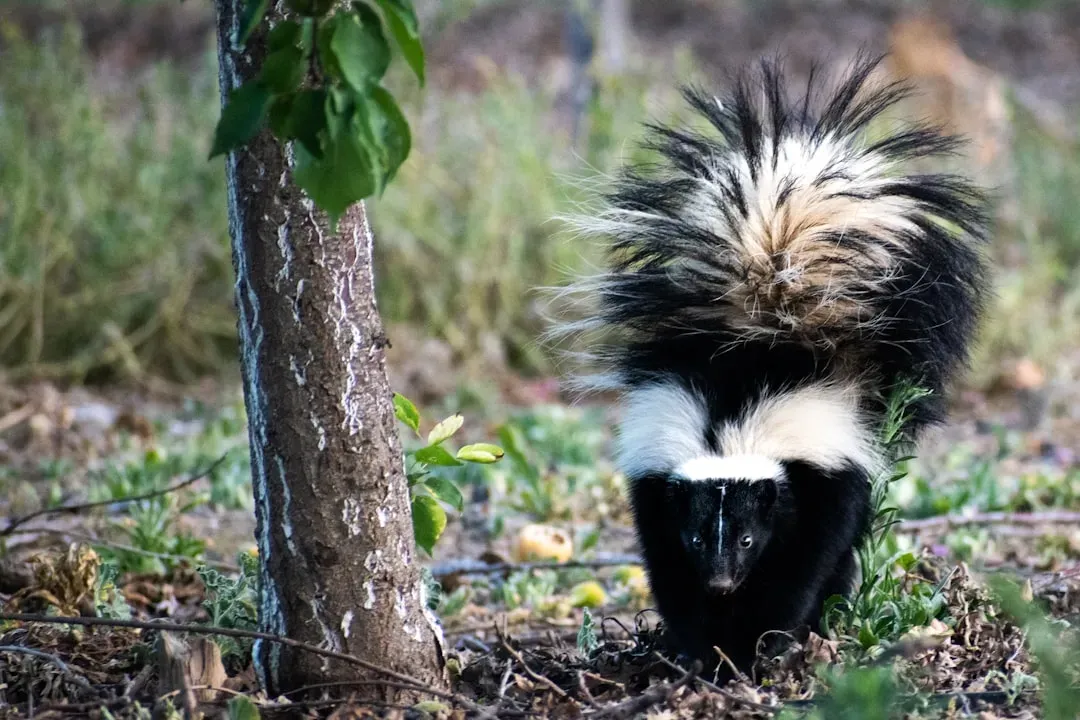
The eastern spotted skunk in Kansas prefers rocky outcrops and open fields, often using abandoned burrows for shelter. Kansas epitomizes Great Plains skunk habitat with its endless grasslands and agricultural fields. The state’s relatively flat terrain doesn’t hinder skunks; they simply adapt by using whatever shelter they can find.
Abandoned burrows from prairie dogs, badgers, and other digging mammals provide ready-made homes. Kansas skunks don’t have to work as hard to establish dens, which is a significant advantage. The state’s wheat fields and cattle pastures attract rodents and insects that form the foundation of the skunk diet.
Kansas experiences hot summers and cold winters, yet skunk populations remain robust. They simply den up during extreme weather and emerge when conditions improve. The state’s agricultural landscape provides consistent food sources across different seasons.
Rocky outcrops scattered across Kansas offer particularly desirable denning sites with natural protection from predators and weather. Eastern spotted skunks seem especially fond of these locations. Kansas might be known for tornadoes and wheat, but it’s also quietly home to thriving skunk populations.
Illinois: Midwest Skunk Hub
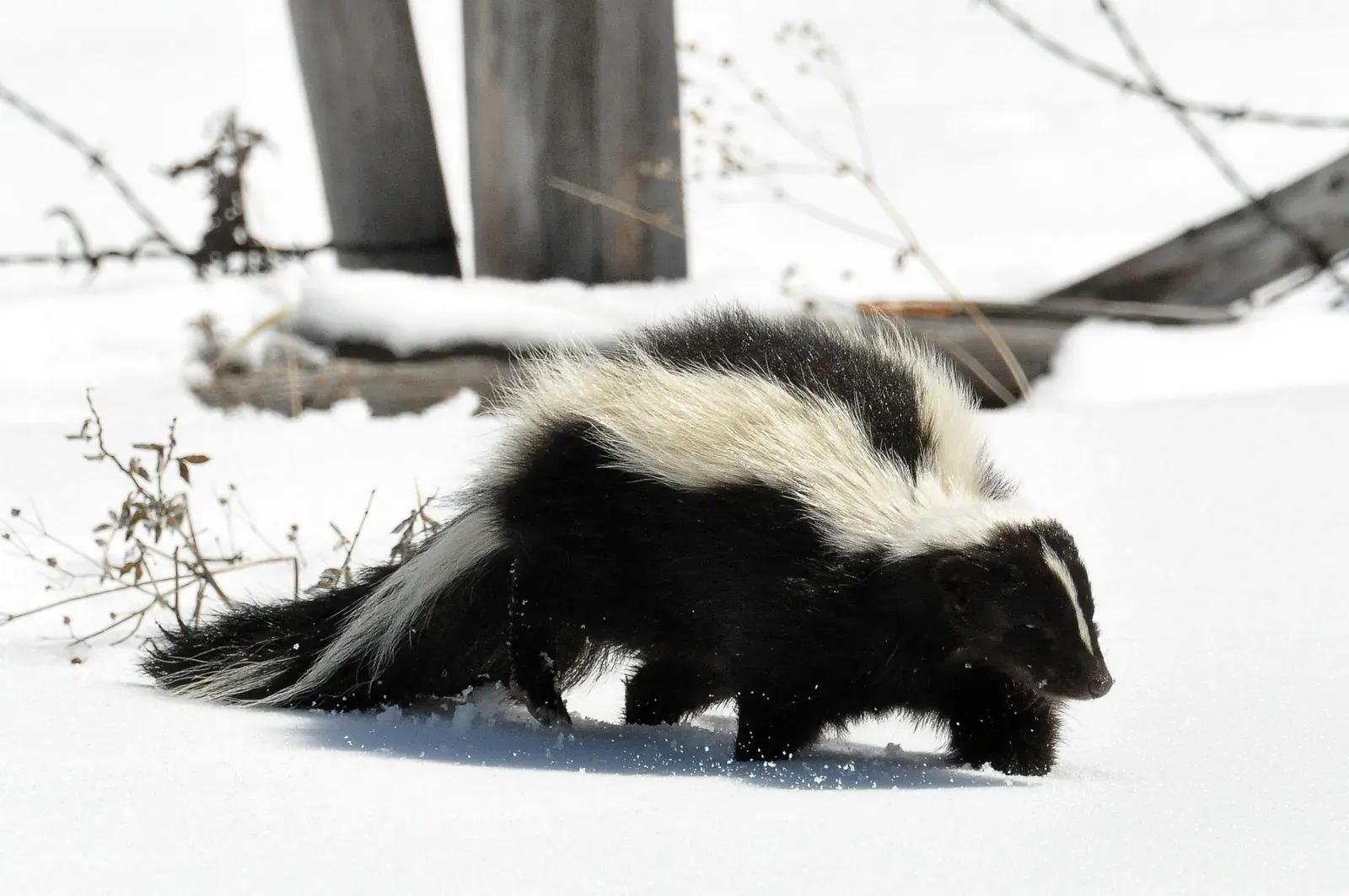
Some populations, particularly in northwestern Illinois, prefer cultivated areas over uncultivated ones. Illinois represents prime skunk territory, with its combination of agricultural land, urban areas, and natural habitats. The state’s striped skunk population has adapted remarkably well to intensive farming practices.
Rabies outbreaks have affected populations in Illinois, yet overall numbers remain strong. The state’s fertile soils support abundant insect and rodent populations, which means skunks never lack for food. Corn and soybean fields dominate the landscape, creating ideal foraging conditions.
Chicago’s name derives from the Cree and Ojibwe word meaning ‘skunk-land’, which tells you something about the historical abundance of these animals in the region. Even today, suburban Chicago sees regular skunk activity as these adaptable creatures navigate neighborhoods with surprising ease.
Southern Illinois’s forested regions contrast with the agricultural north, yet both areas support healthy skunk populations. The state’s varied geography ensures that different skunk species find suitable habitat. Illinois truly exemplifies Midwestern skunk abundance.
Minnesota: Northern Skunk Frontier
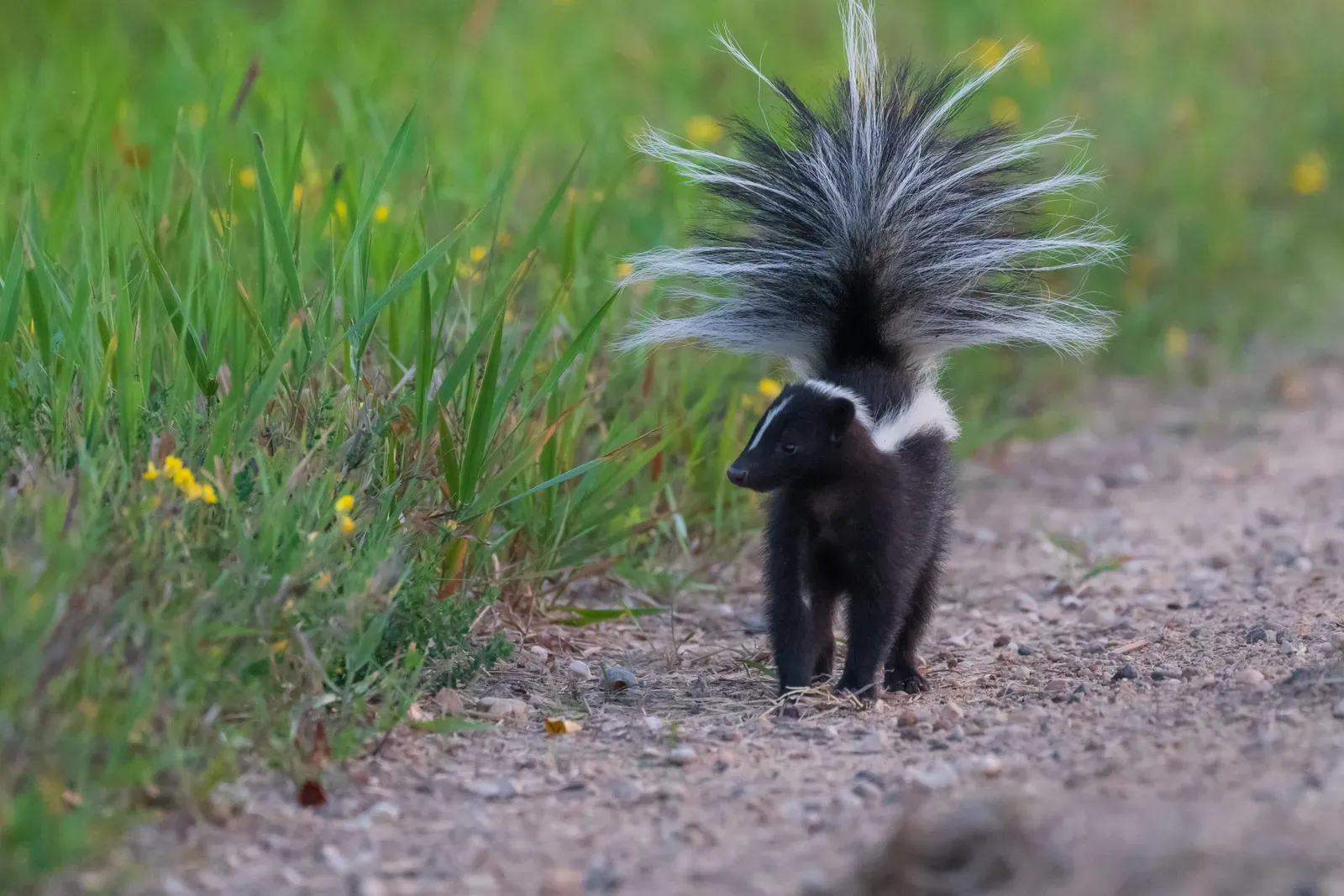
Striped skunks in Minnesota are known for their adaptability to different environments, including urban areas. Minnesota represents the northern extent of prime skunk territory, and these hardy animals handle the cold remarkably well. They’re found throughout the state, from the prairies of the south to the forests of the north.
Winter survival requires denning up and living off fat reserves, which Minnesota skunks manage successfully. Multiple females often share winter dens to conserve warmth, a strategy that works well in this climate. The state’s abundant water resources ensure skunks can establish territories near lakes, rivers, and wetlands.
Minnesota’s mix of agricultural land, forest, and urban development creates diverse habitat opportunities. Skunks in the Twin Cities area have become quite comfortable living alongside humans. They raid garbage, den under porches, and generally make themselves at home.
Agricultural areas in southern Minnesota provide excellent foraging grounds during warmer months. Northern forests offer different resources but support lower skunk densities due to harsher conditions. Minnesota proves that skunks can thrive even at the northern edge of their range.
Arizona: Desert Skunk Diversity
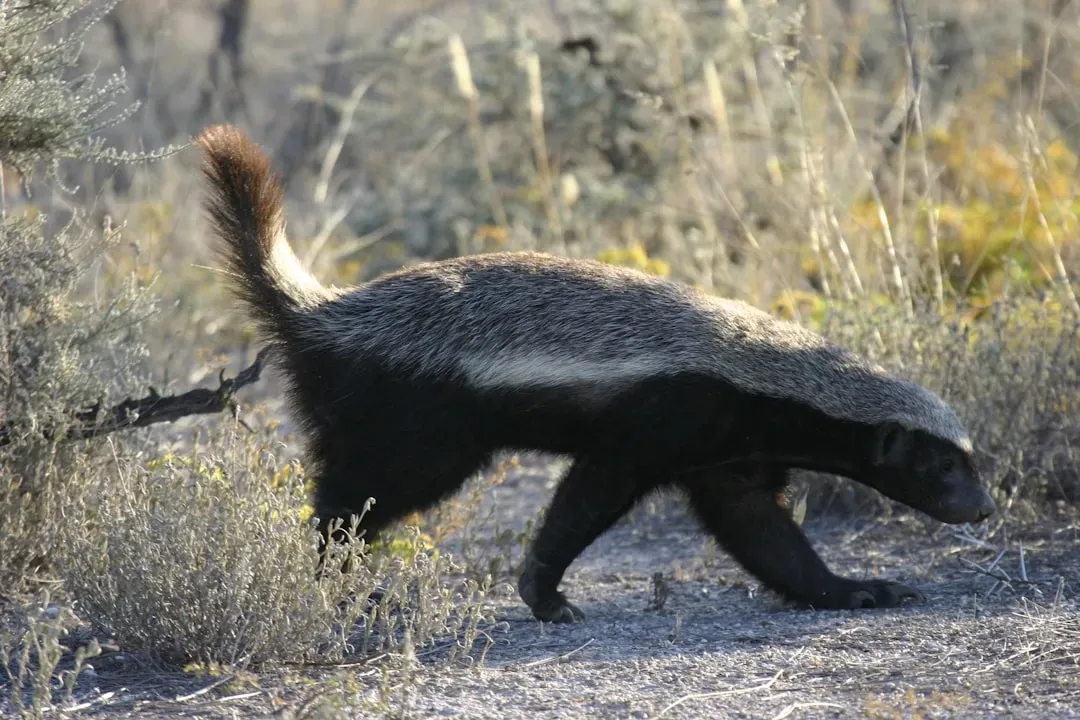
Arizona hosts four species: eastern spotted skunk, hog-nosed skunk, striped skunk, and western spotted skunk, with the hog-nosed skunk having a long snout used for rooting in soil for insects. Arizona’s desert environment might seem inhospitable, yet it supports remarkable skunk diversity. Different species occupy different ecological niches across the state’s varied terrain.
The hog-nosed skunk particularly thrives in Arizona’s arid regions. Its specialized snout allows it to root through dry soil searching for insects and grubs. These skunks have adapted to desert life in ways their cousins haven’t needed to.
Arizona’s riparian corridors provide crucial habitat where water and vegetation concentrate. Skunks congregate in these areas, which offer relief from desert heat and abundant prey. The state’s mountains also support skunk populations in cooler, moister conditions.
Urban areas like Phoenix and Tucson see regular skunk activity. These adaptable creatures have learned to exploit human resources while maintaining their natural behaviors. Arizona demonstrates that skunks aren’t limited to temperate or humid regions.
Colorado: Mountain Skunk Country
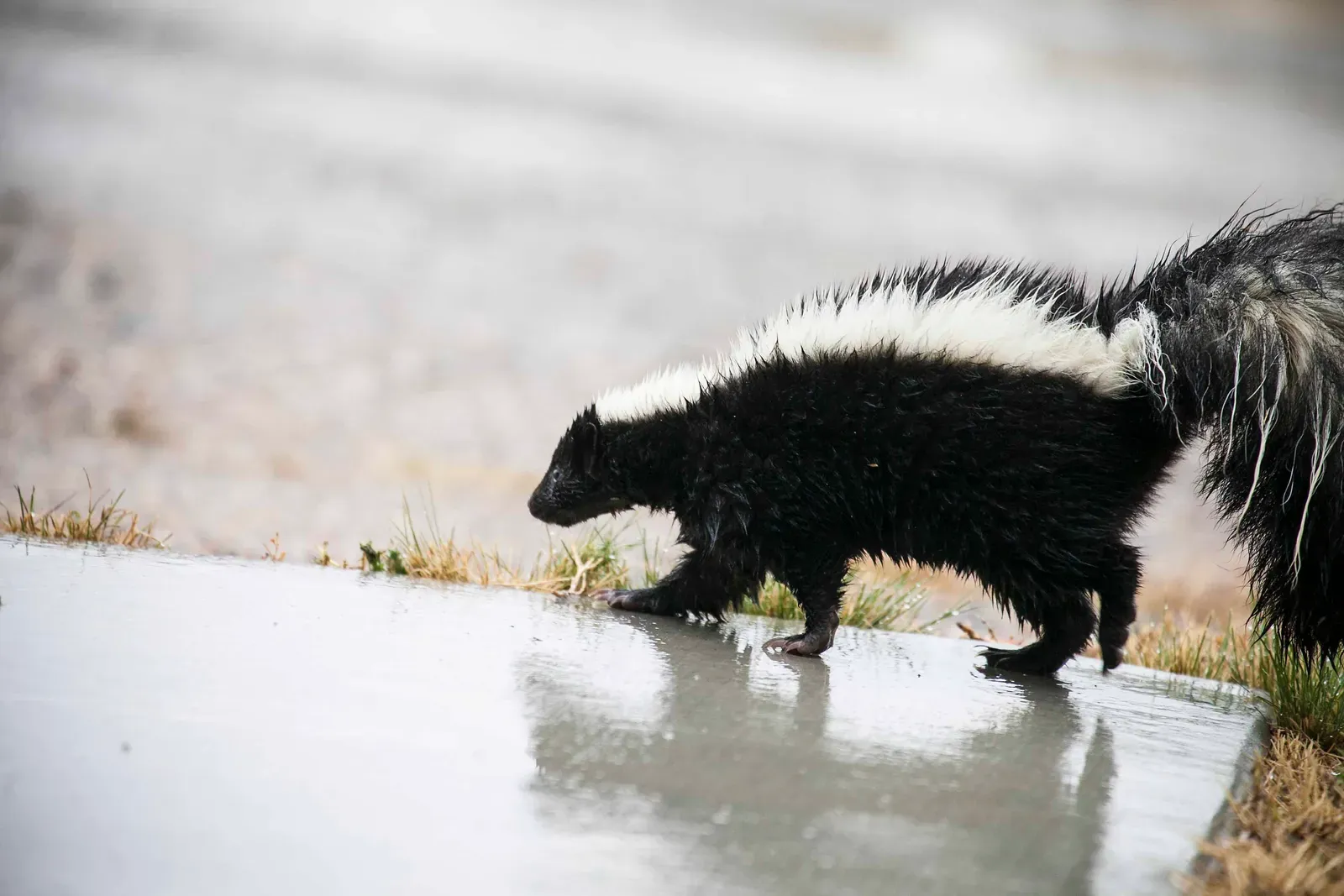
Colorado hosts four species including the western spotted skunk, which is known for its small size and ability to climb. Colorado’s dramatic elevation changes create distinct ecological zones, each supporting different skunk populations. Lowland areas along the Front Range and eastern plains offer traditional skunk habitat.
Western spotted skunks show up in rocky, mountainous terrain where their climbing ability becomes a real advantage. They can escape predators and access food sources that other skunks can’t reach. This species demonstrates remarkable adaptability to challenging environments.
Hog-nosed skunks range throughout southwestern Texas, continuing into southern New Mexico and central Arizona, extending into southeastern Colorado. Colorado’s southern regions support this unique species, adding to the state’s skunk diversity. Agricultural valleys provide rich feeding grounds.
Colorado’s relatively dry climate means skunks must be strategic about water access. They establish territories near streams and irrigation ditches where prey concentrations are highest. The state’s skunk populations might be less dense than in more humid regions, but they’re definitely present.
New Mexico: Southwestern Skunk Sanctuary
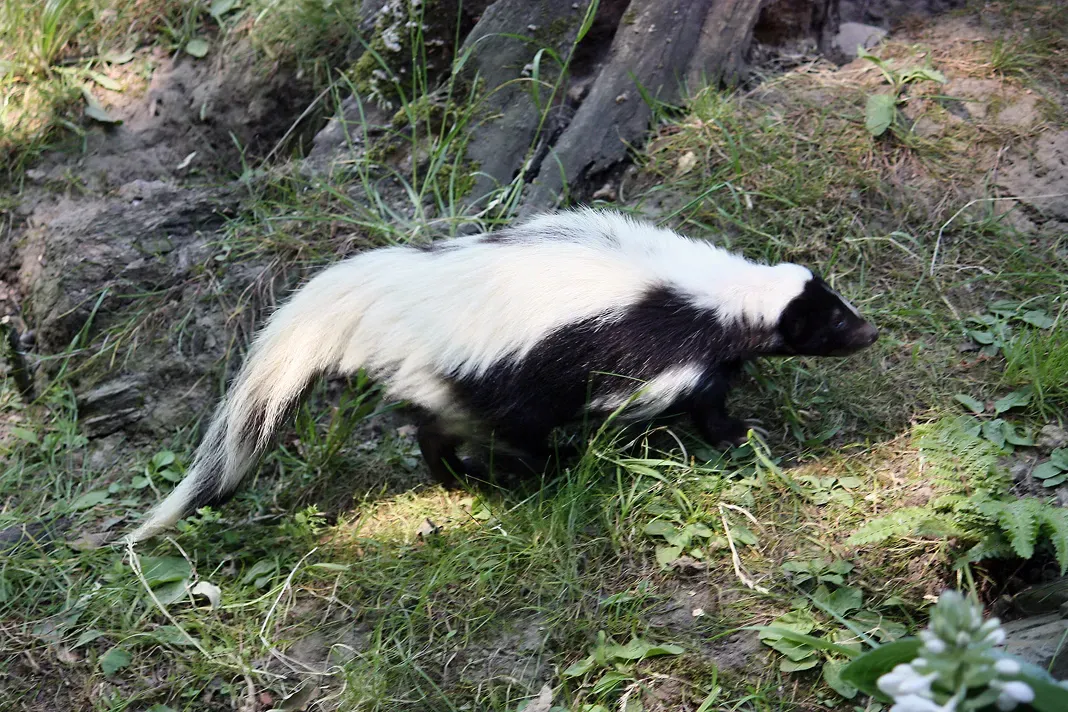
New Mexico hosts four species including the hooded skunk, which has longer fur and a bushier tail adapted for cooler desert nights. New Mexico’s unique blend of desert, grassland, and mountain habitats creates exceptional skunk diversity. The state serves as a meeting point for different species’ ranges.
The hooded skunk, relatively rare elsewhere, finds suitable habitat in New Mexico’s warmer regions. Hooded skunks are limited to southwest New Mexico and west Texas, making this area particularly special for skunk watchers. Their distinctive appearance sets them apart from more common species.
Hog-nosed skunks range throughout southern New Mexico, particularly in areas with sandy or loose soil perfect for their rooting behavior. These skunks have carved out a niche in the state’s challenging environment. New Mexico’s mild winters in lower elevations allow year-round activity.
Northern New Mexico’s mountains support striped skunks in forested areas. The state’s ecological diversity truly shines when you consider how many different skunk species coexist here. New Mexico might not be famous for skunks, but it should be.
South Carolina: Piedmont Skunk Territory
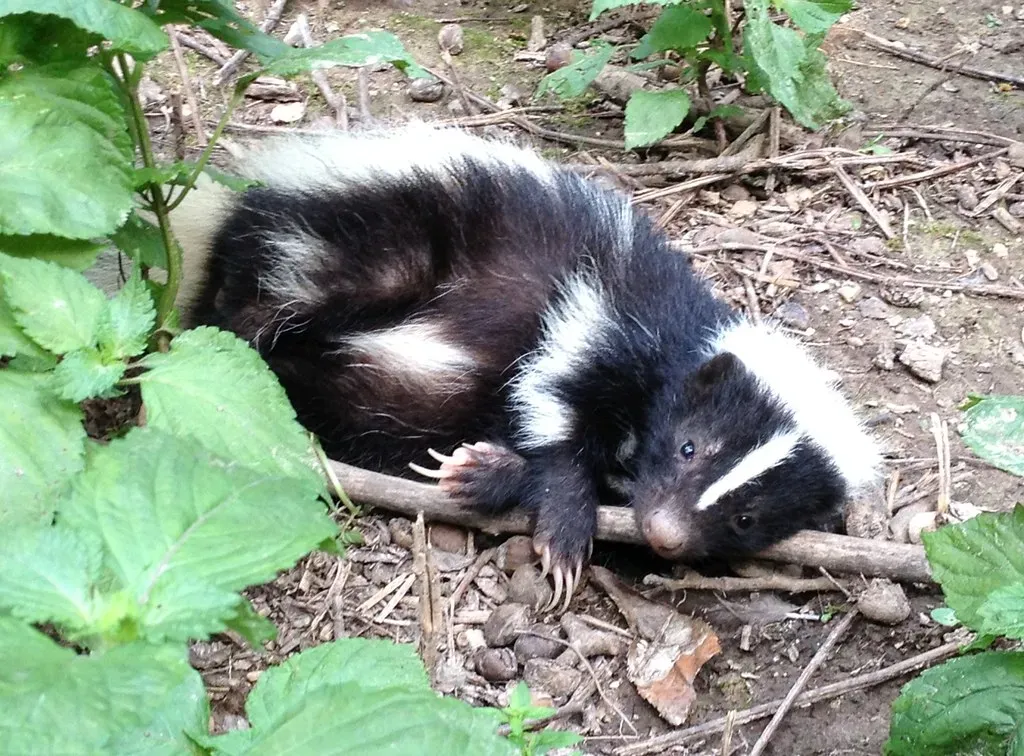
South Carolina striped skunk populations are greatest in the Piedmont. South Carolina’s geographic variety creates interesting skunk distribution patterns. The upland Piedmont region offers mixed forest and agricultural land that skunks find irresistible.
Skunks are common in the Piedmont and Foothills regions and may be quite abundant in local areas, while below the fall line they are uncommon and their occurrence is spotty. The contrast between regions is striking. Coastal plain areas apparently lack the habitat features that support dense skunk populations.
South Carolina’s moderate climate allows skunks to remain active throughout most of the year. The state’s forests provide denning sites while agricultural areas offer food. Skunks here benefit from relatively low human population density in rural areas.
The Piedmont’s rolling hills and mixed woodlands create edge habitat that skunks particularly favor. They can hunt in open areas and retreat to forest cover when necessary. South Carolina represents the southeastern United States’ skunk populations quite well.
Conclusion: Skunk Distribution Patterns Across America
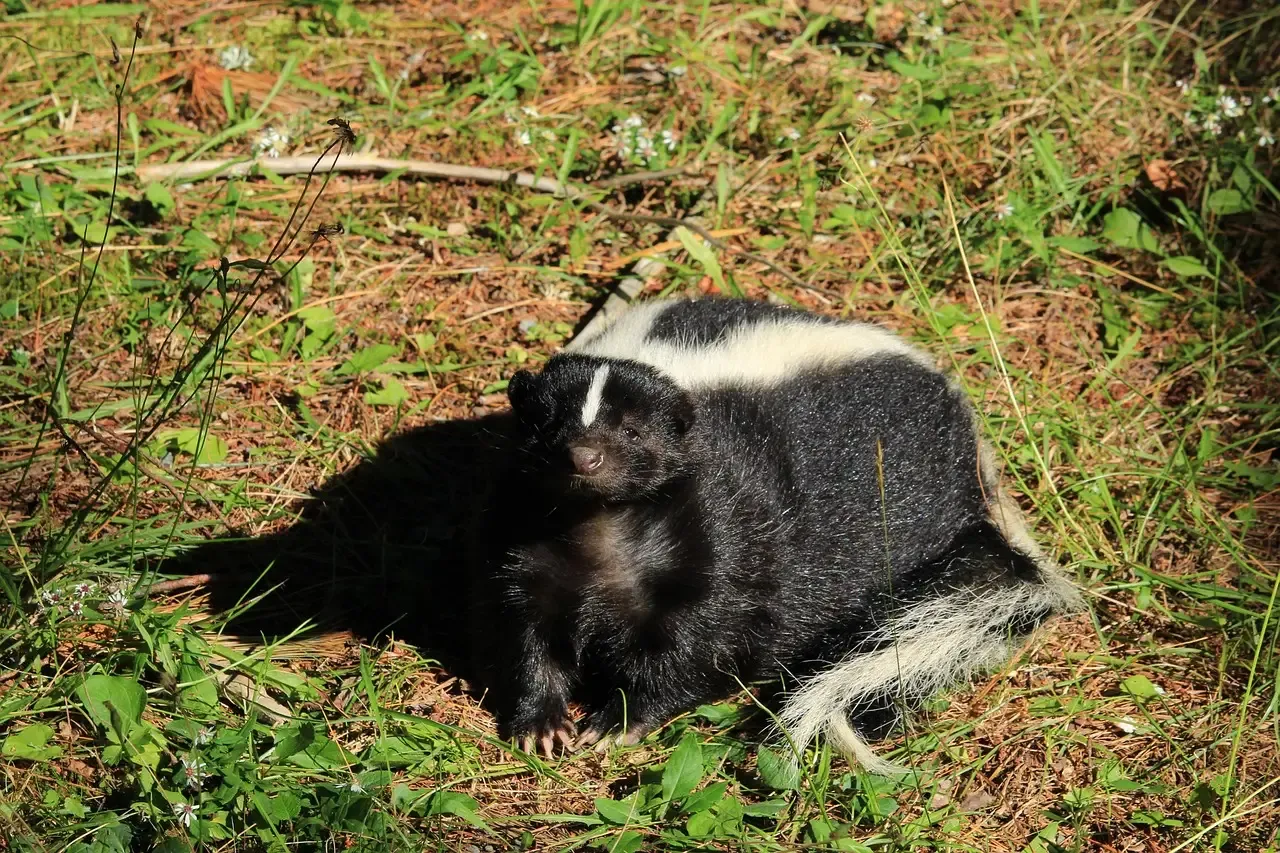
Striped skunks live in every U.S. state except Alaska and Hawaii, making them truly ubiquitous. Yet certain states clearly provide superior habitat. The pattern that emerges shows skunks thriving where agricultural land meets natural habitat, where food remains abundant, and where climate doesn’t become too extreme.
With an estimated one skunk for every 10 acres of ideal environment and approximately 13.5 skunks per square mile of farmland, these creatures maintain impressive numbers across their range. States with extensive farmland naturally support higher populations. The Midwest and certain southern states emerge as skunk strongholds for good reason.
What’s remarkable is how skunks have adapted to human-modified landscapes. They’re not wilderness specialists requiring pristine habitat. Instead, they’ve learned to thrive in the patchwork of farms, forests, and suburbs that characterize modern America.
The states we’ve explored represent the pinnacle of skunk habitat, but honestly, you’ll find these striped wanderers almost anywhere you look. Next time you catch that distinctive odor drifting through the evening air, you’ll know you’re in good skunk country. What’s your state’s skunk situation? Have you noticed them around your area lately?
