
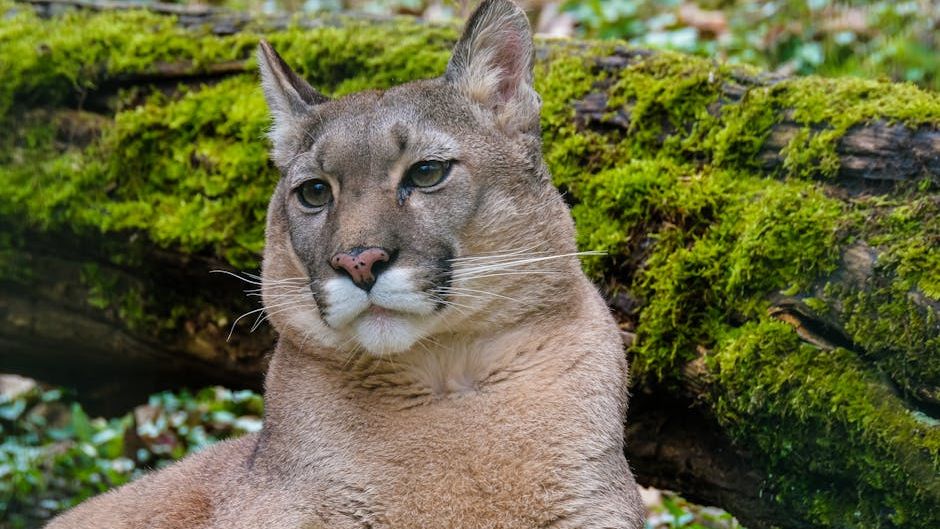
Picture this: you step out to grab your morning newspaper, still half-asleep, and freeze. There’s something staring back at you from the edge of your driveway that absolutely does not belong in a quiet residential neighborhood. Welcome to modern suburban America, where the line between “backyard” and “wilderness” is blurring faster than most people realize.
Urban and suburban wildlife refers to the diverse array of animals and plants that have adapted to life in human-dominated environments, and as cities expand and natural habitats are displaced, certain wildlife species have increasingly thrived in urban settings, often becoming more visible to residents. Honestly, what’s happening out there is both fascinating and a little wild. Get ready to look at your neighborhood in a completely different way.
Coyotes: The Ghost Dogs of the Suburbs
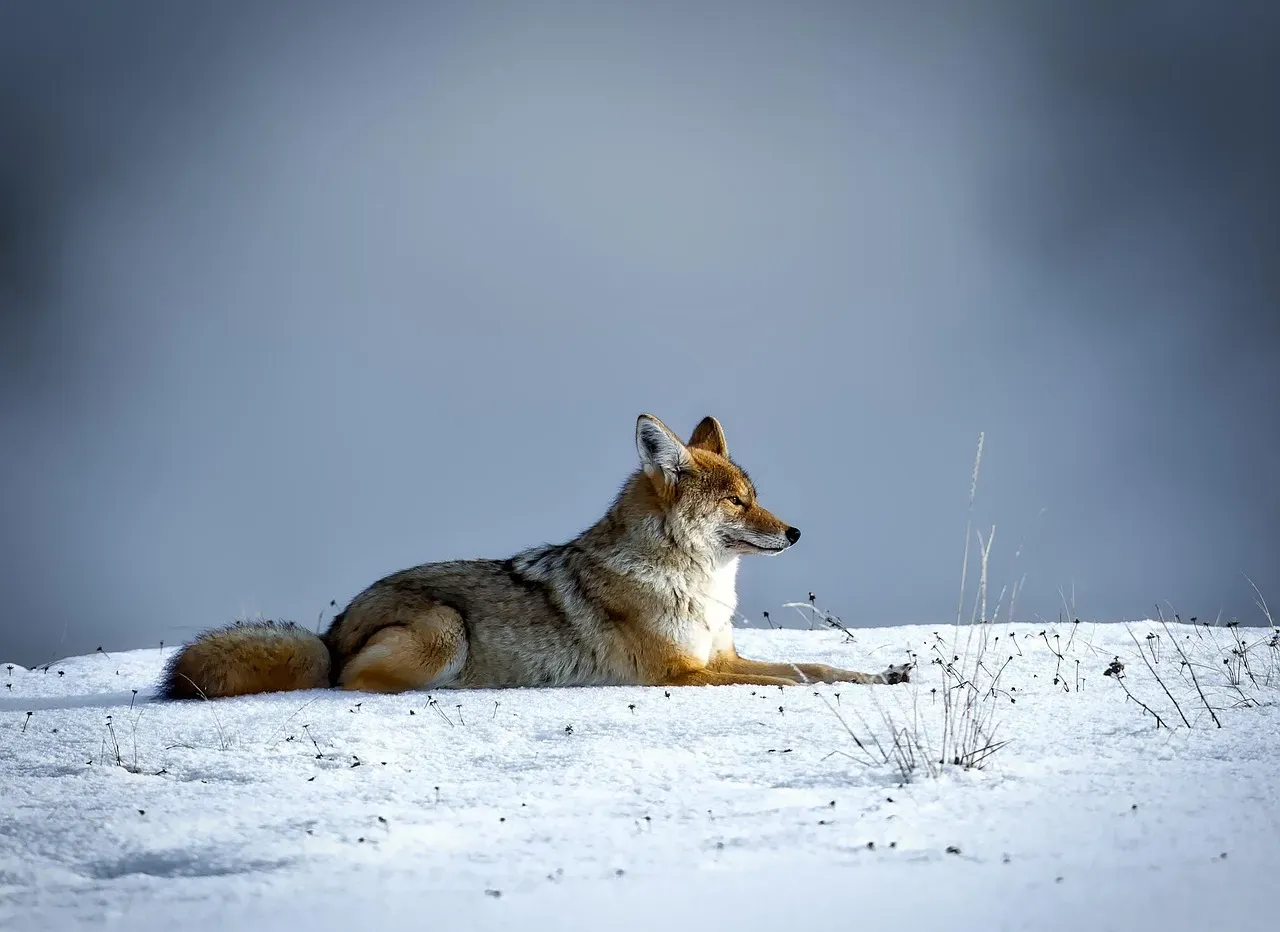
Let’s be real – most people think coyotes belong in the dusty deserts of the Southwest. Not anymore. Coyotes might be the boldest four-legged migrants to cities and towns, and they have been seen on the prowl within a few miles of the White House, now populating some of America’s largest cities.
In one particularly striking account from Atlanta, Georgia, a coyote was spotted walking right past a suburban home, and over the following years, it turned out the animal had been denning between two residential lots in a small overgrown space enclosed by back fences and a train line. That’s not the wilderness. That’s somebody’s backyard.
Many urban predators are mistaken for neighborhood pets and left alone or avoided, with coyotes often being mistaken for dogs, especially when seen at twilight. Think about that next time your neighbor mentions the “stray dog” they spotted last week. It might have been something far wilder.
Black Bears: Your Midnight Garbage Bandit
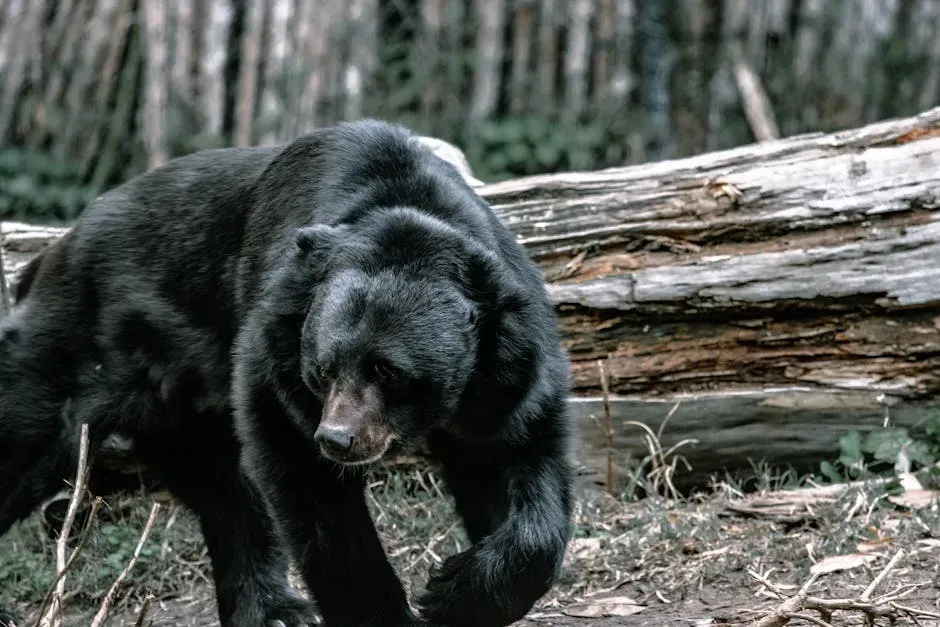
Here’s something that sounds crazy but is absolutely true: black bears are showing up in suburban driveways, backyards, and even porches across the eastern United States. Black bears have hibernated under houses in New Jersey suburbs and broken into cabins and cars in many mountain towns.
Research has found that black bears became almost exclusively nocturnal when using suburban areas, presumably to exploit the numerous resources humans leave around while limiting their contact with people. They’re smarter than we give them credit for. They’ve basically figured out our schedules.
Some bears have even learned to open car doors, and wildlife officials have reported bears developing specialized urban skills like recognizing garbage day schedules. I think that might be the most unsettling fact on this entire list. They know when trash day is. Do you?
Mountain Lions: The Ultimate Suburban Surprise
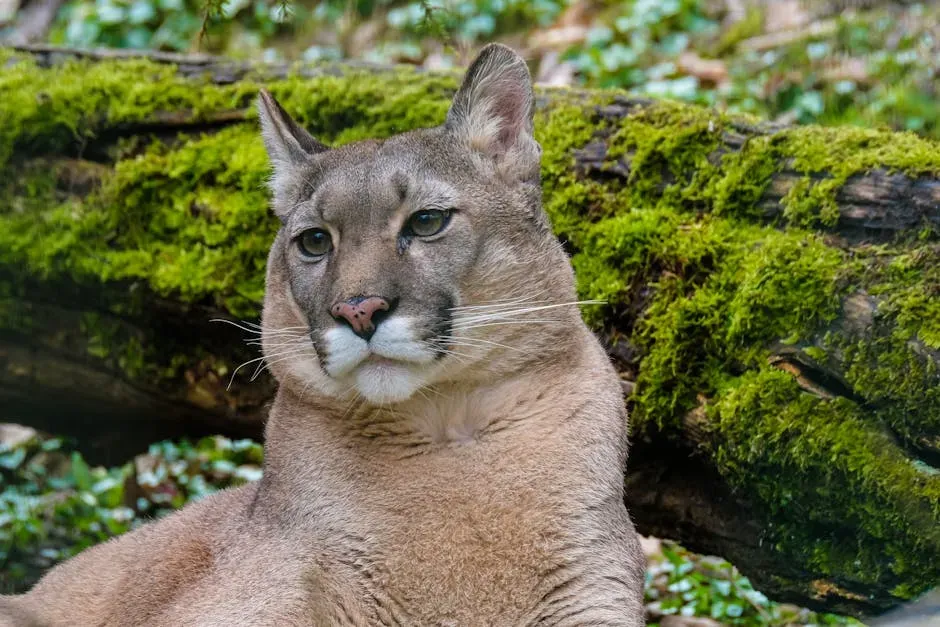
Nothing causes neighborhood panic quite like a mountain lion sighting on a doorbell camera. These majestic big cats occasionally venture into neighborhoods bordering natural areas, especially in places like the Santa Monica Mountains and Berkeley Hills in California.
As their habitats are squeezed, these animals have little choice but to venture into nearby neighborhoods, seeking food, water, and territory, with deer feasting on plants around homes and the predators, including mountain lions and coyotes, following them. It’s a chain reaction, and suburbia is at the end of it.
A mountain lion once tried to enter a hotel in Reno, Nevada, and another has lived in Griffith Park in Los Angeles for nearly five years. Griffith Park, by the way, is surrounded by millions of people. That’s a staggering level of adaptability for an apex predator.
Bobcats: The Silent Hunters Next Door
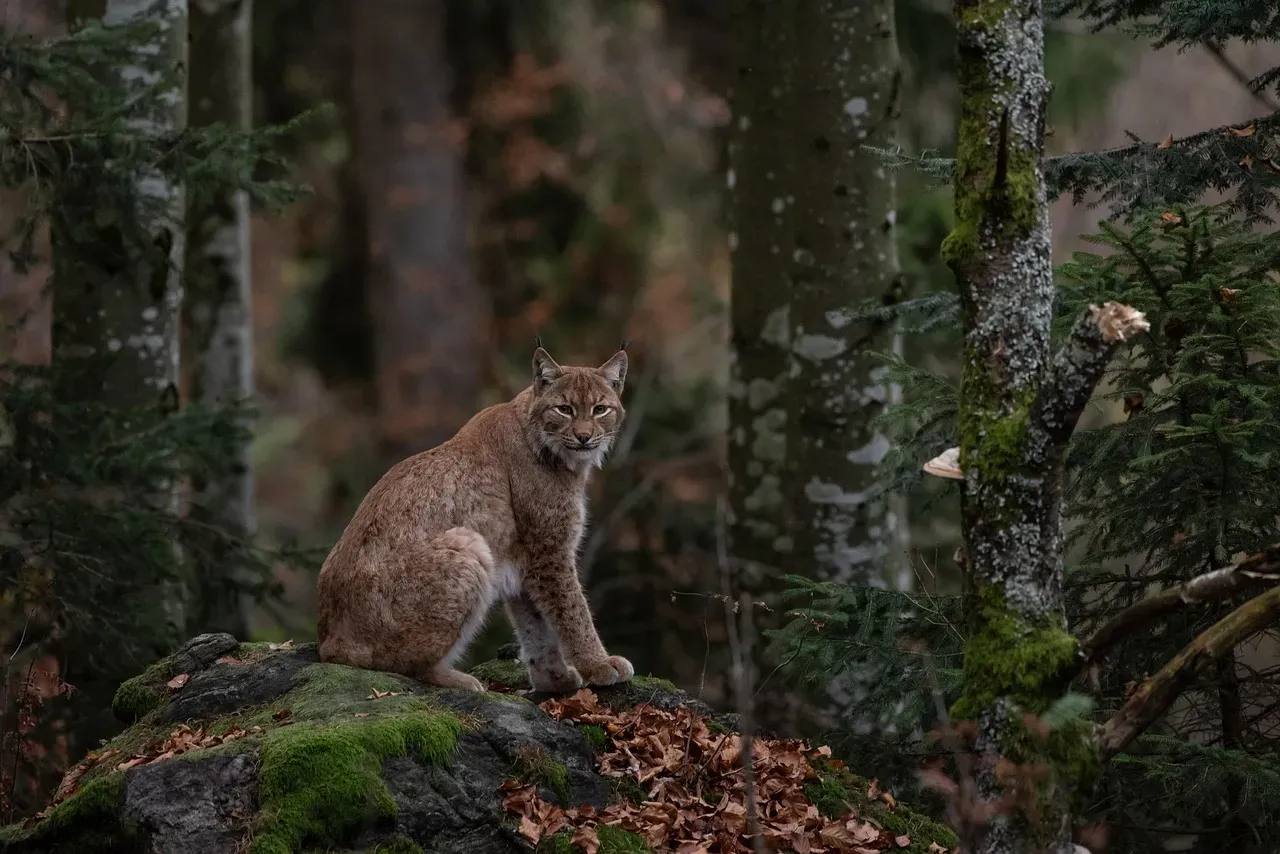
California’s neighborhoods increasingly host bobcats, especially in communities bordering natural areas, where these stunning feline predators slip silently through suburban landscapes, hunting rabbits and rodents while most residents remain completely unaware. They are essentially invisible, operating like tiny, spotted ghosts.
Researchers conducting wildlife surveys were genuinely surprised to find bobcats in suburban Durham, North Carolina, and to a lesser extent in Raleigh. This wasn’t deep wilderness territory. This was the kind of place with strip malls and coffee shops nearby.
Unlike mountain lions, bobcats pose virtually no threat to humans, and their presence actually benefits neighborhoods by controlling rodent populations naturally, making them welcome though seldom-seen neighbors. Think of them as nature’s free pest control, quietly working the night shift in your yard.
Coyotes’ Suburban Cousin: The Red Fox
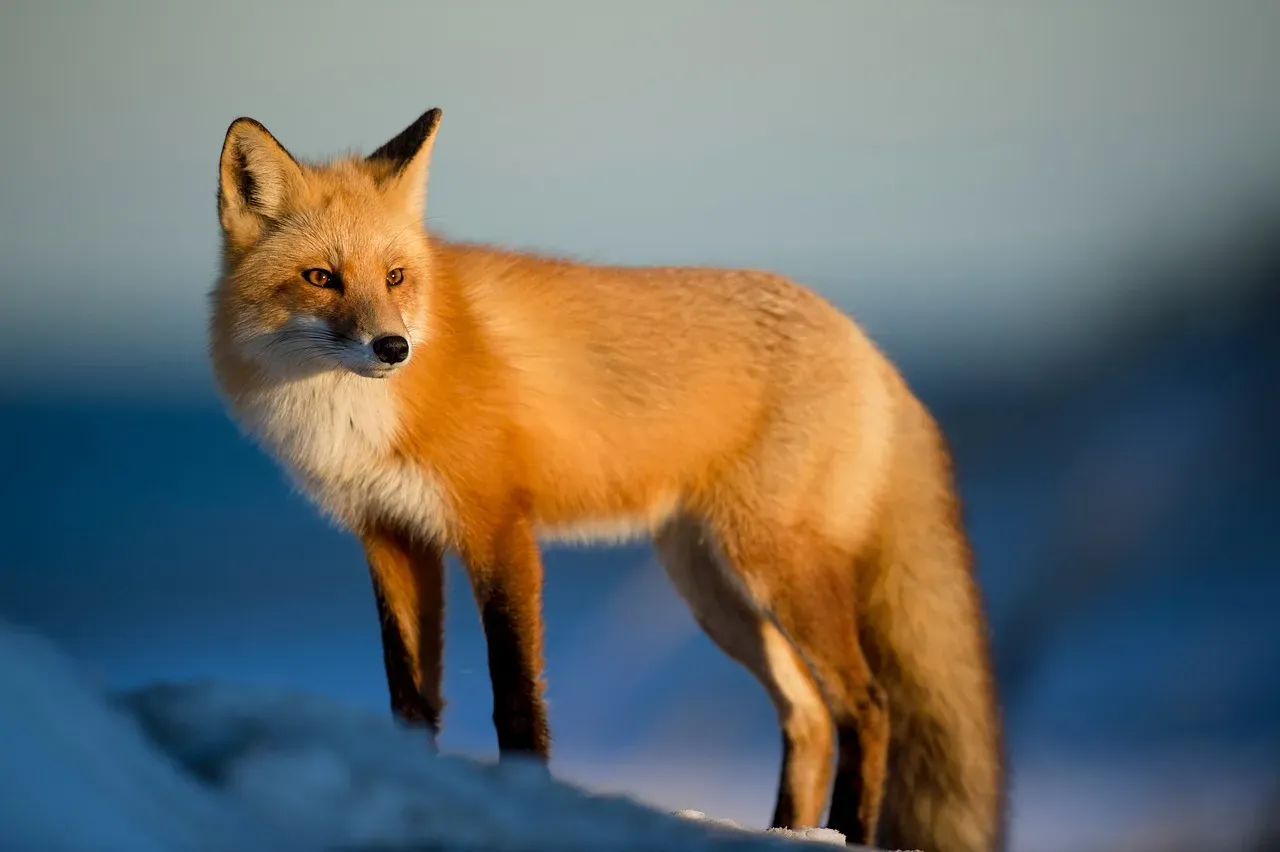
You might spot what looks like a large, fluffy orange dog trotting through your suburb late at night and assume it’s someone’s escaped pet. Think again. Red foxes have little fear of humans and are now more concentrated in cities than in the wild. That’s a remarkable shift for any predator.
Red foxes may actually live right next to or even under your house. Under. Your. House. They’re den animals, and suburban crawl spaces, dense shrubbery, and garden sheds offer perfect shelter. They’re not visiting. They’ve moved in.
Foxes are opportunists in the most brilliant sense of the word. Think of them like that clever coworker who always finds the easiest way to accomplish a task. While considered predators, they are omnivorous, and their prey consists largely of insects and small mammals such as rodents and rabbits. Your garden pest problem? They might just be solving it for you.
Wild Turkeys: Big, Bold, and Surprisingly Aggressive
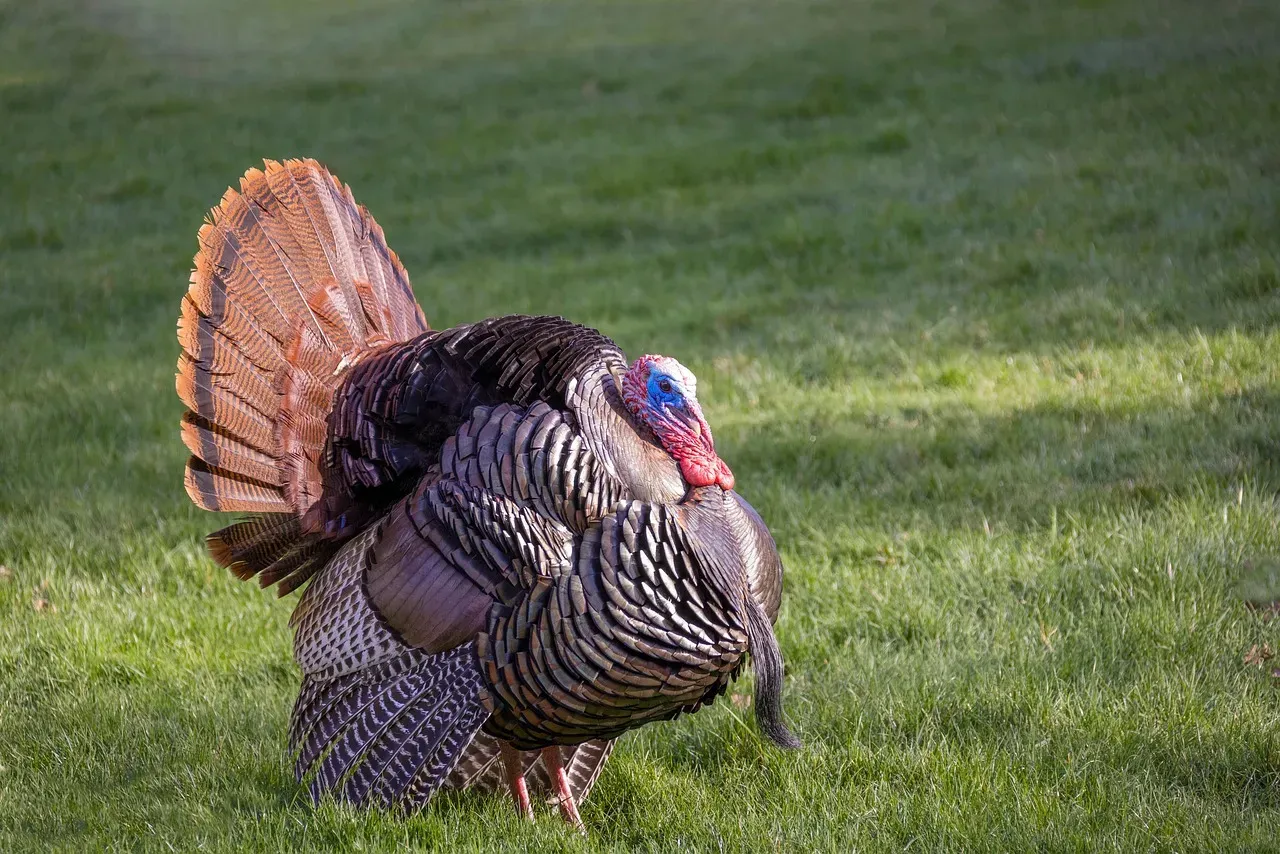
If you’ve never been chased by a wild turkey, count yourself lucky. These birds are a far cry from the docile holiday centerpiece image most Americans carry around. Birds of prey, such as red-tailed hawks and American kestrels, and even the occasional wild turkey, can be drawn directly into suburban yards.
When turkeys attack and coyotes dine on unleashed chihuahuas, suddenly nature is not so charming. There’s something deeply humbling about a fifteen-pound bird chasing a grown adult down a driveway, yet it happens regularly in suburban Massachusetts, New Jersey, and California.
Eagles, bobcats, and nesting ravens have also been spotted in Washington D.C., while a flock of wild turkeys has taken up residence east of the Capitol itself. Even the nation’s capital has its own wild turkey neighborhood gang. Honestly, it feels very on-brand for Washington.
The Armadillo: America’s Little Armored Wanderer
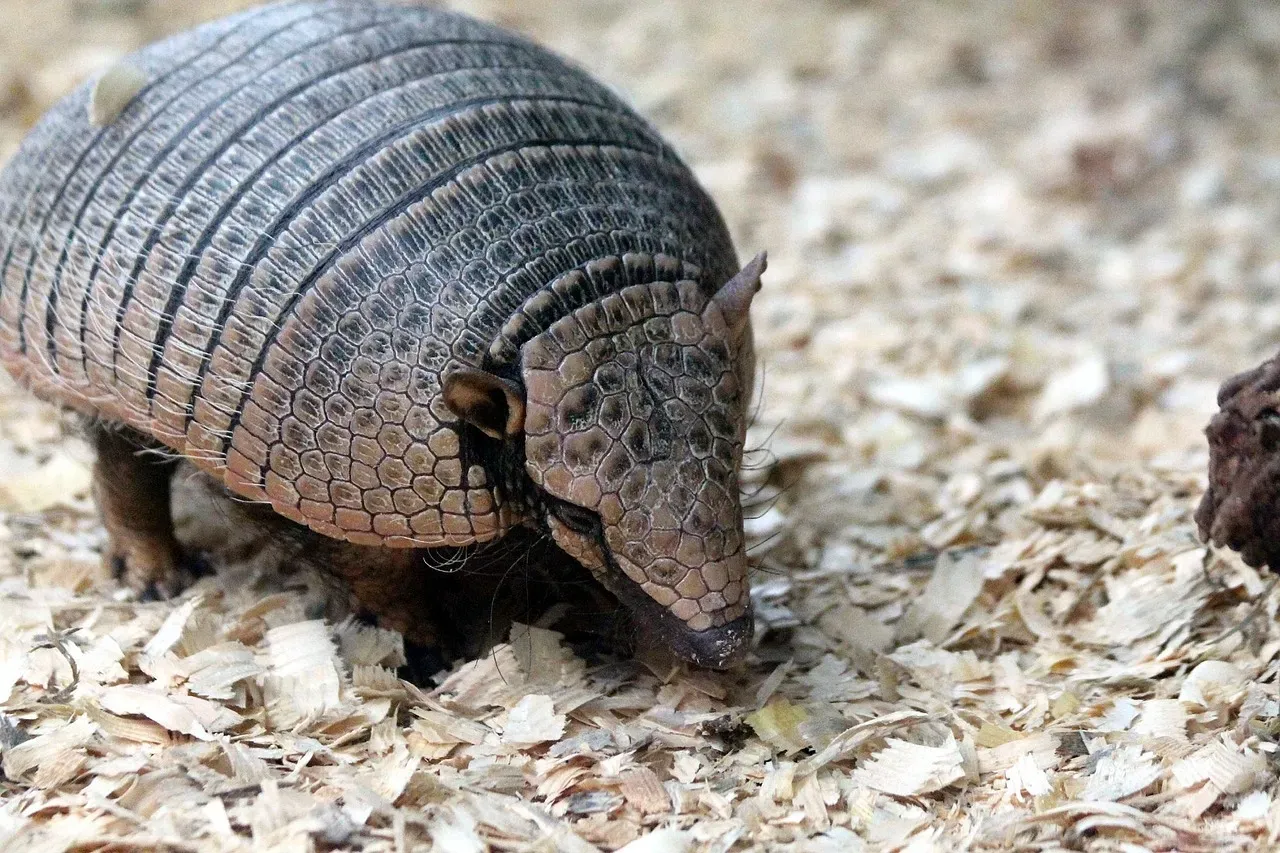
Armadillos are one of those animals that genuinely look prehistoric. Like a tiny living tank that somehow survived the Ice Age and wandered into your flowerbed. Only nine-banded armadillos reside in the United States, and despite their name, they may actually have seven to eleven bands of leathery armor across their midsections.
Populations of nine-banded armadillos are increasing significantly, partly because humans have killed off most of their natural predators, and roadways have offered them easier means of travel to new habitats. Roads as a highway system. They’re using our infrastructure against us, essentially.
Nine-banded armadillos are nocturnal and spend their waking time burrowing or feeding, and they often carry a bad reputation because they are the only animal other than humans that can contract leprosy, though cases of humans getting leprosy from handling armadillos are extremely rare. Still, best to admire them from a respectful distance in your suburban garden bed.
The Peregrine Falcon: A Supersonic Suburb Resident
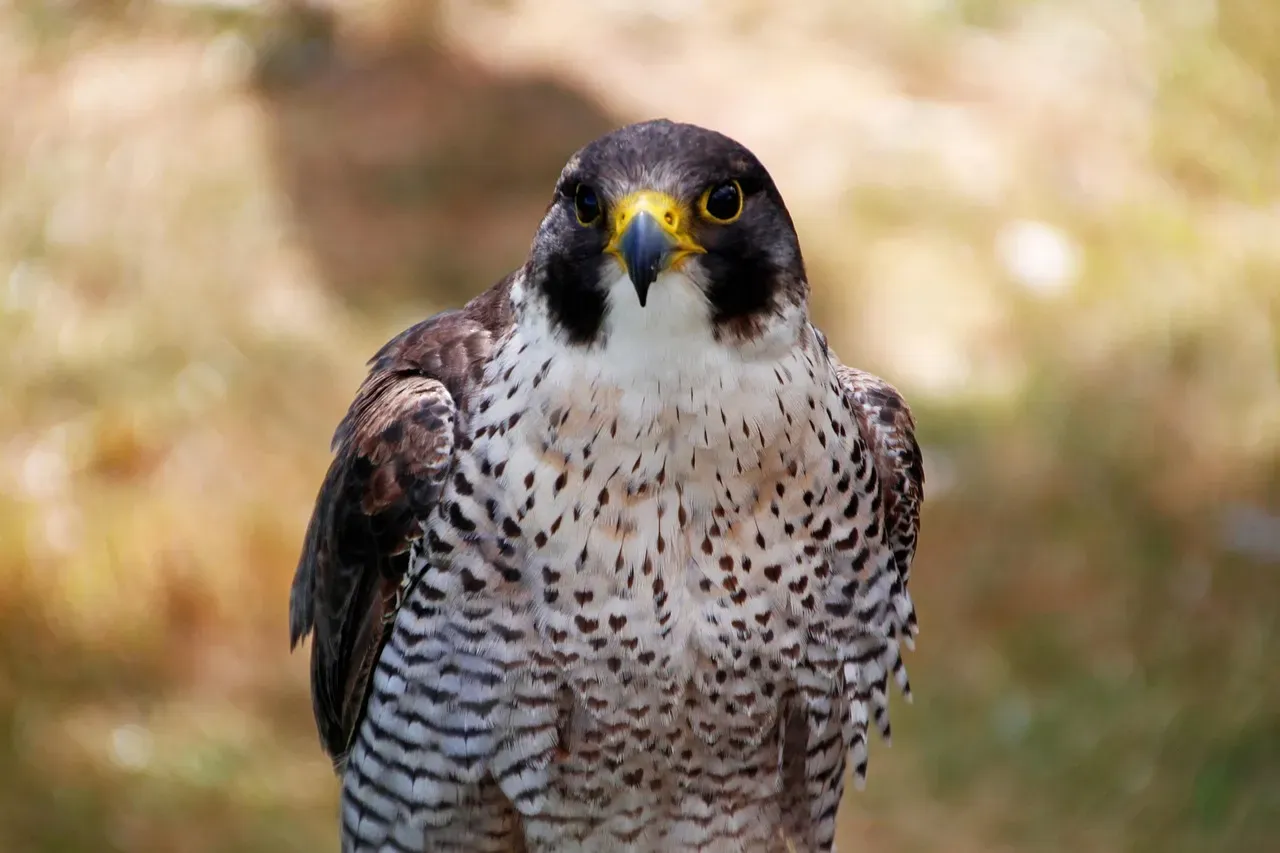
The peregrine falcon is the fastest animal on Earth, capable of diving at speeds approaching 240 miles per hour. It sounds like a creature built for remote mountain cliffs, not neighborhoods. Yet here we are. Despite the facts of habitat disruption and ecological encroachment by human development, the peregrine falcon has shown a remarkable ability to survive in urban and suburban environments.
In urban and suburban habitats, rock pigeons are commonly reported as a dominant prey item for city-nesting peregrine falcons. Your downtown pigeon problem? The peregrines are already aware of it and working on a solution. High-rise ledges mimic cliff faces perfectly for nesting.
The biggest threat to peregrine populations was historically pesticide use, and the 1960s and 70s saw a significant decline in their global population due to the build-up of DDT in their prey species, but subsequent curtailing of pesticides led to a resurgence, and the peregrine is now considered a species of least concern in terms of conservation. Their comeback story is, without exaggeration, one of the great wildlife recovery tales of the modern era.
The Javelina (Collared Peccary): Arizona’s Surprisingly Suburban Pig
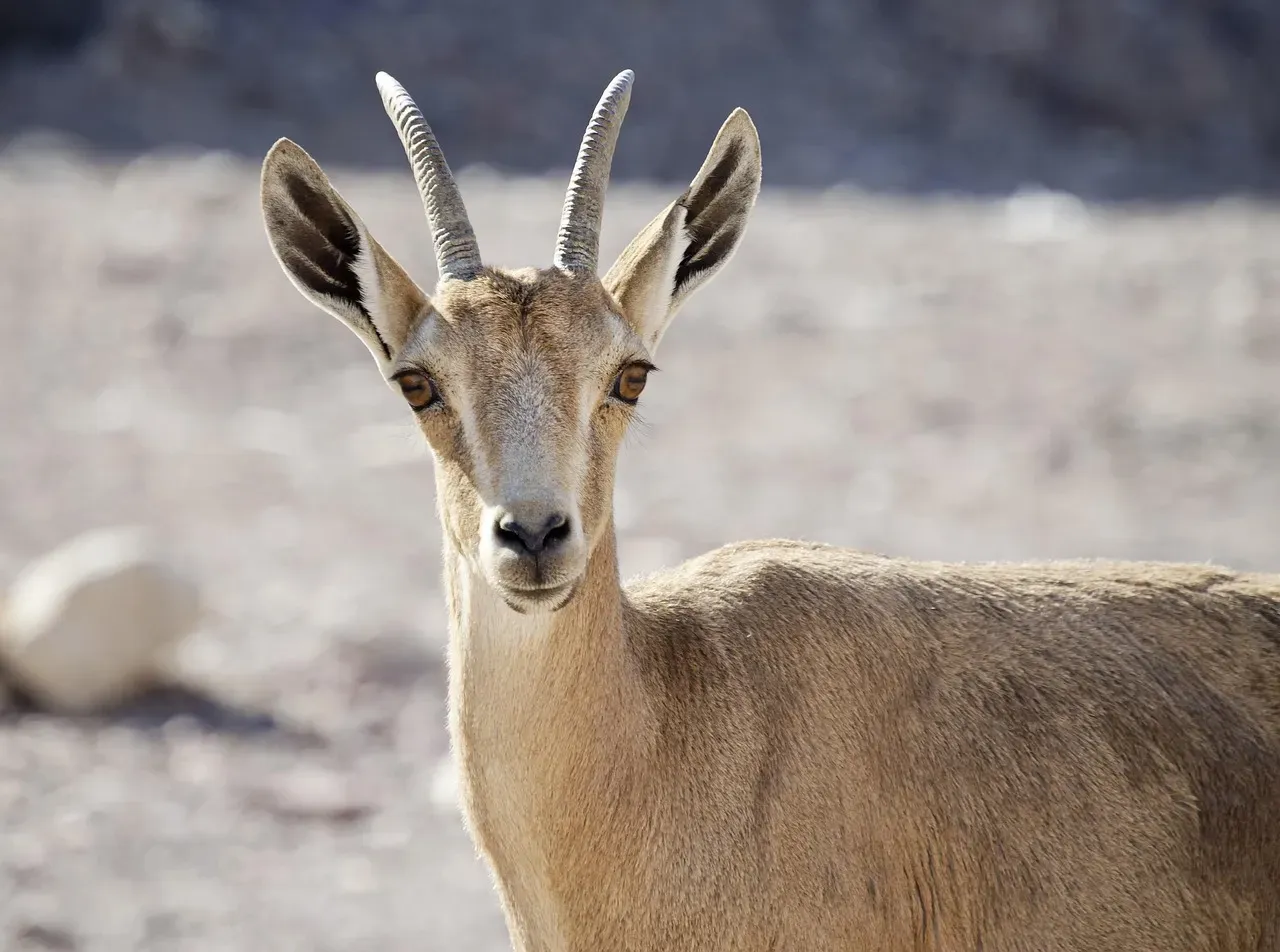
If you live in the desert Southwest and haven’t heard of the javelina, you’re probably not spending enough time outside. These creatures look like wild pigs but are actually a completely separate species. Populations of the collared peccary live in the suburbs of Phoenix and Tucson, Arizona, and the species is classed as least concern by the IUCN, though it is threatened by overhunting and habitat destruction.
They travel in groups, they’re bold, and they have sharp tusks. Imagine a small but confidently territorial pig ambling through your backyard at dusk, and you’ll get the picture. They’re not just passing through, either. Suburban Phoenix has become genuine territory for entire herds of these animals.
It’s hard to say for sure what the long-term picture looks like, but as desert cities continue expanding outward, the overlap between javelina range and residential neighborhoods will almost certainly grow. The hillsides and swamps that animals once ruled have been converted to homes and golf courses, and many animals simply refuse to leave after humans move in. The javelina is a perfect example of exactly that stubborn, admirable persistence.
The Nine-Banded Armadillo’s Neighbor: The Opossum
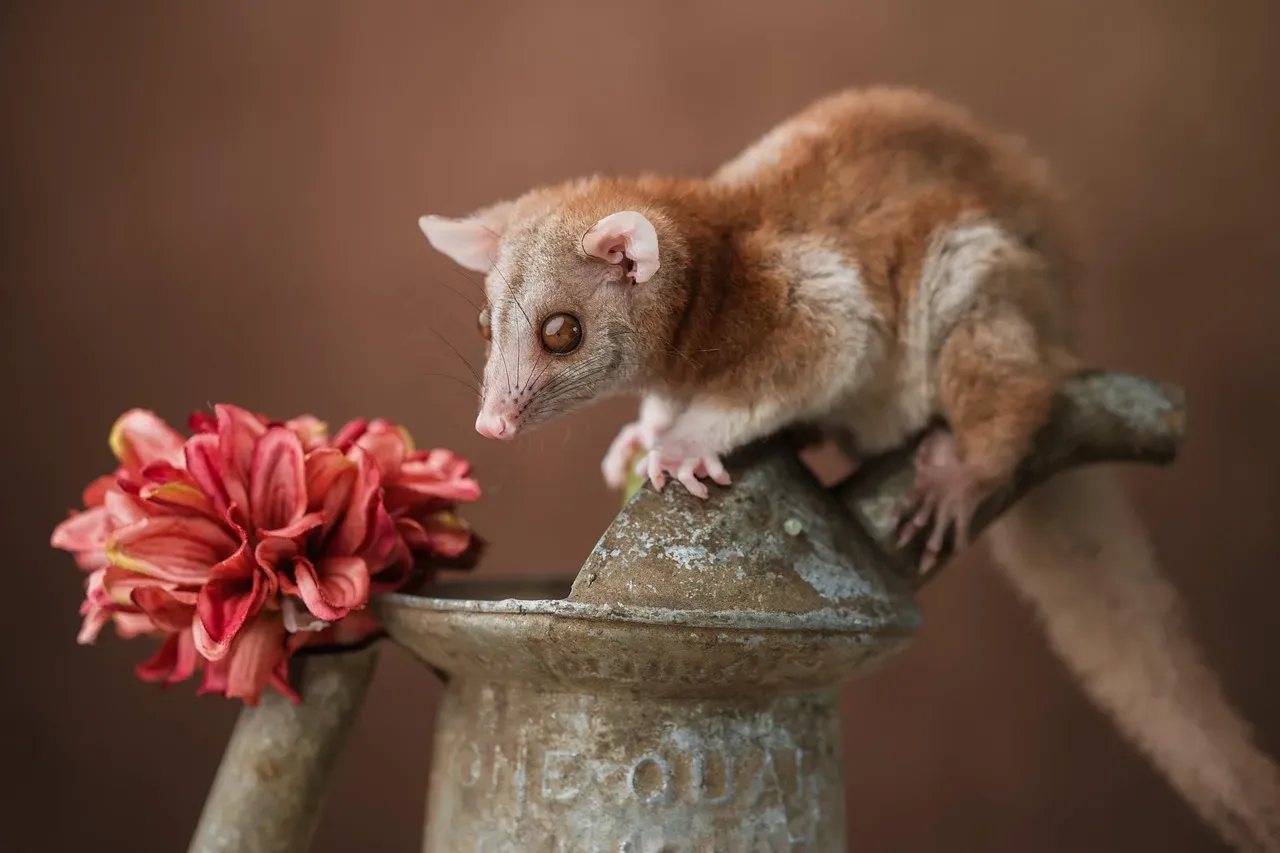
Wait, you might be thinking – isn’t the opossum kind of obvious? Not really. Most people grossly underestimate just how remarkably adapted and genuinely useful the Virginia opossum is in suburban settings. Opossums are frequent backyard visitors, and they’ve been thriving alongside human development for a very long time.
Researchers analyzing suburban wildlife imagery identified Virginia opossums as one of seven species that were more frequently seen in residential yards compared to nearby forests. They actually prefer the suburbs. Your yard is a step up for them, habitat-wise.
Here’s the part most people don’t know: opossums consume enormous quantities of ticks, helping to reduce the transmission of Lyme disease in suburban areas. They’re nature’s quiet health service, waddling through your garden at midnight doing genuinely useful work. Opossums are among the dozens of wild species that frequently surprise the public, who are often astonished to learn that so many diverse animals exist and even flourish within human communities. Give the humble opossum a little more credit.
Conclusion: The Wild Is Already at Your Door
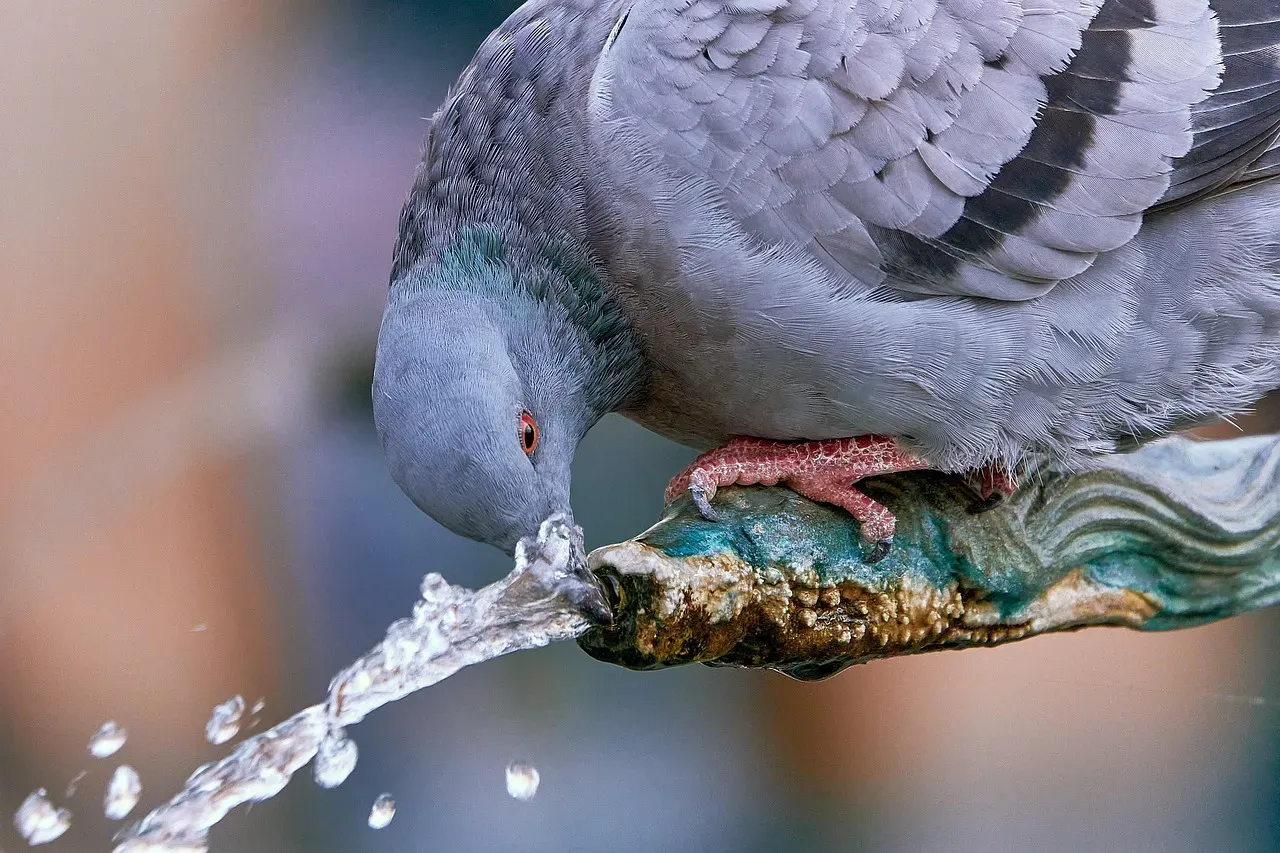
The truth is, the boundary between wilderness and suburbia has never been a hard line. It’s always been more of a soft suggestion. As one urban ecology expert put it, “Animals are just savvy, and they’re starting to adapt because development is pushing them into cities.” That adaptation is accelerating, not slowing down.
In our human-centered daily lives, it’s often easy to forget that nature is all around us no matter where we live, and forgetting that our wild neighbors are out there has consequences for both them and for us. The animals aren’t invading. We built our neighborhoods on their land, and many of them just never left.
I think there’s something genuinely wonderful about all of this, if a little humbling. The next time you see an unfamiliar shadow crossing your yard after dark, or hear something shuffling through your garbage at 2am, maybe resist the urge to panic. You might just be sharing your neighborhood with one of nature’s most remarkable survivors. What wild animal has surprised you most close to home? Tell us in the comments!
