
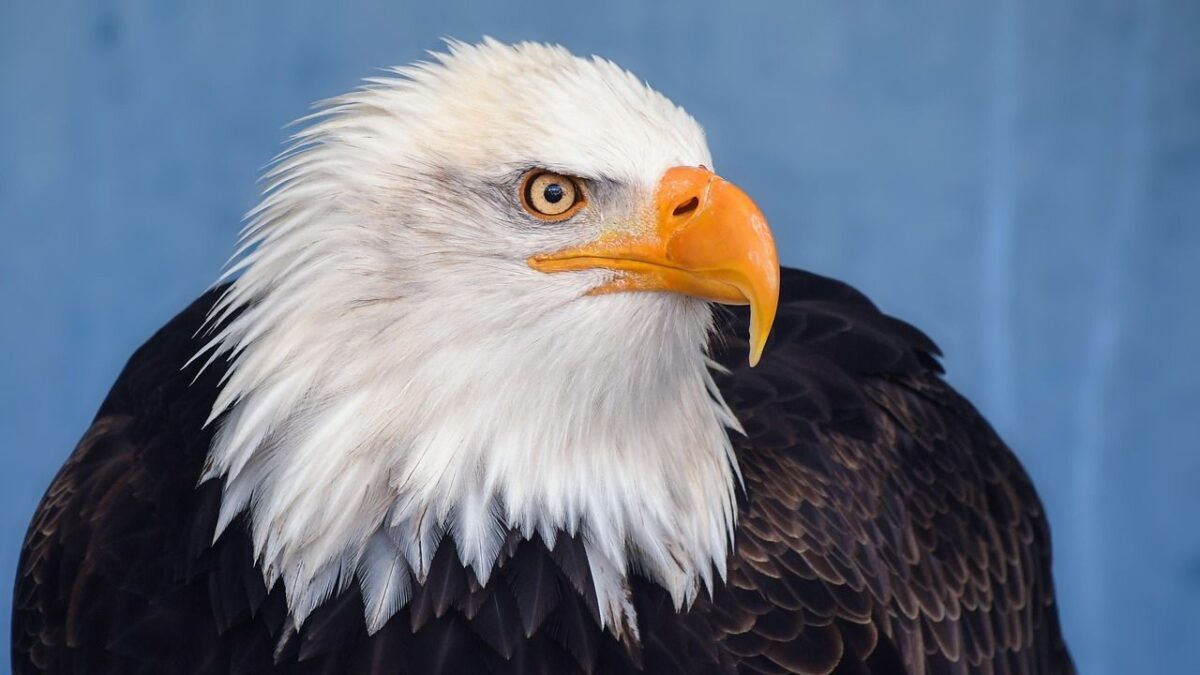
Picture this: a massive wingspan slicing through crisp morning air, those unmistakable white heads gleaming against blue skies. The bald eagle’s recovery story feels like a wildlife triumph straight out of a dream. Once teetering on the brink, their populations have surged dramatically across the U.S., hitting over 316,000 individuals in the lower 48 states alone.[1][2]
Here in 2026, these icons of freedom thrive near rivers, lakes, and coasts. Yet certain states offer prime viewing windows year-round or during migrations. Ready to chase that thrilling glimpse? Let’s explore 11 standout spots.
1. Alaska: The Undisputed Eagle Haven
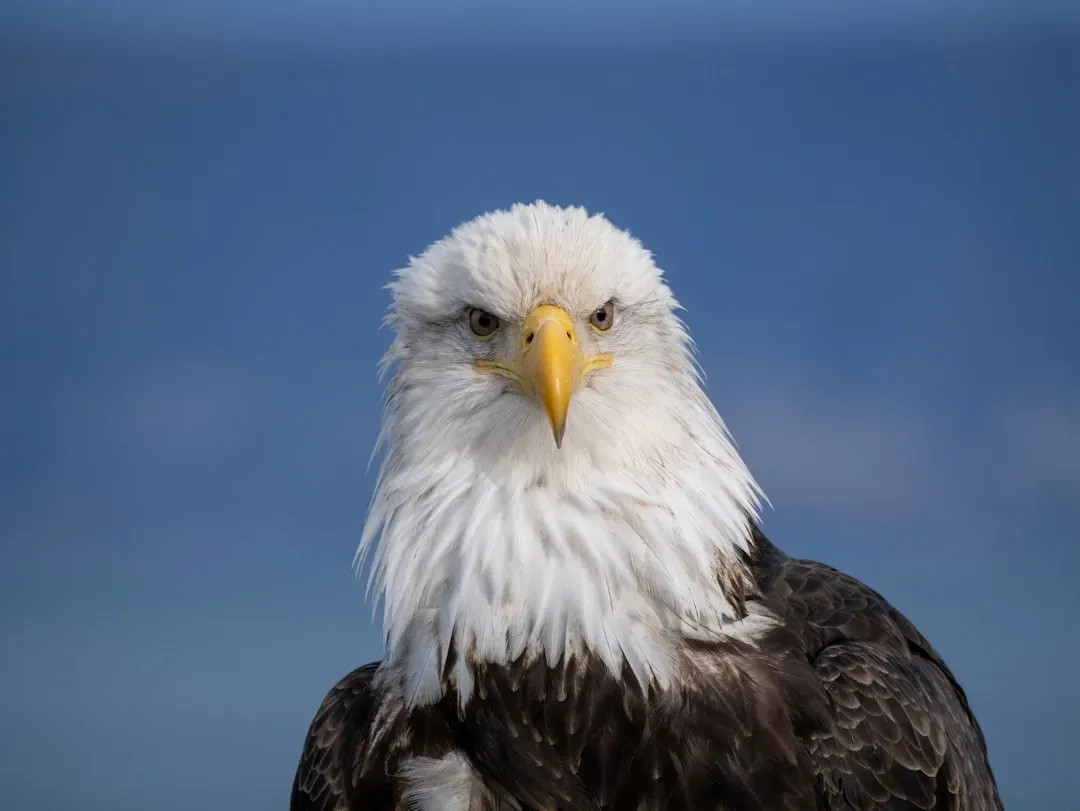
Alaska boasts the largest bald eagle population in the nation, with around 30,000 birds calling it home.[3] Head to the Chilkat Eagle Preserve near Haines, where thousands converge each winter to feast on late salmon runs. It’s like nature’s own spectacle, eagles perched thick on trees along the river.
The vast coastal forests and islands provide perfect nesting sites. I remember hearing stories from locals about skies darkened by flocks. Winter visits guarantee crowds of these raptors, though summer brings nesting pairs everywhere. Honestly, it’s the top pick for sheer numbers.
2. Florida: Sunny Waterways Teeming with Eagles
Florida ranks second for breeding pairs, thanks to endless lakes and swamps.[4] The Three Lakes Wildlife Management Area in central Florida hosts over 150 nests ringed around lakes. Eagles soar low over the water, snatching fish right before your eyes.
Peak season hits winter, but they’re year-round residents here. The warm climate means no big migrations out. Let’s be real, spotting one amid gators adds extra thrill. Keep binoculars handy near Prairie Lakes Unit.
3. Minnesota: The Midwest Eagle Stronghold
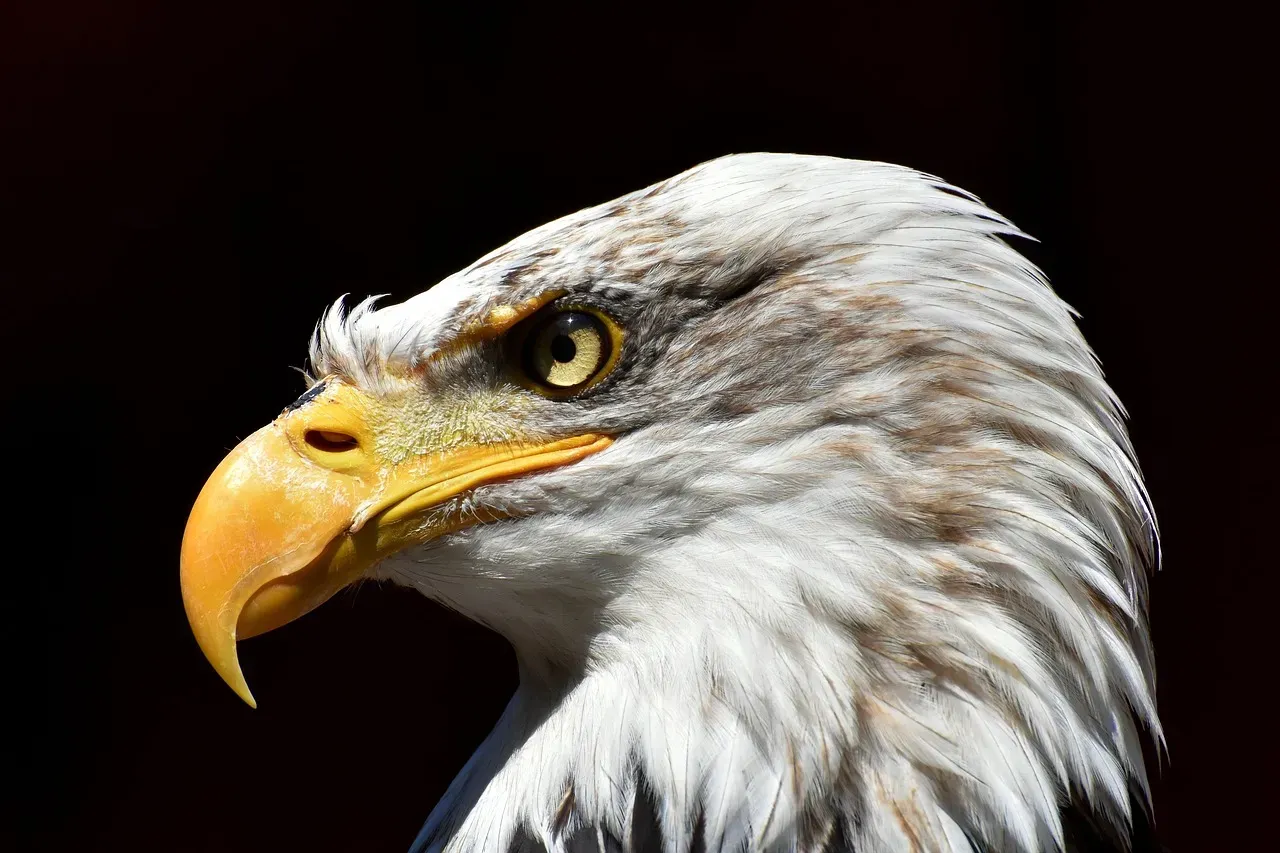
Minnesota follows close behind with thriving populations along the Mississippi River.[5] Minnesota Valley National Wildlife Refuge near the Twin Cities draws winter flocks feeding on open water. Trails let you watch without disturbing them.
The state’s thousands of lakes mirror perfect hunting grounds. Eagles nest high in mature trees overlooking rivers. Spring brings fledglings testing wings. It’s hard not to feel inspired by their comeback here.
4. Wisconsin: Rivers and Lakes Alive with Raptors
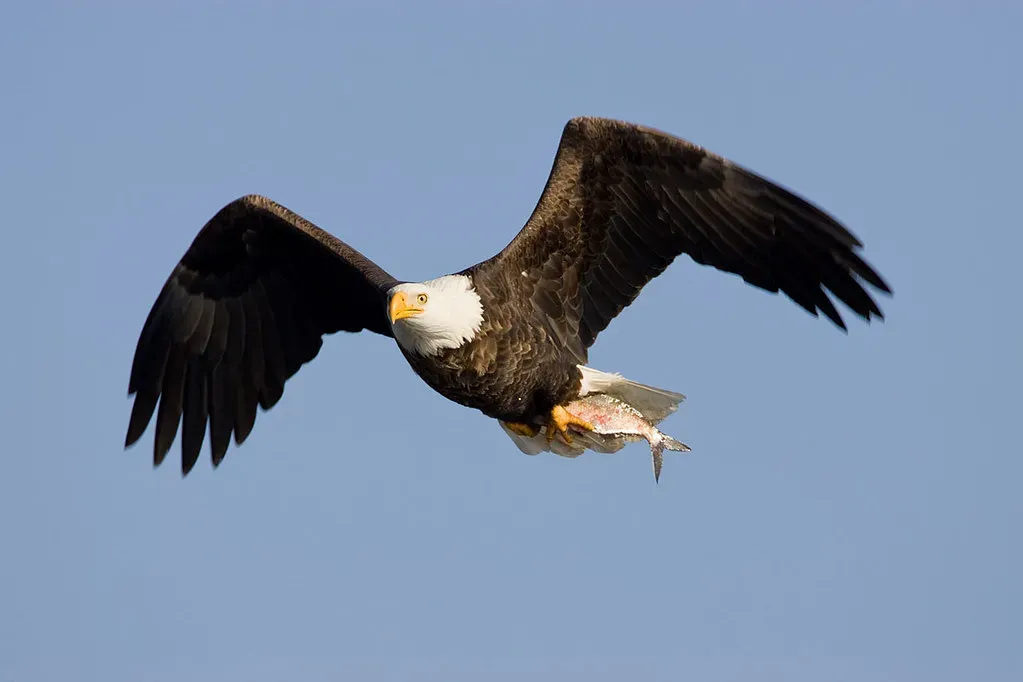
Wisconsin’s eagle numbers impress, especially along the Mississippi and Chippewa Rivers.[5] Trempealeau National Wildlife Refuge offers blinds for close-up views of foraging birds. Winter ice fishing concentrates fish, pulling in eagles by the dozens.
Statewide surveys show steady growth. Nesting pairs favor bluffs and wetlands. A quiet boat trip reveals families tending young. This place feels like eagle central in the heartland.
5. Washington: Coastal Cliffs and River Valleys
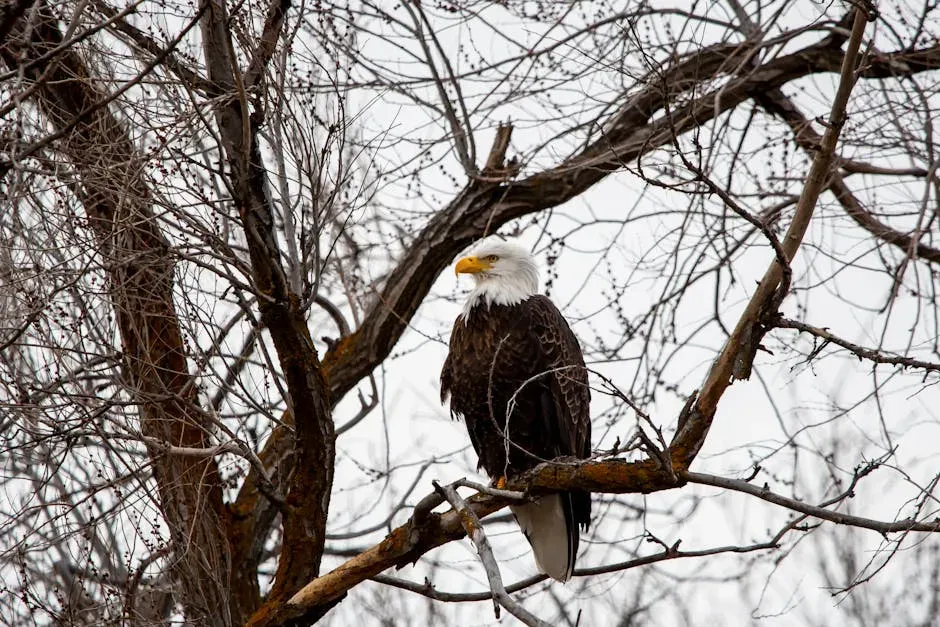
Washington’s Skagit River Bald Eagle Interpretive Center hosts one of the best winter gatherings.[6] Up to 600 eagles flock here monthly from November to February, hunting salmon. Guided tours make spotting easy from safe vantage points.
The evergreen shores provide year-round homes. Olympic National Park adds forested nesting spots. Mornings bring the most action as they fish at dawn. No wonder it’s a birder’s paradise.
6. Michigan: Great Lakes Edge Hotspots
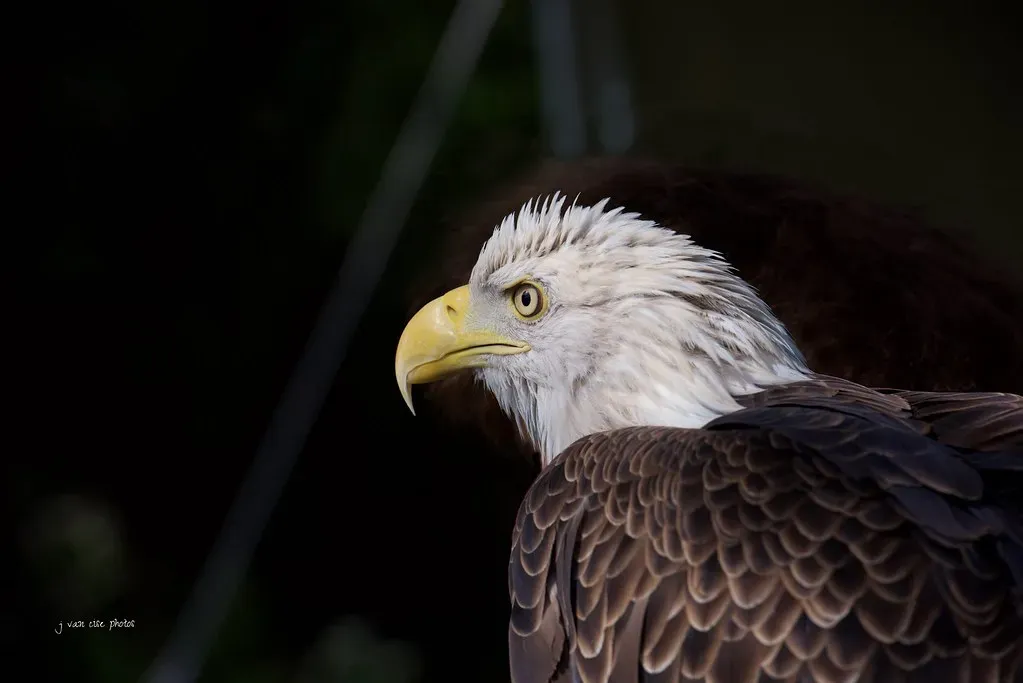
Michigan shines with eagles around the Great Lakes and inland waters.[7] Seney National Wildlife Refuge in the Upper Peninsula features observation decks over marshes. Winter brings concentrations near open water amid frozen bays.
Nesting has boomed along Lake Michigan shores. Pairs return to the same massive nests yearly. The mix of forests and water mimics ideal habitat. Spotting one diving feels electric.
7. Oregon: Klamath Basin Winter Wonderland
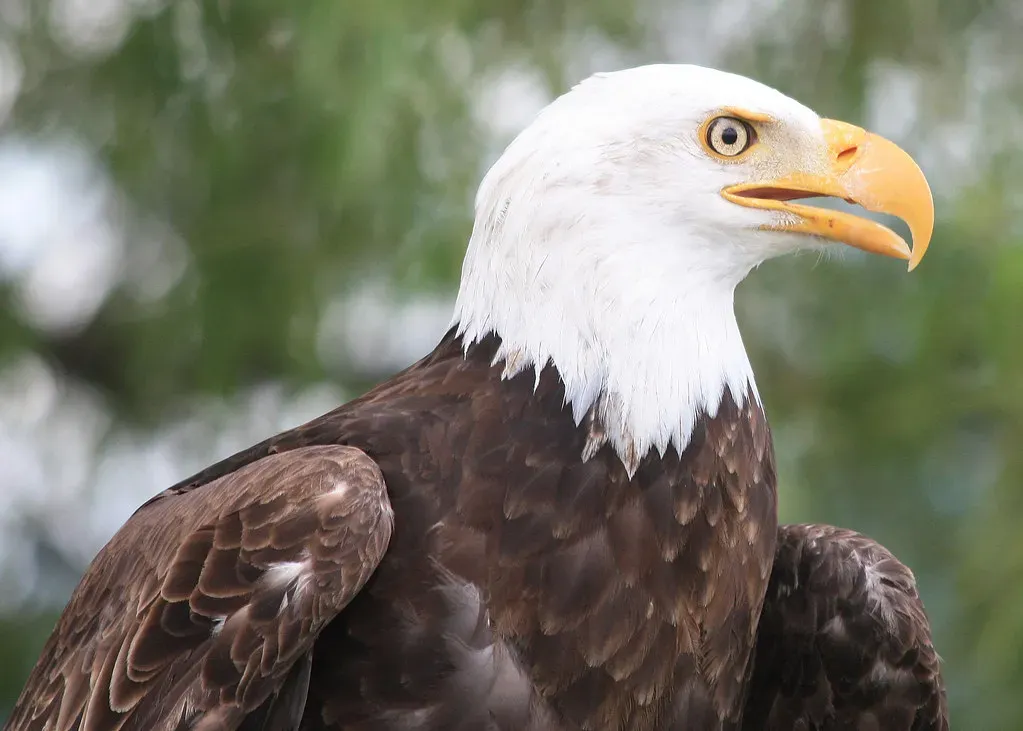
Oregon’s Klamath Basin National Wildlife Refuges attract huge winter numbers.[8] Bear Valley and others see eagles feasting on waterfowl. Auto routes let you scan from your car.
The basin’s wetlands draw migrants from afar. Summer holds resident pairs too. It’s like a flyway superhighway for raptors. Patience pays off with multiple sightings.
8. California: Diverse Coasts and Refuges
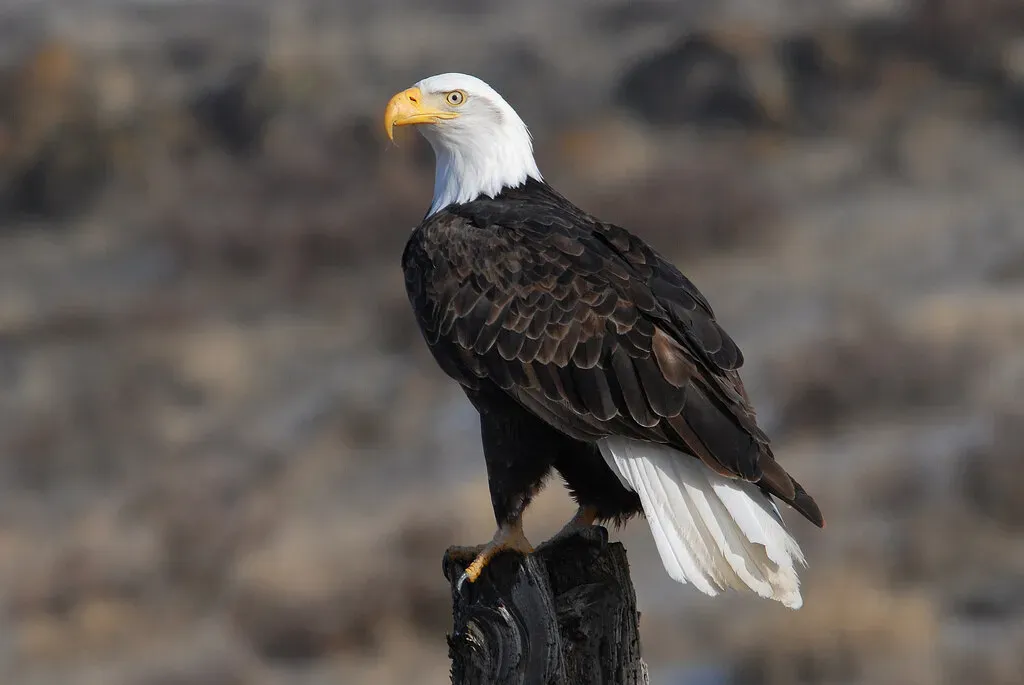
California’s Tule Lake and Lower Klamath Refuges rank top for West Coast viewing.[8] Eagles perch on dikes, eyeing fish in flooded fields. Winter peaks with migrants joining locals.
Coastal areas like the north shore add nesting cliffs. Populations grow steadily here. A scope reveals intricate hunting tactics. Surprisingly accessible near population centers.
9. Idaho: Lake Coeur d’Alene Migration Magic
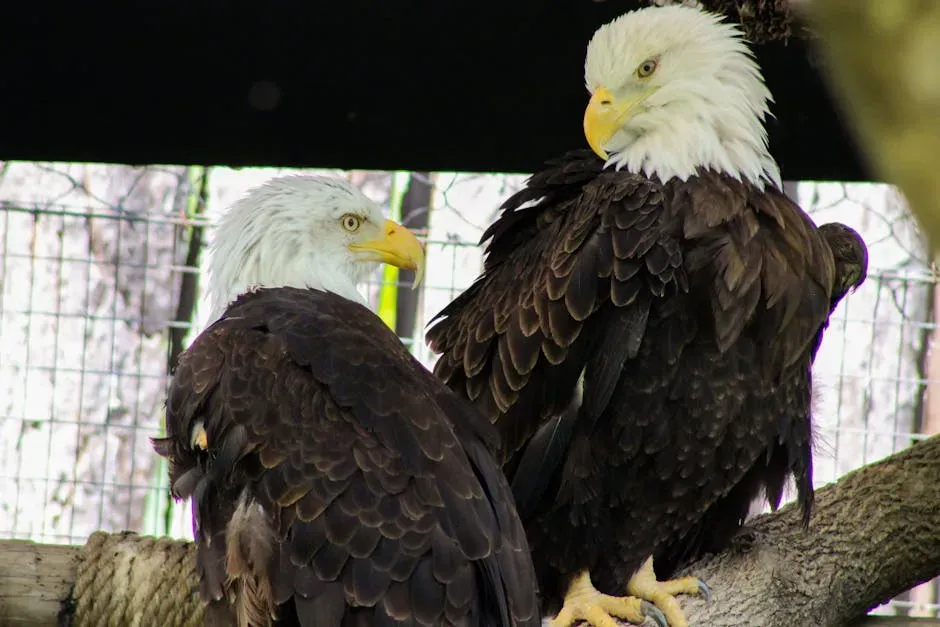
Idaho’s Lake Coeur d’Alene draws massive migrations, one of the nation’s famous spots.[9] Thousands arrive winter, perching in cottonwoods along the shore. Boat tours get you front-row seats.
The clear waters teem with fish. Eagles dominate the skyline. Events celebrate the spectacle annually. It’s raw, unfiltered nature at play.
10. Maine: Acadia National Park Skies
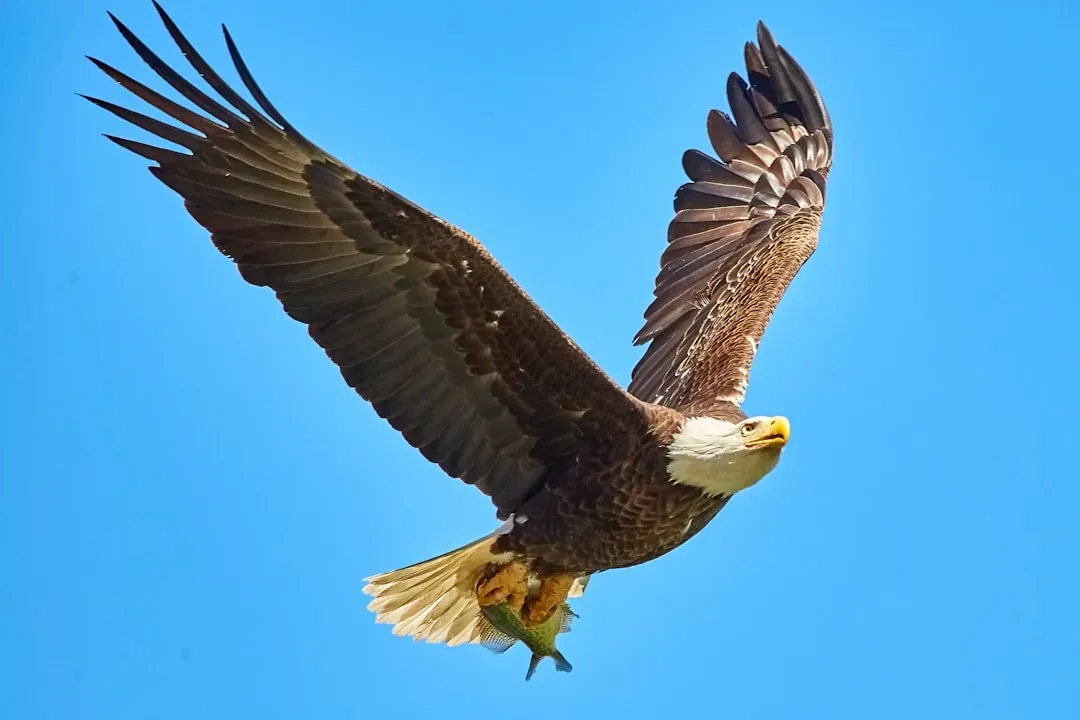
Maine’s Acadia National Park tops eagle sighting charts in national parks.[10] Coastal cliffs and bays host nests visible from trails. Summer fog lifts to reveal soaring pairs.
Rivers feeding the Atlantic add inland options. The rugged coast suits their fishing style. Early mornings quiet the crowds for better views. Feels like stepping into a postcard.
11. Maryland: Conowingo Dam Powerhouse
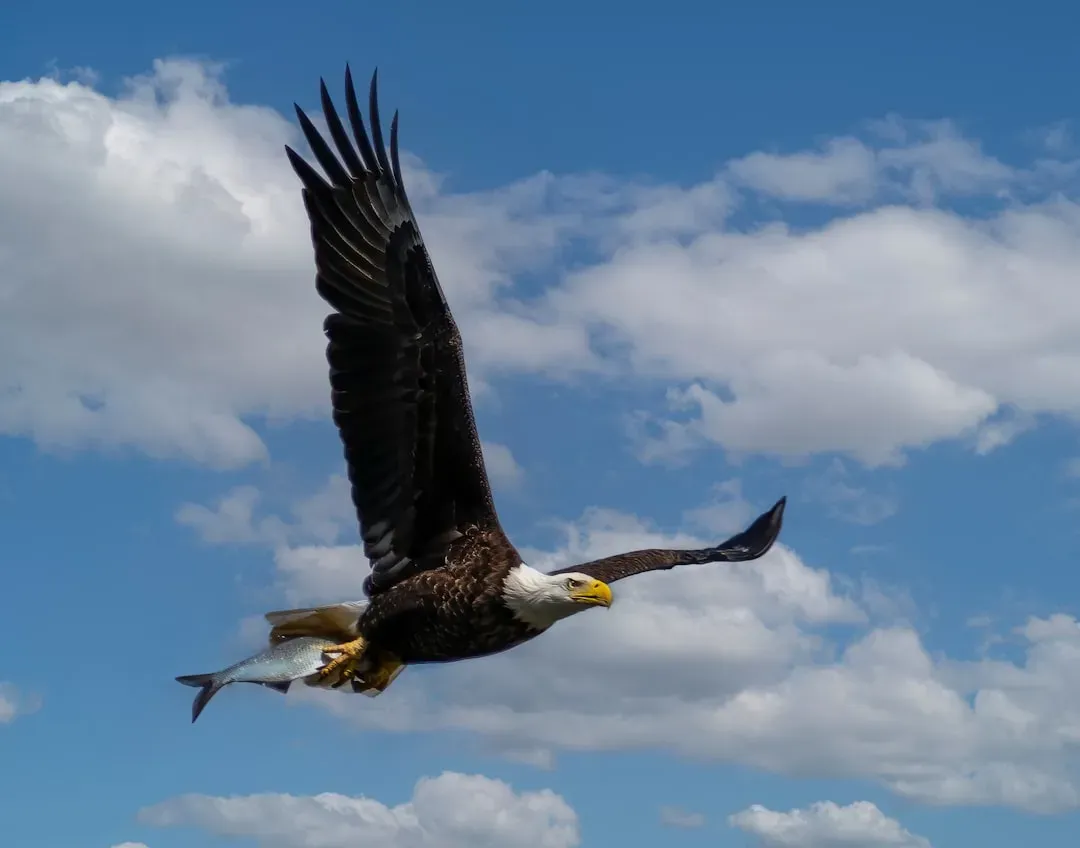
Maryland’s Conowingo Dam on the Susquehanna River is East Coast legend.[11] Hundreds gather daily, drawn by fish spilled from turbines. Viewing platforms buzz with photographers.
High breeding numbers statewide support this.[5] Fall and winter peak the action. It’s convenient near big cities too. That dive-bomb snatch never gets old.
Why These States Stand Out – And Your Next Adventure
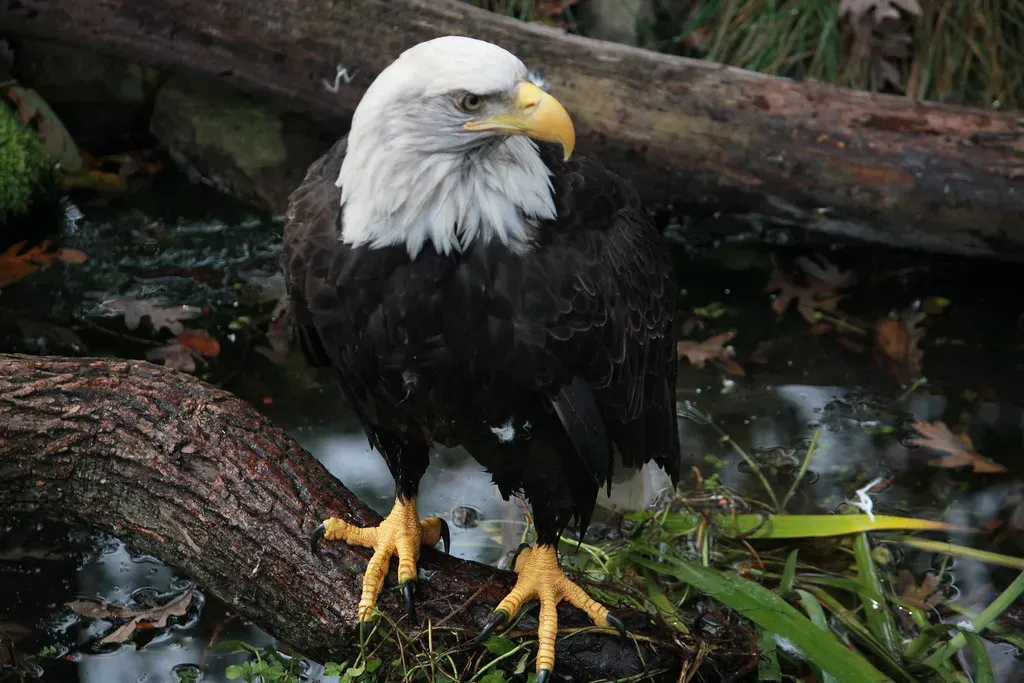
These 11 states showcase bald eagles at their finest, from Alaska’s masses to Maryland’s reliable dam shows. Their comeback proves conservation works wonders. Grab those binoculars and hit the road – who knows what memories await?
What state calls to you first? Share your eagle tales below.
