

There’s something about living with a dog that changes you in ways non-dog owners just can’t quite grasp. Sure, everyone loves seeing cute puppy videos or meeting a friendly dog at the park. That’s easy to appreciate. Yet the everyday, lived experience of sharing your home and heart with a canine companion creates insights that feel almost sacred, like a secret language only fellow dog owners speak fluently. These moments, big and small, shape our days in unexpected ways.
If you’ve ever felt that peculiar mix of exhaustion and pure joy after your dog wakes you at dawn, or found yourself explaining your pup’s unique quirks to a bewildered friend, you’re part of this club. Let’s dive into those experiences that make us smile, shake our heads, and feel deeply grateful for the four-legged souls who’ve claimed a permanent place in our lives.
That Unspoken Morning Routine You Can’t Skip
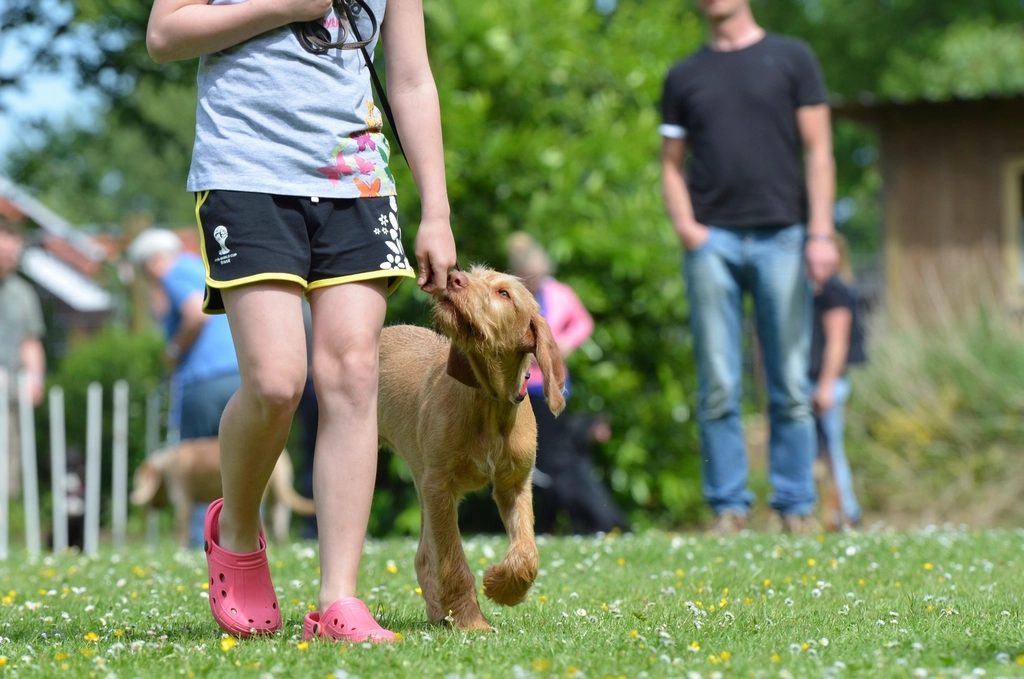
Dog owners increasingly incorporate their pets into daily routines that support healthy, active lifestyles, and it all starts before your alarm even goes off. Your dog has an internal clock more accurate than any smartphone. No matter if it’s a weekday or Sunday, six in the morning means it’s time to go outside, and your furry friend will make sure you know it.
There’s a particular kind of negotiation that happens in those early moments. Maybe it’s a cold nose pressed against your face, or perhaps the sound of pacing paws on hardwood. You’ve learned to read the subtle difference between “I really need to go” and “I’m just bored and want breakfast now.”
This daily ritual becomes so ingrained that even when your dog isn’t around, you wake up at the same time anyway. Your body has adapted to their schedule. It’s not always convenient, true, yet there’s something grounding about starting each day with purpose, even if that purpose is simply opening the back door while you’re still half asleep.
The Language Only You Two Share
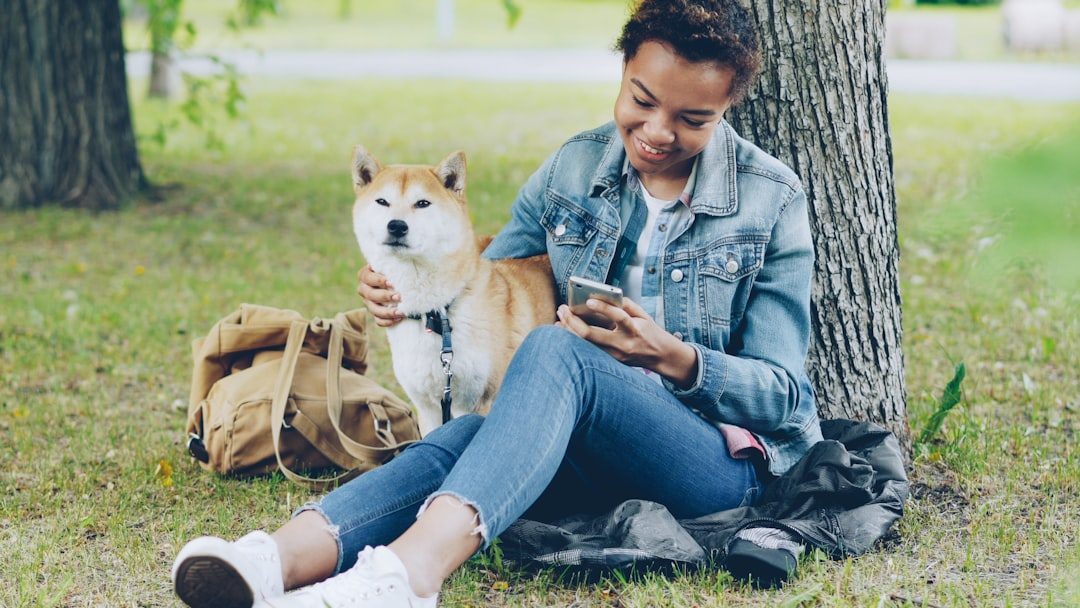
Canine body postures and olfactory cues are significant components of dog language, with people being listeners while dogs are watchers. Over time, you become fluent in a communication system that outsiders find baffling. Your dog has specific sounds for different needs – not just generic barking, but distinct vocalizations that carry clear meaning.
Understanding dogs’ basic body language allows owners to gain insight into their thoughts and feelings about the world. You know when that particular whine means your pup needs water versus when it signals anxiety about an approaching storm. The slight tilt of the head, the position of their ears, even the way they hold their tail at a certain angle – these signals form a rich vocabulary.
Your dog is talking to you all the time, and learning what they’re saying develops a deeper bond of trust and respect. Friends might think you’re slightly unhinged when you have full conversations with your dog, complete with pauses for their “responses.” They don’t realize you’re actually communicating, reading micro-expressions and body cues that convey genuine information. This silent dialogue happens dozens of times each day.
The Guilt Complex That Follows You Everywhere

Leaving the house without your dog creates a special brand of emotional turmoil that only dog owners experience. Even if you’re just running to the grocery store for twenty minutes, that look they give you cuts straight to your soul. Over 85 percent of dogs show moderate to severe separation and attachment issues, making departures an emotional event for many households.
You develop elaborate goodbye rituals to minimize the drama. Maybe you pretend you’re not actually leaving, or you give them a special treat, or you’ve learned to grab your keys silently to avoid triggering the departure anxiety. Some of us even leave the television on for company, as if our dogs are catching up on their favorite shows.
Dogs display proximity seeking behavior and seek out their caretakers as a means to cope with stress, with absence triggering separation anxiety to varying degrees. The worst part is coming home to find they’ve been waiting by the door the entire time you were gone, or discovering they’ve had an accident because they were too anxious to settle. That guilt is real and it stays with you. Working from home has become infinitely more appealing simply because it means more time with them.
When Your Dog Knows You Better Than Humans Do
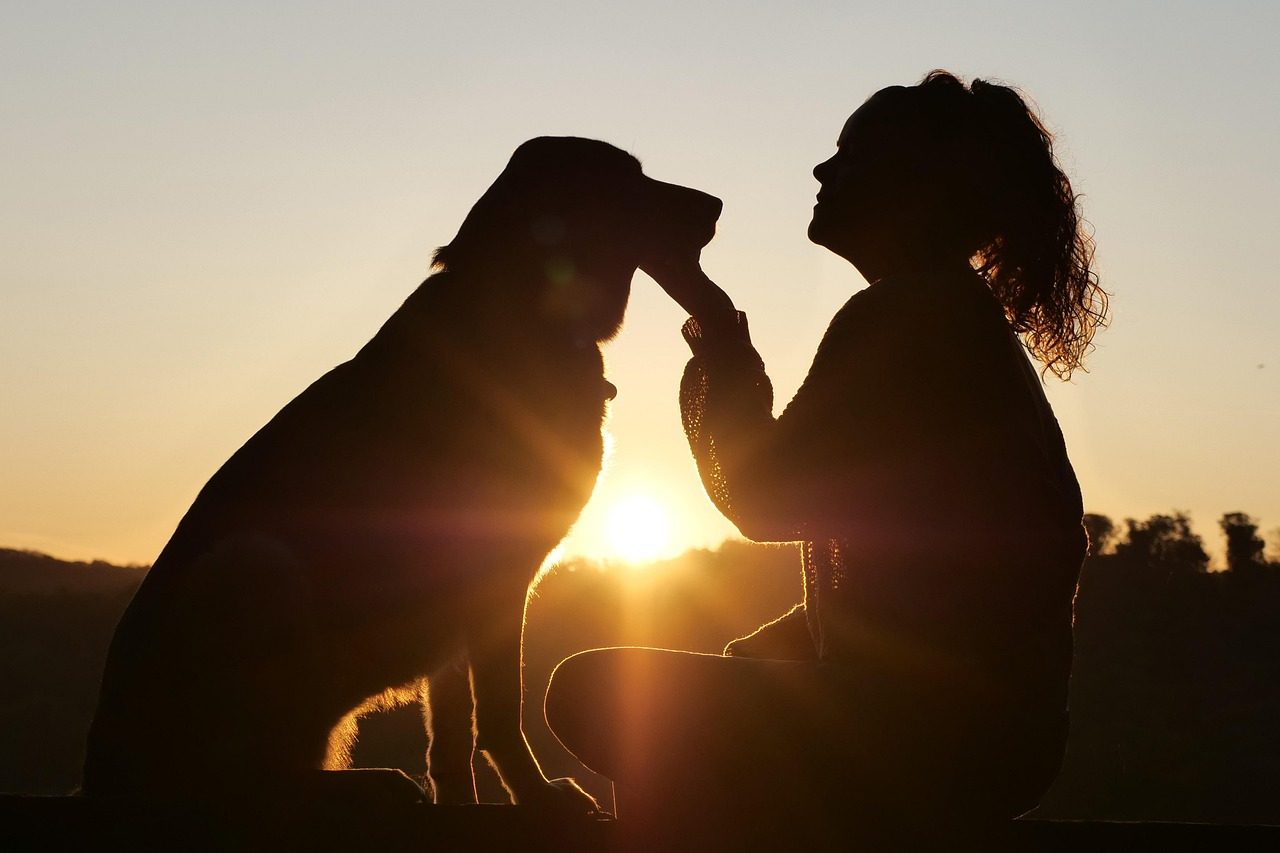
Dogs can recognize human emotions on faces, and research found dogs looked at faces that matched the tone of voice more often. Your dog notices when you’ve had a rough day before you even say a word. They pick up on subtle changes in your posture, your scent, even the energy you bring through the door. It’s honestly a bit unsettling how perceptive they are.
Highly neurotic owners tended to have dogs showing signs of anxiety or mood instability, with emotional convergence happening when close companions gradually align emotional responses. This emotional synchronicity works both ways. There are days when your typically energetic pup seems subdued, mirroring your own emotional state without any conscious communication happening.
Recent research found dogs and owners share synchronized heart rate variability, reflecting a deep emotional connection and similar emotional states. They become your emotional support system in ways that don’t require explanations or advice. Sometimes the best therapy is a warm dog curled against you, asking nothing except to be near. That silent understanding creates bonds that feel almost mystical in their depth.
The Complete Rearrangement of Your Living Space
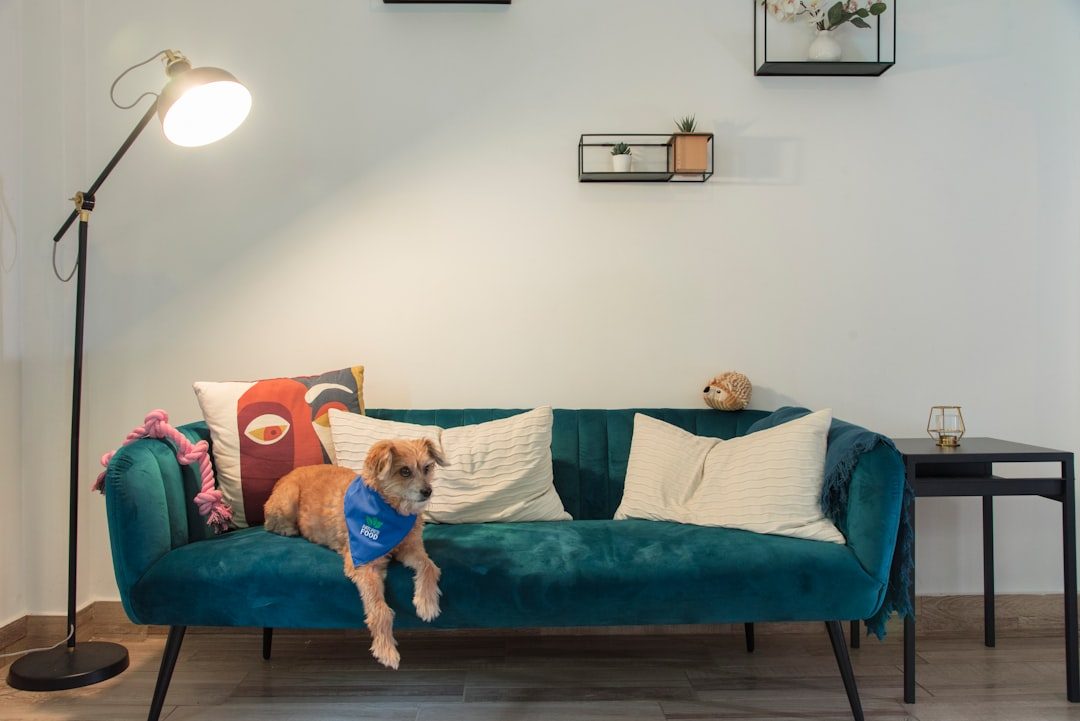
Remember when your furniture was arranged for human convenience and aesthetic appeal? Those days are ancient history now. Your home has been reorganized around canine logistics. There’s a dog bed in every room, toys scattered in strategic locations, and you’ve learned which rugs are truly washable.
Data shows the evolving humanization of pets and a deepening human-animal bond relationship, reflected in how we structure our homes. Your coffee table might have become a buffer zone to prevent counter surfing. That beautiful white couch you once owned is now covered in washable throws that match absolutely nothing in your decor scheme. You’ve accepted this.
The kitchen has been completely reorganized with dog-proof latches on certain cabinets. Houseplants have migrated to higher shelves after you learned which ones are toxic to dogs. Your vacuum cleaner has become one of your most-used appliances. This isn’t compromise, it’s complete lifestyle integration. Honestly, you wouldn’t have it any other way because a house that accommodates your dog feels more like a home.
That Magical Sixth Sense About Time
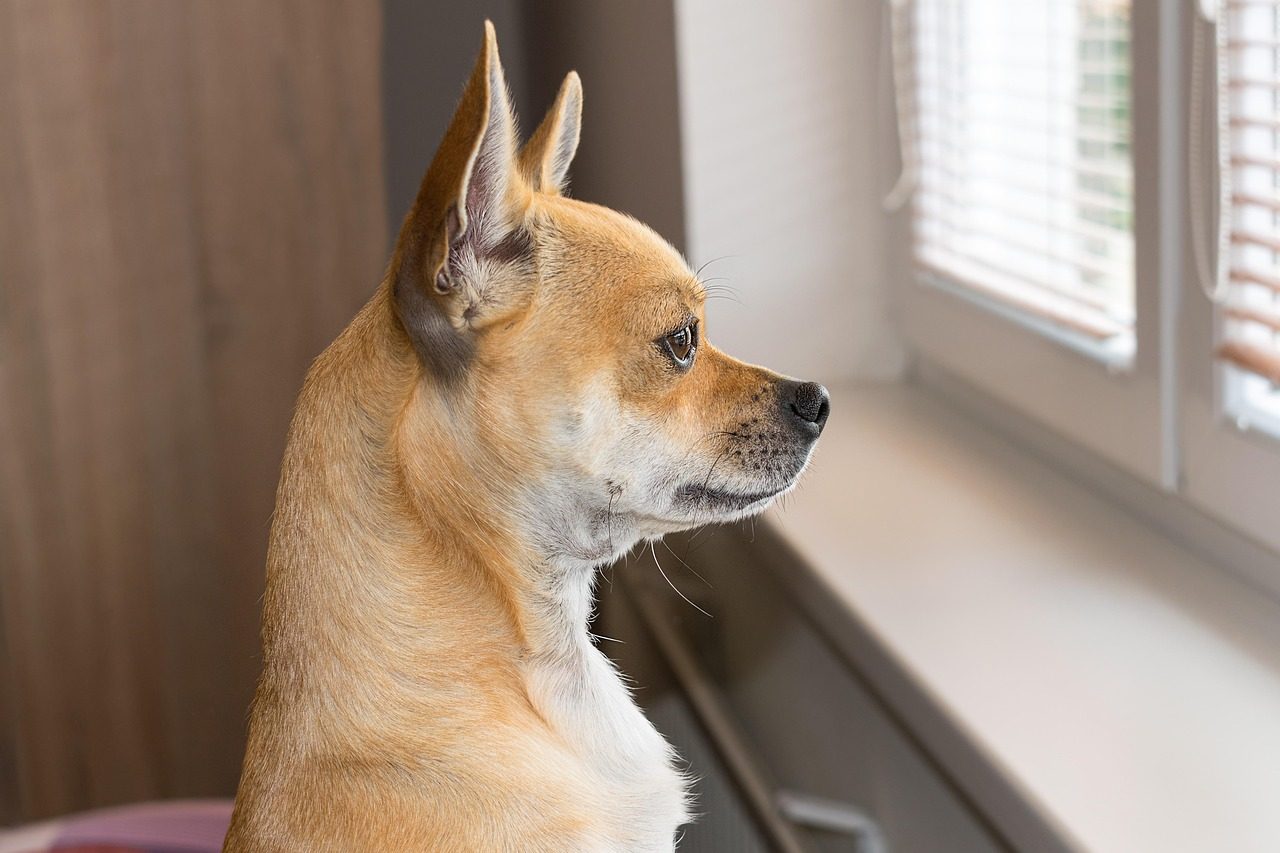
Your dog knows when you’re about to come home with supernatural accuracy. Partners or roommates report that your pup stations themselves by the door or window approximately ten minutes before your arrival, regardless of whether you come home at five o’clock or seven. There’s no logical explanation for this.
They also know when it’s dinnertime down to the minute, even if you’ve never fed them at an exact scheduled time. Their internal clock operates with precision that would make an atomic clock jealous. Weekend mornings are slightly different – they’ll give you maybe an extra thirty minutes of grace, as if they understand the concept of sleeping in.
Understanding your dog’s body language helps recognize potential health concerns, with ill dogs sleeping more and being grumpier about normal interactions. This time awareness extends to anticipating events. They know when you’re about to grab the leash for a walk before you’ve even thought about it consciously. They read your pre-routine behaviors like fortune tellers reading tea leaves.
The Way Your Social Life Completely Transforms
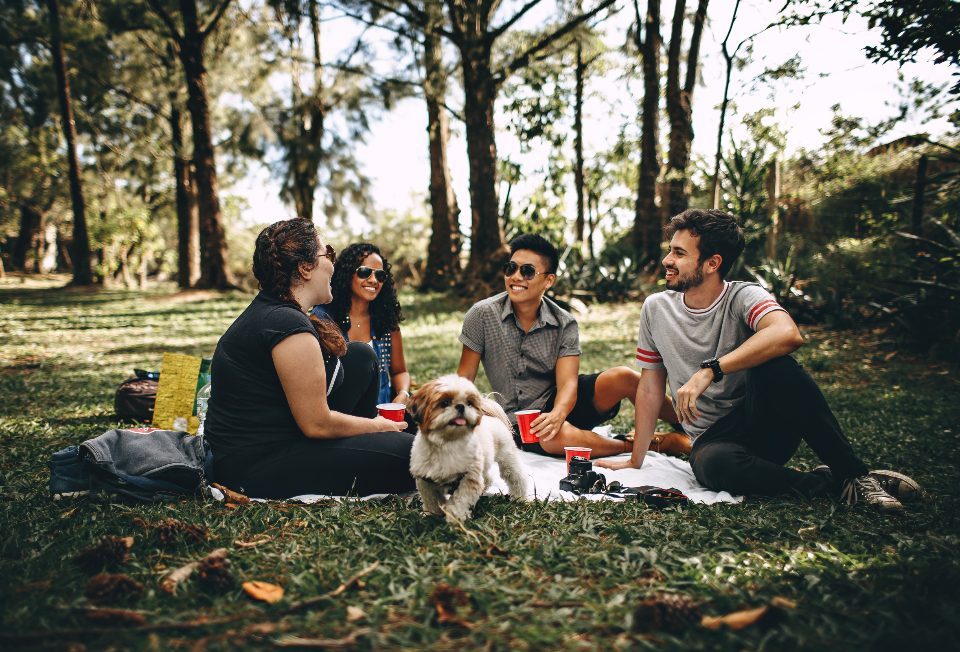
At least 53 percent of owners take their dogs on foot for daily errands weekly, a six percent increase from 2023. Your friendships have subtly shifted toward other dog owners. Suddenly you have more in common with the stranger at the dog park than some of your oldest friends. Conversations that would bore most people – discussing digestive issues, training techniques, or the best local veterinarians – become fascinating.
Forty-nine percent of dog owners say they are very or somewhat likely to take their pet to the office if permitted, reflecting how dogs influence our social and professional choices. You’ve probably turned down invitations because the event isn’t dog-friendly, or you’ve left parties early because your pup has been home alone too long. Some might call this obsessive, but you call it responsible.
Your vacation planning now involves extensive research into pet-friendly accommodations. Owners continue to include dogs in travel plans, with 74 percent traveling by plane in the last year. The people who truly understand become your core circle. There’s an unspoken bond among dog owners, a mutual recognition that our lives revolve around these creatures in the best possible way.
The Vocabulary You Never Expected to Use
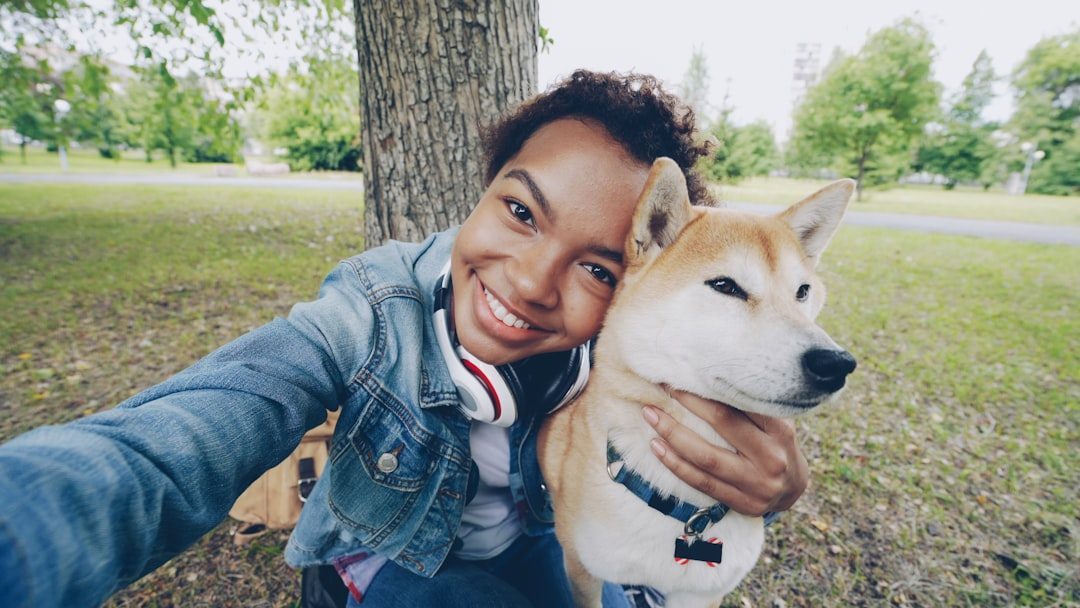
You’ve developed an entirely new lexicon that sounds absurd to outsiders. Words like “zoomies” and “sploot” have entered your regular vocabulary. You refer to yourself as your dog’s parent without irony. You’ve caught yourself using baby talk in public and you’re not even embarrassed anymore.
Owners often refer to themselves as dog parents, with younger dogs perceived more like children, evolving to resemble close friendship as dogs mature. Your text messages are filled with dog emojis and you’ve sent more photos of your pup than of actual human family members. Your camera roll is approximately ninety percent dog pictures, many of which look nearly identical but each one felt important to capture in the moment.
You’ve explained to multiple people the difference between “work” and “herding” breeds as if everyone should inherently understand why this matters. You know your dog’s breed mix down to the percentage and can spot similar breeds across a crowded park. This specialized knowledge becomes part of your identity in ways you never anticipated.
The Health Monitoring That Never Stops
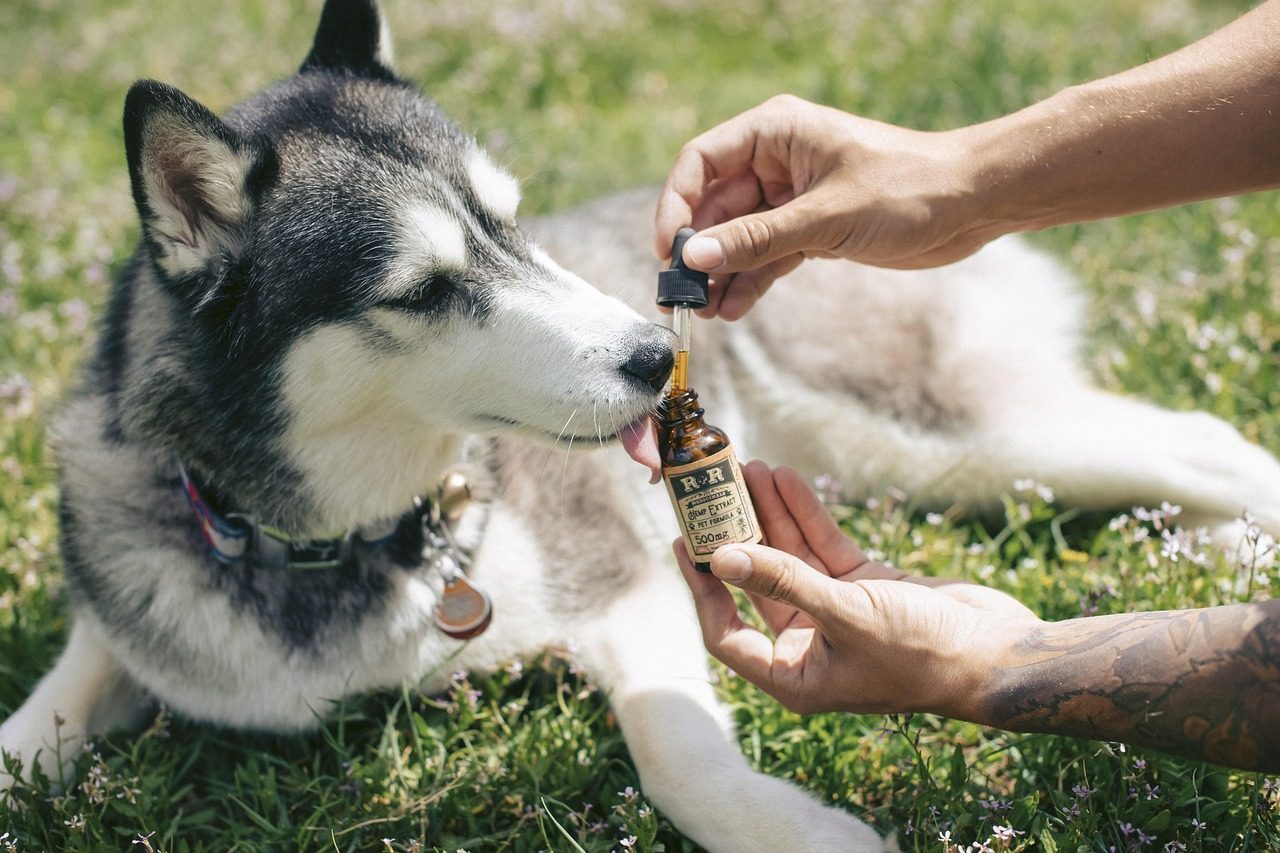
Joint health, mobility, and multivitamin supplements were the most popular types among dog owners, reflecting our constant attention to our dogs’ wellbeing. You’ve become hypervigilant about changes in behavior or routine. A slight decrease in appetite sends you down internet rabbit holes at midnight, convincing yourself of seventeen different terrible diagnoses.
An ill dog may sleep more and be grumpier, with red flag indicators including lip-smacking as precursor to nausea, suggesting veterinarian care if normally active dogs show isolation and lethargy. You know what your dog’s poop should look like (yes, really) and any deviation causes concern. You’ve memorized which human foods are toxic, checked your yard for dangerous plants, and probably own a pet first aid kit.
Regular vet checkups become as important as your own doctor visits, sometimes more so. You’ve spent more money on unexpected veterinary bills than you’d care to admit, yet you’d do it again without hesitation. This constant vigilance might seem excessive to non-dog owners, but catching health issues early can make all the difference. Your dog can’t tell you when something hurts, so you’ve learned to read the signs.
The Unconditional Nature of the Bond

When dogs stare into our eyes, they activate the same hormonal response that bonds us to human infants, showing this hormonal bonding effect between humans and another species. This connection transcends typical pet ownership. Your dog doesn’t care if you got promoted or fired, gained weight or lost it, had a productive day or wasted hours on the couch.
Pets have a positive impact on the mental health of their owners because of the emotional connection, leading them to experience mainly feelings of love, joy and peace. Their enthusiasm when you return home is identical whether you’ve been gone for five minutes or five hours. This consistency provides an emotional anchor that humans rarely offer each other.
Research demonstrates that dog owners often report higher satisfaction and emotional support from their dogs compared to most human relationships, with the notable exception of bonds with their own children. There’s profound comfort in being loved exactly as you are, without judgment or conditions. They don’t hold grudges when you forget to refill the water bowl or accidentally step on a paw. This pure acceptance teaches us something about love that’s hard to articulate but impossible to forget.
The Way They Change Your Perspective on Routine
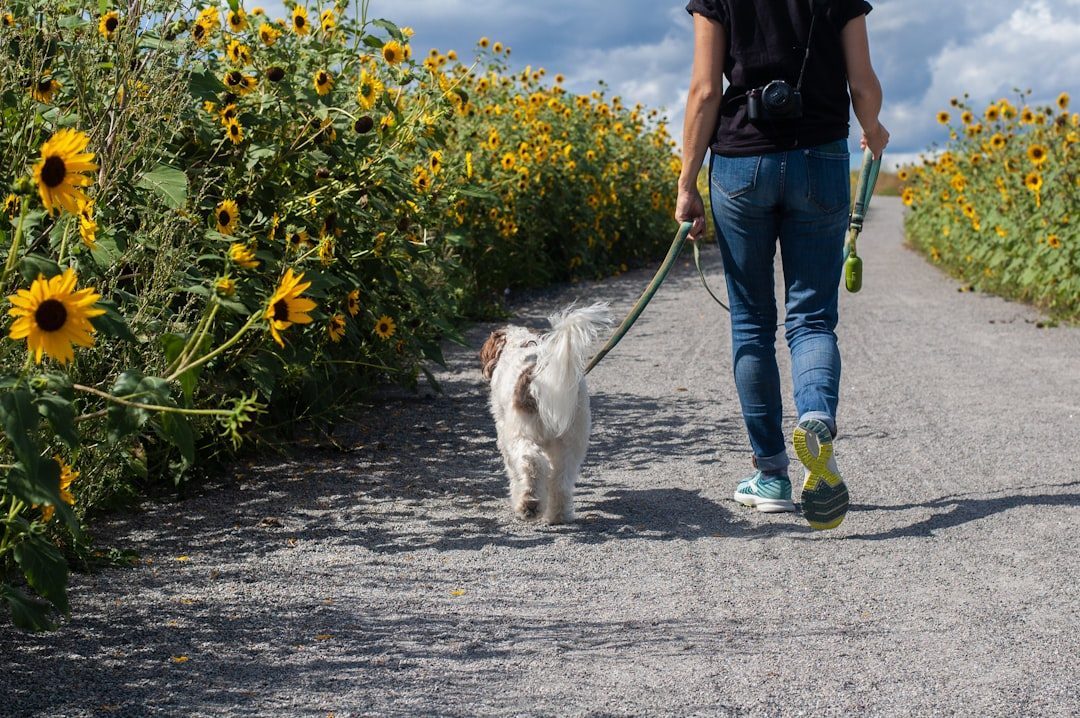
Dog companionship often helps people develop a daily routine and gives them something to look forward to each day, with studies showing owning a dog reduces stress and alleviates anxiety. Before having a dog, you might have viewed daily walks as a chore. Now these outings become sacred time, a forced break from screens and stress where you notice things you’d otherwise miss – the way light filters through trees, the first flowers of spring, the quiet neighborhood rhythms.
Your dog pulls you into the present moment with relentless consistency. They don’t care about yesterday’s mistakes or tomorrow’s worries. Mealtime is exciting every single day, never boring or mundane. This enthusiasm for simple pleasures becomes infectious if you let it.
You’ve learned that structure isn’t restrictive, it’s liberating. Having responsibilities that revolve around another living being creates purpose and meaning. Some days, getting out of bed to walk your dog is what gets you through. They need you, and surprisingly, you need them just as much, maybe more.
The Heartbreak of Knowing It Won’t Last Forever
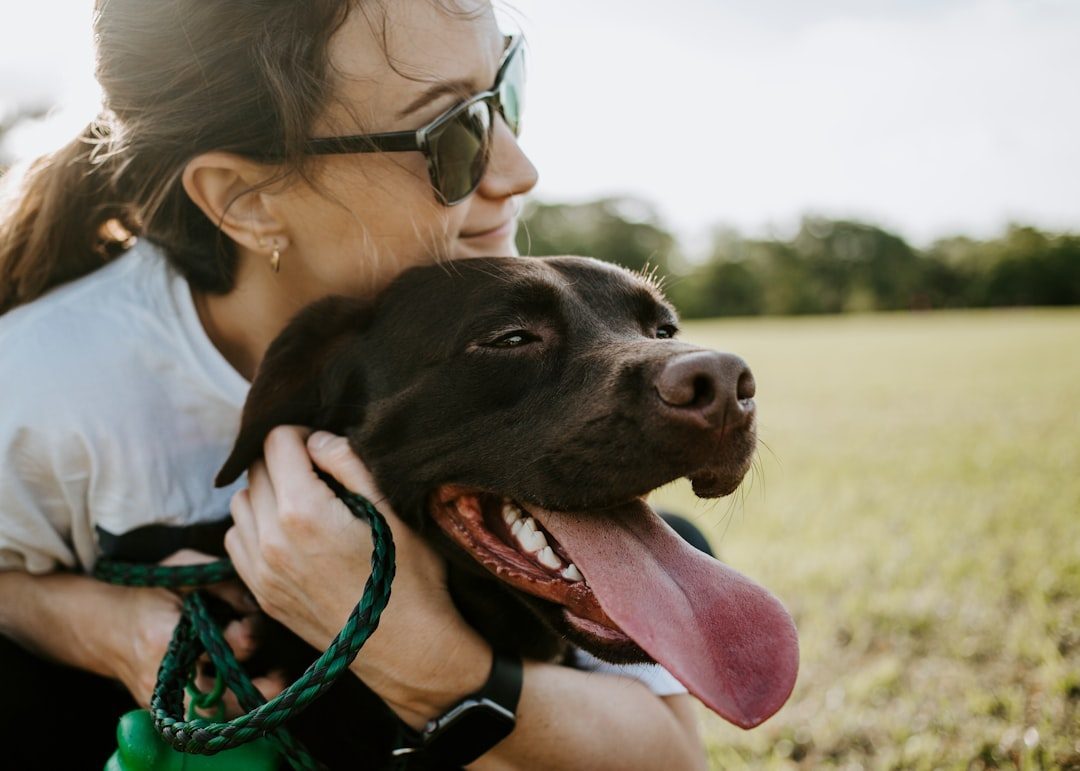
Here’s the thing nobody tells you when you first bring home that wiggly puppy or rescue that anxious adult dog: from day one, you’re walking toward an inevitable goodbye. Dogs age faster than we do, their years compressed into a timeline that feels cruel and unfair.
You find yourself noticing when they slow down a bit, when stairs become challenging, when their muzzle starts showing silver. Each stage brings its own bittersweet beauty. You accommodate their changing needs without resentment because they’ve given you everything they had to give. The relationship deepens even as physical abilities decline.
Genetics govern behavior, making some dogs predisposed to finding the world stressful, meaning their actions might reflect distress rather than bad behavior. This knowledge shapes how you appreciate each ordinary day together. That morning routine isn’t tedious, it’s precious. Those walks aren’t obligations, they’re opportunities. Every moment counts because you understand, with painful clarity, that your time together is finite. This awareness makes dog owners cherish the present in ways that transform how we experience life itself.
Conclusion
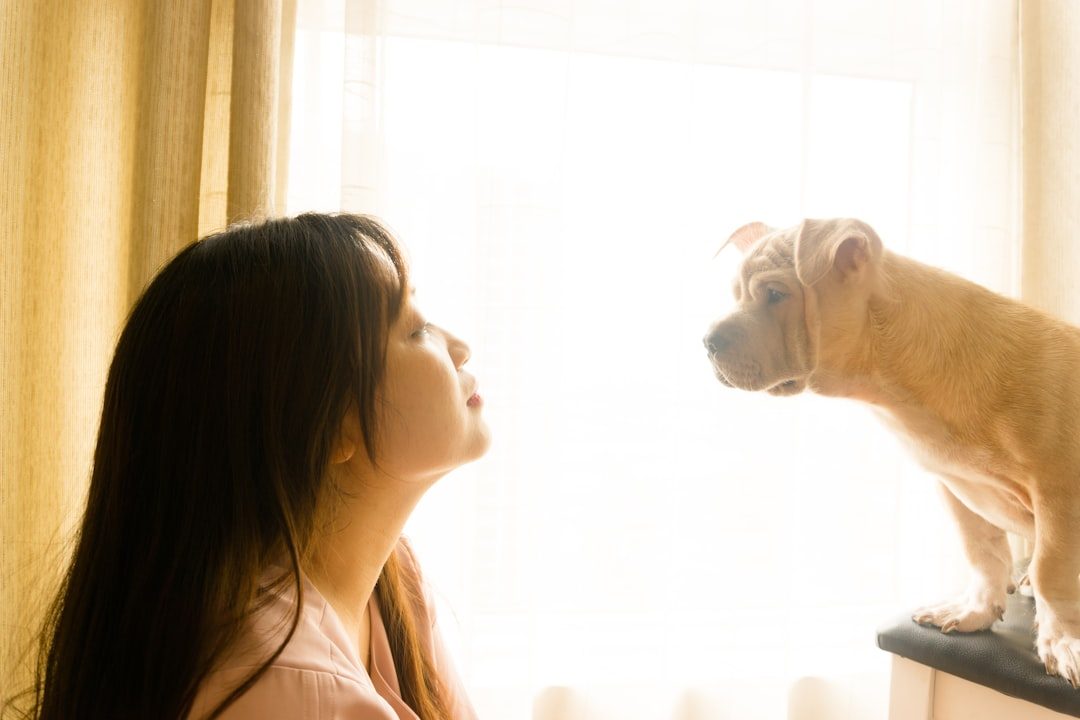
The experience of loving a dog reshapes us in fundamental ways. These aren’t just pets who happen to live in our homes – they’re family members who teach us about loyalty, patience, living in the moment, and loving without reservations.
The relationship between human and canine is a bidirectional attachment bond resembling the typical human caretaker-infant relationship, showing all the usual hallmarks of a typical bond. This connection creates a unique partnership that enriches our daily existence in ways both profound and mundane. From rearranging our schedules to restructuring our homes, we adapt our lives around these four-legged companions willingly, even joyfully.
The beauty is that every dog owner understands these experiences without lengthy explanations. We recognize each other through shared glances at the dog park, knowing smiles when someone leaves an event early to get home to their pup, and the immediate bond formed when swapping stories about our canine family members. What’s your favorite thing about living with your dog that only other owners would truly get? We’d love to hear your stories.
