
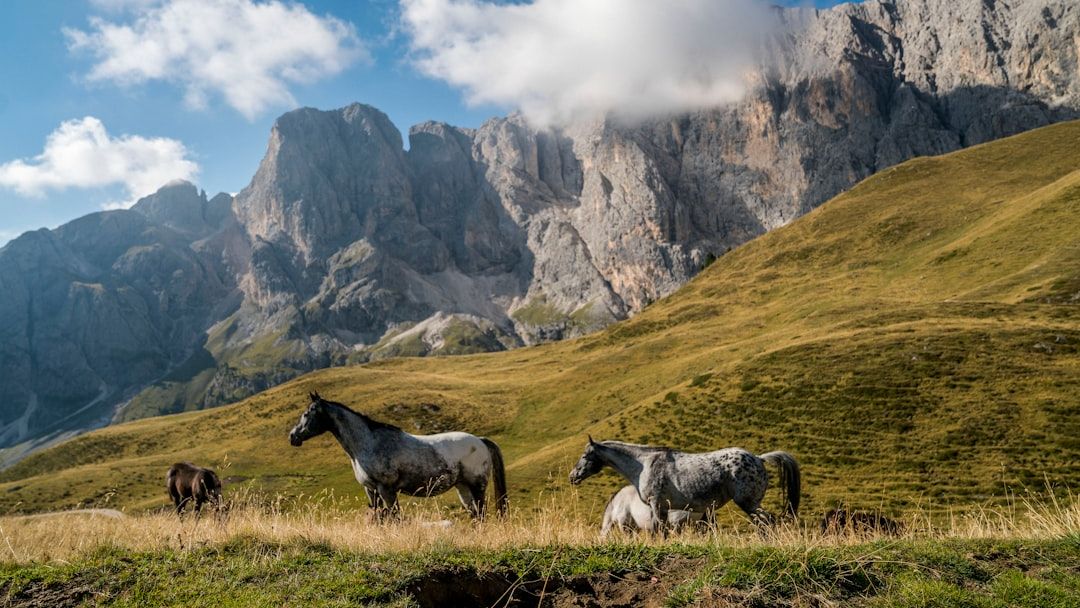
Imagine the thundering of hooves across wide open terrain, dust kicking up from the desert floor as herds of wild horses gallop freely through the American West. It’s a scene that feels like it belongs to another century, yet these magnificent creatures still roam vast stretches of public land today. Thousands of wild horses continue to call the western United States home, living much as their ancestors did generations ago.
Most people don’t realize just how many wild horses still exist in America, or where exactly they’re concentrated. The answer might surprise you. These resilient animals have carved out their existence in some of the most challenging environments imaginable, from scorching desert valleys to rugged mountain ranges. Let’s explore which states harbor the largest populations of these iconic symbols of American freedom.
Nevada: The Undisputed Wild Horse Capital
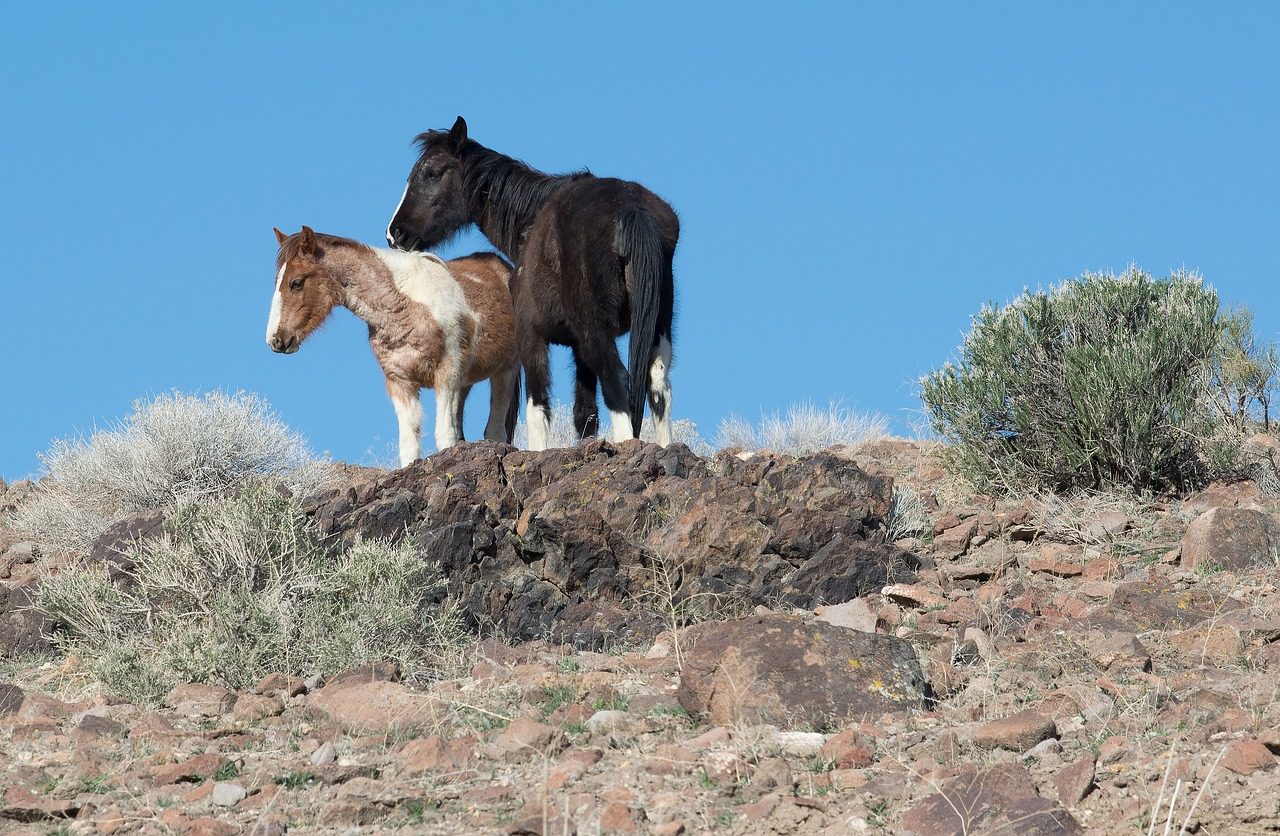
Nevada currently has more than half of the total population with over 47,000 animals on public lands, making it by far the leader in wild horse numbers. The state’s vast desert landscapes and open spaces provide ideal habitat for these animals to thrive. BLM Nevada manages 83 wild horse and burro herd management areas on approximately 15.6 million acres, a testament to just how much territory these horses cover.
When you think of Nevada, you might picture casinos and neon lights. The reality is that much of the state remains untamed wilderness where wild horses reign supreme. Much of the state of Nevada is wide open with a desert-like climate, which means that you can find wild animals everywhere throughout the states. These horses have adapted remarkably well to the arid conditions, traveling miles each day to find water and forage in an environment that would challenge most creatures.
California: Where Desert Meets Diversity
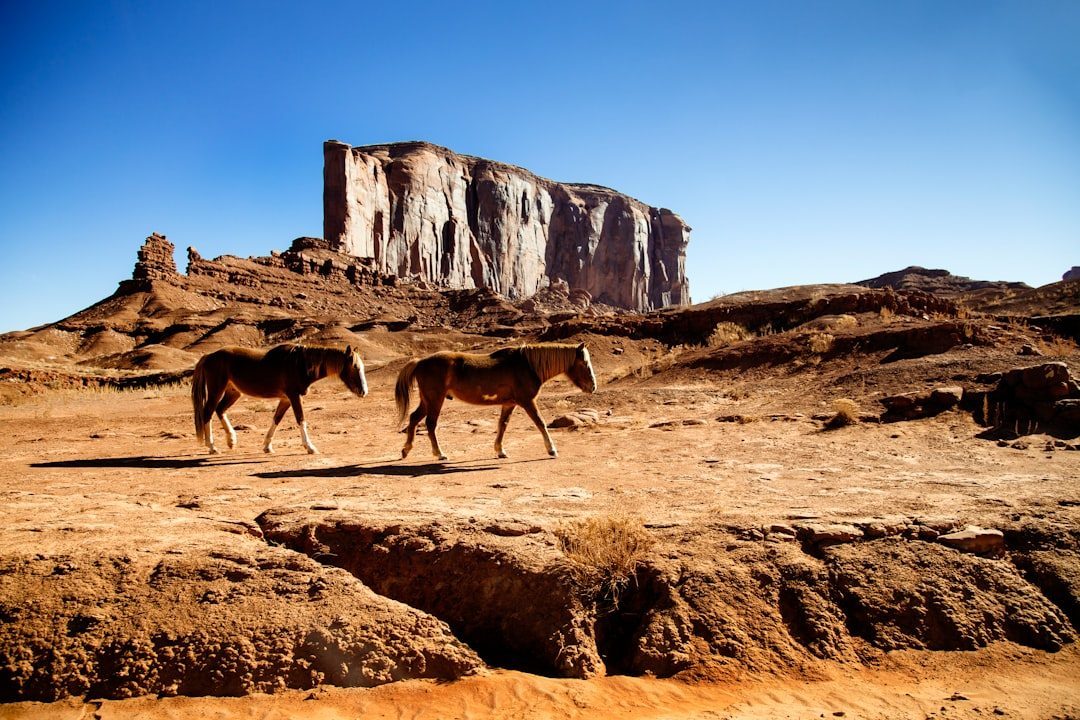
California ranks second in , though the numbers are considerably lower than Nevada’s massive herds. The state’s diverse terrain offers everything from coastal ranges to interior deserts, providing varied habitats for different horse populations. Wild burros also share the California landscape with horses, particularly in the southeastern desert regions.
The Golden State’s wild horses face unique challenges compared to their Nevada neighbors. Competition for resources is more intense, and human development encroaches more heavily on traditional horse territories. Despite these pressures, California’s herds persist in remote areas where they can still find the space and resources they need to survive. It’s honestly impressive how these animals continue to adapt to an ever-changing landscape.
Oregon: Home to Spanish Heritage
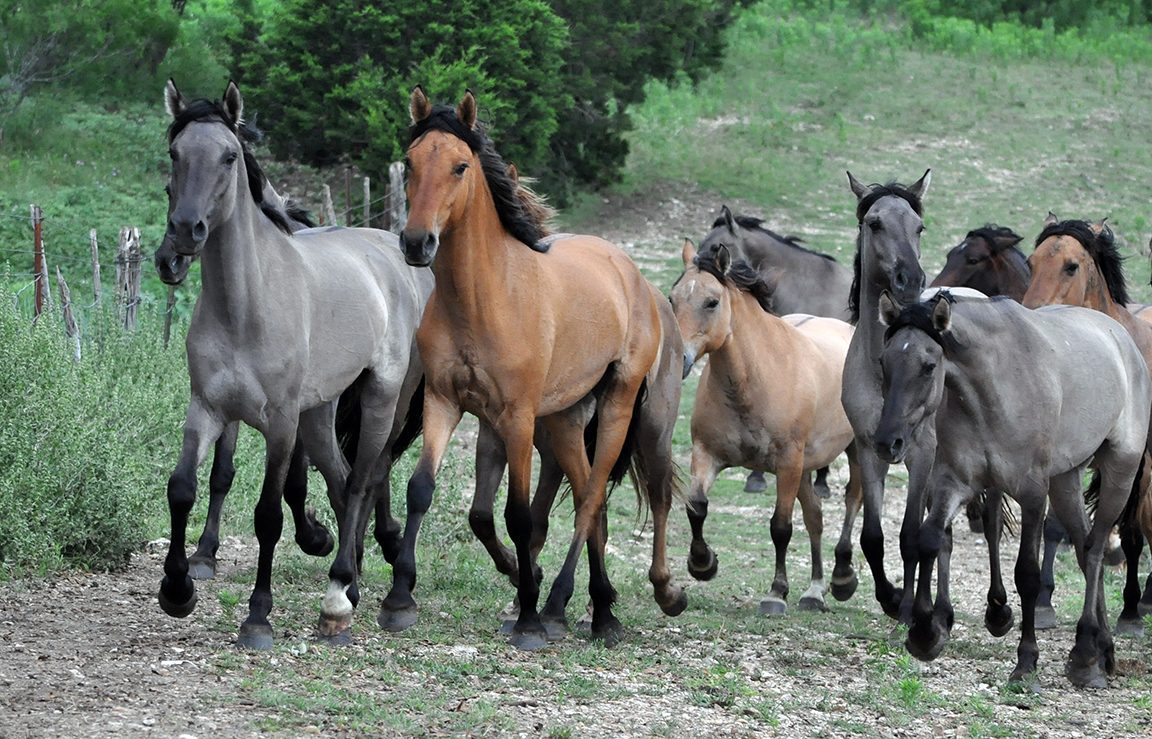
Oregon is known for its around 2,800 wild horses, many of which inhabit the Kiger Mustang HMA. What makes Oregon’s population special is the historical significance of these horses. These horses are revered for their historical lineage, believed to trace back to Spanish Mustangs brought to the Americas centuries ago, with the Kiger Mustang in particular highly prized for its unique dun coat and exceptional temperament.
The high desert plateaus of eastern Oregon provide spectacular scenery where these horses roam. Here’s the thing: Oregon’s wild horses aren’t just survivors, they’re living links to the Spanish colonial era. The state takes considerable pride in protecting these animals and their habitats, recognizing them as irreplaceable pieces of American heritage that deserve preservation for future generations.
Wyoming: Wild West Legacy Lives On
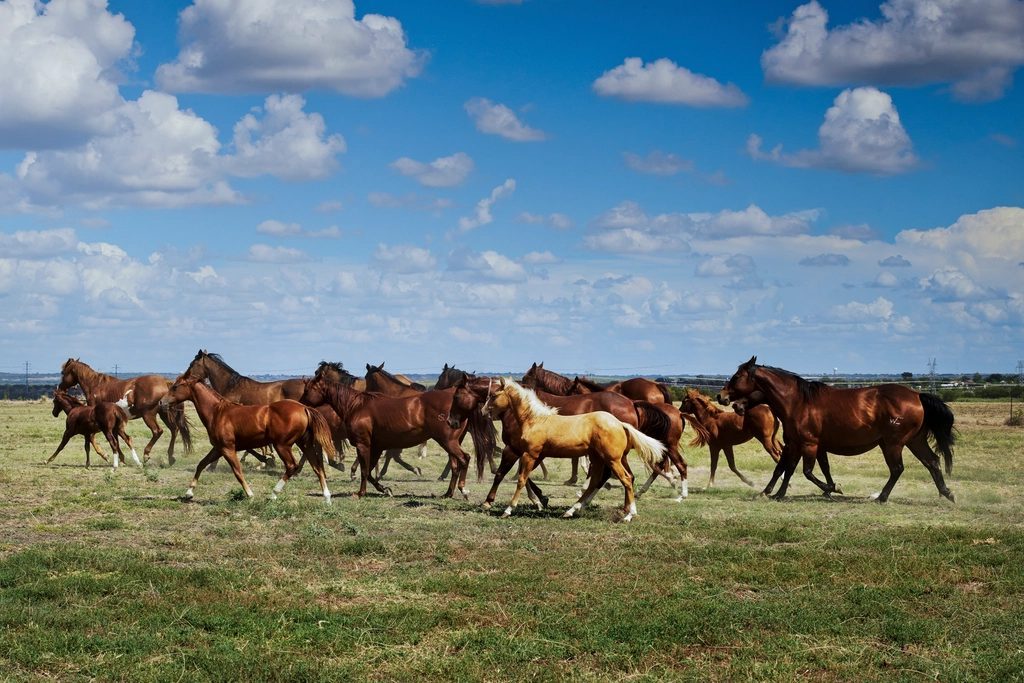
Wyoming supports around 3,800 wild horses, spread across HMAs like the Red Desert Complex and the Green River Basin, with landscapes featuring rolling plains, sagebrush steppes, and mountainous backdrops providing ample grazing opportunities. The state embodies the classic image of the American West, where wild horses gallop against backdrops of endless sky and dramatic terrain.
Wyoming’s winters are notoriously brutal, yet the horses here have proven their toughness season after season. Wyoming’s harsh winters test the resilience of these animals, shaping strong and adaptive herds. The McCullough Peaks area near Cody is particularly famous for its colorful mustang population, drawing visitors from around the world who want to witness these beautiful animals in their natural setting.
Utah: A Photographer’s Paradise
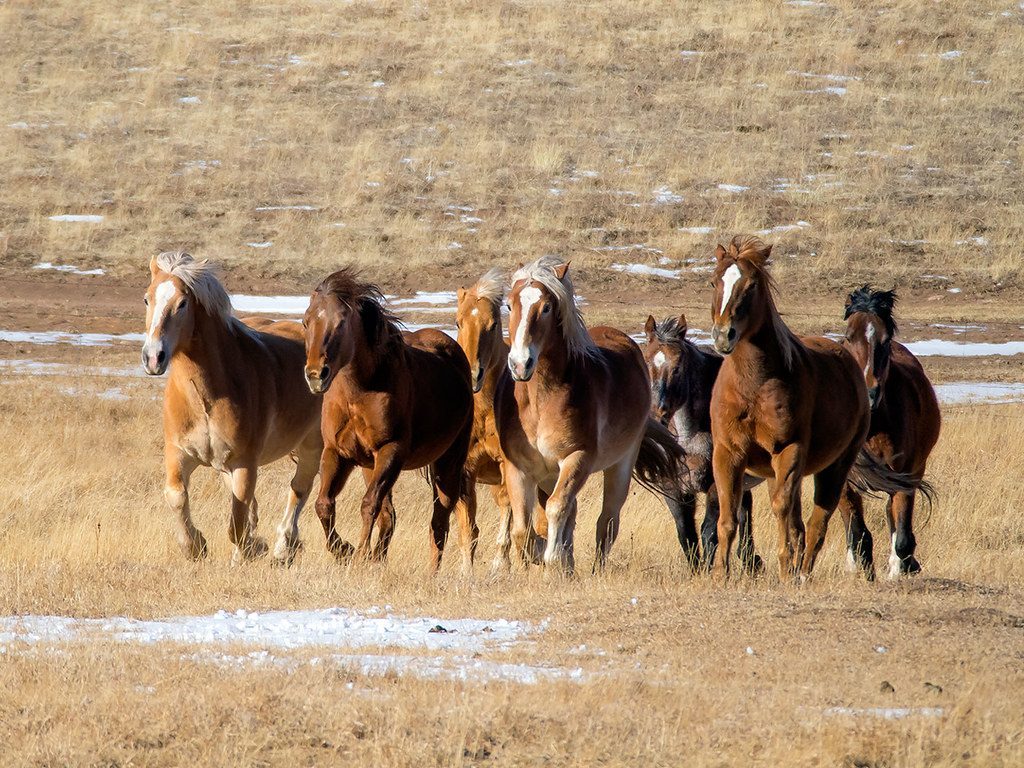
Utah’s wild Mustang population, numbering about 2,400, thrives in its unique and varied terrains, from deserts to alpine forests. The Onaqui herd has become something of a celebrity population, known far and wide for the stunning photographs captured there. The Onaqui herd, one of the most famous in the U.S., is celebrated for its beauty and accessibility, drawing photographers and tourists alike.
Utah’s red rock country provides one of the most visually striking settings for wild horses anywhere in America. The contrast of dark horses against crimson cliffs or palominos moving through sage-covered valleys creates images that capture the imagination. I know it sounds almost too picturesque to be real, but Utah’s landscape truly does provide an unmatched backdrop for these animals.
Montana: Preserving Spanish Colonial Bloodlines
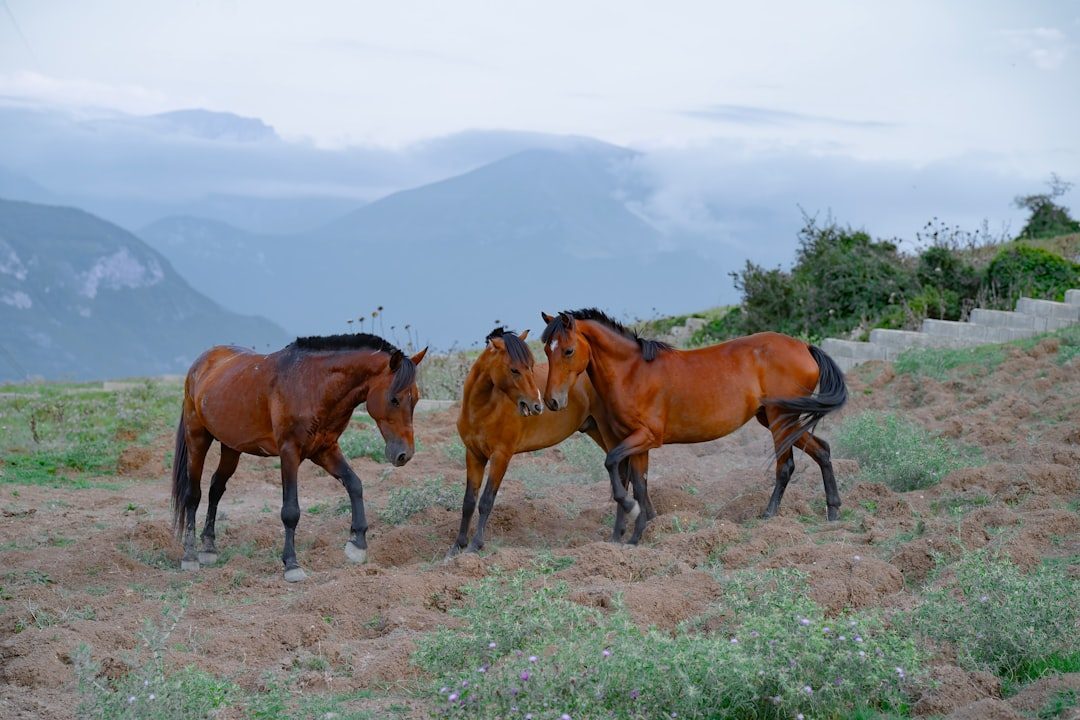
Montana’s may be smaller in number, but they’re rich in historical significance. The Pryor Mountain Wild Horse Range, which straddles the Montana-Wyoming border, is home to horses with distinctive Spanish colonial traits. These animals represent some of the most genetically pure descendants of the original Spanish horses brought to the Americas centuries ago.
The remote location of Montana’s herds has helped preserve their unique characteristics. Let’s be real: the rugged mountains and isolated valleys of this region have acted as natural barriers, limiting the mixing of bloodlines with other horse populations. This genetic isolation makes Montana’s horses particularly valuable for understanding the history and heritage of America’s .
Colorado: Mountain Mustangs
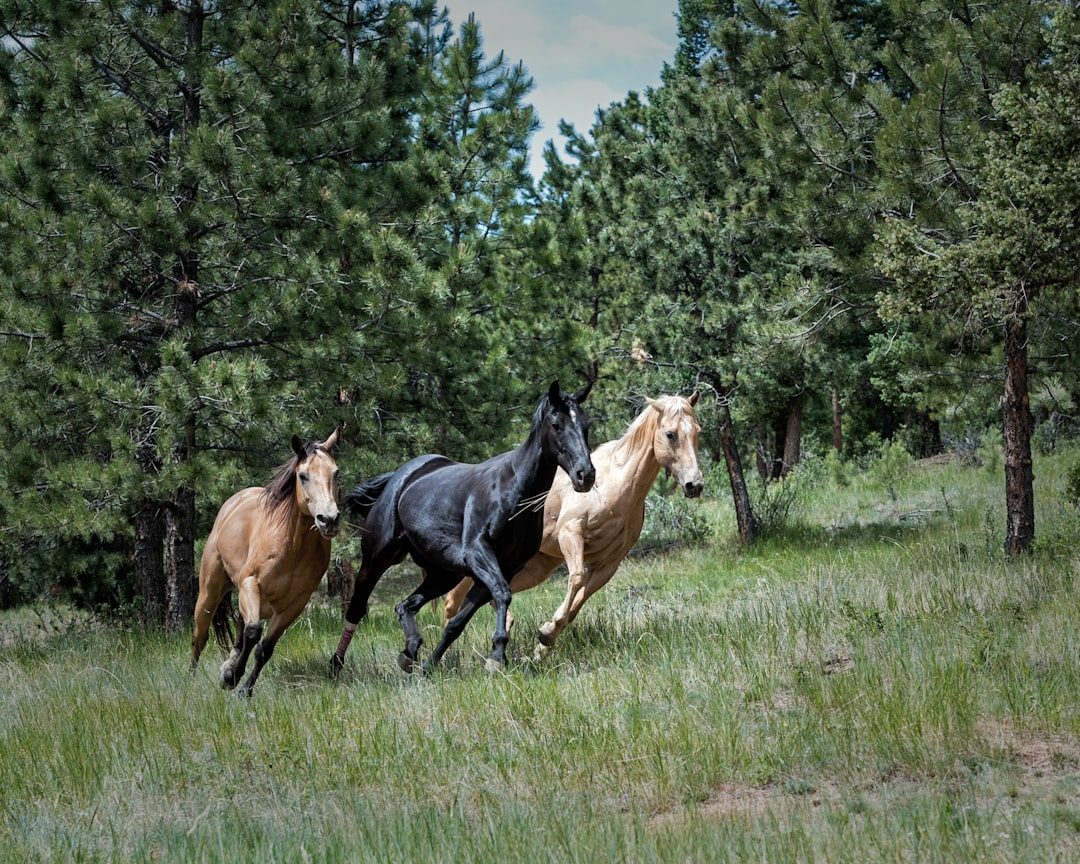
Colorado boasts a population of around 1,900 wild horses, predominantly in areas like the Piceance-East Douglas HMA, with the state’s mountainous terrain and fertile grazing lands providing an ideal home for these animals. Colorado’s herds navigate some of the most challenging terrain of any wild horse population, moving between high mountain meadows in summer and lower elevations in winter.
The Sand Wash Basin remains one of Colorado’s most accessible places to view wild horses. Local advocacy groups work tirelessly to protect these animals and their habitats, recognizing that Colorado’s western heritage is intrinsically tied to these free-roaming herds. The state’s approach balances the needs of multiple land users while ensuring wild horses remain part of the landscape.
Arizona: Desert Survivors and the Salt River Horses
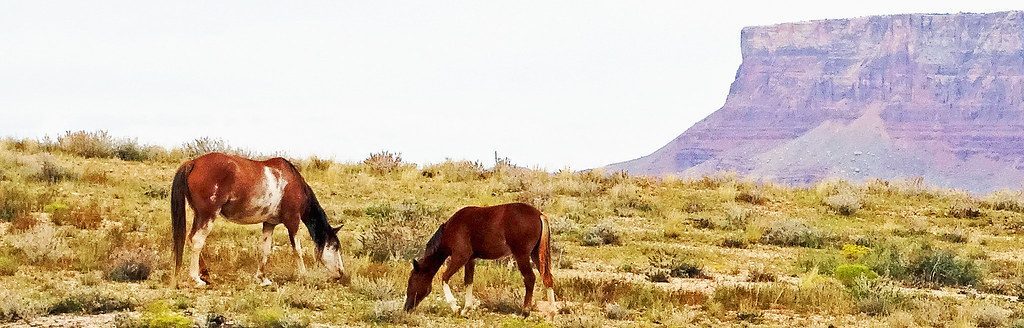
Arizona rounds out our list with wild horse and burro populations scattered across its desert landscapes. Arizona was home to the famous Salt River horses, which were almost hunted, captured, or chased away to extinction, but advocates have banded together in an outcry to protect and preserve the wild horses, and they have been preserved in Tonto National Forest. Their story represents one of conservation success in the face of adversity.
The Arizona desert presents unique challenges with extreme heat and limited water sources. Yet wild horses have proven remarkably adaptable to these conditions. The vast open spaces throughout the state allow horses to roam widely in search of resources, and their presence adds to the rugged character of Arizona’s wilderness areas.
Conclusion: Freedom on Four Hooves
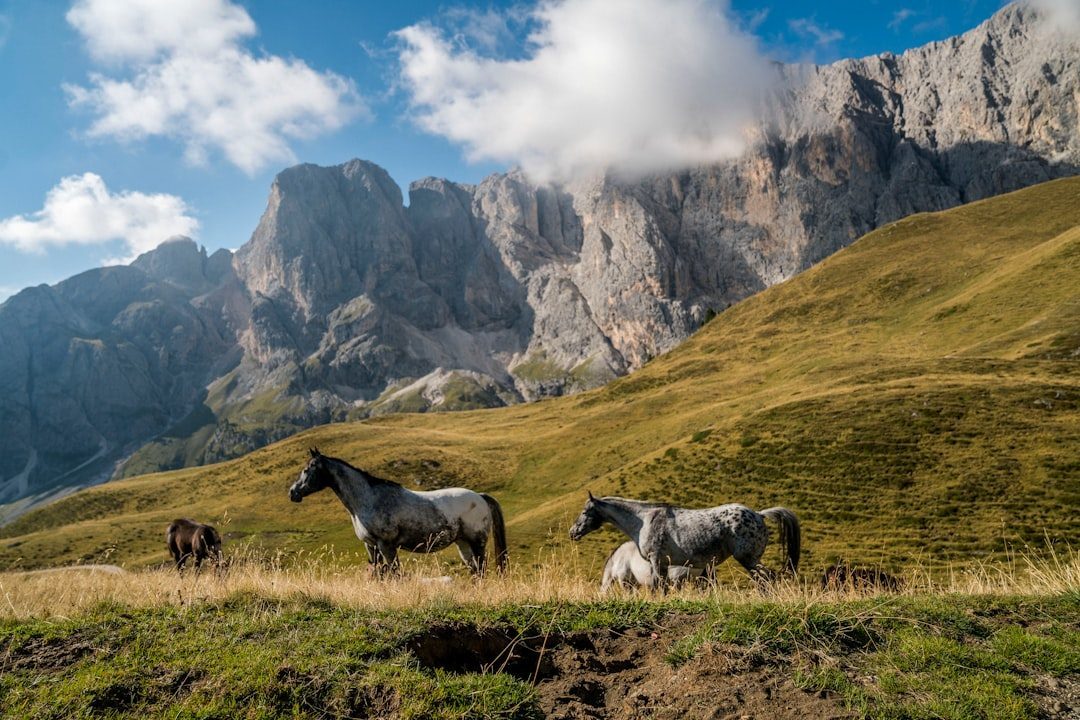
The story of America’s wild horses continues to unfold across these eight states, where tens of thousands of animals still roam freely. Nevada dominates the landscape with over half of all wild horses, while the remaining populations are scattered across the West in increasingly smaller but no less significant herds. These horses represent living history, descendants of animals brought here centuries ago that have carved out their existence in some of the harshest environments on the continent.
Their future remains uncertain, with ongoing debates about land management, population control, and conservation priorities. What’s clear is that these eight states hold the key to the survival of America’s wild horse herds. The majesty of watching these animals thunder across open rangeland remains an experience unlike any other, one that connects us to the untamed spirit of the American West. Have you ever witnessed wild horses in their natural habitat? What did you think about the experience?
