
Imagine a place where the ground scorches at temperatures above 120 degrees Fahrenheit, rain hasn’t fallen in months, and the nearest water source is dozens of miles away. For most creatures, that’s a death sentence. For a remarkable handful of animals, it’s just Tuesday.
Desert animal survival defines life across nearly one third of Earth’s land surface, covering about 33 percent of the global land area, with these regions receiving less than 10 inches of rain per year. Daytime temperatures often exceed 49 degrees Celsius, while night temperatures can plunge below freezing. Honestly, it sounds like living on another planet. Yet these 12 extraordinary creatures have cracked the code. Get ready to be genuinely amazed.
1. The Camel: The Original Desert Architect
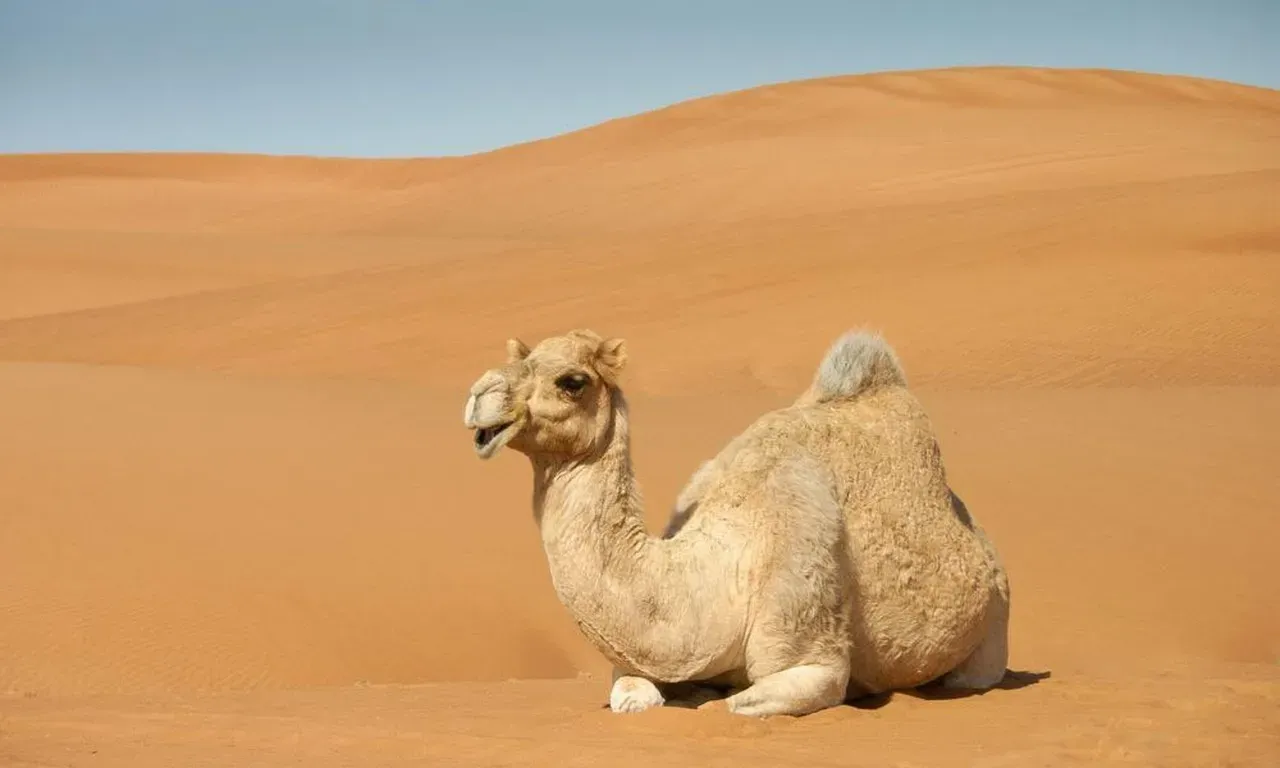
Let’s be real. When most people think of desert survival, the camel comes to mind first. There’s a very good reason for that. Often called the “ship of the desert,” the camel’s adaptations are both structural and behavioral: humps store fat, which can be converted into energy and water when resources are scarce.
Camels have long eyelashes that protect them from the sunlight’s harsh glare, a third eyelid that shields their eyes from blowing sand, and small hairs in their ears to filter and warm incoming air. Their thick coats help insulate them against extreme heat.
Camels can tolerate up to 25 percent body water loss, compared to just 12 percent in humans, and can drink roughly 40 gallons in one sitting when water is finally available. Think about that. You or I would be in serious trouble after losing just a fraction of that amount. The camel’s entire body is essentially a finely tuned desert survival machine.
2. The Fennec Fox: Big Ears, Bigger Tricks
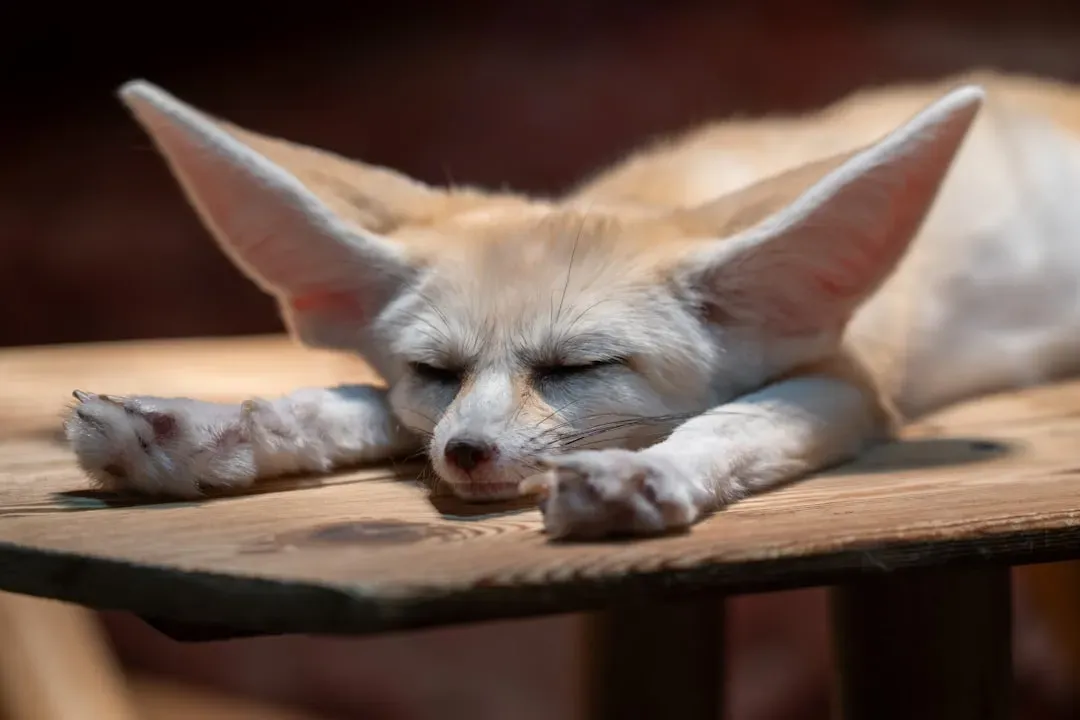
The fennec fox looks almost cartoonishly cute, with those enormous, bat-like ears. But here’s the thing: those ears are weapons against the desert heat. The fennec fox has thick hair that helps it regulate body temperature during both desert heat and cold nights, and its large ears, about 6 inches long, help keep its body cool in extreme temperatures.
The fennec’s nocturnal behavior helps it avoid most of the sun during the day, and it sleeps in dens dug with its shovel-like feet. It’s like having a built-in underground air conditioner.
They have also adapted to food scarcity by eating both animals and plants, from lizards to insects. Adaptable, resourceful, and honestly adorable. The fennec fox is proof that looking small doesn’t mean being fragile.
3. The Kangaroo Rat: Living Without a Single Sip of Water
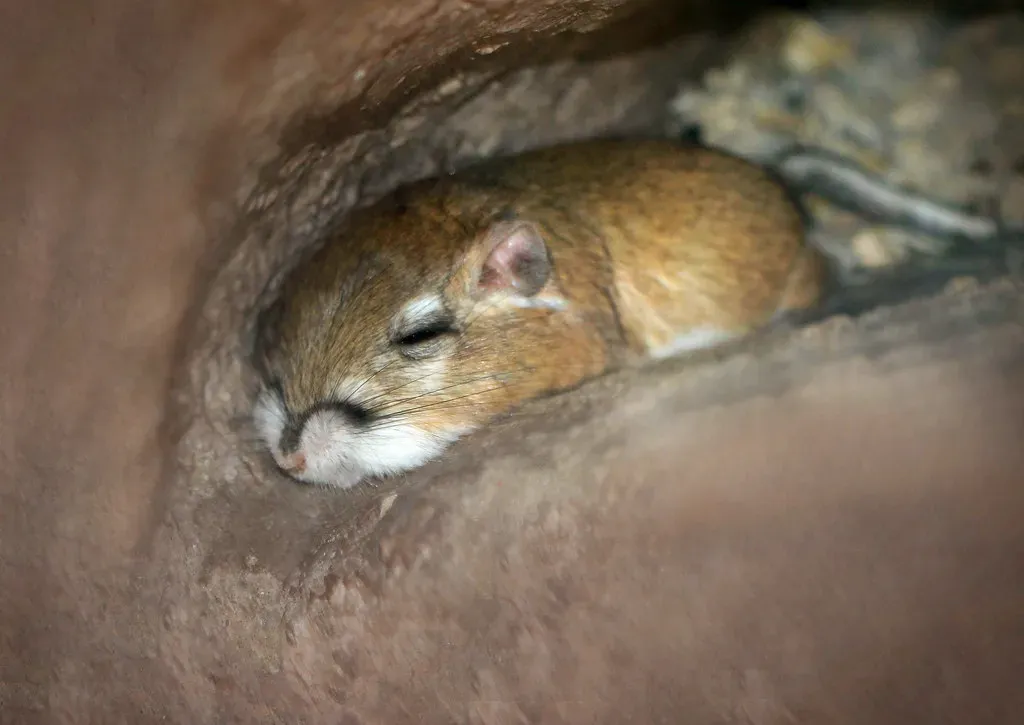
This one genuinely blows my mind. The kangaroo rat can survive its entire life without ever drinking liquid water. It extracts moisture from dry seeds and produces highly concentrated urine. Its whole existence is built around water efficiency that makes a camel look wasteful by comparison.
Kangaroo rats live in underground dens which they seal off to block midday heat and recycle moisture from their own breathing, and they have specialized kidneys with extra microscopic tubules to extract most of the water from their urine and return it to the bloodstream.
Not only does the kangaroo rat live in a burrow and remain nocturnal, but it recaptures its own body moisture by storing food within its burrow, where dry seeds absorb moisture from its breath, which condenses more readily in the cooler underground temperatures. Every breath. Recycled. That’s elite-level survival engineering.
4. The Desert Tortoise: Master of the Underground
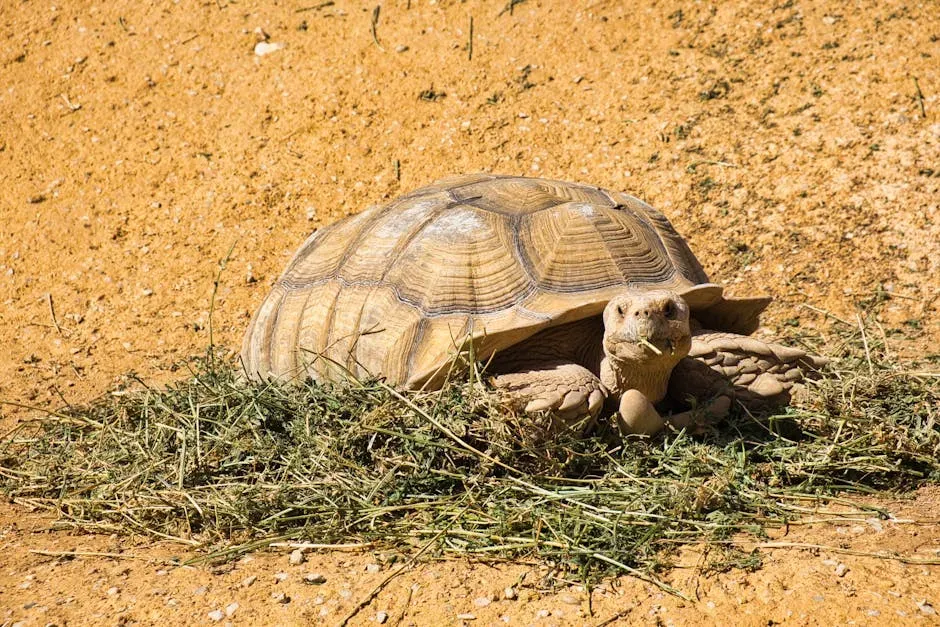
You might think a slow, lumbering tortoise would struggle in the desert. You’d be wrong. The desert tortoise has evolved to conserve water masterfully, spending up to 95 percent of its life underground to avoid extreme surface temperatures, with its bladder functioning as a reservoir to store water collected during scarce rains.
Desert tortoises spend up to 95 percent of their lives in underground burrows, where conditions remain 20 to 30 degrees Fahrenheit cooler than surface air. That’s a serious temperature advantage.
Desert tortoises sometimes salivate on their neck and front legs to keep cool, a behavior that sounds strange but works as effective evaporative cooling. It’s the tortoise version of sweating. Slow and steady doesn’t just win the race, it survives the desert entirely.
5. The Scorpion: Ancient, Armored, and Nearly Indestructible
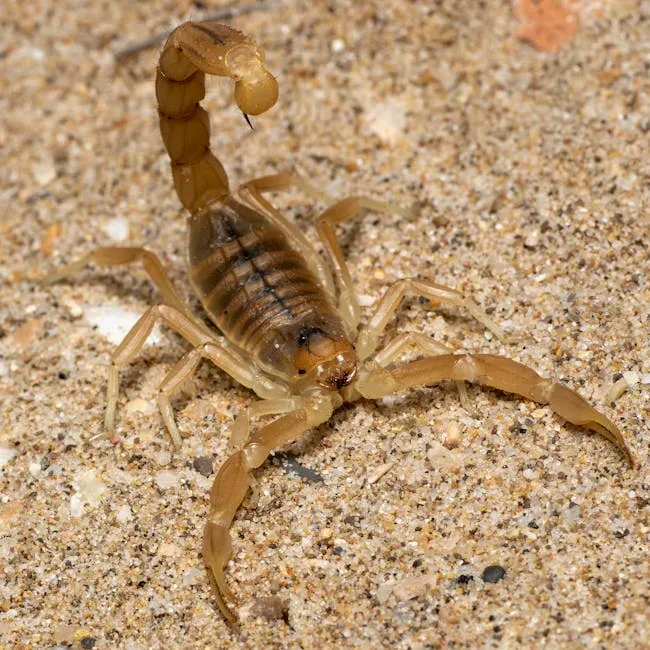
Scorpions are small arachnids with pincers and a stinger that can inject venom, and they come out at night to hunt for insects and other tiny creatures. They’ve been doing this for hundreds of millions of years, long before any desert on Earth existed in its current form.
Scorpions have a thick outer layer that reduces water loss and allows them to survive in the hot, dry desert environment. That tough exterior is essentially a full-body waterproofing suit. Scorpions also have a remarkable trick: they glow under ultraviolet light, which allows scientists to find them in the dark.
The Arizona bark scorpion, native to the southwestern United States, has venom strong enough to immobilize its prey, so it can conserve energy after delivering that initial sting instead of tiring itself with a long battle. Efficiency is survival in the desert, and scorpions have it down to a fine art.
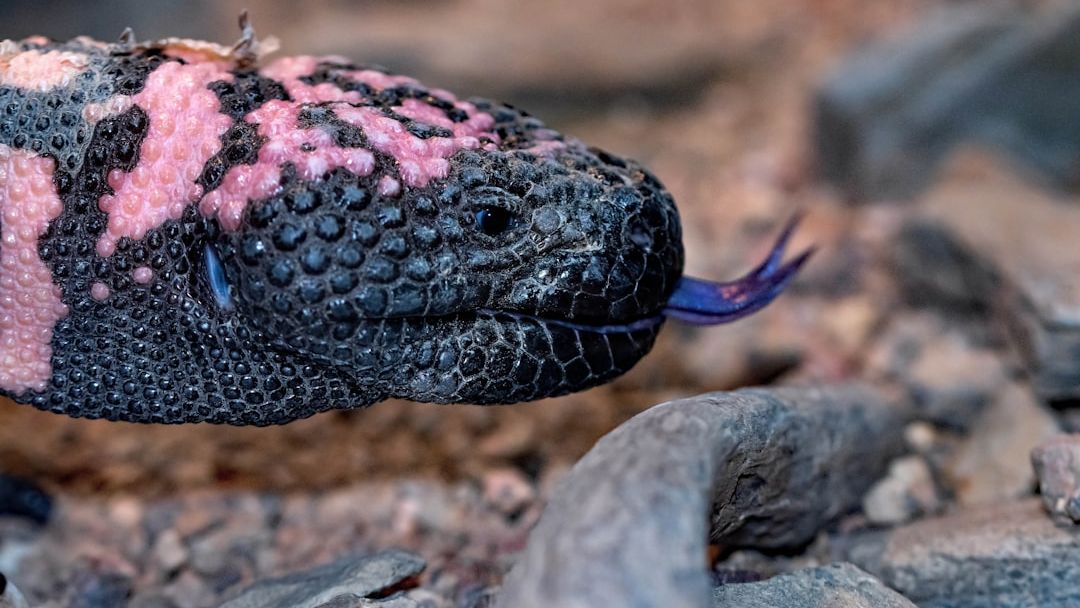
6. The Gila Monster: Venom, Patience, and Stored Water
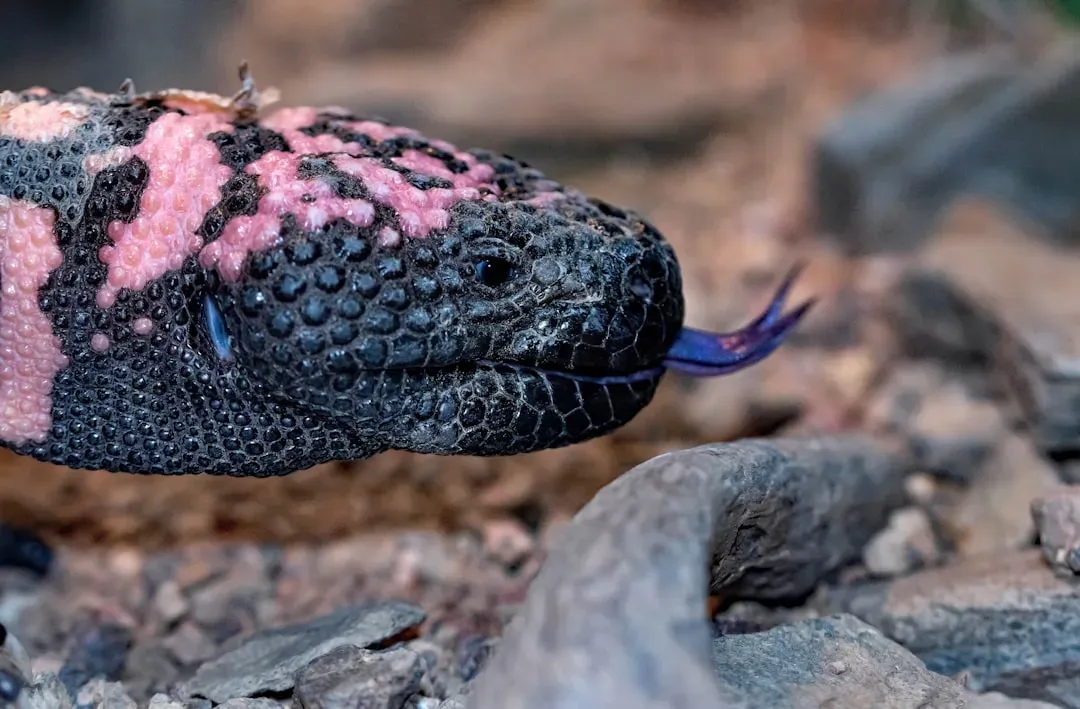
The Gila monster looks like it belongs in a science fiction film. This iconic desert dweller has specialized scales that allow it to blend into its rocky desert environment, and its black and orange coloration helps provide camouflage while its tough skin protects it from attacks by larger predators.
It is a nocturnal creature, spending the hottest parts of the day in burrows or under rocks, and it has a slow metabolism which helps it conserve energy and survive long periods without food. Gila monsters store water in their bladders, which they can then draw from during hot summers.
Gila monsters actually prefer temperatures of around 84 degrees Fahrenheit. So while we’d be reaching for shade and an ice-cold drink at that heat, the Gila monster is essentially in its comfort zone. Different planet, different rules.
7. The Addax Antelope: Built for the Sahara’s Brutal Interior
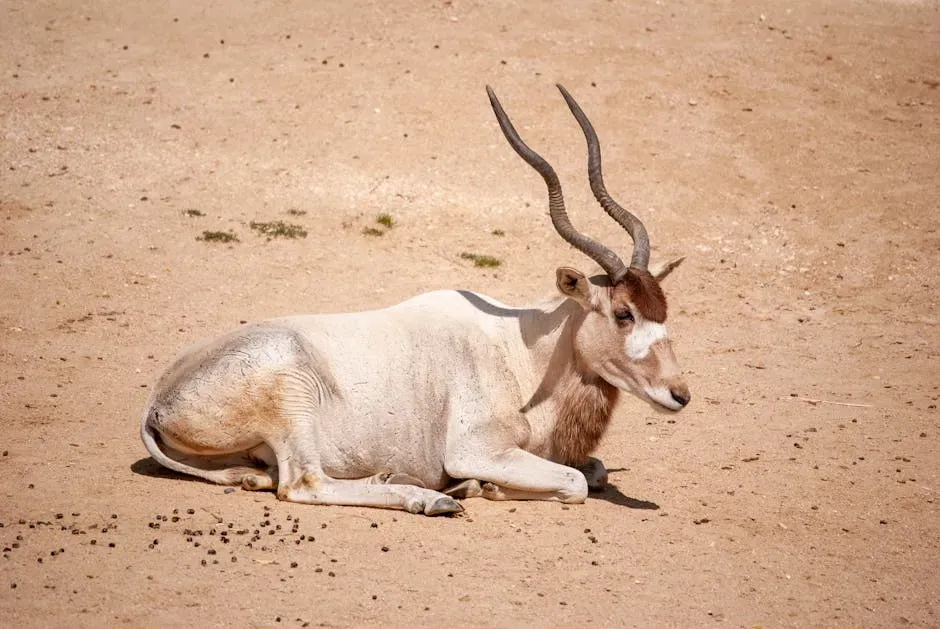
The addax is one of the most desert-adapted large mammals on the planet, and it doesn’t get nearly enough credit. Addax antelopes have a white coat which reflects heat to keep them cool. That reflective coat acts like a natural mirror, bouncing the sun’s energy away from the body.
Addax antelopes have long, twisted horns and are well-adapted to desert life, able to go for long periods without drinking water by getting moisture from the plants they eat. They graze on grasses and other desert plants that provide both nutrients and hydration.
Their wide, flat hooves help them walk easily on sandy terrain, making them swift and agile in their desert habitat. I think the addax is a genuinely underrated creature. It’s large, elegant, and perfectly engineered for one of the harshest environments on Earth. Sadly, it’s also critically endangered today.
8. The Jerboa: The Tiny Kangaroo of the Sahara
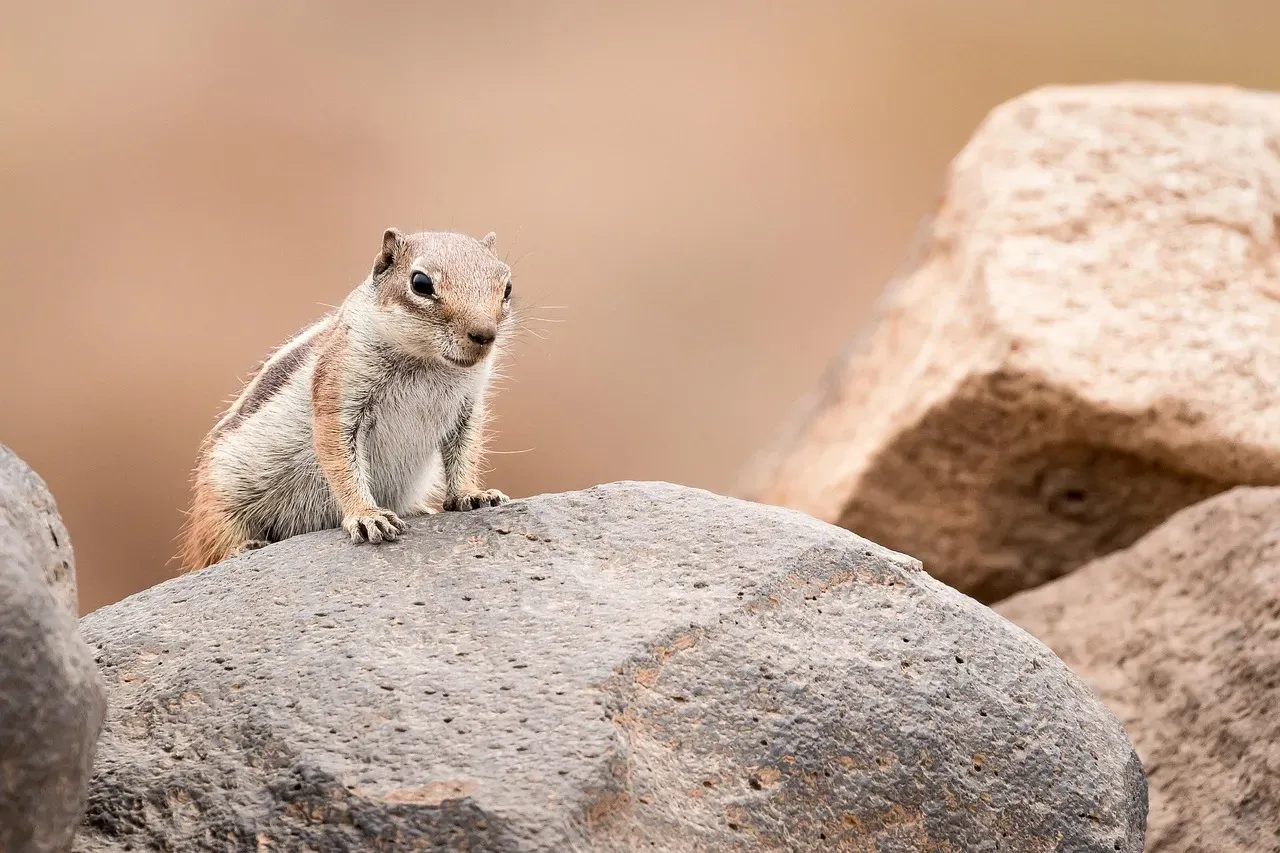
The lesser Egyptian jerboa is often compared to a tiny kangaroo due to its long hind legs and tendency to hop around using its tail for balance. Found across the northern regions of the Sahara, these tiny critters are well-adapted to life in the harsh desert.
It is nocturnal, sleeping in underground burrows to avoid the harsh daytime heat, and it does not need to drink water, instead getting its moisture from the seeds and plants it consumes.
Despite only being about 5 to 15 centimeters in length, the jerboa can travel up to 10 kilometers per day in search of food. That’s extraordinary relative to its size. Think of it like a human walking the equivalent of several marathons daily just to find a snack. Tiny creature, massive determination.
9. The Horned Lizard: Desert Survivor With a Shocking Defense
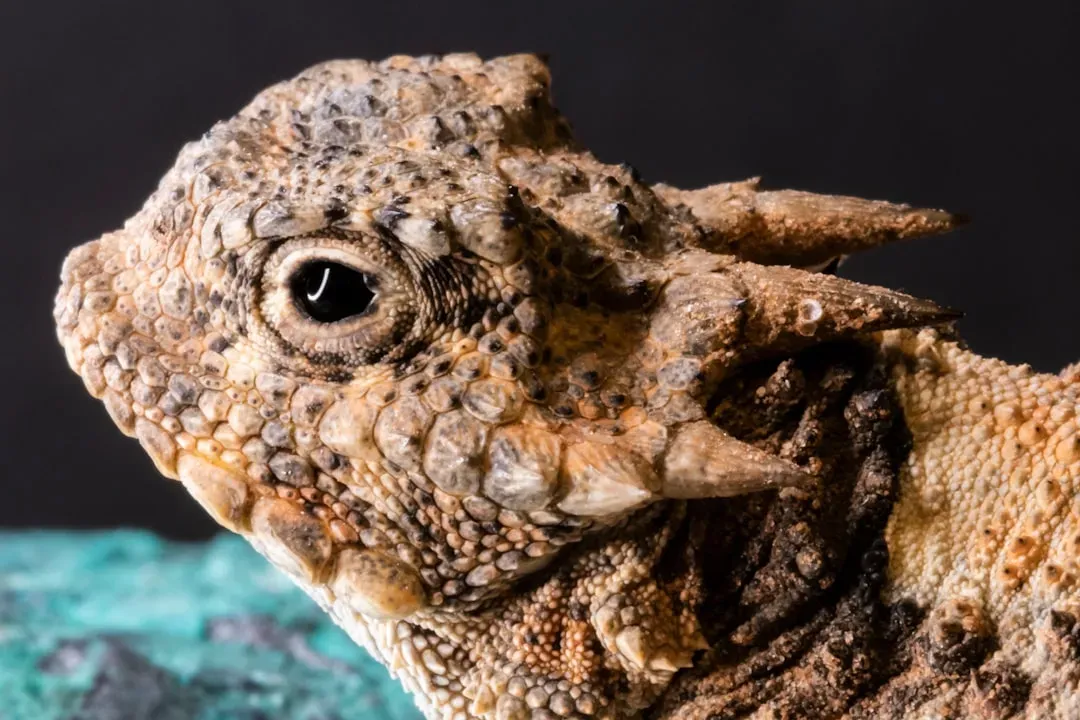
The horned lizard is a classic desert resident, able to survive even under some of the most extreme conditions. They have developed an intricate system for capturing dewdrops on their body which they use as drinking water. Capturing moisture from thin air. That’s next-level resourcefulness.
They also have powerful defensive mechanisms like their sharp horns and the ability to squirt blood from their eyes as a deterrent against predators. Yes, you read that correctly. Blood from their eyes. It’s one of the most bizarre and effective defense strategies in the entire animal kingdom.
Certain desert lizards are active during the hottest seasons but move extremely rapidly over hot surfaces, stopping in cooler islands of shade. Even their legs may be longer so they absorb less surface heat while running. Every single body part, optimized. That’s the desert way.
10. The Red Kangaroo: Australia’s Heat-Beating Icon
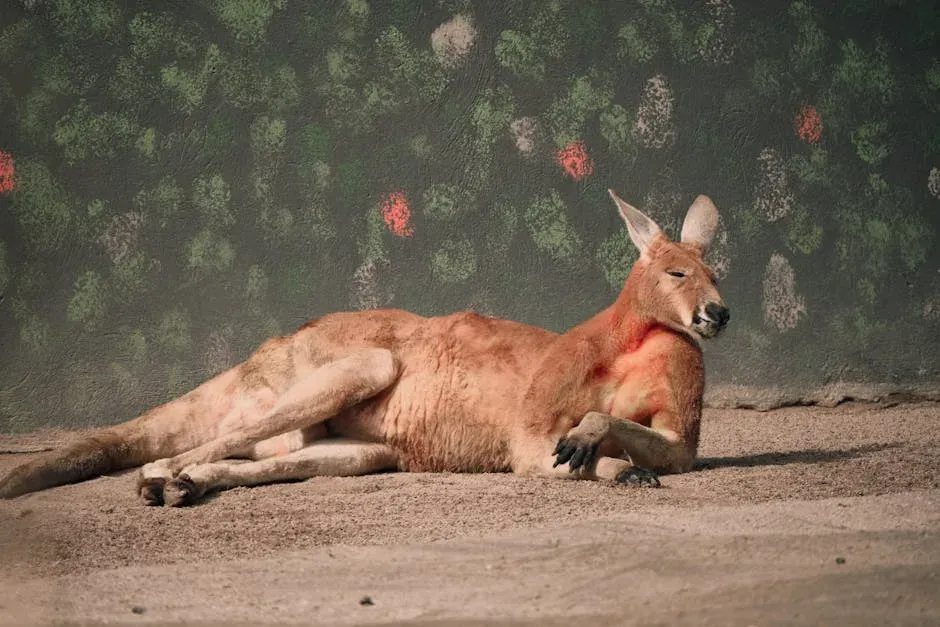
Australia’s deserts are no joke, with temperatures frequently soaring above 40 degrees Celsius, with surfaces heating up like hotplates and water becoming incredibly scarce. The red kangaroo has become one of the continent’s most effective desert survivors.
When a kangaroo licks a specific patch of skin on its forearms, the moisture evaporates and cools the blood flowing just beneath the surface. Once that cooled blood circulates through the body, it brings the animal’s core temperature down. It’s essentially a biological refrigeration system built right into their arms.
Kangaroos also shift their activity patterns during extreme heat, resting in the shade through the hottest hours of the day, browsing at dawn and dusk, and even digging shallow depressions to access slightly cooler soil or traces of sub-surface moisture. Behavioral flexibility combined with clever physiology. The red kangaroo makes it look almost easy.
11. The Spadefoot Toad: Sleeping Through the Drought
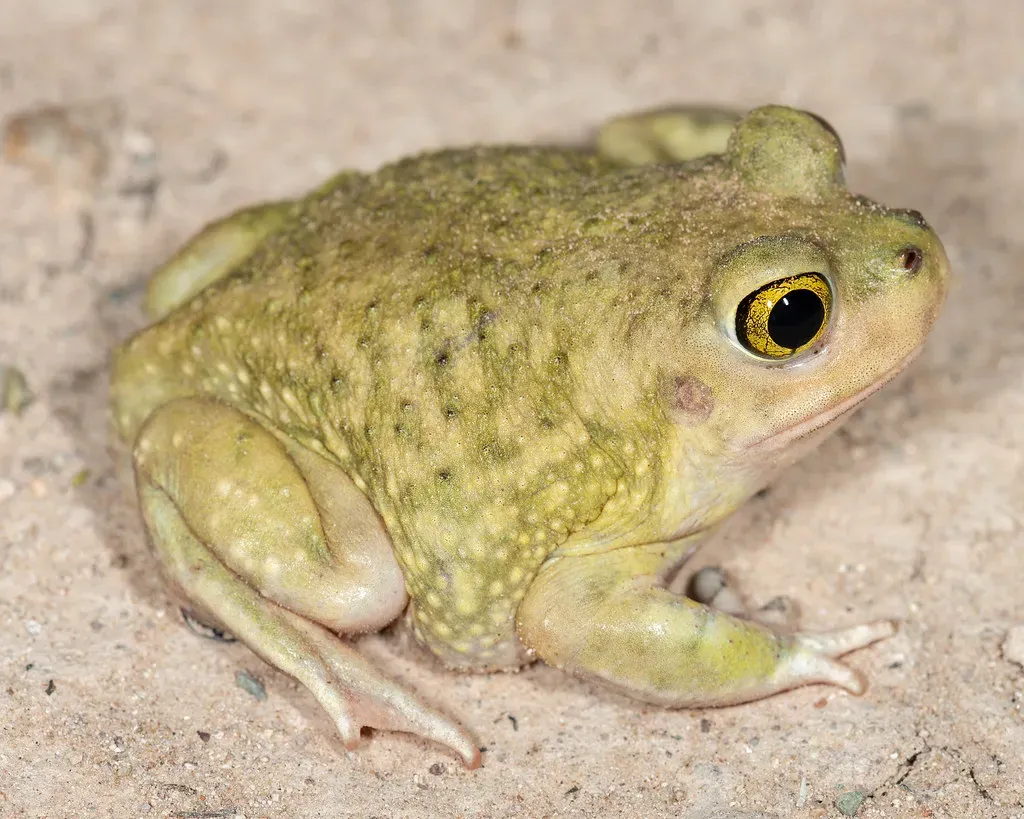
Here’s a creature that takes desert survival to a whole other level. Some desert animals enter estivation during extreme drought, a state that slows metabolism and conserves energy. Spadefoot toads can remain underground for months, waiting for rainfall. Months. Underground. Waiting.
Spadefoot toads have a unique adaptation where they can absorb water through their skin, allowing them to survive in arid environments. The New Mexico spadefoot toad genome was found to contain unique genetic adaptations, including rapid growth and development attributes, prolonged dormancy, phenotypic plasticity, and adaptive interspecies hybridization.
Animals in estivation will seek shelter from the heat and wind, lower their metabolic rate, and conserve their energy until conditions become less hostile. It’s like pressing pause on your entire body. The spadefoot toad doesn’t fight the desert. It simply waits for the desert to blink first.
12. The Dorcas Gazelle: Grace Under Extreme Pressure
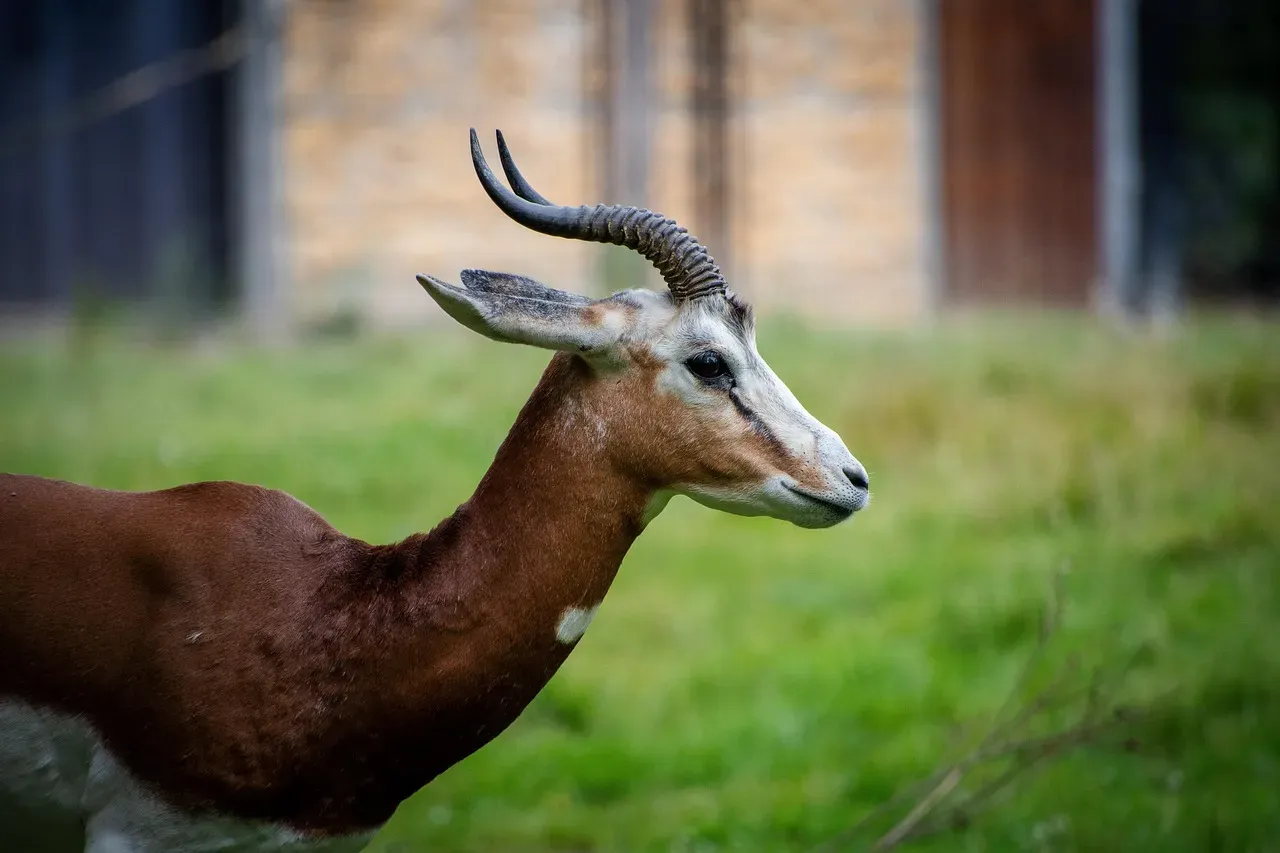
The Dorcas gazelle is found in the Sahara’s grasslands, steppes, wadis, and mountainous regions. It has a slender body, a tan-colored coat with white underparts, and long, curved horns found on both males and females. It moves through the desert with remarkable elegance, like a living contradiction against such a brutal landscape.
The Dorcas gazelle feeds off the leaves, flowers, and pods of acacia trees, hardy plants that can grow with just one inch of rainfall per year. These gazelles can withstand high temperatures and harsh sunlight and can extract most of the water they need from the plants they eat.
Like many desert dwellers, gazelles are crepuscular, meaning they are most active at dawn and dusk, sleeping away the hottest hours of the day. It’s a simple strategy, but in the desert, simplicity often means the difference between life and death. The Dorcas gazelle has mastered the art of living gracefully under pressure.
The Desert’s Most Enduring Lesson
What unites every single animal on this list is something deeper than physical adaptation. Desert animal adaptations are not random traits. They are tested solutions shaped by millions of years of evolution. Each strategy, whether it’s recycling breath moisture, sleeping underground for months, or sporting enormous heat-radiating ears, was earned through generations of survival pressure.
Although it may seem like desert animals try to avoid heat altogether, many actually need hot temperatures to thrive. If placed in what seems to us like a more pleasant environment, like a temperate forest, most would fare poorly. The desert isn’t their prison. It’s their home.
It’s hard not to feel a deep sense of admiration for creatures that have turned one of Earth’s most punishing environments into a place they genuinely belong. Desert animals are living examples of how nature adapts to extremes, having evolved remarkable ways to survive in some of the toughest environments on Earth. The next time a hot summer day feels unbearable, just think of the spadefoot toad sleeping quietly beneath the sand, or the kangaroo rat that has never once taken a drink of water in its entire life.
Which of these 12 desert survivors surprised you the most? Drop your thoughts in the comments below.
