


The natural world is full of wonders, and among them are species that defy common expectations. Unlike humans and most other organisms, some animals continue to grow throughout their lives. These perpetual growers employ fascinating biological strategies, often becoming truly gigantic. In this article, we’ll introduce you to twelve mesmerizing species that never stop growing, uncovering the secrets behind their constant development.
12. Green Anaconda
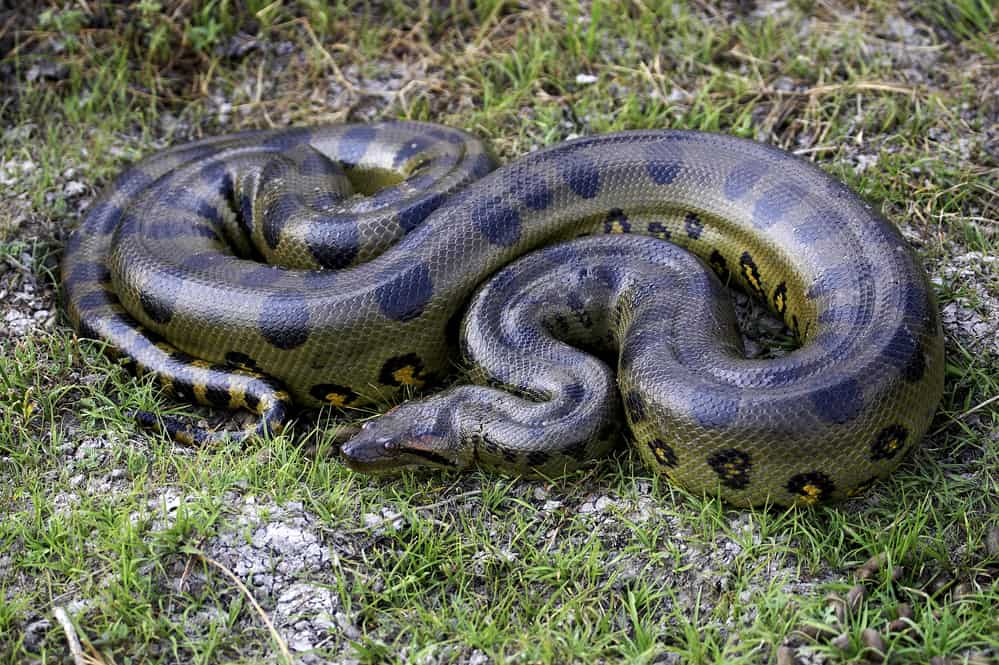
The Green Anaconda holds the title as one of the largest snakes in the world, with reports of individuals exceeding 30 feet in length. Native to the swamps and rivers of South America, these muscle-bound serpents can weigh up to 550 pounds. The growth of Anacondas is a slow but relentless process; they continue to develop new muscle mass and grow longer throughout their lives, allowing them to take on larger prey as they age.
11. Lobster

Lobsters are another fascinating species that never stop growing, thanks to their ability to molt. As they shed their exoskeletons, they can increase in size, with some living for over 100 years. Lobsters also have remarkable regenerative abilities, regrowing lost claws and legs. This continuous growth helps some lobsters reach weights exceeding 40 pounds.
10. African Elephant

The African Elephant is the largest land animal, with males standing up to 13 feet tall and weighing up to 14,000 pounds. These gentle giants grow rapidly during the first 15 years but continue to gain weight and bulk throughout their lives. Elephants sustain their massive size with a herbivorous diet, consuming hundreds of pounds of vegetation daily.
9. Ocean Sunfish

The Ocean Sunfish, or Mola mola, is known for its peculiar shape and enormous size. Weighing up to 5,000 pounds and stretching 10 feet across, the Sunfish begins life as a tiny, spiny larvae, growing rapidly to reach its full size. This fish possesses a fascinating skeletal structure that facilitates its ongoing growth, allowing it to dominate the warm waters of the world’s oceans.
8. King Cobra

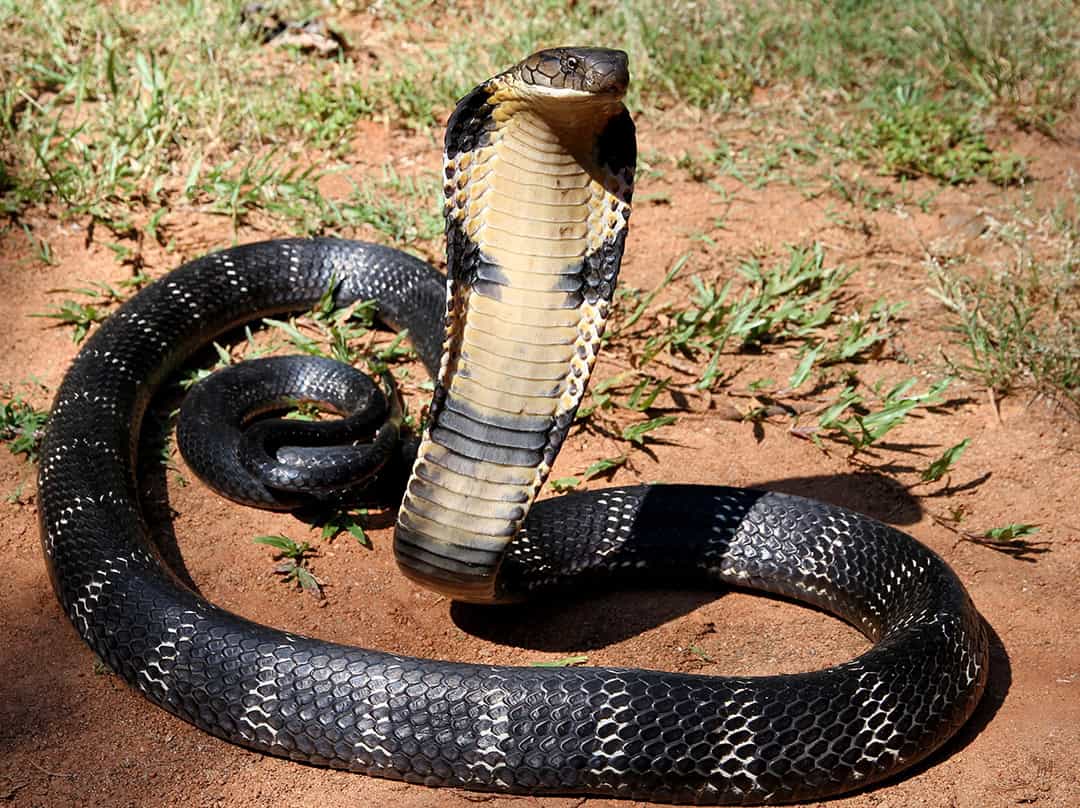
Recognized as the world’s longest venomous snake, the King Cobra can grow up to 18 feet in length. Native to Southeast Asia, these serpents continue to grow with age, fueled by a diet comprising small mammals and other snakes. Their continuous growth is aided by the ability to shed their skin multiple times a year, making space for expansion.
7. Aldabra Giant Tortoise
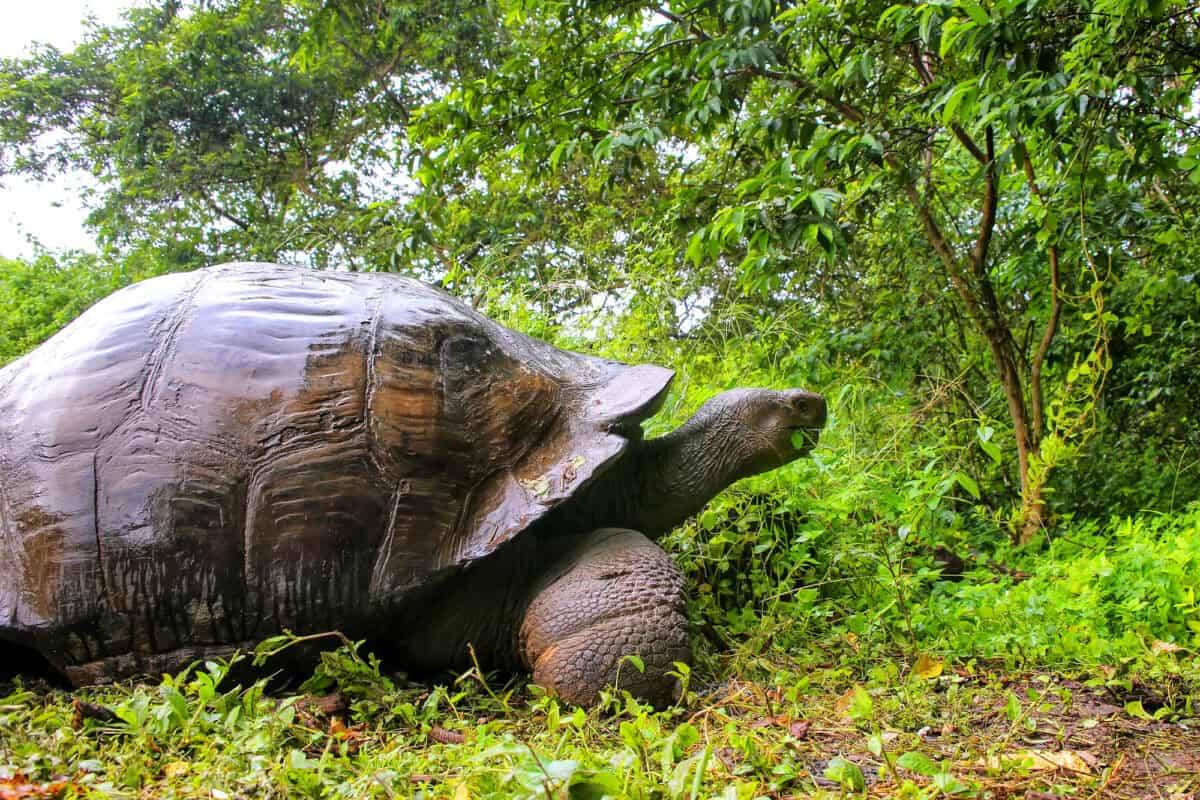
The Aldabra Giant Tortoise, native to the islands of the Aldabra Atoll, is a testament to slow, steady growth. These tortoises can live well over 100 years, with some reaching 500 pounds. Their unique growth patterns and long lifespans are attributed to their slow metabolism and herbivorous diet, which consists primarily of grasses and leaves.
6. Greenland Shark

The Greenland Shark is one of the longest-living vertebrates, with lifespans reported to be as long as 500 years. This deep-sea dweller continues to grow at a glacial pace, adding only a few centimeters per year. Despite its slow growth, the Greenland Shark can reach lengths of up to 21 feet, navigating the cold, murky waters of the North Atlantic.
5. Red Sea Urchin

The Red Sea Urchin, a spiny marine organism, can live for over 200 years, growing larger over time. These echinoderms feed mainly on algae and play a significant ecological role in their marine habitats. Their continuous growth is linked to their regenerative powers, which also contribute to their exceptional longevity.
4. European Eel

The European Eel is a remarkable species with a mysterious lifecycle that includes a continuous growth phase. These eels migrate thousands of miles from their birthplace in the Sargasso Sea, developing from tiny larvae into mature eels, known as “yellow eels,” which can grow up to 4 feet long. Their growth can continue over decades until they return to the sea to spawn.
3. Blue Whale

The Blue Whale, the largest animal known to have ever existed, illustrates nature’s capacity for continuous growth. Calves are born weighing around 3 tons and grow rapidly, consuming their mother’s calorie-rich milk. As adults, Blue Whales can reach 100 feet in length and 200 tons in weight, maintaining their growth by feeding primarily on krill.
2. Alligator Snapping Turtle
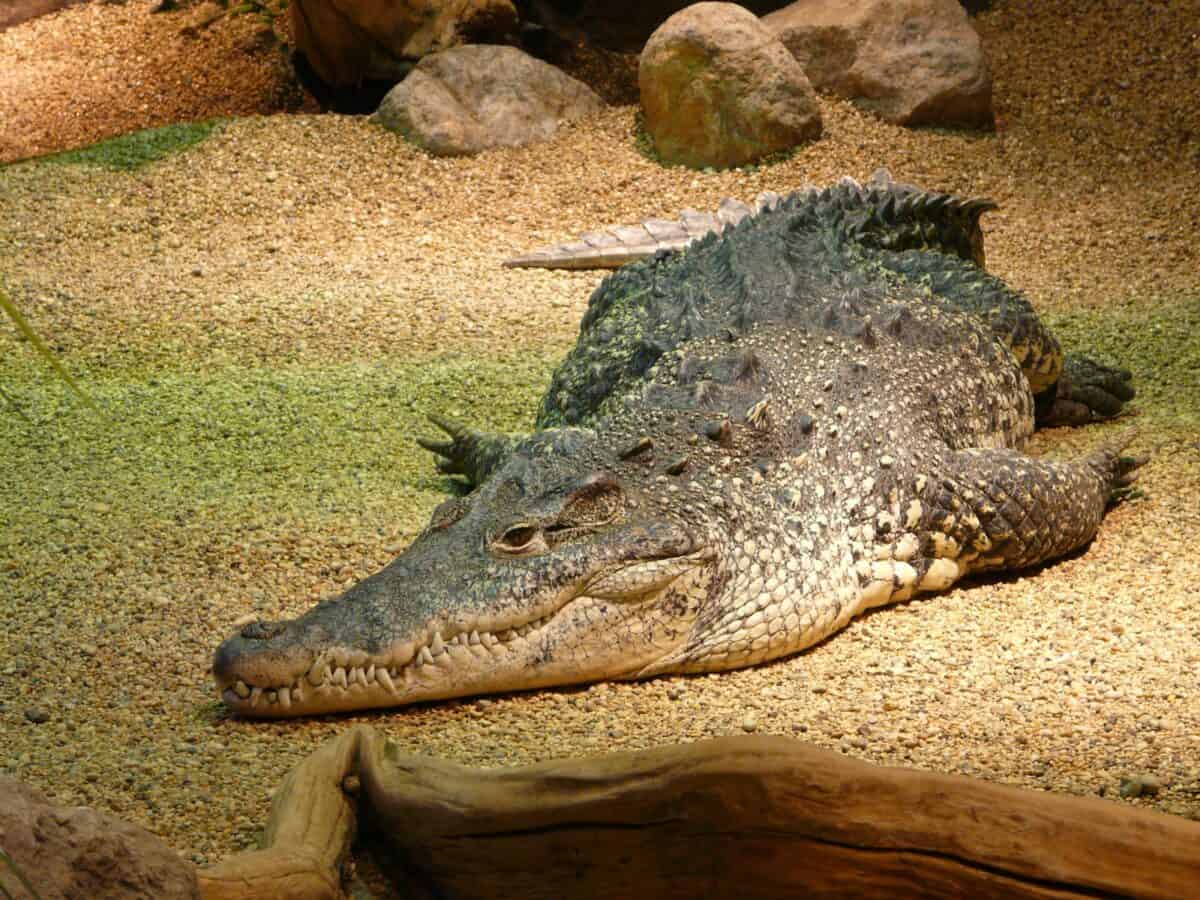
Known for its prehistoric appearance, the Alligator Snapping Turtle continues to grow throughout its life, often reaching weights of 175 pounds. Native to freshwater habitats in the southeastern United States, these turtles have a powerful bite and a distinctive worm-like appendage that they use to lure prey.
1. Japanese Spider Crab

The Japanese Spider Crab is the largest arthropod, with a leg span reaching 12 feet. Found in the Pacific Ocean near Japan, these crabs continue to grow by molting, shedding their exoskeleton as they enlarge. This continuous growth enables them to adopt a wide variety of prey, contributing to their role as an important scavenger in their ecosystem.
Conclusion:
In conclusion, the diverse world of animals that never stop growing is a testament to nature’s incredible adaptability and resourcefulness. Whether through shedding skin, molting, or continuous weight gain, these species capitalize on growth as a survival strategy, capturing our imagination as they scale new heights—and, in some cases, lengths and weights—over their lifespans. Their extraordinary growth patterns remind us of the complexity and beauty of the natural world, inspiring awe and a deeper appreciation for the creatures with whom we share our planet.

As a little kid, I fell in love with nature, wildlife, and animals. Living in the USA, South Africa, Italy, China and Germany gave me the opportunity to discover the world's Wildlife. My favorite animals are Mountain Gorillas, Siberian Tigers, and Great White Sharks.
I'm a certified PADI Open Water Diver, went to Everest Base Camp and Trekked Gorillas in Uganda. I hold a Master of Science in Economics and Finance.
Please send any feedback to feedback@animalsaroundtheglobe.com
- Oceanography Says a Layer of Water Exists in the Pacific That Has Not Mixed With the Surface in Over a Thousand Years and What Lives There Defies Current Classification - June 26, 2026
- 13 Flight Patterns That Defy Gravity - June 26, 2026
- 11 Surprising Sounds Foxes Make and What They Mean - June 26, 2026