
Every single day, the natural world around us is absolutely buzzing, roaring, clicking, and humming with a symphony most of us barely stop to understand. We hear it and move on. That bird chirping outside your window at 6 a.m.? Not just noise. The wolf howling in the distance? Far more complex than a movie soundtrack. Honestly, when you start digging into what animal sounds actually communicate, it reshapes the way you see the entire living world.
These sounds serve many purposes including communication, survival, and navigation, and they showcase the incredible ways animals have adapted to their environments. Scientists are now uncovering layer after layer of meaning behind calls, clicks, and rumbles that have existed for millions of years before we ever arrived on the scene. So let’s dive in.
The Wolf’s Howl: A Long-Distance Phone Call
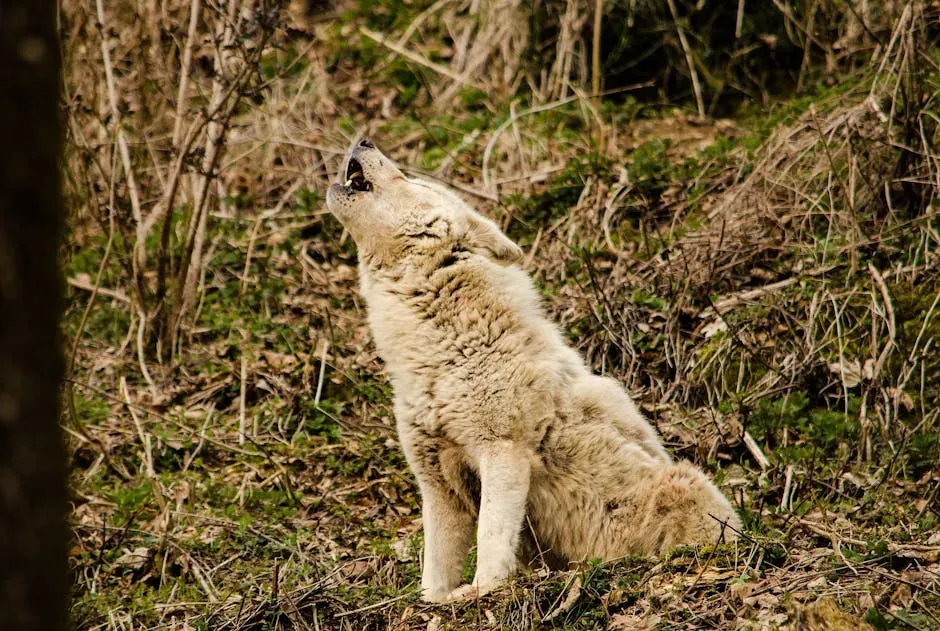
Picture this: it’s midnight, the forest is black, and a sound cuts through the trees that makes every hair on your neck stand up. That howl is not random. Wolves howl to coordinate pack movements, essentially holding the group together across vast distances of wilderness. Think of it as a GPS check-in, wolf-style.
Wolves use howls along with tail positions, stares, and posture to hold their pack together and avoid constant conflict. The sound is social glue. It also carries a territorial warning to rival packs that a boundary is being held.
In Greek mythology, the howling of wolves was associated with the god Apollo, while in Native American folklore, the howl of a wolf was considered a spiritual guide or messenger. It’s hard to say for sure why these cultures attached such deep meaning to it, but honestly, when you hear one in real life, you understand the instinct.
The Cat’s Purr: More Than Just Happiness

Let’s be real: most people assume a purring cat is a happy cat. That’s mostly true, but the story is richer than that. Purring usually signals contentment and comfort, and you’ll normally hear it from relaxed cats. It’s the feline equivalent of a contented sigh after a long nap.
Cats make other sounds like purr and mew. Purr is a vibratory sound that expresses contentment, while mew is a high-pitched cry sound. What surprises people is that cats can also purr when stressed or in pain, using it almost like a self-soothing mechanism, similar to how humans might hum to calm themselves down.
A cat hisses when it feels threatened or purrs when it feels comfortable. These sounds are the cat’s way of communicating whether it wants to be petted or not. Proceed at your own risk, as they say.
The Elephant’s Rumble: A Message Beneath Your Feet
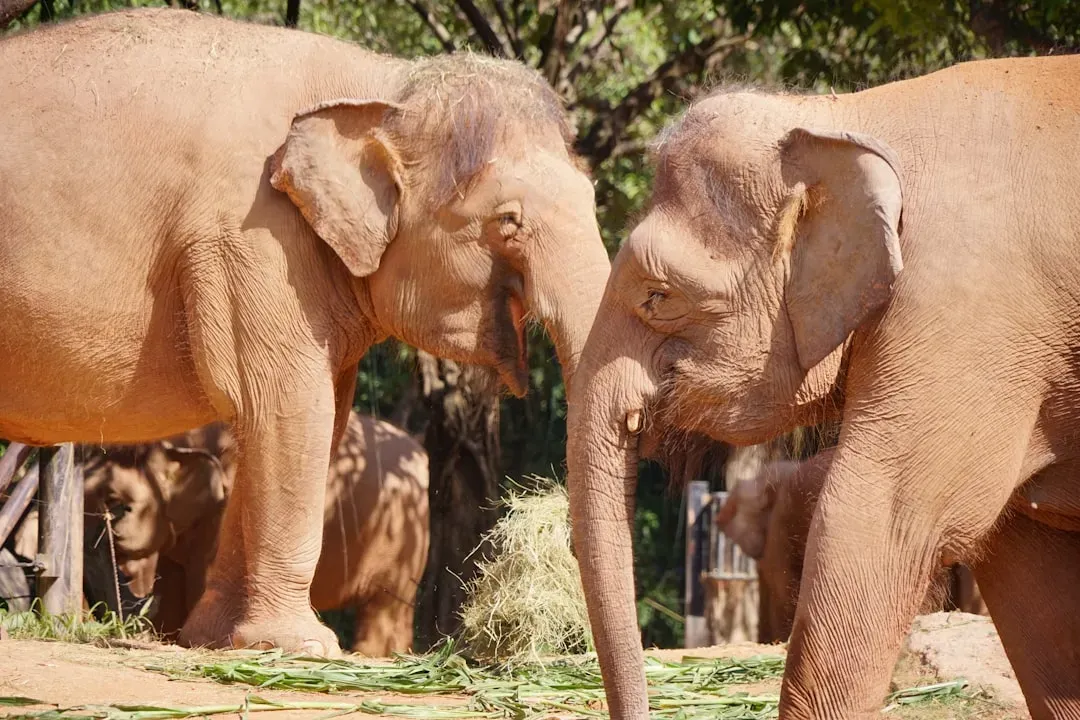
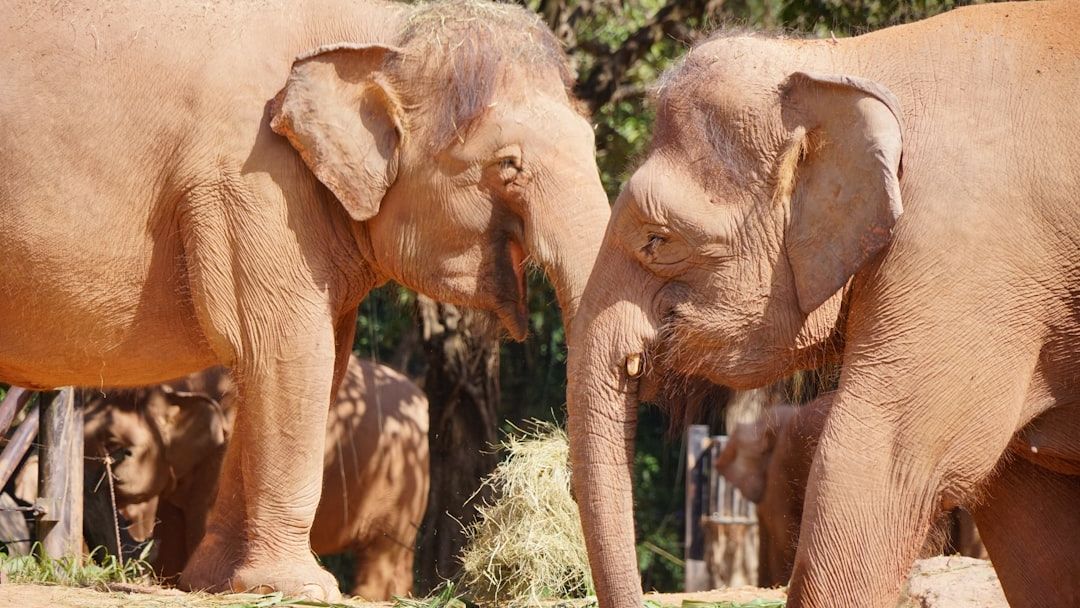
Here is the thing most people never realize: elephants are having entire conversations that you literally cannot hear. They use infrasound, which are deep rumbles that reverberate through the earth and can be heard by people miles away, in addition to their loud trumpeting. The ground itself becomes their communication network.
Wild elephants summon their loved ones, warn them of danger, and track each other’s presence, all thanks to sound waves they can produce with their rumbles and stomps. To keep their young near and safe, mother elephants also communicate with their calves using unique vocalisations.
More common than trumpeting is the elephant’s rumble, a low-frequency sound often compared to the purring of a giant cat. These rumbles are used for greetings, bonding, and coordinating group movements. To put this in perspective, elephants can communicate with each other at over 10 kilometres apart, making our 100-metre vocal range seem pitiful.
The Humpback Whale’s Song: The Ocean’s Greatest Opera
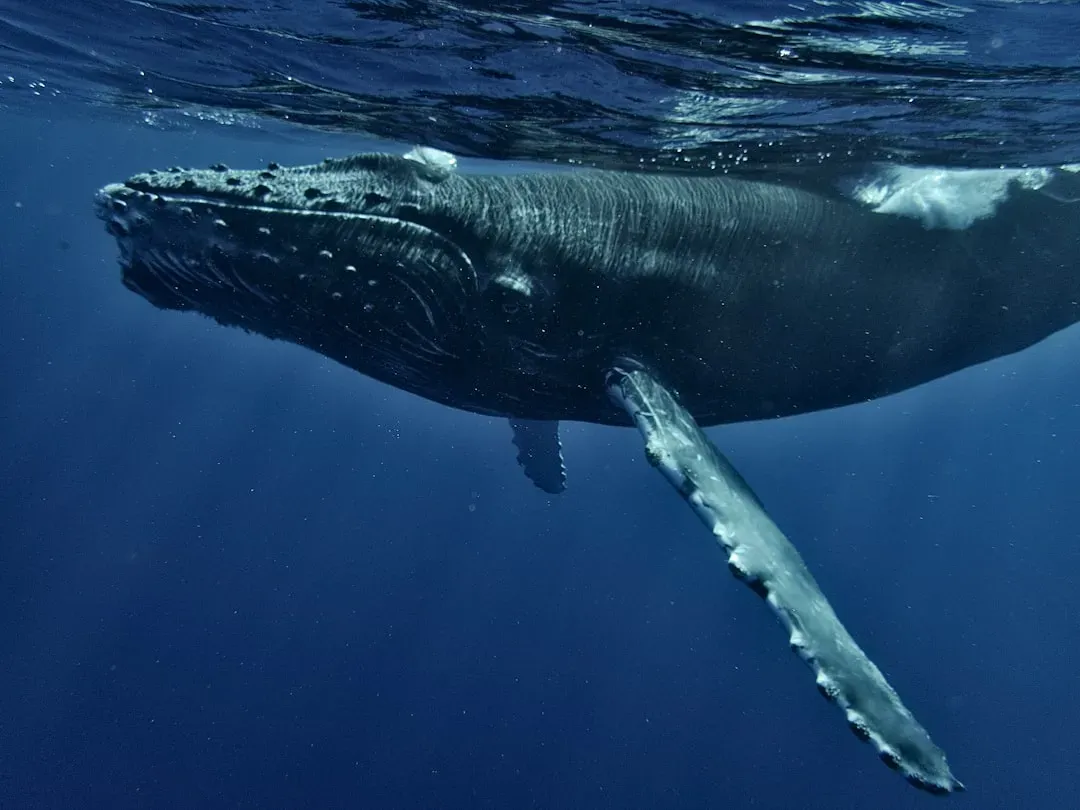
Nothing in the animal kingdom comes close to the sheer ambition of whale song. The sounds humpback whales make are often referred to as ‘songs’ and are considered the longest and most intricate of all in the animal kingdom. We’re talking about compositions that can stretch on for hours without repeating.
The frequency of the humpback whale’s song ranges between 40 Hz and 4,000 Hz and can reportedly travel thousands of kilometres through the ocean. That’s roughly like someone in New York shouting and being heard clearly in London. This is because sound travels over four times faster in water compared to air.
The songs of whales are long arrangements of moans, cries, and other noises that can continue for hours. These songs are primarily associated with breeding and are thought to be a way for males to attract females or compete with other males. I think that’s one of the most romantic and bizarre things in all of nature.
The Dolphin’s Click: An Underwater Language
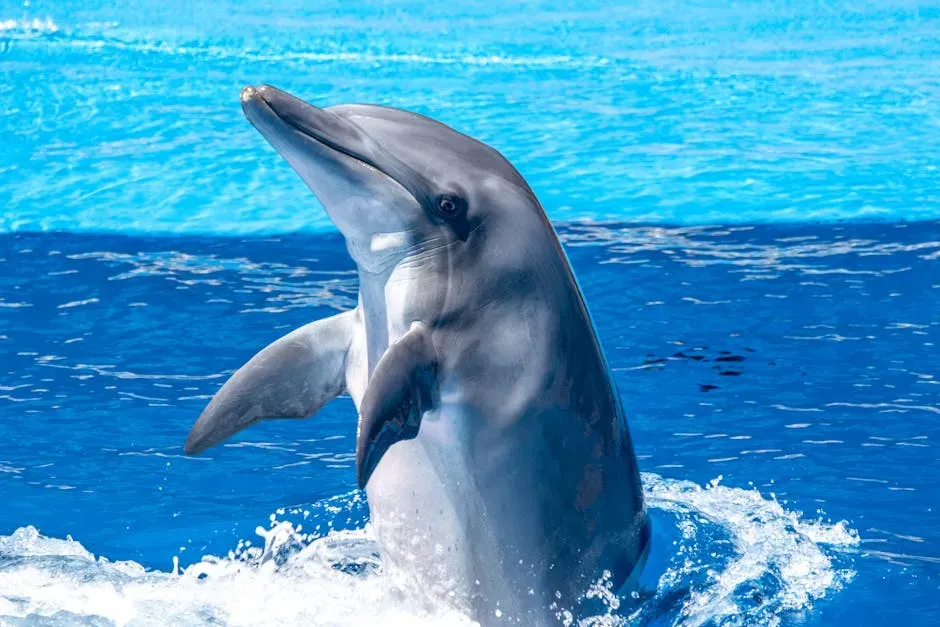
Dolphins are basically underwater geniuses with built-in sonar and something that increasingly looks like a real language. Dolphins utilize sounds called clicks, whistles, and sonar. Clicks are rapid, high-frequency sounds used for echolocation, helping dolphins create a detailed “sound picture” of their environment.
The findings suggest that dolphin communication is much richer than previously thought. Dolphins may possess a language-like communication system, with units of sound that have shared, context-specific meanings. That’s startling when you actually sit with it.
One of the whistles made dolphins swim away, while another made them swim closer to investigate. Researchers think the first acts as an alarm call, and the second acts as a query or a “what” question. A question. Dolphins ask questions. That never gets less extraordinary.
The Sperm Whale’s Clicks: A Phonetic Alphabet
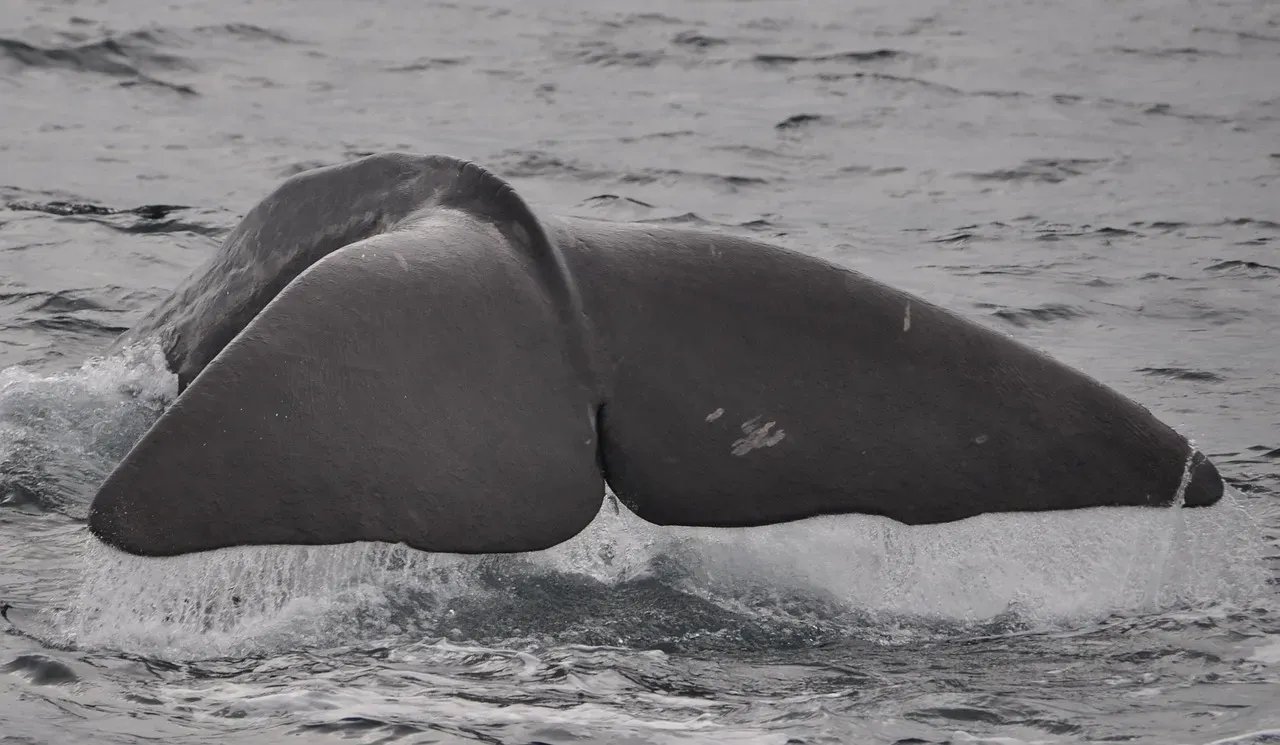
If dolphins surprise you, sperm whales will genuinely blow your mind. Sperm whales live in tight-knit, female-led groups of seven or eight members. Individuals communicate via sequences of three to 40 clicks, known as codas. Each of these groups belongs to a larger ‘vocal clan’, which uses codas that are unique to that clan.
Researchers describe the variation as being like a “sperm whale phonetic alphabet,” which the whales might be using to convey complex information. In other words, different whale families speak different dialects, just like regional accents in humans. Project CETI describes “significant strides,” discovering that sperm whales possess a phonetic alphabet and are capable of social learning.
The Lion’s Roar: More Than Bragging
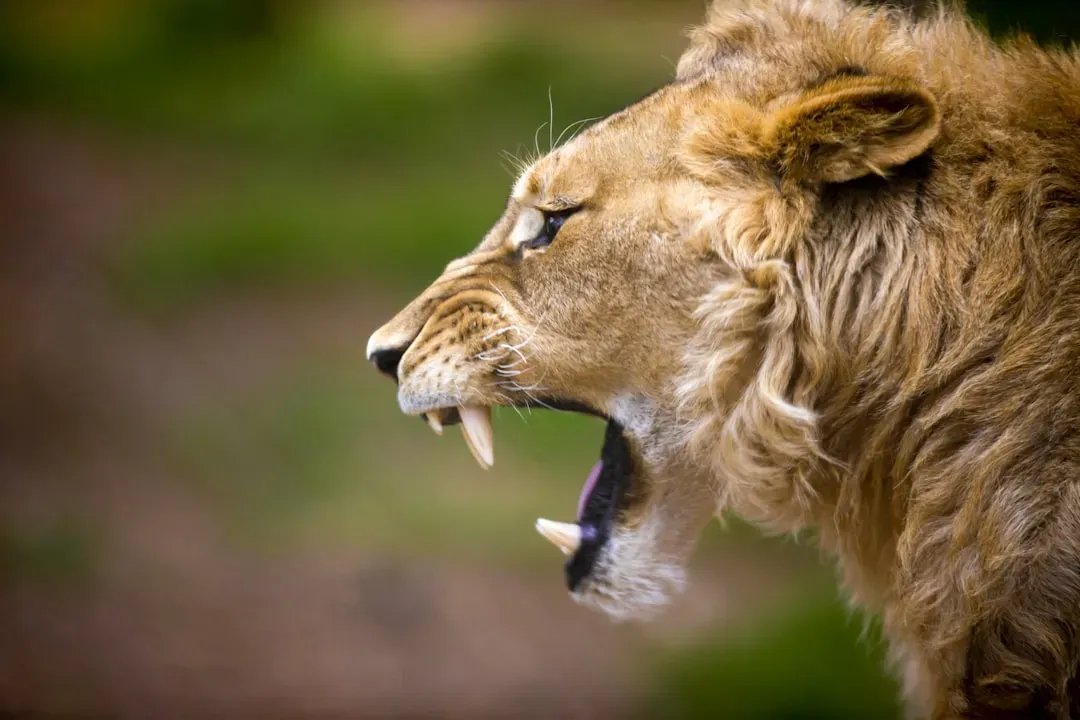
If you’ve ever heard a lion roar close up, you already know it’s not something you forget. It reverberates in your chest. In real life, African lions’ guttural groans aren’t always showstoppers. They have a second “intermediate roar” that is flatter and less flashy than their recognizable full-throated roars.
Researchers overlooked this subtle tone change for decades. With the aid of artificial intelligence, a team has now decoded thousands of the big cat’s calls, sorting them into distinct categories. Turns out, the lions have a notable vocal range.
Lions roar to claim territory, to locate other pride members, and to intimidate rivals from a distance. It’s simultaneously an identity card, a boundary marker, and an announcement. A single roar can be heard roughly 8 kilometres away on a still night, which is just staggering.
The Frog’s Croak: A Chorus of Intent
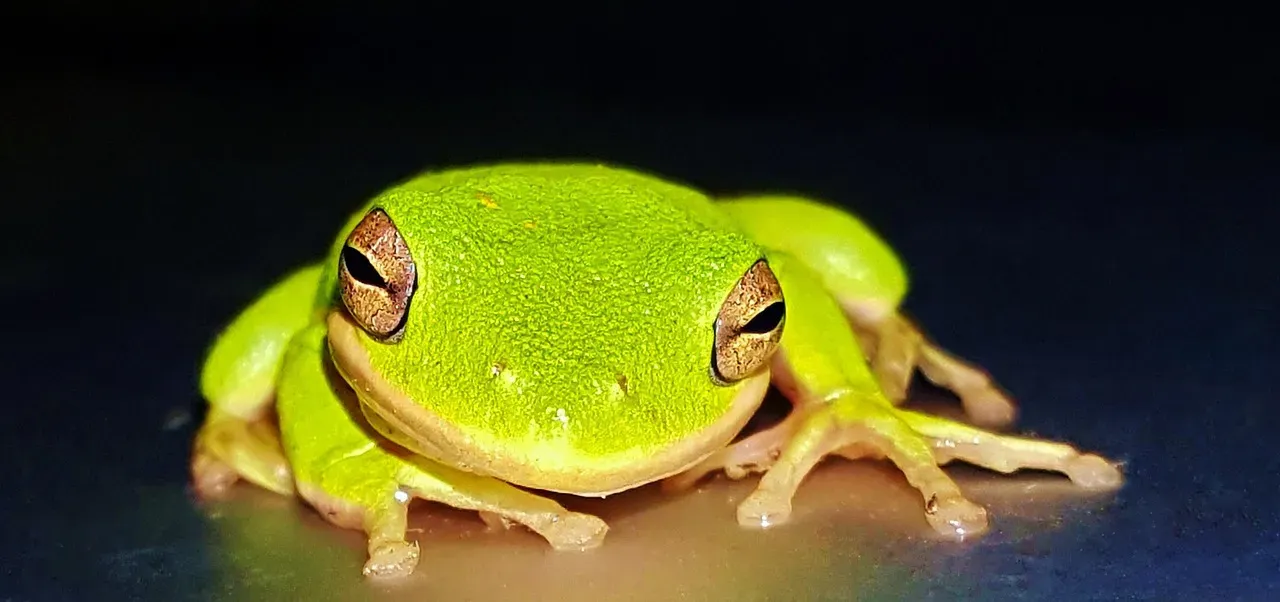
That overwhelming croaking you hear near a pond on a warm spring evening? It’s almost entirely about reproduction, and it’s considerably more organized than it sounds. Frogs are known for their unique vocalizations called croaks and ribbits. These sounds, produced by the vocal sacs near their throats, are primarily used to attract mates and claim territory.
Frogs and toads have developed their vocal contact to a fine art by using bags of air as resonators. These may be situated in the mouth, throat or on the side of the head and they are acoustically most effective. It’s essentially a built-in amplifier system.
The Malabar gliding frog uses its croaks to communicate, attract mates, and establish territory in the rainforest canopy. What’s wild is that every species has its own distinct call, meaning a female frog can filter out an entire chorus of competing males and zero in on just her species. That’s a level of selective hearing most humans would envy.
The Cricket’s Chirp: Temperature Reading Included
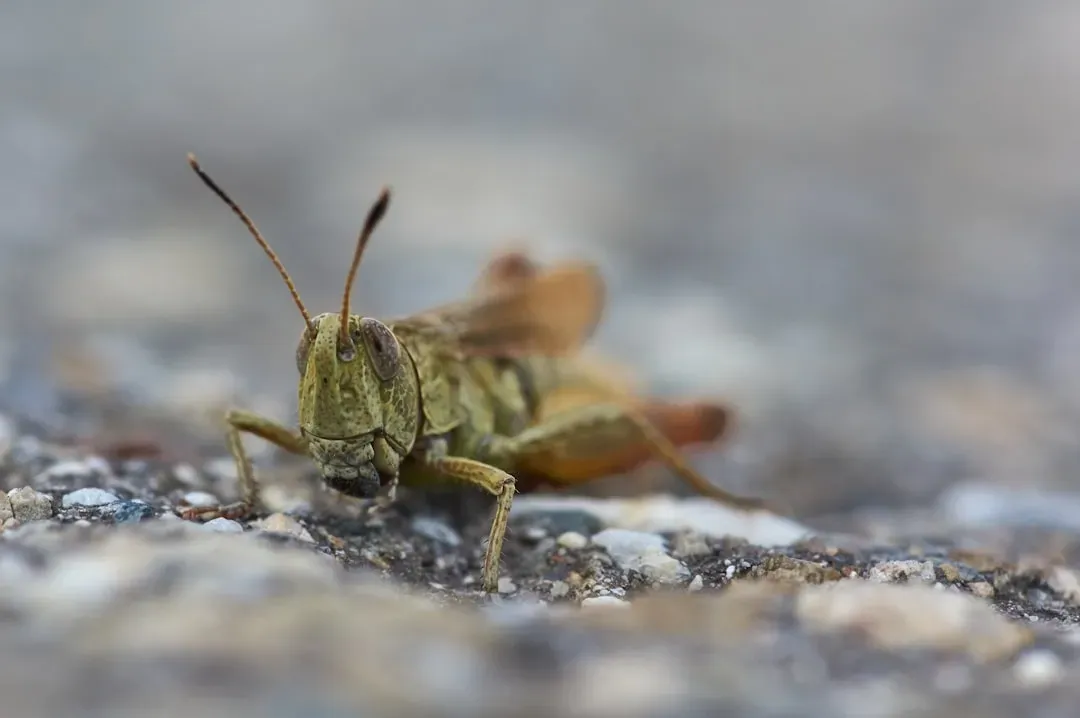
Crickets are one of those creatures we constantly overlook, but their chirp is a masterclass in biological precision. Male crickets chirp by rubbing their wings together, a process called stridulation, and they are absolutely relentless about it on warm nights. The sound is a mating call, pure and simple.
Many arthropods rub specialized body parts together to produce sound. This is known as stridulation. Crickets and grasshoppers are well known for this, but many others use stridulation as well, including crustaceans, spiders, scorpions, wasps, ants, and beetles.
Here’s a genuinely surprising bonus: the rate at which a cricket chirps is closely linked to air temperature. Count the number of chirps in 14 seconds, add 40, and you get a rough estimate of the temperature in Fahrenheit. Scientists call this Dolbear’s Law. A tiny insect serving as a living thermometer? Nature never stops being clever.
The Bat’s Screech: Built-In Sonar
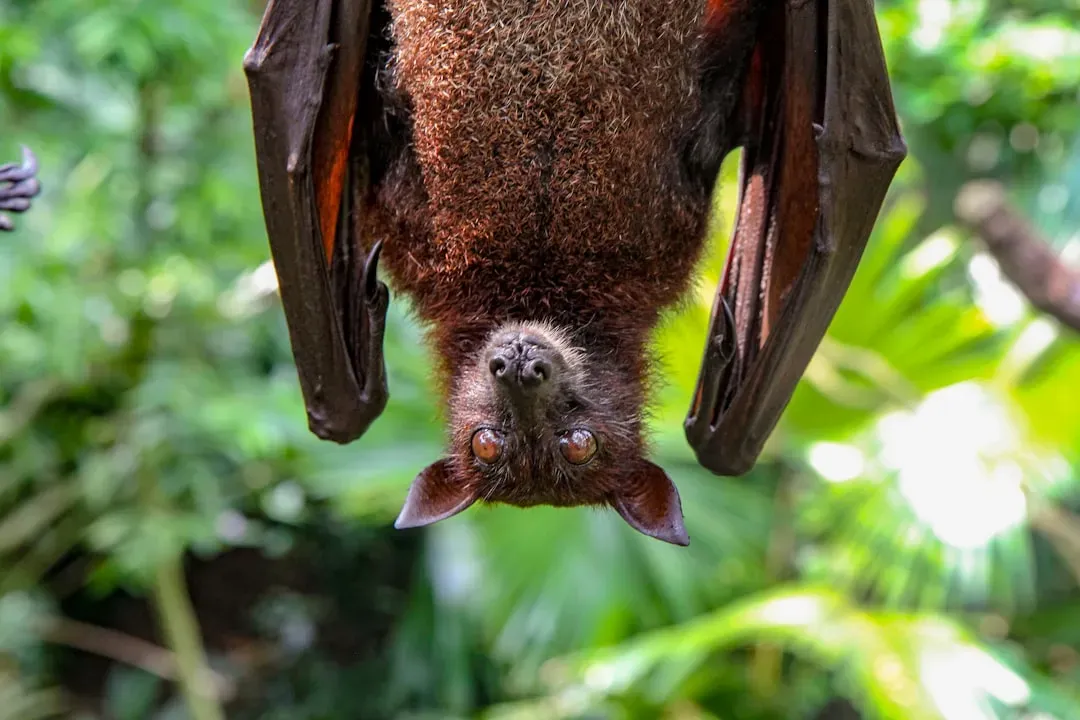
Bats are the undisputed champions of sound-based navigation. Bats produce incredibly high frequency sound pulses, or squeaks. Research shows that some bats can produce a frequency of over 100,000 Hz. To give you some idea of how squeaky this really is, human vocal cords can only produce sounds ranging from about 50 Hz to 7000 Hz.
Bats’ echolocation is so precise that they can navigate through the darkest caves or hunt the tiniest insects in complete darkness. This skill is essential for their survival and a perfect example of nature’s ingenuity.
In bats, echolocation also serves the purpose of mapping their environment. They are capable of recognizing a space they have been in before without any visible light because they can memorize patterns in the feedback they get from echolocation. Essentially, they build a mental 3D map of the world using sound alone. It’s like having a superpower.
The Rattlesnake’s Rattle: A Warning System That Works
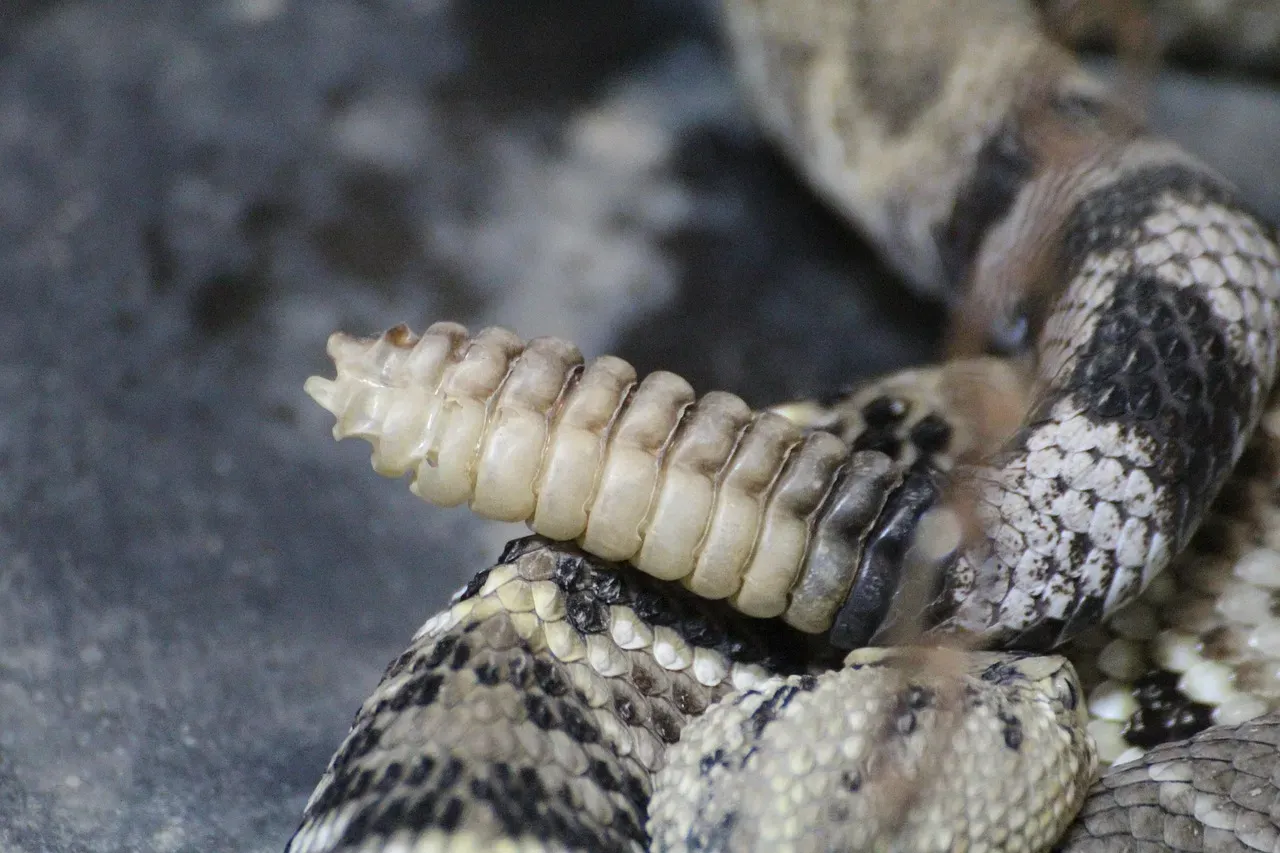
Few sounds in nature are as instantly understood as the rattle of a rattlesnake. It’s one of those biological warning signals that speaks across species lines, and even humans who have never encountered one before seem to freeze instinctively. The rattlesnake gives a distinctly audible and sinister sounding warning by vibrating its bell-shaped tail segments, while other snakes, lizards and crocodilians will hiss loudly to warn off intruders.
Striking body parts together can also produce auditory signals. A well-known example of this is the tail tip vibration of rattlesnakes as a warning signal. The rattle itself is made of keratin, the same material as human fingernails, and each shed of skin adds a new segment.
The speed of the rattle can reach up to 90 vibrations per second during peak agitation. That’s not aggression, it’s actually a mercy. The snake is spending energy it could be using to hunt, specifically to warn you off. It prefers to avoid the confrontation entirely. Honestly, that’s more polite than most people.
The Gorilla’s Chest Beat: It’s Complicated
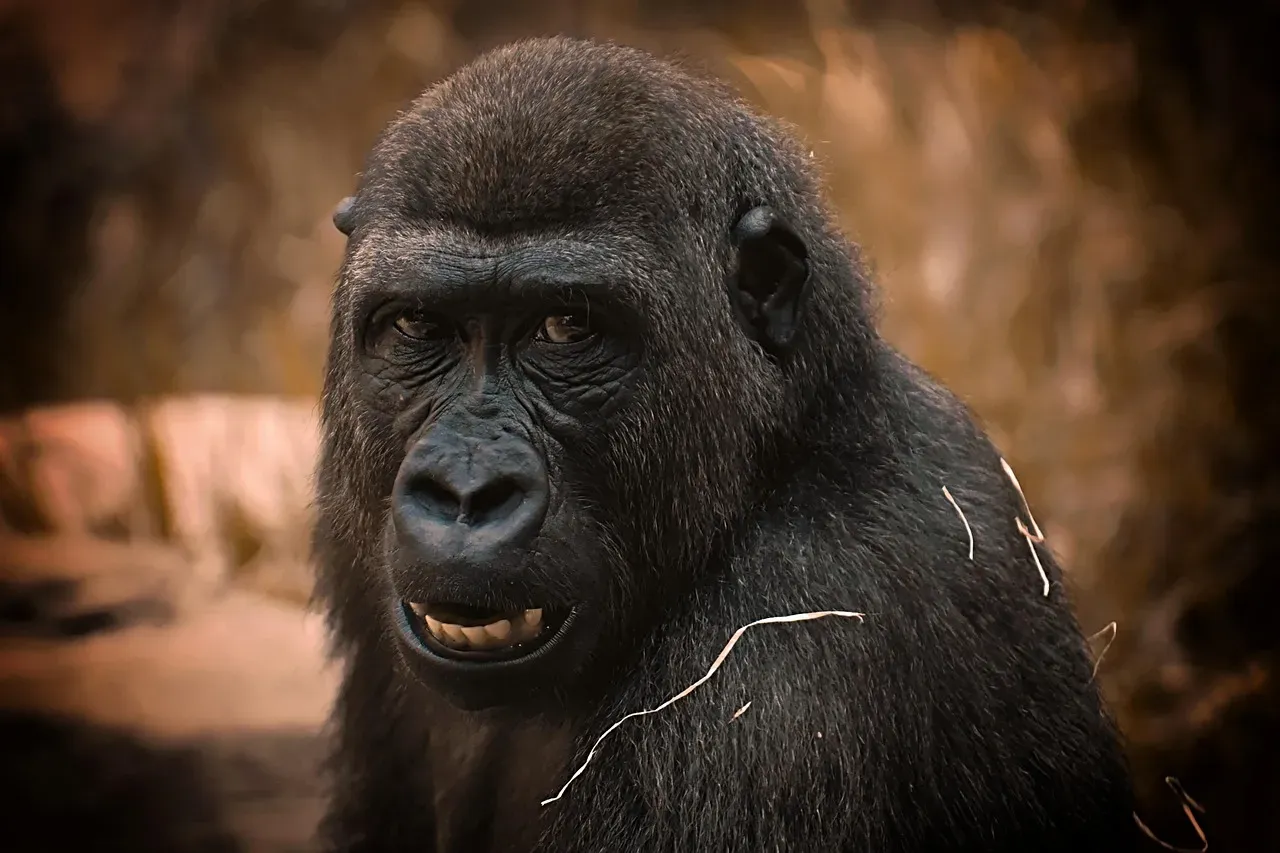
The chest beat is one of the most iconic sounds in all of wildlife, and most people completely misread it. Male gorillas will beat their chest with cupped hands to produce a sound which carries some distance. This action is thought to be a form of communication although it could also be a means of releasing tension.
Other examples of striking body parts together to produce auditory signals include chest beating in gorillas. The resulting boom can travel well over a kilometre through dense jungle, communicating size, strength, and status to rivals and allies alike.
Gorillas use a wide vocabulary of body language similar to humans. A sideways glance, a chest beat, or the way they lean can show confidence, nervousness, or playfulness. So the next time you see a nature documentary and assume the chest beat means pure aggression, consider it might just be a gorilla telling the world, “I’m here, I’m strong, and I’d really prefer not to fight today.”
The Hyena’s Laugh: Anything But Funny
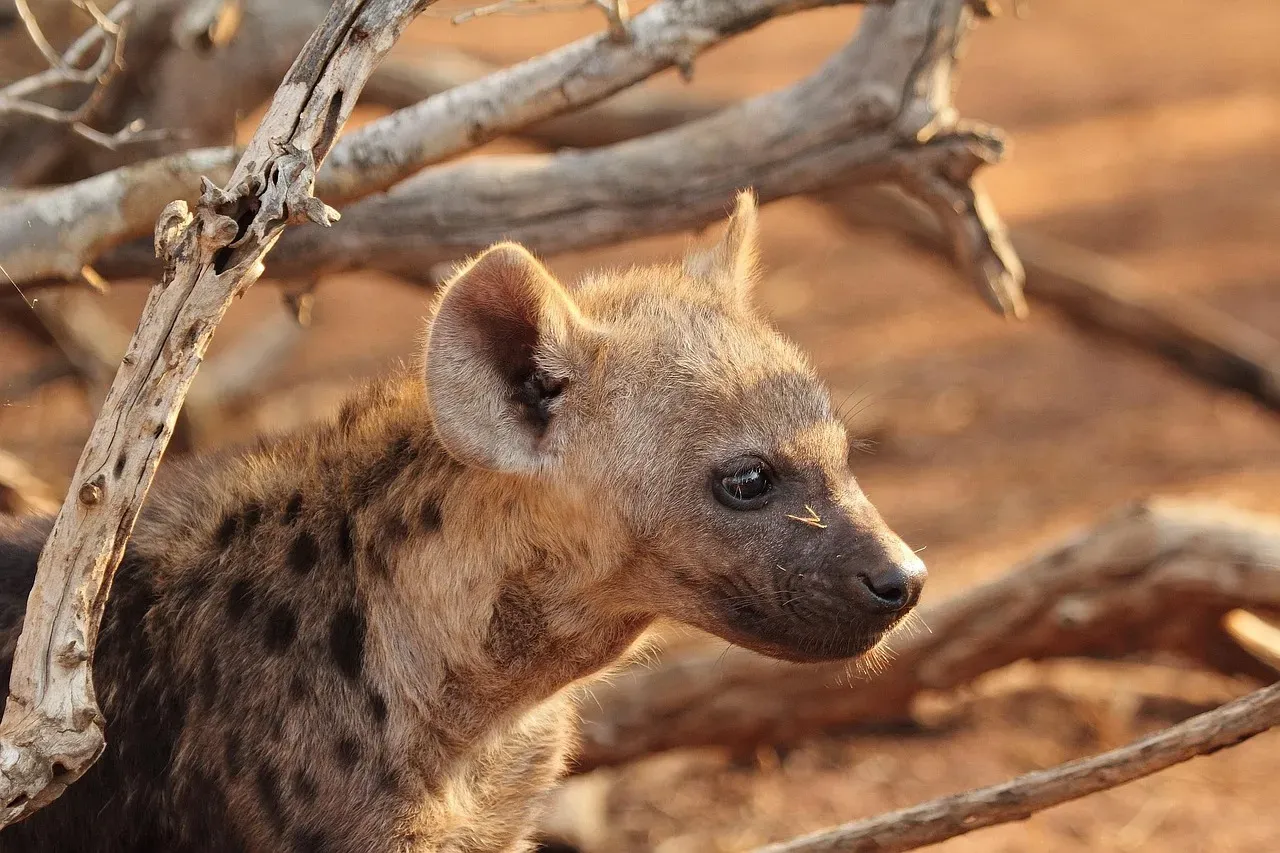
The hyena’s “laugh” is probably the most misunderstood animal sound on the planet. It sounds like cackling amusement, but what it actually signals is anything but a joke. The laugh of a hyena is a loud barking noise that ends up sounding like cackling laughter. In reality, it’s a high-pitched vocalization used to communicate excitement, stress, and social submission.
Spotted hyenas produce multiple distinct calls including whoops, grunts, giggles, and the famous laugh. Each serves a different social function within their complex, female-dominated hierarchy. The “laugh” in particular tends to occur during feeding frenzies or confrontations, signaling anxiety rather than joy.
The hyenas’ laughter echoes eerily through the dark night, and for good reason. It carries well over several kilometres and serves as both a location broadcast and an emotional signal to other group members. I think the creepiness humans feel when hearing it is actually a well-calibrated response to the sound of genuine wild tension.
Conclusion: Nature’s Language Is Everywhere

We live inside an invisible symphony we barely try to understand. Animals are “not just automata, but living species with communicative intelligence not unlike our own.” That’s a perspective worth sitting with for a while.
The study of acoustic communication among animals is producing new discoveries each year, leaving us to marvel at the complexity of nature and the way in which life on Earth has developed. With AI now helping researchers decode whale codas, lion roar variations, and dolphin whistles, we are genuinely on the edge of understanding animal language in ways that would have seemed like science fiction a generation ago.
Animal sounds combined with artificial intelligence can revolutionize biodiversity monitoring both on land and in aquatic settings. By analyzing wildlife sounds, AI can now identify species more accurately and efficiently than ever before and provide unique insights into the behaviors and habitats of animals without disturbing them.
Every chirp, rumble, click, and howl carries meaning that has been refined across millions of years of evolution. The animal kingdom has been talking all along. The question is: have we been paying enough attention? What do you think? Drop your thoughts in the comments below.
