
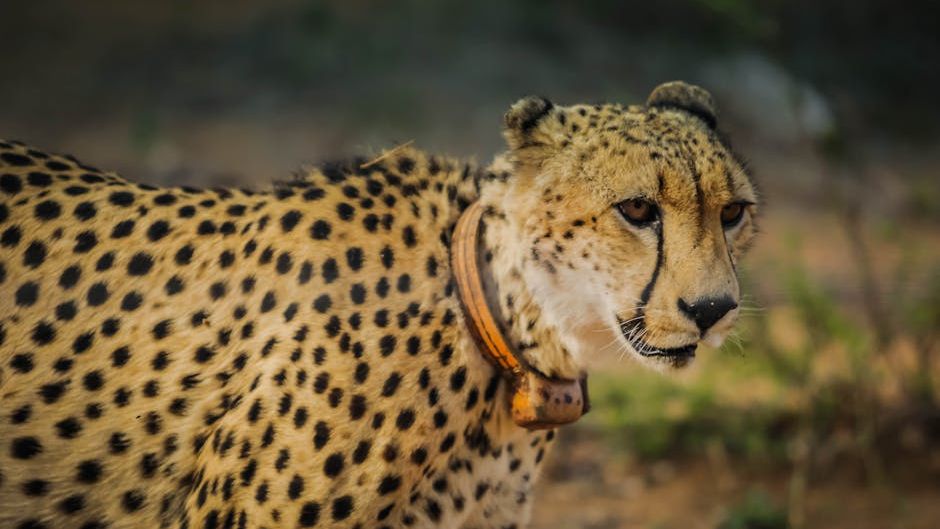
There is something deeply humbling about realizing that the animals sharing our planet may understand environmental shifts far better than we do. Long before scientists had satellites, GPS trackers, or atmospheric sensors, nature had already developed its own early warning network, encoded in the behavior of birds, frogs, insects, fish, and even farm animals. It’s a system built over millions of years of evolution, and honestly, we are only now starting to read it properly.
The relationship between animals and environmental change is more than a curiosity. It is a serious and rapidly growing field of science that could transform how we monitor our world, prepare for disasters, and protect ecosystems. Be surprised by what nature has been trying to tell us all along.
Nature’s Living Sensors: What Bioindicators Actually Are
Most people have never heard the word “bioindicator,” yet the concept is elegantly simple. A bioindicator is any species or group of species whose function, population, or status can reveal the qualitative state of the environment. Think of it like a living thermometer, except instead of measuring temperature, it measures the overall health of an entire ecosystem.
Pollution and other stress agents can be monitored by measuring several variables in animals: the concentration of toxins in animal tissues, the rate at which deformities arise in animal populations, behavior in the field or laboratory, and by assessing changes in individual physiology. That is a remarkably wide window into environmental health.
Bioindicator species effectively indicate the condition of the environment because of their moderate tolerance to environmental variability. Species that are either too sensitive or too hardy make poor indicators. The best bioindicators are those sitting right in the middle of the sensitivity spectrum, reacting clearly but not catastrophically to change.
The importance of biomonitors, rather than man-made equipment, is justified by the observation that the best indicator of the status of a species or system is itself. Bioindicators can reveal indirect biotic effects of pollutants when many physical or chemical measurements cannot. Through bioindicators, scientists need to observe only the single indicating species to check on the environment rather than monitor the whole community. That efficiency alone makes the animal kingdom an invaluable diagnostic tool.
Frogs, Fish, and the Canary in the Coal Mine
Let’s be real, most of us know the canary in the coal mine story. Historically, canaries accompanied coal miners deep underground. Their small lung capacity and unidirectional lung ventilation system made them more vulnerable to small concentrations of carbon monoxide and methane gas than their human companions. As late as 1986, the acute sensitivity of these birds served as a biological indicator of unsafe conditions in underground coal mines in the United Kingdom. It is one of the most iconic examples of animals as environmental sentinels.
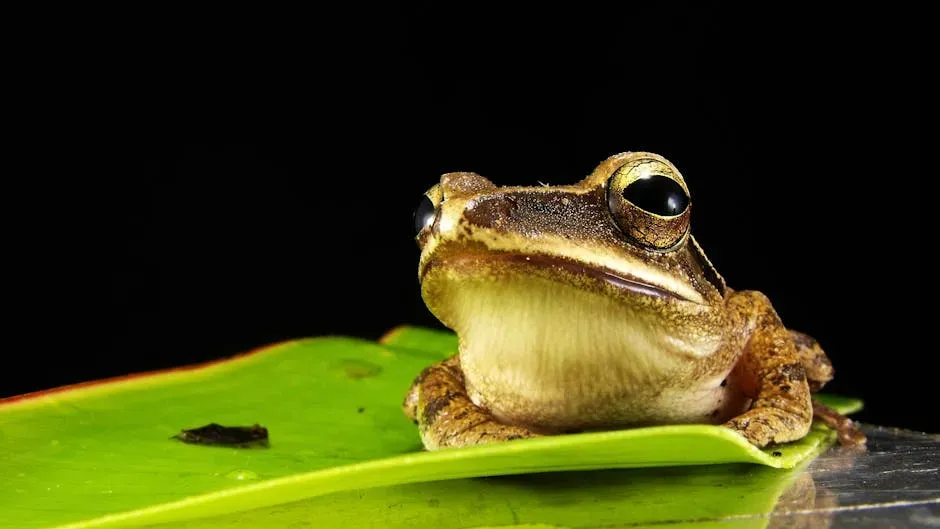
Today, frogs have taken on a similarly critical role. Amphibians such as frogs and toads are strong indicator species for pollution. They have permeable skin through which they absorb oxygen and toxins. As a result, they’re extremely sensitive to changes in the quality of air and water. They’re often the first animals to be affected by pesticide use in or near their ecosystems.
The most prevalent animal in all types of ecosystems, insects can be utilized to detect the impact of alterations in the environment. Beetles, ants, bees, and butterflies are all being studied as living pollution detectors. Since they frequently come into contact with harmful substances found in soil, water, and air, insects are particularly valuable for evaluating how human activities affect the terrestrial ecosystem, the aquatic system, and the atmosphere.
Fish too carry enormous monitoring potential. The levels of certain liver enzymes in fish increase if they are exposed to pollutants in the water, and changes in the functioning of the nervous systems of worms are used to measure levels of soil pollution. I think what makes this so fascinating is that the animal’s own body becomes the measuring instrument.
When Animals Sense Disaster Before We Do

Here’s the thing: some of the most dramatic evidence for animal environmental sensing comes not from pollution studies, but from natural disasters. The earliest reference we have to unusual animal behavior prior to a significant earthquake is from Greece in 373 BC. Rats, weasels, snakes, and centipedes reportedly left their homes and headed for safety several days before a destructive earthquake. That’s nearly 2,400 years of documentation. That is not a coincidence.
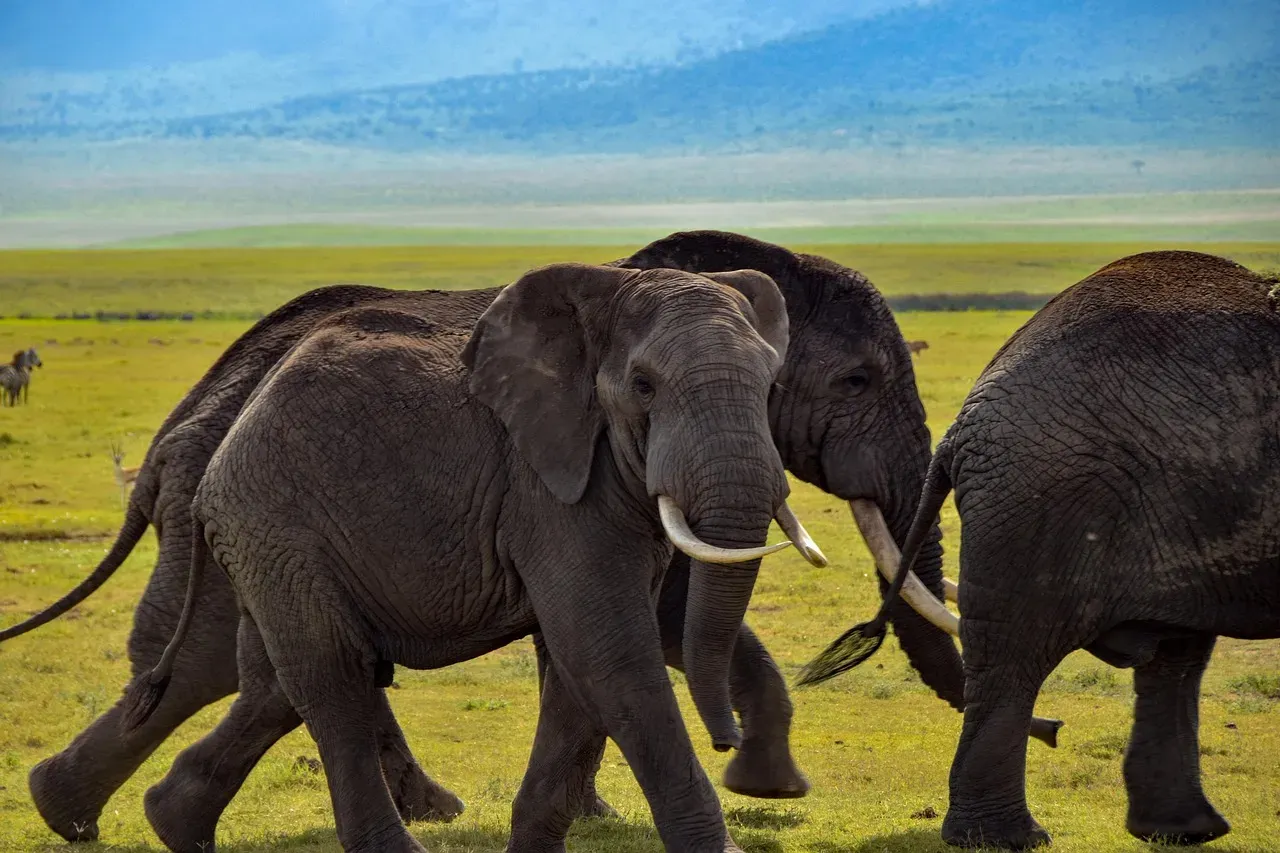
History offers countless examples of animals reacting to disasters long before humans were able to predict them with instruments. Before the devastating tsunami in the Indian Ocean in 2004, people noticed herds of elephants and antelopes retreating inland well in advance. Meanwhile, their nervous systems detect vibrations, shifts in the magnetic field, changes in atmospheric pressure, and even alterations in the chemical composition of the air.
Researchers at Germany’s Max Planck Institute took this seriously and ran a rigorous experiment. Researchers investigated whether cows, sheep, and dogs can actually detect early signs of earthquakes. To do so, they attached sensors to the animals in an earthquake-prone area in Northern Italy and recorded their movements over several months. The movement data show that the animals were unusually restless in the hours before the earthquakes. The closer the animals were to the epicenter of the impending quake, the earlier they started behaving unusually.
Most remarkably, the closer the animals were to the earthquake’s epicenter, the earlier they began showing these unusual behaviors, with anticipation times ranging from 1 to 20 hours before events occurring 5 to 28 kilometers away. That is an astonishing advance warning window. Millions of years of evolution have equipped animals with sensory systems we’re only beginning to understand. The truth is likely nuanced: animals probably aren’t predicting earthquakes in any mystical sense, but they may be detecting real physical precursors that our instruments haven’t been designed to measure.
Migration Shifts: The Living Calendar of Climate Change
Climate change has a wide range of effects on wildlife. It affects seasonal migration, reproduction times, body size and mass, and disrupts ecological processes, thereby posing challenges for the populations of some species. Think of migration as a finely tuned calendar that took millennia to perfect. Climate change is now scrambling that calendar in real time.
Climate change can alter when and how animals grow, breed, and migrate, but it is unclear whether this allows populations to persist. A global study shows that shifts in seasonal timing are key to helping vertebrate species maintain population growth under global warming. These shifts are not random. They are evidence, recorded in wings and fins and hooves.
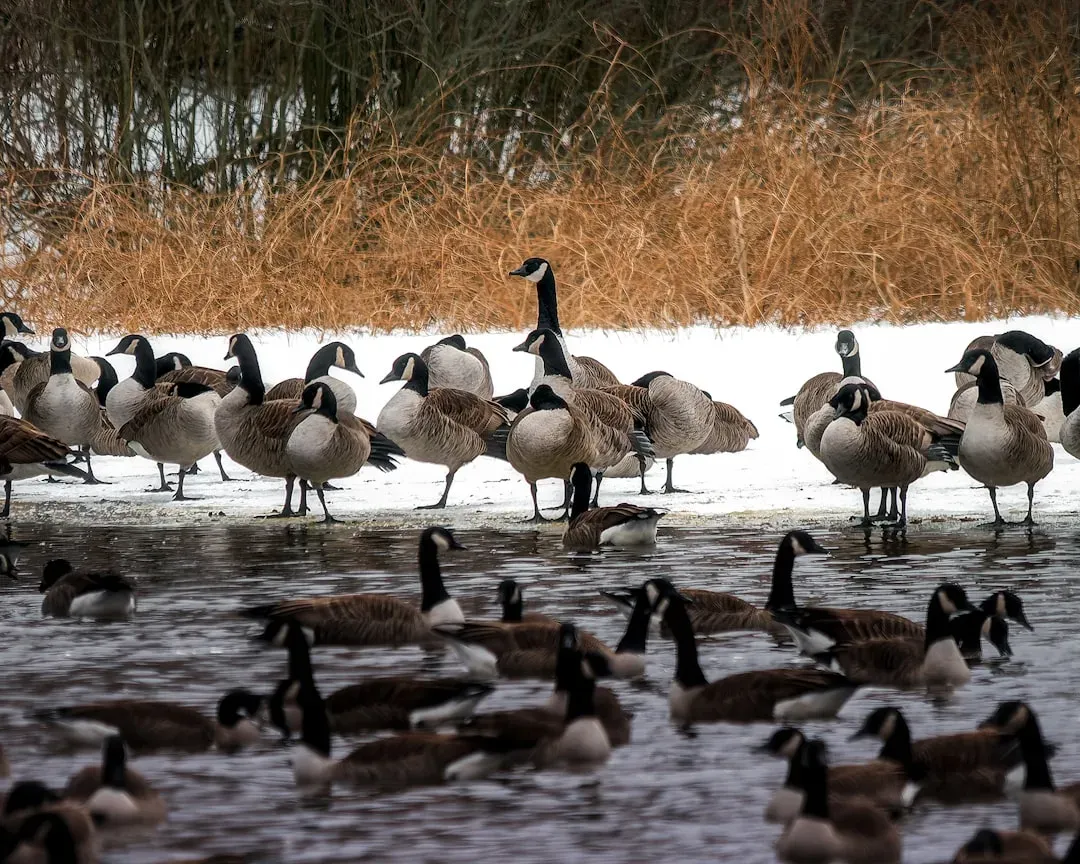
Research confirms that avian taxa have advanced prebreeding migration and breeding by roughly two to three days per decade. That might sound small, but over generations it compounds into something significant. Beyond direct weather effects, climate change disrupts food webs that migratory species depend on. When plants, insects, and plankton respond to warming at different rates than the animals that feed on them, a phenomenon known as phenological mismatch emerges. Birds, fish, and mammals may arrive at traditional feeding grounds when the peak abundance of prey has already passed.
A common thread among taxa is that shifts in distribution and timing of migrating animals indicate they are traveling farther north, or shifting longitudinally, and migrations are occurring over longer seasonal time frames. In the Arctic, this pattern is especially pronounced, as warming oceans rewrite ancient migration routes season by season. Birds, as highly mobile and ecologically diverse organisms, are particularly sensitive to climate-driven changes, making them valuable indicators of ecosystem health. Their shifts in migration timing, breeding success and population trends provide crucial insights into broader environmental disruptions caused by climate change.
Technology, Tracking, and the Future of Animal Sentinels
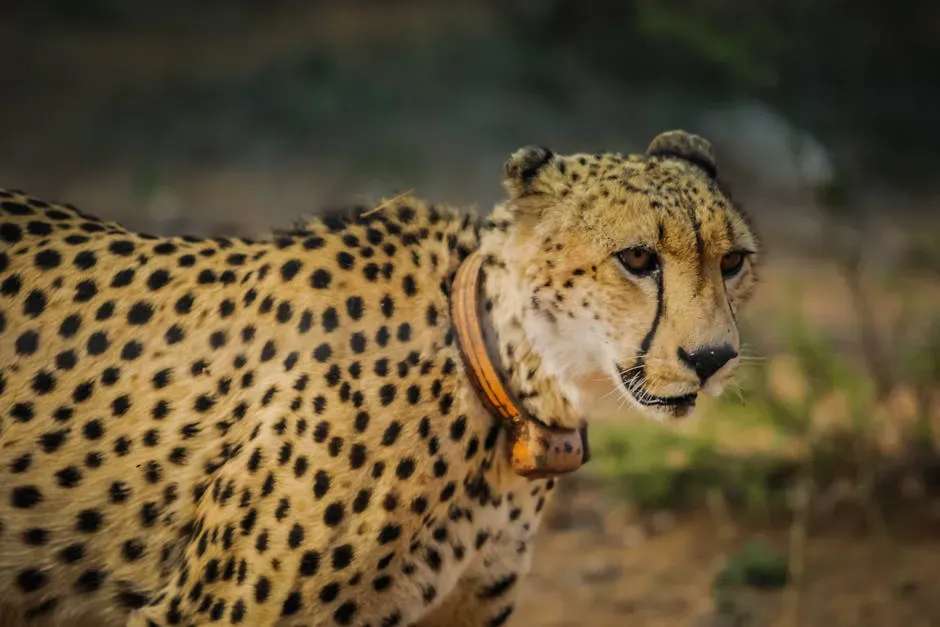
We are in an era where science and nature are starting a genuinely exciting conversation. The first response exhibited by animals to changing environments is typically behavioral. Behavior is thus central to predicting, and mitigating, the impacts that natural and anthropogenic environmental changes will have on populations and, consequently, ecosystems. The key now is capturing that behavior at scale.
Most animal movements go unobserved by humans, but using technology such as radiotracking, GPS, satellite tags, and radar, we can record them in impressive detail. Billions of new data points are recorded each year, analysed using increasingly sophisticated statistical and mathematical methods. It’s like suddenly being able to hear a symphony that has been playing silently for centuries.
Scientists propose a framework to detect ecologically meaningful environmental shifts, identify the type of change, and use animals as sentinels of novel environmental conditions. By comparing movement responses under predictable and unpredictable conditions, this framework enables the identification of key environmental elements or habitat features that are critical for survival. Such insight improves our ability to predict how species will be affected by and respond to future climate change.
Major, ongoing technological advances, especially in machine learning, provide increasingly powerful means to acquire, identify, and interpret animal behavior, in ways that embrace its natural complexity. We need to move beyond statistical descriptions of behaviors to approaches that allow us to also infer the generative processes by which behaviors arise. A rigorous and predictive science of behavior will likely prove essential for the development of effective conservation strategies and policies. The animals are already doing their part. It is our job to finally listen properly.
Conclusion: The World’s Oldest Warning System
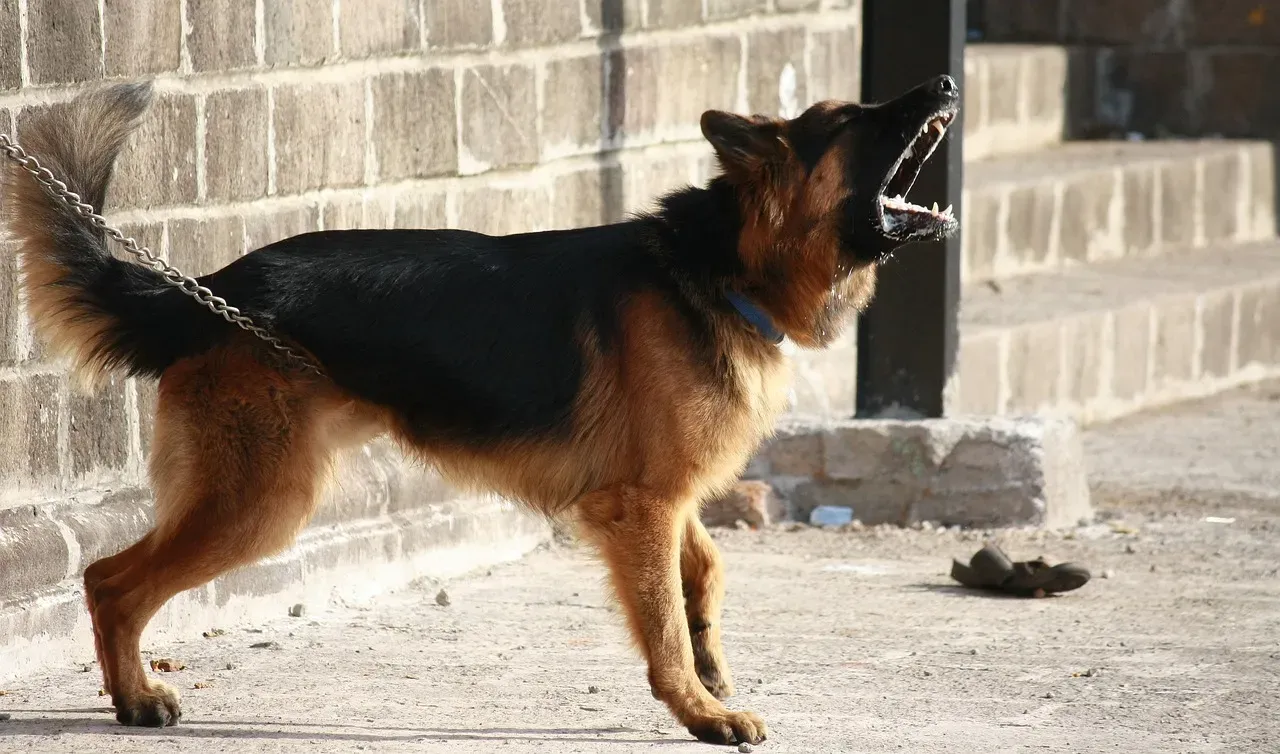
Animals have always been more than the subjects of nature documentaries or symbols of biodiversity. They are, in the most literal scientific sense, living instruments that register the health, stress, and change of the environment around them. From a frog’s skin absorbing pesticide traces to a cow freezing in place hours before a tremor strikes, the animal kingdom is constantly broadcasting information that we are only now learning to decode.
The urgency of this could not be greater. A rigorous and predictive science of behavior will likely prove essential for the development of effective conservation strategies and policies in the face of increasingly rapid anthropogenic change. We have built satellites and seismographs, but nature built something more sophisticated millions of years ago.
Honestly, it is a little humbling. The next time you notice birds changing their routes, frogs going quiet, or animals behaving strangely before a storm, it might be worth pausing and asking what they know that we don’t. What would you do differently if you took nature’s warning signs seriously?
