
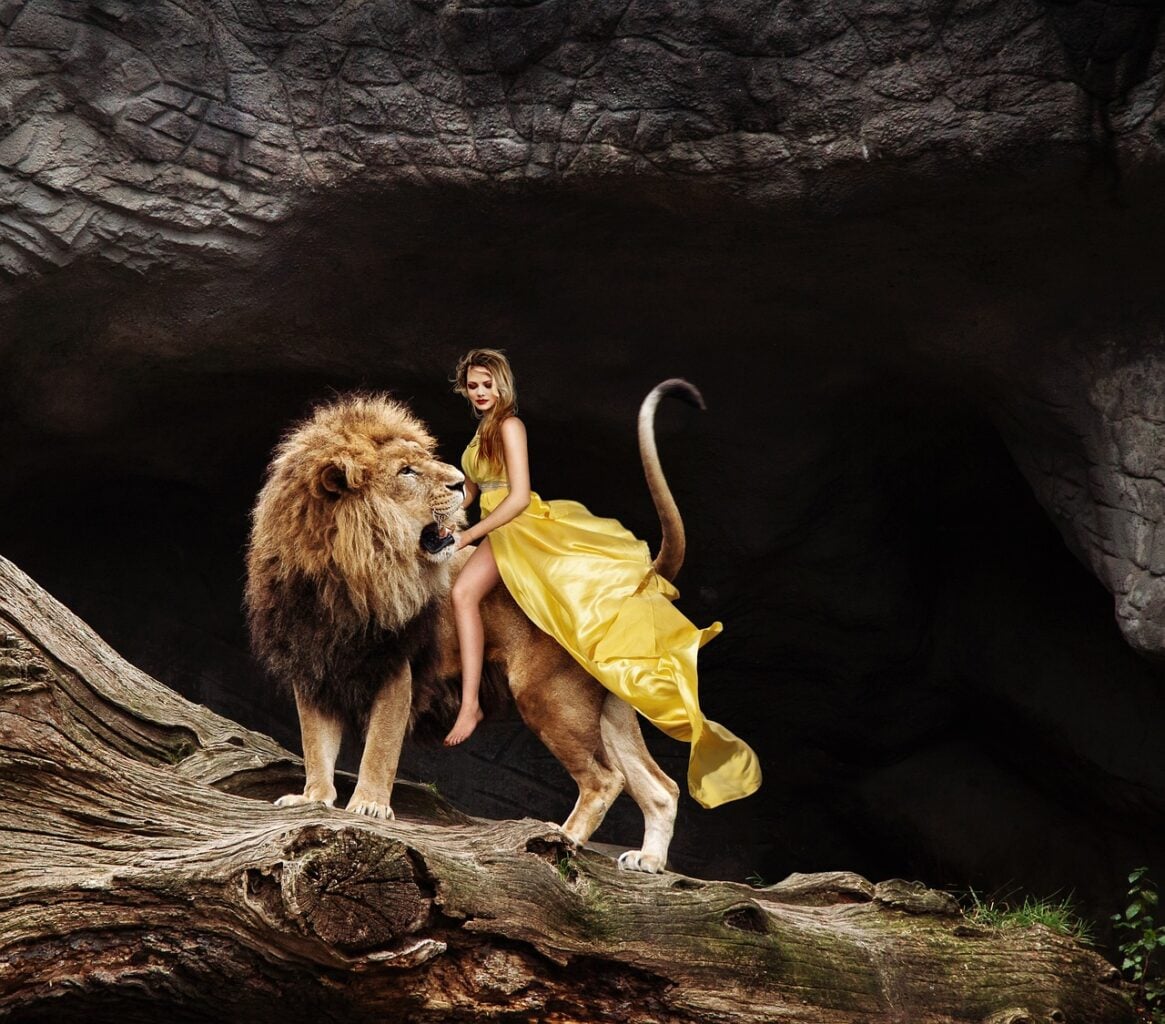

Walk deep into certain caves in France, Spain, or Indonesia, and you’ll find animals staring back from the rock that you’ll never see alive. Some were drawn with charcoal, others with ochre, and a few were pressed into the stone with a stone tool. The artists who made them stood within a few feet of creatures that have since vanished.
That’s what makes these paintings so strange and so moving. They aren’t reconstructions made by scientists. They’re eyewitness images, made by people who knew these animals as neighbors, rivals, and meals. Here are seven that no longer walk the Earth.
1. The Woolly Mammoth
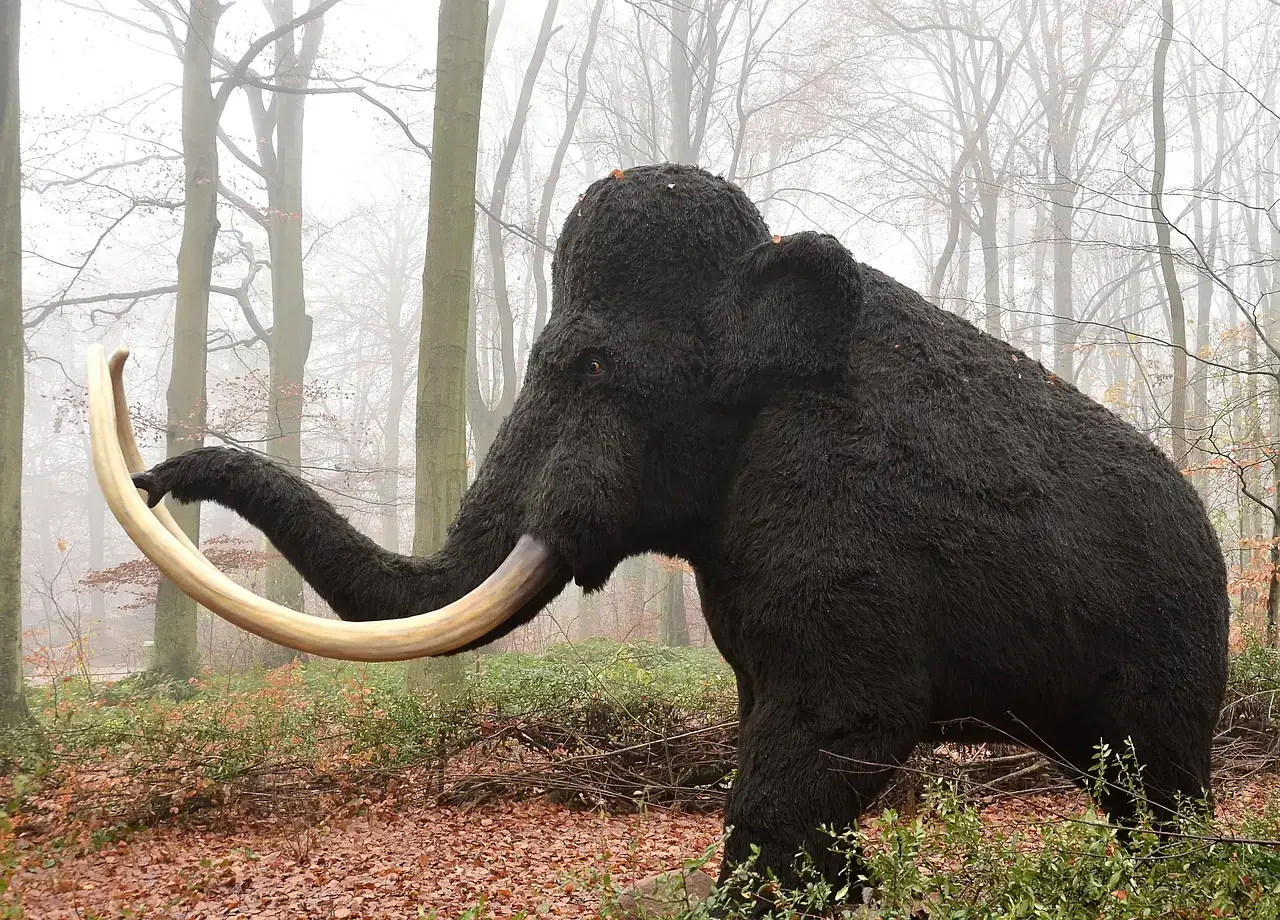
Mammoths show up in several famous European caves, including Rouffignac in France, which is sometimes nicknamed the Cave of a Hundred Mammoths. The drawings there are often simple outlines, but the high domed head, sloping back, and shaggy profile are unmistakable. Artists clearly knew the animal well.
Woolly mammoths survived in mainland Eurasia and North America until the end of the last ice age, and a small population lingered on Wrangel Island in the Arctic until roughly four thousand years ago. Climate warming and human hunting are both debated as causes of their decline. Researchers still argue over how much weight each factor deserves.
2. The Woolly Rhinoceros
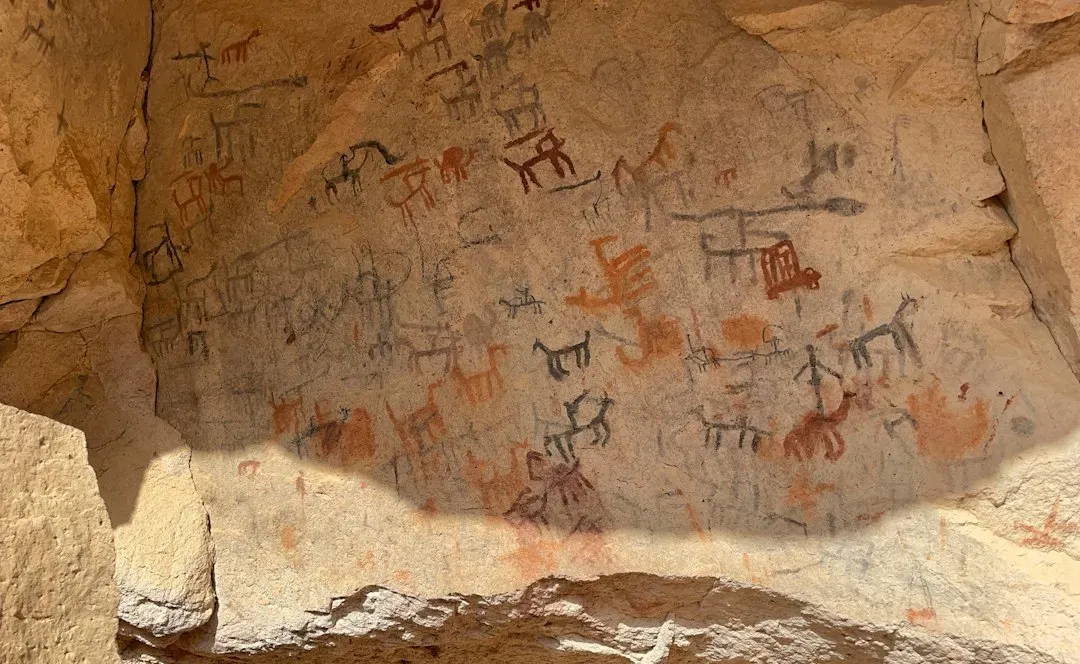
One of the best known woolly rhino images is in Chauvet Cave in southern France, where several of the animals appear in dynamic, crowded scenes. The paintings are thought to be more than thirty thousand years old. Some show rhinos butting horns, which hints at behavior the artists had actually watched.
The woolly rhinoceros was built for cold, with thick fur and a long front horn it likely used to sweep snow from plants. It disappeared from the fossil record around the end of the Pleistocene. Thanks to the cave art, we have a sense of its body shape that bones alone can’t fully give.
3. The Cave Lion
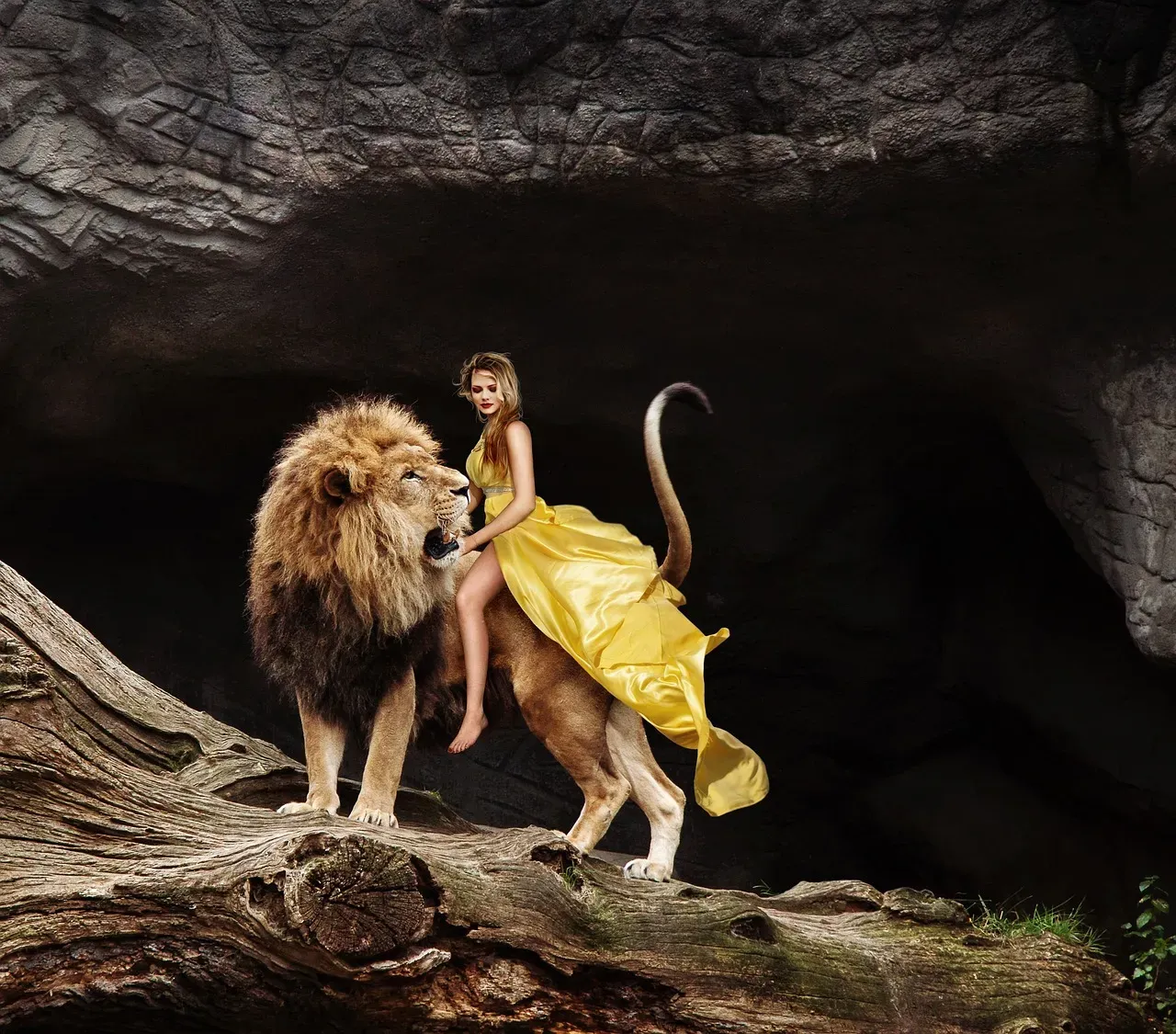
Chauvet also holds striking images of lions hunting together, drawn without the manes that modern male African lions carry. That detail has fueled discussion about whether European cave lions were maneless or whether artists simply chose not to show it. Either way, they were drawn with real confidence and a sense of motion.
Cave lions were larger than today’s lions and ranged across Europe and into parts of Asia. They died out near the close of the ice age. Their disappearance likely followed the decline of the large grazing animals they preyed on.

Air Purifiers for Home Pets Large Room Up to 3000 Ft²,HEPA Air Cleaner with Washable Double-Side Filter, PM2.5 Air Quality Monitor,15dB Sleep Mode for Bedroom Odor Dust Pollen,White
Check Price on AmazonAs an Amazon Associate, we earn from qualifying purchases.
10/8/2026 8:23 am GMTi

Glass Hummingbird Feeder for Outdoors Hanging, 16 oz Leak-Proof Nectar Feeder with Bee Guards & Ant Moat
Check Price on AmazonAs an Amazon Associate, we earn from qualifying purchases.
10/7/2026 1:22 pm GMTi

Halloween Dog Collar with Bow, Orange Cute Ghost Collar,
Check Price on AmazonAs an Amazon Associate, we earn from qualifying purchases.
10/9/2026 2:43 pm GMTi

Orthopedic Extra Large Dog Bed, Waterproof Washable XL Pet Bed 44"
Check Price on AmazonAs an Amazon Associate, we earn from qualifying purchases.
10/7/2026 1:32 pm GMTi

Professional 7 in 1 Dog Paw Cleaner for Dogs & Cats - Includes 1 Portable Paw Washer, 1 Bath Brush
Check Price on AmazonAs an Amazon Associate, we earn from qualifying purchases.
10/7/2026 1:26 pm GMTi
4. The Aurochs
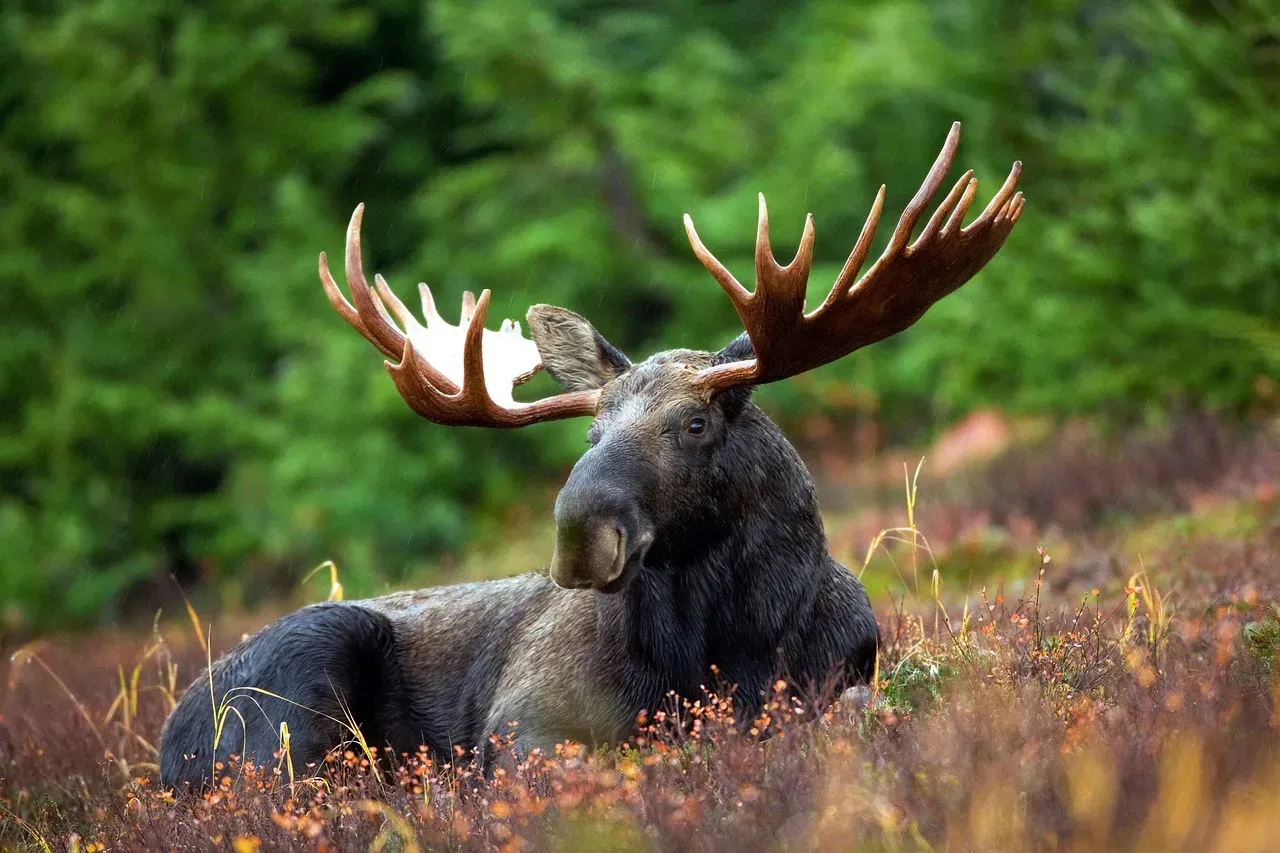
If you’ve seen photos of Lascaux, you’ve probably seen the aurochs. The giant black bulls in the Hall of the Bulls stretch for many feet across the walls, and they’re among the most famous prehistoric images anywhere. Their long, forward curving horns are drawn with striking care.
Aurochs were the wild ancestors of modern domestic cattle, and they were far bigger than most cows today. They persisted long after the ice age, but habitat loss and hunting wore them down, and the last known one reportedly died in Poland in the early seventeenth century. So this is an animal whose story ran much later than the paintings, though it’s still gone.
5. The Giant Deer
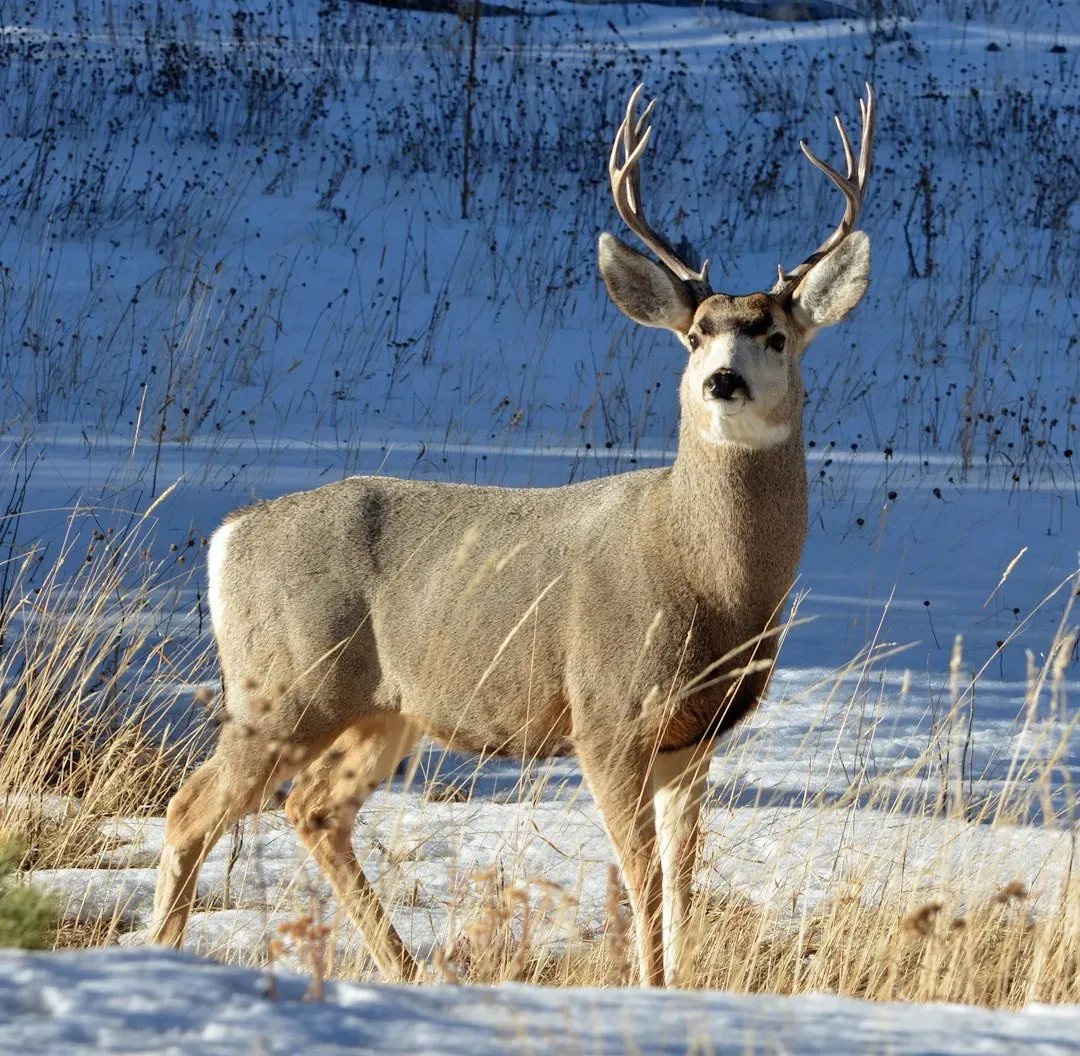
Often called the Irish elk, the giant deer carried some of the largest antlers of any deer ever known, spanning well over ten feet in the biggest males. Cave art, including images in France, appears to show this animal with a distinctive shoulder hump. That detail matches what skeletons suggest.
It’s a good example of how paintings and fossils can complement one another. The hump is the sort of soft tissue feature that doesn’t survive in bone. The species vanished at the end of the last ice age, though some populations may have hung on a bit longer in parts of Siberia.
6. The Steppe Bison
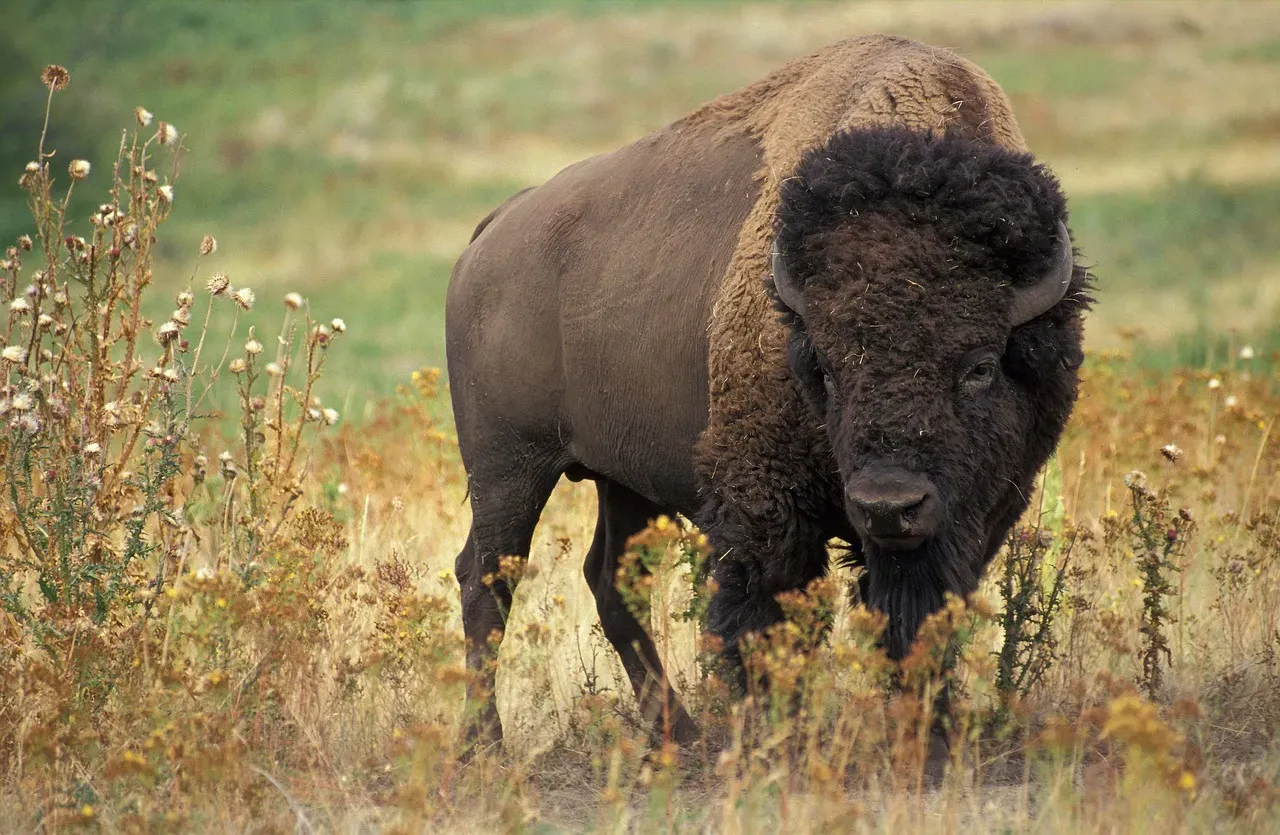
Bison appear again and again in cave art, and some of the finest examples are at Altamira in Spain, where painted animals curl and crouch on the ceiling. Many of those figures resemble the extinct steppe bison, a heavy, long horned animal of the ice age grasslands. The painters used the natural bumps of the rock to give the bodies a sculpted look.
Steppe bison were ancestors to the bison we know today, which is a useful point. They are less an animal that fully vanished and more one that was replaced by descendants of different form. Still, that ancient version, with its great horns, is gone.

2 Pcs Halloween Pet Hat Bandana Set, Witch Pumpkin Costumes for Dogs
Check Price on AmazonAs an Amazon Associate, we earn from qualifying purchases.
10/9/2026 2:45 pm GMTi

Glass Hummingbird Feeder for Outdoors Hanging
Check Price on AmazonAs an Amazon Associate, we earn from qualifying purchases.
10/7/2026 1:21 pm GMTi

Earth Rated XL Dog & Puppy Pee Pads, Discreet Top, Max Absorbency
Check Price on AmazonAs an Amazon Associate, we earn from qualifying purchases.
10/7/2026 1:28 pm GMTi

Smart Bird Feeder with Camera Solar Powered, 2K HD Live Video, 10,000+ Bird Species AI Identification
Check Price on AmazonAs an Amazon Associate, we earn from qualifying purchases.
10/7/2026 1:22 pm GMTi

Dog Stairs for Bed 18" H, 4-Step Dog Steps for High Bed
Check Price on AmazonAs an Amazon Associate, we earn from qualifying purchases.
10/9/2026 2:42 pm GMTi
7. The Javan and Sulawesi Wild Pigs and Their Lost Relatives
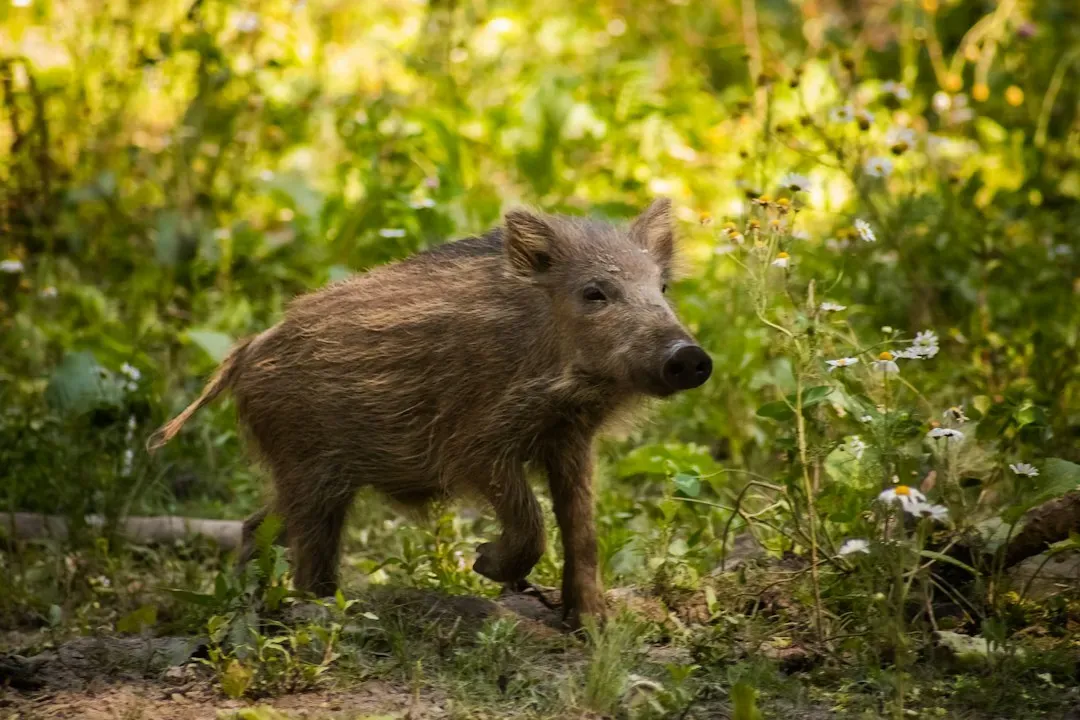
Not every lost animal is European. In Sulawesi, Indonesia, cave paintings of pigs and small buffalo like animals date back tens of thousands of years, and one pig scene has been dated to at least forty five thousand years ago. Some of these appear to depict species such as the Sulawesi warty pig, which still lives, and the small anoa, which is endangered rather than extinct.
So I’d be careful here. This entry is less about a clear extinction and more about a warning, because those animals survive in shrinking numbers. The paintings remind us that the ice age wasn’t the only time wildlife vanished, and the process hasn’t ended.

Halloween Cat Costume Cloak Witch Hat Pet Accessories
Check Price on AmazonAs an Amazon Associate, we earn from qualifying purchases.
10/9/2026 2:44 pm GMTi

PetSafe Oasys Pet Fountain, 1/2 Gallon (64 oz), Small Dogs & Cats
Check Price on AmazonAs an Amazon Associate, we earn from qualifying purchases.
10/8/2026 8:14 am GMTi

Hand Blown Glass Hummingbird Feeders for Outdoors Hanging, 24oz Wild Bird Nectar Feeder
Check Price on AmazonAs an Amazon Associate, we earn from qualifying purchases.
10/7/2026 1:23 pm GMTi

Portable Dog Water Bottle Foldable Dog Travel Water Bottle
Check Price on AmazonAs an Amazon Associate, we earn from qualifying purchases.
10/7/2026 1:29 pm GMTi
Final Thoughts

I’ll say it plainly: these paintings are better than any museum model. They carry the attention of people who looked closely because their lives depended on it. When I think about that, I don’t feel nostalgia so much as a nudge.
Those artists never imagined their subjects would disappear, and we have less excuse. Protect what’s still here, and treat these walls as a record of what carelessness and a changing planet can cost.

- Zoology Says That Open-Mouthed ‘Smelly Face’ Your Cat Makes Is It Using a Second Scent Organ in the Roof of Its Mouth - November 11, 2026
- 7 Ice Age Animals Painted on Cave Walls That No Longer Exist - November 11, 2026
- 15 Things a Dog Does Only for the Household Member It Trusts Most of All - November 11, 2026