

When you picture survival against the odds, what comes to mind? Maybe it’s scaling a mountain or enduring scorching desert heat. Yet there’s a creature thriving where most life simply can’t exist, and honestly, it’s doing so with style. roams the frozen tundra where winter darkness lasts for months and temperatures plummet to unimaginable lows.
These small, fluffy mammals might look adorable with their white coats and bushy tails, something straight out of a winter fairytale. Still, beneath that cute exterior lies one of nature’s most impressive survival machines. Let’s be real, surviving in the Arctic isn’t for the faint of heart. So how do these foxes manage it, and what secrets do they hide beneath that luxurious fur? Let’s dive in.
They Don’t Start Shivering Until It Hits Minus 70 Degrees Celsius
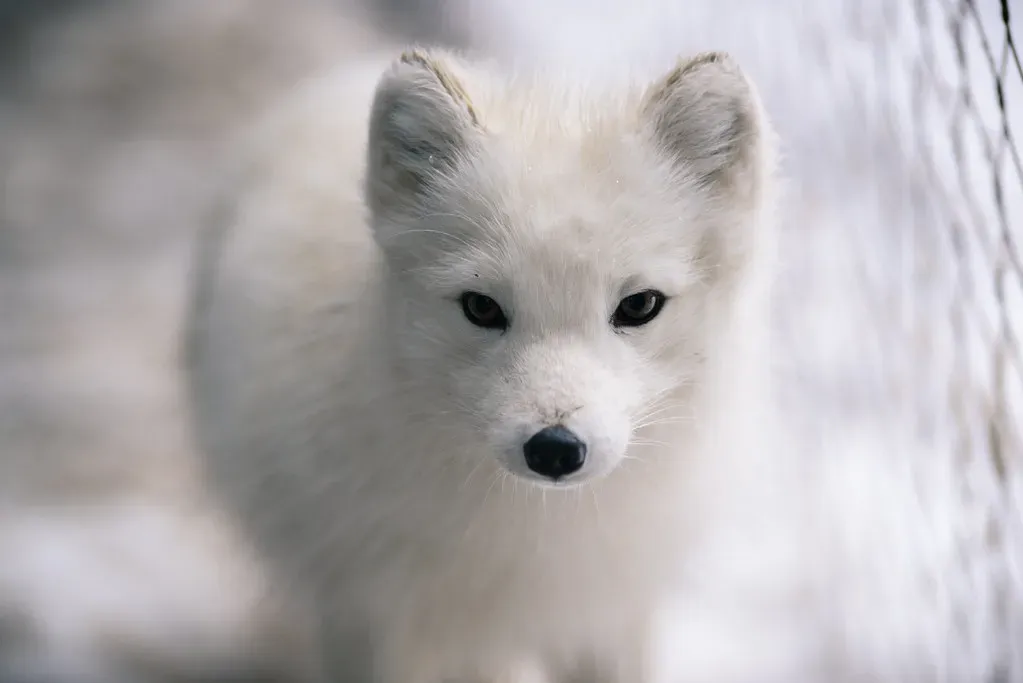
lives in some of the most frigid extremes on the planet, but they do not start to shiver until the temperature drops to −70 °C (−94 °F). Think about that for a moment. While most of us bundle up at the first sign of frost, these animals can casually stroll through conditions that would be fatal to nearly any other mammal. Their thick coat provides the best insulation of any mammal, and they are so well-insulated that they do not need to shiver until the temperature drops below -70°C (-94°F).
Their thick fur coat keeps the fox’s body at a toasty 104°F, creating a stark contrast with the frozen world around them. It’s hard to say for sure, but this might just be the most impressive thermal regulation system in the animal kingdom. This fur is the best insulation of any mammal, and they also gain more than 50% of their body weight as fat in the autumn.
Their Dens Can Be Used For Over 300 Years
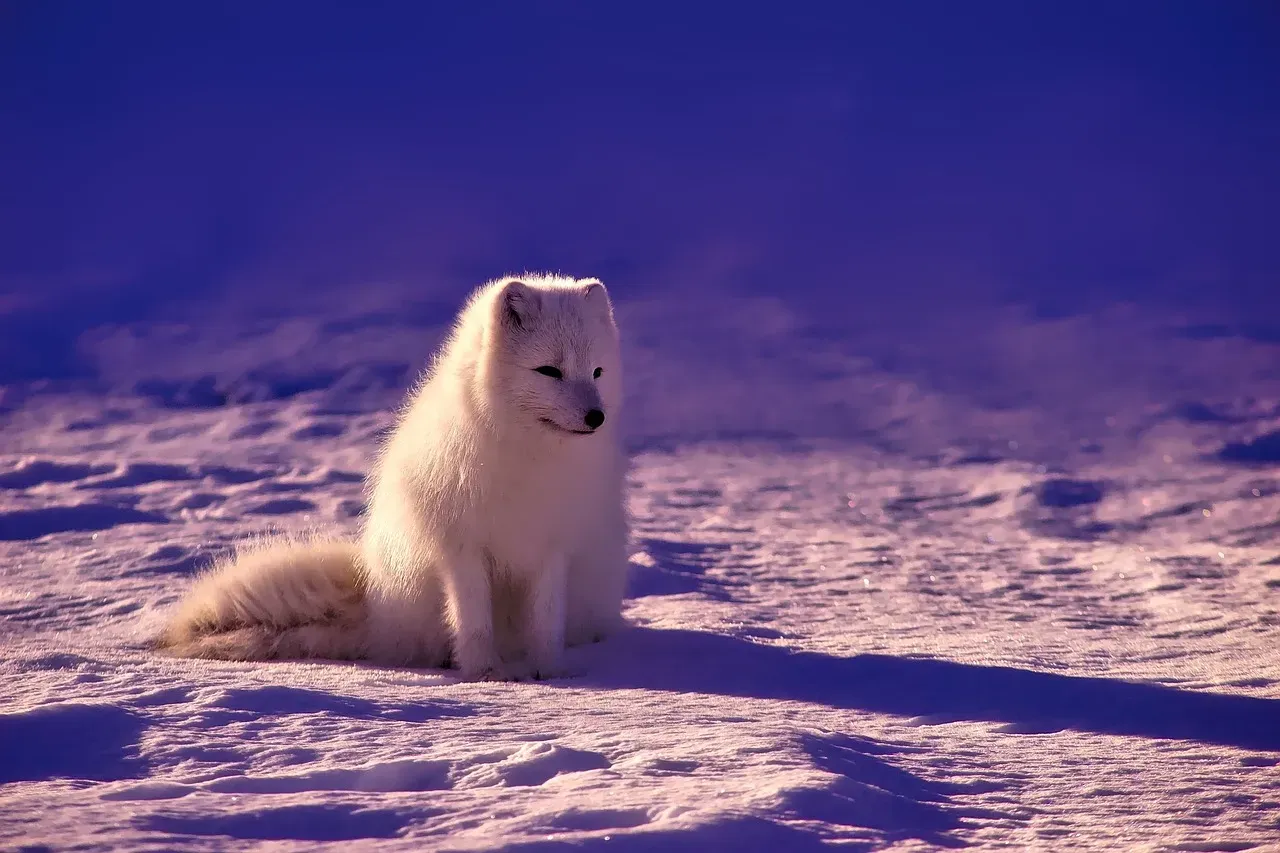
Here’s something that truly shocked me when I first learned about it. Arctic fox dens are used for generations – some are as old as 300 years. Imagine a home passed down through your family for three centuries. These dens aren’t just simple burrows either.
Arctic foxes live in large dens that are built in ground that doesn’t freeze and is slightly raised, and these dens are like complex systems of tunnels that can cover an area as big as 1,200 square yards (1,000 square meters). Generation after generation of foxes returns to these same underground labyrinths, expanding and maintaining them. The nutrient-rich soil around these ancient dens even creates oases of plant life in the otherwise barren tundra. It’s like they’re building their own little neighborhoods in the middle of nowhere.
One Young Female Traveled Over 3,500 Kilometers In Just 76 Days
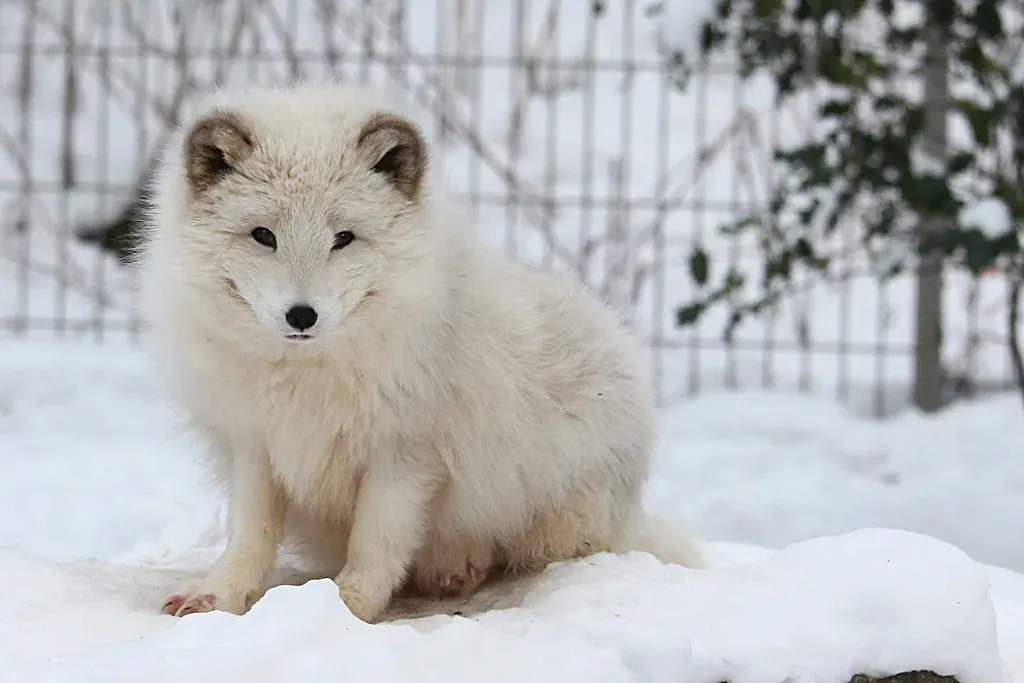
If you think Arctic foxes are homebodies because they reuse dens, think again. In 2018, a young, female arctic fox left her den in Spitsbergen, Norway and travelled more than 3,500 kilometres across sea ice and the vast, barren lands of the frozen Arctic to Ellesmere Island in northern Nunavut, Canada, making this epic solo journey in just 76 days, travelling as much as 155 kilometres in a single day. Let that sink in for a second.
The young fox crossed the polar ice from the islands to Greenland in 21 days, a distance of 1,512 km (940 mi), then moved on to Ellesmere Island in northern Canada, covering a total recorded distance of 3,506 km (2,179 mi) in 76 days, and she averaged just over 46 km (29 mi) a day, and managed as much as 155 km (96 mi) in a single day. That’s faster than most recorded movements for this species. These tiny creatures, weighing just a few kilograms, are among the most capable long-distance travelers in the mammal world.
They Can Smell A Seal Den From A Mile Away
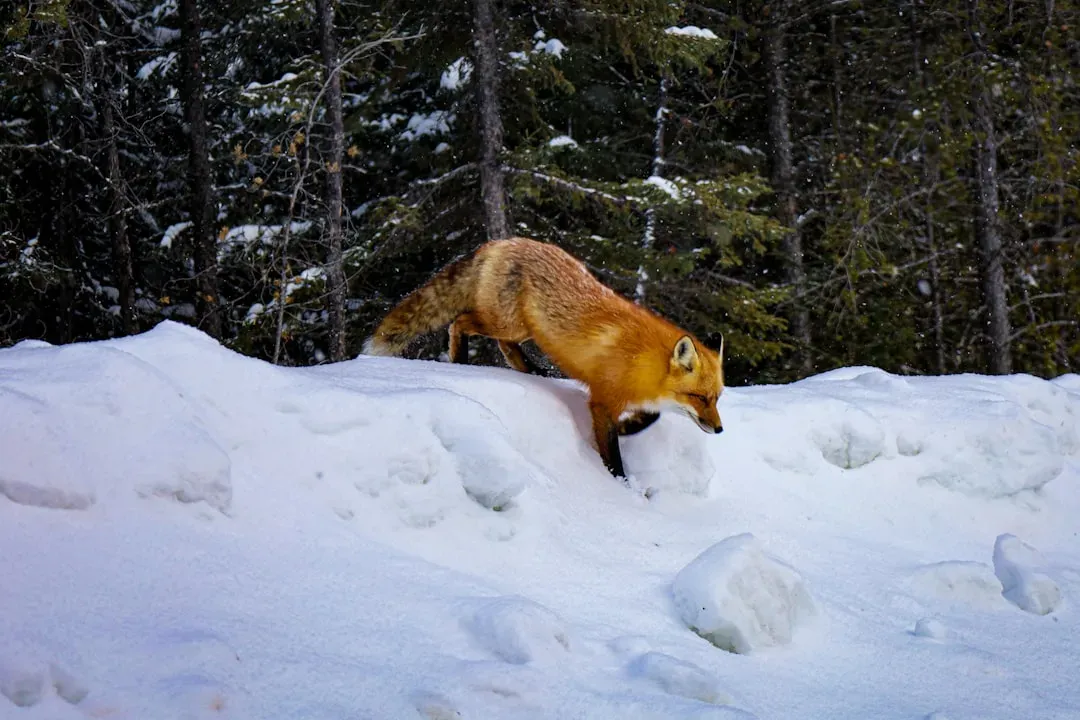
‘s sense of smell is nothing short of extraordinary. An arctic fox can smell a seal den a mile away, which is crucial when food sources are scattered across vast expanses of ice and snow. The nose of can detect a ‘resource hotspot like marine carrion’ as much as 40 kilometers away.
Their hunting technique is equally impressive. Arctic foxes mostly hunt lemmings and voles living beneath the snow, and they’ve got a nifty hunting trick called snow ambushing or mousing, where they pick up on tiny rustles under the snow using their sharp hearing, and once they pinpoint their prey, they leap up and dive headfirst into the snow to catch their meal. Picture a fox launching itself into the air like a fluffy missile, then crashing through a layer of snow to grab dinner. It’s both hilarious and remarkable.
They Change Their Entire Wardrobe With The Seasons
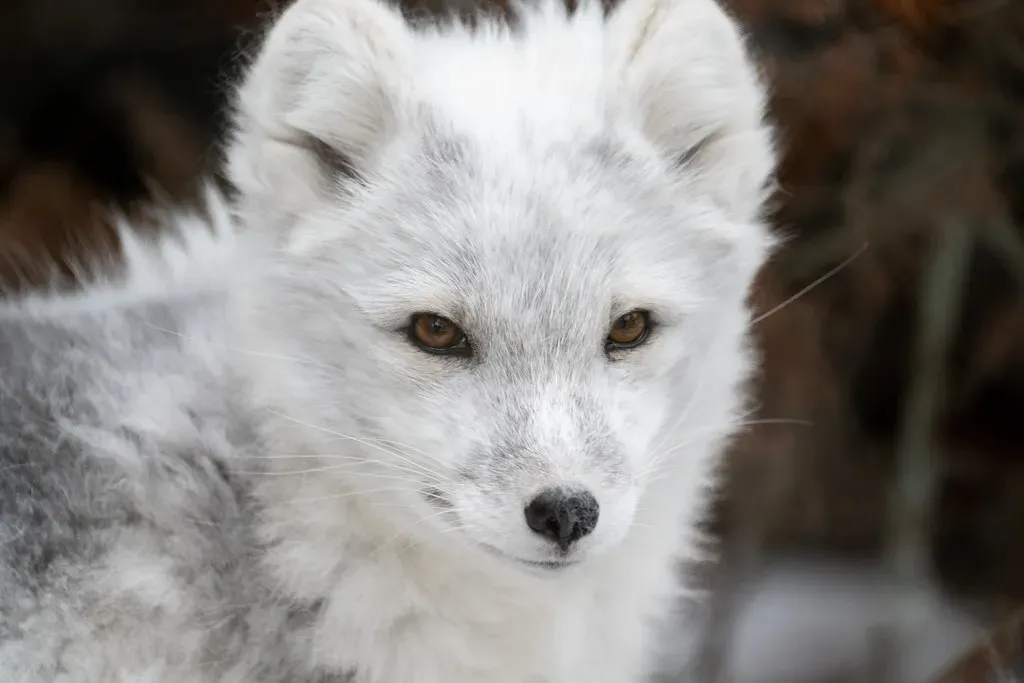
Fashion isn’t just for humans, apparently. Arctic foxes have beautiful white (sometimes blue-gray) coats that act as very effective winter camouflage, and when the seasons change, the fox’s coat turns as well, adopting a brown or gray appearance that provides cover among the summer tundra’s rocks and plants. It’s not just about looks though.
White-phase Arctic foxes undergo a seasonal color change, shifting between that long-haired, snowy-white winter coat and a shorter brown coat with whitish or yellowish flanks and belly in the summer, and the change to a summer coat often commences in April, while foxes start turning white again in September or October. Roughly about one percent of Arctic foxes sport a different color variant. Blue foxes are grayish- or brownish-blue, and while the white phase is common farther north and in inland zones, blue foxes are more often encountered in coastal and island environments.
They’re Master Survivors With Incredible Food Storage Strategies
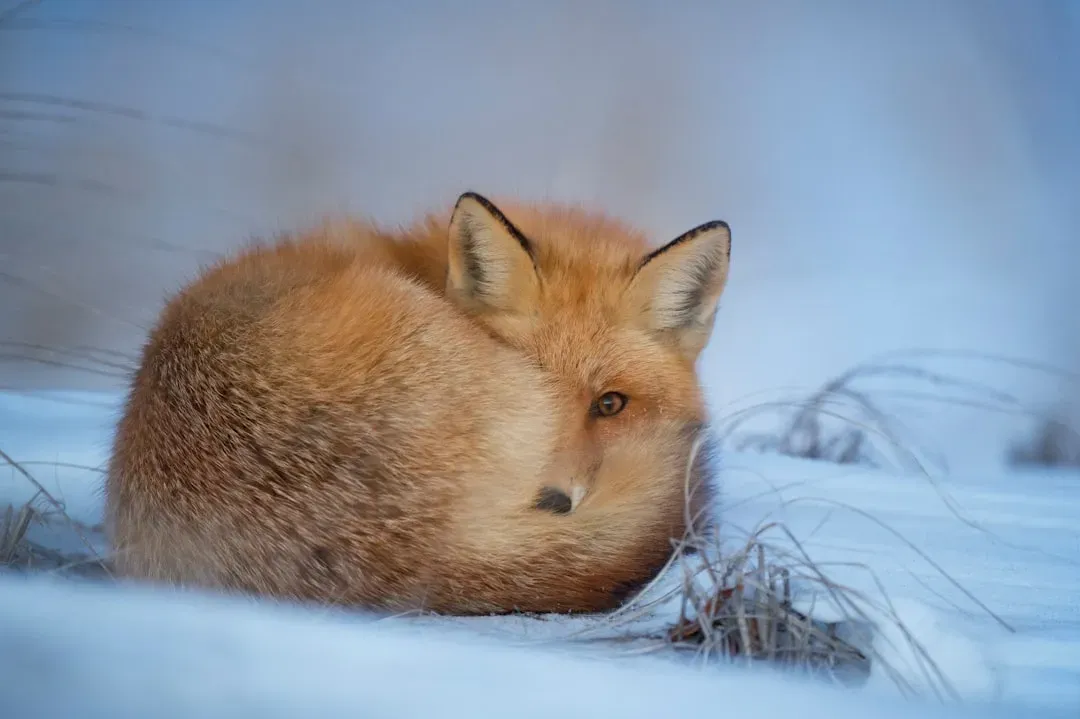
When food is abundant, Arctic foxes don’t just gorge themselves. They think ahead. Arctic foxes often stash extra food under rocks, in crevices, or by burying it in snow, and this clever tactic allows them to prepare for leaner times when food becomes scarce. They’re basically the preppers of the animal world.
In Canada, Arctic foxes acquire from snow goose eggs at a rate of 2.7–7.3 eggs/h and store 80–97% of them, and scats provide evidence that they eat the eggs during the winter after caching, with isotope analysis showing that eggs can still be eaten after a year. When times get really tough, they’ll follow polar bears and scavenge leftovers from their kills. If a fox can’t find food, or if the weather gets really bad, it can dig a snow den and hunker down for up to two weeks, and as long as a fox is warm, it can slow down its heart rate and metabolism.
Conclusion
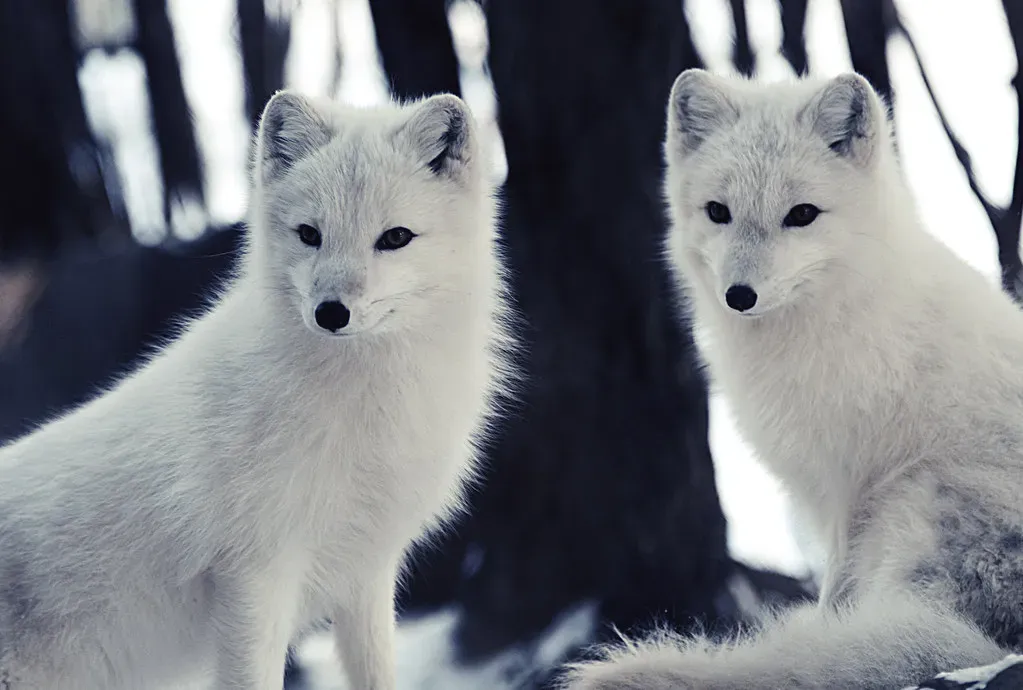
proves that size doesn’t determine survival skills. These small mammals have mastered one of Earth’s harshest environments through remarkable adaptations, from their unmatched insulation to their incredible endurance and clever food storage strategies. They’re architects building multi-generational homes, marathoners crossing thousands of kilometers, and opportunistic hunters with senses sharp enough to detect meals from miles away.
Yet their future isn’t entirely secure. Climate change is warming the Arctic at an alarming rate, shrinking their habitat and allowing larger red foxes to move in. What we do about climate change matters for these resilient creatures. Have you ever seen an Arctic fox in the wild, or does their story inspire you to learn more about Arctic conservation? What do you think is their most impressive adaptation?
