
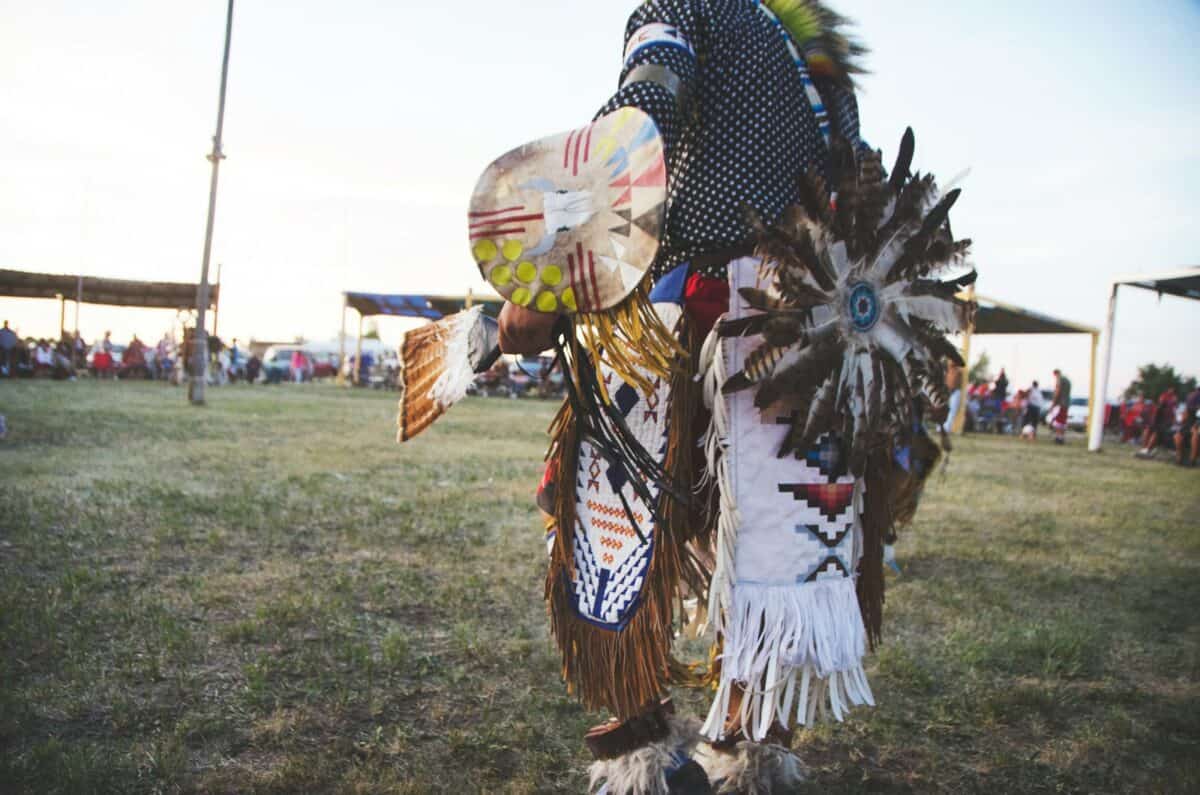
The vast tapestry of Native American heritage stretches back thousands of years, with hundreds of distinct tribes each carrying their own unique traditions, beliefs, and ways of life. Even before colonization, the land that became the United States was a country with hundreds of different Native American cultures, languages, and traditions coexisting within its borders. There’s no one-size-fits-all definition of “Native American,” nothing that fits into one, homogeneous picture. Instead, we have a beautiful mosaic of communities, each with its unique story to tell.
These ancient civilizations developed sophisticated systems of governance, agriculture, and spiritual practices that continue to influence modern America. From the towering pueblos of the Southwest to the longhouses of the Northeast, their innovations in everything from democratic principles to sustainable farming methods have left an indelible mark on our collective heritage. So let’s explore the remarkable legacies of these enduring cultures.
The Cherokee Nation: Masters of Adaptation and Innovation
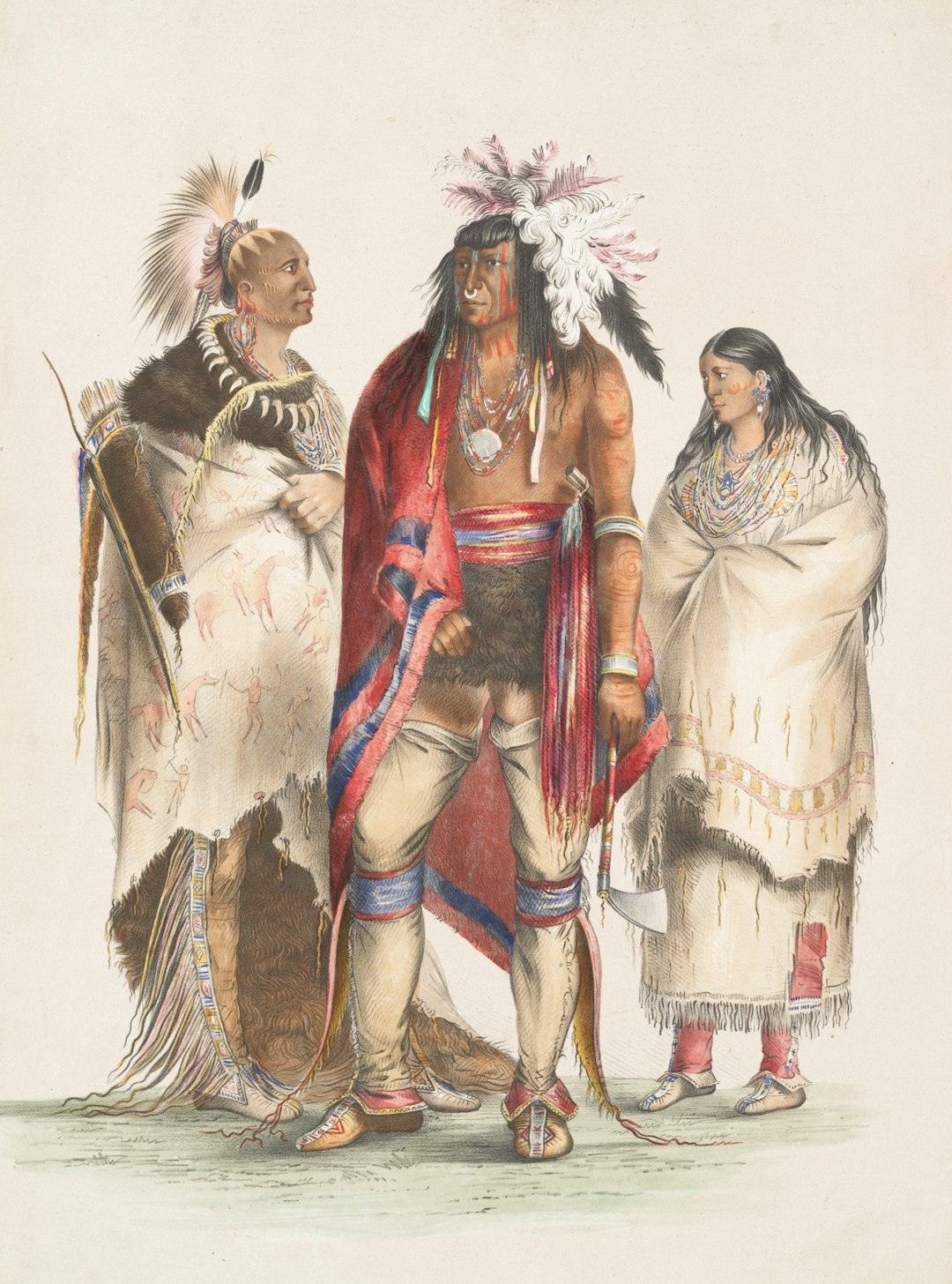
After 1800 the Cherokee were remarkable for their assimilation of American settler culture. The tribal nation formed a government modeled on that of the United States. Perhaps most remarkable of all was the syllabary of the Cherokee language, developed in 1821 by Sequoyah, a Cherokee who had served with the U.S. Army in the Creek War. The syllabary – a system of writing in which each symbol represents a syllable – was so successful that almost the entire group became literate within a short time. This incredible achievement made the Cherokee the first Native American tribe to develop a written form of their language, leading to the publication of books, newspapers, and even translations of Christian scriptures.
For instance, the Payne papers describe the account by Cherokee elders of a traditional two-part societal structure. A “white” organization of elders represented the seven clans. As Payne recounted, this group, which was hereditary and priestly, was responsible for religious activities, such as healing, purification, and prayer. A second group of younger men, the “red” organization, was responsible for warfare. This sophisticated governmental system balanced spiritual leadership with military strategy, creating a model of balanced governance that influenced later democratic systems.
The Pueblo Peoples: Architects of Enduring Stone Cities
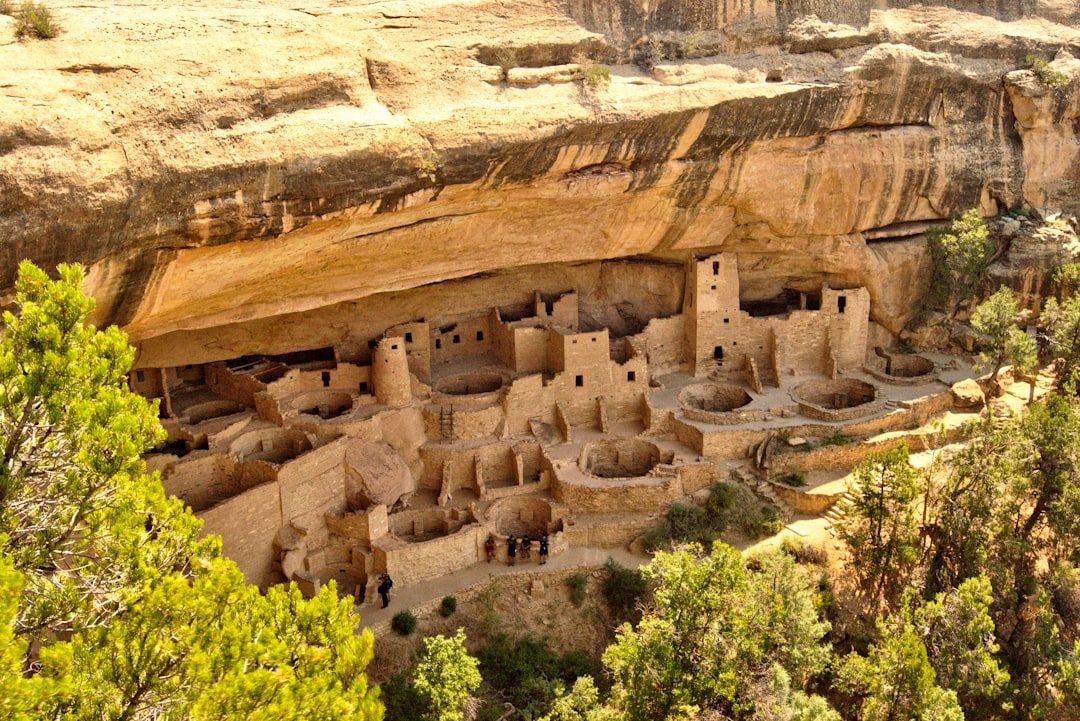
Pueblo Native Americans are one of the oldest cultures in the United States, with their distinctive culture developing over many centuries. Historians believe the Pueblo tribe descended from three cultures, “including the Mogollon, Hohokam, and Ancient Puebloans (Anasazi).” Representative of the Southwest American Indian culture, the Pueblo tribe settled in the Mesa Verde region at the Four Corners of Colorado, New Mexico, Utah, and Arizona. Their architectural marvels still stand today as testaments to their engineering prowess and spiritual dedication.
Sedentary farmers such as the Hopi, the Zuni, the Yaqui and the Yuma grew crops like corn, beans and squash. Many lived in permanent settlements, known as pueblos, built of stone and adobe. These pueblos featured great multistory dwellings that resembled apartment houses. At their centers, many of these villages also had large ceremonial pit houses, or kivas. These incredible structures, some reaching five stories high, showcased advanced urban planning that influenced modern apartment design and community layouts.
The Iroquois Confederacy: Founders of Democratic Principles
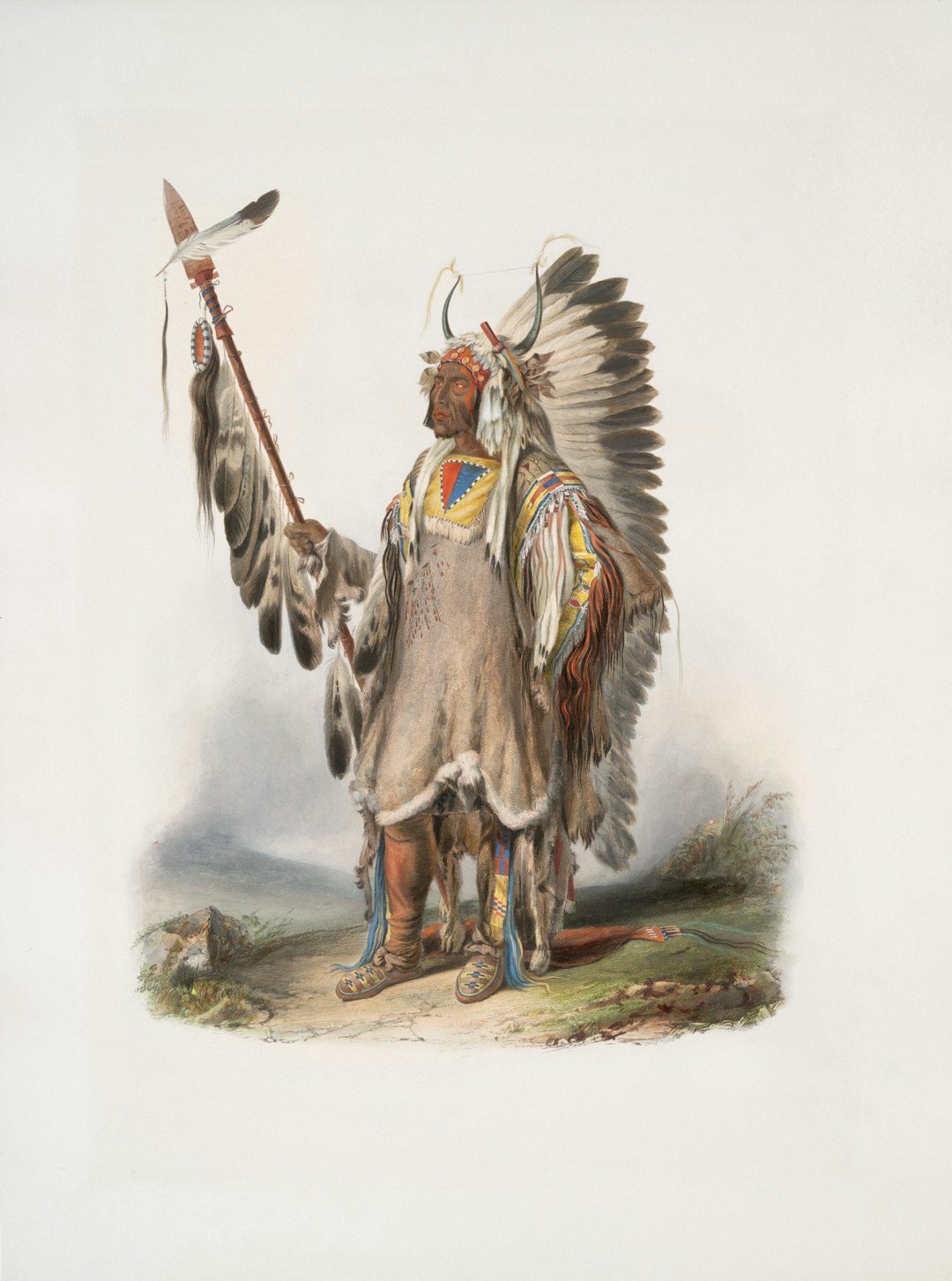
The Iroquois League of Nations or “People of the Long House”, based in present-day upstate and western New York, had a confederacy model from the mid-15th century. It has been suggested that their culture contributed to political thinking during the development of the later United States government. Their system of affiliation was a kind of federation, different from the strong, centralized European monarchies. This remarkable political innovation provided a blueprint for democratic federation that would later inspire the founding fathers of America.
Prior to European arrival in North America, tribes had effectively governed themselves for hundreds of years and had developed thriving systems of nurturing and teaching their youth and governing their communities. The U.S. government itself finds its roots in the principles of the Iroquois (Haudenosaunee) Confederacy. The Great Law of Peace, which governed the Iroquois Confederacy, emphasized consensus-building, women’s roles in governance, and the importance of considering the impact of decisions on future generations.
The Sioux Nation: Keepers of the Sacred Plains
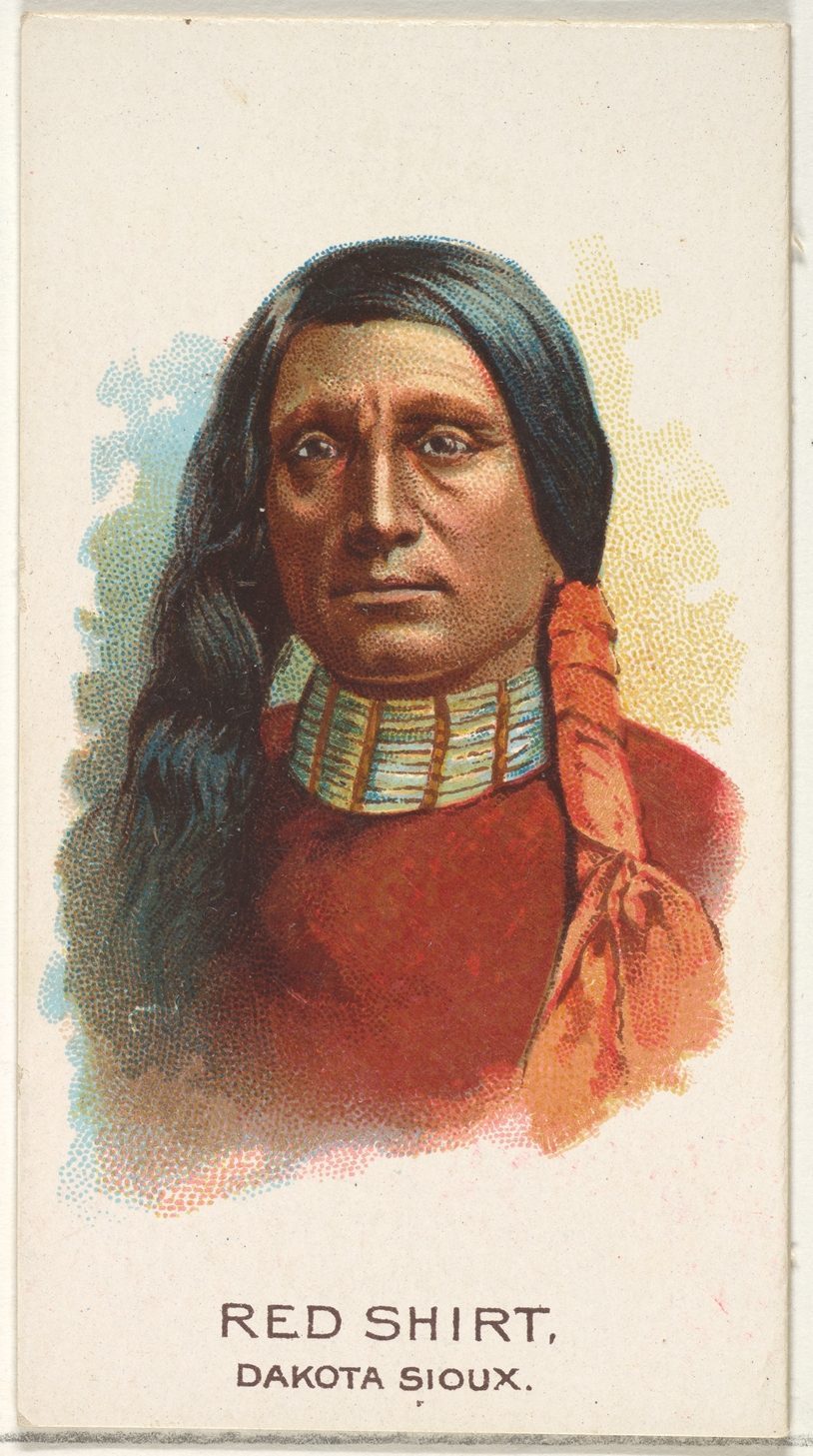
The Sioux nation was not a single tribe but rather a confederation of allied groups, collectively called the Oceti Sakowin (Seven Council Fires). These were organized into three main divisions, based largely on dialect: The Council Fires represented a loose confederation where each band maintained autonomy but cooperated for defense, trade, and major ceremonial gatherings. Leadership was often based on consensus, with chiefs chosen for qualities of wisdom, generosity, and bravery rather than strict hereditary succession.
Their spiritual traditions centered on the sacred nature of the land, particularly the Black Hills, which they considered the heart of their world. The Sioux developed sophisticated hunting techniques and nomadic lifestyles that allowed them to thrive on the Great Plains for centuries. Cultural Revitalization: Powwows, language programs, and traditional ceremonies saw revival, strengthening identity across generations. Cultural Revitalization: Powwows, language programs, and traditional ceremonies saw revival, strengthening identity across generations. Today, their cultural revival efforts continue to inspire Indigenous communities worldwide.
The Apache Tribes: Masters of Desert Survival
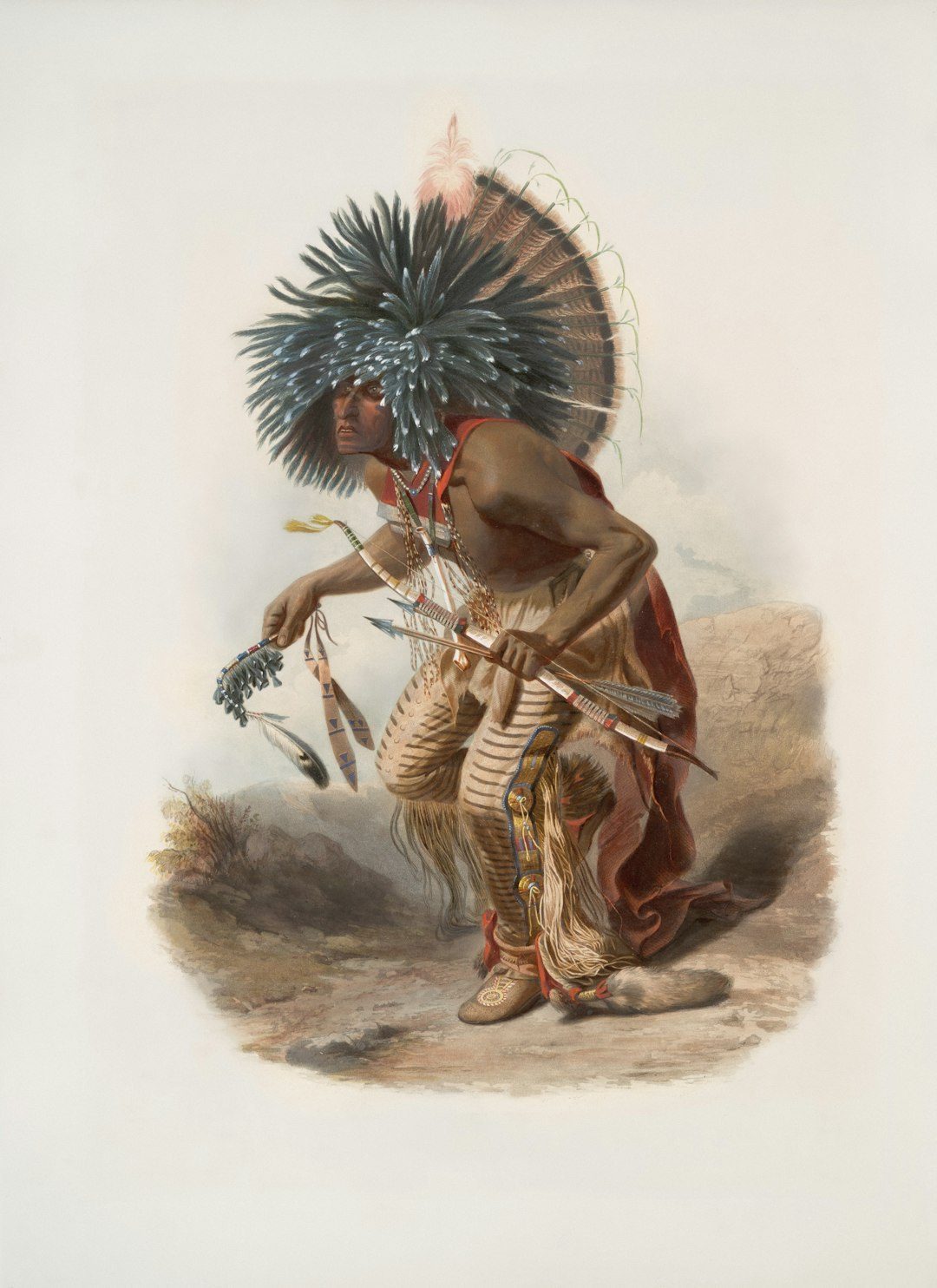
The Apache Tribe consists of several distinct groups, including the Western Apache, Chiricahua, and Mescalero, each with unique languages and cultural practices. Traditionally, the Apaches were known as skilled warriors and resourceful hunters, adapting to the diverse landscapes of the Southwest. Their ability to survive and thrive in some of the harshest environments in North America demonstrated remarkable ingenuity and deep ecological knowledge.
The Apache developed sophisticated techniques for desert survival, including methods for finding water, creating shelter from natural materials, and utilizing every part of the plants and animals they encountered. Their mobile lifestyle and intimate knowledge of the land made them formidable opponents during conflicts with European settlers. Today, Apache communities continue to practice traditional ecological knowledge, contributing valuable insights to environmental conservation efforts and sustainable living practices in arid regions.
The Ojibwe (Chippewa): Guardians of the Great Lakes
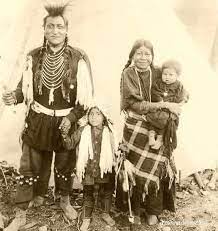
The Chippewa Tribe, also known as the Ojibwe, is one of the largest Indigenous groups in North America, with a rich heritage that spans across the northern United States and Canada. Renowned for their vibrant culture, including traditional crafts like beadwork and birch bark baskets, the Chippewa have a storied history that emphasizes their close relationship with nature. Their sustainable harvesting practices and seasonal migration patterns served as models for living in harmony with natural cycles.
For many Native American cultures, heritage is a living library passed down not through written texts, but through a rich and deeply ingrained oral tradition. History, spiritual values, and cultural knowledge are carefully transmitted from a generation of elders to the youth through storytelling. This ensures that the unique story and identity of each tribe continues to be heard. The Ojibwe exemplify this tradition through their preservation of ancient stories, songs, and ceremonies that continue to guide their communities today. Their traditional knowledge of wild rice harvesting and maple syrup production has influenced modern sustainable agriculture practices.
Conclusion: Living Legacies of Ancient Wisdom
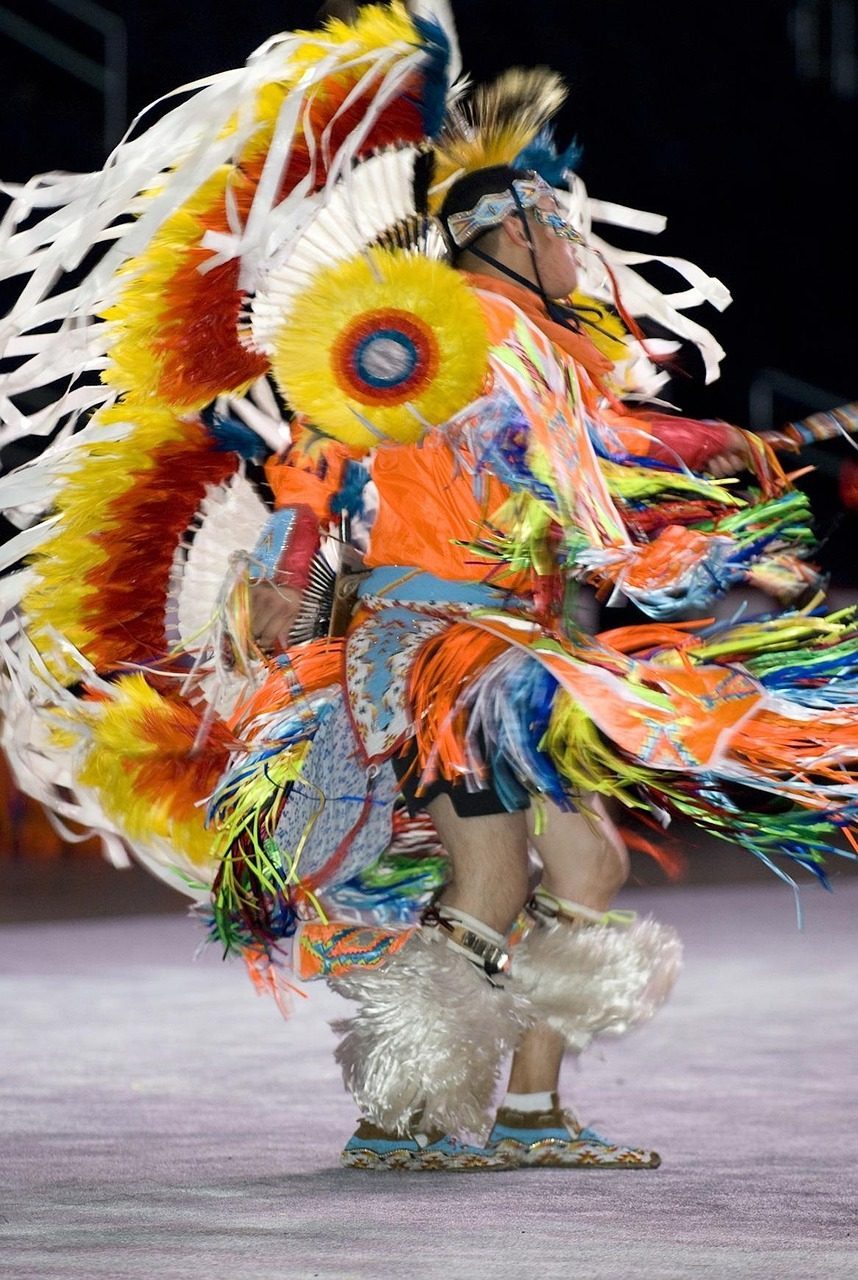
These seven ancient American tribes represent just a fraction of the rich cultural heritage that Indigenous peoples have contributed to the Americas. All tribes have a rich culture, whether founded in language or ceremony, which strengthen America as a nation today. Though Native cultures have struggled to survive tribes’ ever-changing relationship between self-determination and self-preservation, they remain vibrant and resilient as ever. Their innovations in governance, agriculture, architecture, and environmental stewardship continue to influence modern society in profound ways.
From the Cherokee’s groundbreaking writing system to the Iroquois’ democratic principles, from the Pueblo’s architectural marvels to the Sioux’s spiritual connection to the land, these tribes have left enduring marks on American culture. Their emphasis on community harmony, sustainable living, and respect for future generations offers valuable lessons for our modern world. What aspects of these ancient wisdom traditions do you think are most relevant to today’s challenges?
