
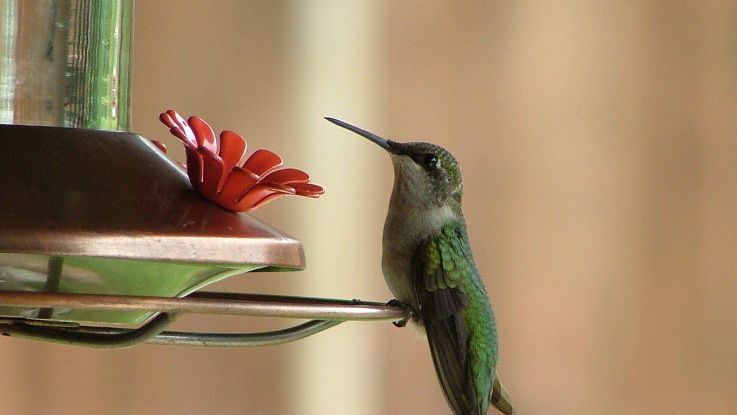
You’ve done your homework. You’ve put out a feeder, planted a few flowers, and maybe even positioned a little garden chair so you can watch these aerial acrobats do their thing. Yet day after day, your garden remains suspiciously quiet. No whirring wings. No iridescent flashes of color. Where are they?
It’s easy to feel like you’re doing everything right when hummingbirds simply refuse to show up. Let’s be real, these tiny birds are picky, and they’ve got standards. Sometimes it’s not about what you’re doing, but what you’re overlooking. So before you give up and resign yourself to a hummingbird-free existence, let’s dig into the real reasons these feathered jewels might be steering clear of your space.
Your Feeder Is a Biohazard Waiting to Happen
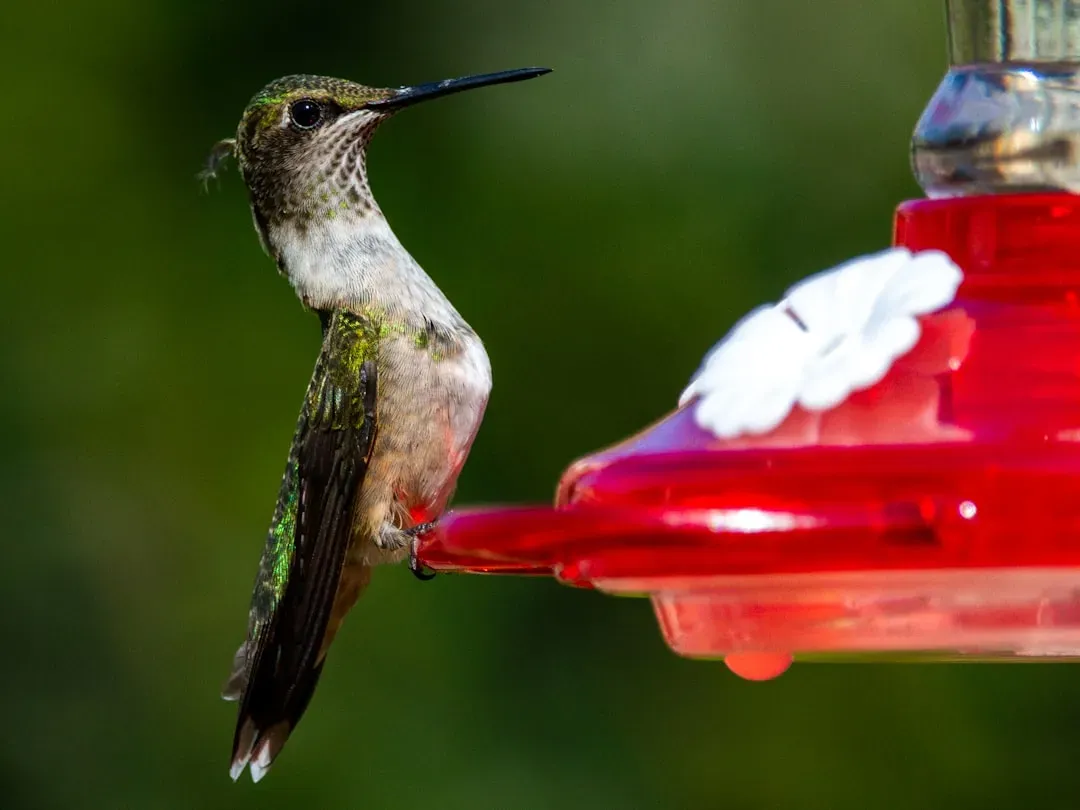
Spoiled nectar can make hummingbirds sick or drive them away permanently. Here’s the thing: if you’re not cleaning that feeder regularly, you’re basically serving them a petri dish of bacteria and mold. Hummingbirds have incredible memories, and if they taste something off once, they won’t come back.
Clean feeders thoroughly every 2-3 days in hot weather, every 4-5 days in cooler temperatures. I know it sounds like a lot of work, and honestly, it is. Still, neglecting this step is one of the fastest ways to turn your backyard into a no-fly zone for hummingbirds.
When hummingbirds feed from a contaminated feeder, they can ingest harmful pathogens that lead to fungal infections in their tongues and throats, preventing them from feeding and ultimately leading to starvation. So yeah, that cloudy nectar you’ve been ignoring? It’s not just unappealing. It’s dangerous.
You’re Using the Wrong Nectar Recipe
Use a solution of four parts water to one part plain white sugar – never use honey, brown sugar, or artificial sweeteners. This is non-negotiable. Forget those fancy bottled nectars with red dye or any creative substitutions you’ve been tempted to try.
Honey’s sticky consistency is especially dangerous to hummingbirds as it can act like a glue if it gets caught on their tongues and potentially weld their bills shut. Likewise, honey gums up feeders and attracts insects that can harm hummingbirds. Brown sugar isn’t much better since it contains iron that can be toxic to these tiny creatures.
Avoid red dye completely; the red parts on the feeder are sufficient to attract birds without potentially harmful additives. Seriously, the feeder itself does the job. Adding dye is just unnecessary risk.
Your Garden Lacks the Right Flowers
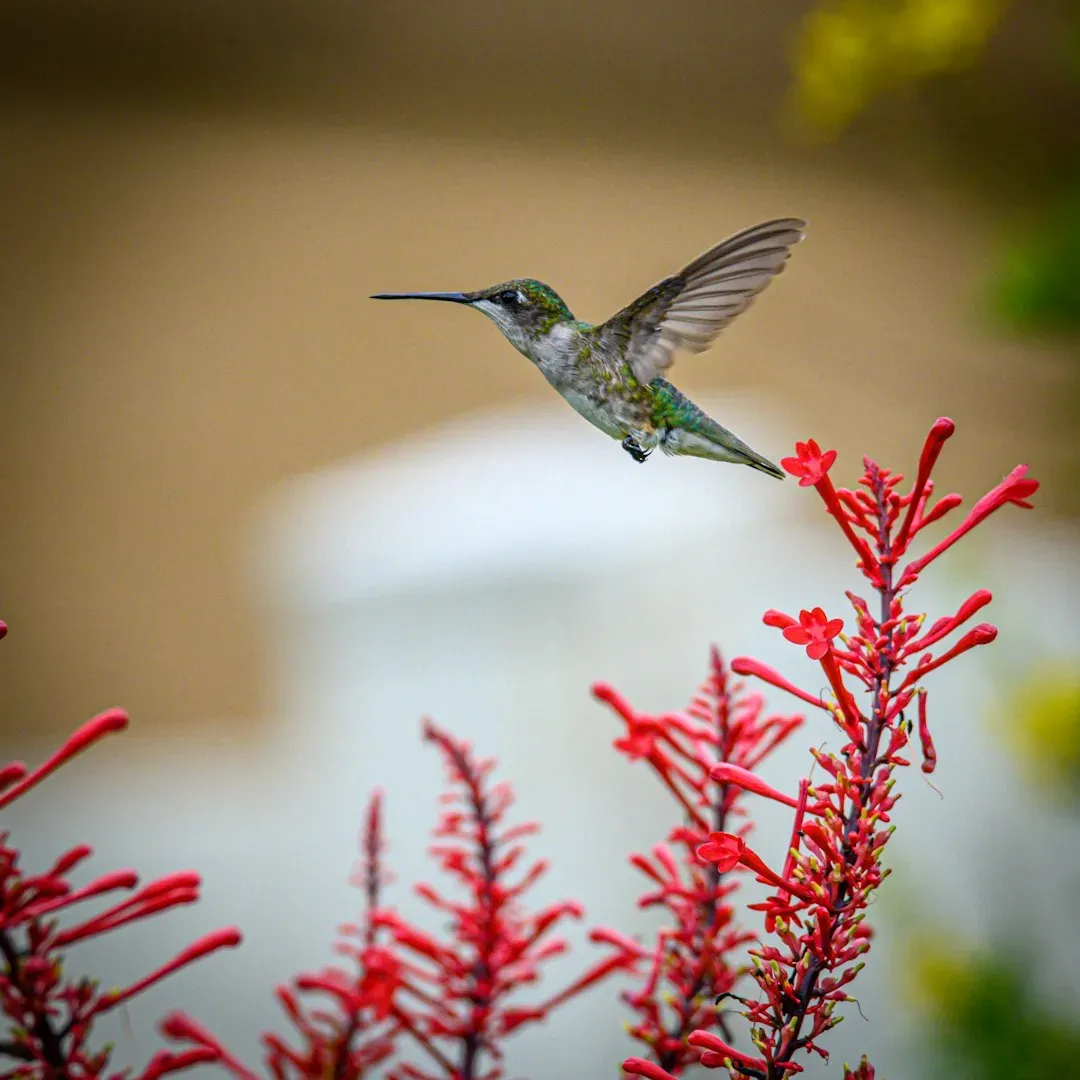
Hummingbirds see color differently than we do and are strongly attracted to bright reds, oranges, and pinks. They’re less interested in blues, whites, and pastels that might appeal to butterflies or bees. So if your garden is awash in soft lavenders and pale yellows, you might be missing the mark entirely.
Flower shape matters tremendously to hummingbirds. Their specialized long bills and tongues evolved specifically for feeding from tubular flowers, which often contain the high-energy nectar they crave. Those gorgeous hybrid roses you babied all summer? Hummingbirds couldn’t care less about them.
Hummingbirds are most likely to visit plants with long, tubular flowers and orange and red coloration. Think salvia, trumpet vine, bee balm, and cardinal flower. These are the showstoppers that will actually get their attention.
There’s No Food Between Bloom Cycles
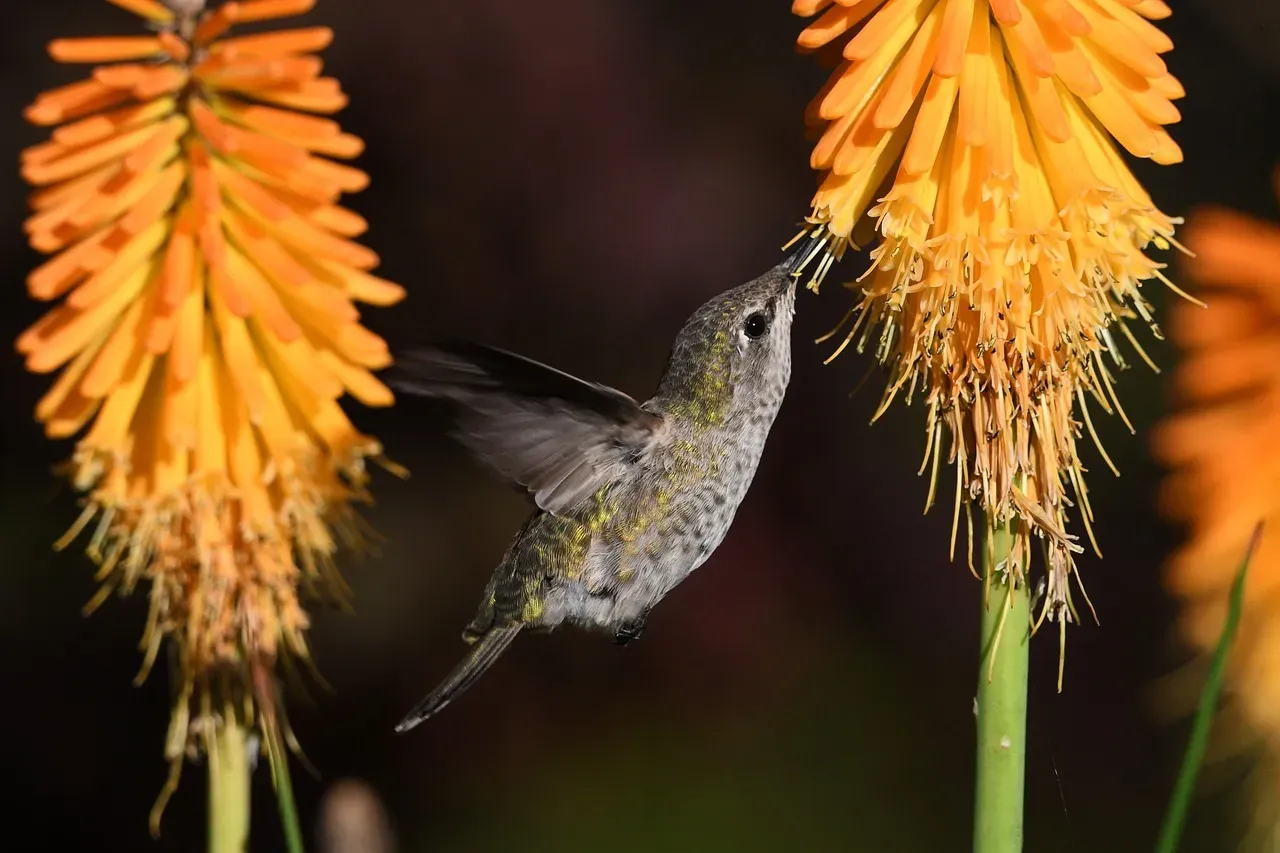
Hummingbirds need a reliable food source throughout their entire season. Gardens with gaps in flowering periods won’t keep these high-metabolism birds coming back. It’s not enough to have one spectacular month of blooms if the rest of the season is barren.
Plan your garden with early, mid, and late-season bloomers. Spring coral bells, summer bee balm, and fall sage create an unbroken nectar buffet. This kind of planning takes foresight, but it pays off big time.
If a nearby garden, park, or natural area suddenly bursts into bloom with nectar-rich flowers (especially native ones), hummingbirds will naturally gravitate towards these abundant food sources. Your garden has to compete with what’s around it. If your neighbor has a continuous supply and you don’t, guess where the hummingbirds are going?
Predators Are Lurking Too Close
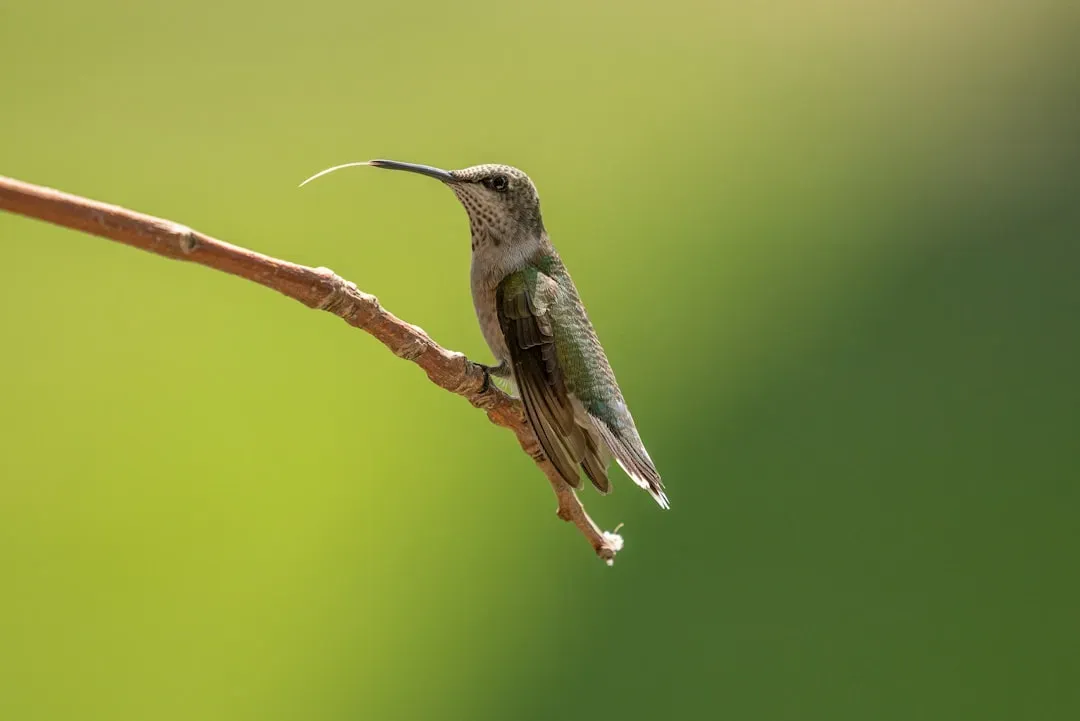
Free-roaming domestic cats are a significant threat to hummingbirds. If a cat is lurking near your feeder, hummingbirds will quickly learn to avoid it. Cats aren’t the only problem either. Hawks, praying mantises, and even aggressive insects can make your garden feel unsafe.
“Snakes and praying mantises are known to park themselves on sugar-water feeders and prey on hummingbirds. A praying mantis will hang on the feeder, grab a hummingbird with its pincers, and suck the juice out of the bird,” says one expert. It’s brutal out there.
Proper hummingbird feeder placement should be at least four feet off the ground and away from tree trunks, retaining walls or steps where roaming cats and other predators can lurk and capture hummingbirds. Placement matters more than you think.
Your Garden Is Too Crowded or Too Exposed
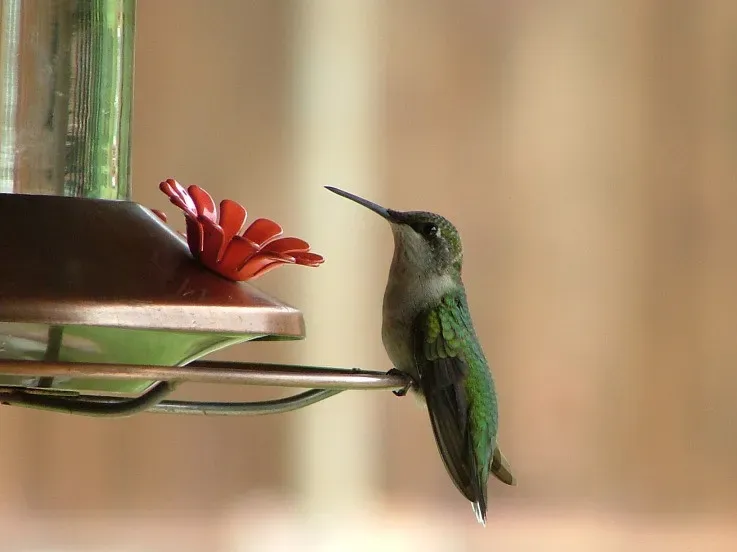
Gardens with plants packed too tightly create impenetrable walls of foliage that these aerial acrobats can’t navigate. Hummingbirds need space to maneuver. If your flower beds are so dense they can’t hover comfortably, they’ll simply move on.
On the flip side, hummingbirds are more likely to visit feeders that are placed in a safe, convenient location. Hang the feeder in a shaded area near flowers or shrubs where they can easily spot it and find shelter. Too exposed, and they feel vulnerable. Too hidden, and they can’t access the nectar efficiently.
Space your plants according to their mature size, leaving flight corridors between clusters. Consider the three-dimensional aspect of your garden, creating layers at different heights. Think like an architect when planning your layout.
Conclusion
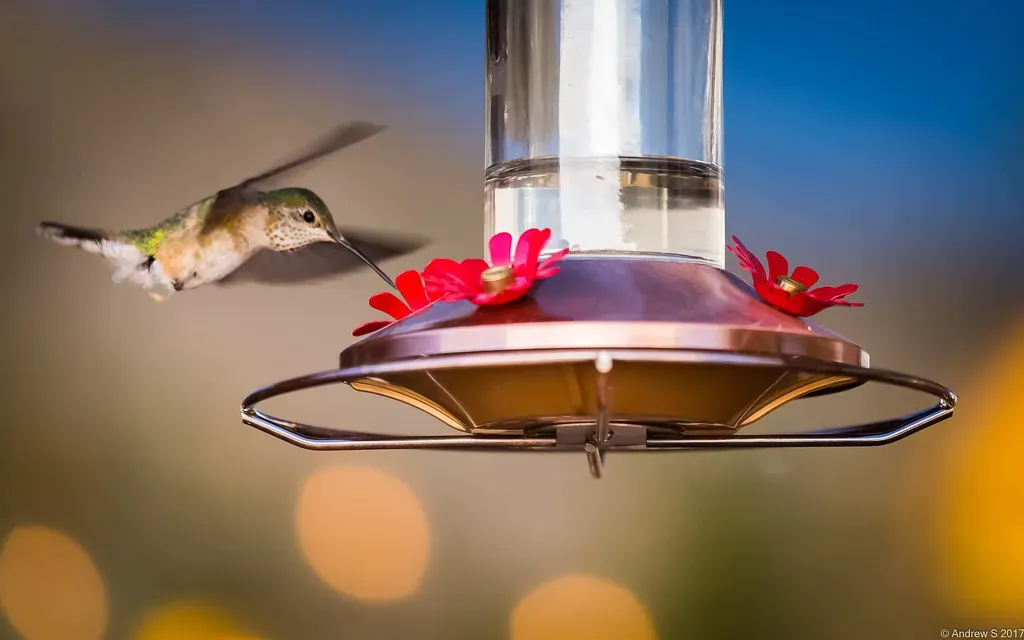
Attracting hummingbirds isn’t rocket science, but it does require attention to detail. Clean feeders, proper nectar, the right flowers at the right times, safety from predators, and thoughtful garden design all play a role. It’s hard to say for sure which mistake might be keeping them away from your space, but fixing even one or two of these issues can make a huge difference.
Once hummingbirds discover your garden is a safe, reliable source of food, they’ll return year after year. What changes are you planning to make in your garden this season?
