
We tend to think of empathy as this deeply human thing. Something that separates us from the rest of the animal kingdom. A trait born of civilization, poetry, and complex thought. But honestly, the more science digs into the emotional lives of animals, the more that comfortable assumption crumbles.
Research increasingly backs the idea of emotions in animals. Researchers have observed empathy in them, as well as grief, fear, and other complex emotions often associated primarily with humans. Think about that for a second. These aren’t just warm fuzzy stories from pet owners. These are documented, peer-reviewed findings. A growing number of behavioral studies, combined with anecdotal observations in the wild, are revealing that many species have much more in common with humans than previously thought.
Seven creatures stand out in a particularly striking way. Their stories are surprising, moving, and in some cases almost unbelievable. Let’s dive in.
Dogs: The Empathy That Lives Right in Your Home

Here’s the thing, most of us have felt it but never quite been able to explain it. Your dog somehow knows. You’ve had a terrible day, you haven’t said a word, and there they are, pressed against your leg.
Dogs are known for their strong bond with humans, often displaying empathy when their owners are upset or in pain. They can sense changes in human emotions and frequently respond by staying close, licking, or nuzzling. It’s not random. It’s not coincidence. A study concluded that dogs feel empathy toward humans and act on that empathy, responding swiftly to humans crying.
An Iraq veteran named Benjamin Stepp returned home with a traumatic brain injury. During a lecture at graduate school, he tried hard to focus but was agitated. No one in the class noticed except for his service dog Arleigh, who jumped into his lap to comfort him. He believed Arleigh always empathized when he was struggling emotionally.
Domestication can significantly impact an animal’s social behavior and emotional responses. Domestic dogs have been selectively bred for traits like sociability and responsiveness to human cues, potentially enhancing their capacity for empathy towards humans. It isn’t just loyalty. It’s something closer to genuine emotional understanding.
Elephants: Grief, Ritual, and a Memory That Mourns
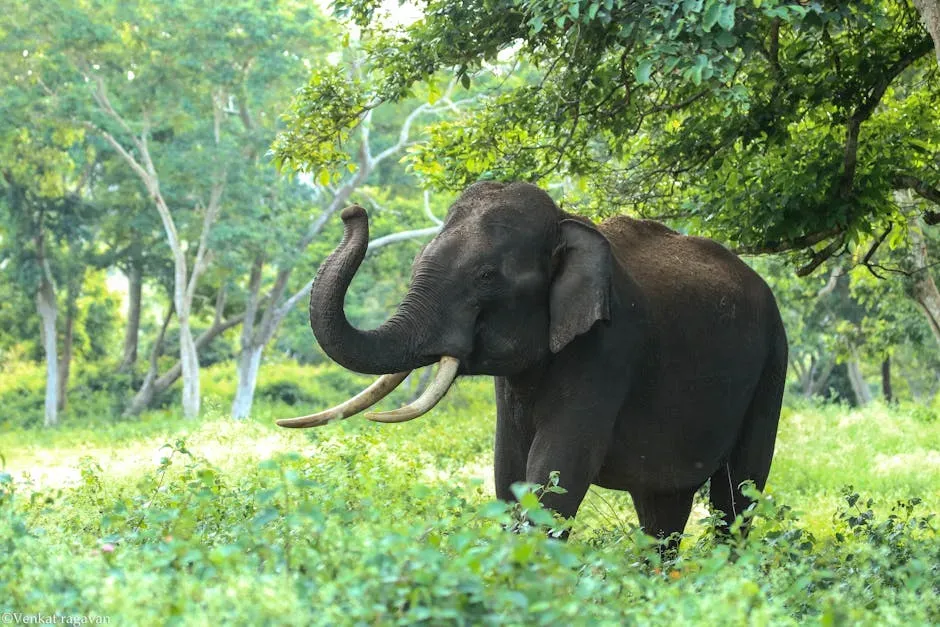
Elephants are in a category of their own. I think they might be the animal that surprises people the most when they learn just how emotionally rich these giants really are.
Elephants have some of the most elaborate group rituals of any animals. When a beloved member of an elephant troop dies, those left behind will mourn the lost individual by “burying” the body with leaves and grass, and keeping vigil over the body for a week. Just as humans visit the gravesites of their lost loved ones, elephants visit the bones of dead elephants for years to come.
Elephants are known for their empathy towards members of the same species as well as their cognitive memory. Scientists continuously debate the extent to which elephants feel emotion, but observations show that elephants are concerned with distressed or deceased individuals, rendering assistance to the ailing and showing a special interest in dead bodies of their own kind.
Lawrence Anthony was a conservationist who founded the Thula Thula Reserve with African elephants. While elephants grieving the loss of their own herd members is not a new phenomenon, the act of paying respects to a human who worked hard to help them is remarkable. That story stops people cold the first time they hear it. It should.
Dolphins: Ocean Rescuers With an Emotional Compass
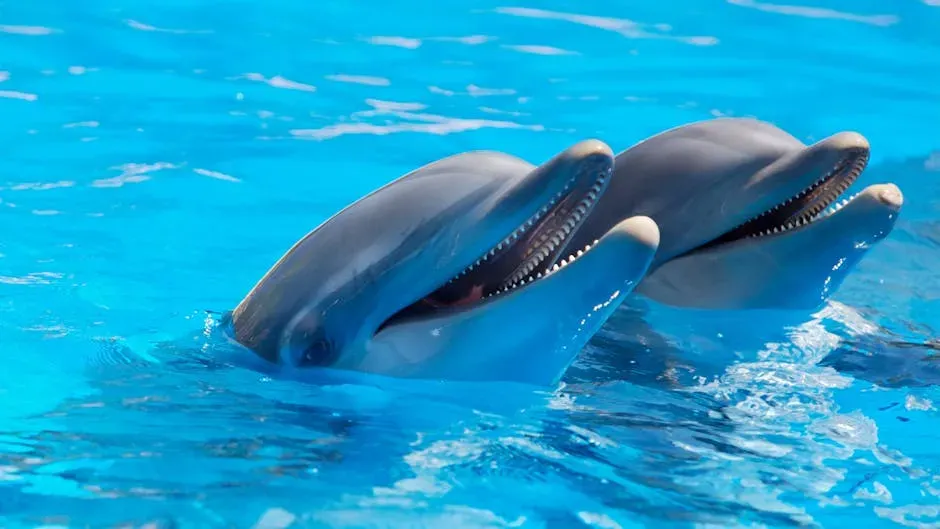
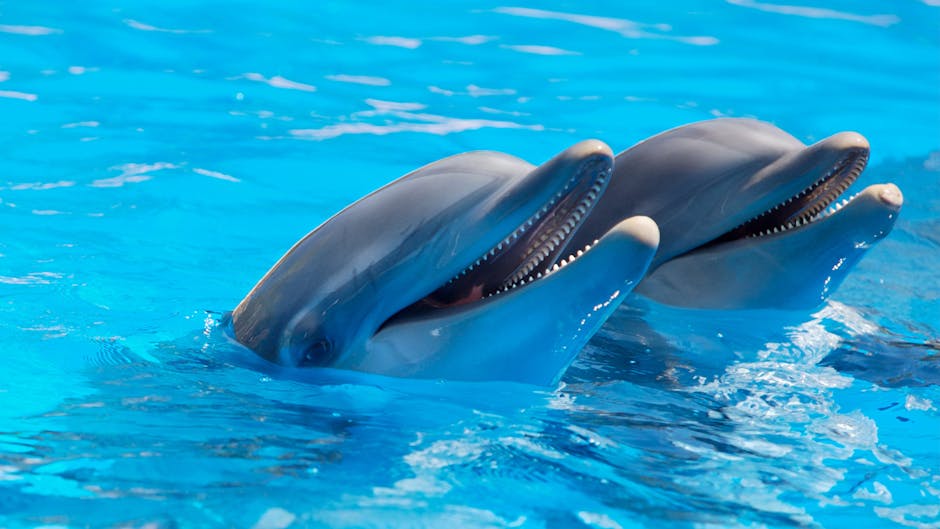
Dolphins are the kind of animal that makes even the most hardened skeptic pause. Their intelligence is well-documented, but their emotional behavior? That’s where it gets truly extraordinary.
Dolphins are social creatures with highly developed intelligence, which includes empathy for both their kind and humans. These marine mammals have been observed helping injured or sick companions by pushing them to the surface for air. Dolphins also assist humans, sometimes offering rescue in dangerous situations, like when a swimmer is in distress.
Several dolphins have practiced random acts of kindness by rescuing swimmers from hammerhead sharks. A few generous dolphins have even guided stranded whales back to sea. That’s interspecies empathy, plain and simple.
Scientists have observed that dolphins will try to console another dolphin who is upset or grieving. Dolphin mothers will stay with their dead babies for days, stroking them. It’s hard to watch that and still insist these animals feel nothing.
Chimpanzees: Our Closest Emotional Relatives
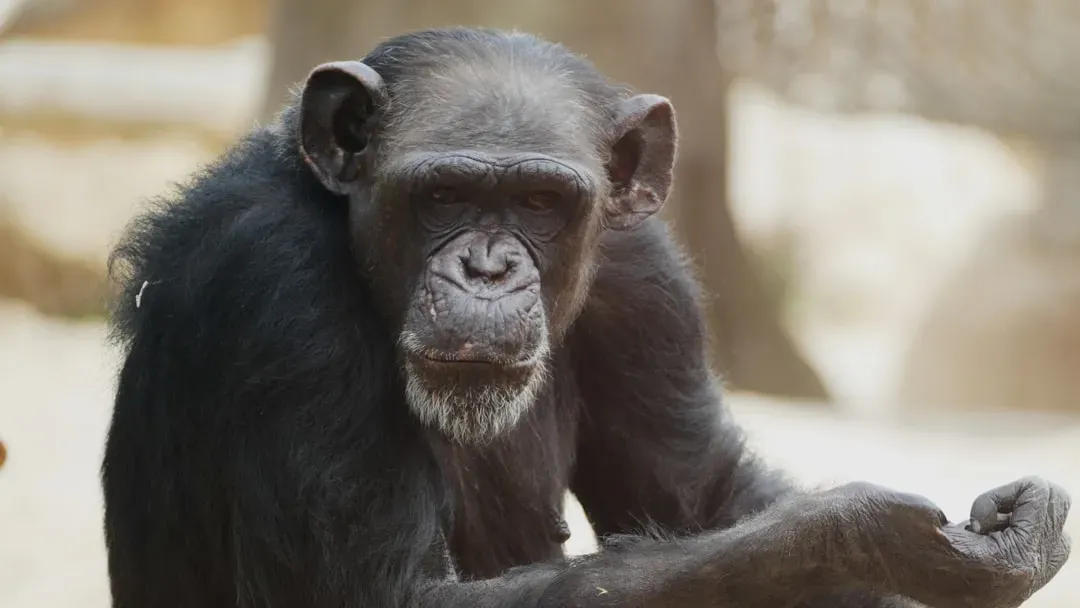
It’s almost too easy to put chimpanzees on this list. They share nearly all of our DNA. Yet the specifics of how they demonstrate empathy are still astonishing, even when you know to expect it.
Researchers have observed consolation responses in chimpanzees. After one chimpanzee has attacked another, for example, a bystander will go over to gently embrace the victim until he or she stops yelping. That’s not instinct. That’s social awareness.
Researchers have observed that chimpanzees show love and compassion for each other when a family member has been injured or killed. Scientists who studied chimpanzees in Africa reported that chimpanzees have displayed empathy for a wounded or dying comrade. These chimpanzees have also been seen to carefully gather up their fallen comrade and carry the body away. They have even been observed building a special nest for the comrade to rest in.
When humans are stressed, their noses get cooler. Scientists found colder noses in chimps that listened to recordings and watched videos of chimps fighting. Seeing a person they knew who appeared to be wounded had the same effect, suggesting the chimps felt empathy. The body doesn’t lie, even in chimpanzees.
Gorillas: Gentle Giants With Deep Emotional Roots
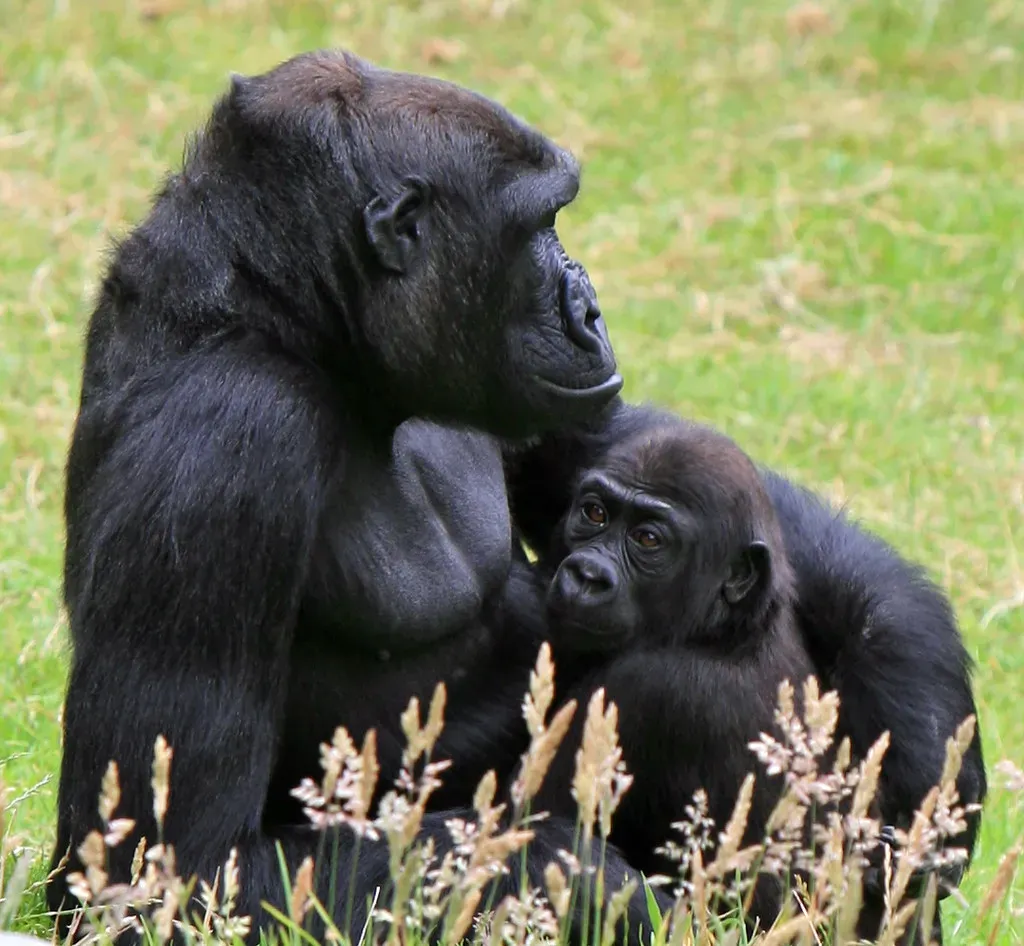
There is something profoundly moving about gorillas. Maybe it’s their size, the contrast between physical power and such evident gentleness. Or maybe it’s just that they’re so unmistakably present, so aware of everything around them.
Gorillas are known for their strong family structures, and their empathetic behaviors highlight their emotional depth. They comfort each other after conflicts by hugging, grooming, and sharing food. When a group member dies, gorillas display signs of mourning, showing grief and sadness over their loss. These behaviors indicate that gorillas are highly attuned to the emotions of others.
Great apes have complex social systems; young apes and their mothers have strong bonds of attachment, and when a baby chimpanzee or gorilla dies, the mother will commonly carry the body around for several days. Grief that physical, that prolonged, is hard to explain away as mere instinct.
Koko, a gorilla trained to use sign language, was reported to have expressed vocalizations indicating sadness after the death of her pet cat. A gorilla, mourning a cat. That’s not a metaphor. That actually happened.
Ravens: The Unexpected Empaths of the Sky
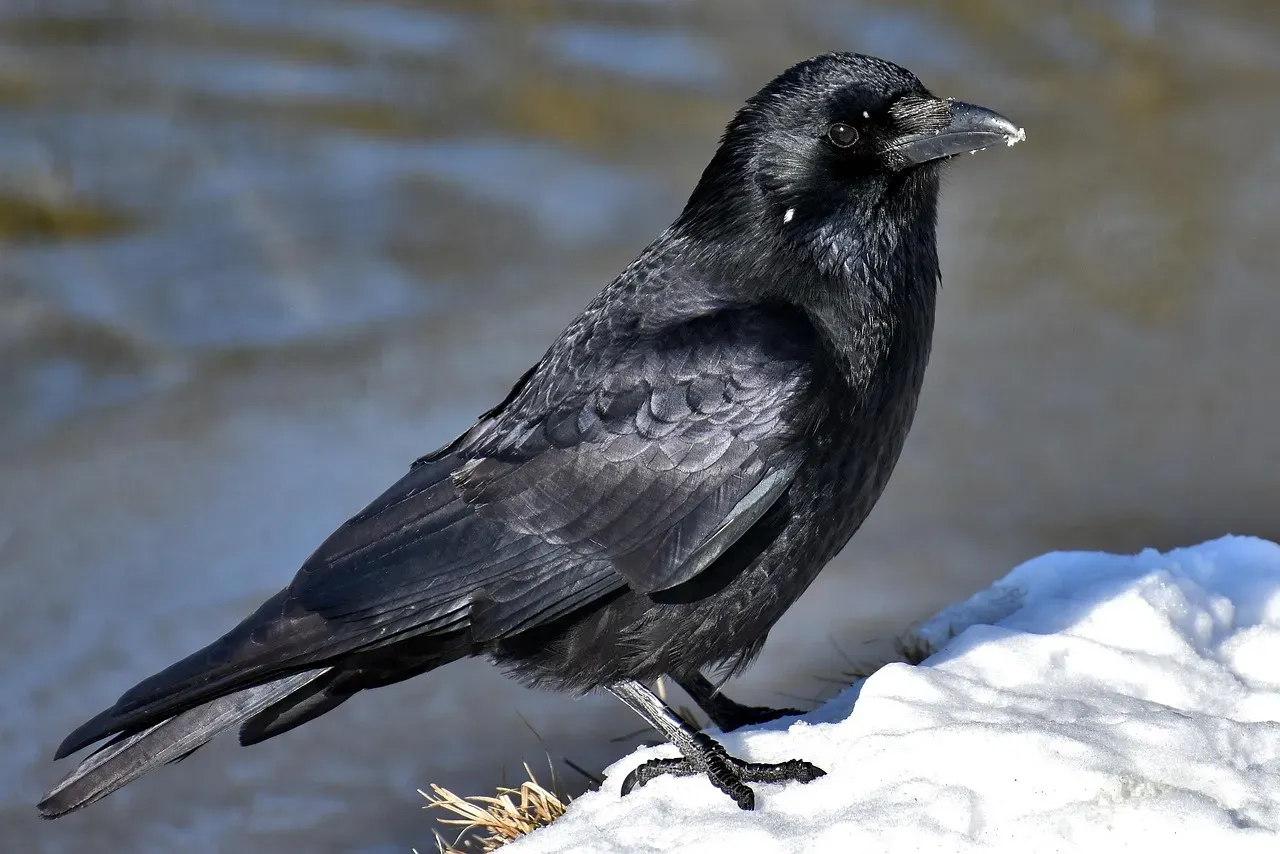
Nobody expects ravens on this list. They look intense, even a little ominous. But ravens are shockingly emotionally intelligent, and their empathetic behavior toward other ravens is genuinely fascinating.
Ravens seem to respond to the emotional states of other ravens. That observation, simple as it sounds, opened up an entire field of research into bird cognition.
After a conflict, a victim sits shaking. The other ravens are aroused and flying around calling. Then one of them flies over to the victim, not directly but nearby, making friendly calls, and inches closer until within touching distance. If the victim moves away, the consoler persists, and after a couple of minutes it ends up grooming the other one.
When a magpie, a fellow corvid, had been hit by a car and lay dead on the roadside, four other magpies were standing around it. One approached the corpse, gently pecked at it, and stepped back. Another did the same. Then one of the magpies flew off, brought back some grass, and laid it by the corpse. Another did the same. Then all four stood vigil for a few seconds and flew off one by one. If that’s not a funeral, it’s difficult to know what else to call it.
Rats: The Tiny Empaths That Science Almost Missed
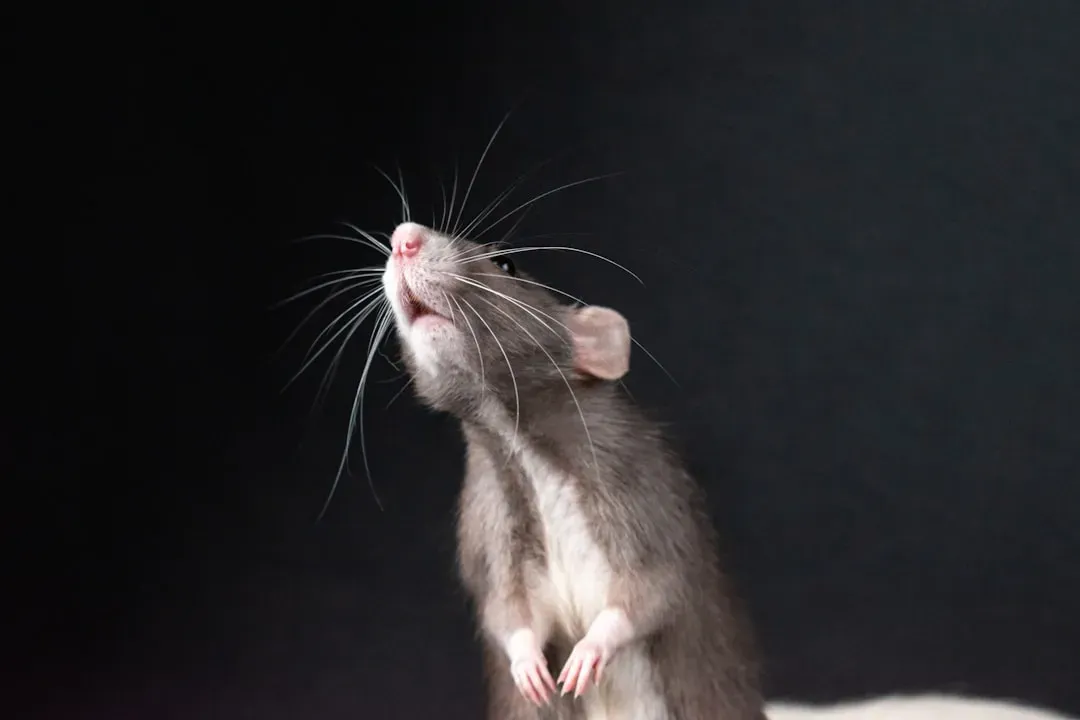
Let’s be real. Rats are not the first animal that comes to mind when you think of compassion. They’re easy to dismiss. Subway dwellers, trash foragers. But what researchers have discovered about rat empathy might be the most quietly surprising finding on this entire list.
Many don’t picture rats when they think of empathy, but research proves that rats empathize with their friends. In one study, rats saved their friends from drowning. The experiment showed that when one rat was soaked in water, another rat quickly learned how to operate a lever to allow the rat to escape to a dry area. What’s more impressive is that the rats gave up a treat that would have dropped if they didn’t pull the lever to help their fellow rat.
In a famous experiment, hungry rats that were only fed if they pulled a lever to shock their littermates refused to do so, suggesting that the rodents have a sense of empathy and compassion for their fellows. They chose hunger over causing pain. That’s a moral choice, not a reflex.
Neuroscientist Inbal Ben-Ami Bartal at Tel Aviv University says rats “show the basic components of empathy.” In her study, she found that they help only those belonging to their own social group. Much like humans, empathy is stronger for those they know. Sound familiar?
What These Animals Are Really Teaching Us

It’s hard to walk away from all of this without feeling something shift. Empathy is likely more prevalent in social species, animals that associate in social groups. Researchers have described it as an evolutionary mechanism to maintain social cohesion, meaning animals that rely on a group for survival must be more sensitive to what those around them are feeling.
Modern neuroscience is beginning to provide tools to clarify how the evolutionary sources of empathy are deeply grounded in fundamental brain processes, not only in our capacity to experience physical pains but also in the emotional networks that make us socially interdependent creatures. In other words, empathy didn’t just appear in humans. We inherited it.
Empathy in animals spans species and continents. Animals display empathy toward humans and other animals in a multitude of ways, including comforting, grieving, and even rescuing each other from harm at their own expense. That last part is worth sitting with. At their own expense.
The animals on this list aren’t performing kindness. They’re not seeking approval or a treat. They act because something inside them responds to the suffering of another. Call it what you like. Honestly, it looks a lot like love.
What does it say about us, that we spent so long refusing to see it? And now that we do, are we treating the animals around us any differently?
