
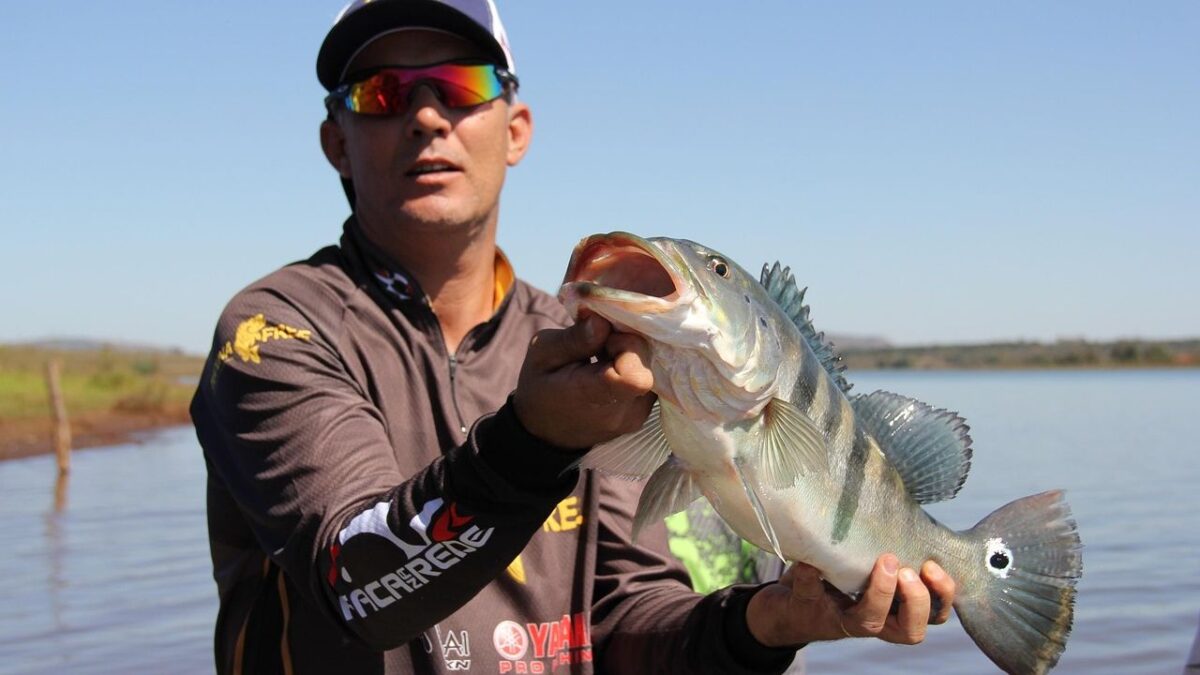
There is something almost primal about the moment a massive bass explodes on your lure. The rod bends hard. Your heart hammers. Time slows. For millions of anglers across America, that feeling is the whole reason they get up before dawn, load the boat, and drive for hours without complaint.
The United States is home to some of the most jaw-dropping bass fisheries on the planet. Some of these lakes are legendary. Others have only recently earned their seat at the table. All of them share one thing in common: they give you a real, honest shot at the bass of a lifetime. Let’s dive in.
Clear Lake, California: The Reigning Giant of the West
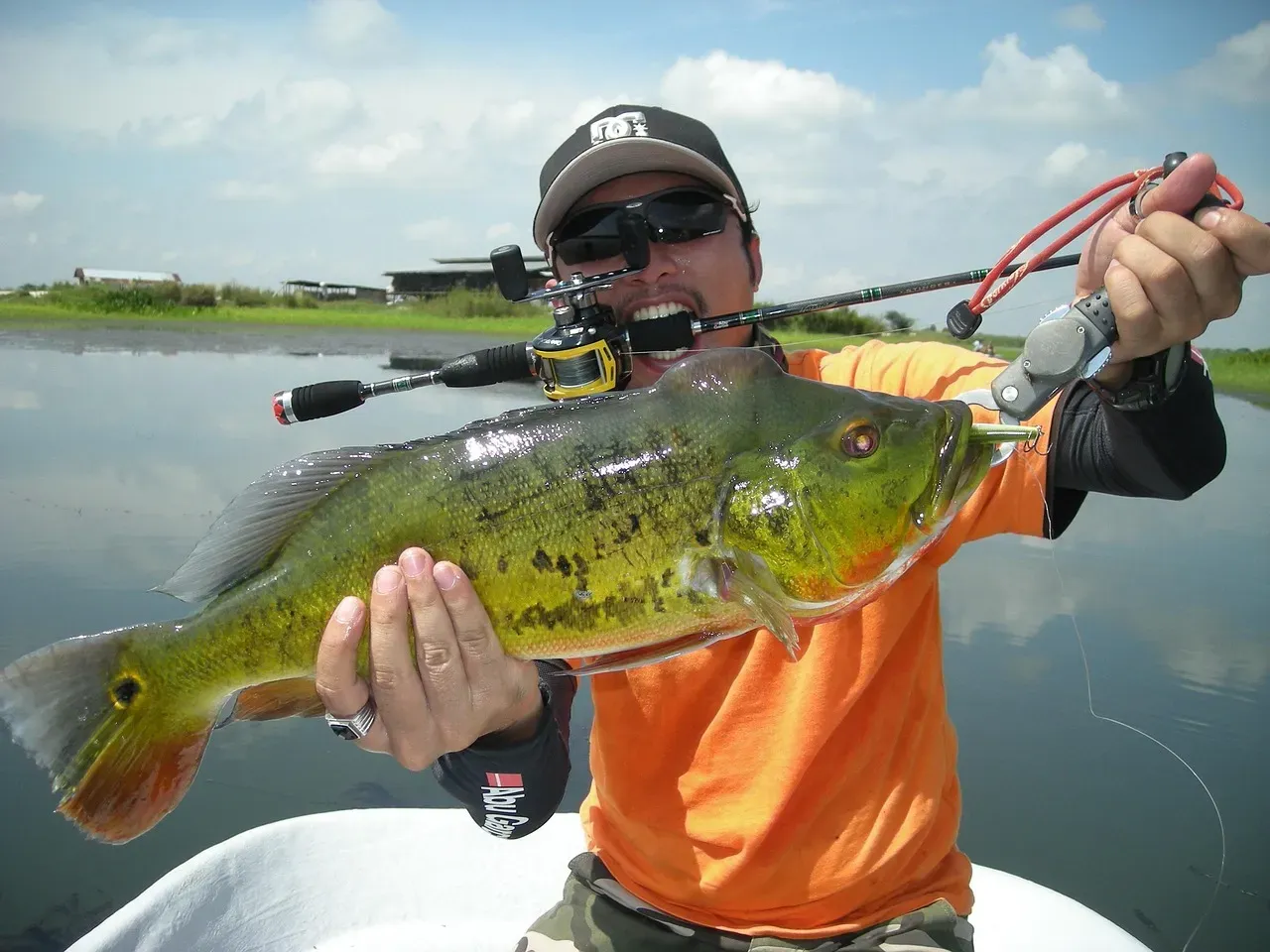
Honestly, it is hard to argue with the numbers. California’s Clear Lake took the crown as the best bass fishery in the country according to Bassmaster’s rankings, and the 43,785-acre natural lake in northern California continues to churn out double-digit largemouth like clockwork, including a staggering 102.81-pound, 15-bass tournament total. That is not a typo. One hundred and two pounds of bass in a single tournament outing.
Clear Lake proves you do not need to travel to Texas or Florida for world-class bass fishing. California’s largest natural lake holds more bass per acre than any other major fishery in the United States. The fish here are fat, aggressive, and surprisingly easy to locate once you understand the seasonal patterns. Spring is particularly explosive, when big females stack up shallow ahead of the spawn.
Clear Lake is the oldest natural lake in North America and one of the most productive bass fisheries in the West. It carries a kind of mythological status among West Coast anglers. Just know there are boating regulations in effect, so check current requirements before you launch.
O.H. Ivie Lake, Texas: The New King Nobody Saw Coming
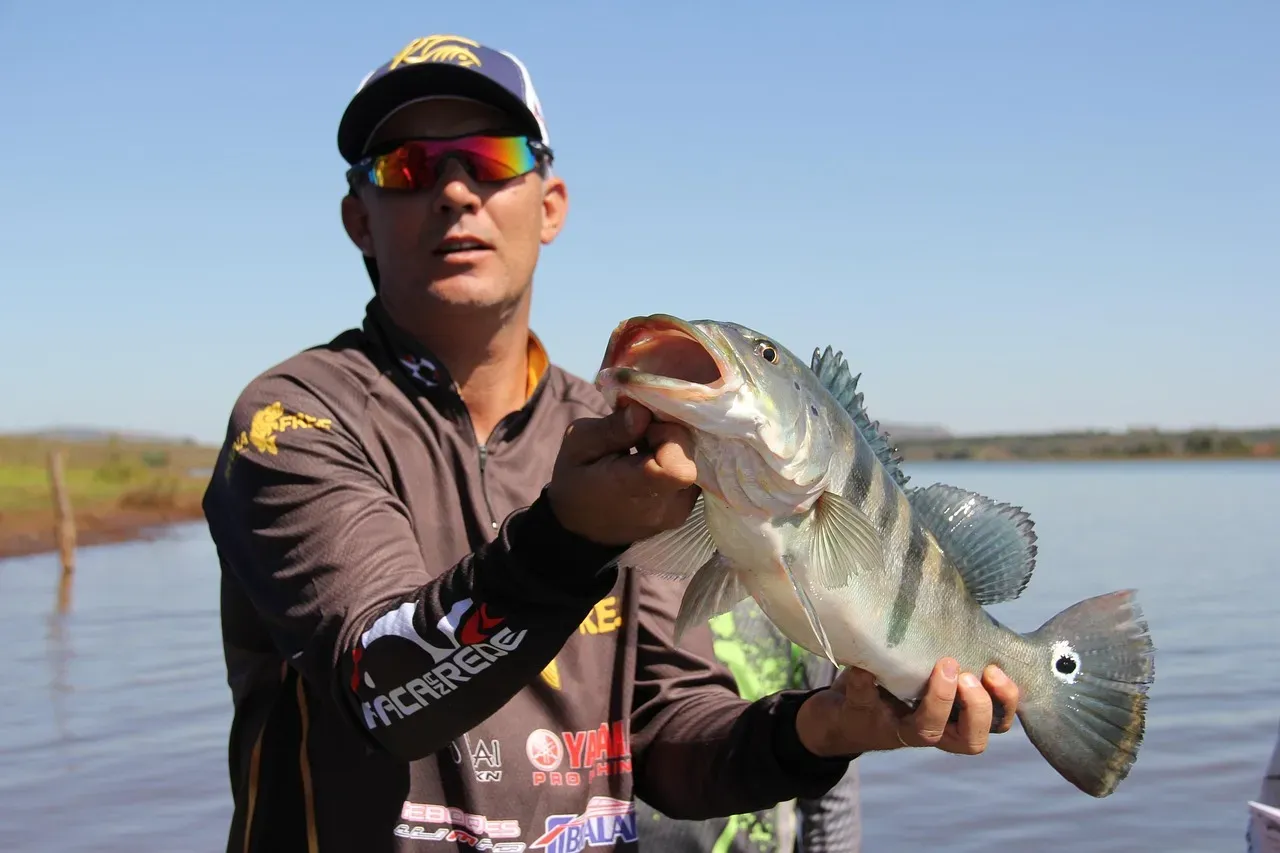
Let’s be real. Five years ago, most bass anglers outside of Texas had never even heard of O.H. Ivie. O.H. Ivie has dethroned Lake Fork as the state’s premier trophy factory, and the numbers are staggering. That is a bold claim in a state absolutely obsessed with big bass. But Ivie has backed it up again and again.
Through recent seasons, Ivie has already produced dozens of Toyota ShareLunker bass over 8 pounds, with several topping 13 pounds. The lake record stands at 17.03 pounds. Think about that for a moment. A single lake record that would have been a state record not too long ago. Crystal-clear water, abundant threadfin shad, and perfectly aged habitat all contribute. The lake filled in 1990, hitting that sweet spot where bass have ideal structure without excessive vegetation.
Tournament anglers have gone absolutely wild here. One Xtreme Bass Series event required 35.37 pounds to win, with a 13-pound big bass taking top honors, and the top three teams all brought in 30 pounds or better. If you want to understand why Ivie is generating so much buzz, those numbers say everything.
Lake Fork, Texas: The Legend That Still Delivers
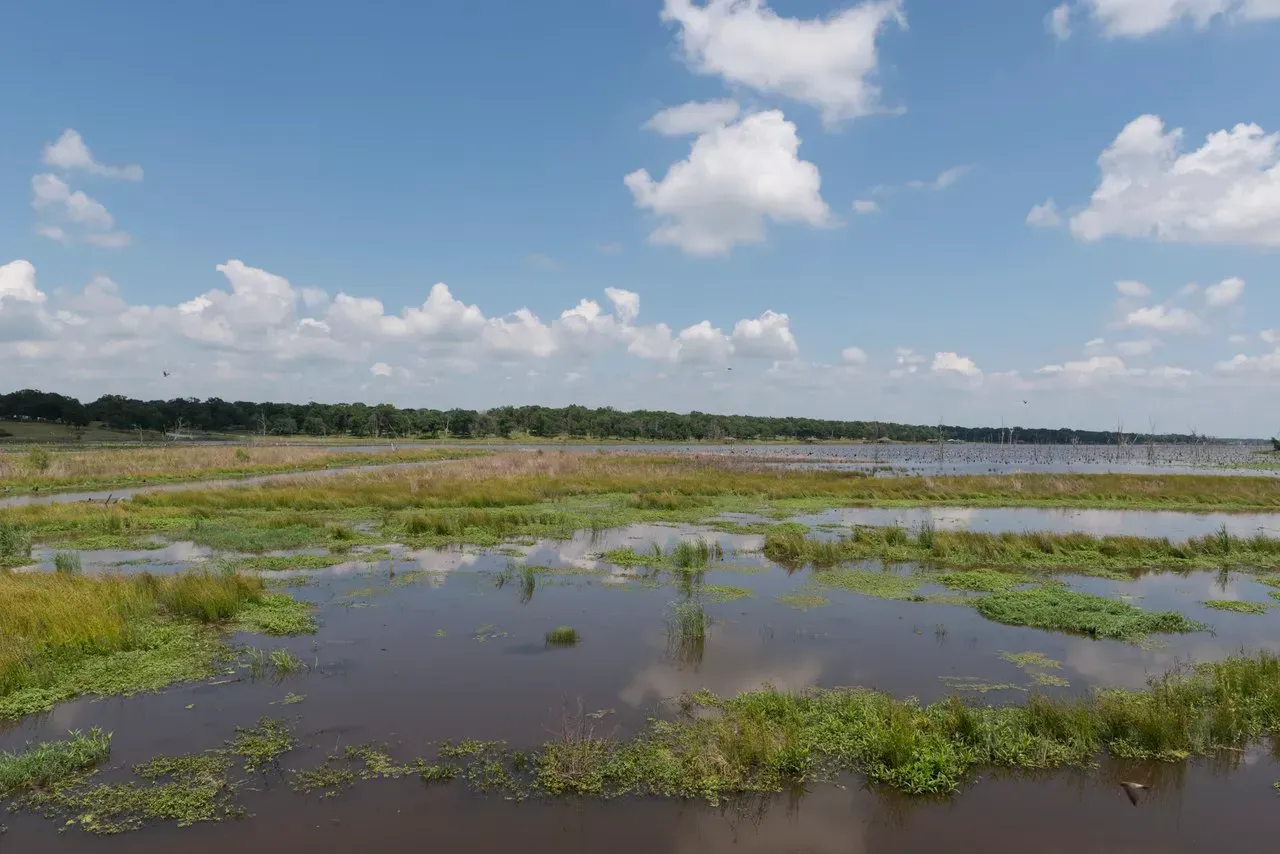
Some lakes earn a reputation and coast on it. Lake Fork is not one of those lakes. Holding the Texas state record for largemouth bass, an 18.18 pound beast caught in 1992, Lake Fork is the go-to destination for anglers looking to land a lunker. The six heaviest largemouth ever caught in the Lone Star State were all reeled in from these waters. Six out of six. That kind of dominance is not a coincidence.
Lake Fork holds the Texas state record largemouth and has produced more ShareLunker bass at 13-plus pounds than any other Texas lake. The strict slot limit has built a population of giant fish, and standing timber and creek channels provide year-round structure. The slot limit is one of the smartest fisheries management decisions ever made on this water. It essentially protects the fish that would otherwise be the most targeted trophies.
The prime months for catching trophy bass are March, April, and May, when the big females are staging before the spawn. I think this lake rewards patience more than most. Show up in late winter with the right soft plastic presentations and you will understand why people have been making the pilgrimage to Fork for decades.
Lake Okeechobee, Florida: The “Big O” Lives Up to Its Name
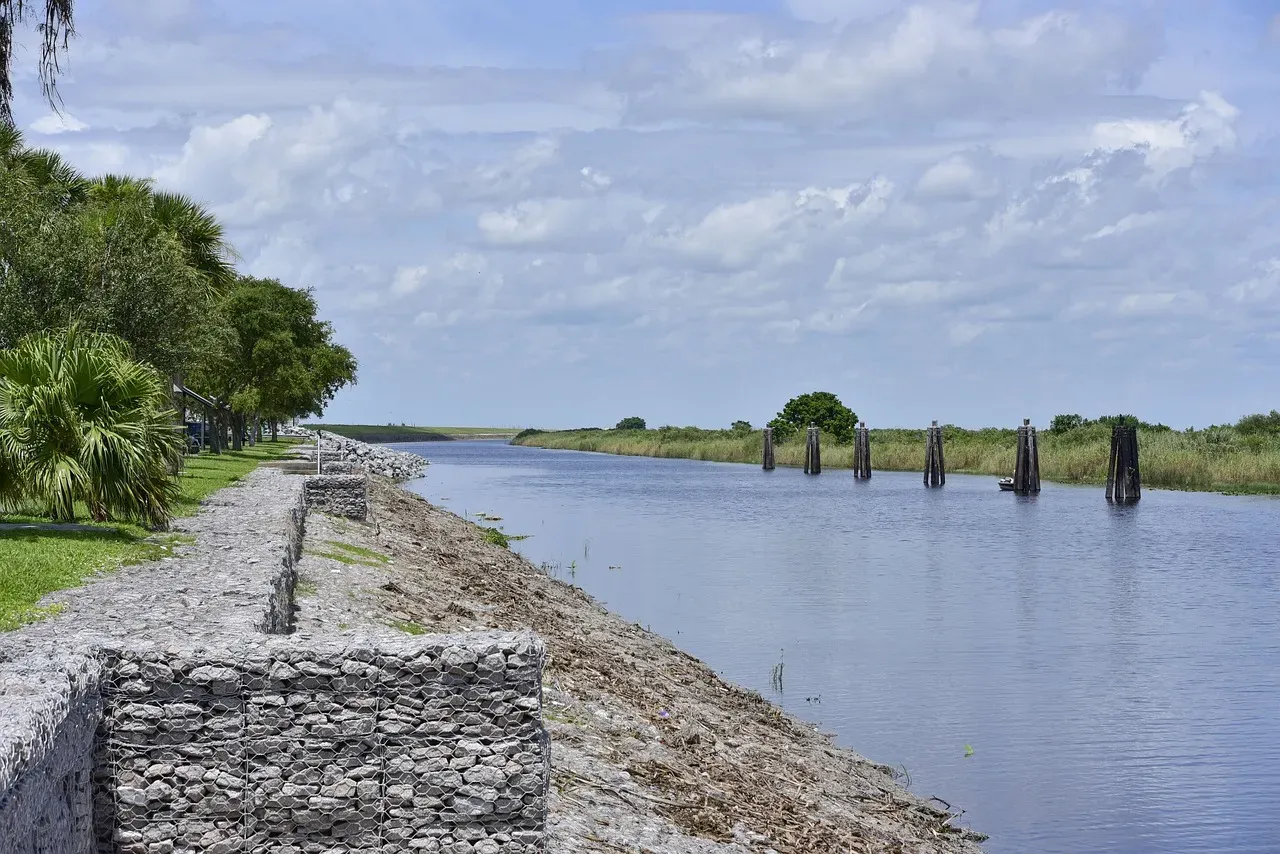
Florida runs on sunshine, citrus, and largemouth bass. Stretching over 730 square miles, Okeechobee is the largest freshwater lake in the state and one of the biggest in the entire country. Its shallow waters average just 9 feet deep, making it one of the most fertile and productive bass fisheries on the planet. Shallow and warm is the perfect recipe for growing enormous Florida-strain largemouth.
Bass grow to excellent sizes in Lake Okeechobee. It is not uncommon to hook into fish weighing over 7 pounds, with some lunkers exceeding 12 pounds. There is also an incredible number of smaller fish in the 1 to 3 pound range, making Okeechobee a great learning lake for amateur anglers. It is essentially the perfect fishery for every skill level, which is rare.
Shallow water, vast grass flats, and Florida-strain largemouth make this a trophy bass factory. When water levels are right, Okeechobee produces some of the best sight-fishing opportunities in America. Picture watching a double-digit bass cruise over a clean sand bed on a bright morning and trying to keep your hands steady enough to make the cast. That is Okeechobee in the spring.
Lake Guntersville, Alabama: The Southeast’s Ultimate Grass Bed Giant
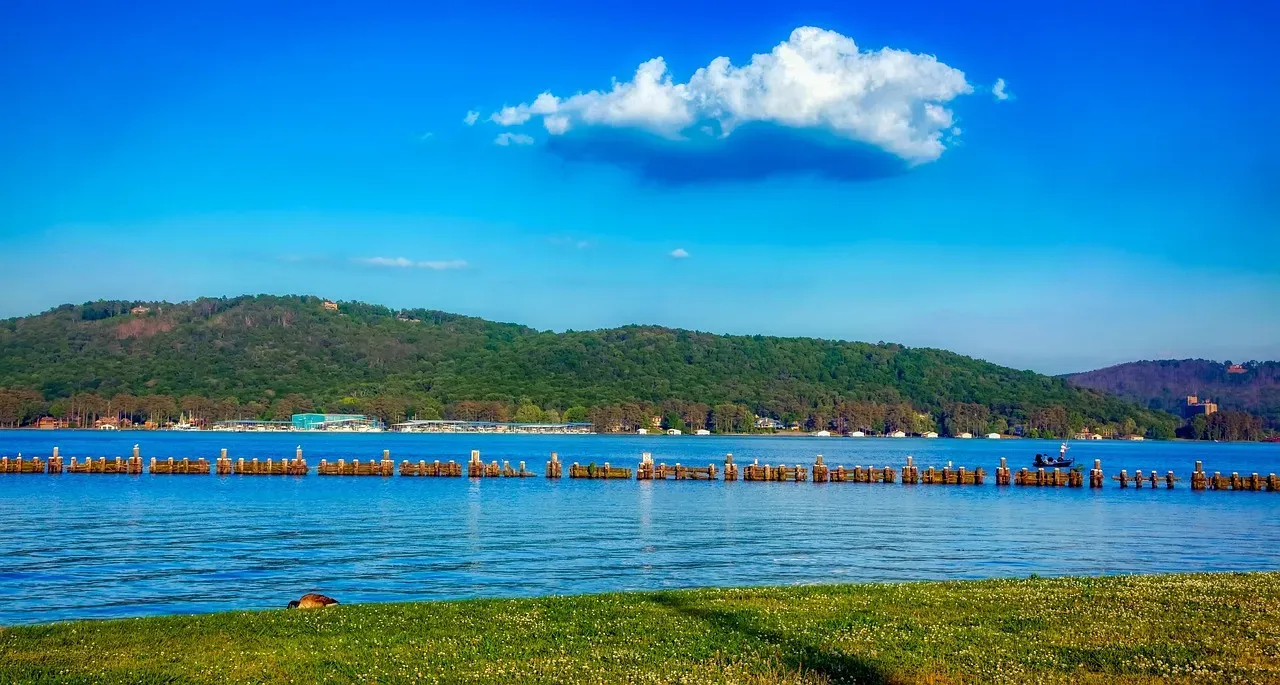
Lake Guntersville is located in north Alabama between Bridgeport and Guntersville. Alabama’s largest lake contains 67,900 acres and stretches 75 miles. Size matters in bass fishing, and Guntersville has more than enough room to hold an absolutely staggering population of trophy largemouth. Considered by many to be the top largemouth bass lake in the country, Lake Guntersville has the fertile habitat to grow not only an abundance of 5-pounders but many big bass as well.
Guntersville Lake fish habitat includes milfoil and hydrilla weed beds from which big bass explode on topwater baits. An impoundment of the Tennessee River, it is known for its diverse fishery and abundance of aquatic vegetation. The lake is full of hydrilla, milfoil and grass, providing gamefish with an abundance of habitat. Think of it like a buffet for bass. More cover means more ambush points, which means bigger, healthier fish.
Major bass tournaments on Lake Guntersville happen nearly every weekend. That frequency of elite-level competition is a direct reflection of just how consistently this lake produces. When professional anglers keep coming back week after week, you know the fishing is real and not just hype.
Toledo Bend Reservoir, Texas/Louisiana: The Giant on the Border
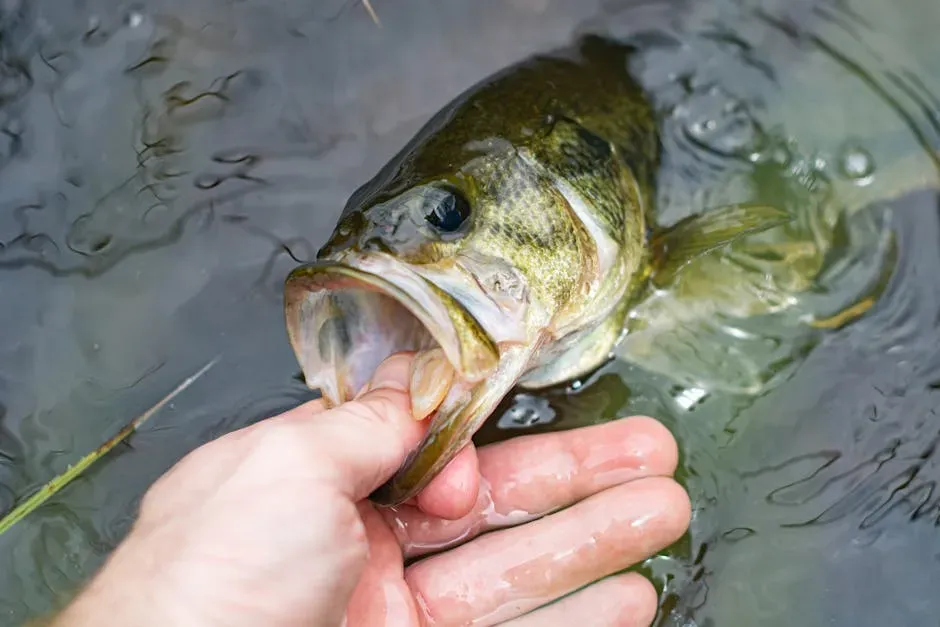
Straddling the Texas-Louisiana border like a colossus, Toledo Bend is one of those places that makes you realize how big American bass fishing truly is. This reservoir spans over 185,000 acres and has consistently ranked as one of the top bass fishing locations in the country, known for its scenic beauty and abundance of largemouth bass. That acreage is almost impossible to fully comprehend until you are sitting in the middle of it with nothing but water in every direction.
Toledo Bend Reservoir alone produced 139 fish weighing over 10 pounds in a single year. Read that again. One hundred and thirty-nine double-digit bass in twelve months. That number is essentially unmatched by most fisheries in North America. Straddling the Texas-Louisiana border, this massive reservoir offers incredible variety from deep ledge fishing to shallow flats, and consistently ranks among Bassmaster’s top fisheries.
Springtime is particularly fruitful here, as bass move into shallower waters for spawning. It’s hard to say for sure which season is truly the best, but most veteran anglers on Toledo Bend will tell you that late February through early May is when the magic truly happens. The bass go shallow, they go aggressive, and the whole lake just lights up.
Lake St. Clair, Michigan: The Smallmouth Capital of the World
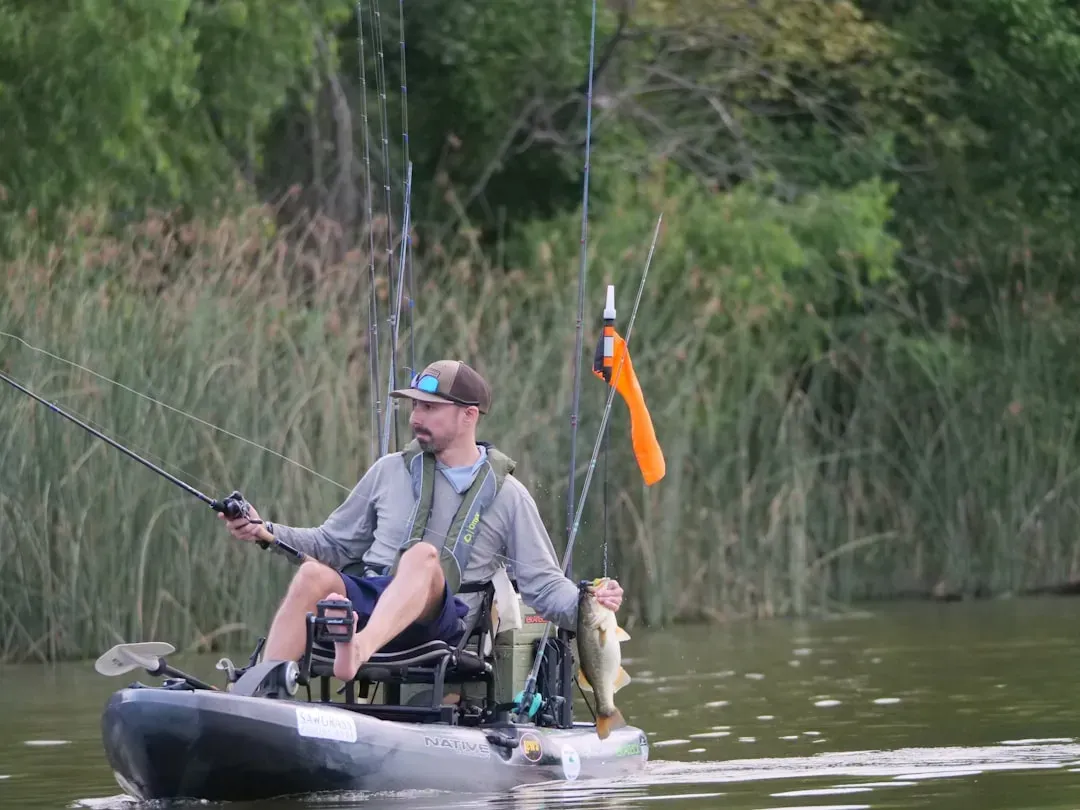
Here is the thing. When most people think big bass, they think largemouth. Southern heat. Florida grass. Texas reservoirs. Lake St. Clair will completely rewire that assumption. If you are after trophy smallmouth, Lake St. Clair is the gold standard. Crystal-clear water, massive beds of aquatic vegetation, and an incredible forage base produce 5 to 6 pound smallmouth regularly. A 5-pound smallmouth fights like a freight train compared to a similarly sized largemouth.
The introduction of invasive species such as zebra mussels, gobies, and rusty crayfish have all drastically helped the lake’s smallmouth bass fishing. The zebra mussels cleaned the water, allowing smallmouth, which are predominantly sight feeders, to hunt much more effectively. Gobies and crayfish both became staples in the smallmouth diet, greatly increasing the weights of the fish. These environmental factors, combined with the dedication of anglers to catch and release fishing, have made Lake St. Clair one of the best smallmouth bass fisheries in the world.
The smallmouth bass fishing is nothing short of spectacular. Once the summer patterns have settled in, it is not uncommon to catch upwards of 40 to 60 bass in four hours, with many days providing more action than that. Forty to sixty bass in four hours. That is the kind of statement that sounds impossible until you are standing in the boat holding a 5-pounder and grinning like a kid on Christmas morning.
Conclusion: Your Next Cast Could Be the One
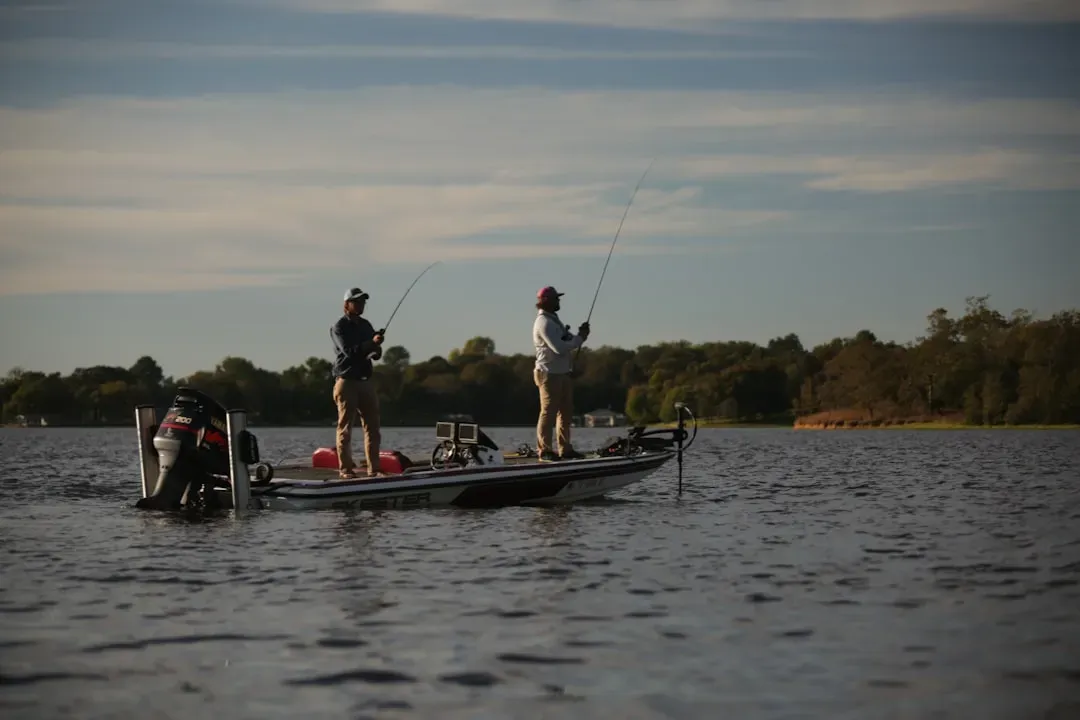
Across every region of this country, from sun-baked Florida shallows to Michigan’s crystal clear northern waters, the pursuit of a giant bass is one of the most thrilling freshwater experiences available to any angler. These seven lakes are not just good fisheries. They are genuinely world-class destinations that have produced record catches, transformed careers, and created memories that anglers carry for life.
The beautiful thing is that you do not need to be a tournament pro to experience what these waters offer. Every one of these lakes is accessible to recreational anglers. Pack the right gear, do your seasonal homework, and respect the fisheries that make these experiences possible. The greatest bass ever caught, a 22-pound 4-ounce largemouth from Georgia’s Montgomery Lake back in 1932, has been equaled but never surpassed despite an estimated 10 million bass fishermen in the US trying to top it. Somewhere out there, a fish capable of changing that record is still swimming. It might just be in one of these seven lakes.
So which of these waters would you choose for your bucket-list bass trip? Drop your answer in the comments. The debate alone is half the fun.
