
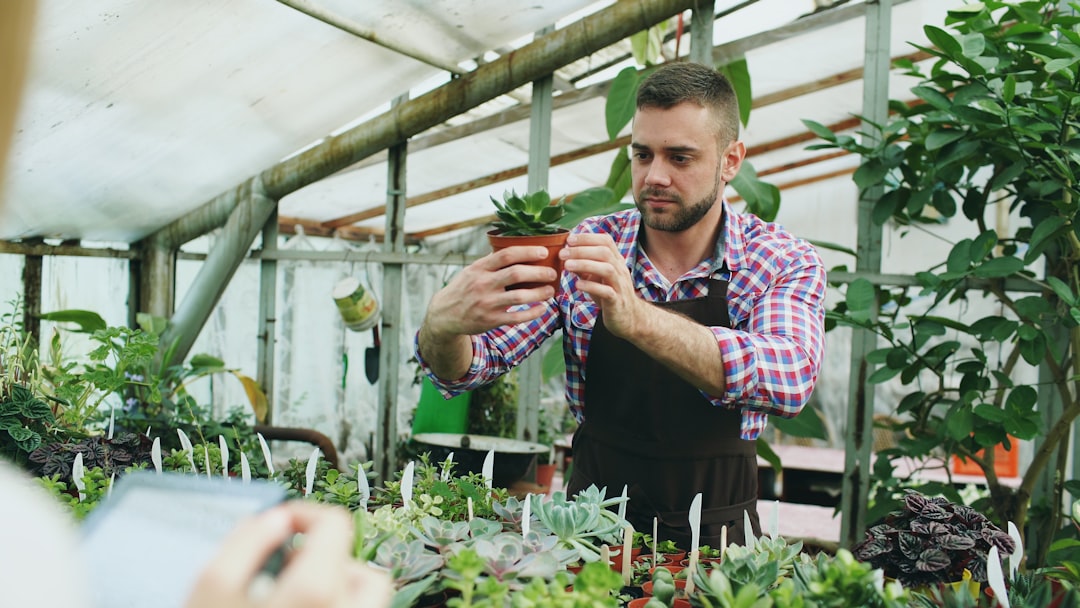
You put in the work, you water faithfully, you tend your beds with love – and then one morning you walk outside to find your beloved plants riddled with holes, sticky residue, or worse. Sound familiar? The frustrating truth is that most pest problems in the garden are not random bad luck. They are the direct result of things we do, or fail to do, without even realizing it.
The good news is that once you know what is drawing in, you can stop the cycle. Some of these mistakes are surprisingly common. Some of them are even well-intentioned habits dressed up as good garden care. Let’s dig in.
Overwatering Your Plants
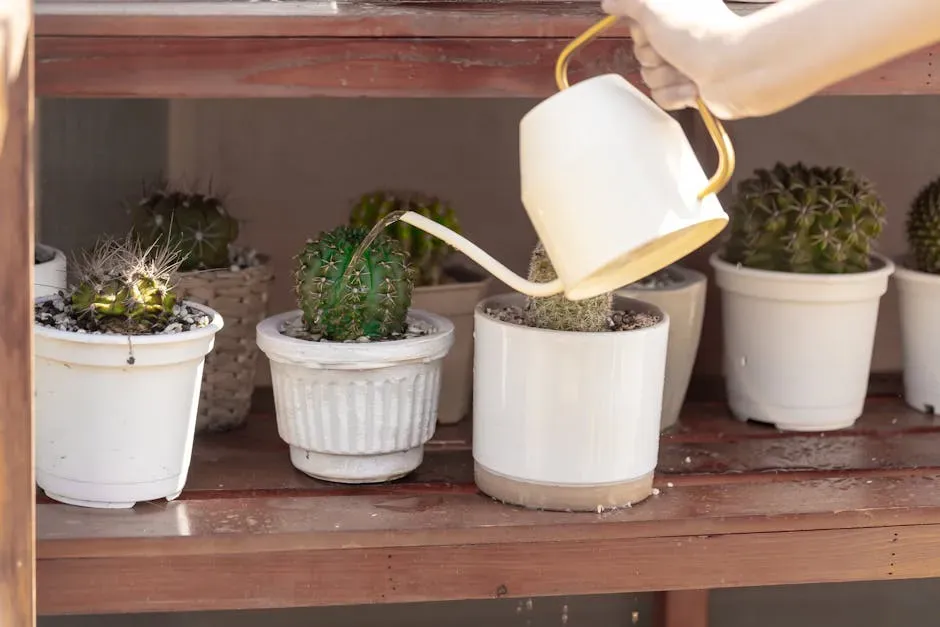
Honestly, this is the one mistake that trips up even experienced gardeners. It feels kind for plants. It looks like dedication. But the reality is much messier.
Standing water creates the perfect breeding ground for mosquitoes, while excessive moisture attracts insects like cockroaches, earwigs, and slugs. Think of it like leaving a welcome mat out 24 hours a day.
Overwatering can lead to root rot, which weakens your plants and makes them more susceptible to infestation and disease. When soil is constantly saturated, it lacks the oxygen that roots need to breathe. Stressed plants send out signals that pests can easily detect, making your garden a prime target.
The solution lies in consistency: watering deeply but infrequently encourages strong root systems that resist both drought and disease. Mulching around plants helps retain moisture while keeping the surface drier, which discourages critters from settling in.
Drip irrigation or soaker hoses reduce leaf wetness, which helps prevent fungal infections and discourages insects that rely on damp foliage. A small change in routine can make a genuinely dramatic difference.
Overcrowding Your Plants
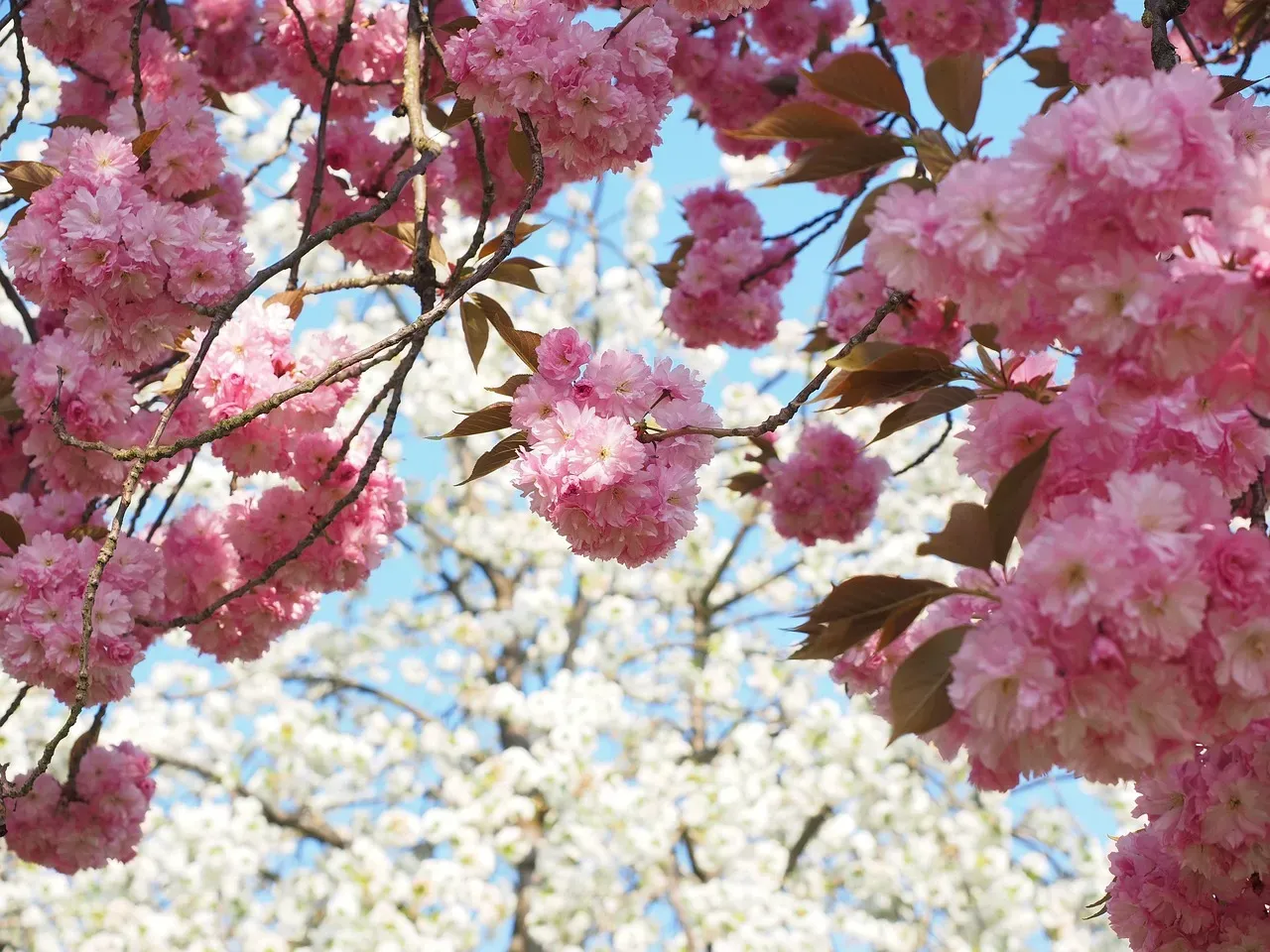
There’s a particular temptation, especially for new gardeners, to pack as many plants as possible into a space. More is more, right? Not here.
Dense plant groupings may create a lush, beautiful garden, but they also limit airflow, allowing moisture to accumulate and like whiteflies, aphids, and fungus gnats. It’s basically creating a humid little pest resort in your beds.
Poor air flow means the leaves and stems will stay damp for longer, making them more likely to develop fungal infections. Infestations and infections can often be made worse by poor spacing and plant choice, since pests and diseases will spread from one vulnerable plant to the next if they’re too close together.
Crowded gardens also provide easy cover for rodents and larger pests. Give your plants the breathing room they deserve, and they will reward you for it.
Neglecting to Clean Up Garden Debris
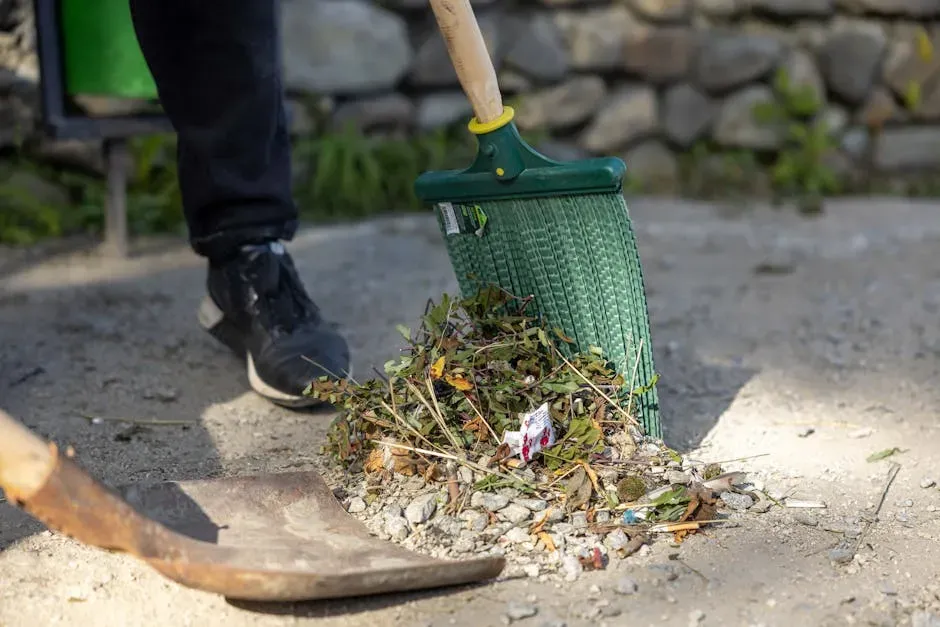
I get it, at the end of a long gardening day, raking up dead leaves feels like the least exciting task imaginable. But skipping it has real consequences.
A pile of fallen leaves or decomposing plant matter might seem harmless, but it provides the perfect shelter for rodents, spiders, and insects. Leaf litter and organic debris trap moisture and create dark, undisturbed hiding spots where pests thrive.
If you leave decaying leaves, stems, or fruits in your garden, they create a perfect environment for pests. These materials attract insects like slugs, beetles, and other unwanted visitors.
Many pests and diseases carry over from one year to the next in plant debris in the garden. So the mess you leave at the end of autumn becomes the pest problem you inherit in spring. Regular cleanup is one of the simplest and most effective pest-prevention habits you can build.
Mismanaging Your Compost
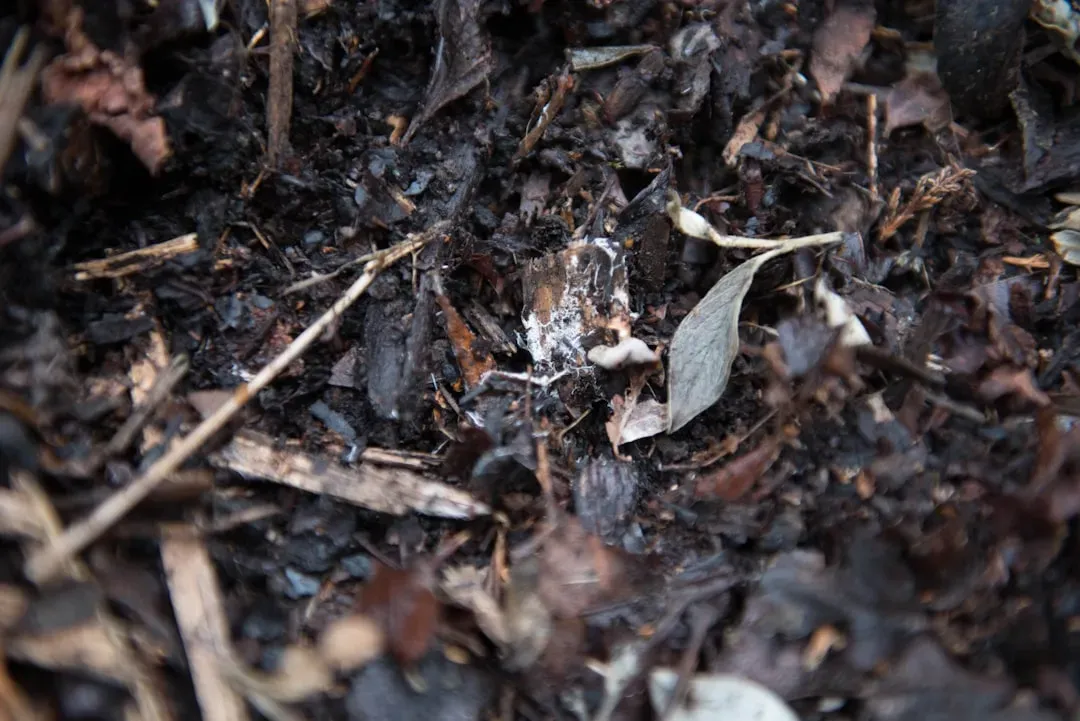
Composting is wonderful. It is eco-friendly, it enriches soil, and it feels deeply satisfying. Here’s the thing though – do it wrong, and you are basically setting up a free restaurant for pests.
An improperly managed compost pile can quickly become a five-star resort for pests. If your bin is open, uncovered, or contains the wrong materials, it will attract rodents, raccoons, flies, and ants.
Adding meat, dairy, oily foods, or pet waste to your compost is a major mistake. These items decompose slowly and create foul odors that are irresistible to scavengers and vermin. A compost pile that is too wet or not turned regularly can also become a breeding ground for insects.
Stick to “greens” like vegetable scraps and grass clippings, and “browns” like dried leaves and cardboard. Avoid meat, fats, and dairy. Use a compost bin with a secure, tight-fitting lid to keep animals out. Simple rules, but they matter enormously.
Skipping Crop Rotation
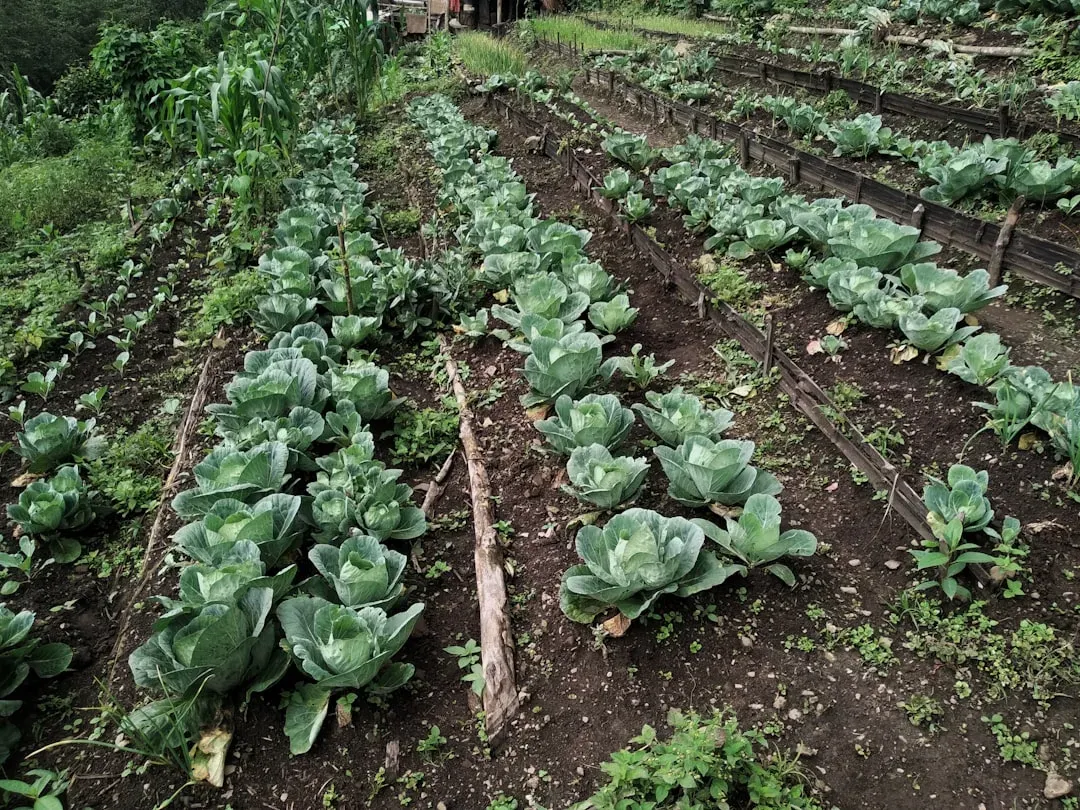
This one feels overly technical to a lot of home gardeners. Why move the tomatoes? They did fine right here last year! Unfortunately, that kind of thinking is exactly what pests are counting on.
When the same crop grows in the same soil year after year, pests quickly learn where to hang out. Beetles, caterpillars, nematodes, and other critters start building up populations because their food supply never runs out.
Repeating the same plants depletes specific nutrients from the soil, leaving your crops weaker and less able to defend themselves. Think of it as a football team showing up tired and underfed – they’re much easier to tackle. Weak plants release stress signals that attract more pests, making infestations more severe.
Pests may remain in the soil for quite some time, waiting for their required host to be planted; therefore, a crop should only be grown in the same spot a maximum of once every three years. While a three-year rotation is the minimum recommended, a four or five-year rotation will be even better at reducing the buildup of soil-borne pests. It sounds like a lot of planning, but even rough rotation makes a real difference.
Bringing Home Uninspected New Plants
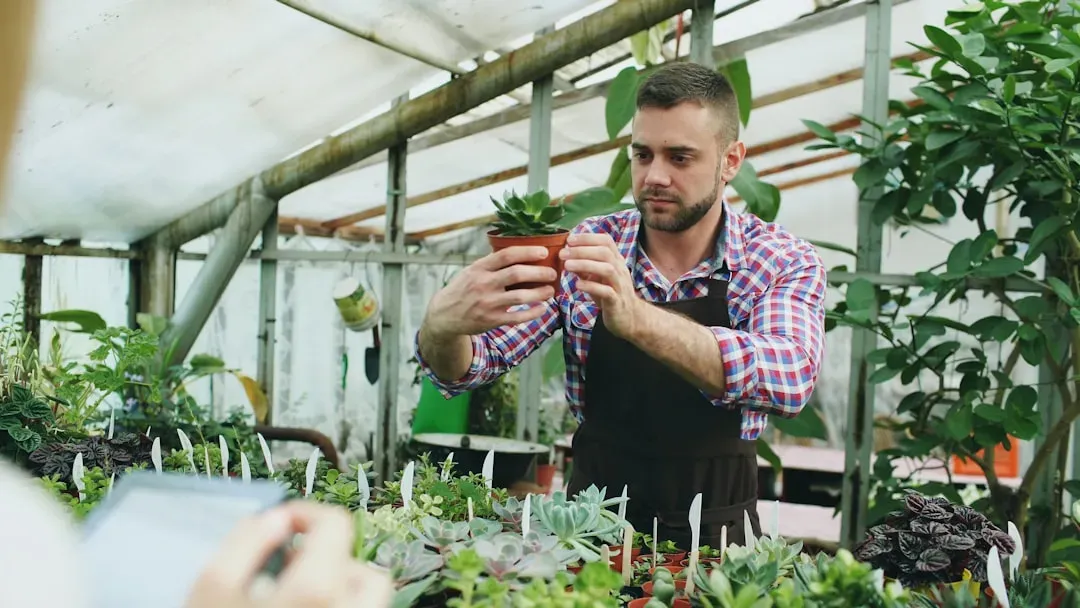
There are few things more exciting than a trip to a garden center. New plants, new possibilities. Just be careful what you bring home with them, because nursery plants are one of the most underestimated pest entry points in any garden.
Bringing home a new plant from the nursery can introduce pests to your garden if you don’t inspect it first. Many garden centers unknowingly harbor aphids, spider mites, and other insects that can quickly spread to your existing plants.
Plants are at their most vulnerable against pests when they are either freshly planted or have been outside for months without monitoring. This is why it’s an excellent idea to carefully check the plants you find at a garden supply store before purchasing, as it is very frustrating to unknowingly buy an infested plant.
Before planting, thoroughly inspect new additions for signs of pests. Quarantine new plants for a few days before adding them to your garden. Think of it as a sensible arrival protocol – no different from what any careful host would do.
Leaving Overripe Produce on the Vine
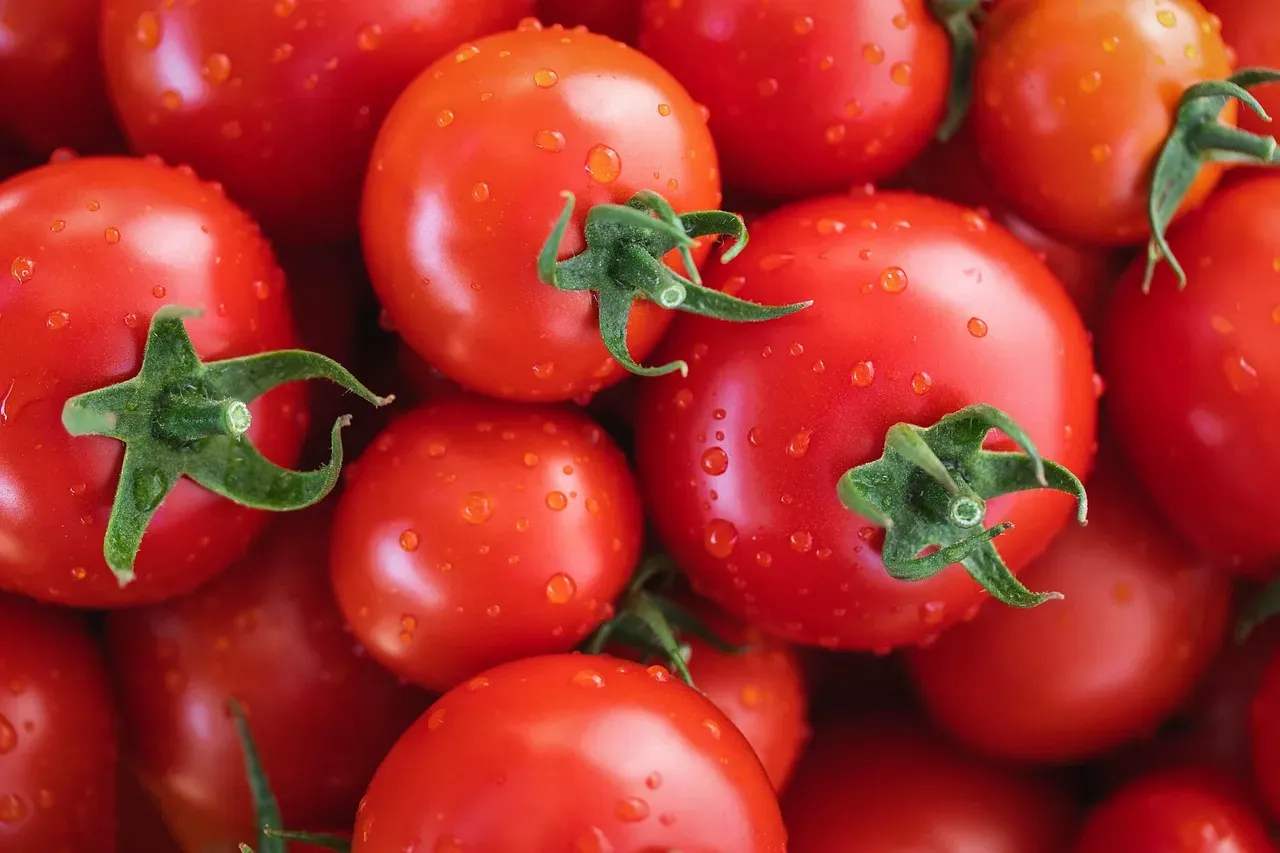
Growing your own food is one of life’s great rewards. Walking through the garden and picking a ripe tomato warm from the sun? Pure joy. Leaving that tomato there for too long, though? That is a completely different story.
An abundant vegetable garden is a joy, but leaving ripe produce on the vine can attract fruit flies, rodents, and larger pests like raccoons and possums. Essentially, an unharvested garden becomes a food source available to everything in the neighborhood.
Pick fruits when they are fully ripe but still firm. Overripe fruits can be mushy and . It sounds simple, but a lot of infestations trace right back to this single habit. Even fallen fruits left on the ground invite trouble fast.
Fruit flies overwinter in garden debris, so the problem often stems from decaying fruit, vegetables or other plant material either in the compost or elsewhere in the yard. Fruit fly damage results from them laying eggs in ripe and maturing fruit. Make harvesting a regular, even daily routine during peak season. Your garden will thank you.
Planting Without Diversity
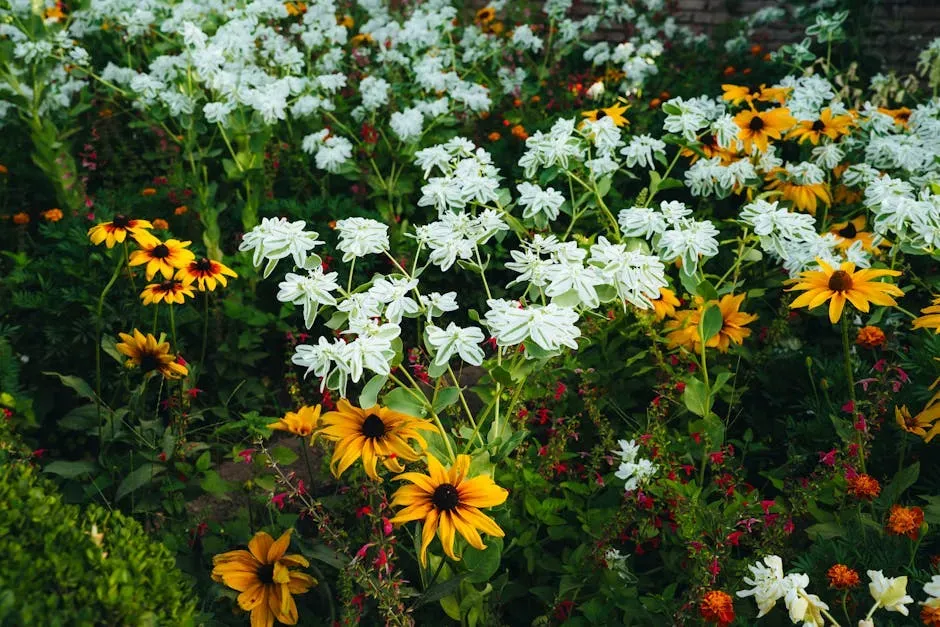
A garden planted with just one type of crop or flower might look clean and uniform. But from a pest’s perspective, it looks like an all-you-can-eat buffet with no obstacles whatsoever.
If you grow only one type of plant, specialized pests that favor that plant can quickly multiply. This makes your garden an easy target for these pests. Adding a variety of plants can confuse pests and reduce the chance of large infestations.
Companion planting is a time-tested method for keeping pests out of your garden naturally. Certain plants naturally repel bugs, while others enhance the growth of neighboring crops. Marigolds repel aphids, beetles, and nematodes. Basil protects tomatoes from whiteflies and hornworms.
You’ll also encourage beneficial insects that help control harmful ones naturally. Think of plant diversity as hiring a tiny, unpaid security team. Ladybugs, lacewings, and other beneficial insects are drawn to diverse, flowering gardens and will quietly keep pest populations in check. Nature tends to sort itself out when you give it enough variety to work with.
Conclusion: Small Habits, Massive Results
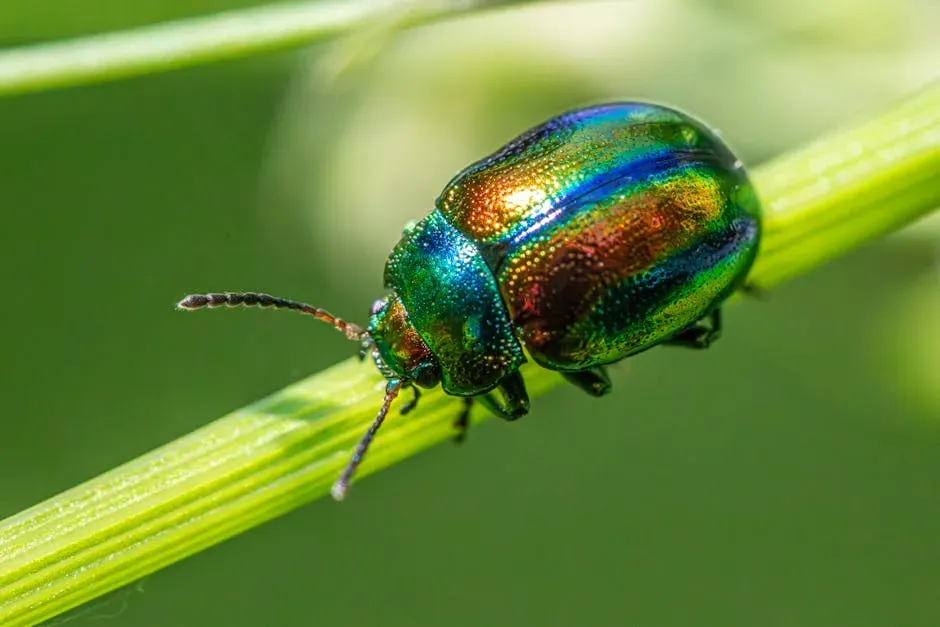
Here’s the honest takeaway: most pest invasions do not happen because of bad luck or because the universe has it in for your tomatoes. They happen because of patterns, small and repeated mistakes that quietly roll out the red carpet for every aphid, slug, and rodent in the neighborhood.
The beautiful thing is that fixing these mistakes doesn’t require expensive products or radical garden overhauls. Water smarter. Space plants properly. Clean up debris. Rotate your crops. Inspect new plants before they go in the ground. These are ordinary habits with genuinely extraordinary results.
A garden isn’t just a collection of plants. It’s an ecosystem, and you are the one managing the balance. Tip that balance in your favor, and pests lose the easy foothold they rely on. Which of these mistakes do you think you might be making right now? It might be worth taking a slow walk through your garden today with fresh eyes.
