
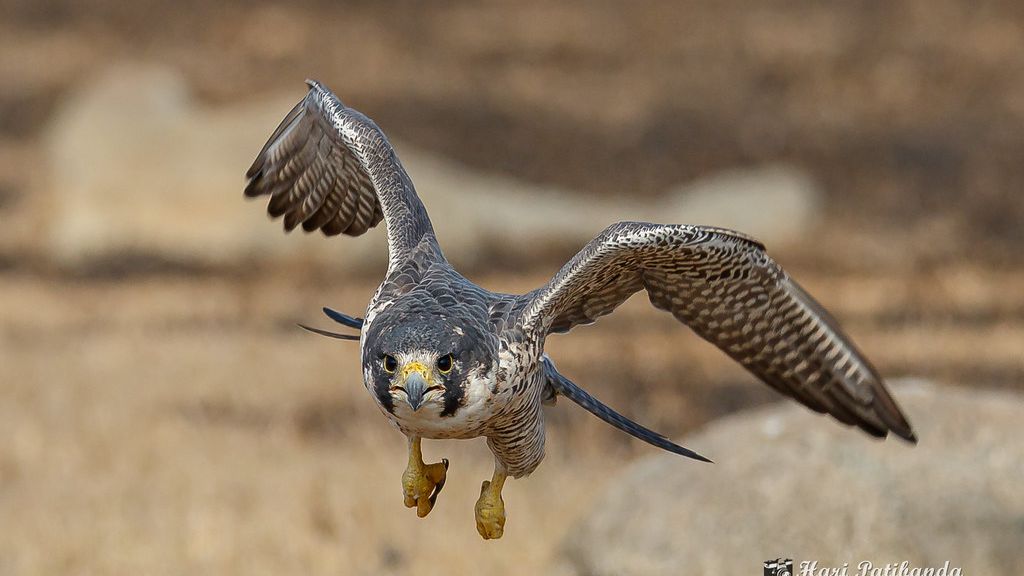
Think about the fastest creature you’ve ever seen. Maybe it was a cheetah on a nature documentary or a sports car on a highway. Now throw those comparisons out the window, because the peregrine falcon puts them all to shame. This medium-sized raptor has mastered the skies in ways that seem almost impossible, pushing the boundaries of what we thought biology could achieve.
From vision that makes our own seem hopelessly blurry to a comeback story that rivals any Hollywood script, these birds are packed with surprises. Let’s dive into some truly mind-blowing facts about these aerial predators that will change how you see the sky above you.
They’re the Fastest Animal on Earth
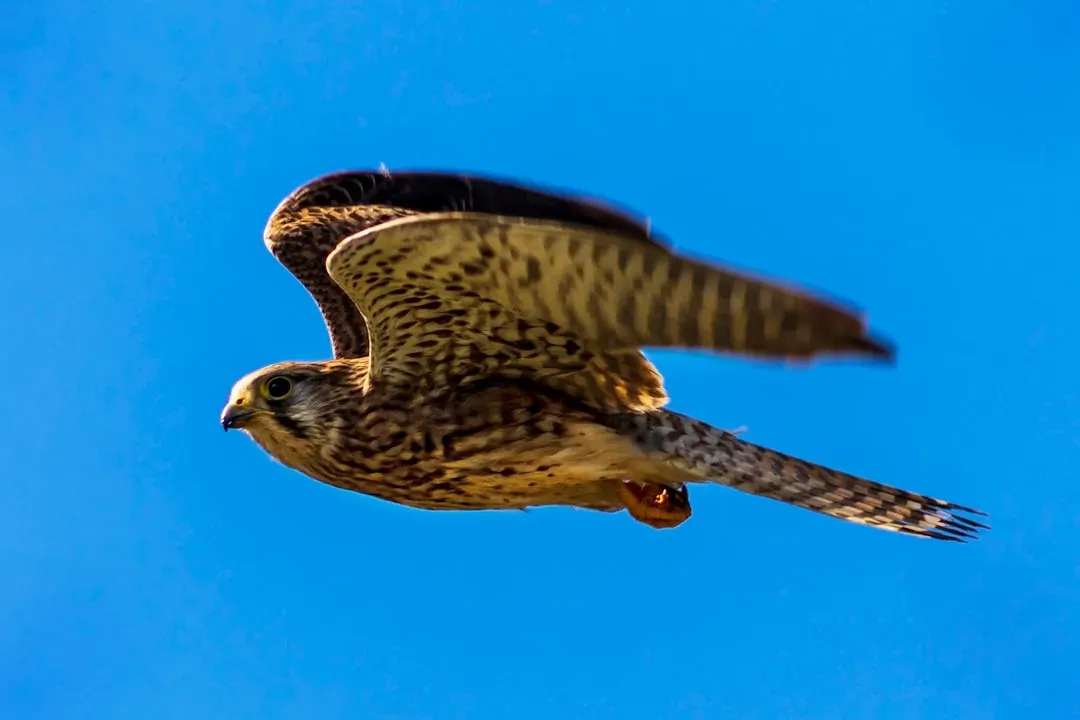
The peregrine falcon is best known for its diving speed during flight – which can reach more than 300 km (186 miles) per hour – making it not only the world’s fastest bird but also the world’s fastest animal. Think about that for a second. We’re not talking about the fastest bird or the fastest flying creature. We’re talking about the fastest living thing on the entire planet.
In ideal conditions, peregrine falcons have been observed diving at speeds of up to 320 km per hour (200 mph). Remarkably, some experimental dives have even suggested speeds surpassing 389 km per hour (242 mph). That’s faster than a falling skydiver, faster than most race cars, and certainly faster than anything else with a heartbeat. They can reach dizzying speeds of up to 200 mph when in a dive!
Their Vision Is Eight Times Better Than Ours
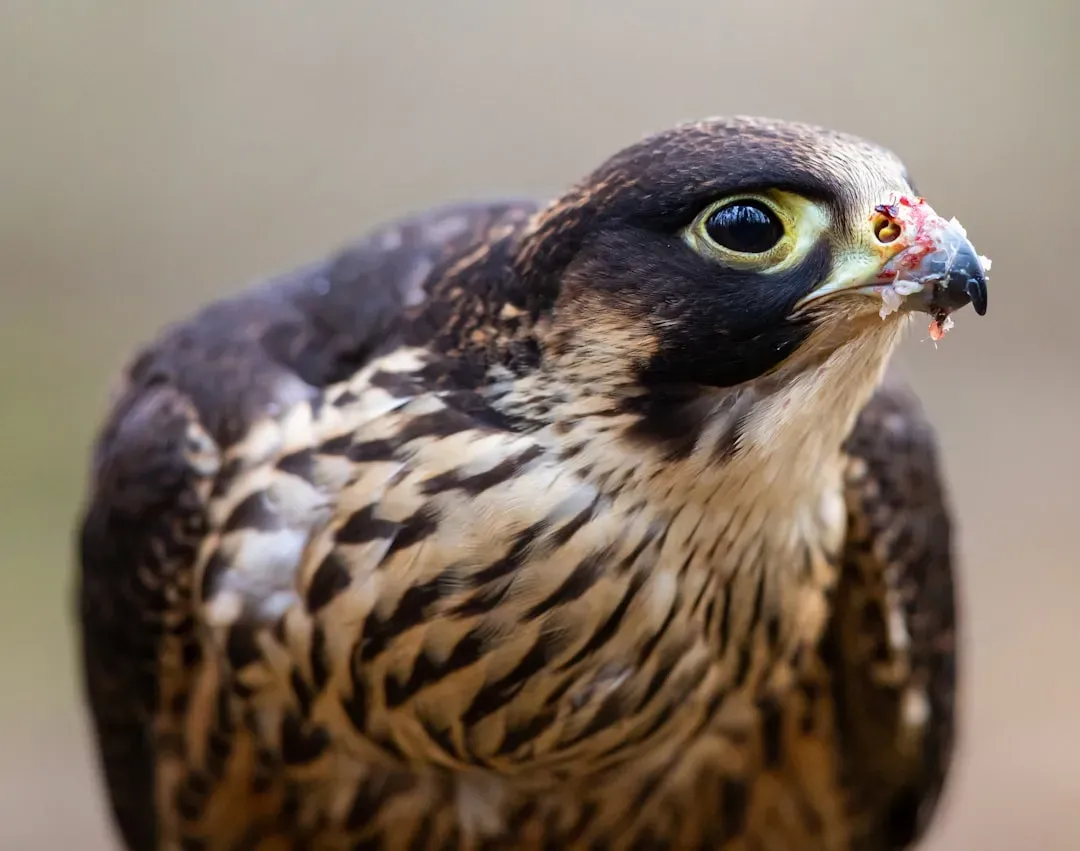
A peregrine falcon’s vision is eight times better than that of humans. They can spot small prey from 2 miles away. Imagine being able to see a rabbit clearly from nearly eighteen football fields away. That’s the kind of visual superpower these birds possess, and it’s what makes them such effective hunters.
Their eyes are packed with specialized adaptations that allow them to process visual information at incredible speeds. The results show that the peregrine falcon has the fastest vision and can register 129 Hz (blinks per second) provided the light intensity is high. Compare that to humans, who can only perceive around fifty to sixty flashes per second. If a peregrine is capable of hunting in a 180 MPH dive, then nature outfitted this bird to function in a world moving much faster than our own. A peregrine’s brain evolved to provide these birds with a hyper vision capable of processing images at a higher speed than human brains.
They Hunt Using the Same Strategy as Guided Missiles
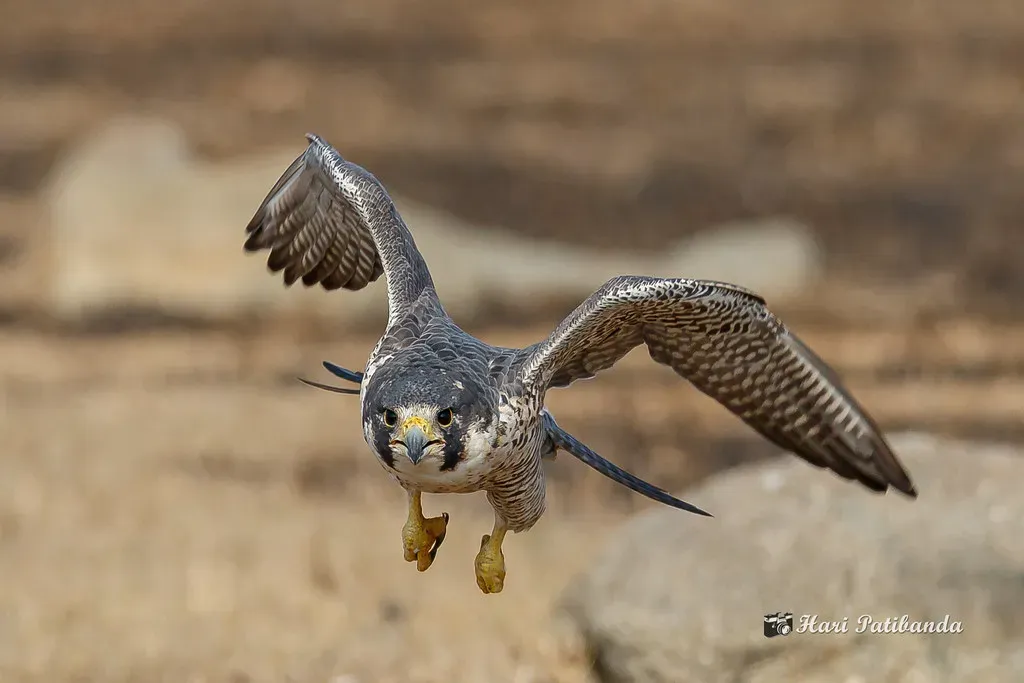
Researchers have discovered something genuinely surprising about how peregrine falcons chase their prey. Mills’ colleagues at the University of Oxford previously demonstrated – using onboard GPS loggers and cameras – that stooping peregrine falcons use the same steering laws as many man-made, guided missiles. Using these “proportional navigation” rules, the falcons remain on a collision course with their prey by simply tracking changes in their line-of-sight on the target.
This isn’t a coincidence. The team found that when the starling flew in a straight path, the predator was best off diving at roughly 150 kilometers per hour. But if the starling was trying to evade capture, flying in different directions, then the falcon stood the greatest chance of success by stooping at much higher speeds – about 360 kilometers per hour – the team reports today in PLOS Computational Biology. The falcon adjusts its speed based on how difficult the target is to catch, showing remarkable tactical intelligence.
They Can See Ultraviolet Light and Have Three Eyelids
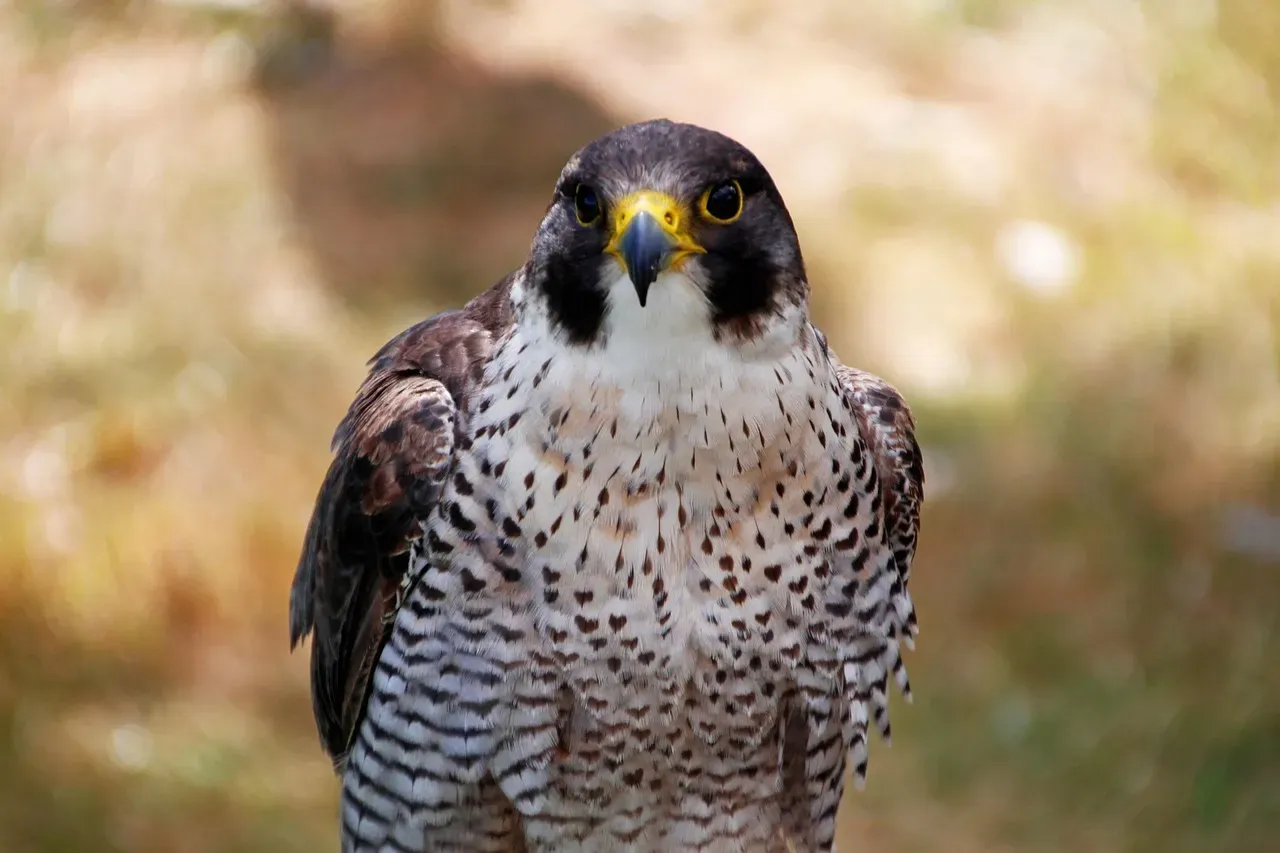
Falcons can see ultraviolet (UV) light, which is invisible to humans. This ability gives them an advantage in hunting, as some prey, like rodents, leave urine and feces trails that are highly visible in the UV spectrum. It’s like having a built-in tracking system that reveals invisible highways of information across the landscape.
Falcons have three eyelids. The third one, called a nictitating membrane, is translucent and sweeps horizontally across the eye. This membrane protects the eye from wind, dust, and debris while still allowing the falcon to see. During those breakneck dives at over two hundred miles per hour, this transparent shield keeps their eyes functional and safe.
They Nearly Went Extinct But Made a Remarkable Comeback
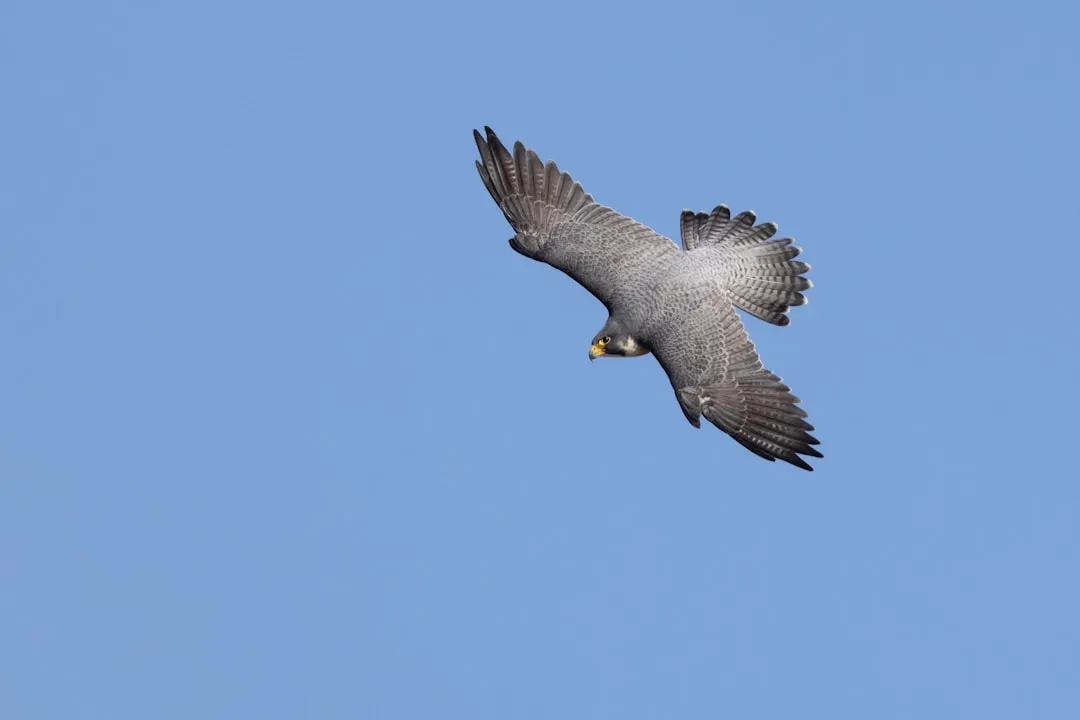
Here’s the thing that really gets me. By the mid-1960s, no peregrine falcons were known to exist in the eastern United States and 90% of the population in the western U.S. had been lost, according to The Nature Conservancy. The culprit was DDT, a pesticide that caused the birds to lay eggs with shells so thin they cracked under the weight of the parent birds.
Through breeding programs, more than 4,000 peregrine falcons were released in the wild between 1974 and 1997. In 1999, the peregrine falcon was removed from the Endangered Species List, and today they are a species of low concern with an estimated breeding population of 340,000 worldwide, the Cornell Lab reports. This recovery is considered one of the greatest success stories of the Endangered Species Act. It’s proof that when humans decide to fix what they’ve broken, amazing things can happen.
Some Migrate Nearly 20,000 Miles Every Year
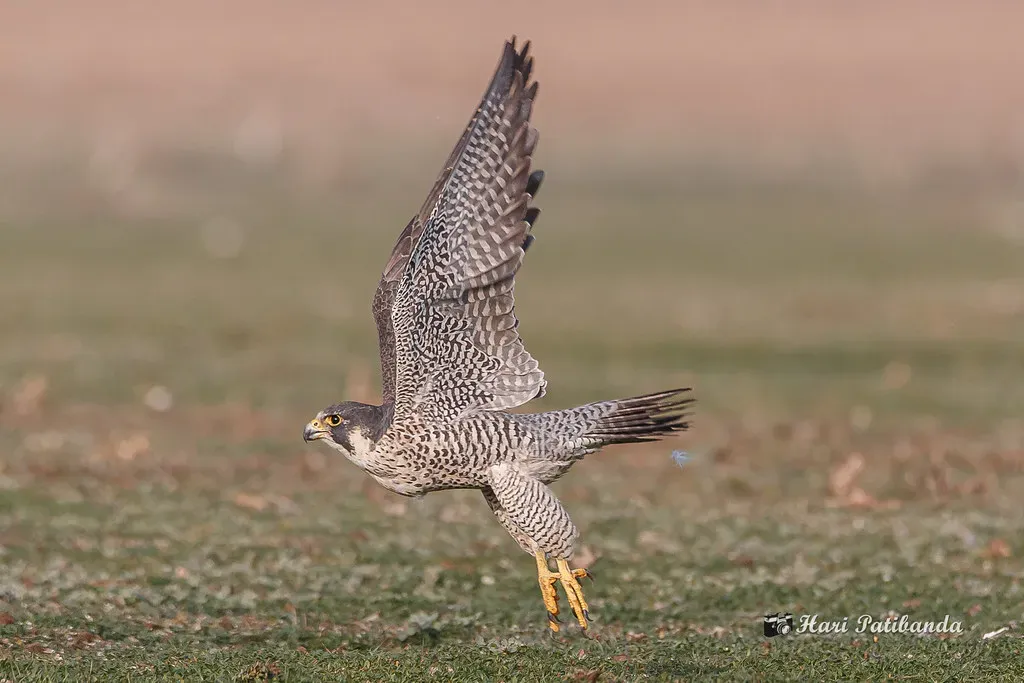
In the northern part of their range, Peregrine Falcons are migratory, which means they travel from their breeding grounds to non-breeding grounds and back every year. Some of these individuals travel from the Arctic nearly to Antarctica, making a yearly round trip journey of more than 20,000 miles. To put that in perspective, that’s nearly circling the Earth at the equator.
The name itself gives away their wandering nature. Even their common name is a nod to their far-flung range, with “peregrine” meaning wanderer. Not all peregrines migrate though. Most vagrants that reach western Europe seem to belong to the more northern and strongly migratory F. p. tundrius, only considered distinct since 1968. Those living in milder climates with year-round food supplies often stay put, proving these birds are as adaptable as they are impressive.
They’ve Adapted to Live on Skyscrapers in Major Cities
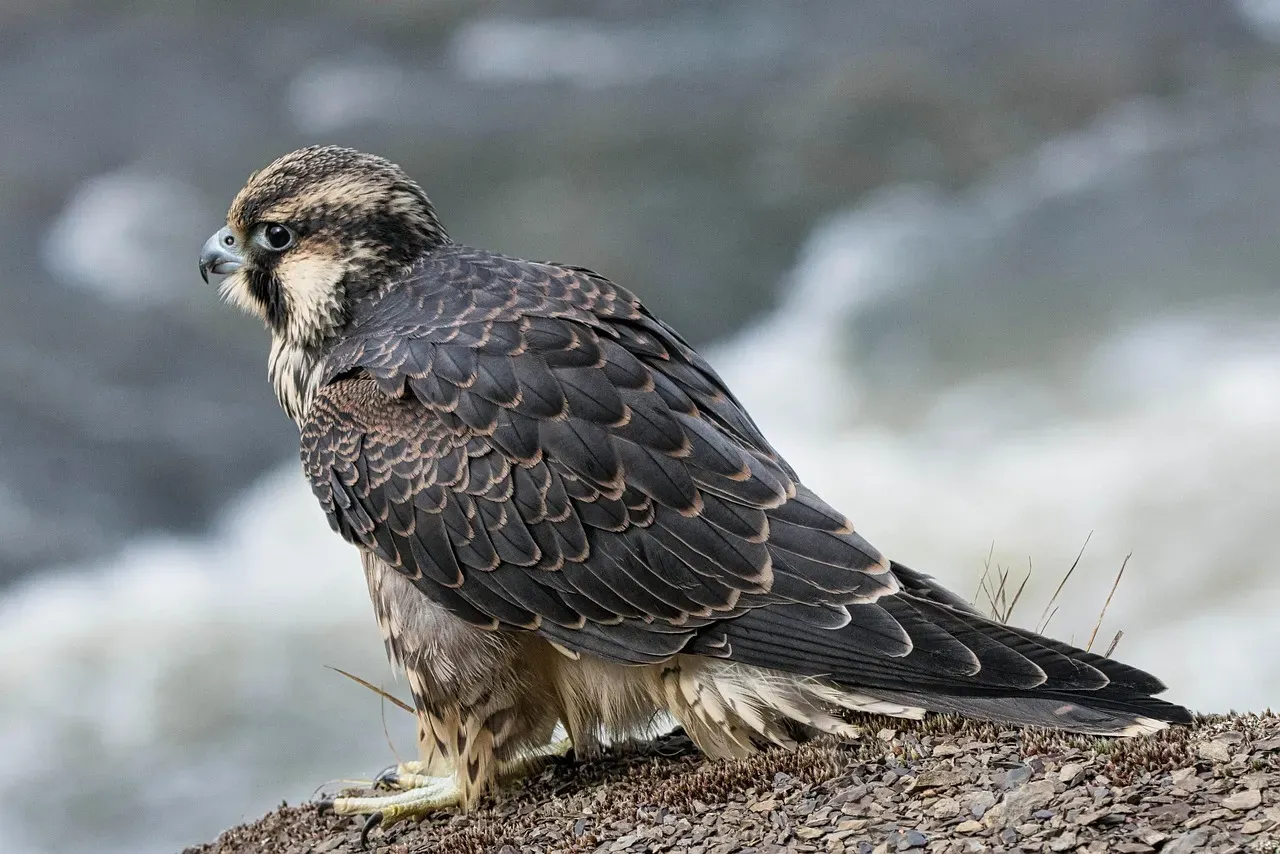
In many parts of the world peregrine falcons have adapted to urban habitats, nesting on cathedrals, skyscraper window ledges, tower blocks, and the towers of suspension bridges. The peregrine is a highly successful example of urban wildlife in much of its range, taking advantage of tall buildings as nest sites, and an abundance of prey such as pigeons and ducks.
Cities have become the new hunting grounds for these ancient predators. Additionally, falcons benefit from artificial illumination, which allows the raptors to extend their hunting periods into the dusk when natural illumination would otherwise be too low for them to pursue prey. It’s honestly fascinating how a bird that evolved to hunt from cliff faces has seamlessly transitioned to hunting from the ledges of downtown office buildings. They’re living proof that nature can adapt to our concrete jungles.
They Kill Their Prey With a Punching Technique
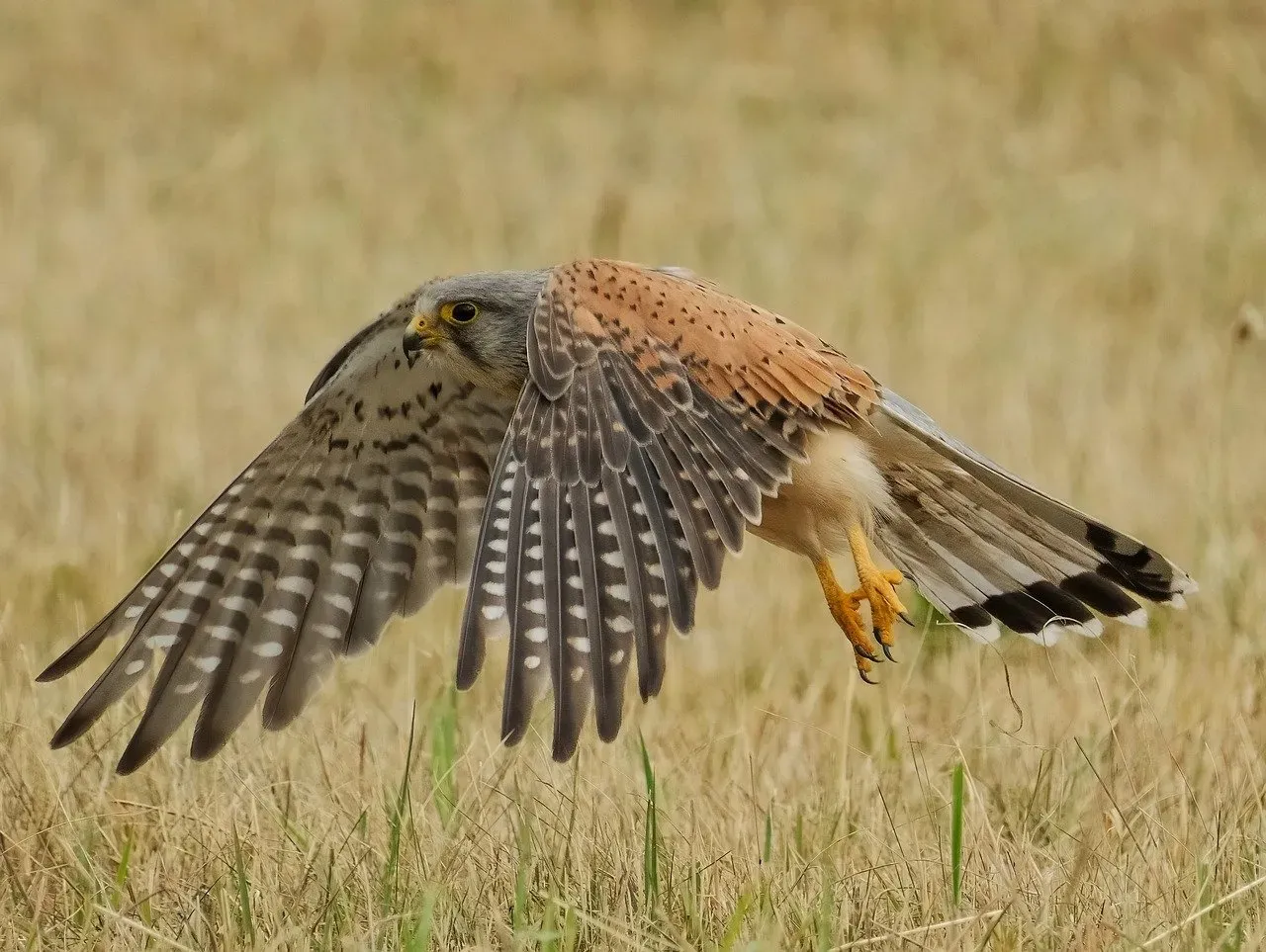
When hunting larger prey like ducks or geese, peregrine falcons use a technique that sounds like something out of an action movie. To attack larger prey animals, Peregrine Falcons torpedo toward their targets with their legs tucked close to their bodies. At the last moment, they bring forward their talons. This motion acts like a braking system. The falcon will then curl one of its feet into a fist and punch the target out of the air.
Let that sink in. These birds fly at speeds that would tear most creatures apart, then literally punch their prey out of the sky with a clenched fist. Once the prey has fallen to the ground, the falcon can complete the kill and feed, using its exceptionally sharp beaks and talons. Despite all these incredible adaptations and hunting techniques, they’re not invincible. Though they have several adaptations and advantages while hunting, Peregrine Falcons only succeed in their hunts about 20% of the time. Even nature’s perfect predator has to work hard for every meal.
Conclusion
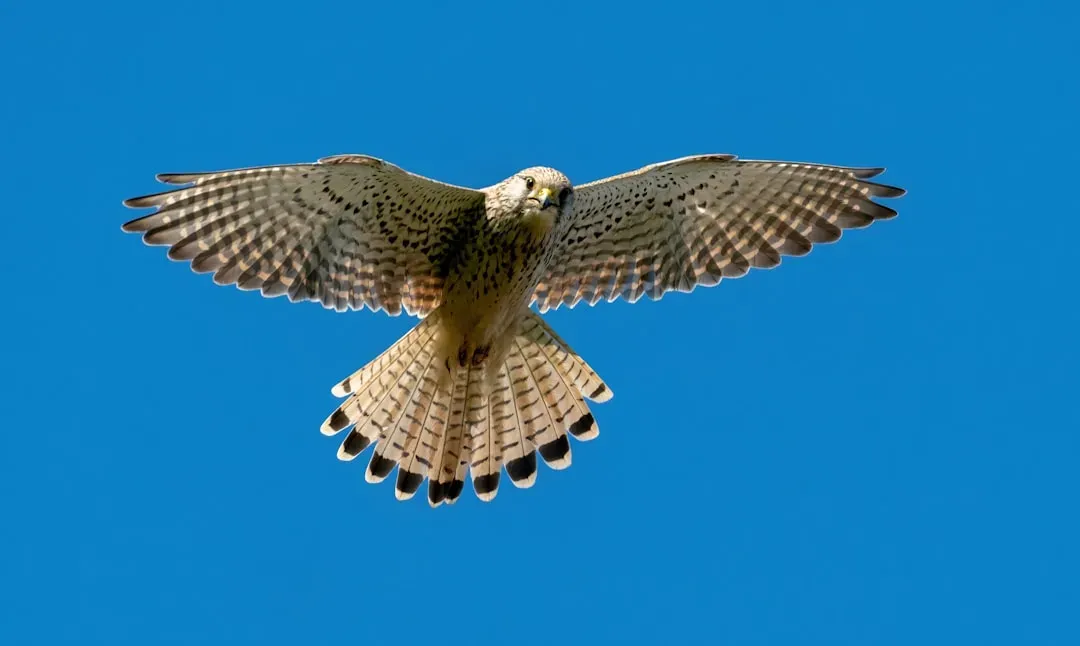
The peregrine falcon reminds us that nature still holds wonders that can leave us speechless. From diving faster than a Formula One car to seeing the world in dimensions we can’t even imagine, these birds push the limits of what’s possible. Their recovery from the brink of extinction shows that conservation efforts really can work when we commit to them.
Next time you look up at the sky, remember that somewhere up there, one of the planet’s most incredible athletes might be soaring overhead. What do you think is the most impressive peregrine falcon ability? Tell us in the comments.
