
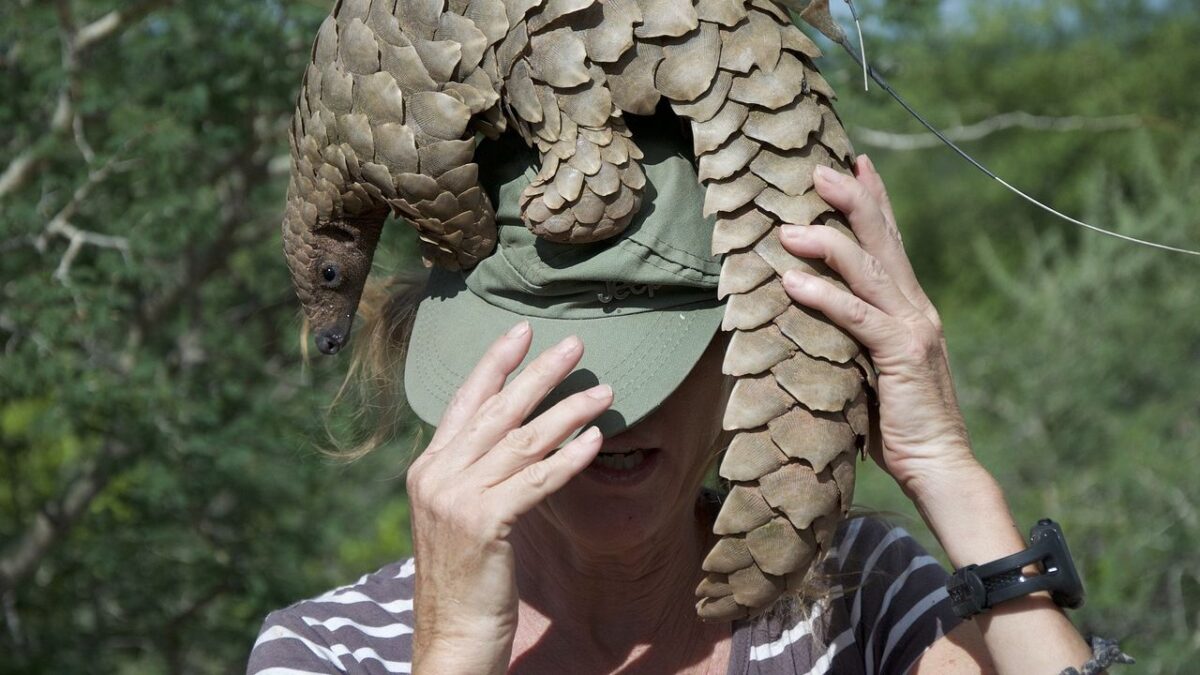
Most people have never seen a pangolin. Honestly, many have never even heard of one. Yet right now, as you read this, one of the most ancient and ecologically vital creatures on the planet is disappearing – quietly, systematically, and at a pace that should alarm every one of us.
These quiet, scale-covered mammals may have a low profile, but that has not protected them from exploitation. Theirs is a story of extraordinary survival – 80 million years of evolution – now threatened in a matter of decades. What’s driving this crisis, who is responsible, and is there still time to act? Let’s dive in.
Nature’s Most Unique Mammal, Now Fighting for Survival
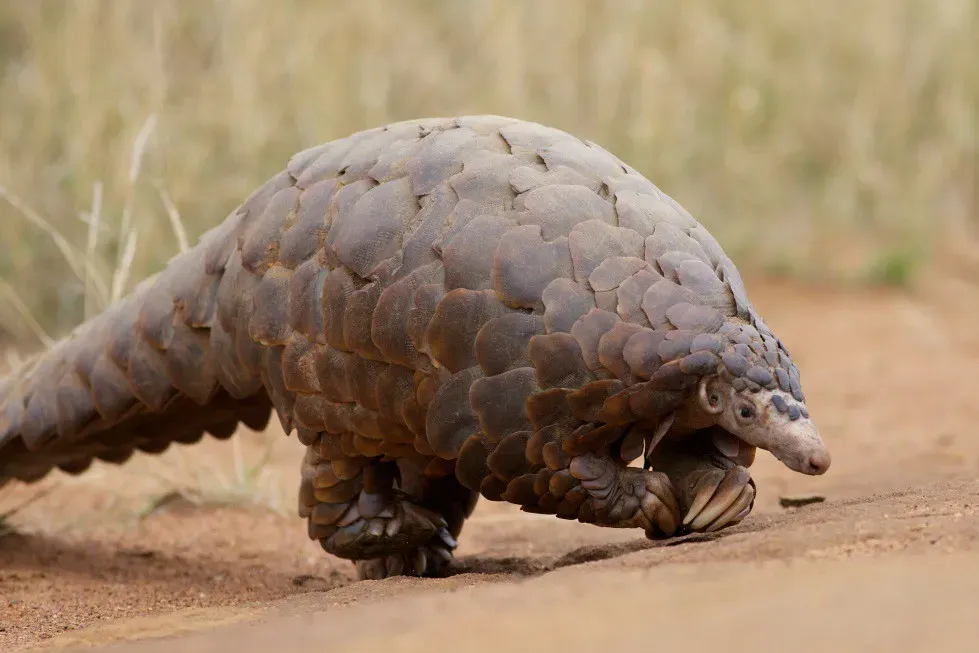
Here’s the thing – pangolins are unlike anything else on Earth. Imagine a creature that looks like a pinecone crossed with an anteater, moves like a tiny dinosaur, and carries armor made of the same material as your fingernails. That is a pangolin.
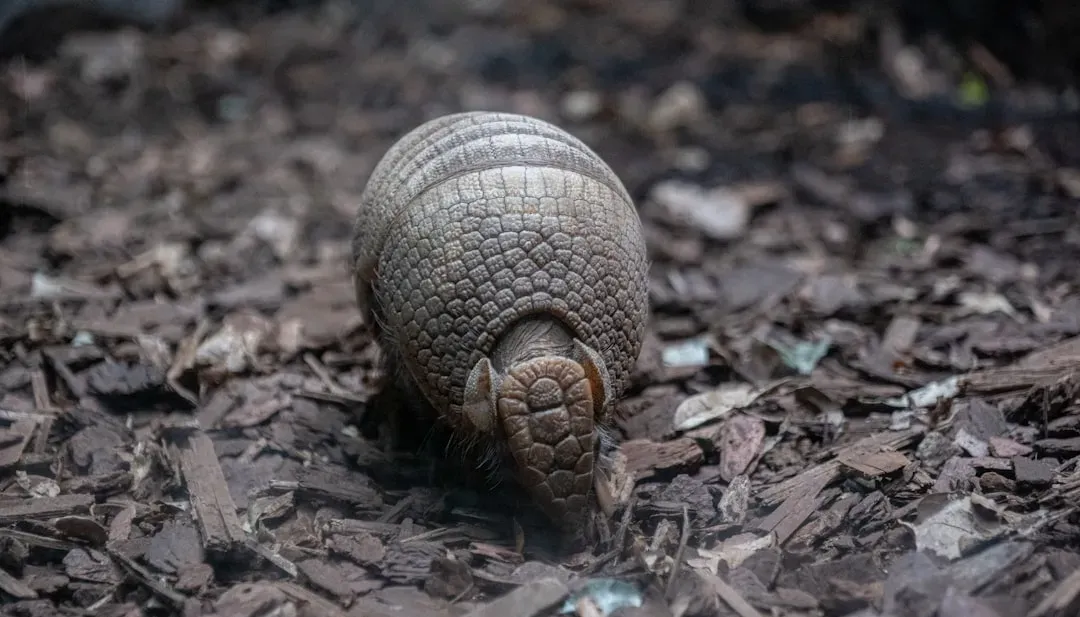
While they’re sometimes known as scaly anteaters, pangolins are not related in any way to anteaters or armadillos. They are unique in that they are the only mammals covered completely in keratin scales, which overlap and have sharp edges.
These scales account for about a fifth of their total body weight. Think about that for a moment. That is the equivalent of a human wearing a permanent suit of armor that grows with them. They are the perfect defense mechanism, allowing a pangolin to roll up into an armored ball that even lions struggle to get to grips with, leaving the nocturnal ant and termite eaters with few natural predators.
Scientists recognize eight species worldwide: four live in Asia, and four occur across sub-Saharan Africa. Each species has adapted to its own niche, from tree-dwelling forest pangolins to burrowing ground species. With 46 to 47 vertebrae, the long-tailed species of pangolin boasts the highest number of vertebrae among mammals. They have long, sticky tongues that are longer than their bodies, perfectly adapted for eating ants and termites.
The Staggering Scale of Illegal Trafficking
The numbers behind pangolin trafficking are almost incomprehensible. We’re not talking about occasional poaching incidents. We’re talking about an industrial-scale criminal enterprise that dwarfs the illegal trade in rhinos, elephants, and tigers combined.
Pangolins are now the world’s most illegally traded wild mammal, with more than one million having been poached over the past decade. That’s more than rhinos, elephants, and tigers combined.
Pangolins or pangolin products outstrip any other mammal when it comes to wildlife smuggling, with more than half a million pangolins seized in anti-trafficking operations between 2016 and 2024, according to a CITES report. Keep in mind, those are only the ones that were caught. Pangolins are believed to account for as much as a fifth of all illegal wildlife trade globally.
Poachers kill as many as 2.7 million African pangolins every year. The largest single bust on record tells the story vividly. The biggest pangolin bust on record happened in February 2019 in East Malaysia’s Sabah state of Borneo, where authorities found nearly 30 metric tonnes of pangolin products, including 1,800 boxes of frozen pangolins and 61 live pangolins. Still, the illegal networks regroup and continue.
Why Pangolins Are So Desperately Wanted
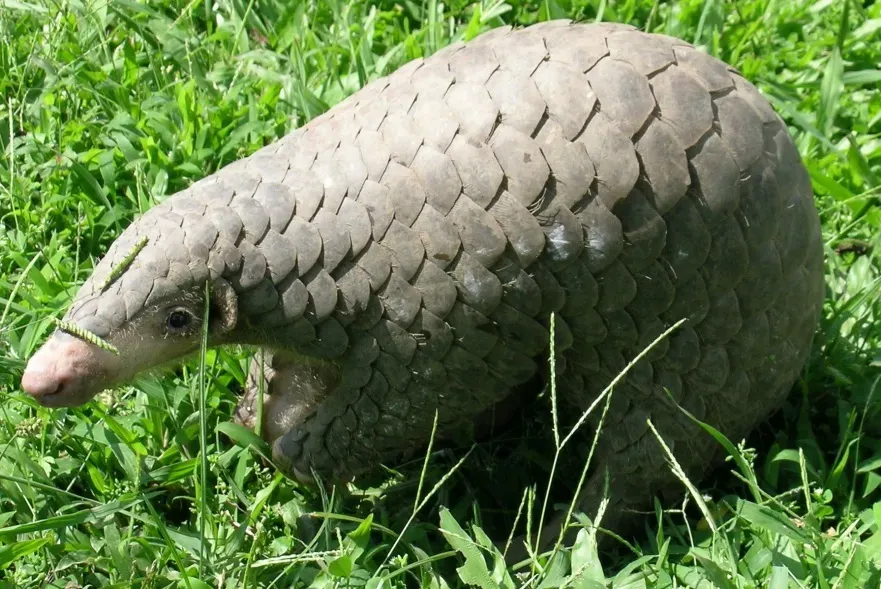
So what makes pangolins so valuable to criminal networks? It comes down to two things: their scales and their meat. Both feed into deeply entrenched beliefs and status-driven consumption habits that are extraordinarily difficult to change.
Pangolins are in high demand in countries like China and Vietnam. Their meat is considered a delicacy, and pangolin scales are used in traditional medicine and folk remedies to treat a range of ailments from asthma to rheumatism and arthritis.
Pangolin scales are made of keratin – the same material as human fingernails – yet they are falsely believed to hold medicinal properties in some cultures. This myth has fueled a multi-billion-dollar black market. It is, to put it plainly, one of the most expensive lies in the natural world.
There is also demand in the United States for pangolin products, particularly their leather, used in boots, bags, and belts. The demand is genuinely global, which makes it so stubbornly hard to address. In Vietnam, business people and officials consume pangolin meat and other products to convey status and impress their associates. When wildlife consumption becomes a symbol of wealth, the challenge becomes cultural, not just legal.
A Defense That Works Against Lions, but Not Humans
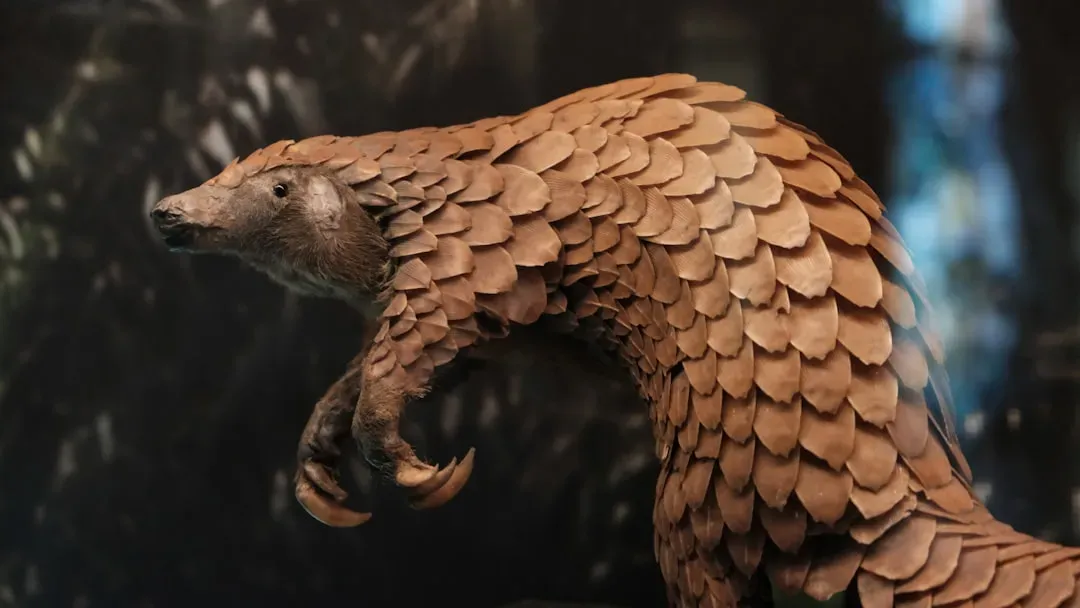
There is something deeply tragic about the pangolin’s predicament. The very defense mechanism that kept them alive for tens of millions of years is now their greatest vulnerability in a world of human hunters.
Their natural defense – curling into a ball – works against predators but makes them tragically easy targets for poachers. Poachers simply pick pangolins up and drop them into a bag. No chase. No struggle. Just pick and go. It’s hard to say for sure whether any animal on Earth is more poorly equipped to survive in a world of organized crime.
In some regions, hunters use smoking methods to force pangolins from their burrows or tree hollows. Wire snares are also commonly used, set along known pangolin paths, often resulting in slow, painful deaths or severe injuries.
Since 2014, pangolins have been the world’s most trafficked mammal, yet they reproduce very slowly and their populations are unknown. That last part is crucial. Pangolins typically give birth to just one offspring per year, making population recovery extremely difficult. You cannot remove millions of animals from a population and expect it to bounce back when births happen one at a time.
Conservation Battles, Legal Wins, and What Still Needs to Change
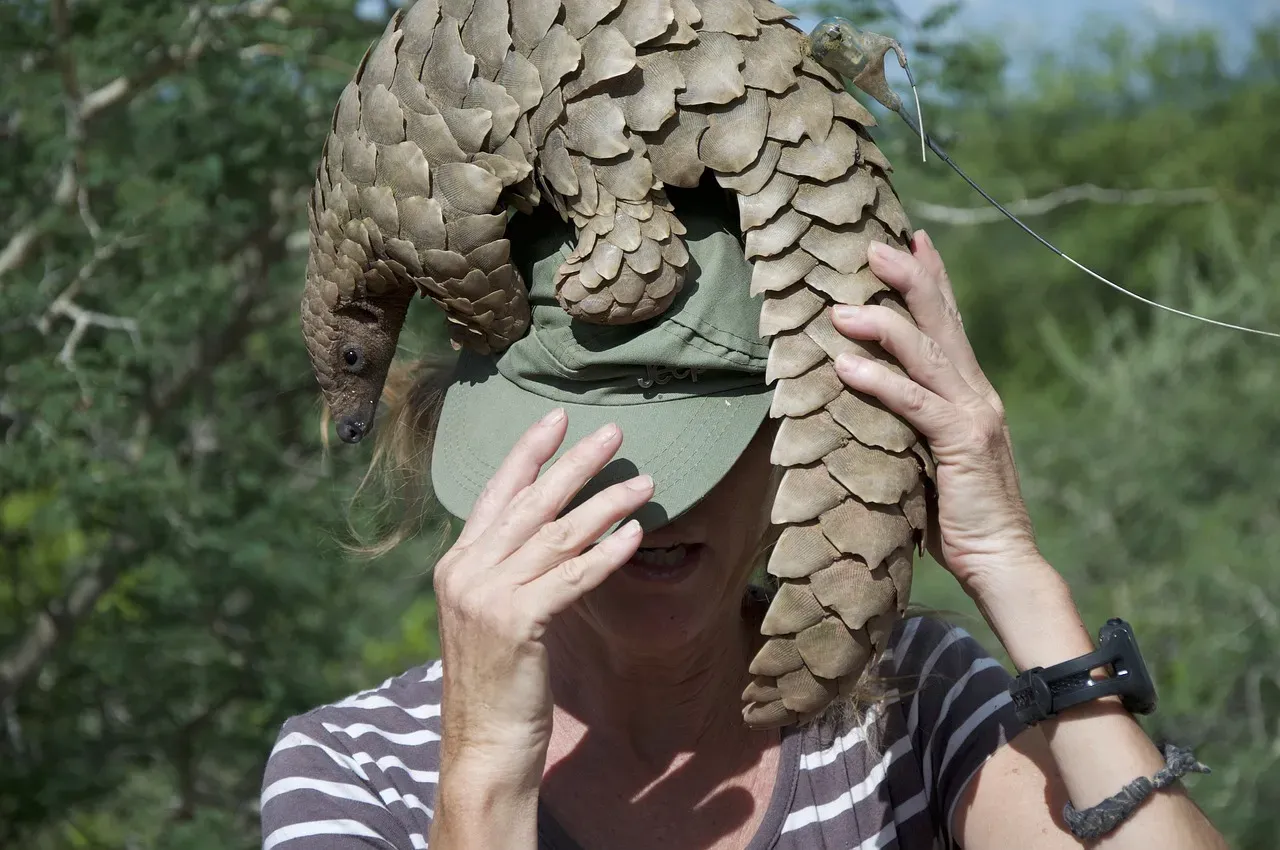
Here’s where things get a little more hopeful, though “hopeful” is still a fragile word when applied to pangolins. International law has moved, governments have acted, and conservation groups are fighting hard. The question is whether it is happening fast enough.
CITES upgraded all eight pangolin species to Appendix I in 2016, effectively banning all international commercial trade. Despite this agreement by world governments, the illegal trade in pangolins has continued to intensify. Laws on paper mean little without enforcement on the ground.
China submitted a Pangolin Conservation proposal to the 78th Meeting of the UN CITES Standing Committee in February 2025, outlining its intention to reduce the use of pangolin scales in traditional medicine, projecting a significant decrease in pharmaceutical and hospital use of pangolin scales by 2026. That is genuinely meaningful progress. However, conservationists worry that even a remaining quota could still fuel illegal trafficking, further endangering the species.
In late 2024, a global anti-trafficking operation resulted in the rescue of 12 live pangolins and the seizure of nearly 4,500 kilograms of pangolin scales in Nigeria. Every kilogram seized represents lives saved. Enforcement efforts must be ramped up to deliver a real deterrent to the illegal pangolin trade, which means increasing the skills and knowledge of rangers and wildlife authorities in areas where pangolins are being hunted.
Among the most promising approaches to pangolin conservation are community-based initiatives that engage local people as partners in protection efforts. When communities benefit economically from live pangolins in healthy ecosystems rather than dead ones in markets, the entire incentive structure begins to shift. Think of it like switching a town’s economy from coal to solar – painful at first, but ultimately transformative.
Conclusion
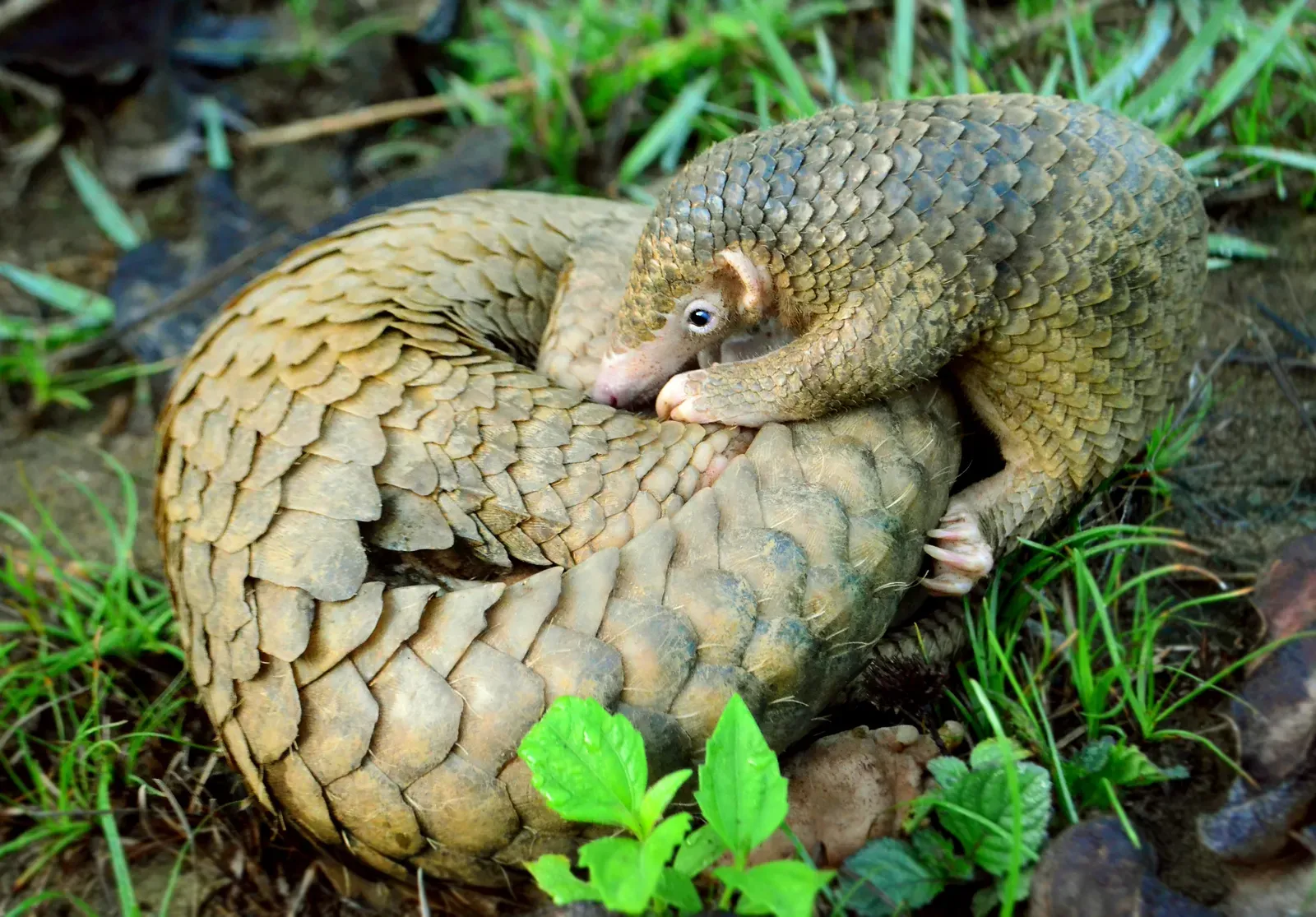
Pangolins have survived for over 80 million years – but they may not survive us. That single sentence should stop you cold. An animal that outlasted the dinosaurs, navigated ice ages, and adapted to two continents now faces its greatest threat from one species: ours.
These remarkable creatures, having survived for millions of years through countless environmental changes, now find their fate entirely in human hands. The coming decade will likely determine whether pangolins become a conservation success story or a tragic emblem of extinction.
Human decisions now shape their future more than any environmental factor. That is both the heaviest burden and the greatest opportunity. Because if human decisions broke this, human decisions can also fix it. The pangolin cannot advocate for itself. It cannot march or protest or go viral on its own terms. It simply curls into a ball and hopes for the best.
What will we decide to do with that knowledge? Tell us your thoughts in the comments below.
