
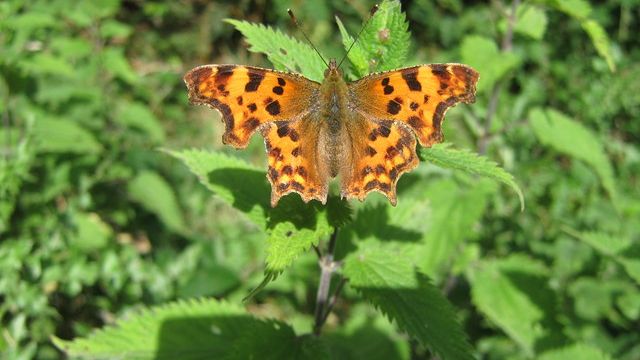
There’s something quietly wonderful about a garden that moves. Not just in the wind, but with wings. Butterflies drift between flowers on warm mornings, pause on sun-warmed stone, and suddenly make even an ordinary backyard feel alive. Most gardeners want more of them, but few realize just how straightforward it is to make that happen.
Gardens can act as important stepping stones between nature reserves and other natural habitats by offering abundant supplies of nectar and food plants. Butterflies will visit any garden, however small, if they can feed on suitable nectar plants. The key isn’t a massive plot of land or years of horticultural experience. It’s knowing what butterflies actually need at every stage of their lives.
Step 1: Choose the Right Sunny, Sheltered Spot
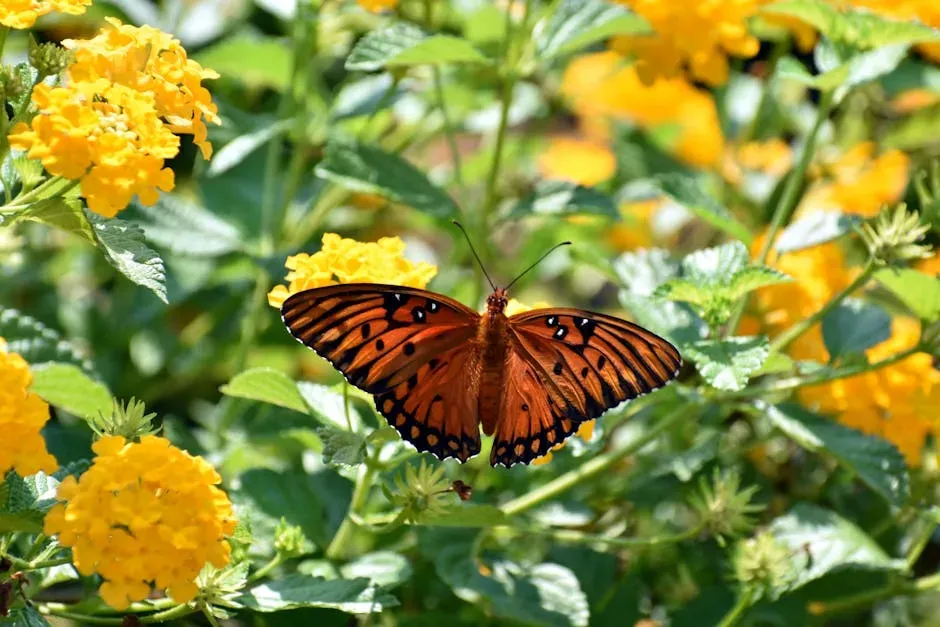
Where you put your butterfly garden matters almost as much as what you grow in it. Butterflies thrive in warm, sunny, and sheltered areas where they can bask and rest. Choose a spot in your garden that receives at least six hours of sunlight daily, preferably protected from strong winds.
Being cold-blooded creatures, butterflies depend on the sun’s warmth for mobility. Their nectar flowers tend to grow in full sun. This isn’t a coincidence. The flowers and the butterflies evolved together in the same open, bright conditions.
If possible, position your plants near walls, fences, or hedges to create natural windbreaks. Butterflies use up more energy flying in windy areas, so they prefer feeding in areas where they do not have to fight the wind. A little shelter goes a long way toward keeping them in your garden longer.
Step 2: Plant a Variety of Nectar-Rich Flowers
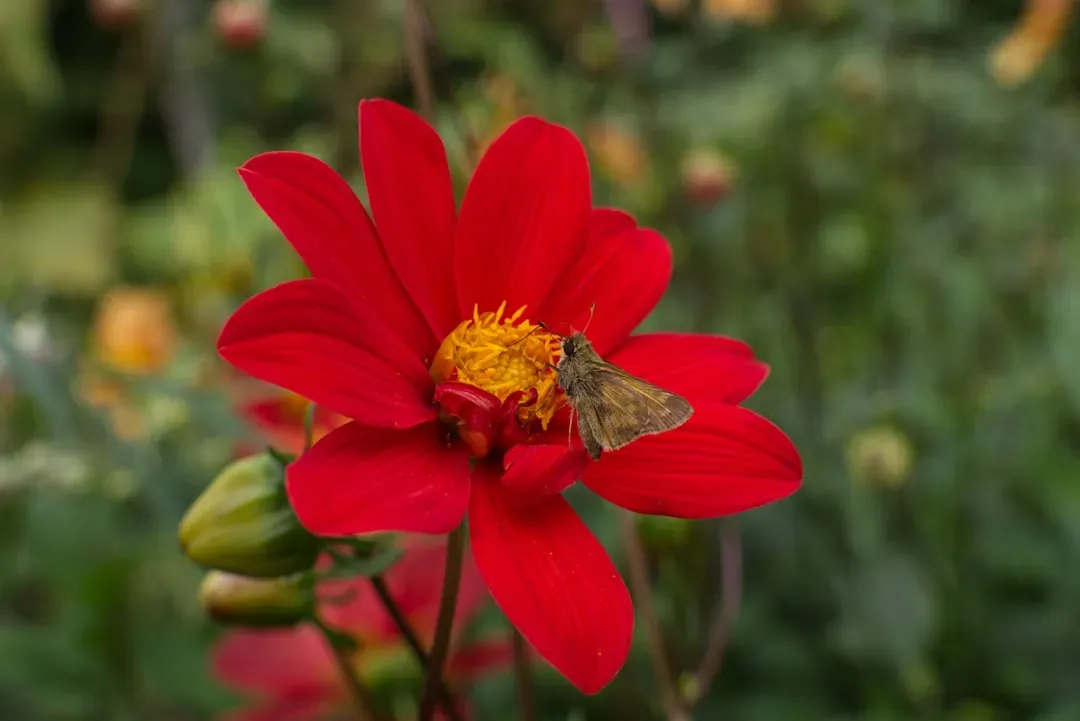
Making your garden an attractive space for a butterfly starts with food. Adult butterflies get their energy from nectar, and they visit gardens looking for flowers to feed on. Growing nectar-rich flowers in the spring and summer months is the best way to encourage them.
As a general guideline, butterflies prefer flowers that give them a landing platform they can walk on. They tend to prefer flowers that have nice, flat landing platforms so they can easily walk around while sipping nectar. Think coneflowers, asters, zinnias, and sunflowers rather than tightly closed or double-petalled blooms.
One important thing to keep in mind with nectar plants is to try to use varieties that are old-fashioned and native. Sometimes newer cultivars with double petals, larger flowers, or different flower shapes end up with little to no nectar and are difficult for butterflies to land on and extract nectar. Stick with open, single-flowered forms wherever you can.
Step 3: Stagger Your Blooms Throughout the Season
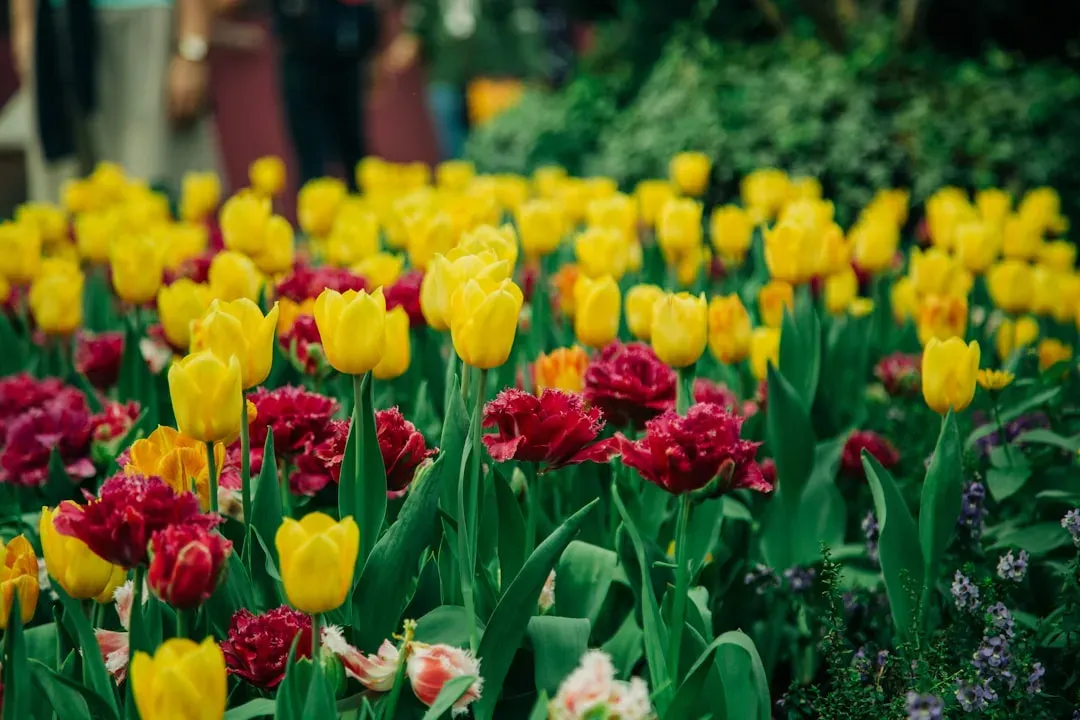
Select a variety of nectar-producing plants to provide flowers in bloom throughout the entire season. This is one of the most overlooked steps. A garden that peaks in June and fades by August leaves butterflies without support precisely when they need it most.
Spring flowers are vital for butterflies coming out of hibernation, and autumn flowers help butterflies build up their reserves for winter. To keep butterflies visiting your garden throughout the seasons, plant a variety of flowers that bloom at different times. Early bloomers like lavender and daisies provide nectar in spring and summer, while late bloomers like sedums and asters sustain butterflies into fall.
Prolong flowering by deadheading flowers, mulching with organic compost, and watering well to keep the plants healthy. It’s a small habit that pays off with weeks of extra blooming time and keeps visiting butterflies well fed.
Step 4: Add Host Plants for Caterpillars
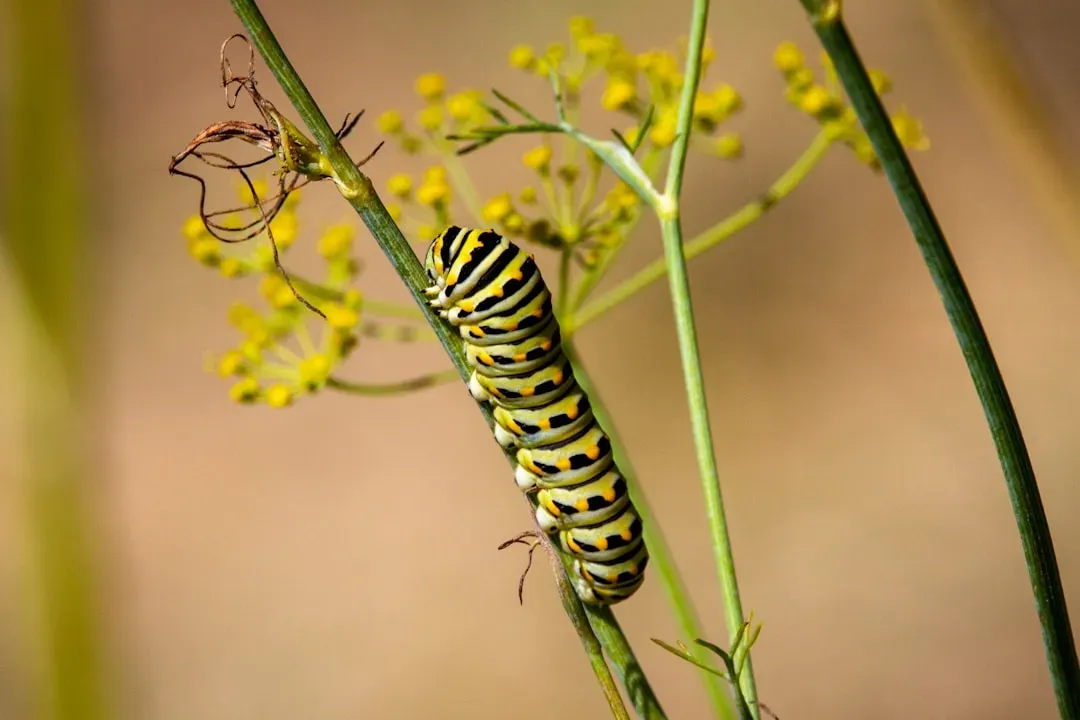
It takes more than nectar to entice butterflies to take up residence in your garden. While nectar-rich flowers attract passersby to stop and feed, host plants send an invitation to stay a while. Larval host plants are the secret to successful butterfly gardening; they are plants required by a caterpillar for growth and development.
Adult butterflies lay their eggs on or near specific host plants because these plants supply all nutritional needs of the caterpillars. Caterpillars are much pickier about their food than their adult counterparts. This specificity is apparently so strong that most caterpillars will starve if they cannot find their host plants.
A couple of examples of host plants you can grow are fennel for the Black Swallowtail, Pearly Everlasting for the American Lady, and milkweed for the Monarch. By planting host plants in your garden, you offer a promise of food for the next generation and will attract more butterflies than you thought possible.
Step 5: Go Native Wherever Possible
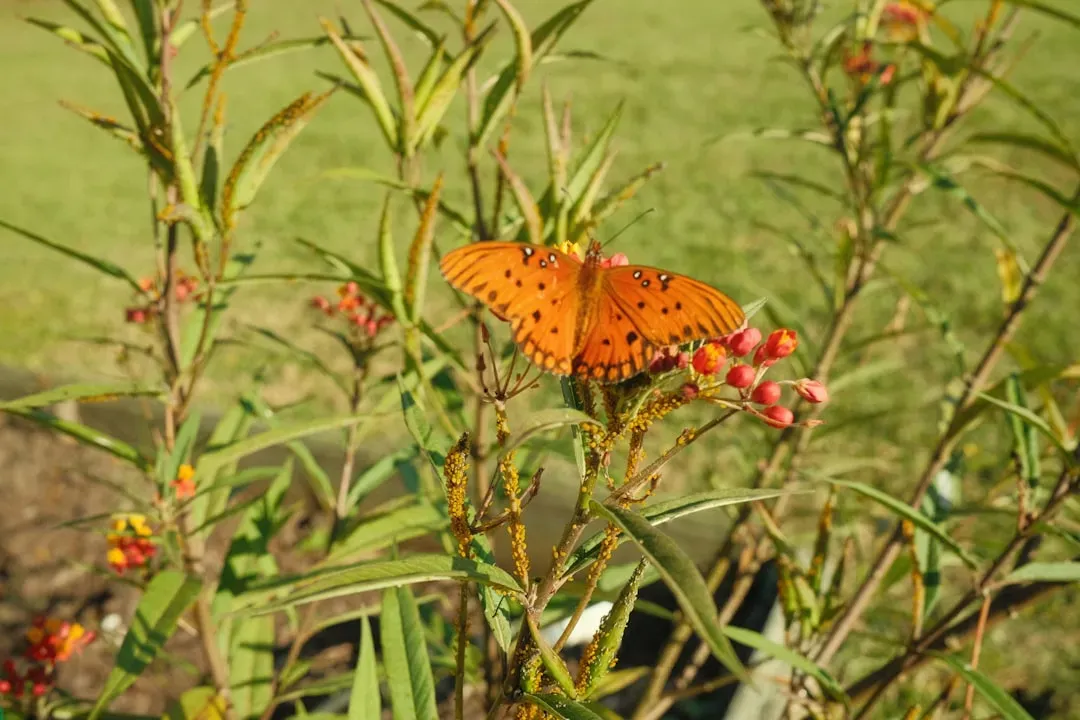
Native plants are the perfect choice for a butterfly garden. They are adapted to local soils and climate. As a result, they often perform better than non-native species, meaning you’ll spend less money and effort to attract more butterflies in the long run.
Plants native to your region host butterflies native to your region. Try planting a variety of your favorite native plants and enjoy the surprise of discovering which butterflies show up. There’s a genuine sense of discovery in watching which species appear once you’ve made the right habitat available to them.
The plants most likely to attract butterflies in your area will often be native to your area, which also means they will tend to grow vigorously in your butterfly garden with low maintenance. That’s a welcome bonus for anyone who doesn’t want to spend every weekend fighting finicky exotics.
Step 6: Create a Puddling Station for Water and Minerals
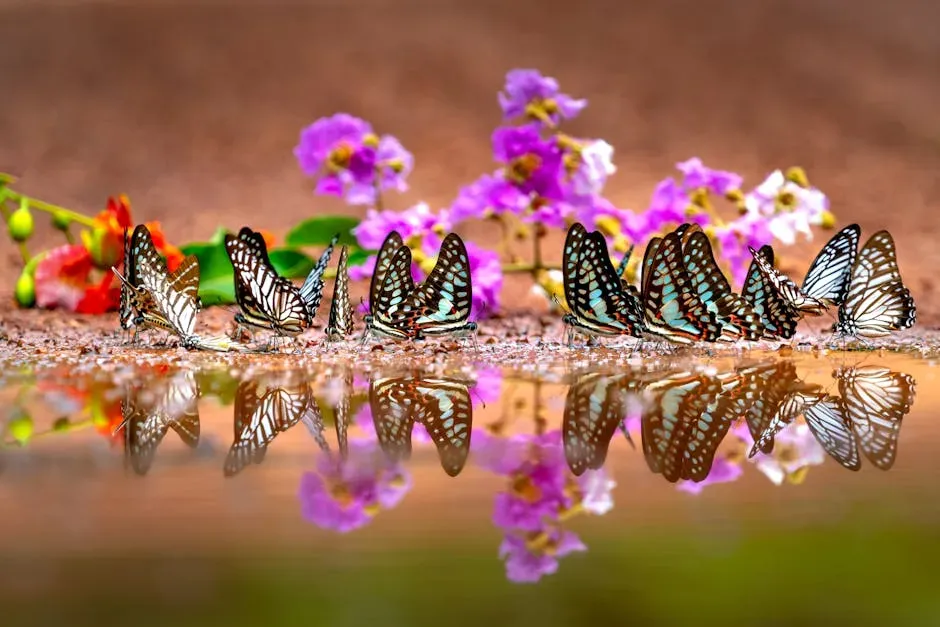
Unlike birds or mammals, butterflies don’t drink water in the traditional sense. Instead, they absorb moisture and essential nutrients through a process known as puddling. Puddling is a behavior observed in butterflies, particularly males, where they gather on wet soil, mud, or shallow puddles. They do this to sip water that provides essential minerals and salts, particularly sodium, needed for reproduction. This nutrient uptake is crucial for their vitality and mating success.
A simple approach is to provide a shallow water source, such as a dish filled with pebbles and water, allowing them to land and sip safely. Another option is to create a puddling station by filling a shallow dish with wet sand or mud. Butterflies extract minerals and salts from the damp soil.
Position the station in a sunny, sheltered area with minimal wind. Butterflies are cold-blooded and need sunlight to warm up, so a sunny location is ideal. Place it near your nectar beds to encourage longer visits and give them a reason to linger.
Step 7: Go Pesticide-Free and Embrace a Little Wildness
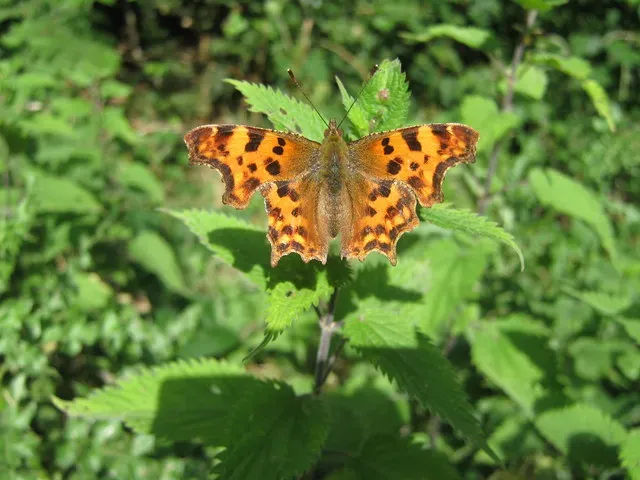
Don’t use insecticides and pesticides. They kill butterflies and many pollinating insects as well as ladybirds, ground beetles, and spiders. This applies not just to deliberate spraying but also to plants bought from garden centers that may have been pre-treated. Reduce the use of pesticides in your garden and allow different kinds of plants to grow freely to support biodiversity. Avoid using them near your flowering plants, and be aware of plants bought from the garden center that may have previously been treated. If you are unsure, buy organic plants or grow your own.
Support caterpillar growth by allowing your garden to be wild around the edges. Larvae like to feed on nettles, thistles, ragwort, mixed grasses, holly, and ivy, which means that gardeners should welcome some of the less popular wildflowers.
Since different butterfly life stages overwinter in the garden, it’s best not to clean up your garden until late spring. They may be in leaf litter or attached to the stems of plants, and you don’t want to disturb them if you can help it. Resisting the urge to tidy everything away in autumn turns out to be one of the simplest things you can do for butterfly populations.
Step 8: Plant in Blocks and Think About Layout
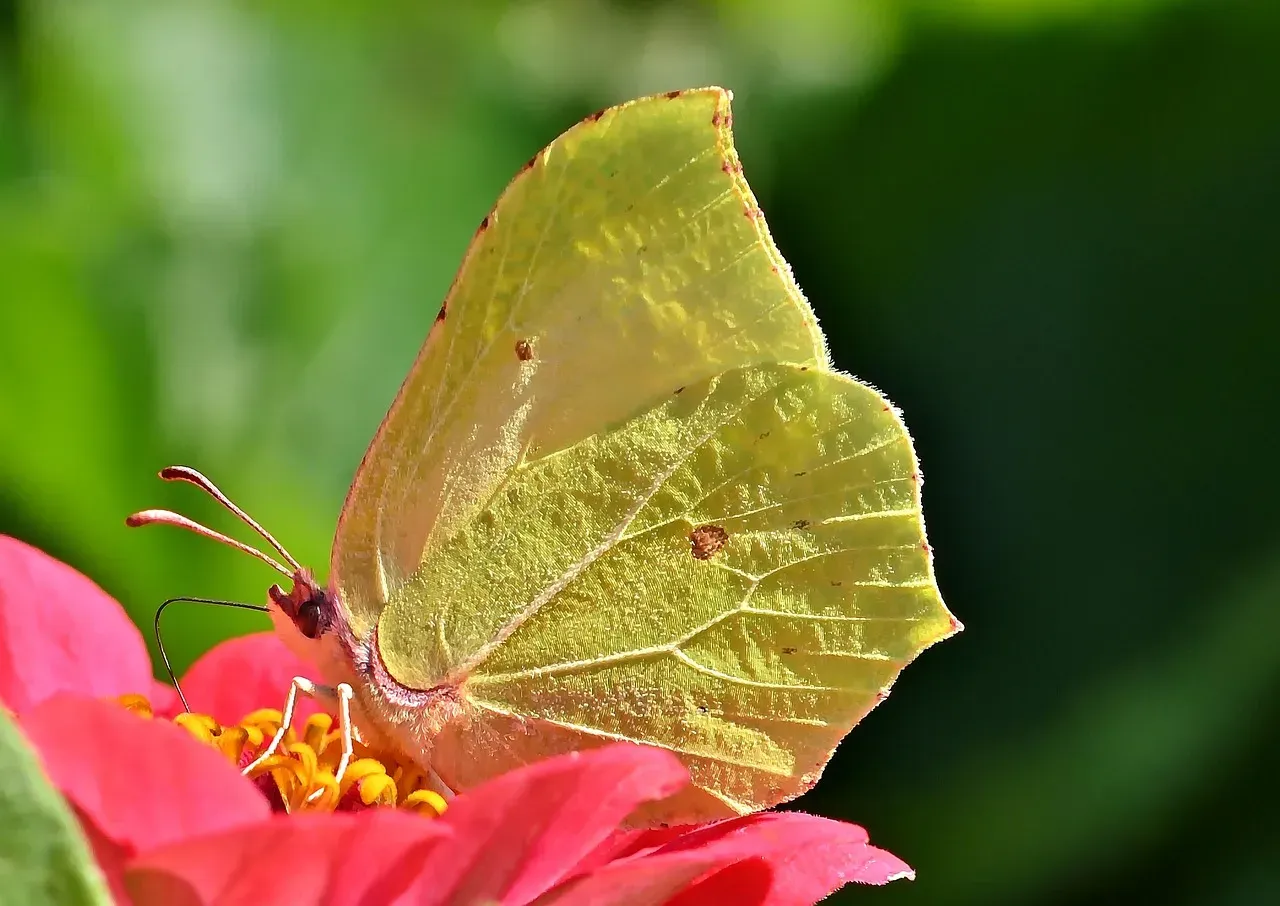
You can plan your garden to attract, retain, and encourage butterfly populations. Flowers of similar colors grouped together are more attractive to both butterflies and people. Visual mass matters here. A single coneflower is easy to miss from the air; a drift of twenty is unmistakable.
Butterflies may be attracted to the garden by a large patch of bright flowers, but they will linger longer if there are also areas that provide shelter, water, sun, and a diverse group of plants that imitate the way plants grow in the wild. Plant diversity results from choosing plants of different types, such as shrubs, trees, perennials, and even vines. By choosing plants that grow to different heights, with a variety of flower shapes, colors, and bloom times, you create a garden that is attractive to a wide range of butterflies.
Butterflies also need room to fly, so create a flowerbed full of nectar-rich plants alongside an open area of patio or lawn. The combination of planted abundance and open space reflects how butterflies naturally move through the landscape. It doesn’t need to be perfect or expensive. It just needs to be thoughtful.
Conclusion: A Garden That Gives Back
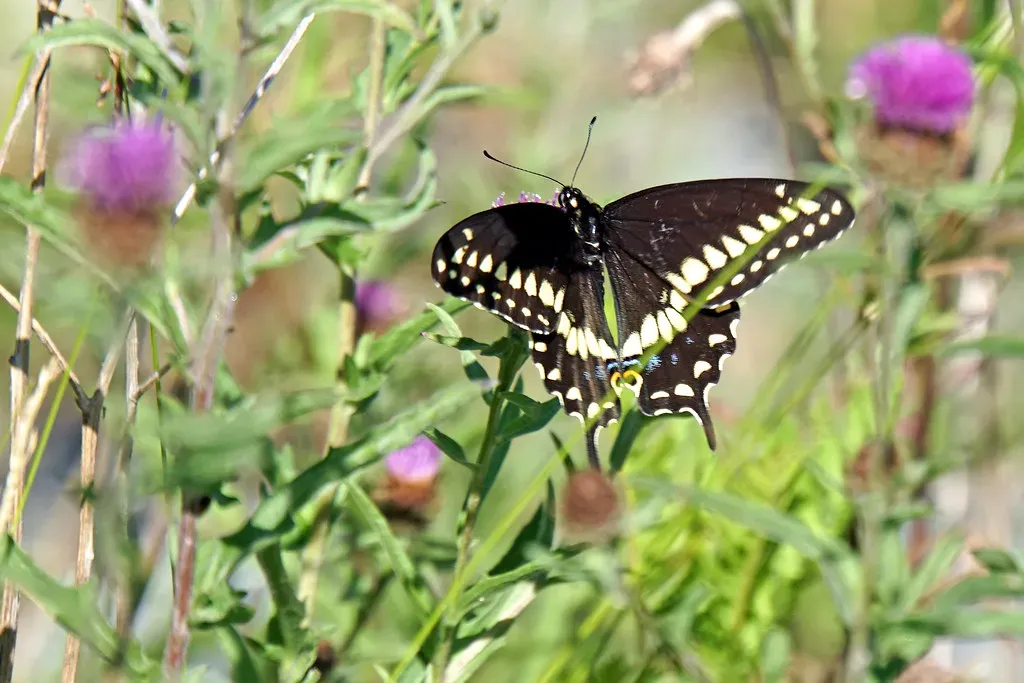
Attracting butterflies all summer long isn’t about a single magic plant or a clever gadget. It comes down to meeting their needs at every stage of life, from the caterpillar munching quietly on a host plant to the adult fueling up on nectar before migration. Each step in this list builds on the last.
Whether you have a huge lot or a tiny balcony, you can attract butterflies. A butterfly garden can be any size. Small beds or container gardens with a combination of colorful nectar plants and a larval host plant or two can be quite effective.
The real reward isn’t just the butterflies themselves, though they’re reason enough. It’s the gradual realization that your garden has become part of something larger, a small but genuine piece of habitat in a world that increasingly needs more of them. That’s worth far more than any single bloom.
