
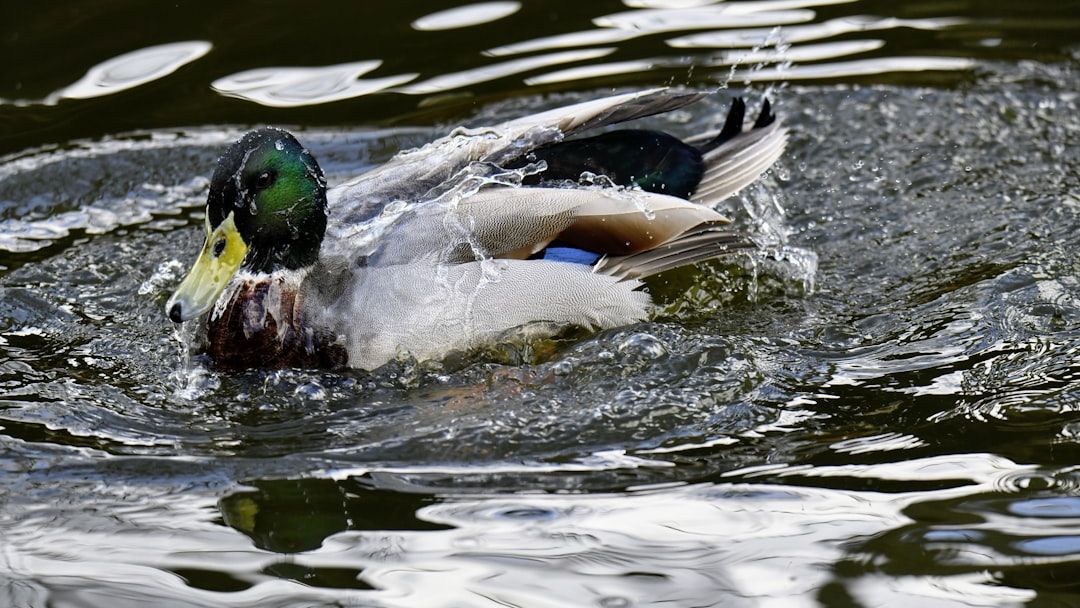
There’s a quiet shift happening in backyards across the country. More people are stepping outside, looking at their patches of grass and flower beds, and asking a simple question: what if this space did something more? Not just for weekend barbecues or good curb appeal, but for the birds, bees, frogs, and butterflies that are steadily losing ground to pavement and pesticide.
Transforming your backyard into a haven for wildlife comes with real ecological advantages. By cultivating native plants and providing suitable habitats, you support biodiversity, improve soil health, and reduce the need for chemical pesticides. The good news is that you don’t need acres of land or a landscape architect. A few well-chosen changes can turn even a modest yard into a thriving little ecosystem.
Plant Native Species That Wildlife Actually Recognize
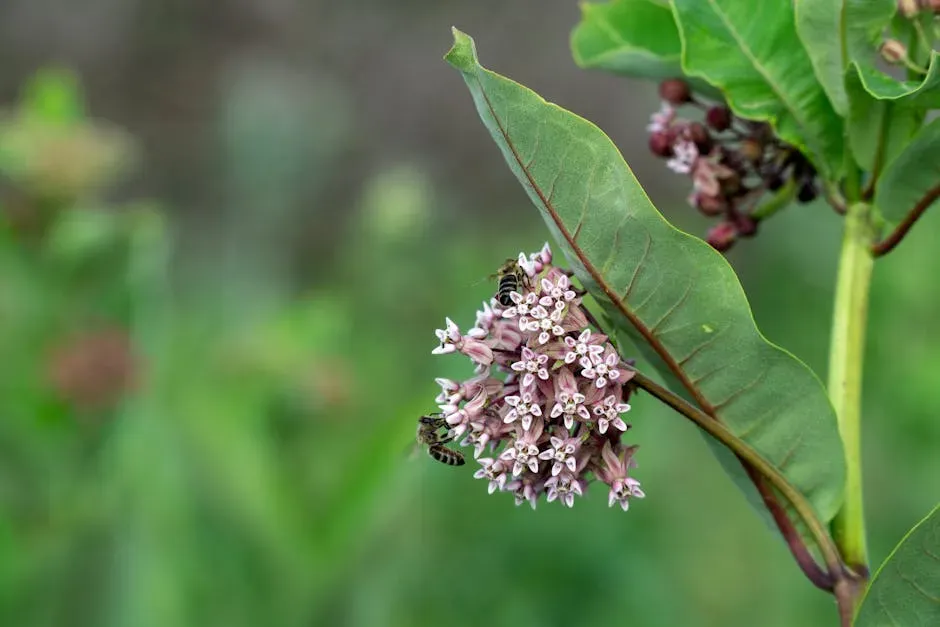
The single most impactful thing you can do for backyard wildlife is choose plants that belong in your region. Native plants are considered the best choice because of their abundance of nectar and pollen, in addition to being low maintenance, generally pest free, drought tolerant, and able to control erosion. They are good sources of food and shelter for wildlife, and naturally beautiful.
Insects have evolved alongside native plants, which means many pollinators depend on specific native species for survival. When you include more natives in your landscape, you naturally attract butterflies, bees, and beneficial insects that support the entire ecosystem. Birds then benefit from the abundance of insects during nesting season and from berries and seeds in fall and winter.
Native oaks, for example, support 532 species of native caterpillars, while the non-native Butterfly Bush supports only one. Caterpillars are important because they are the primary food source for nestlings of 96 percent of all bird species. That single comparison makes the case better than any slogan could.
Create a Layered Garden Structure
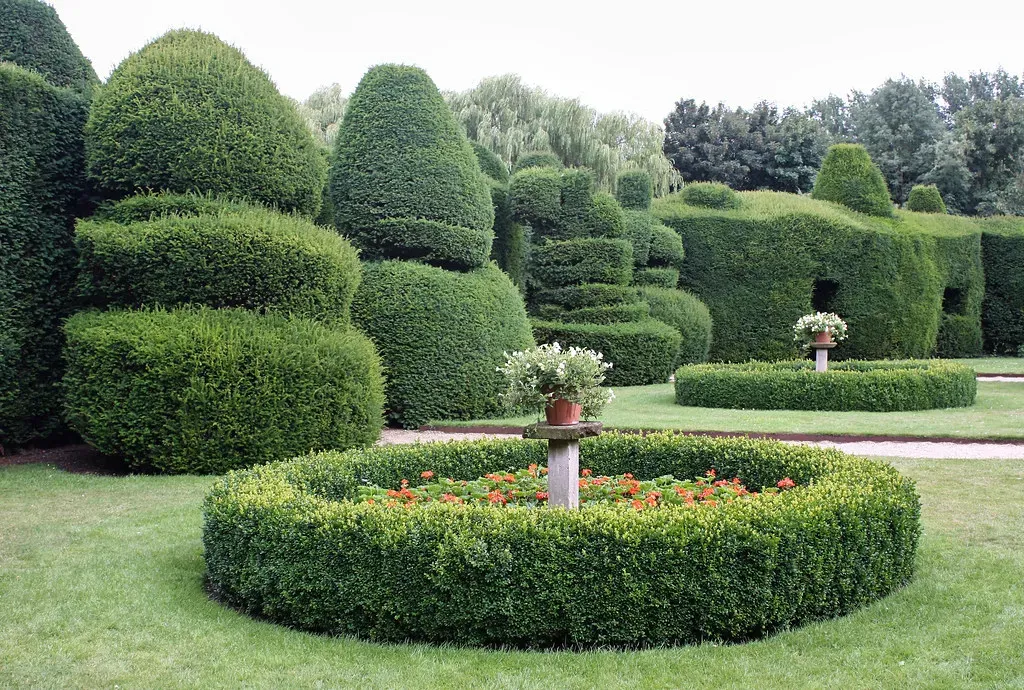
Create a diverse and thriving habitat garden by planting in layers. Use tall trees as the top canopy, shrubs in the middle, and ground cover or perennials at the base. This layering mimics natural ecosystems, offering shelter and food for various species.
If you have the space, even as small as ten by ten feet, you can build a multilayer planting: add a row of canopy trees, weave in medium-sized trees and tall shrubs, tuck in smaller shrubs, fill in with herbaceous plants, and carpet with groundcovers. Each level creates a different microhabitat, and different creatures will colonize each one.
Adding different height levels of woody plants is critical for year-round protection as wildlife moves through the space. Adding a mix of native wildflowers and berries provides additional height levels, habitat, and food sources. The result looks lush and intentional, not wild in the unkempt sense.
Build or Install a Wildlife Pond
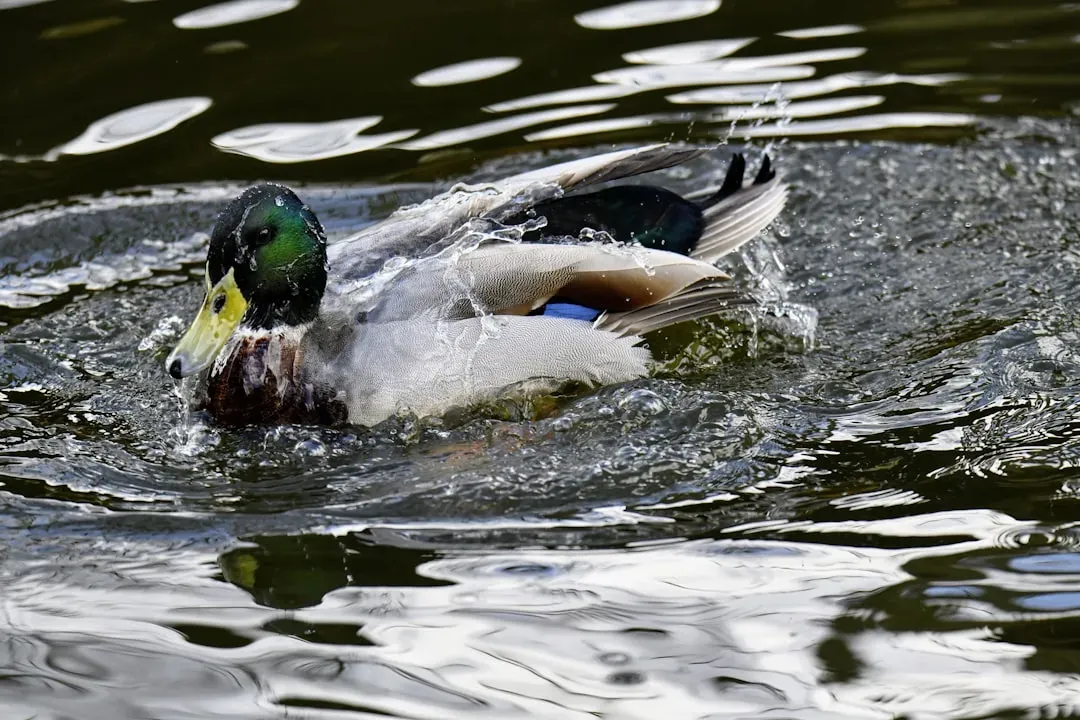
Creating a pond is one of the best things you can do in the garden for wildlife. It doesn’t need to be elaborate. The larger the pond, the more wildlife it will attract, but size isn’t everything. Even a mini pond in a pot will provide a habitat and water source for plenty of small creatures.
Backyard wildlife ponds do more than add beauty to your landscape. When designed well, these small in-ground features provide a reliable water source for birds, amphibians, pollinators, and other wildlife. The trick is getting the design right from the start.
A layer of gravel, mud, or large flat stones positioned on the shallow sloping side of the pond will create a perfect habitat for amphibians and insects. It also allows birds, hedgehogs, and smaller insects such as honeybees to drink without the risk of falling in. Access in and out of the water matters enormously for smaller creatures.
Stop Mowing Everything and Let Some Areas Go Wild
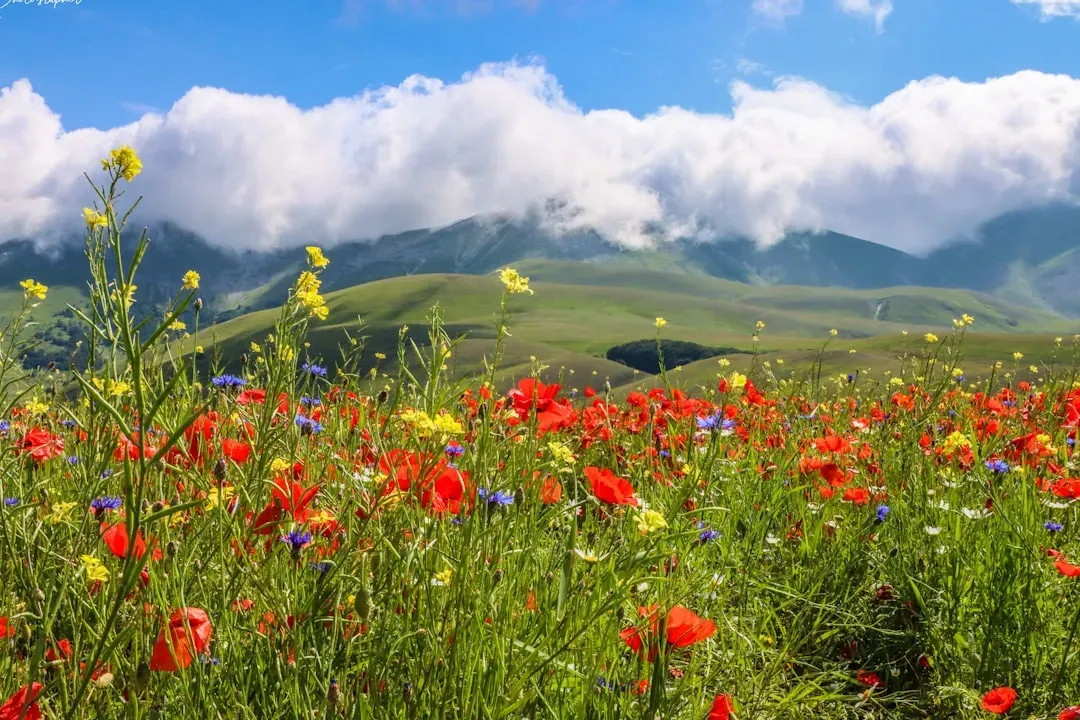
Close-mown lawns and carefully weeded borders offer few opportunities for wildlife to get a foothold, whereas patches of long grass can provide a refuge for small mammals, reptiles, and invertebrates, including caterpillars. If possible, try to leave some grass uncut throughout the year.
If you want to keep a grassed area, plant a small wildflower meadow that will play host to a multitude of butterflies, bees, and other insects. Even a modest strip of unmowed lawn along a fence or boundary makes a real difference. It costs nothing and takes no effort at all.
By relaxing the mowing, even the most tired or unloved lawn can be brought to life. Creating a flower-rich lawn, patch of long grass, or mini-meadow brings new habitat opportunities for creatures such as pollinators, grasshoppers, and moth caterpillars. Nature really does tend to reward inaction in the right places.
Leave Seed Heads and Winter Stems Standing
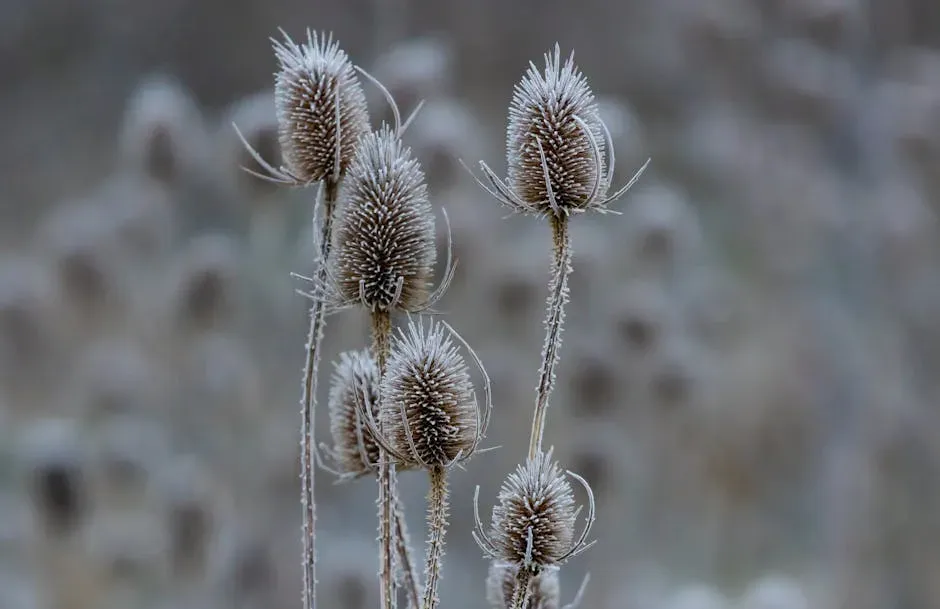
Tidiness is one of the quieter enemies of backyard biodiversity. The autumn clear-up that feels so satisfying can strip away shelter and food that wildlife depends on right through until spring. Many gardeners love a tidy winter landscape, but leaving seed heads standing can make a meaningful difference to backyard wildlife. Plants like coneflower, black-eyed Susan, and native grasses hold seeds that feed birds all winter long. Goldfinches, chickadees, sparrows, and juncos depend on these natural food sources in cold months when insects are scarce.
Seed heads do more than feed birds. Hollow stems and sturdy stalks provide shelter for overwintering pollinators such as native bees and lacewings. Some of these insects tuck themselves deep into dried plant material for protection against freezing temperatures.
When spring arrives, wait until daytime temperatures stay consistently above fifty degrees before removing leaf litter and cutting back stems. This gives overwintering insects time to emerge. You can then prune perennials, top dress beds with compost, and refresh mulch. Patience in spring pays real dividends for the season ahead.
Start a Compost Heap for a Hidden Wildlife Hub
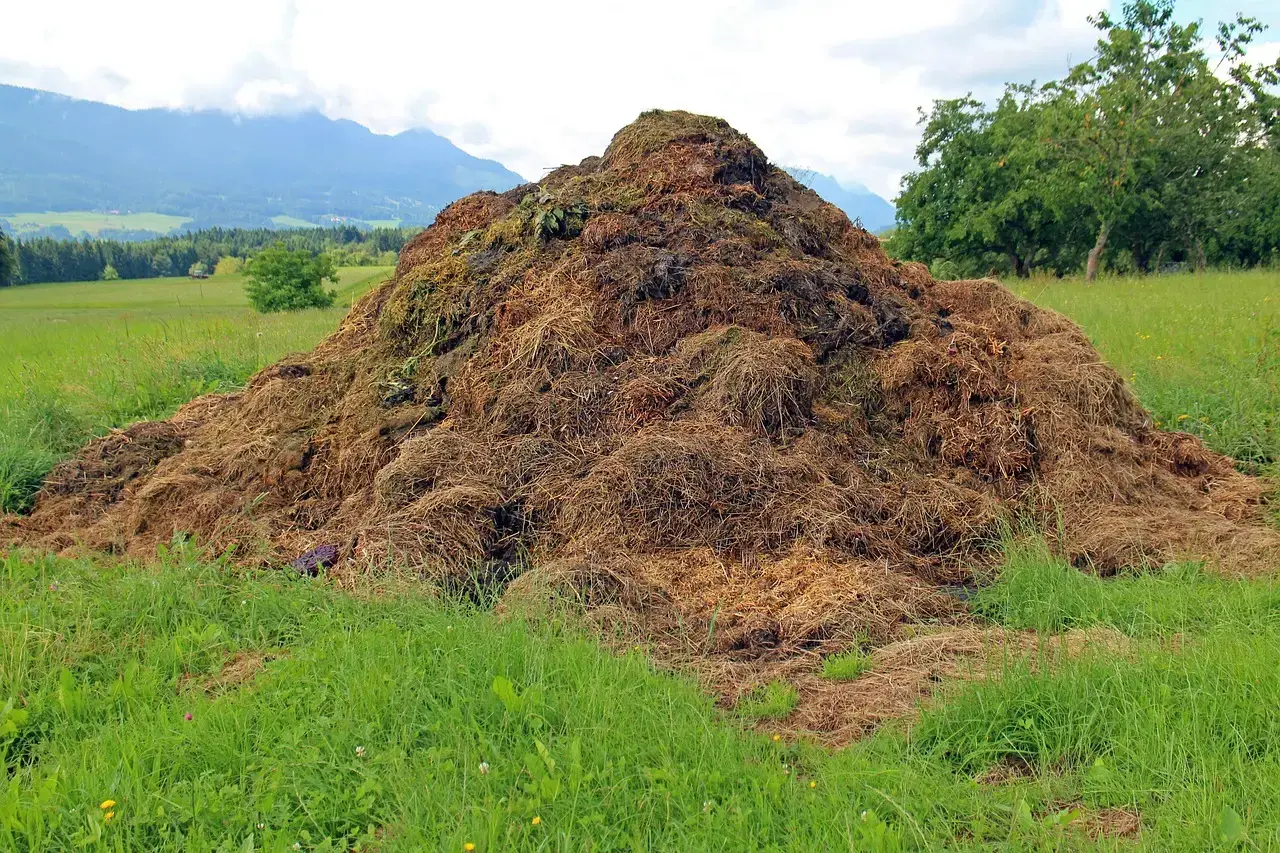
Creating a compost heap in your garden from kitchen waste is a great way to reduce what goes to landfill and will create a minibeast haven. Minibeasts are small invertebrates such as millipedes, woodlice, and spiders. These are an excellent source of food for other wildlife.
A compost heap can provide a refuge and feeding area for creatures such as hedgehogs, beetles, toads, bats, birds, grass snakes, small mammals, and slow-worms. Many of these eat insects and slugs and therefore act as natural pest controllers, reducing the need for pesticides and other chemicals.
Composting brings many benefits to wildlife gardens. It improves soil structure, helps to increase water retention, and provides food for decomposers, which in turn attract birds and mammals. The decomposition process also generates heat, which makes the heap an inviting place for reptiles such as lizards and slow-worms. It’s one of those rare garden features that works harder the less you interfere with it.
Ditch Pesticides and Embrace Natural Pest Control
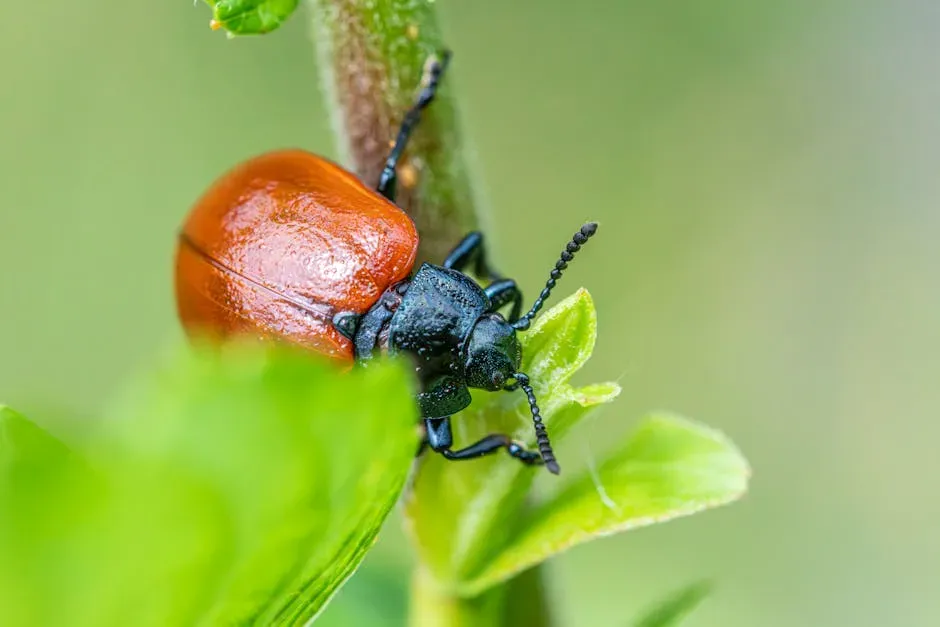
According to the United States Fish and Wildlife Service, American homeowners use up to ten times more chemical pesticides per acre on their lawns than farmers use on crops. Pesticides and fertilizers harm wildlife, so you should avoid using them when you create a wildlife-friendly garden.
Synthetic pesticides can persist in the environment long after you apply them. Systemic pesticides are absorbed into every part of the plant from roots to leaves to nectar and pollen, harming any wildlife that uses the plant. That includes the very pollinators and beneficial insects you’re trying to attract.
Gardens that invite wildlife contribute to the natural pest control system, where birds and beneficial insects keep harmful pests in check. Spiders, toads, bats, and even songbirds are voracious predators of pests. Creating a diversely planted garden that attracts an array of wildlife is a much better way to control pests than spraying toxic pesticides. The ecosystem handles it, given half a chance.
Add Nesting and Shelter Features for Insects and Birds
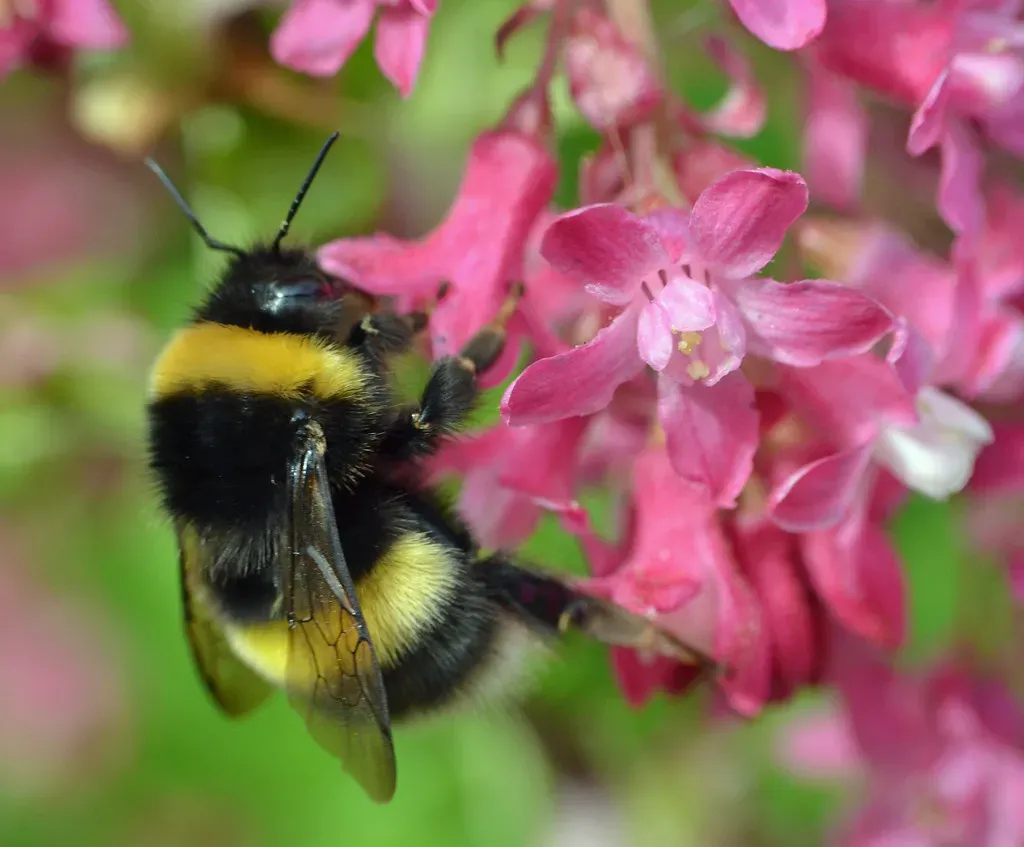
Solitary bees are important pollinators and a gardener’s friend. You can help them by building a bee hotel for your home or garden, and by providing safe places for hedgehogs to live. These small additions to the garden take up very little space but carry outsized ecological weight.
Larger logs with the bark still attached work best for habitat features, placed in an area that’s neither constantly sunny nor always in the shade. Even a single log partially buried provides a good habitat. Log piles attract beetles, centipedes, fungi, and a range of creatures that form the base of the garden food web.
Fixing wires and trellis on any appropriate vertical surface supports wildlife-friendly climbing plants such as honeysuckle, jasmine, and wisteria. Ivy can gallop up a wall or fence unaided and offer an excellent habitat and food source for many creatures. Honeysuckle and evening primrose are also night-blooming flowers that release their scents after dark, attracting pollinating insects. Even your walls and fences can become habitat with minimal effort.
Conclusion
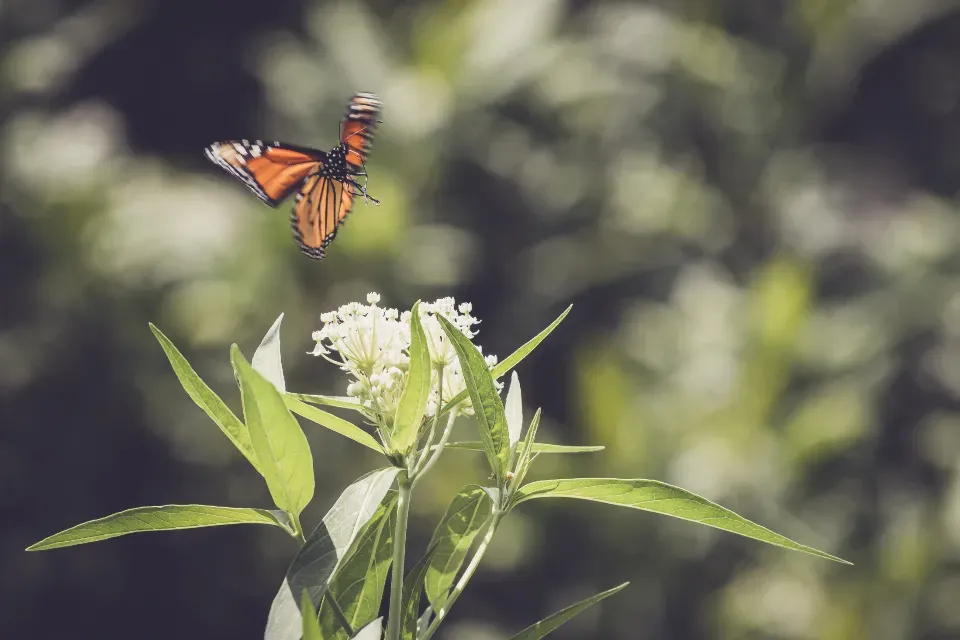
A wildlife-friendly garden doesn’t require a dramatic overhaul. It’s really a collection of smaller decisions, each one nudging your outdoor space a little closer to something that works for nature as well as for you. Plant a native species here, leave a corner unmown there, resist the urge to tidy everything up in autumn.
A wildlife-friendly garden is more than just a beautiful outdoor space. It’s a thriving ecosystem that supports local birds, butterflies, pollinators, and other wildlife. By incorporating native plants and ecological landscaping principles, you can create a garden that provides food, shelter, and water for diverse species, and designing one doesn’t mean sacrificing aesthetics or requiring excessive maintenance.
The real reward tends to sneak up on you. One morning you notice a frog in the pond, then a hedgehog trail through the long grass, then bees working a patch of coneflowers you nearly cut back in October. The garden doesn’t change overnight, but once it starts moving in the right direction, it’s remarkable how quickly life finds its way in.
