
Ever thought the animal kingdom was all about fluffy bunnies and majestic eagles soaring across pristine skies? Think again. The natural world operates on principles so ruthless they make our toughest Monday mornings look like a walk in the park. While nature documentaries give us the polished version with dramatic music and carefully edited sequences, the reality beneath those stunning visuals is a daily battle where weakness means death, hunger drives horror, and survival demands sacrifices that would haunt us if we truly understood them. What you’re about to discover might forever change how you see that peaceful meadow or tranquil forest stream. Let’s dive in.
When New Dads Become Baby Killers
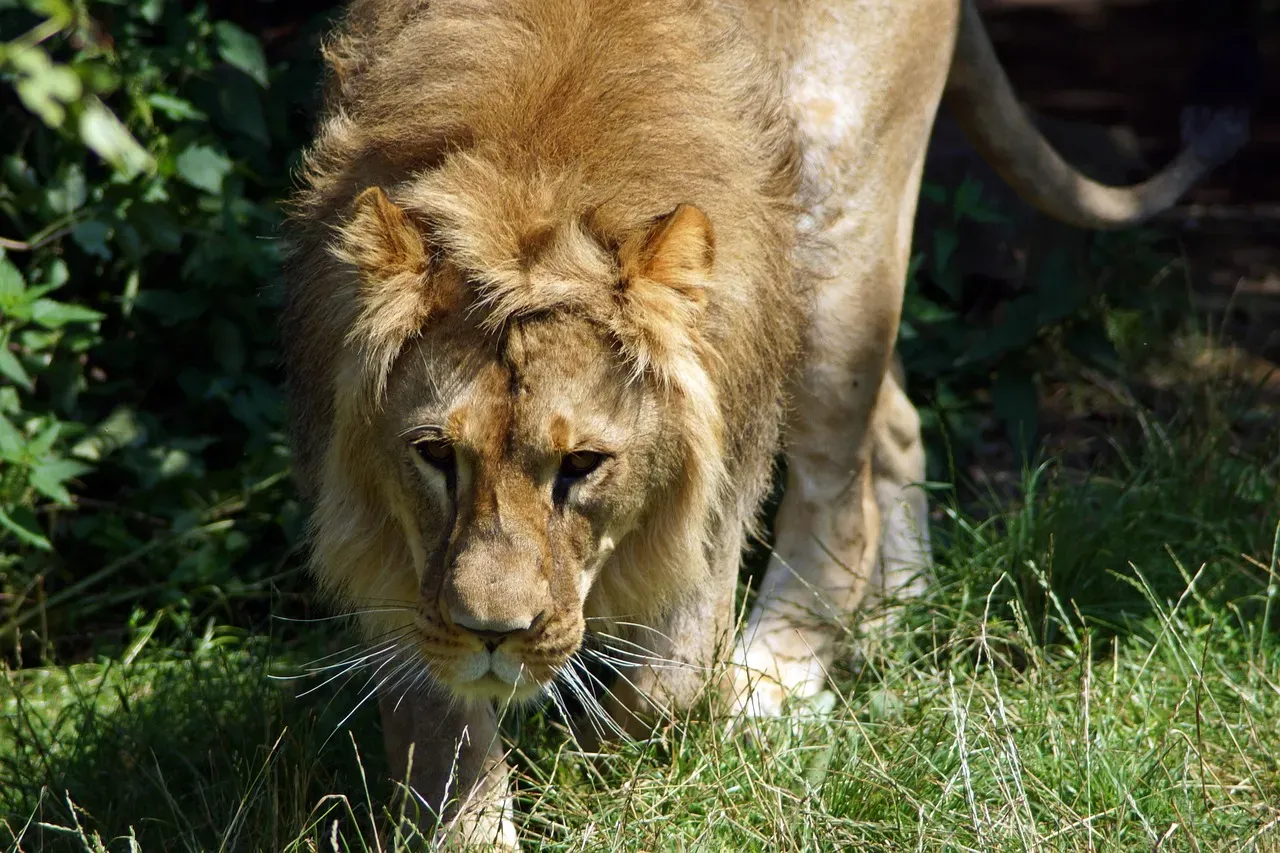
When a male lion takes over a pride, he kills any cubs that are not related to him, a practice that is part of the reason why most lion cubs die before their second birthday. It’s hard to imagine anything colder than this calculated infanticide. The practice forces the females to come into oestrus, so the male can then mate and father his own offspring more quickly.
Nature doesn’t care about our sense of fairness or morality. These deaths aren’t senseless acts of violence but rather evolutionary strategies honed over millions of years. The new male isn’t being cruel in any human sense; he’s simply maximizing his genetic legacy. Still, the image of these tiny cubs meeting their end at the jaws of an adult male lion is something that sticks with you.
Meerkats Are Murderers in Cute Packages
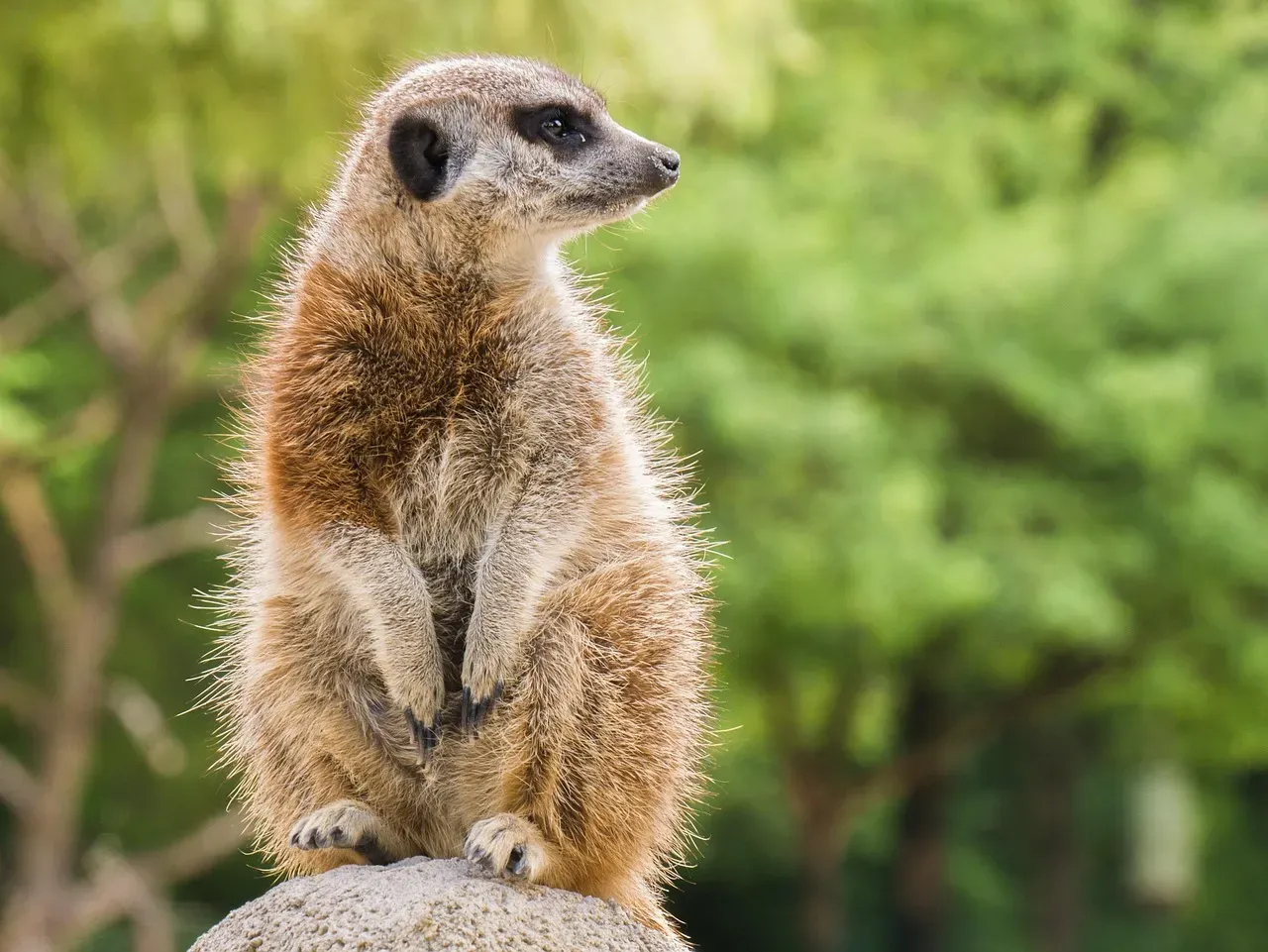
Roughly 20 percent of all meerkat deaths come at the hands of other meerkats, as they’ll fight and kill each other for dominance. Yes, those adorable creatures standing upright and gazing into the distance are also some of the most violent mammals on the planet. They’ll even kill off their young to maintain a level of dominance in their faction.
Let’s be real, when you see meerkats at the zoo or in wildlife photos, you think they’re endearing and harmless. The reality? They’re cannibalistic, power-hungry little beasts willing to sacrifice their own offspring for social status. Meerkats are also not above eating one another! Nature doesn’t reward the cutest or the most photogenic; it rewards the most ruthless.
Grizzly Bears Don’t Wait for Death
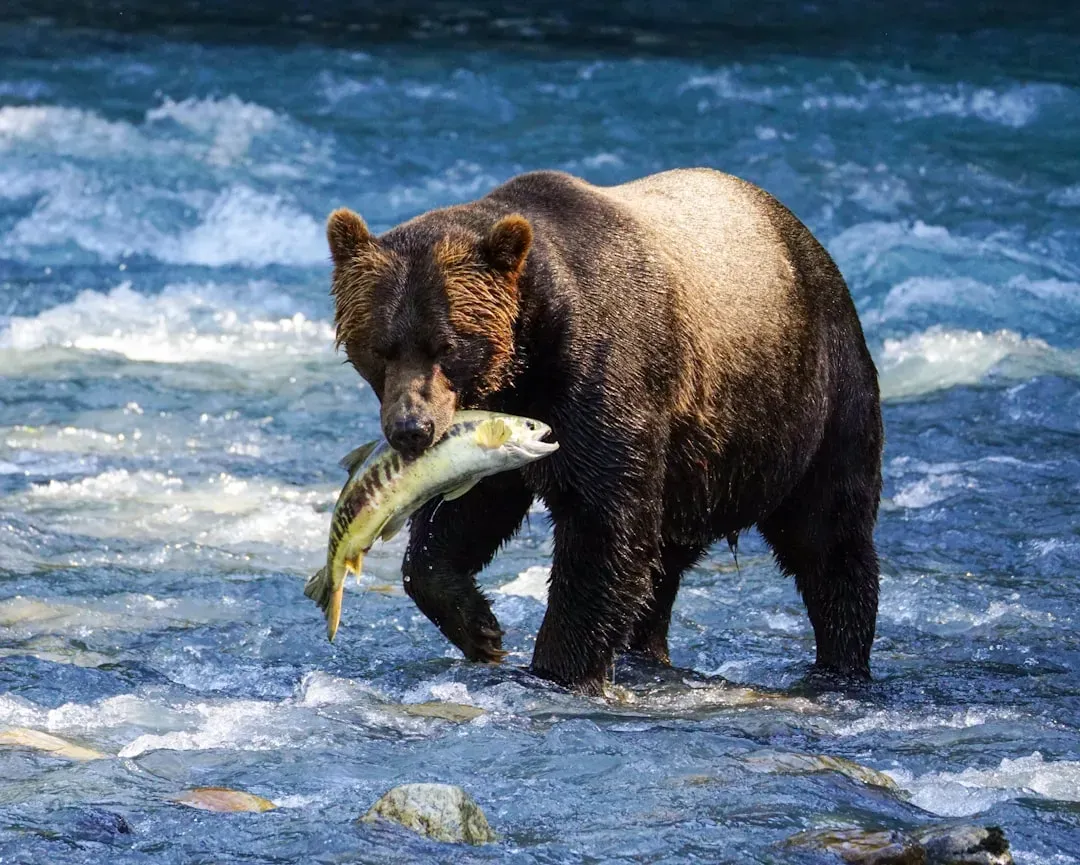
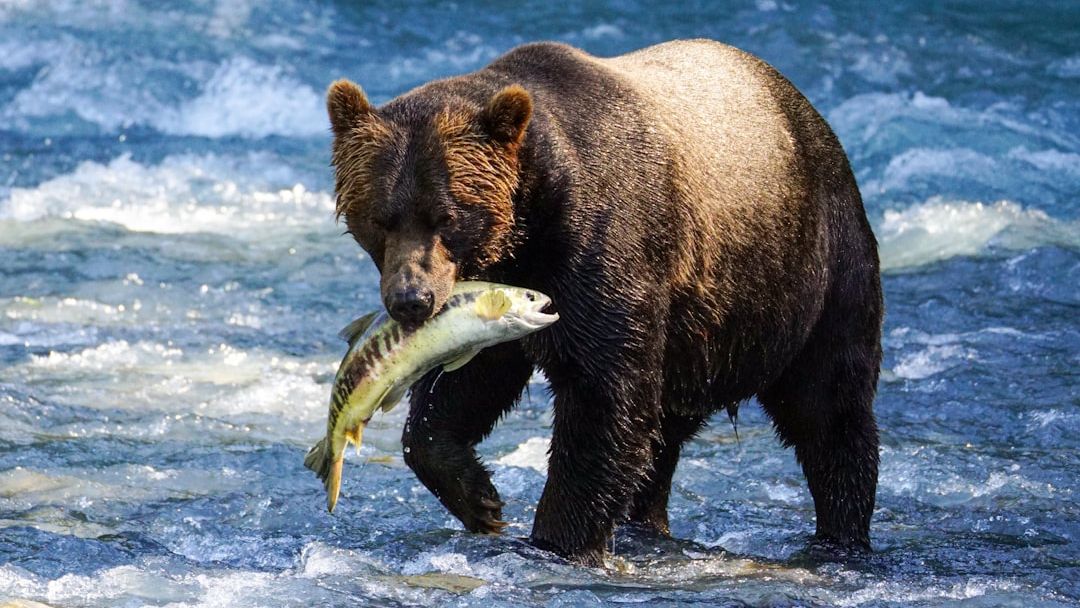
Bears are notorious, not just for their tremendous strength and predatory versatility, but for their dispassionate approach to killing as they often begin to feed immediately, without waiting for the prey to die. Imagine the terror of being eaten alive, fully conscious, as a massive predator casually consumes you bite by bite.
This isn’t some horror movie scenario. It’s Tuesday afternoon for a grizzly bear. Some grizzlies have been known to grow as large as 1,500 lbs, and exhibit strength equal to five humans. With that kind of power, they don’t need to be efficient killers. They just start eating, and death becomes a side effect rather than a prerequisite. The prey doesn’t get the mercy of a quick end.
Orcas Hunt With Sadistic Precision
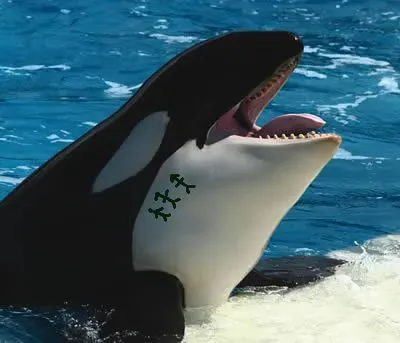
Orca whales hunt in packs and ambush pods of whales, ramming their massive bodies at high speeds into the whales to cause significant injury, and they’ve also been known to chase a mother and calf for hours until the mother is exhausted and the calf can no longer be protected. That’s not just hunting. That’s psychological warfare.
Orcas like to feast on the calves’ nutritious tongues and soft flesh. They pursue their prey with intelligence and strategy, wearing down mothers through sheer exhaustion before claiming their prize. It’s calculated, deliberate, and utterly merciless. Dolphins can be actually quite violent when they’re in a playful mood, and they have been observed using baby sharks like volleyballs, and in one instance, a group of dolphins ganged up on and killed porpoises in unexplained acts of aggression. Their ocean cousins aren’t much better.
Rattlesnakes Can Kill You After Death
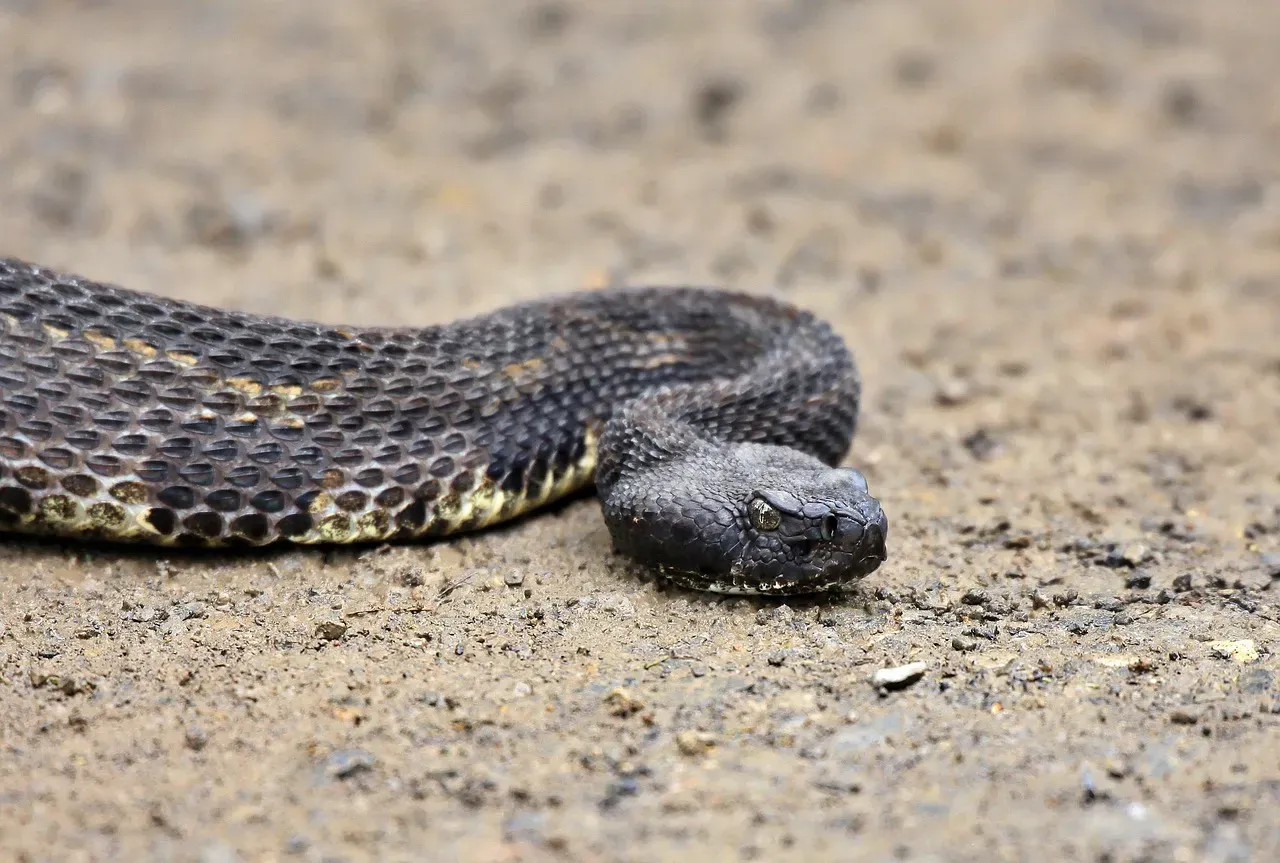
Though death is imminent, rattlesnakes can survive for at least an hour after being decapitated and can strike and inject venom into unsuspecting victims, while other chunks of the snake, including the signature rattle, can slither and shake hours after being dismembered.
Picture this nightmare: you encounter a rattlesnake, somehow manage to decapitate it, think you’re safe, and then get bitten by the severed head. That’s not just brutal. It’s downright vindictive from beyond the grave. Even in death, these serpents refuse to surrender their lethality. The reflex to strike continues functioning long after any consciousness has faded, a final middle finger to anything that dares mess with them.
Parasitic Wasps Turn Caterpillars Into Living Nurseries
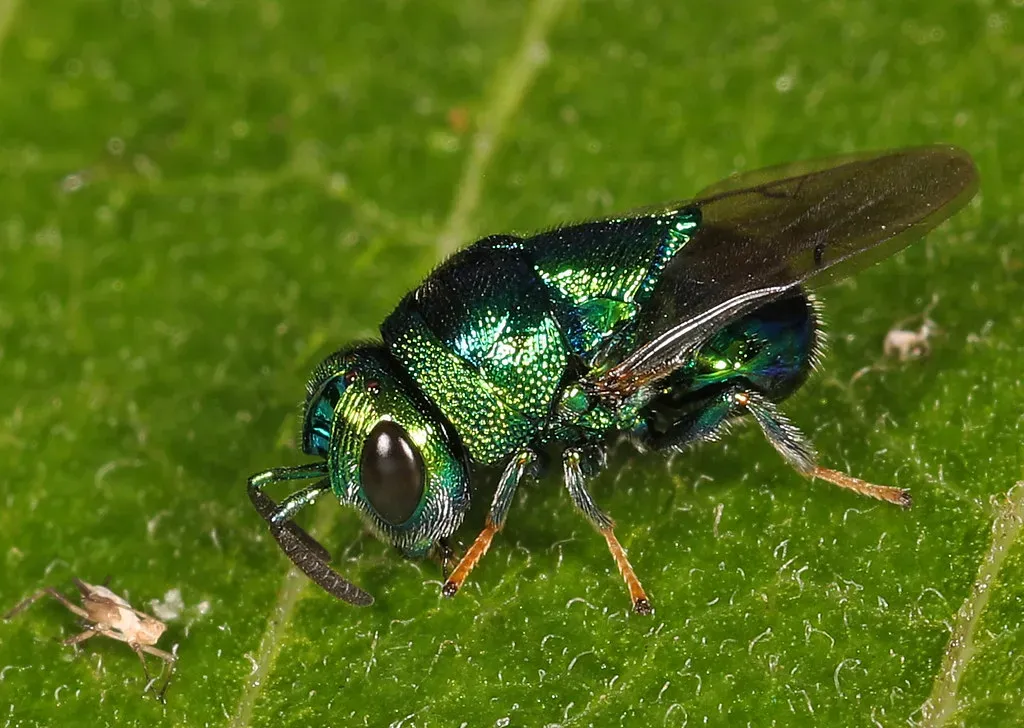
Some wasp species lay their eggs inside caterpillars, and the larvae then feed on the host from the inside out, ensuring a gruesome end for the caterpillar. It’s like something straight out of a sci-fi horror film, except it happens millions of times every single day across the planet.
The caterpillar continues living, going about its business, completely unaware that its body is being slowly consumed from within. There’s no quick death here, no merciful end. Just a slow, inevitable transformation from living creature to wasp incubator. This is nature’s version of body horror, and it makes even the most disturbing movies seem tame by comparison.
Vampire Bats Feed Unnoticed for Half an Hour
Vampire bats have the sharpest teeth in the animal kingdom which sink effortlessly into their victims and help them feed unnoticed, while special enzymes in their saliva prevent their blood-only diet from clotting as they slurp. These flying nightmares have evolved specifically to drain blood without detection.
Imagine waking up and discovering you’ve been someone’s meal for the past thirty minutes without ever knowing it. The bat lands, makes a surgical incision with razor-sharp teeth, and then settles in for a leisurely drink while you sleep. The anticoagulant in their saliva keeps your blood flowing freely, turning you into an unwitting juice box. It’s efficient, evolved, and absolutely chilling.
Kangaroos Sacrifice Their Own Babies
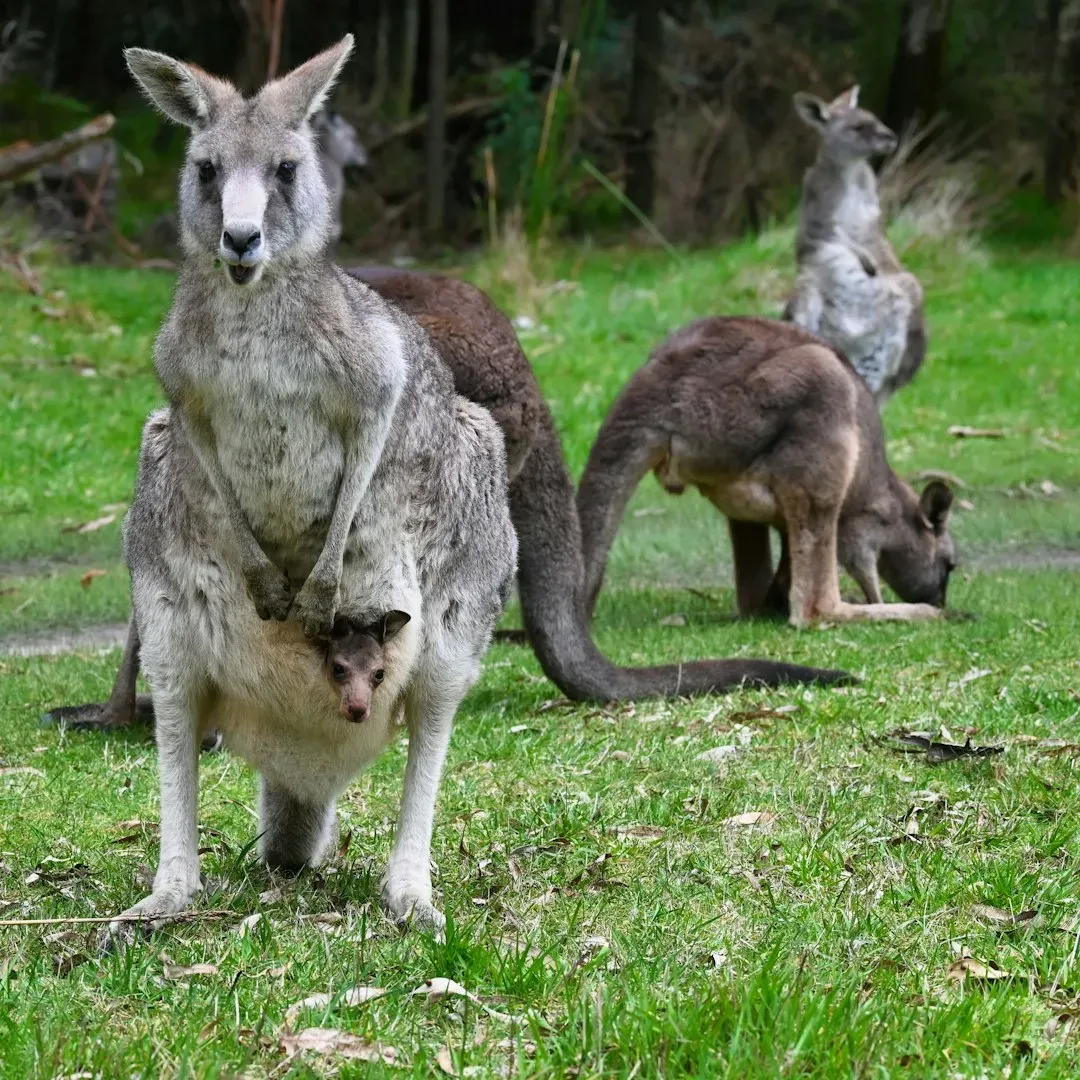
A baby can’t reproduce, so it’s up to the mother to keep herself alive so that the species can continue to thrive, and a zookeeper from the North Georgia Zoo says that if a mother kangaroo has multiple babies, during times when the mom can’t support them all, she may sacrifice one to boost the chances of survival for the others.
This cold calculation strips away any Disney-fied notion of maternal instinct. When resources get scarce, kangaroo mothers make a brutal cost-benefit analysis. One baby dies so the others might live. There’s no emotional hand-wringing or second-guessing. Just survival math. Some might call it practical. Others would call it heartbreaking. Nature calls it Tuesday.
Saltwater Crocodiles Have a Death Roll You Can’t Escape
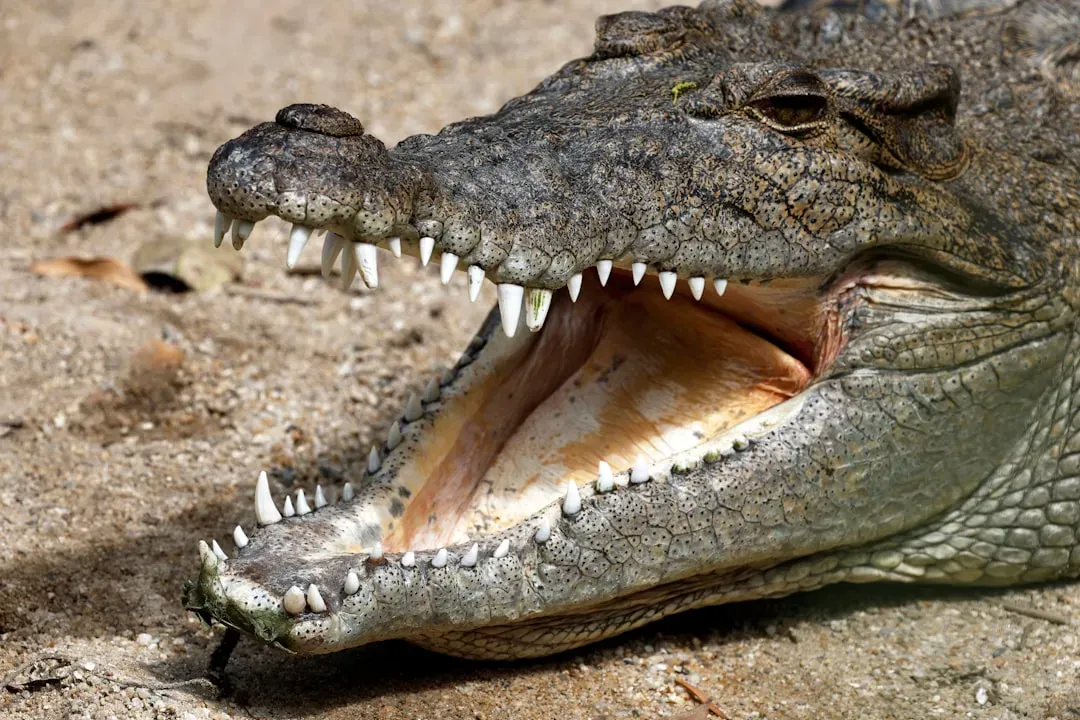
The saltwater croc also has the strongest bite of any living species at about 3,700 psi, and once caught, an animal is hopelessly locked in and killed by virtue of an underwater death roll. The croc’s teeth are not designed to rip flesh, but to hold onto prey and prevent its escape, making it among the most brutal ways to go.
Those massive jaws clamp down with more force than a car crusher. You’re dragged underwater, disoriented, drowning, while the crocodile spins like a washing machine to tear you apart. If a saltwater crocodile has chosen you as his prey, survival is unlikely. There’s no negotiating, no lucky breaks, no Hollywood-style narrow escapes. Just cold, reptilian efficiency that’s been perfected over millions of years.
Conclusion: The Beautiful Brutality
These facts aren’t meant to make you fear nature or lose appreciation for its wonder. They’re reminders that the natural world operates on principles entirely separate from human morality. Survival isn’t pretty, it isn’t fair, and it certainly isn’t merciful. Predators don’t hunt out of malice, parents don’t abandon offspring out of cruelty, and parasites don’t torture their hosts for entertainment.
They do what they must to survive in an unforgiving world where weakness is punished immediately and strength is the only currency that matters. The next time you watch a nature documentary and marvel at the beauty of a lion pride or the grace of an orca pod, remember what you’ve learned here. Behind every majestic creature is a story of survival written in blood, sacrifice, and ruthless efficiency. What’s your take on nature’s darker side? Did any of these facts surprise you?
