
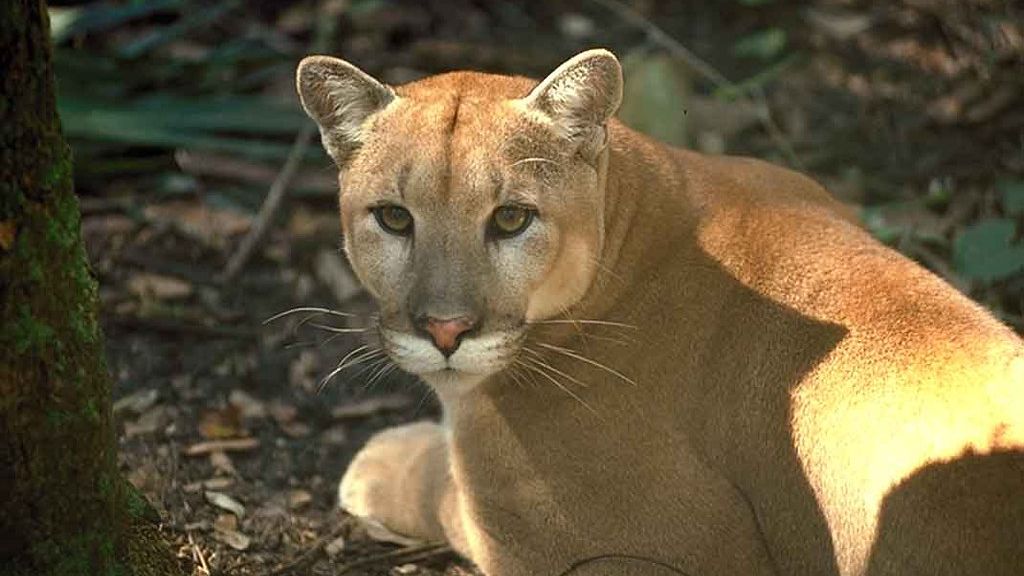
Most people living in Florida will never glimpse one of these elusive creatures slipping through the cypress swamps or prowling across pine flatwoods. Yet for scientists and conservationists, the Florida panther is impossible to ignore. This tawny predator, barely surviving in the southernmost reaches of the Sunshine State, has become a living laboratory, an intricate puzzle that researchers have been piecing together for more than four decades.
Think about it. When a species dwindles to just a handful of individuals, every breath matters. Every movement tells a story. The stakes couldn’t be higher, making the Florida panther not just a symbol of wilderness but a critical case study in survival against overwhelming odds. So what exactly makes this big cat such a magnet for scientific attention? Let’s dive in.
A Population That Nearly Vanished Into History
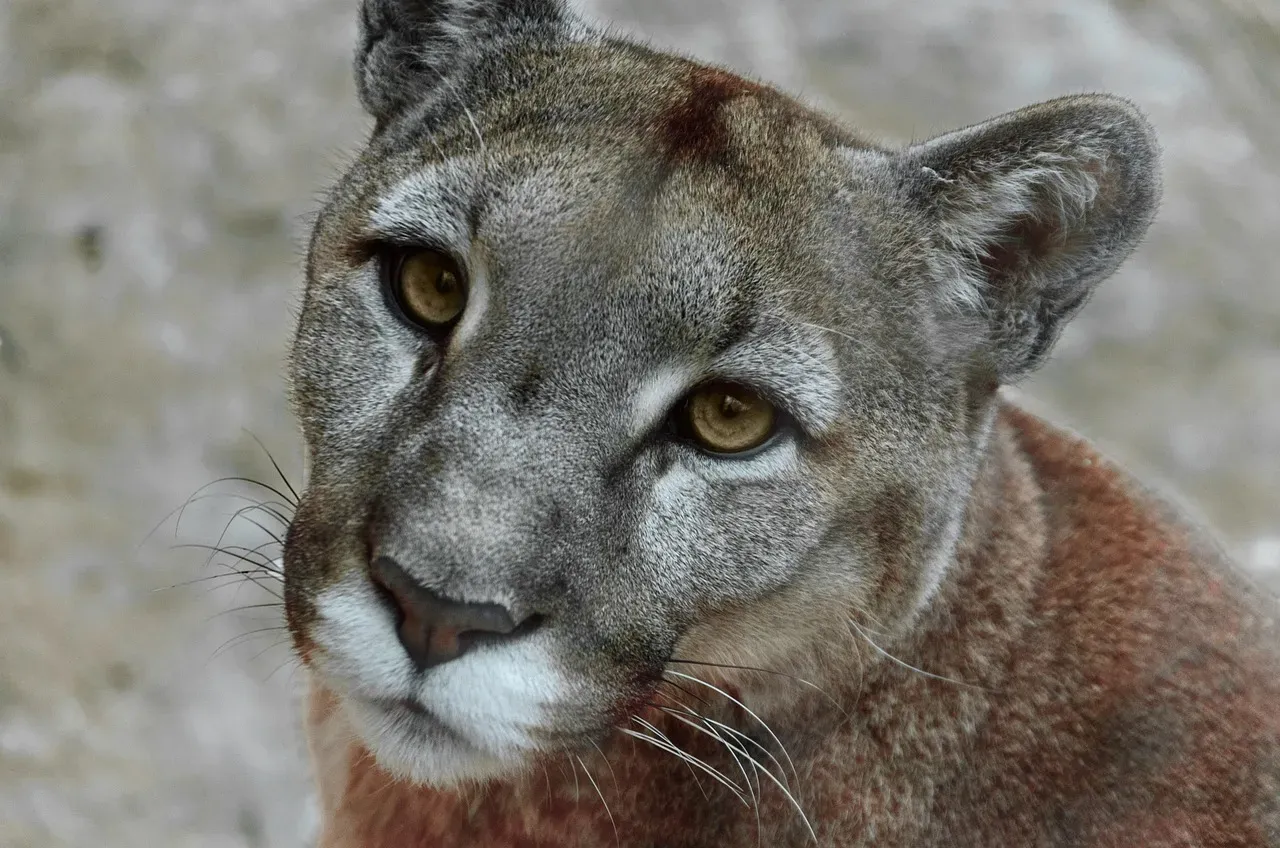
By 1995, the Florida panther had dwindled to around 20 animals clustered around the Big Cypress Swamp in Southwest Florida. Honestly, that number is staggering when you think about it. Imagine an entire subspecies balanced on a knife’s edge.
In 50 years, the endangered Florida panther has made a long journey back from the brink of extinction, rebounding from an estimated low of 10 animals to over 200 animals. The sheer drama of this recovery makes the panther irresistible to researchers who want to understand how populations can bounce back or why they fail.
By the 1970s, only a handful were left in the swamps west of the Everglades, and in 1972, it was discovered that inbreeding was hampering their ability to reproduce. This biological crisis turned the panther into an urgent research priority.
The Genetic Rescue That Changed Everything
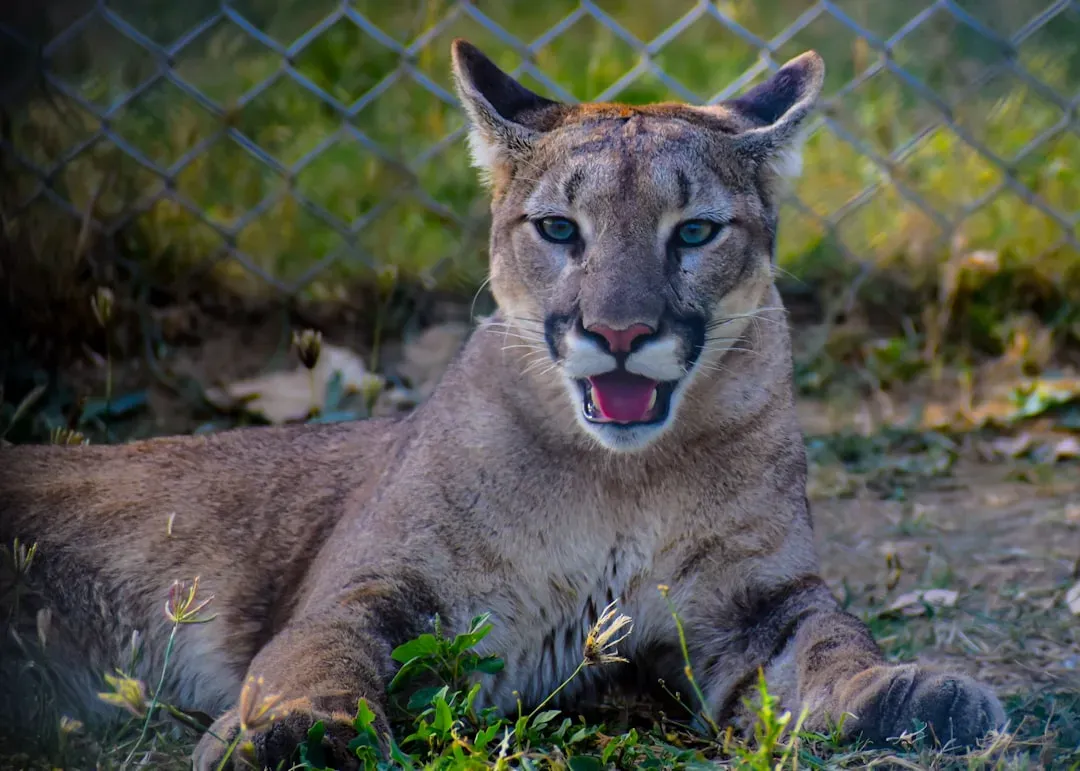
Here’s the thing about small populations. They don’t just struggle with numbers. They struggle with biology itself.
In the mid 1990s, Florida panthers numbered less than 30 individuals, many exhibiting morphologic and genetic correlates of inbreeding, prompting eight female pumas from Texas to be translocated to Florida in 1995 to attempt “genetic rescue.” This bold experiment became one of the most closely monitored wildlife interventions in conservation history. Scientists needed to know if mixing genes from a related population would save or swamp the Florida panther’s unique identity.
The Florida panther population has risen to around 200, and a recent study found that local ancestry and genetic variation of Florida panthers have not been replaced by genes introduced from Texas. That discovery, published in early 2026, required exhaustive genetic analysis across nearly three decades.
The findings highlight the success of the genetic rescue, but also that its effects might be transient and that continued management of the panthers is needed. In other words, the story isn’t over. Researchers must keep watching, measuring, tracking.
Decades of Intensive Tracking and Monitoring
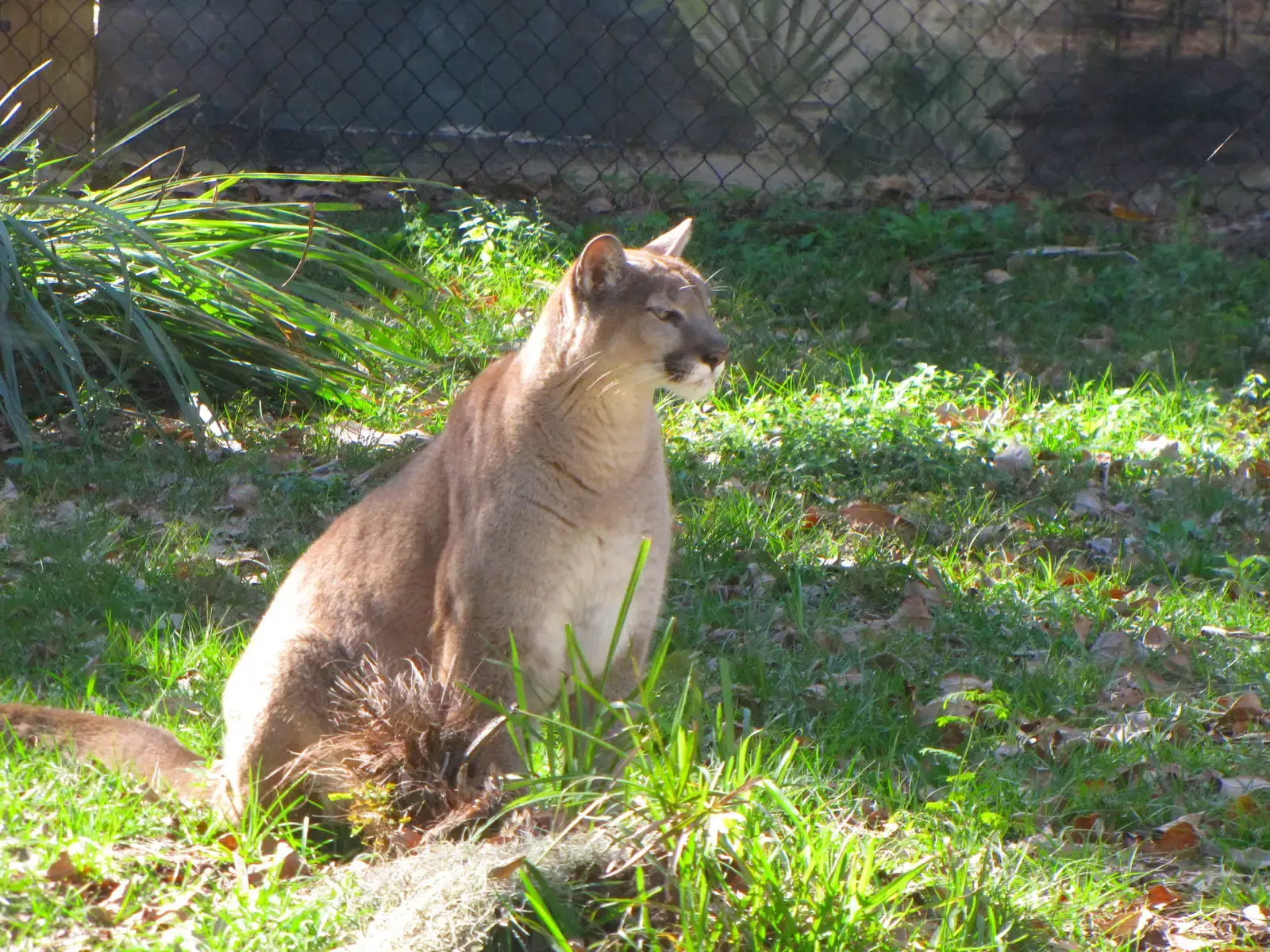
Let’s be real. Few wild animals receive this level of attention.
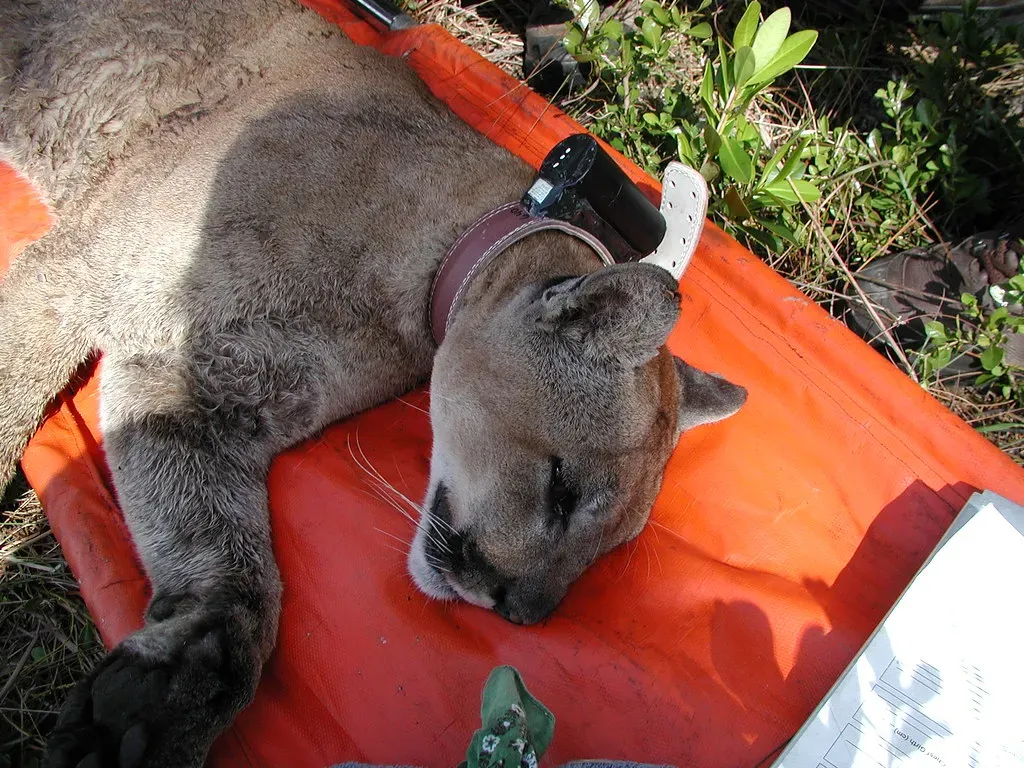
Because the few remaining panthers have been so intensively studied, a detailed database is available for individuals in the population, with radiotelemetry beginning in 1981 when two individuals were radio-collared, expanding to forty-one panthers with more than 50,000 telemetry locations. That’s an extraordinary amount of data from a single species. Every movement, every shift in behavior, every territorial dispute gets recorded and analyzed.
Using radio-telemetry data from 87 prime-aged adult panthers during 2004 through 2013, researchers analyzed the characteristics of the occupied area to develop a predictive distribution map. This information helps predict where panthers might expand and what habitat they need most. It’s not just academic curiosity driving this research. It’s survival.
Scientists use GPS collars, camera traps, genetic sampling, and even disease monitoring. Each new technology gets deployed to answer urgent questions about how these animals live, reproduce, and die.
A Testing Ground for Conservation Science
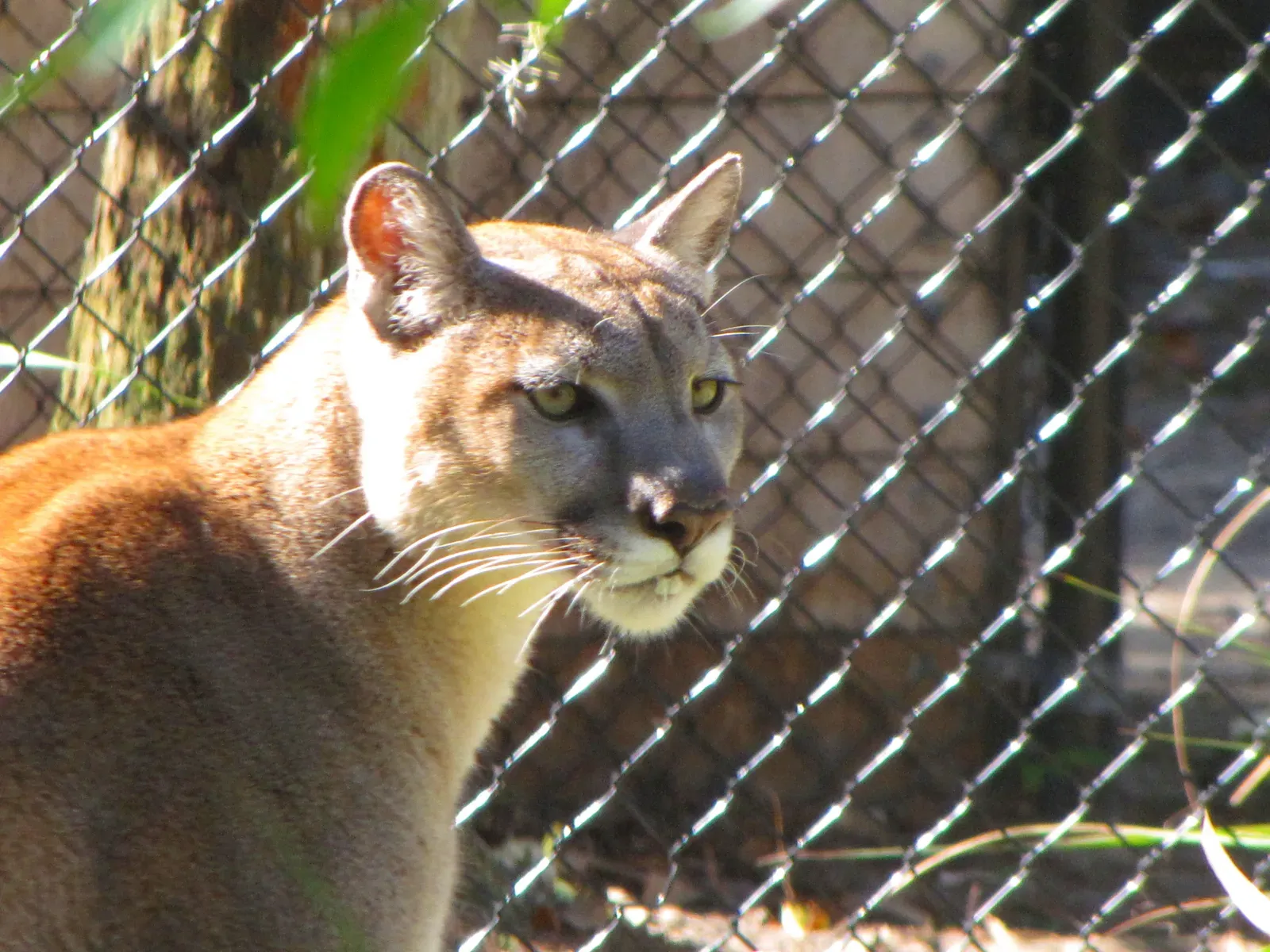
I think what makes the Florida panther truly exceptional is how it serves as a real-world experiment for conservation theory.
The study demonstrates that knowledge gained from speciation science can be applied to conservation action via the mechanism of genetic rescue from appropriately diverged populations. Researchers worldwide look to Florida’s experience when facing similar crises with jaguars, cheetahs, or tigers. The panther isn’t just being studied for its own sake, it’s teaching us how to save other species teetering on the edge.
The habitat model was 87.5 percent accurate in predicting presence or absence of panthers, with analysis showing that forest cover, forest edge, hydrology, and human population density were the most important factors. These findings shape land management decisions across thousands of square miles.
The results could help researchers better understand diseases typical of the Florida panther population and watch for recurring ones, with data used as a tool for monitoring harmful DNA mutations in the current population. Every insight contributes to a broader understanding of how endangered species can persist.
Navigating a Landscape Dominated by Humans
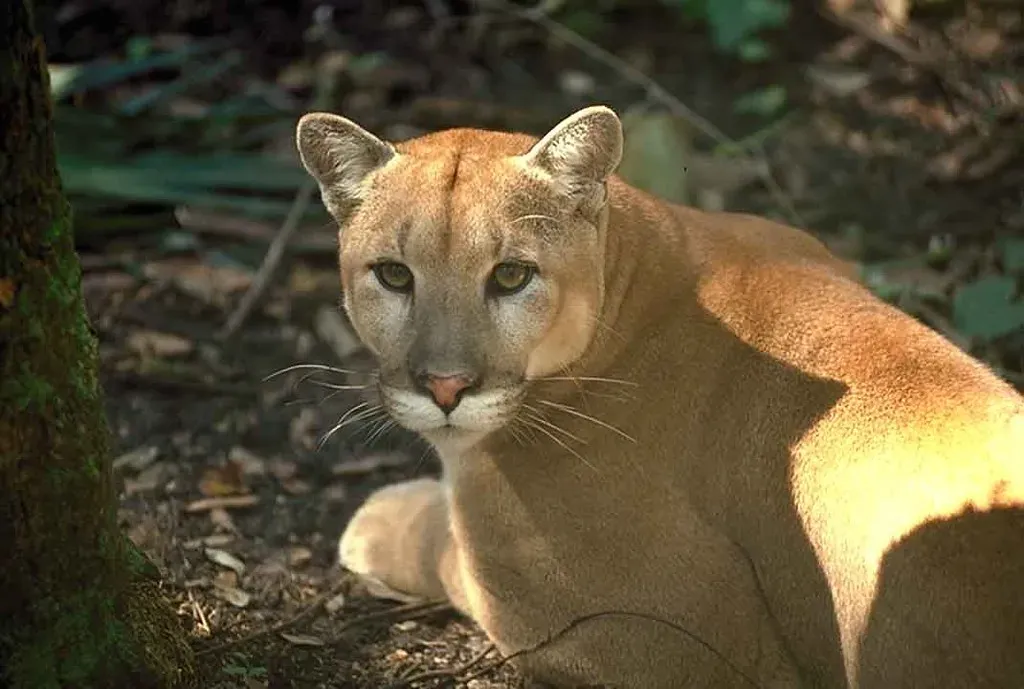
Here’s where it gets complicated. The Florida panther doesn’t live in some remote wilderness far from civilization.
Habitat loss is the biggest threat to the species, with automobile collisions and territorial aggression between panthers being the two highest causes of mortality for individuals, while habitat loss, degradation, and fragmentation threaten the population as a whole. Studying how panthers navigate highways, suburbs, and agricultural lands provides crucial data for transportation planning and development decisions.
The Florida Department of Transportation oversees more than 123,652 centerline miles of public roads with an estimated 332.4 million daily vehicle miles traveled, posing a serious risk to wildlife including the panther. Wildlife crossings and corridor planning emerged directly from decades of research tracking panther movements and mortality patterns.
Today, the Florida Wildlife Corridor spans 18 million acres with ten million of these acres protected from development. None of this conservation infrastructure would exist without the intensive scientific work documenting exactly where panthers roam and what they need to survive.
Unfinished Business and Ongoing Mysteries
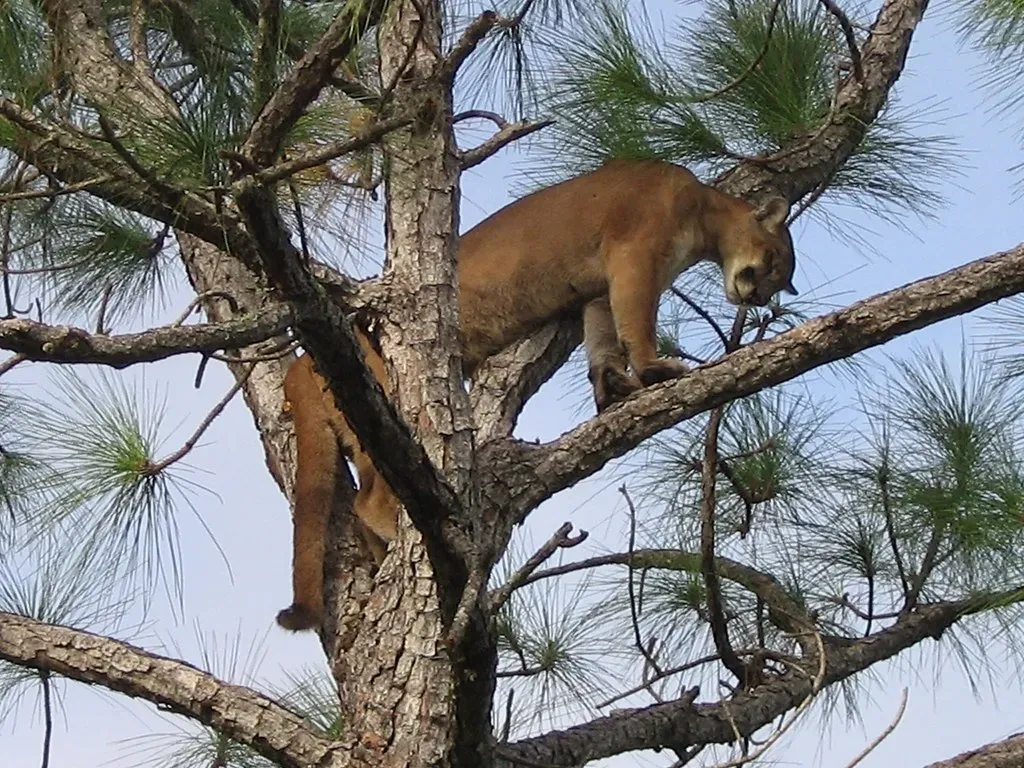
Even after all these years, major questions remain unanswered. That’s part of what keeps researchers coming back.
Modeling revealed that the effects of translocating individuals can be highly variable and subject to chance, especially looking into the future, with the increase in fitness not guaranteed to be long-lasting. Long-term monitoring is essential because genetic benefits could fade if the population stays small.
Biologists have recently documented a new neurological disorder afflicting some Florida panthers and bobcats that causes varying degrees of rear leg weakness and difficulty walking, with monitoring efforts ongoing. New threats emerge even as old ones are addressed. Disease surveillance, habitat monitoring, and genetic tracking must continue indefinitely.
Before the species can be considered recovered and removed from the endangered species list, there must be three viable, self-sustaining populations of at least 240 individuals each maintained for a minimum of 12 years, with only a single population of as few as 120 adults currently in South Florida. Reaching those recovery goals will require years, perhaps decades, of continued research and adaptive management. The work is far from finished.
Conclusion
The Florida panther endures as because its story encapsulates everything conservation science grapples with today. Small populations, genetic bottlenecks, habitat fragmentation, human-wildlife conflict, and the urgent need for evidence-based management all converge in this single species. Researchers haven’t been studying the panther just to satisfy curiosity. They’ve been racing against time, testing theories, and building a blueprint for how we might save the world’s most vulnerable predators.
Every collar deployed, every genetic sample analyzed, and every mortality investigated adds another piece to an unfinished puzzle. The panther’s survival depends on our willingness to keep paying attention, keep learning, and keep adapting our strategies as new challenges emerge. Did you expect that decades of research would still leave so many questions unanswered? That’s the reality of conservation. The work never truly ends, it just evolves.
